Email Branding Made Simple: A Foolproof Step-by-Step Guide
Hey there! Have you ever opened your inbox and felt overwhelmed by the sheer number of emails vying for your attention? In a world where everyone is trying to stand out, how can your brand cut through the noise? The answer lies in effective email branding! Whether you’re a small business owner, a freelancer, or part of a larger marketing team, establishing a recognizable email presence is crucial for success. But don’t worry—email branding doesn’t have to be complicated! In this article, we’ll walk you through a foolproof step-by-step guide that will empower you to create emails that not only look great but resonate with your audience. Get ready to transform your email communications into a powerful branding tool that fosters connection and drives results! Let’s dive in!
Understanding the Importance of Email Branding
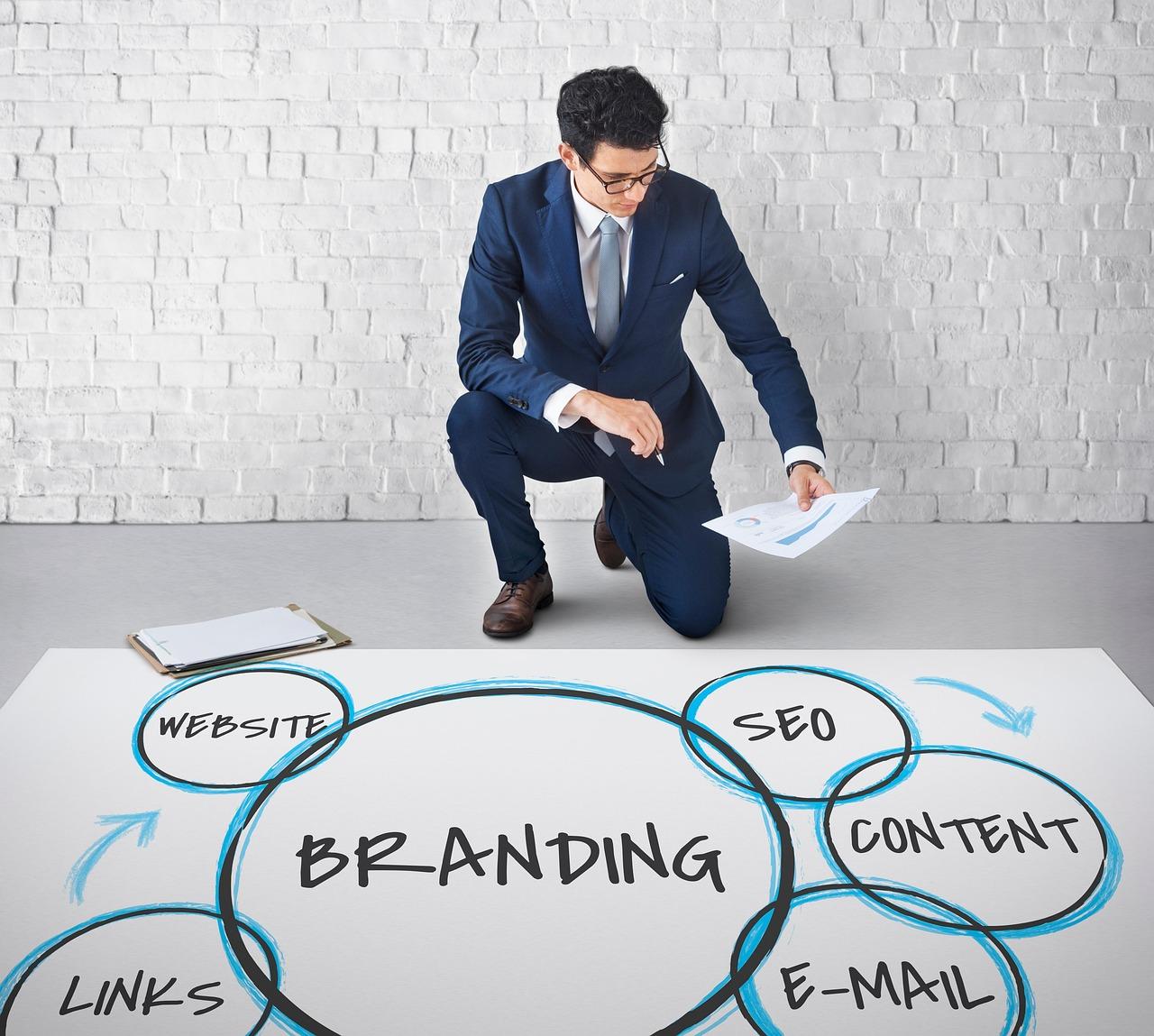
Email branding is more than just a design choice; it’s a crucial aspect of your overall marketing strategy. When executed effectively, it can enhance your brand’s identity and build trust with your audience. Think about it: every email you send is an opportunity to reinforce your brand’s message and values. It’s not just a message flying through cyberspace; it’s a representation of who you are as a business.
Here are some key reasons why email branding matters:
Consistency: A consistent look and feel across your emails fosters recognition. When your audience sees your email, they should instantly recognize it as part of your brand.
Professionalism: A well-branded email presents your business in a professional light. It tells your audience that you care about the details and are committed to quality.
Trust Building: Strong email branding can build trust with your subscribers. When people trust your brand, they are more likely to engage with your content and make purchases.
Improved Engagement: Emails that are visually appealing and branded effectively tend to have higher open and click-through rates. This means more eyes on your message and potentially more business!
To create a cohesive email branding strategy, you should focus on several key elements:
Element
Description
Logo
Your logo should be prominently displayed in your emails, acting as a visual anchor for your recipients.
Color Palette
Use your brand’s color scheme consistently to evoke emotions and create a sense of unity.
Typography
Choose fonts that align with your brand’s personality and are easy to read across devices.
Imagery
Use images that reflect your brand’s identity; they should enhance your message, not distract from it.
Moreover, an effective email branding strategy also includes your tone of voice. Whether it’s friendly, professional, or quirky, maintaining a consistent tone across your emails helps reinforce your brand personality. This consistency can make your subscribers feel more connected to your brand, encouraging them to engage with your content.
don’t underestimate the power of analytics. By tracking how your branded emails perform, you can identify what resonates with your audience. Use this data to refine your approach and make your email branding even more effective. Remember, branding is an ongoing process, and being adaptable is key to success.
Crafting Your Unique Brand Voice
When it comes to email branding, your brand voice is the soul of your communication. It sets the tone for how your audience perceives you and can significantly influence their decision to engage with your content. To craft a unique brand voice, start by defining key characteristics that embody your brand. Think about the emotions you want to evoke and the traits that align with your brand identity.
Here are some essential elements to consider when developing your brand voice:
Personality: Is your brand playful, serious, professional, or approachable? Establishing a clear personality helps in crafting consistent messaging.
Language: Choose the type of language that resonates with your target audience. Are you using industry jargon, or is your communication more casual and conversational?
Emotion: Decide on the emotional tone of your messages. Do you want to inspire confidence, create excitement, or foster trust?
Storytelling: Every brand has a story. How you tell that story can make a significant impact. Incorporating narratives can make your emails more engaging.
Once you have a clear understanding of your brand’s voice, it’s essential to document it. Create a Brand Voice Guideline that outlines your voice characteristics, preferred phrases, and examples of dos and don’ts. This document serves as a reference point for anyone involved in email communications to ensure consistency across all touchpoints.
Utilizing a table can help visualize your brand voice elements. Here’s a simple template:
Element
Description
Personality
Friendly and approachable
Language
Casual with minimal jargon
Emotion
Supportive and uplifting
Storytelling
Using customer testimonials and success stories
It can also be beneficial to analyze communication from other brands that resonate with you. Identify what you like about their voice and how it aligns with your values. This research can provide inspiration and help refine your unique voice even further.
consistency is key. Once you establish your brand voice, ensure that it is reflected not only in your emails but also across all your marketing channels. This cohesion will help reinforce your brand identity and make your messaging more recognizable to your audience.
Choosing the Right Email Design for Your Brand
When it comes to email design, the choices you make can significantly impact your brand’s identity and how your audience perceives you. A well-crafted email not only captures attention but also drives engagement. Here’s how to select the right design elements that resonate with your brand.
Define Your Brand’s Identity
Before diving into design, take a moment to clarify your brand’s core values and personality. This foundational knowledge will guide your design choices, ensuring consistency across all channels. Consider the following:
Color Palette: Use colors that reflect your brand’s personality. For example, tech brands often opt for blues and grays, while eco-friendly brands might lean towards greens and earth tones.
Typography: Fonts convey different moods. A playful brand might use a hand-written style font, whereas a corporate brand would benefit from a sleek, modern typeface.
Imagery: Choose images that align with your brand’s message. Consistent imagery builds recognition and trust.
Keep It Simple and Effective
Less is often more in email design. A cluttered layout can overwhelm your audience, leading to disengagement. Aim for simplicity by:
Utilizing white space to create breathing room
Focusing on a single call to action (CTA) to guide readers
Organizing content into easily digestible sections
Responsive Design Matters
With the proliferation of mobile devices, ensuring your emails look great on all screens is essential. A responsive design automatically adjusts to fit different screen sizes, enhancing user experience. Here are a few tips:
Use a single-column layout for easier reading on mobile.
Test your emails across various devices to ensure compatibility.
Make CTAs large enough to be easily clickable on touchscreens.
Incorporate Brand Elements
To reinforce your brand identity, consistently incorporate key elements in your email design:
Element
Tip
Logo
Place it prominently at the top of the email.
Tagline
Add a catchy tagline to enhance brand recognition.
Social Media Links
Include icons that link to your profiles, reinforcing your online presence.
Test and Optimize
Design isn’t a one-and-done task. Regularly test different design elements to see what resonates best with your audience. Consider A/B testing for:
Subject lines
Email layouts
CTA placements
Collect data on open rates, click-through rates, and conversions to refine your approach continuously.
Choosing the right email design is about aligning with your brand identity while keeping the audience experience in mind. By following these steps, you can create visually appealing emails that not only attract attention but also foster lasting relationships with your customers.
Creating a Memorable Email Signature
Crafting an email signature that leaves a lasting impression is essential for effective communication and branding. Your email signature is more than just a sign-off; it’s a digital business card that represents you and your brand. To make yours stand out, consider the following key elements:
Name: Make sure your full name is prominently displayed. This is your introduction to the recipient.
Job Title: Include your position to provide context about your role and expertise.
Company Logo: Adding a logo enhances brand recognition and adds a professional touch.
Contact Information: Include your phone number, email address, and website link for easy connectivity.
Social Media Links: Direct recipients to your professional social media profiles to encourage further engagement.
Beyond these basics, consider the design and formatting of your signature. A clean, organized layout is crucial. Use a consistent font style and size that aligns with your brand’s identity. Here’s a simple example of how to structure your email signature:
Element
Description
Name
Your Full Name
Job Title
Your Position
Company
Your Company Name
Contact
Phone / Email / Website
Social Links
LinkedIn / Twitter / Facebook
Don’t forget to incorporate your brand’s color scheme into the signature. This not only reinforces brand identity but also makes your signature more visually appealing. Consider using a subtle background color or colored text to draw the eye. However, keep it professional; too many colors can be distracting.
Another crucial aspect is adding a call to action. Whether it’s a link to your latest blog post, an invitation to schedule a meeting, or a promo for an upcoming event, a subtle CTA can encourage engagement. Just make sure it’s relevant and not overly aggressive.
Lastly, remember to keep it responsive. Many people read emails on their mobile devices, so ensure that your signature looks good on all screen sizes. Test it out by sending emails to yourself and viewing them on different devices.
is a simple yet powerful way to enhance your professional image. By paying attention to the details and incorporating your brand elements, you can ensure your emails leave a lasting impression on recipients.
Building a Cohesive Email Color Palette
Creating a cohesive color palette for your email branding is essential for establishing a recognizable identity and eliciting emotions from your audience. A well-thought-out color scheme not only enhances the visual appeal but also reinforces your brand message. Here’s how to build a color palette that resonates with your audience and aligns with your overall branding strategy.
Start with Your Brand Colors
If you already have established brand colors, they should serve as the foundation of your email color palette. These colors encapsulate your brand’s personality and values. Be sure to:
Utilize primary colors for headers and call-to-action buttons.
Incorporate secondary colors for backgrounds or accent elements.
Ensure all colors are consistent with your existing branding guidelines.
Choose Complementary Colors
Once you have your primary colors, it’s time to find complementary shades that enhance your messaging. Complementary colors create visual harmony and can draw attention to key elements in your emails. Use tools like Adobe Color or Coolors.co to explore color combinations that work well together.
Consider Color Psychology
The psychology of color plays a significant role in how your emails are perceived. Different colors evoke different emotions and reactions. Here are a few examples:
Blue: Trustworthy and calming.
Red: Urgency and excitement.
Green: Growth and tranquility.
Yellow: Optimism and energy.
Select colors that not only suit your brand but also align with the message you wish to convey.
Test and Iterate
Once you’ve selected your colors, it’s crucial to test how they appear across different devices and email clients. Colors can look different depending on the screen and lighting conditions. Consider conducting A/B tests to see how various color combinations perform in real-world scenarios. This iterative approach helps you refine your palette based on actual engagement metrics.
Create a Style Guide
To maintain consistency, document your color palette in a style guide. Include the following elements:
Color codes (HEX, RGB, and CMYK).
Usage examples for different contexts (headlines, body text, buttons).
Prohibited color combinations to avoid clashing.
This guide ensures that anyone involved in your email marketing adheres to the same standards, creating a unified look across all communications.
Color
HEX Code
Usage
Brand Blue
#007BFF
Headings, Links
Accent Orange
#FF5733
Buttons, CTAs
Background Light Gray
#F8F9FA
Backgrounds
By focusing on these strategies, you can create a cohesive email color palette that not only captures attention but also reinforces your brand identity. With a little creativity and intentionality, your email campaigns can effectively convey your message and drive engagement.
Selecting Fonts That Reflect Your Brand Identity
Choosing the right fonts is crucial in establishing a brand identity that resonates with your audience. Fonts do more than merely convey text; they evoke emotions and set the tone for your communications. When you’re crafting your email branding, consider these aspects to ensure your font choices align with your overall brand image.
Understand Your Brand Personality: Before you dive into the world of typography, take a moment to define your brand personality. Is your brand playful and whimsical, or is it more sophisticated and serious? Understanding this will help guide your font selection. Here are a few personality traits and their corresponding font styles:
Brand Personality
Font Style
Playful
Sans-serif, Round Fonts
Professional
Serif, Classic Fonts
Innovative
Modern, Geometric Fonts
Elegant
Script, Cursive Fonts
Consider Readability: Regardless of how stylish a font may be, if it’s not readable, it defeats the purpose. Ensure that your chosen font is legible across various devices and screen sizes. Test your fonts by sending sample emails to yourself and viewing them on different screens, including mobile devices. A good rule of thumb is to:
Use a font size of at least 14-16px for body text.
Opt for high contrast between the text and background colors.
Avoid overly decorative fonts for large texts.
Limit Your Font Choices: While it may be tempting to showcase multiple fonts, sticking to a maximum of two to three fonts creates a cohesive look. Choose one font for headings and another for body text. If you’re feeling adventurous, consider a third font for accents or calls to action. Consistency is key, as it helps reinforce your brand identity and makes your emails visually appealing.
Reflect Brand Values: Fonts should embody what your brand stands for. For instance, a tech company might opt for sleek, modern fonts to emphasize innovation, while a wellness brand might choose soft, rounded fonts to evoke a sense of calm and tranquility. Think about how your font choices can communicate your brand’s core values and mission.
Experiment and Revise: Don’t be afraid to experiment with different font combinations. Use A/B testing to determine which fonts resonate best with your audience. Pay attention to engagement rates and feedback to refine your choices continually. Remember, your font is not set in stone; it can evolve as your brand does.
Ultimately, the right fonts can elevate your email branding, making your communications not just informative but also visually captivating. By choosing fonts that resonate with your brand identity, you’re not just sending emails; you’re crafting a memorable experience for your audience.
Utilizing Consistent Imagery Across Campaigns
In the ever-evolving landscape of digital marketing, maintaining a unified visual identity is crucial for creating a memorable brand presence. Consistent imagery across your email campaigns not only enhances brand recognition but also fosters trust and engagement with your audience. Here’s how you can effectively utilize consistent imagery in your email branding strategy.
First and foremost, establish a clear visual style guide that outlines your brand’s color palette, typography, and imagery guidelines. This guide serves as a reference point for all visual elements, ensuring that every email you send reflects your brand’s personality. Include specifics on:
Logo Usage: Specify how and where your logo should appear.
Image Styles: Define whether you prefer photography, illustrations, or a mix of both.
Color Schemes: Stick to a limited palette that matches your overall branding.
Next, consider the types of images you use in your emails. Align your visuals with the content of your message. For instance, if you’re promoting a summer sale, use bright, sunny imagery that evokes feelings of warmth and excitement. On the other hand, for a winter-themed campaign, consider cooler tones and cozy imagery. The key is to select images that resonate with your audience and align with your messaging.
Incorporating user-generated content (UGC) can also be an effective way to maintain consistency while engaging your community. Encourage your customers to share their experiences with your products or services, and feature these images in your emails. This not only adds authenticity to your campaigns but also strengthens the connection with your audience.
To visualize how consistency works in email campaigns, consider the following table, which breaks down the elements of a successful email design:
Element
Consistent Approach
Impact
Header Image
Same style and branding for all campaigns
Instant recognition
Color Palette
Use of established brand colors
Improved brand recall
Typography
Consistent fonts and sizes
Professional appearance
CTA Buttons
Same color and style across emails
Higher click-through rates
Moreover, testing different imagery styles can provide valuable insights into what resonates best with your audience. Utilize A/B testing to compare performance between different styles of images and adjust your strategy based on the results. This approach not only helps refine your visual identity but also engages your subscribers more effectively.
Lastly, ensure that all imagery is optimized for various devices. With many users accessing emails on mobile devices, it’s essential that your images look great on any screen size. Using responsive design techniques will ensure your visuals are always displayed at their best, maintaining that professional look you strive for.
Segmenting Your Audience for Targeted Messaging
Understanding your audience is key to crafting messages that resonate. When you segment your audience, you’re not just creating categories; you’re unlocking the potential for personalized communication that can lead to higher engagement rates and conversions. Here’s a straightforward approach to segmenting your audience effectively.
First, consider the demographics of your audience. This can include:
Age: Tailor your messaging based on whether your audience is in their teens, twenties, or beyond.
Gender: Different messages can appeal to different genders.
Location: Geographic data can inform cultural references and regional promotions.
Next, dive into their behavioral data. Analyzing how your audience interacts with your brand provides invaluable insights. Consider these factors:
Purchase History: Segment customers who frequently buy from you versus those who are one-time purchasers.
Engagement Levels: Group subscribers by how often they open your emails or click on links.
Website Activity: Track pages visited or time spent on your site to tailor content accordingly.
Another crucial area to explore is psychographics, which delve into your audience’s interests, values, and lifestyle choices. This can help you create messaging that aligns with their identities. Think about:
Interests: What hobbies or activities do they engage in? Tailor content around these passions.
Values: Align your messaging with the causes or issues that matter to your audience.
Lifestyle: Are they busy professionals, families, or students? Different lifestyles may require different approaches.
To visualize your segments and make strategic decisions, consider using a simple table to compare the different groups. Here’s an example:
Segment
Characteristics
Preferred Messaging Style
Young Professionals
Busy, career-focused, tech-savvy
Concise, informative, mobile-friendly
Families
Looking for value, convenience, and family-friendly options
Warm, relatable, highlighting savings
Students
Budget-conscious, socially active
Playful, engaging, emphasizing deals
don’t forget to continuously test and refine your segments. Customer behaviors and preferences change over time, so maintaining flexibility in your approach is crucial. Consider A/B testing different messaging styles for your segments to see which resonates best. Use the insights gathered to tweak your strategies and provide even more relevant content to your audience.
By taking the time to segment your audience thoughtfully, you can significantly enhance the effectiveness of your email branding efforts. Each group will appreciate the personalized touch, making them more likely to engage with your content and ultimately convert into loyal customers.
Personalizing Your Emails for Greater Impact
In the competitive landscape of email marketing, one-size-fits-all messages simply don’t cut it anymore. Personalization is the name of the game, and it goes beyond just inserting a subscriber’s name in the greeting. To create emails that resonate, you need to delve deeper into your audience’s preferences, behaviors, and needs.
Understanding Your Audience
Before you can personalize your emails effectively, you must gather data about your audience. Consider:
Demographics: Age, location, and gender can provide valuable insights.
Behavior: Track how users interact with your previous emails and website.
Preferences: Use surveys or preference centers to learn what your subscribers want.
Once you have a clear understanding of your audience, you can tailor your messaging to align with their interests. This not only enhances engagement but also fosters a sense of connection between your brand and your subscribers.
Segmenting Your Email List
Segmentation allows you to send targeted emails to specific groups within your audience based on shared characteristics. This can significantly increase your open and click-through rates. Here are some effective segmentation strategies:
Purchasing Behavior: Group subscribers based on past purchases to recommend complementary products.
Engagement Level: Identify highly engaged users versus those who may need a nudge to reconnect.
Location: Send region-specific promotions or content that resonates with local audiences.
Dynamic Content for Maximum Relevance
Utilizing dynamic content is a fantastic way to enhance personalization. This technique allows you to tailor different content within the same email based on the recipient’s data. For example:
Product Recommendations: Showcase items that align with their purchasing history.
Location-Based Offers: Highlight local events or promotions relevant to their area.
By incorporating dynamic content, you create a more engaging experience that speaks directly to each recipient’s interests and needs.
Crafting Compelling Subject Lines
Your subject line is the first impression your email makes. Personalize it by including the recipient’s name or referencing their previous interactions. You can also create urgency or exclusivity by using phrases like:
“Just for You, [Name]!”
“Exclusive Offer for Our Valued Customers”
Effective subject lines increase open rates, setting the stage for a more impactful email experience.
A/B Testing for Continuous Improvement
don’t forget to test your efforts. A/B testing can reveal what resonates best with your audience. Experiment with different personalization techniques, subject lines, and content formats. Analyze the results and refine your approach accordingly. Remember, personalization is not a one-time effort but an ongoing journey.
Analyzing Your Email Campaigns for Continuous Improvement
Once your email campaigns are live, the real work begins. Analyzing performance metrics is crucial for understanding what resonates with your audience. Start by evaluating key performance indicators (KPIs) such as open rates, click-through rates, and conversion rates. Each metric tells a part of the story; for example, a high open rate indicates that your subject lines are effective, while a low click-through rate could signal that your content needs improvement.
To dive deeper into your campaigns, consider segmenting your audience. Tailoring your emails to different demographics can lead to more personalized experiences. Analyze how different segments respond to your campaigns:
Age groups: Are younger audiences engaging more than older ones?
After collecting data from your tests, create a detailed report summarizing what worked and what didn’t. A simple table can help visualize the differences:
Element Tested
Version A
Version B
Winner
Subject Line
“Don’t Miss Out!”
“Last Chance for Savings”
Version B
CTA Color
Blue
Green
Version A
Email Layout
Single Column
Multi-Column
Version A
Another important aspect to consider is feedback from your subscribers. Encourage recipients to share their opinions through surveys or direct responses. This qualitative data can provide insights that numbers alone might miss. Ask specific questions, such as:
What type of content do you find most valuable?
How often would you like to hear from us?
What improvements can we make to our emails?
always keep an eye on industry trends. Email marketing is a dynamic field, and staying updated on best practices can help you refine your strategies. Join forums, attend webinars, or subscribe to marketing blogs to continuously gain fresh insights and ideas that can elevate your campaigns.
Staying Compliant with Email Regulations
In today’s digital landscape, ensuring compliance with email regulations is crucial not just for avoiding hefty fines, but also for maintaining your brand’s integrity and trustworthiness. Here are some key considerations to keep your email marketing efforts compliant and effective.
Understand Key Regulations: Familiarize yourself with laws like the CAN-SPAM Act in the U.S. and the GDPR in the EU. Each has specific requirements regarding consent, opt-out mechanisms, and privacy.
Obtain Explicit Consent: Always seek explicit permission from subscribers before sending them emails. This not only keeps you compliant but also ensures you’re reaching a genuinely interested audience.
Provide Clear Opt-Out Options: Every email should include a straightforward way for recipients to unsubscribe. This not only complies with legal requirements but also fosters a positive relationship with your audience.
Another critical aspect to consider is how you manage subscriber data. It’s essential to:
Secure Subscriber Information: Implement robust data protection measures to safeguard personal information. This includes using encryption and ensuring that your data storage complies with applicable regulations.
Regularly Update Your Email List: Keep your contact list clean and up-to-date. Remove inactive subscribers and ensure you are not sending emails to individuals who have opted out.
Document Your Processes: Maintain clear records of how you obtain consent, send communications, and manage data. This will be invaluable if you ever need to demonstrate compliance.
To further streamline compliance, consider creating a comprehensive checklist. This could include:
Compliance Checklist
Status
Explicit Consent Obtained
✓
Clear Opt-Out Link Included
✓
Subscriber Data Secured
✓
Regular List Maintenance
✓
By implementing these practices, you can ensure that your email marketing remains compliant while building a trustworthy relationship with your audience. Remember, compliance is not just a legal obligation; it’s an opportunity to enhance your brand’s reputation and foster customer loyalty.
Integrating Social Media Links for Broader Reach
In today’s digital age, integrating your social media links into your email branding strategy is more crucial than ever. By seamlessly connecting your email campaigns with your social media profiles, you not only enhance your brand visibility but also encourage engagement across multiple platforms. Here’s how to effectively integrate these links into your email communications.
First, ensure that your social media icons are prominently displayed in your email signature. A well-placed signature can serve as a powerful tool to direct recipients to your social media channels. Here are some tips:
Choose recognizable icons: Use universally recognized logos for platforms like Facebook, Twitter, LinkedIn, and Instagram.
Keep it simple: Avoid clutter by limiting the number of icons to the platforms where your audience is most active.
Next, consider adding social media buttons within the email content itself. Whether you’re promoting a new blog post, a product launch, or a special event, encourage readers to share your content. This can significantly amplify your reach. Include calls to action such as:
“Share this on Facebook!”
“Tweet about it!”
“Follow us on Instagram for more updates!”
Additionally, including social media links in your email footer can serve as a subtle yet effective reminder for readers to connect with you on these platforms. This area often goes unnoticed, so it’s a great space to reinforce brand consistency without overwhelming your audience.
To track the effectiveness of your social media links, make use of UTM parameters. By appending these parameters to your social media URLs, you can gain insights into traffic generated from your email campaigns. This data can be invaluable in refining your strategies. Below is a simple table outlining the benefits of UTM tracking:
Benefit
Description
Detailed Analytics
Understand which social platform drives the most traffic.
Assess how your audience interacts with your content across platforms.
don’t forget to promote user-generated content. Encourage your subscribers to share their experiences with your brand on social media. Highlighting this content in your emails not only builds community but also leverages the power of word-of-mouth marketing. It’s a win-win scenario that fosters loyalty and drives new followers your way.
By thoughtfully integrating your social media links into your email branding, you create a cohesive online presence that invites your audience to engage with you across various channels. This holistic approach not only enhances brand recognition but also cultivates a loyal community eager to interact with your content.
Leveraging Feedback to Enhance Your Email Strategy
Understanding your audience is vital to optimizing your email strategy, and there’s no better way to do that than by leveraging feedback. By actively seeking and analyzing responses from your subscribers, you can refine your messaging, improve engagement, and ultimately drive better results. Here’s how to effectively utilize feedback to enhance your email campaigns.
Engage in Active Listening
Start by creating a culture of open communication with your subscribers. Encourage them to share their thoughts and opinions regarding your emails. This can be achieved through:
Surveys and Polls: Embed quick surveys or polls directly within your emails to gauge preferences and satisfaction.
Direct Replies: Make it easy for subscribers to reply to your emails with their feedback, showcasing that you value their input.
Social Media Integration: Use your social media platforms to direct conversations about your email content. Ask followers what they like or dislike.
Analyze the Data
Once you’ve gathered feedback, it’s time to analyze the data. Look for trends and patterns that can inform your strategy:
Open Rates: What types of subject lines are getting the most engagement? Adjust your wording accordingly.
Click-Through Rates: Identify which content resonates with your audience. Are there specific topics or offers that drive clicks?
Unsubscribe Reasons: Pay attention to why subscribers are leaving. This information can be critical in making necessary adjustments.
Implement Changes and Test
After analyzing the feedback, it’s time to implement changes. Testing is crucial in this phase. Consider A/B testing different elements of your email, such as:
Subject Lines: Experiment with different tones and lengths to see what generates the best open rates.
Call-to-Action Placement: Test various placements and phrasing to determine what prompts more clicks.
Design Elements: Try out different layouts or color schemes that might appeal more to your audience.
Feedback Loop
Establish a continuous feedback loop to keep evolving your email strategy. Regularly solicit opinions from your audience, and don’t hesitate to share updates based on their suggestions. This not only improves your emails but fosters a sense of community among your subscribers.
Feedback Method
Pros
Cons
Surveys
Structured data; easy to analyze
Limited responses
Direct Replies
Personalized feedback; high engagement
Scattered data; harder to quantify
Social Media
Broad reach; real-time engagement
May not represent email subscribers
By actively leveraging feedback, you not only enhance your email strategy but also create a more personalized experience for your subscribers. This process builds loyalty and fosters a deeper connection, ensuring that your email branding remains relevant and impactful.
Frequently Asked Questions (FAQ)
Q&A: Email Branding Made Simple (Foolproof Step-by-Step Guide)
Q1: What is email branding, and why is it important?
A1: Great question! Email branding is all about creating a distinct identity for your brand through your email communications. It involves using consistent visuals, tone, and messaging that reflect your brand’s personality. It’s crucial because your email is often the first point of contact with your audience. A strong email brand builds trust, enhances recognition, and fosters loyalty. Simply put, it’s your chance to make a lasting impression!
Q2: What are the first steps I should take to start branding my emails?
A2: To kick things off, start by defining your brand identity. What are your core values, mission, and unique selling points? Once you have that nailed down, move on to creating visual elements like your logo, color palette, and fonts. These should be consistent across all your emails. Remember, clarity and consistency are key to effective branding!
Q3: How do I ensure my emails stand out in crowded inboxes?
A3: Ah, the inbox jungle! To stand out, craft attention-grabbing subject lines that reflect your brand’s voice. Personalization is also a game changer—using your recipient’s name can make your emails feel more tailored and engaging. Additionally, make sure your design is clean and visually appealing. A well-structured layout with compelling visuals can draw readers in and keep them engaged.
Q4: What role does content play in email branding?
A4: Content is the heart of your email branding! Your messaging should resonate with your audience and reflect your brand’s tone. Whether you’re going for professional, playful, or informative, consistency is key. Engaging content that provides value—like tips, offers, or stories—can help foster a connection with your readers, turning them into loyal customers.
Q5: Are there any tools or resources you recommend for email branding?
A5: Absolutely! Tools like Mailchimp, Constant Contact, or Canva can help streamline your email design and branding process. They often come with templates that make it easy to maintain consistency while saving time. Plus, check out resources like HubSpot and Canva’s blog for tips and inspiration on email branding best practices.
Q6: How can I measure the effectiveness of my email branding?
A6: Great question! To measure effectiveness, keep an eye on key metrics like open rates, click-through rates, and conversion rates. Analyzing these numbers can reveal how well your branding resonates with your audience. Don’t forget to gather feedback too! Surveys or direct responses can provide valuable insights into how your audience perceives your brand through email.
Q7: Is it too late for my brand to start focusing on email branding?
A7: Not at all! It’s never too late to enhance your email branding. No matter where you are in your branding journey, refining your approach can yield fantastic results. Start with small changes—like tweaking your email templates or subject lines—and build from there. Your brand will thank you for it, and so will your audience!
Q8: Any final tips for someone just starting with email branding?
A8: Absolutely! Start simple. Focus on clarity, consistency, and authenticity. Remember, your emails are a conversation with your audience, so don’t be afraid to inject your personality into them. And most importantly, test and iterate! What works today might evolve tomorrow, so stay adaptable and keep learning. Happy branding!
Ready to take your email branding to the next level? Dive into our step-by-step guide and transform your email communications into a powerful branding tool!
Final Thoughts
As we wrap up this journey into the world of email branding, it’s clear that crafting a memorable and impactful email presence doesn’t have to be overwhelming. With the foolproof steps we’ve explored, you now have the tools to transform your emails into a powerful extension of your brand.
Remember, every email you send is an opportunity to engage, connect, and leave a lasting impression. So, don’t just hit ‘send’—make each message a reflection of your unique identity!
Whether you’re a business owner, an entrepreneur, or a marketer, applying these strategies will not only enhance your brand recognition but also foster stronger relationships with your audience. So, get out there, start branding your emails, and watch your communication soar to new heights!
Don’t forget to revisit this guide whenever you need a refresher, and share your experiences. We’d love to hear how you’ve made email branding your own. Happy branding!