Have you ever wondered why some businesses thrive while others struggle to keep their customers coming back? One key factor that often gets overlooked is the redemption rate. But what exactly is it, and why should you care? In today’s fast-paced market, understanding your redemption rate can be the ticket to unlocking greater customer loyalty and increasing your bottom line. This article will take you through the ins and outs of redemption rates, how to calculate them, and most importantly, actionable strategies to improve yours. Whether you’re a small business owner, a marketer, or just curious about the numbers behind customer engagement, keep reading to discover how mastering your redemption rate can lead to remarkable growth and success!
Understanding Redemption Rate and Its Importance
Redemption rate is a crucial metric for businesses that utilize loyalty programs, coupons, or similar incentives. Essentially, it measures the percentage of issued rewards or offers that are actually redeemed by customers. Understanding this rate provides invaluable insights into customer engagement and the effectiveness of promotional strategies.
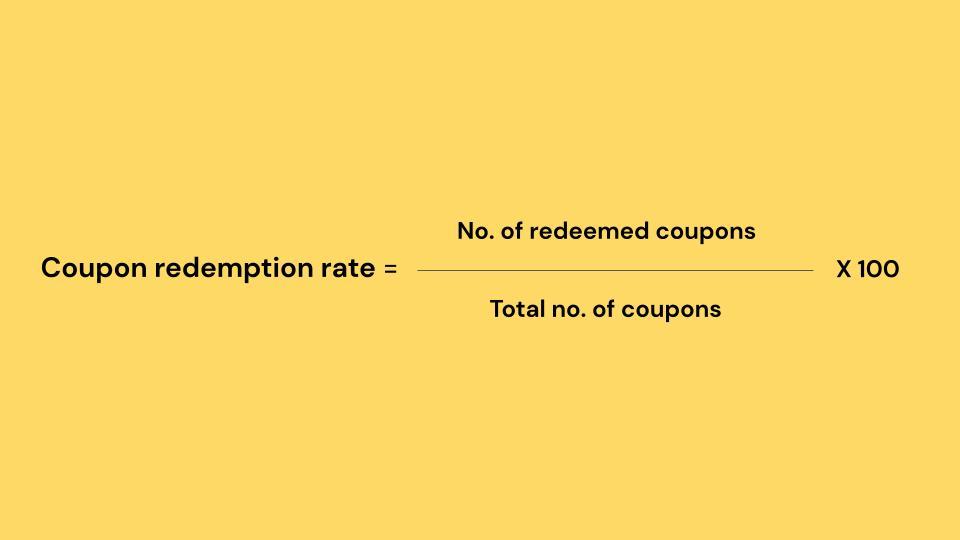
To put it simply, the redemption rate can be calculated using the following formula:
| Formula |
|---|
| Redemption Rate = (Number of Redemptions / Total Issued Offers) × 100 |
Monitoring the redemption rate not only helps businesses gauge the popularity of their offers but also highlights areas for improvement. Here are some key reasons why this metric is vital:
- Customer Engagement: A higher redemption rate typically indicates that your customers find value in your offers. This can lead to increased loyalty and repeat business.
- Promotional Effectiveness: By analyzing redemption rates, you can determine which campaigns resonate best with your audience, allowing for more effective future promotions.
- Operational Efficiency: Understanding how many rewards are redeemed can help manage inventory and fulfillment processes, ensuring that businesses are prepared to meet customer demand.
- Customer Feedback: A low redemption rate might signal that the offers are either not attractive enough or poorly communicated. This can prompt businesses to reevaluate their strategies.
To improve your redemption rate, consider the following tactics:
- Make Offers Simple: Ensure that your offers are easy to understand and redeem. Complicated terms can deter customers from taking action.
- Segment Your Audience: Tailor promotions to specific customer segments based on their preferences and behaviors. This personalization can significantly boost engagement.
- Enhance Visibility: Promote your offers across multiple channels, including email, social media, and in-store displays. The more customers see them, the more likely they are to redeem.
- Time-Limited Offers: Introducing urgency can encourage quicker action. Limited-time promotions create a sense of scarcity that often drives higher redemption rates.
monitoring and understanding redemption rates is essential for any business aiming to enhance customer loyalty and improve marketing effectiveness. By leveraging this metric, you can refine your strategies and ultimately drive a more engaging customer experience.
Why You Should Care About Your Redemption Rate
Understanding your redemption rate is crucial for anyone involved in marketing, loyalty programs, or customer engagement strategies. It’s not just a number; it’s a window into your customers’ behaviors and preferences. A high redemption rate indicates that your offerings resonate with your audience, while a low rate may signal that adjustments are needed.
First and foremost, a solid redemption rate can enhance customer satisfaction. When customers feel that they can easily reap the rewards of their loyalty, they’re more likely to stick around. This not only fosters trust but also promotes repeat business. Keeping an eye on this metric allows you to fine-tune your rewards program to better meet customer needs.
Moreover, focusing on your redemption rate can lead to increased profitability. A higher redemption rate often correlates with increased sales, as satisfied customers tend to spend more. If you can create a compelling rewards structure that encourages frequent redemptions, you’ll not only see your customers happy but also your bottom line improving.
Here are a few reasons why monitoring this metric should be a priority:
- Identifies Customer Preferences: Understanding which rewards are popular helps tailor future offerings.
- Enhances Engagement: A high redemption rate often correlates with increased customer interaction with your brand.
- Drives Strategic Decisions: Data-driven insights can guide marketing strategies and budget allocations.
- Improves Brand Loyalty: Customers who feel rewarded are more likely to choose your brand over competitors.
In addition, a closer look at your redemption rate can unearth potential pitfalls. If your rate is alarmingly low, it may indicate that your rewards are either overly complicated or not enticing enough. This is your opportunity to optimize the program and align it better with what your customers want. Regularly assessing this metric can help mitigate losses and enhance the overall customer experience.
Consider this simple table:
| Redemption Rate | Potential Issues | Recommended Actions |
|---|---|---|
| 0-10% | Unattractive rewards | Revamp the rewards structure |
| 10-30% | Complex redemption process | Simplify the process |
| 30-50% | Customer disinterest | Engage with customer feedback |
| 50%+ | Highly engaged customers | Expand the rewards program |
Ultimately, caring about your redemption rate is about building a sustainable relationship with your customers. It’s not merely a metric; it’s a reflection of how well you understand your audience. By prioritizing this measurement, you are not just investing in your brand; you are investing in the loyalty, trust, and satisfaction of your customers.
Breaking Down the Components of Redemption Rate
Understanding the components that contribute to the redemption rate is essential for marketers and businesses aiming to optimize their offerings. The redemption rate represents the percentage of issued coupons or promotional offers that customers actually redeem, and it can reveal a lot about the effectiveness of your marketing strategies. Let’s break down the key factors that influence this crucial metric.
1. Offer Appeal: The attractiveness of your offer plays a vital role. Offers that provide genuine value, such as significant discounts or exclusive access, tend to see higher redemption rates. To maximize appeal:
- Ensure the offer is relevant to your target audience.
- Use clear and compelling language to describe the benefits.
- Incorporate urgency by adding expiration dates.
2. Accessibility: How easily can customers redeem your offer? If the redemption process is cumbersome or unclear, it will deter participation. Consider these aspects:
- Make the redemption process straightforward and user-friendly.
- Provide multiple channels for redemption (online, in-store, mobile).
- Ensure that the terms and conditions are easily understandable.
3. Targeting and Segmentation: The more targeted your marketing efforts, the higher your redemption rates are likely to be. By segmenting your audience based on demographics, purchasing behavior, or preferences, you can tailor your offers to resonate better. Think about:
- Utilizing customer data to craft personalized promotions.
- Testing different offers with distinct segments to see what works best.
- Regularly updating your segmentation strategy based on market trends.
4. Timing: The timing of your offers can significantly affect redemption rates. Consider the following:
- Align promotions with key shopping seasons or events relevant to your audience.
- Test different times of the day or days of the week for issuing offers.
- Re-engage lapsed customers with timely reminders or follow-up offers.
it’s important to measure and analyze the effectiveness of your promotions continuously. Tracking the redemption rate is just the beginning; you should also gather insights on why some customers redeem offers while others do not. Use surveys or feedback mechanisms to learn from customer experiences and refine your strategies accordingly.
| Component | Impact on Redemption Rate |
|---|---|
| Offer Appeal | Directly increases customer interest |
| Accessibility | Simplifies the redemption process |
| Targeting & Segmentation | Improves relevance and personal connection |
| Timing | Maximizes exposure and engagement |
By paying attention to these components, businesses can effectively enhance their redemption rates, turning potential customers into loyal patrons. Analyzing and understanding these factors will not only clarify how well your promotions perform but also empower you to make informed decisions that drive better results.
How to Calculate Your Redemption Rate with Ease
Calculating your redemption rate might seem daunting, but with a few straightforward steps, you can easily get the information you need to assess your loyalty program’s effectiveness. The redemption rate essentially measures how often customers redeem their rewards compared to how many rewards were made available to them. Understanding this metric can provide significant insights into customer engagement and satisfaction.
To calculate your redemption rate, follow these simple steps:
- Gather Data: Start by collecting the total number of rewards issued. This includes every point, coupon, or offer given to your customers within a specific timeframe.
- Count Redemptions: Next, determine how many of those rewards have actually been redeemed by your customers.
- Apply the Formula: Use the following formula to find your redemption rate:
Redemption Rate = (Total Redemptions / Total Rewards Issued) x 100For example, if you’ve issued 1,000 rewards and 200 were redeemed, your calculation would look like this:
| Total Rewards Issued | Total Redemptions | Redemption Rate (%) |
|---|---|---|
| 1,000 | 200 | 20% |
Once you have your redemption rate, it’s essential to analyze what it means for your business. A low redemption rate might indicate that your rewards are not appealing enough, or that customers are unaware of the benefits available to them. On the other hand, a high redemption rate can signify that your rewards program is successfully engaging customers and driving repeat business.
Keep in mind that improving your redemption rate is not just about increasing the number of redemptions; it’s also about making your rewards more accessible and attractive. Consider the following strategies to enhance your redemption rate:
- Make Rewards Attainable: Ensure that customers can realistically earn and redeem rewards. Too many points or thresholds can lead to frustration.
- Enhance Visibility: Regularly remind customers of their points balance and offer updates on available rewards through emails or app notifications.
- Solicit Feedback: Engage with your customers to understand their preferences and adjust your rewards accordingly.
By following these steps and continually refining your approach, you’ll find that calculating and improving your redemption rate becomes an integral part of your business strategy, boosting customer loyalty and satisfaction in the process.

Common Pitfalls in Calculating Redemption Rate
When calculating the redemption rate, many organizations stumble into familiar traps that can skew their results and hinder their marketing strategies. Recognizing these pitfalls is crucial to obtaining an accurate picture of how effectively your incentive programs are performing.
One common mistake is neglecting to account for the time factor. Redemption rates can fluctuate significantly over time, especially for seasonal promotions or long-term loyalty programs. If you only evaluate your redemption rate based on a short-term snapshot, you might be misled by temporary spikes or dips. Always look at trends over a defined period to understand the true performance of your campaigns.
Another issue arises from the failure to consider the different types of rewards in your program. Not all rewards have the same appeal, and simply averaging redemption rates across various incentives can mask valuable insights. For example:
- Cashback offers might see a higher redemption rate compared to exclusive experiences.
- Discount codes may attract more redemptions than physical products due to ease of use.
To navigate this, segment your data by reward type to pinpoint which offerings resonate most with your audience. This approach not only provides clarity but also informs future reward strategies.
Additionally, overlooking the impact of customer demographics can lead to skewed interpretations of your redemption rate. Different segments of your audience may respond differently to various promotions. For instance, younger consumers might prefer digital rewards, while older demographics may favor tangible benefits. Utilize A/B testing to assess how different customer segments interact with your redemption offers, allowing for more targeted marketing efforts.
Data quality also plays a crucial role in accurate redemption rate calculations. If you’re pulling data from multiple sources or using outdated tracking methods, your results may be unreliable. Ensure that your data collection processes are streamlined and regularly updated, and always validate the integrity of your datasets before drawing any conclusions.
Lastly, a common oversight is ignoring external factors that can affect redemption rates. Economic conditions, social trends, and even competitor actions can impact how customers engage with your offerings. Incorporating these variables into your analysis will provide a more nuanced understanding of your redemption rate and allow for more strategic adjustments in your campaigns.
avoiding these pitfalls will not only enhance the accuracy of your redemption rate calculations but also empower you to make informed decisions that improve customer engagement and loyalty. By taking a comprehensive and segmented approach to your analysis, you can ensure your incentive programs are effectively driving the desired customer behaviors.
Real-World Examples of Redemption Rate in Action
Understanding redemption rates can often come to life through real-world examples. Let’s explore how different industries apply these concepts and the resulting impacts on their businesses.
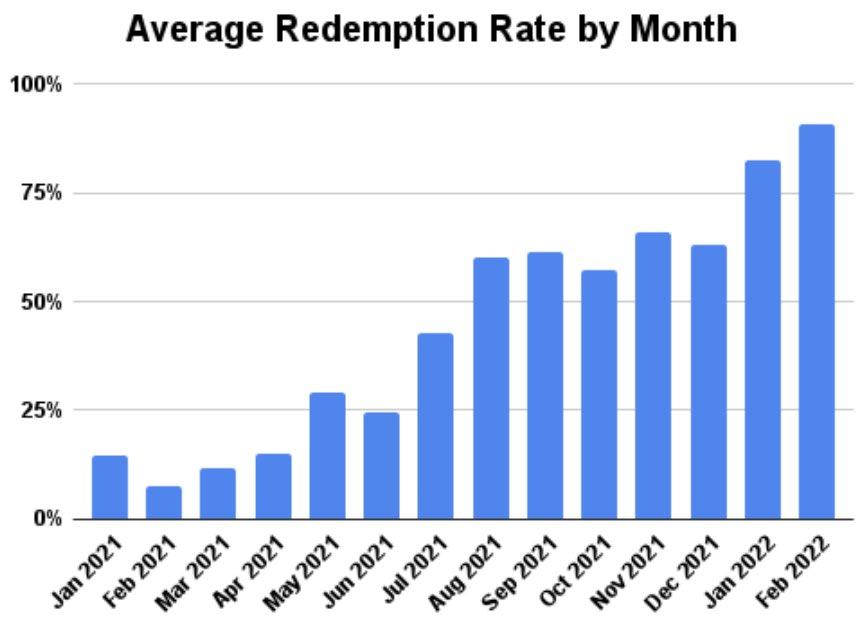
Consider a popular coffee shop chain that offers a loyalty program. They provide customers with a digital card that allows them to earn points for every purchase. According to their data, they observed a redemption rate of 40% on the rewards program. This means that out of every 100 points earned, 40 points are redeemed for free drinks or pastries. By actively promoting their rewards through in-store signage and social media, they were able to increase this rate to 55% over the course of a year, ultimately boosting customer retention.
| Year | Redemption Rate (%) | Points Redeemed |
|---|---|---|
| 2021 | 40 | 4000 |
| 2022 | 55 | 5500 |
In the retail sector, a fashion retailer introduced a seasonal discount campaign that allowed customers to redeem vouchers for a $20 discount on their next purchase of $100 or more. Initial analysis showed a redemption rate of 30%, but by sending personalized email reminders and promoting the offer on their website, they managed to uplift the rate to 50%. This strategic push not only increased sales but also helped clear out seasonal inventory.
- Initial Redemption Rate: 30%
- Increased Redemption Rate: 50%
- Discount Amount: $20
- Minimum Purchase Required: $100
Another fascinating example comes from an online gaming platform. They launched a rewards system where players earn points for completing challenges. Initially, only 25% of players redeemed their points for in-game items. After analyzing user behavior and identifying less engagement from casual players, the company revamped their point system by offering tiered rewards, simplifying the redemption process, and sending push notifications. The result? A 70% redemption rate within six months.
These examples highlight the importance of not just having a rewards program, but actively managing and promoting it. Companies that understand their customers’ behaviors and preferences can significantly enhance their redemption rates. By continuously analyzing data, making necessary adjustments, and effectively communicating with their audience, businesses can create a win-win scenario where customers feel valued, and companies see increased profits.
Strategies to Improve Your Redemption Rate
Improving your redemption rate is essential for maximizing the effectiveness of your loyalty programs and customer engagement strategies. Here are several effective strategies to consider:
- Make Rewards Attainable: Ensure that your rewards are realistic and attainable for your customers. If rewards feel out of reach, customers may lose interest. Analyze your offerings and adjust them to better align with what your customers can realistically earn.
- Personalize Offers: Use customer data to tailor rewards based on their preferences and purchase history. Personalized offers can make customers feel valued and increase their likelihood of redeeming rewards.
- Promote Time-Sensitive Rewards: Create urgency by offering limited-time rewards or bonuses for quick redemption. This not only encourages immediate action but also keeps your offers fresh and exciting.
- Communicate Clearly: Ensure that your customers are fully aware of how to redeem their rewards. Create easily accessible guides, FAQs, and promotional materials that explain the redemption process in a clear and engaging manner.
- Leverage Social Proof: Share testimonials and success stories from customers who have redeemed rewards successfully. Highlighting positive experiences can motivate others to engage and participate in your programs.
- Streamline the Redemption Process: A complicated redemption process can frustrate customers. Simplify the steps required to redeem rewards, ensuring that it’s easy and quick to do so.
- Test & Optimize: Regularly analyze your redemption rates and conduct A/B tests on different offers. This will help you identify what works best and refine your strategy based on actual customer behavior.
Consider the following table to visualize how different strategies can impact your redemption rates:
| Strategy | Potential Impact on Redemption Rate |
|---|---|
| Make Rewards Attainable | ↑ 20% |
| Personalize Offers | ↑ 30% |
| Promote Time-Sensitive Rewards | ↑ 25% |
| Communicate Clearly | ↑ 15% |
| Leverage Social Proof | ↑ 10% |
| Streamline Redemption Process | ↑ 35% |
By implementing these strategies, you can create a more engaging and rewarding experience for your customers, ultimately driving higher redemption rates and fostering loyalty.
Leveraging Customer Feedback to Boost Redemption
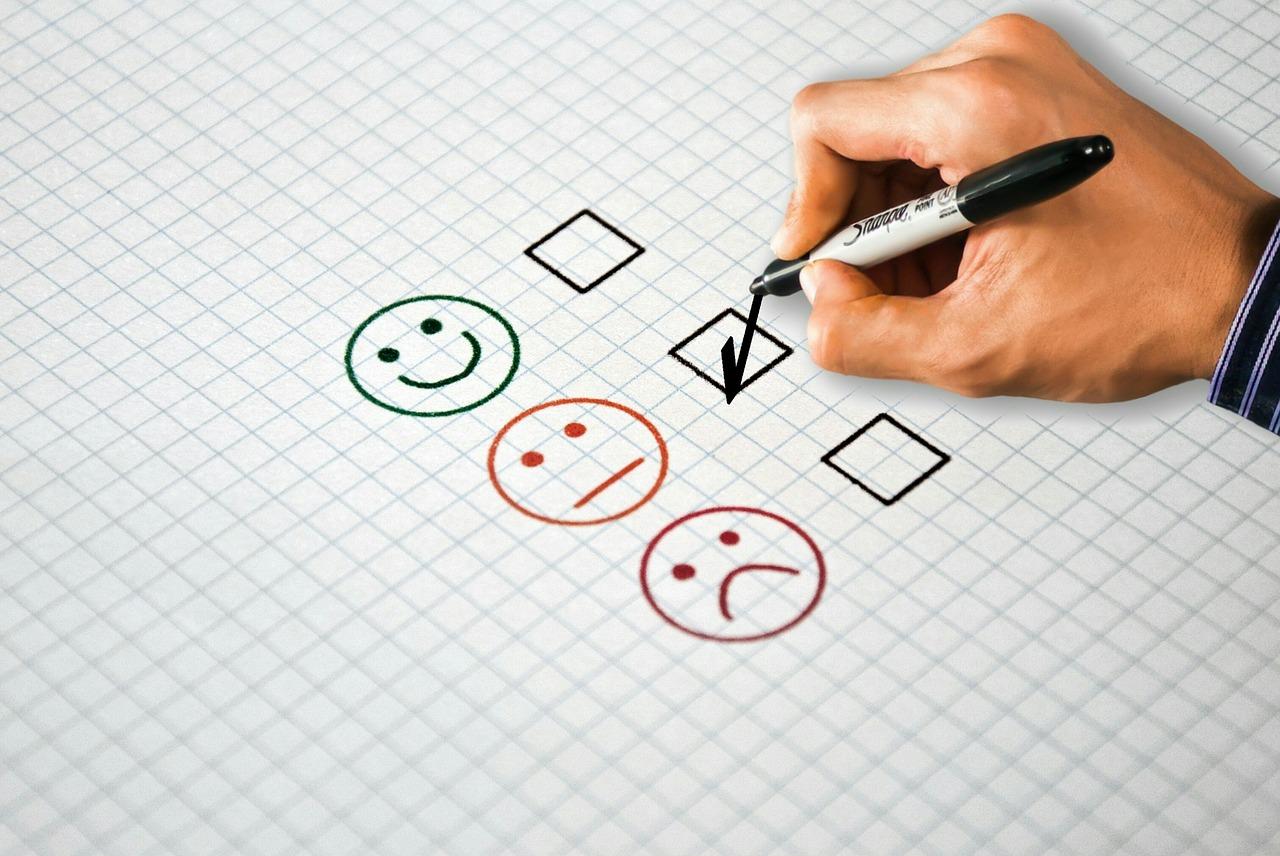
In the pursuit of improving your redemption rates, one of the most effective strategies is to listen closely to your customers. By leveraging customer feedback, you gain invaluable insights that can guide your promotional strategies and enhance the overall customer experience. Here’s how you can tap into this resource effectively:
- Conduct Surveys: Regularly distribute surveys after a redemption event. Ask specific questions about their experience, what motivated them to redeem, and any pain points they encountered.
- Utilize Social Media: Monitor social media channels for mentions of your brand. Engage with customers who share their thoughts on promotions and redemption processes.
- In-Store Feedback: If applicable, place feedback kiosks or tablets at your physical locations. This allows customers to share their opinions immediately after redemption.
- Incentivize Feedback: Offer small rewards for customers who provide detailed feedback on their redemption experience. This not only increases participation but also shows that you value their opinions.
Once you gather this feedback, it’s crucial to analyze it effectively. Look for patterns and recurring themes that indicate common areas of concern or points of delight. For example, if customers frequently mention that the redemption process is confusing, it might be time to simplify the steps or provide clearer communication.
Furthermore, consider implementing a follow-up strategy. After a customer redeems a reward, send a personalized email thanking them and inviting them to share their thoughts. This not only reinforces their positive experience but also opens the door for more insights.
To visualize the impact of customer feedback on your redemption strategies, you could create a table summarizing key insights and proposed actions:
| Feedback Insight | Proposed Action |
|---|---|
| Confusing redemption process | Simplify steps; add visual guides |
| Lack of desirable rewards | Revamp reward offerings based on preferences |
| Positive experiences with staff | Highlight employee training and recognition programs |
Additionally, consider segmenting your feedback by customer demographics. Different segments might have varying preferences and motivations. Understanding these differences allows for tailored promotions that resonate more with specific groups, ultimately leading to higher redemption rates.
don’t forget to communicate back to your customers about how their feedback is shaping your offerings. This transparency builds trust and fosters loyalty, encouraging customers to participate in future promotions and share their experiences even more.
Creating Irresistible Offers to Enhance Redemption
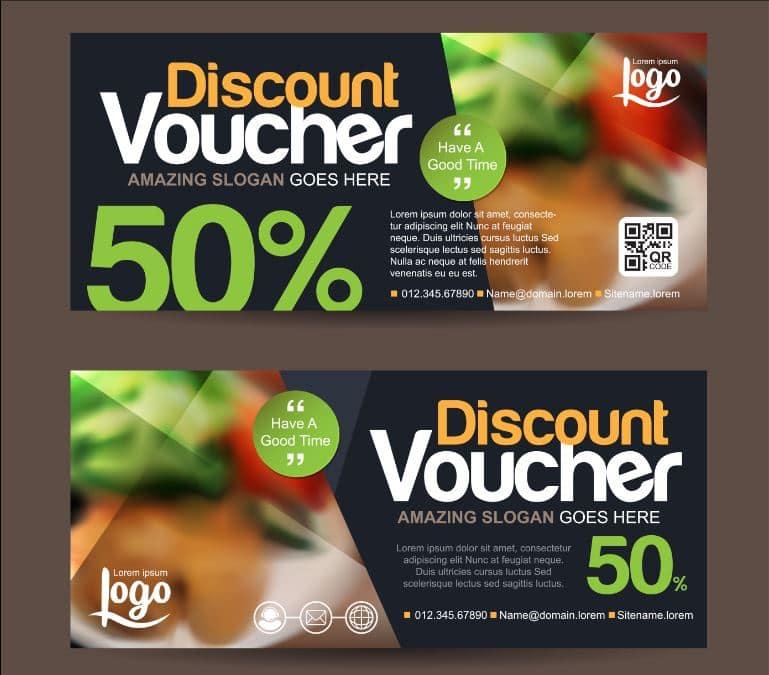
To truly boost your redemption rates, crafting offers that captivate your audience is essential. It’s not just about providing discounts; it’s about creating a sense of urgency and value that makes your audience feel they can’t resist. Here are some strategies to enhance your offers:
- Personalization: Tailor your offers to meet the specific needs and preferences of your audience. Use data to segment your customers, enabling you to create targeted campaigns that resonate.
- Time-Sensitive Rewards: Introduce limited-time offers that encourage immediate action. By adding a countdown timer to your promotions, you create a sense of urgency that can drive quicker decisions.
- Tiered Incentives: Consider offering different levels of rewards based on the purchase amount. For example, customers who spend over a certain threshold could receive an additional bonus. This not only increases the average transaction value but also enhances perceived value.
- Exclusive Access: Everyone loves feeling special. Grant exclusive access to select products or services for a limited time to make your customers feel valued and appreciated.
When structuring your offers, clarity is critical. Ensure that the terms are simple and easy to understand. Complicated offers can lead to confusion, which may deter customers from redeeming them. Consider using a table format to clearly convey the details:
| Offer Type | Details | Redemption Period |
|---|---|---|
| Seasonal Discount | 20% off on winter apparel | December 1 – December 31 |
| Buy One Get One | Buy one, get one free on select items | January 5 – January 15 |
| Exclusive Members Only | 30% off for loyalty program members | Ongoing |
Additionally, using persuasive language in your marketing materials can significantly boost interest. Use action-oriented phrases like “Act Now!” or “Don’t Miss Out!” to nudge your audience toward taking action. Highlight the benefits they will receive, making sure to evoke emotions that align with what they value most.
always test your offers. A/B testing different types of promotions can provide insights into what resonates best with your audience. Monitor which offers are redeemed most frequently, and be ready to tweak your approach based on the responses you receive.
The Role of Timing in Maximizing Redemption Rates
Timing is a critical factor that can significantly influence redemption rates. Understanding when to launch promotions or send out marketing communications can make all the difference between a successful campaign and a lackluster one. It’s not just about the offer itself; it’s about when your audience is most receptive to taking action.
Consider these key timing strategies to enhance your redemption rates:
- Seasonality: Identify seasonal trends related to your products or services. For instance, holiday-themed promotions can drive higher engagement rates when they align with customer expectations.
- Customer Behavior: Analyze your customer data to understand peak times for engagement. This may include specific days of the week or even times of the day when your audience is most active.
- Current Events: Stay informed about current events or trends that could impact your audience’s behavior. For example, launching a promotion during a major event can capitalize on heightened interest.
- Personalization: Leverage customer data to send tailored offers at times that are most relevant to each individual. Personalized timing can drastically improve engagement.
To illustrate the impact of timing, let’s take a look at a simple table comparing redemption rates from two different promotional campaigns:
| Campaign | Launch Date | Redemption Rate |
|---|---|---|
| Spring Sale | March 1st | 15% |
| Black Friday Deals | November 24th | 30% |
As seen in this example, the Black Friday campaign not only launched during a well-known shopping holiday but also capitalized on consumer urgency. The connection between the timing of the promotion and the audience’s readiness to redeem is clear. Therefore, planning your campaigns around high-traffic times can lead to significantly better results.
Moreover, testing different timing strategies can shed light on what works best for your specific audience. A/B testing allows you to experiment with different launch times, durations of promotions, and even different methods of communication to see how they affect redemption rates. The insights gained from these tests can inform future campaigns, allowing for continuous improvement.
Lastly, don’t overlook the importance of follow-up communications. Sending reminders or last-chance notifications can create a sense of urgency and prompt customers to take action. The timing of these messages should be carefully considered, ensuring they reach customers at the right moment to boost redemption rates further.

How to Use Data Analytics to Track Redemption Trends
Data analytics offers powerful tools for understanding customer behavior, especially when it comes to tracking redemption trends. By leveraging data, businesses can gain insights into how customers interact with their promotional offers and loyalty programs, leading to more effective strategies for improvement. Here’s how to harness these analytics to your advantage.
Start by collecting relevant data points related to your redemption rates. Some key metrics to consider include:
- Customer Demographics: Understand who is redeeming offers—age, location, and purchasing frequency.
- Offer Types: Track which types of offers are most appealing (e.g., discounts vs. free products).
- Redemption Channels: Analyze where customers are redeeming offers, whether in-store, online, or via mobile apps.
Once you’ve gathered the data, utilize data visualization tools to create clear and engaging representations of your findings. Charts and graphs can help you identify patterns and trends over time, making it easier to spot what’s working and what’s not. For example, a line graph could illustrate redemption rates across different campaigns, providing a snapshot of performance.
Consider segmenting your data to get a more nuanced view of customer behavior. By categorizing data by demographics, purchasing history, and even time of day, you can pinpoint which segments are most engaged. For instance:
| Customer Segment | Redemption Rate |
|---|---|
| Millennials | 25% |
| Gen X | 18% |
| Baby Boomers | 12% |
Understanding these segments allows you to tailor your marketing strategies effectively. For example, if millennials are your most active segment, consider crafting campaigns that resonate with their values, such as sustainability or unique experiences. Conversely, if redemption rates are low among older customers, it may be time to rethink your approach with them.
Another area to explore is the timing of your promotions. Data analytics can help you determine the best times to launch offers to maximize engagement. Analyze historical data to find trends regarding when your customers are most likely to redeem offers, allowing you to synchronize your campaigns with peak engagement times.
Lastly, always be prepared to iterate based on the insights gained from your analytics. Data-driven decision-making isn’t a one-time effort; it’s an ongoing process. Regularly review your metrics, adapt your strategies, and continue to engage with your customers based on their evolving preferences. This proactive approach will not only boost your redemption rates but also foster loyalty among your customer base.
The Impact of Marketing Campaigns on Redemption Rates
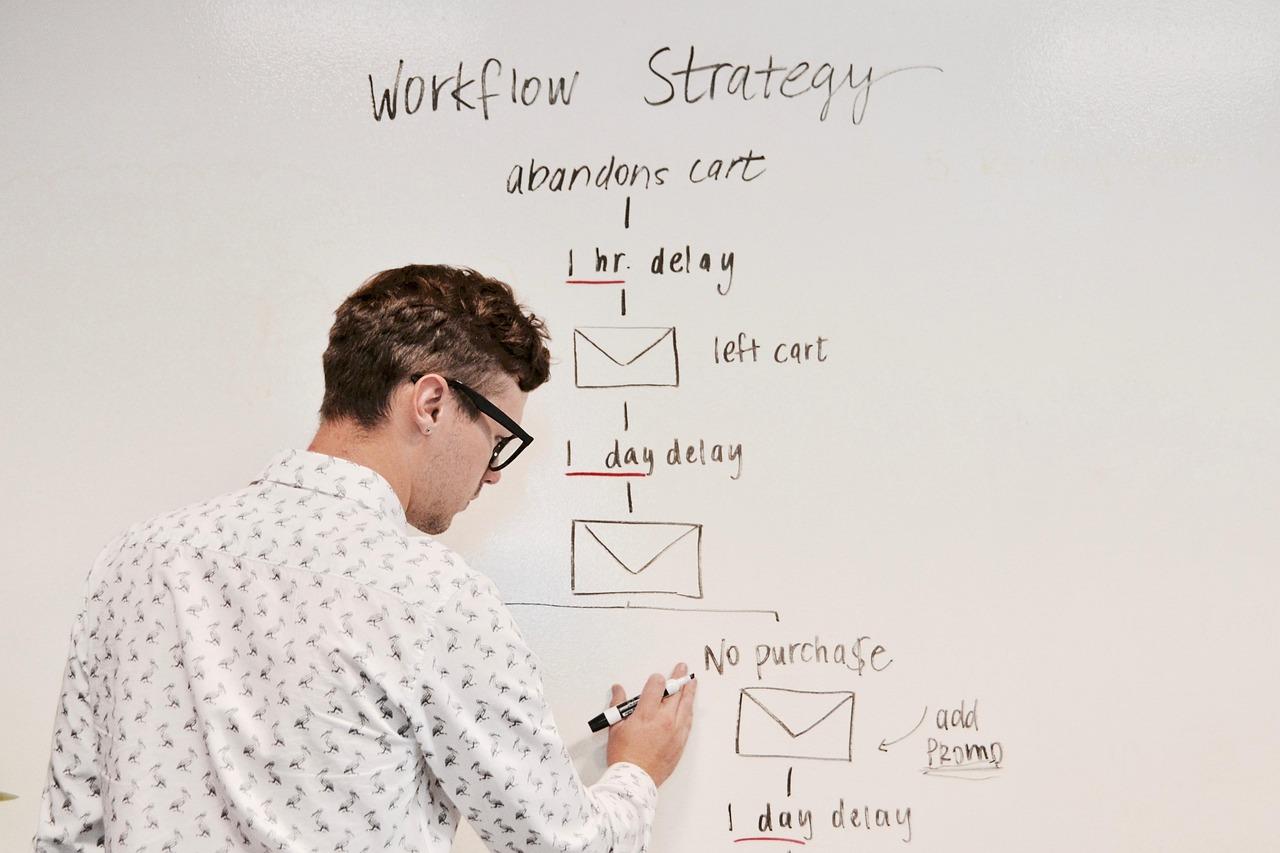
Marketing campaigns play a pivotal role in influencing redemption rates, which are crucial for businesses looking to measure the effectiveness of their promotional efforts. When executed effectively, these campaigns can significantly boost customer engagement and encourage the use of promotions, leading to higher redemption rates.
To understand how marketing campaigns affect redemption rates, it’s essential to consider several key factors:
- Target Audience: Tailoring your campaigns to the specific preferences and behaviors of your target audience can drastically increase redemption rates. Knowing your customers enables you to create relevant offers that resonate with them.
- Offer Type: The nature of the offer itself can make or break a campaign. Discounts, buy-one-get-one-free deals, or exclusive access to products can create excitement and urgency, prompting quicker redemption.
- Multi-channel Approach: Utilizing multiple channels—such as email, social media, and mobile apps—can enhance visibility and encourage more customers to take advantage of the offer, leading to higher redemption rates.
- Timing: The timing of your campaign is crucial. Launching promotions during peak shopping seasons or around special events can lead to increased customer interest and, ultimately, higher redemption rates.
Additionally, analyzing past campaigns can provide valuable insights into what works best for your audience. Consider the following simple table that summarizes the impact of different marketing strategies on redemption rates:
| Marketing Strategy | Average Redemption Rate (%) |
|---|---|
| Email Campaign | 15% |
| Social Media Ads | 10% |
| In-store Promotions | 25% |
| Mobile App Notifications | 20% |
Ultimately, measuring the success of your marketing campaigns involves closely monitoring the redemption rates of your promotions. Implementing A/B testing can also help identify the most effective strategies for your target audience. By consistently refining your approach based on customer feedback and data analytics, you can enhance your campaigns and drive higher redemption rates.
Lastly, remember that post-campaign analysis is just as important as the campaign itself. Gather insights on which tactics performed well and which didn’t. This understanding will allow you to make informed decisions for future campaigns, ensuring continuous improvement in your redemption rates.

Building Customer Loyalty Through Effective Redemption Strategies
Customer loyalty is the cornerstone of long-term business success, and effective redemption strategies play a pivotal role in fostering that loyalty. When customers feel valued and rewarded, they are much more likely to return to your brand. This is where understanding and optimizing your redemption rate becomes crucial.
To build loyalty, businesses should focus on the following key strategies:
- Simplify the Redemption Process: A complicated redemption process can frustrate customers and deter them from utilizing their rewards. Ensure that the steps to redeem rewards are clear, straightforward, and user-friendly.
- Personalization: Tailor redemption options to meet the preferences and behaviors of your customers. By offering personalized rewards, you can demonstrate that you understand your customers’ needs.
- Value Proposition: Ensure that the rewards you offer hold significant value for your customers. The more appealing your rewards are, the more likely customers will engage with your loyalty program.
- Communicate Effectively: Regularly remind your customers of their rewards and how they can redeem them. Use email newsletters, push notifications, and social media to keep your offerings top-of-mind.
Implementing these strategies can lead to a higher redemption rate, which not only boosts customer satisfaction but also enhances your brand’s reputation. Here’s a simple table to illustrate how effective redemption strategies can influence customer engagement:
| Redemption Strategy | Impact on Customer Loyalty |
|---|---|
| Simplified Process | Reduces frustration, increases participation |
| Personalization | Increases perceived value, enhances satisfaction |
| Strong Value Proposition | Encourages frequent engagement, fosters loyalty |
| Effective Communication | Keeps customers informed, boosts retention |
Moreover, you should regularly analyze your redemption data to identify trends and opportunities for improvement. Understanding which rewards are redeemed most frequently can inform future offerings and enhance your loyalty program.
gather feedback from your customers on their redemption experiences. This not only shows that you value their opinions but also provides insights that can help refine your redemption strategies even further. By focusing on these aspects, you’ll be well on your way to building a loyal customer base that keeps coming back for more.
Final Thoughts on Mastering Your Redemption Rate
Mastering your redemption rate is not just about numbers; it’s about understanding your audience and fostering a deeper connection with them. A high redemption rate signals that your offers resonate well, while a low rate indicates potential areas for improvement. Here’s how you can ensure you’re on the right path.
First, know your audience. Conduct surveys or leverage analytics to understand what motivates your customers. Tailoring your offers to meet their interests and preferences can significantly boost engagement. When people feel like a promotion was designed just for them, they’re more likely to take action.
Next, consider the timing. Even the best offers can flop if they arrive at the wrong moment. Use seasonal trends, holidays, or upcoming events to your advantage. For instance, if you run a fitness brand, launching a gym membership offer in January can capitalize on New Year’s resolutions.
Another vital aspect is the clarity of your offers. Ensure that your promotions are straightforward and easy to understand. Ambiguities can deter potential customers. Use clear language and engaging visuals to communicate what’s in it for them, ensuring that the benefits are immediately apparent.
Furthermore, don’t underestimate the power of reminders. Sending follow-up emails or notifications about expiring offers can rekindle interest. A gentle nudge might be all it takes to turn a passive observer into an active participant.
Lastly, analyze and iterate. Regularly review your redemption rate and other key performance indicators. Identify trends and adjust your strategies accordingly. This ongoing process of evaluation and adjustment not only helps improve your redemption rate but also keeps your offers fresh and exciting for your audience.
| Strategy | Impact |
|---|---|
| Understand Your Audience | Increases engagement and relevance |
| Optimize Timing | Boosts visibility and urgency |
| Enhance Clarity | Reduces confusion, increases trust |
| Send Reminders | Encourages action, reduces missed opportunities |
| Analyze and Iterate | Ensures continuous improvement |
By focusing on these strategies, you not only enhance your redemption rate but also reinforce customer loyalty and satisfaction. Ultimately, success lies in creating meaningful connections that drive action, benefiting both your business and your consumers.
Frequently Asked Questions (FAQ)
Q&A on Redemption Rate: What It Is (+ How To Calculate & Improve It)
Q: What exactly is the redemption rate?
A: Great question! The redemption rate is essentially the percentage of rewards, coupons, or points that customers actually use compared to those that are issued. For businesses, it’s a key performance indicator that helps gauge the effectiveness of loyalty programs or promotional campaigns. A higher redemption rate often indicates that customers find the offering valuable and are more engaged with your brand.
Q: Why should I care about my redemption rate?
A: If you’re running a business, understanding your redemption rate is crucial! A low redemption rate might suggest that your incentives aren’t appealing enough, or maybe your customers aren’t aware of them. Conversely, a high redemption rate can signify that your customers love what you’re offering and are more likely to return. It’s all about engagement and how effectively you’re connecting with your audience!
Q: How do I calculate my redemption rate?
A: Calculating your redemption rate is pretty straightforward. You’ll want to use this formula:
Redemption Rate = (Total redeemed offers / Total issued offers) x 100
For example, if you issued 1,000 coupons and 250 were redeemed, your redemption rate would be 25%. Simple, right? This figure can help you understand how well your offers resonate with your customers.
Q: What are some ways to improve my redemption rate?
A: Absolutely, there are several strategies you can implement! Here are a few ideas:
- Make it Easy: Ensure that customers can easily understand how to redeem their rewards—complex processes can discourage participation.
- Create Urgency: Limited-time offers often motivate customers to act quickly.
- Personalize Offers: Tailor rewards based on customer preferences and behaviors. Personalized experiences can drive higher engagement.
- Communicate Clearly: Regularly remind customers about their rewards through email or app notifications. Sometimes, people just need a little nudge!
- Gather Feedback: Ask your customers what they want. Knowing their preferences can help you design more appealing offers.
Q: Can a high redemption rate be a bad thing?
A: Surprisingly, yes! While a high redemption rate might seem positive, it can sometimes indicate that your rewards are not sustainable. If you’re giving away too much too quickly, it could hurt your bottom line. The key is to balance attractive rewards that keep customers returning without compromising your profitability.
Q: How often should I review my redemption rate?
A: Ideally, you should review your redemption rate regularly—perhaps quarterly. This allows you to identify trends, adjust your strategies, and see how changes impact customer engagement over time. Keeping a close eye can help you spot opportunities for improvement and growth!
Q: Any final tips for businesses looking to improve their redemption rates?
A: Definitely! Stay proactive. Don’t wait for customers to come to you; actively promote your rewards and engage with your audience. Test different types of offers to see what resonates most. And remember, the goal is not just to improve the numbers but to build lasting relationships with your customers. A loyal customer is worth much more than a single transaction!
Hopefully, this Q&A gives you a clearer view of the redemption rate and inspires you to take actionable steps in your business strategy. Remember, a small tweak can lead to a significant uptick in customer engagement and satisfaction!
To Conclude
As we wrap up our deep dive into redemption rates, it’s clear that understanding this key metric isn’t just a numbers game—it’s a critical component of your overall success strategy. Whether you’re a marketer looking to boost your loyalty program or a business owner wanting to enhance customer engagement, knowing how to calculate and improve your redemption rate can unlock new opportunities for growth.
Remember, a high redemption rate signals not just customer satisfaction, but also loyalty and trust in your brand. So, take the insights and strategies we’ve discussed today and put them into action. Track your progress, experiment with new ideas, and don’t hesitate to reach out to your customers for feedback.
In the ever-competitive landscape of business, every percentage point matters. By focusing on improving your redemption rate, you’re not just increasing your bottom line; you’re cultivating lasting relationships with your customers. So go ahead—make the changes, measure the results, and watch your business thrive! Your customers—and your profit margins—will thank you. Happy calculating!