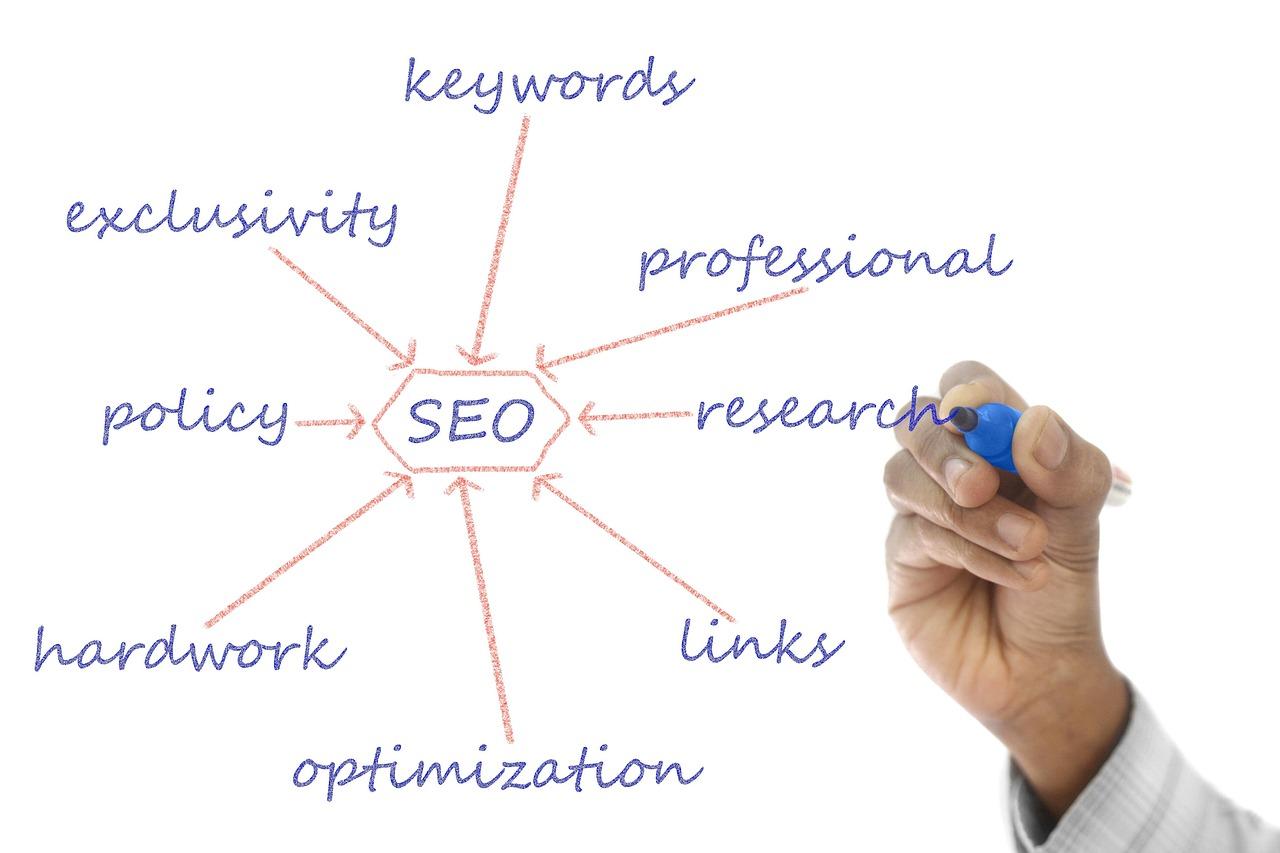
Are you ready to take your online presence to the next level? If you’ve ever felt overwhelmed by the world of SEO, you’re not alone. With endless algorithms, keywords, and ranking factors to consider, it can be a daunting task. But fear not! In this step-by-step guide, we’re diving into the power of SEO with GoDaddy—a user-friendly platform that can help you rank faster and smarter. Whether you’re a small business owner, blogger, or aspiring digital entrepreneur, this guide will take you through the essentials of optimizing your website with GoDaddy’s tools. By the end, you’ll not only understand the basics of SEO but also be equipped with actionable strategies to boost your visibility online. Let’s get started on your journey to mastering SEO and attracting more visitors to your site!
Understanding SEO Basics for Your GoDaddy Website
When it comes to optimizing your GoDaddy website for search engines, understanding the fundamentals of SEO is crucial. SEO, or Search Engine Optimization, is the practice of enhancing your site to improve its visibility in search engine results pages (SERPs). Start by focusing on the following key components:
Keyword Research: Identify relevant keywords and phrases that your target audience is searching for. Tools like Google Keyword Planner or Ubersuggest can help you find low-competition keywords that will drive traffic to your site.
On-Page SEO: Optimize individual pages by including your target keywords in strategic locations such as headings, title tags, meta descriptions, and within the content itself. Remember to maintain a natural flow—stuffing keywords can hurt your ranking.
Quality Content: Create valuable and informative content that answers your audience’s questions. Engaging content is more likely to be shared, which can enhance your site’s authority and visibility.
Site Structure: Ensure your website is easy to navigate. Use clear and concise URLs, a logical hierarchy, and a sitemap to help search engines understand your site’s structure.
Next, pay attention to the technical aspects of your website. Speed and mobile-friendliness are critical factors that search engines consider when ranking sites. Tools like Google PageSpeed Insights can help you assess your site’s performance. Here are some strategies to boost your site’s speed:
Image Optimization: Compress images and use appropriate file formats to reduce load times.
Minimize HTTP Requests: Limit the number of elements on your page to improve loading speed.
Use a Content Delivery Network (CDN): A CDN can distribute your content across multiple servers, reducing load time for users worldwide.
Don’t forget about backlinks! Quality backlinks from reputable sites can significantly boost your SEO. Consider these tactics to enhance your link-building efforts:
Guest Blogging: Write articles for other blogs in your niche and include links back to your site.
Social Media Promotion: Share your content on social media platforms to increase visibility and generate natural backlinks.
Engage with Influencers: Collaborating with influencers can provide you with exposure and potential backlinks to your site.
monitor your SEO progress using tools like Google Analytics and Google Search Console. These tools will help you track your site’s performance, assess user behavior, and refine your SEO strategy over time. Here’s a simple table to summarize key metrics to watch:
Metric
Description
Organic Traffic
Number of visitors coming from search engines.
Bounce Rate
Percentage of visitors who leave after viewing only one page.
Click-Through Rate (CTR)
Percentage of users who click on your link after seeing it in search results.
By implementing these SEO basics on your GoDaddy website, you’ll be laying a solid foundation for improved rankings and increased visibility. Take the time to learn and apply these strategies, and you’ll see your efforts pay off in no time!
Why Choose GoDaddy for Your SEO Needs
If you’re looking to enhance your website’s visibility and drive organic traffic, choosing the right partner for your SEO needs is crucial. GoDaddy stands out in the crowded digital landscape for several compelling reasons.
First and foremost, GoDaddy offers a comprehensive suite of SEO tools that cater to businesses of all sizes. From keyword research to on-page optimization, their platform simplifies complex tasks, making it accessible whether you’re a seasoned marketer or a small business owner just starting out.
Here are some key features that make GoDaddy a smart choice for SEO:
User-Friendly Interface: GoDaddy’s dashboard is intuitive, allowing you to track your SEO progress effortlessly.
Customizable SEO Plans: Tailor your SEO strategy based on your specific goals and budget.
24/7 Expert Support: Get assistance whenever you need it with their dedicated customer support team.
Integrated Marketing Solutions: Combine SEO with other marketing tools like email campaigns and social media management.
Another standout aspect is GoDaddy’s commitment to education. They offer a wealth of resources, from articles and tutorials to webinars, helping you stay informed about the latest SEO trends and best practices. This ensures that you’re not just using tools, but also understanding how to optimize your website effectively.
Furthermore, GoDaddy’s data-driven approach gives you insights into what’s working and what’s not. With analytics and reporting features, you can monitor your website’s performance and make informed adjustments to your strategy. This kind of real-time feedback is invaluable in a constantly evolving digital environment.
For those who prefer a hands-off approach, GoDaddy also provides professional SEO services. Their team of experts can manage your SEO strategy for you, allowing you to focus on what you do best—running your business. This option is perfect for busy entrepreneurs who want results without the hassle of managing every detail.
Lastly, GoDaddy’s reputation speaks volumes. With millions of customers globally, their reliability and trustworthiness in the hosting and domain registration space extend to their SEO services. You can feel confident that you’re partnering with a company that has a proven track record.
GoDaddy combines powerful tools, expert support, and educational resources to help you achieve your SEO goals. Whether you’re just beginning or looking to elevate your existing strategy, GoDaddy provides everything you need to rank fast and effectively in search engine results.
Setting Up Your GoDaddy Account for Optimal SEO
To maximize your website’s visibility on search engines, it’s essential to start with a well-optimized GoDaddy account. Configuring your account correctly can significantly influence your SEO efforts. Here are some vital steps to ensure you’re set up for success:
Choose the Right Domain Name: Your domain name is the cornerstone of your online presence. Aim for a name that is short, memorable, and relevant to your business. Use keywords that reflect your brand or services, as these can enhance your SEO performance.
Utilize GoDaddy’s SEO Tools: GoDaddy offers various built-in SEO tools to help you optimize your site. Take advantage of features like SEO Wizards that guide you through best practices tailored to your website’s niche.
Enable SSL for Security: Google prioritizes secure websites in its rankings. Activating an SSL certificate for your domain not only secures user data but also boosts your search engine rankings.
Set Up a Mobile-Friendly Design: With a growing number of users accessing websites via mobile devices, ensuring your site is mobile-responsive is crucial. GoDaddy provides templates that automatically adjust your site to fit various screen sizes.
Optimize Your Site Speed: A fast-loading website improves user experience and SEO rankings. Use GoDaddy’s performance tools to monitor your site speed and make necessary adjustments, such as optimizing images and leveraging browser caching.
Next, ensure that your website’s structure is user-friendly and SEO-friendly. Here are some additional tips:
Element
Best Practices
URL Structure
Use clean, descriptive URLs that include keywords relevant to each page.
Meta Descriptions
Create compelling meta descriptions for each page to improve click-through rates.
Heading Tags
Utilize header tags (H1, H2, H3) effectively to organize content and include keywords.
regularly monitor your site’s performance using GoDaddy’s integrated analytics tools. These insights will help you understand what’s working and what needs improvement. Pay attention to metrics like:
Traffic Sources: Identify where your visitors are coming from to tailor your marketing strategies.
Bounce Rate: A high bounce rate may indicate that your content isn’t engaging or relevant, prompting necessary changes.
Keyword Rankings: Track how well your chosen keywords are performing to refine your SEO strategy continuously.
By taking the time to set up your GoDaddy account with these best practices, you’ll be laying a solid foundation for your SEO efforts. The more optimized your account is, the better your chances of ranking higher in search engine results, driving more traffic to your site and ultimately achieving your business goals.
Conducting Effective Keyword Research with GoDaddy Tools
When it comes to optimizing your website for search engines, conducting effective keyword research is essential. With GoDaddy’s suite of tools, you can streamline this process and uncover the terms that your potential customers are searching for. Here’s how to leverage these tools to maximize your SEO efforts.
Start by accessing the GoDaddy Keyword Finder. This tool provides a comprehensive list of keywords related to your business, along with metrics like search volume and competition level. Here’s how to utilize it effectively:
Brainstorm Seed Keywords: Think about the primary terms that relate to your business. These could be products, services, or topics that you want to rank for.
Generate Keyword Ideas: Use the Keyword Finder to input your seed keywords and see a range of related suggestions. Look for long-tail keywords that are less competitive yet highly relevant.
Analyze Metrics: Check the search volume and competition for each keyword. Focus on those with a good balance of high search volume and low competition.
Next, consider using the GoDaddy SEO Dashboard, which provides insights into how well your current keywords are performing. Here’s some quick advice on what to do:
Track Keyword Rankings: Regularly monitor how your selected keywords rank in search results. Adjust your content strategy based on performance.
Identify Gaps: Look for keywords that are driving traffic but don’t align perfectly with your content. This could be an opportunity to create new pages or blog posts.
Competitor Analysis: Use the dashboard to see which keywords your competitors are ranking for, giving you ideas for keywords to target.
Once you have a solid list of keywords, it’s time to implement them effectively within your content. Here’s how to integrate keywords without compromising your content quality:
Natural Placement: Incorporate keywords into titles, headings, and throughout your text, but keep it natural and conversational.
Meta Tags and Descriptions: Optimize meta titles and descriptions with your primary keywords to improve click-through rates from search results.
Image Alt Text: Don’t forget to use keywords in your image alt tags, which helps with SEO as well as accessibility.
Here’s a simple table to summarize the keyword research process:
Step
Action
Tool
1
Brainstorm Seed Keywords
GoDaddy Keyword Finder
2
Generate Related Keywords
GoDaddy Keyword Finder
3
Track Performance
GoDaddy SEO Dashboard
4
Optimize Content
Your Website
effective keyword research with GoDaddy tools is not only about discovering new keywords but also about understanding their potential impact on your site’s performance. By following these steps, you can boost your website’s visibility and drive more targeted traffic your way.
Optimizing Your Website Structure for Better Rankings
Having a well-structured website is essential for SEO success, and it can significantly influence your rankings on search engines. When users navigate your site easily, it not only enhances their experience but also helps search engines understand your content better. Let’s delve into key strategies to optimize your website structure effectively.
First and foremost, consider the importance of a clear hierarchy. Organizing your content in a logical way allows both users and search engines to find information quickly. Here’s how you can achieve this:
Main Categories: Define the primary sections of your website, such as Services, Blog, and Contact.
Subcategories: Break down each main category into specific topics or services.
Consistent Navigation: Use a consistent menu structure across all pages to ensure easy access.
Next, utilize internal linking to boost your SEO. By linking related content within your site, you signal to search engines the relevance and structure of your content. Here are some tips for effective internal linking:
Relevant Anchor Text: Use descriptive text that gives context to the linked page.
Link Deeply: Instead of only linking to your homepage, link to deeper pages that provide value.
Limit Links: To avoid overwhelming users, keep the number of internal links on a single page manageable.
Your URLs should also reflect your website structure. A clean, descriptive URL is not only user-friendly but also helps search engines rank your pages more effectively. Make sure your URLs are:
Short and Sweet: Aim for brevity while maintaining clarity.
Keyword Rich: Include relevant keywords that align with your content.
Consistent: Use a similar structure for all your URLs to maintain uniformity.
Additionally, consider implementing schema markup to enhance your site’s structure. This code helps search engines understand your content context better, which can lead to rich snippets in search results. Here’s a simple example of how you might structure schema for a blog post:
Element
Schema Markup
Title
Your Blog Post Title
Author
Date Published
Lastly, don’t overlook the importance of mobile optimization. With a growing number of users accessing websites on their phones, ensuring that your site structure is responsive can greatly improve user engagement and reduce bounce rates. Here are some aspects to focus on:
Responsive Design: Ensure your website adjusts fluidly to different screen sizes.
Fast Loading Times: Optimize images and reduce scripts to enhance speed on mobile devices.
User-Friendly Navigation: Keep menus accessible and easy to use on smaller screens.
Creating SEO-Friendly Content That Engages and Converts
Creating content that not only ranks well but also resonates with your audience is the cornerstone of effective SEO. Here are some tips to craft compelling, SEO-friendly content that drives engagement and conversions:
Know Your Audience: Before you start writing, understand who your audience is. What are their pain points? What solutions can you offer? Utilize tools like Google Analytics and social media insights to gather data.
Keyword Research: Identify relevant keywords that your audience is searching for. Use tools like Ahrefs or SEMrush to find high-volume, low-competition keywords to target in your content.
Create Quality Content: Focus on providing value. Content that is informative, entertaining, or solves a problem will keep readers engaged. Aim for a minimum of 1,000 words to cover topics comprehensively.
Utilize Headers: Break your content into sections using header tags (H1, H2, H3). This not only helps readability but also allows search engines to understand the structure of your content better.
Optimize Meta Tags: Write catchy meta titles and descriptions that include your primary keywords. This helps improve click-through rates from search engine results pages.
Incorporating multimedia elements can significantly enhance engagement. Consider adding:
Videos: Create short video snippets that summarize your content.
Infographics: Visual representations of data can simplify complex information and make it more shareable.
Don’t forget about internal and external links! Linking to your other relevant content keeps users on your site longer, while citing reputable external sources can enhance credibility. Here’s a simple way to structure your links:
Link Type
Purpose
Internal Links
Guide users to related content on your site
External Links
Provide additional resources and credibility
Lastly, always include a clear call-to-action (CTA) at the end of your post. This can be anything from signing up for a newsletter to downloading a resource. Make it easy for your readers to take the next step!
By implementing these strategies, you will not only improve your SEO but also create content that converts. Remember, the goal is to create a seamless user experience, making it easy for visitors to find what they need and take action.
Leveraging GoDaddys Built-In SEO Features
When it comes to optimizing your website for search engines, GoDaddy offers an array of built-in SEO features designed to simplify the process, even for those who are not tech-savvy. These tools can significantly enhance your site’s visibility and ensure that potential customers can easily find you online.
First and foremost, GoDaddy’s SEO Wizard is a standout feature. This user-friendly tool walks you through the essential steps of optimizing your site. By answering a few simple questions about your business and objectives, the wizard provides tailored recommendations that can boost your search rankings. Here’s how to make the most of it:
Input relevant keywords that reflect your business.
Review the recommended actions and prioritize them based on your strategic goals.
Implement changes and track your progress regularly.
Another powerful tool is the Keyword Optimization Tool. Identifying the right keywords is crucial for attracting the right audience. GoDaddy’s tool allows you to:
Analyze keyword performance based on search volume and competition.
Discover long-tail keywords that can drive targeted traffic to your site.
Monitor keyword trends to adjust your strategy accordingly.
Don’t overlook the importance of mobile optimization. With a significant portion of web traffic coming from mobile devices, GoDaddy ensures that your website is responsive and mobile-friendly. You can easily preview your site on different devices and make necessary adjustments. Here are some key aspects to consider:
Ensure navigation is user-friendly on smaller screens.
Content is king in the SEO world, and GoDaddy helps you create and manage quality content through its Website Builder. The drag-and-drop interface allows you to create visually appealing pages while focusing on SEO best practices. Remember to:
Incorporate your keywords naturally within your content.
Add meta descriptions and title tags that are concise and compelling.
Regularly update your blog or articles to keep content fresh and relevant.
To further amplify your SEO efforts, leverage GoDaddy’s social media integration. Sharing your content across social platforms not only drives traffic but also enhances your online presence. By linking your website to your social accounts, you can:
Engage with your audience and build a community.
Share updates and promotions effortlessly.
Encourage social sharing to increase organic reach.
Lastly, don’t forget to track your progress using GoDaddy’s SEO reporting tools. These features provide valuable insights into how your site is performing in search rankings, allowing you to make data-driven adjustments. Key metrics to monitor include:
Metric
Description
Traffic Sources
Understand where your visitors are coming from.
Keyword Rankings
Track your position for target keywords over time.
Page Performance
Identify which pages attract the most traffic.
By fully utilizing these built-in SEO features provided by GoDaddy, you’ll have the tools needed to enhance your website’s visibility and drive more traffic. The more you engage with these resources, the quicker you’ll see results in your search engine rankings. So go ahead, take advantage of what GoDaddy has to offer, and watch your online presence soar!
The Importance of Mobile Optimization in SEO
In today’s digital landscape, where mobile devices account for over half of all web traffic, ensuring that your website is mobile-optimized is not just a suggestion, it’s a necessity. With search engines prioritizing mobile-friendly sites, failing to adapt can severely impact your visibility and ranking.
When users click on your website from a mobile device, they expect a seamless experience. A mobile-optimized site ensures that:
User-friendly design: Navigation is intuitive, making it easy for users to find what they need.
Readability: Text is legible without requiring users to zoom in, enhancing the overall experience.
Search engines like Google utilize a mobile-first indexing approach, meaning they predominantly use the mobile version of your content for indexing and ranking. This shift underlines the importance of having a responsive design, ensuring your site looks great and functions well on any device. If your site isn’t optimized for mobile, you risk losing valuable traffic and potential customers.
Moreover, consider the competitive edge mobile optimization provides. In a world saturated with content, users are quick to switch to competitors if they encounter a poorly designed mobile experience. Here’s how mobile optimization can set you apart:
Improved user engagement: A well-optimized site captures attention and keeps visitors on your page longer.
Higher conversion rates: Streamlined mobile experiences lead to easier transactions and increased sales.
Better SEO rankings: Google rewards mobile-friendly sites with higher rankings, amplifying your reach.
To illustrate the impact of mobile optimization, consider the following table:
Mobile Optimization Impact
Before Optimization
After Optimization
Page Load Speed (seconds)
6
2
Bounce Rate (%)
60%
30%
Conversion Rate (%)
1%
5%
Ultimately, mobile optimization serves as a critical component of your overall SEO strategy. By prioritizing mobile users, you not only enhance user experience but also align your website with the latest search engine algorithms. This proactive approach can lead to sustained growth and visibility in an increasingly mobile-centric world.
Boosting Your Sites Speed and Performance
Your website’s speed and performance are critical factors that influence not only user experience but also your search engine rankings. When visitors encounter a slow-loading site, they are more likely to bounce, which can lead to higher exit rates and lower rankings on search engines. To improve your site’s speed and boost its performance, consider these essential strategies:
Optimize Images: Large images can drastically slow down your site. Use image compression tools and choose the right formats (like JPEG for photos and PNG for graphics). This ensures faster loading times without sacrificing quality.
Leverage Browser Caching: Allow browsers to store some of your site’s resources so that repeat visitors don’t have to download them again. This can significantly reduce loading times for return visits.
Minify CSS and JavaScript: Reducing the size of your CSS and JavaScript files can improve loading speed. Tools like Minify or WP Rocket can help with this process.
Use a Content Delivery Network (CDN): CDNs can serve your site’s content from multiple locations worldwide, ensuring users access your site from the nearest server, which speeds up load times.
Additionally, monitoring your site’s performance regularly is vital. Tools like Google PageSpeed Insights, GTmetrix, or Pingdom provide valuable insights and suggestions for further improvements. Implementing their recommendations can help you stay ahead of the competition.
Another crucial aspect is choosing the right hosting plan. GoDaddy provides various hosting options tailored to different needs. Here’s a quick overview:
Hosting Type
Benefits
Best For
Shared Hosting
Cost-effective, beginner-friendly
Small businesses, personal blogs
VPS Hosting
More resources, better performance
Growing websites, online stores
Dedicated Hosting
Full control and resources
Large enterprises, high-traffic sites
don’t underestimate the power of regular updates. Keeping your WordPress core, themes, and plugins updated not only enhances security but can also improve speed. Outdated software may slow down your site or even lead to compatibility issues.
By implementing these strategies, you’ll create a faster, more efficient website that not only retains visitors but also climbs search engine rankings. Remember, every second counts in the digital world!
Building Quality Backlinks with GoDaddy
Building quality backlinks is an essential part of any successful SEO strategy, and GoDaddy provides several tools and techniques to help you on this journey. Backlinks not only enhance your site’s authority but also drive organic traffic, making them a crucial element in the quest for higher rankings.
To get started, you’ll want to focus on the following strategies:
Guest Blogging: Write engaging content for other reputable blogs in your niche, and include a link back to your site. This not only boosts your backlink profile but also helps you reach new audiences.
Local Listings: If your business serves a local community, make sure to claim your listings on platforms like Google My Business. This can lead to valuable local backlinks.
Collaborative Content: Partner with other brands or influencers for co-authored content. Share the links mutually, increasing visibility and driving traffic both ways.
Social Media Promotion: Share your content on social media platforms. Engaging posts can lead to shares and links from other websites.
Using GoDaddy’s suite of SEO tools can streamline these processes. For instance, their SEO Wizard helps identify opportunities for backlinking by analyzing your competition. You can easily find sites that share your target keywords and could be potential sources for backlinks.
Another great feature is GoDaddy’s Domain Authority Checker. This tool allows you to assess the quality of websites you’re considering for guest posts or collaborations, ensuring you’re only targeting reputable sources. Remember, quality always trumps quantity when it comes to backlinks.
Here’s a simple table to illustrate the types of backlinks you should aim for:
Type of Backlink
Quality Indicators
Guest Posts
High-traffic sites, relevant content
Local Directories
High domain authority, local relevance
Social Media Links
Engagement metrics, shareability
Influencer Mentions
Follower engagement, niche relevance
Lastly, don’t overlook the importance of regularly monitoring your backlink profile. GoDaddy’s SEO tools will help you track the performance of your backlinks. If you notice any toxic links pointing to your site, take action immediately by disavowing them to protect your site’s integrity and ranking.
By implementing these strategies and leveraging GoDaddy’s tools, you can effectively build quality backlinks that will enhance your site’s SEO performance and help you rank faster. Remember, consistency is key; keep refining your approach and stay updated with SEO trends!
Utilizing GoDaddys Analytics to Track Your Progress
Tracking your site’s performance is essential for successful SEO, and GoDaddy’s analytics tools are designed to give you insights that can lead to significant improvements. By analyzing data regarding your website traffic, user behavior, and conversion rates, you’ll be able to make informed decisions that enhance your online presence.
First, it’s crucial to familiarize yourself with the various metrics that GoDaddy provides. Pay special attention to:
Visitor Count: Understand how many users are visiting your site regularly.
Traffic Sources: Identify where your visitors are coming from, whether through organic search, social media, or direct visits.
Bounce Rate: Monitor the percentage of visitors who leave your site after viewing only one page, indicating the effectiveness of your landing pages.
Conversion Rate: Track how many users are completing desired actions on your site, such as signing up for a newsletter or making a purchase.
Utilizing these metrics can help you pinpoint areas that need improvement. For instance, if you notice a high bounce rate on a particular page, it might be time to enhance the content or adjust the layout to better engage visitors. GoDaddy’s analytics platform allows you to set specific goals and track their progress over time, showing you what strategies are working and which need to be re-evaluated.
Another powerful feature is the ability to create segments based on user behavior. This means you can analyze specific groups of visitors to understand their preferences and tailor your content accordingly. For example, if a significant portion of your traffic comes from mobile devices, ensuring your site is optimized for mobile viewing is essential for keeping those users engaged.
To make the most of your analytics, consider regularly scheduled reviews. Setting aside time each month to analyze your data allows you to stay ahead of trends and adjust your strategies quickly. Establish a simple table to document key metrics over time:
Month
Visitor Count
Bounce Rate
Conversion Rate
January
1,500
55%
3%
February
2,100
45%
4%
March
2,800
40%
5%
This table makes it easy to visualize your progress and see the impact of any changes you’ve implemented. Over time, these insights contribute to a more refined SEO strategy, ensuring that your efforts yield results.
remember to integrate your findings into your content creation process. Use the data to inform not only your SEO tactics but also the themes and topics you cover. By aligning your content with what your audience values, you’ll foster greater engagement and build a loyal following.
Staying Ahead of SEO Trends with GoDaddy Resources
Keeping up with SEO trends can be a daunting task, especially with the rapid evolution of search engine algorithms and user behaviors. Fortunately, GoDaddy provides a wealth of resources that can help you stay informed and adapt your strategies accordingly. Here are some key ways to leverage GoDaddy’s offerings:
SEO Tools: Utilize GoDaddy’s built-in SEO tools to analyze your website’s performance. These tools offer valuable insights into keyword usage, site structure, and competitor analysis.
Content Creation: Access GoDaddy’s content creation tools to generate SEO-friendly blog posts, landing pages, and product descriptions that resonate with your audience.
Website Builder: Use GoDaddy’s intuitive website builder to design responsive and optimized websites that enhance user experience and boost search rankings.
Learning Hub: Dive into GoDaddy’s Learning Hub, which features articles, tutorials, and webinars focused on the latest SEO trends and strategies.
One of the standout features of GoDaddy is its SEO Report Card. This tool provides a comprehensive breakdown of your website’s strengths and weaknesses. By regularly reviewing your report, you can identify areas for improvement and track your progress over time. Here’s a simple table to illustrate the key metrics you should focus on:
Metric
Description
Importance
Page Speed
How quickly your site loads
Higher speeds improve user experience and SEO ranking
Mobile Responsiveness
Site adaptability on mobile devices
Essential for user engagement and search visibility
Keyword Usage
Frequency and placement of target keywords
Improves relevance and boosts ranking potential
Backlink Quality
Authority and relevance of websites linking to yours
Strengthens domain authority and search ranking
In addition to using these tools, it’s vital to keep an eye on evolving trends in the SEO landscape. Following industry leaders, attending webinars, and participating in forums can offer fresh perspectives and strategies. GoDaddy often hosts expert-led workshops that can provide you with the latest insights into SEO best practices. Engage with these resources to enhance your understanding and implementation of effective SEO strategies.
remember that SEO is not a one-time effort but a continuous process. Regularly updating your website’s content, optimizing for new keywords, and refining your strategies based on performance metrics will keep you at the cutting edge. With GoDaddy’s resources at your fingertips, you can confidently navigate the ever-changing SEO landscape and maintain a competitive edge.
Common SEO Mistakes to Avoid on Your GoDaddy Site
When it comes to building a successful website on GoDaddy, avoiding common SEO pitfalls is crucial for your site’s visibility. Many users unknowingly make mistakes that can hinder their site’s performance. Here are some key mistakes to steer clear of:
Neglecting Keyword Research: Failing to conduct proper keyword research can lead you to target the wrong audience. Use tools like Google Keyword Planner to find relevant keywords that your potential customers are searching for.
Ignoring Title Tags and Meta Descriptions: These elements are vital for search engine rankings. Ensure your titles are catchy and incorporate your main keyword. A compelling meta description can significantly improve your click-through rate.
Not Using Alt Text for Images: Search engines can’t interpret images like humans do. Adding descriptive alt text helps search engines understand your content better and improves accessibility.
Overlooking Mobile Optimization: With a significant amount of web traffic coming from mobile devices, it’s essential that your GoDaddy site is mobile-friendly. Check your site’s responsiveness to ensure a smooth user experience.
Another common mistake is having a slow-loading website. Page speed is crucial not only for SEO but also for user retention. Google PageSpeed Insights can help you analyze your site’s performance and offer suggestions for improvement.
Many webmasters also forget to update their content regularly. Fresh, relevant content signals to search engines that your site is active and worth ranking higher. Consider creating a blog section on your site to keep your audience engaged and boost SEO.
Lastly, don’t underestimate the power of backlinks. However, it’s important to focus on quality rather than quantity. Building relationships with reputable sites in your niche can lead to high-quality backlinks that enhance your domain authority.
SEO Mistake
Consequence
Solution
Neglecting Keyword Research
Targeting the wrong audience
Use keyword tools for research
Ignoring Title Tags
Poor click-through rates
Optimize with keywords
Not Using Alt Text
Poor image SEO
Add descriptive alt text
Slow Loading Times
High bounce rates
Optimize images and scripts
By avoiding these common SEO mistakes, you’ll be well on your way to improving your GoDaddy site’s ranking and attracting more visitors. Remember, SEO is an ongoing process; stay informed and adapt your strategies as needed!
Taking Your SEO Strategy to the Next Level with GoDaddy
Enhancing your SEO strategy is paramount for standing out in today’s competitive online landscape. GoDaddy offers a suite of tools designed to streamline your efforts, making it easier than ever to climb the search engine rankings. Here’s how you can leverage GoDaddy’s features to elevate your SEO game.
First, start with keyword research. GoDaddy’s SEO tools provide insights into trending keywords relevant to your niche. By identifying the right keywords, you can optimize your content to attract more traffic. Look for keywords that have a good balance of search volume and competition, and make sure to include them organically in your content.
Next, focus on on-page optimization. This involves tweaking various elements of your website to better align with SEO best practices. With GoDaddy, you can easily edit title tags, meta descriptions, and headers. Here are some tips for effective on-page SEO:
Title Tags: Keep them under 60 characters and include your primary keyword.
Meta Descriptions: Write compelling descriptions under 160 characters to encourage clicks.
Headers: Use H1, H2, and H3 tags to structure your content and include keywords naturally.
Another critical aspect of your strategy should be mobile optimization. With more users accessing websites via mobile devices, Google prioritizes mobile-friendly sites in its rankings. GoDaddy offers responsive design templates that ensure your site looks great on any device, enhancing user experience and potentially boosting your SEO performance.
Don’t overlook the importance of local SEO. If your business serves a specific area, optimizing for local searches can significantly increase your visibility. Here’s how GoDaddy can help:
Google My Business: Set up and optimize your Google My Business profile through GoDaddy.
Local Keywords: Integrate local keywords into your website content and meta tags.
Customer Reviews: Encourage satisfied customers to leave positive reviews on Google and Yelp.
Content creation is another vital pillar of SEO. GoDaddy’s integrated tools allow you to craft high-quality, engaging content that resonates with your audience. Consider utilizing the blog feature to share valuable insights, tips, and industry news. Regularly updated content signals to search engines that your site is active and relevant, which can improve your rankings.
Lastly, don’t underestimate the value of analytics and monitoring. GoDaddy provides easy access to analytics that track your site’s performance. Pay attention to metrics like organic traffic, bounce rates, and conversion rates. This data can guide your ongoing strategy, helping you refine your approach and make informed decisions.
By systematically implementing these strategies, you’ll not only enhance your SEO efforts but also create a more user-friendly website. GoDaddy equips you with all the tools you need to rank fast and efficiently, making it an essential partner in your digital marketing journey.
Frequently Asked Questions (FAQ)
Certainly! Below is a Q&A section for the article titled “SEO with GoDaddy: Step-by-Step Guide (Rank Fast!)” that adopts a conversational and persuasive tone.
Q&A: SEO with GoDaddy – Your Questions Answered!
Q1: Why should I use GoDaddy for my SEO needs? A: Great question! GoDaddy is not just a domain registrar; it offers a suite of powerful tools that make SEO accessible for everyone, whether you’re a beginner or a seasoned pro. With user-friendly interfaces and dedicated support, you can easily optimize your website to climb those search engine rankings. Plus, their integrated tools save you time and effort—who doesn’t want that?
Q2: Is SEO really that important for my website? A: Absolutely! Think of SEO as the backbone of your online presence. It helps potential customers find you easily when they search for products or services you offer. Without proper SEO, your site could be lost in the vast sea of the internet. By leveraging GoDaddy’s SEO tools, you can make sure you’re seen, and that can translate into more visitors and, ultimately, more sales!
Q3: How do I get started with SEO on GoDaddy? A: Getting started is super simple! First, sign up for a GoDaddy account if you don’t have one yet. From there, check out their SEO tools, like the SEO Wizard, which will guide you through optimizing your website step-by-step. Don’t worry; you don’t need to be a tech whiz! GoDaddy simplifies the process so you can focus on what really matters—your business!
Q4: Will I see results quickly? A: While SEO is a marathon and not a sprint, using GoDaddy’s tools can help speed up the process. Their platform is designed to not only optimize your site but also provide insights and analytics to track your progress. With consistent effort and the right strategies, many users start seeing improvements in their rankings within a few weeks. So yes, with the right approach, you can rank fast!
Q5: What if I don’t have any technical skills? Can I still succeed with SEO? A: Absolutely! GoDaddy’s SEO tools are designed for everyone, not just tech-savvy individuals. With their step-by-step guidance and easy-to-follow instructions, you’ll find that optimizing your site is not only manageable but even enjoyable! Plus, their customer support is always there to help you out if you hit a snag.
Q6: Can I manage SEO for multiple sites using GoDaddy? A: Yes, you can! If you have multiple websites, GoDaddy allows you to manage SEO for all of them from one dashboard. This makes it easy to implement consistent strategies across all your domains and keep track of your progress in one place. Talk about convenient!
Q7: Is it worth investing in GoDaddy’s premium SEO services? A: If you’re serious about ranking higher and attracting more visitors, investing in premium SEO services can definitely pay off. With advanced tools, personalized strategies, and expert advice at your fingertips, you’ll be equipped to tackle the competition. Remember, the higher you rank, the more visibility you gain, which can lead to more conversions. It’s an investment in your business’s future!
Feel free to modify any part of this Q&A to better fit the overall message and style of your article!
The Way Forward
And there you have it! By now, you should feel equipped and ready to tackle your SEO journey with GoDaddy. Remember, the digital landscape is constantly evolving, and staying on top of your SEO game is crucial for driving traffic to your website and increasing your visibility.
The steps we’ve covered are not just tips; they’re your roadmap to ranking higher and attracting the right audience. From optimizing your content to leveraging GoDaddy’s powerful tools, you’ve got everything you need to set yourself apart from the competition.
So, why wait? Dive in, implement what you’ve learned, and watch your website soar in search engine rankings. And if you ever feel stuck or need a bit of extra guidance, don’t hesitate to revisit this guide or explore GoDaddy’s resources.
Remember, the path to success is paved with action. Start applying these strategies today, and before you know it, you’ll be reaping the rewards of your hard work. Happy optimizing!