
Introduction
Have you ever marveled at how quickly you can stream your favorite show, download the latest app, or engage in a video call with someone on the other side of the world? It all seems so effortless, right? But behind this seamless experience lies a complex web of high-speed platforms and sophisticated infrastructure that most of us rarely think about—if we think about it at all. The truth is, while we’re busy scrolling through social media or binge-watching the latest series, there’s a silent partner making it all possible: the robust infrastructure that keeps everything running smoothly. In this article, we’ll dive into why this hidden backbone is essential for the high-speed platforms we rely on daily, and why understanding its significance is crucial for appreciating the digital world we inhabit. Trust us, once you see what’s at play behind the scenes, you’ll never look at your devices the same way again.
The Hidden Backbone of High-Speed Platforms
When we think of high-speed platforms, our minds often drift toward their sleek interfaces, stunning graphics, and the lightning-fast connectivity they promise. However, the true magic lies beneath the surface, in the robust infrastructure that supports these digital marvels. It’s easy to overlook the network of servers, cables, and protocols that work tirelessly to ensure that everything runs smoothly, almost as if by magic.
Consider the following essential components:
- Data Centers: These are the powerhouses of high-speed platforms. Packed with servers that store and process vast amounts of data, they are strategically located to minimize latency and maximize efficiency.
- Content Delivery Networks (CDNs): CDNs distribute content across multiple locations, ensuring that users experience quicker load times, regardless of their geographical location. This is crucial for a seamless user experience.
- Bandwidth: The capacity of a network to transmit data is fundamental. High-speed platforms rely heavily on high bandwidth to support numerous users simultaneously without a hitch.
- Redundancy Systems: These systems act as a safety net. Should one component fail, backups ensure that users notice nothing, maintaining the high availability that modern users expect.
The complexity of this infrastructure can be staggering. For instance, a single high-speed platform may operate across multiple regions, routing users through the nearest data center and utilizing advanced algorithms to optimize performance. This involves not just raw speed but also intelligence in how data paths are chosen and utilized. When you click a link or load a video, there’s a sophisticated choreography happening behind the scenes.
Now, let’s take a look at how these components come together. The table below illustrates the relationship between various infrastructure elements and user experience:
| Infrastructure Element | Impact on User Experience |
|---|---|
| Data Center Location | Reduces latency, speeding up access times. |
| CDN Usage | Improves loading times by caching content closer to users. |
| High Bandwidth | Supports multiple simultaneous connections without lag. |
| Backup Systems | Ensures reliability, preventing downtime. |
Moreover, the advancement of technology continuously reshapes this landscape. Innovations such as edge computing are pushing processing power closer to the user, reducing the time it takes to get data from point A to point B. This shift not only enhances performance but also lays the groundwork for future applications that will demand even more from our infrastructure.
Ultimately, while the end user may focus on the flashiness of an app or website, it’s the hidden infrastructure that lays the groundwork for a stellar experience. Understanding this is crucial, as it highlights the importance of investing in robust and reliable systems that can support the high-speed demands of the future.
So, the next time you enjoy a buffer-free streaming experience or a lightning-fast download, take a moment to appreciate the often-invisible backbone that makes it all possible. It’s a testament to the sophistication of modern technology and the relentless pursuit of efficiency in the digital age.
Understanding the Infrastructure That Powers Your Experience
In today’s digital age, the speed at which we access information can often feel instantaneous. However, behind this seamless experience lies a complex network of infrastructure that most users are blissfully unaware of. Understanding these underlying components can illuminate just how much effort goes into providing you with the high-speed platforms you rely on daily.
At the heart of this infrastructure is a network of servers designed to handle vast amounts of data traffic efficiently. These servers are strategically located in data centers around the globe, ensuring that users receive content from the nearest point possible. This reduces latency and enhances speed, enabling smooth streaming, rapid loading times, and a responsive browsing experience.
- Content Delivery Networks (CDNs): These systems distribute content across multiple servers, allowing users to download data from a location that is physically closer to them.
- Load Balancers: By distributing incoming traffic across multiple servers, these tools prevent any single server from becoming overwhelmed, maintaining optimal performance.
- High-Speed Fiber Optics: Fiber optic cables facilitate incredibly fast data transfer speeds, significantly improving the bandwidth available for users.
Moreover, the role of cloud computing has revolutionized how we think about data storage and processing. Instead of relying solely on local servers, many platforms leverage cloud infrastructure to allow for flexible scaling based on user demand. This means that during peak times, additional resources can be allocated instantly, ensuring uninterrupted service.
Consider the following table that highlights the key components of high-speed infrastructure:
| Component | Function | Benefit |
|---|---|---|
| Data Centers | Host servers and storage | Reduced latency |
| CDNs | Distribute content globally | Faster load times |
| Load Balancers | Manage traffic load | Improved reliability |
| Fiber Optics | High-speed data transfer | Increased bandwidth |
Additionally, the software architecture that supports these infrastructures plays a critical role. Modern applications often utilize microservices, which allow different features to run independently. This not only enhances scalability but also improves fault tolerance. If one service experiences an issue, it doesn’t bring down the entire system.
let’s not overlook the importance of security measures embedded within this infrastructure. Firewalls, encryption, and intrusion detection systems are all critical components that work tirelessly in the background to protect your data and maintain a reliable user experience. These systems may be invisible to you, but they form the backbone of trust and reliability in the platforms you use.
the high-speed platforms we often take for granted are underpinned by a sophisticated array of infrastructure elements that together create a seamless user experience. Understanding these components can enhance your appreciation for the speed and efficiency of your digital interactions, reminding you that there’s a lot happening behind the scenes—often without us even noticing.
Why You Should Care About What You Can’t See
In the fast-paced digital world we inhabit, the seamless experience of using high-speed platforms often overshadows the intricate infrastructure working diligently behind the scenes. This invisible backbone, which most users overlook, plays a crucial role in ensuring that high-speed services deliver on their promises. Understanding and appreciating this hidden framework not only enhances our user experience but also empowers us to advocate for better digital practices.
Consider the following key elements that constitute this unseen infrastructure:
- Data Centers: These massive facilities house servers that process and store vast amounts of information. Without them, your favorite apps and websites simply wouldn’t function.
- Content Delivery Networks (CDNs): CDNs play a vital role in distributing content efficiently. They cache copies of content closer to users, reducing latency and loading times.
- Network Infrastructure: Routers, switches, and fiber optic cables may not be visible to the average user, but they form the critical pathways for data to travel at lightning speed.
- Cloud Services: The flexibility and scalability provided by cloud computing allow platforms to grow and adapt quickly to user demands, ensuring a smooth experience.
Each element of this infrastructure contributes to the overall performance and reliability of high-speed platforms. For instance, a well-optimized data center can significantly reduce downtime and enhance speed, while an efficient CDN ensures that data reaches users as quickly as possible, regardless of their geographic location. When these components work harmoniously, users enjoy uninterrupted access to services, whether they’re streaming movies, conducting video conferences, or browsing the web.
Furthermore, the environmental impact of these infrastructures is a critical issue that deserves attention. Many data centers are now adopting sustainable practices, such as using renewable energy sources. This not only helps in reducing the carbon footprint but also leads to cost savings that can be passed on to consumers. By being aware of these efforts, users can make more informed choices about the platforms they choose to support.
| Infrastructure Component | Impact on User Experience |
|---|---|
| Data Centers | Enhances speed and reliability |
| CDNs | Reduces loading times |
| Network Infrastructure | Ensures data travels quickly |
| Cloud Services | Provides scalability and flexibility |
Being aware of the underlying infrastructure also fosters a sense of responsibility among users. When we understand the complexities involved in delivering high-speed services, we can better appreciate the need for robust cybersecurity measures, fair data practices, and equitable access to technology. This awareness can drive a demand for transparency from service providers, encouraging them to prioritize ethical standards and sustainability in their operations.
Ultimately, the more we care about what we can’t see, the better equipped we are to navigate the digital landscape. Recognizing the invisible forces that enable our online experiences not only enhances our appreciation of technology but also empowers us to make choices that promote a healthier, more sustainable digital future.
The Role of Data Centers in High-Speed Connectivity
In today’s digital landscape, data centers serve as the backbone of high-speed connectivity, playing a crucial role in ensuring that users enjoy seamless online experiences. These facilities house the servers, storage systems, and networking equipment that power everything from social media platforms to e-commerce websites. Without them, the high-speed connections we often take for granted would simply not be possible.
Within the walls of data centers, advanced technologies work tirelessly to facilitate rapid data transmission. Here are some key features that make data centers indispensable for high-speed connectivity:
- Scalability: Data centers are designed to accommodate increased demand, allowing for the integration of more servers and storage options as user needs grow. This scalability ensures that platforms remain responsive, even during peak usage times.
- Redundancy: To guarantee reliability, data centers are equipped with backup systems, including redundant power supplies and network connections. This minimizes downtime and keeps services running smoothly.
- Cooling Systems: High-performance servers generate significant heat. Efficient cooling systems maintain optimal operating temperatures, which is vital for preventing hardware failure and ensuring uninterrupted service.
- High-Speed Connectivity: Data centers are strategically located to connect with major telecom providers, enabling minimal latency and faster data transfer rates.
Moreover, the infrastructure within these centers is built on the latest technologies. Fiber optic cables, for instance, provide the backbone for high-speed internet, enabling data transmission at astonishing speeds. The combination of fiber optics with cutting-edge routers and switches contributes to the lightning-fast connections that users expect.
It’s also essential to consider the geographic distribution of data centers. Many major tech companies have multiple data center locations worldwide, which enhances their service delivery. This geographical diversity ensures that data can be processed closer to the end-user, reducing latency and improving overall performance.
| Data Center Feature | Benefit |
|---|---|
| Scalability | Handles increased traffic effortlessly |
| Redundancy | Minimizes downtime |
| Cooling Systems | Prevents hardware failure |
| Geographic Diversity | Reduces latency |
the security protocols in place at data centers cannot be overlooked. From physical security measures like biometric access controls to robust cybersecurity practices, data centers protect sensitive information and maintain the integrity of online services. This multifaceted approach to security is critical in an age where data breaches and cyber attacks are increasingly common.
Ultimately, the often-invisible data centers play a pivotal role in the performance and reliability of high-speed platforms. As technology continues to evolve, these facilities will remain at the forefront, ensuring that connectivity is not only fast but also secure and dependable. While users may not see the hardware and infrastructure behind their screens, their impact is profound and essential for a seamless digital experience.

How Network Reliability Shapes Your Online World
In today’s digital age, a seamless online experience is something we often take for granted. However, the invisible threads of network reliability weave the very fabric of our internet usage, ensuring that every click, stream, and download is smooth and uninterrupted. Behind the scenes, vast networks of servers, routers, and cables work tirelessly, creating a robust infrastructure that supports our high-speed platforms.
Imagine trying to watch your favorite movie or participate in a critical video conference only to be halted by buffering or dropped connections. This scenario is a stark reminder of how pivotal infrastructure is to our daily digital interactions. The reality is that high-speed services thrive on a complex web of technologies and protocols that most users remain blissfully unaware of. Here are a few components that contribute to this essential network reliability:
- Data Centers: These facilities house servers that store, process, and distribute data. The closer you are to a data center, the faster your access to information.
- Network Redundancy: Multiple pathways for data to travel ensure that even if one route fails, others can step in, minimizing downtime.
- Content Delivery Networks (CDNs): By caching content closer to users, CDNs enhance speed and reduce latency, ensuring a smoother experience.
- Quality of Service (QoS): Prioritizing specific types of traffic helps in managing bandwidth effectively, essential for applications like VoIP and live streaming.
The importance of these elements cannot be overstated. A failure in just one part of this infrastructure can lead to significant disruptions. For instance, the recent rise in remote work has put additional strain on networks, bringing to light the necessity for robust systems that can handle increased loads without sacrificing performance. This demand has prompted many companies to invest heavily in their infrastructure to ensure reliability in their services.
When we talk about reliable networks, we often overlook the role of maintenance and upgrades. Just as roads need repairs and expansions, digital infrastructure requires constant monitoring and enhancement to keep pace with the growing data demands. Companies must adopt a proactive approach, regularly updating their systems to incorporate the latest technologies and practices.
Furthermore, the user experience is not just about speed; it’s also about consistency. Users expect their digital interactions to be smooth, regardless of the platform or time of day. This reliability can be quantified, as shown in the table below, which illustrates the impact of network reliability on user satisfaction:
| User Experience Aspect | Impact of Network Reliability |
|---|---|
| Streaming Quality | Reduced buffering, higher resolution |
| Load Times | Faster access, lower bounce rates |
| Communication | Clearer calls, real-time messaging |
This reliance on an efficient network underscores the need for companies to choose their infrastructure partners wisely. Whether leveraging cloud services or employing dedicated servers, the choice of infrastructure directly impacts the end-user experience. As a consumer, being aware of these dynamics can empower you to make informed decisions about the services you choose to engage with.
Ultimately, the unsung heroes of our online lives—the technology and infrastructure that function in the background—are what allow us to enjoy the high-speed, high-quality experiences we often take for granted. As we continue to embrace more digital interactions, the demand for reliable networks will only grow, emphasizing the necessity for continuous investment in this invisible yet vital infrastructure.
The Importance of Fiber Optic Technology
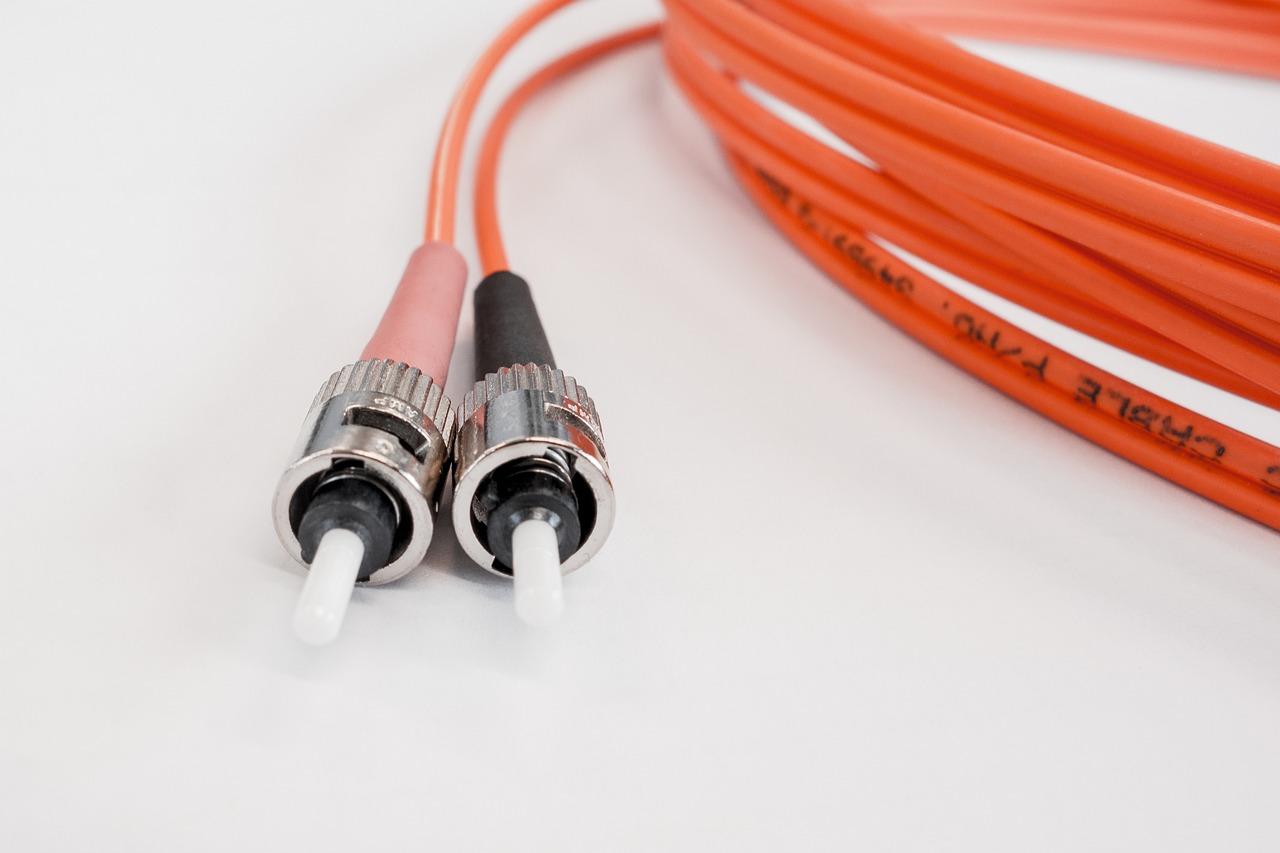
In today’s digital age, the backbone of our online experiences often remains unseen, yet its impact is profound. Fiber optic technology is at the forefront of this hidden infrastructure, enabling the high-speed connectivity that users rely on every day. Unlike traditional copper wiring, fiber optics utilize light to transmit data, leading to significant advantages that enhance our online activities.
One of the key benefits of fiber optic technology is its unmatched speed. With the ability to transmit data at nearly the speed of light, fiber optics can offer speeds that are orders of magnitude faster than older technologies. This is particularly crucial for activities that demand substantial bandwidth, such as:
- Streaming high-definition video
- Online gaming with minimal lag
- Video conferencing for remote work
- Cloud computing and data storage solutions
Moreover, the capacity for data transmission through fiber optics is far greater than traditional mediums. This means that multiple signals can be sent simultaneously without interference, effectively accommodating the growing number of devices connected to the internet. As our reliance on digital services increases, this capacity becomes crucial to ensure seamless connectivity for every user in a densely populated network.
Another compelling aspect of fiber optics is their durability and reliability. Unlike copper cables, which can be susceptible to interference from electromagnetic signals and environmental factors, fiber optics are immune to these disruptions. This reliability is essential for businesses that depend on uninterrupted service and for consumers who expect consistent performance.
| Feature | Fiber Optics | Copper Wires |
|---|---|---|
| Speed | High | Moderate |
| Bandwidth | High capacity | Limited |
| Interference | None | Susceptible |
| Distance | Long distances | Short distances |
Furthermore, fiber optic technology plays a crucial role in future-proofing our infrastructure. As the demand for faster internet and more data-intensive applications continues to rise, the scalability of fiber optics ensures that networks can easily adapt to changing requirements. This adaptability is vital for both urban centers and rural areas striving to provide equitable access to high-speed internet.
Ultimately, while end-users might take high-speed internet for granted, the technology that makes it possible is truly revolutionary. Fiber optics not only enhance the speed and reliability of our connections but also pave the way for innovations that will define the future of communication and information exchange. Recognizing the significance of this infrastructure is essential, as it empowers users to harness the full potential of our digital world.
Why Low Latency Matters More Than You Think
In today’s digital landscape, the difference between success and failure often hinges on the speed at which data is processed. Low latency—the delay before a transfer of data begins following an instruction—plays a pivotal role in user experience. While most users may not realize it, this seemingly invisible factor can dictate everything from trading in financial markets to streaming high-definition video.
Imagine you’re using a trading platform where every millisecond counts. A latency of just a few seconds can result in substantial financial losses or gains. Similarly, in the gaming industry, players expect real-time interactions without lag—every click and command needs to translate into instant action. Low latency creates a seamless experience, ensuring that users remain engaged and satisfied.
Several key elements demonstrate why low latency is crucial:
- Improved User Experience: A smooth and responsive interface keeps users coming back. Nobody enjoys the frustration of buffering videos or lagging games!
- Competitive Advantage: Businesses leveraging low latency can respond faster to market changes, giving them an edge over competitors.
- Increased Engagement: Real-time interactions foster deeper connections with users, whether in social media platforms or customer service channels.
To illustrate this further, consider the impact of low latency on different sectors. The table below highlights how latency affects various industries:
| Industry | Impact of Low Latency |
|---|---|
| Finance | Faster transaction execution and market analysis |
| Gaming | Smoother gameplay and real-time updates |
| Healthcare | Quick access to patient data and telemedicine |
| Streaming Services | Buffer-free viewing and immediate playback |
Furthermore, the backbone of low latency lies in the infrastructure that most users overlook. High-quality servers, optimized network paths, and advanced data processing technologies work behind the scenes to deliver the speed that today’s applications require. When these elements are finely tuned, they create an environment where latency is minimized, allowing users to enjoy applications without interruption.
Ultimately, as technology continues to evolve, the expectation for speed will only intensify. Both consumers and businesses alike are beginning to recognize that every fraction of a second matters. Investing in infrastructure that prioritizes low latency is not merely an operational decision; it’s a strategic move that can lead to lasting success and customer loyalty.
Spotting the Signs of Insufficient Infrastructure
When we think about high-speed platforms, the first things that come to mind are speed, efficiency, and seamless connectivity. However, what often goes overlooked are the underlying systems that make all of this possible. Insufficient infrastructure can undermine the performance of even the most advanced technologies, leading to a frustrating user experience. Here are some signs that may indicate these hidden issues:
- Frequent Downtime: If you notice that your access to a platform is interrupted often, it could be a sign of inadequate server support or outdated hardware.
- Slow Load Times: Persistent delays can point to overloaded networks or insufficient bandwidth, both of which are critical for high-speed performance.
- Inconsistent Performance: A platform that works well one moment and poorly the next may be struggling with its foundational infrastructure.
- Difficulty Scaling: If a platform cannot easily accommodate increased traffic, it likely lacks the robust infrastructure necessary to handle growth.
- Poor User Feedback: User complaints about sluggishness or reliability often reveal deeper issues related to infrastructure.
While end-users may not see the switches, routers, and servers that form the backbone of their favorite platforms, the impact of these components is profound. Inadequate infrastructure can lead to a domino effect, where minor issues snowball into significant outages, frustrating users and reducing trust. The reality is, even the most cutting-edge software relies on a solid foundation to function effectively.
To illustrate the importance of proper infrastructure, consider the following comparison between well-established platforms and those that struggle:
| Feature | Well-Established Platform | Struggling Platform |
|---|---|---|
| Downtime | Rare | Frequent |
| Load Time | Under 2 seconds | Over 5 seconds |
| User Satisfaction | High | Low |
| Scalability | Easily scalable | Limited scalability |
Understanding these signs is crucial for both users and businesses that rely on high-speed platforms. Ignoring infrastructure issues can lead to increased costs, lost revenue, and a tarnished reputation. It’s essential for companies to invest in robust infrastructure, ensuring that their platforms deliver the speed and reliability that users expect.
Ultimately, recognizing the signs of insufficient infrastructure can empower users and stakeholders alike. By advocating for better systems, we can collectively push for improvements that enhance the overall digital experience. After all, the speed of a platform is only as good as its infrastructure allows it to be.

Investing in Upgrades: A Necessity for Future Growth
In today’s fast-paced digital landscape, users expect seamless experiences, and this is largely dependent on the infrastructure that supports high-speed platforms. While many might not notice the intricate systems working behind the scenes, the investment in these upgrades is crucial for maintaining competitive advantage and ensuring future growth. Here’s why putting resources into enhancing our infrastructure is a game changer:
- Scalability: As user demands increase, scalable infrastructure allows platforms to handle surges in traffic without compromising performance. This means faster load times and less downtime, crucial for retaining users.
- Reliability: Investing in robust systems leads to improved uptime and reliability. Users are more likely to return to platforms that they can trust to perform consistently.
- Security: With the rise of cyber threats, upgrading infrastructure is essential for implementing advanced security measures. This not only protects user data but also enhances the overall credibility of the platform.
- Technological Advancements: By staying up-to-date with the latest technology, platforms can leverage cutting-edge features that appeal to users and give them a reason to engage more deeply.
- Cost Efficiency: While initial investments may seem steep, modern infrastructure can lead to long-term savings. Efficient systems reduce maintenance costs and decrease the likelihood of expensive failures.
To give a clearer picture of how upgrades translate into tangible benefits, consider the following table showcasing the impact of improved infrastructure on user experience metrics:
| Metric | Before Upgrades | After Upgrades |
|---|---|---|
| Average Load Time | 8 seconds | 3 seconds |
| Uptime Percentage | 95% | 99.9% |
| User Retention Rate | 60% | 85% |
| Security Breaches | 5/year | 1/year |
Each of these metrics reflects the importance of investing in infrastructure. They not only enhance user satisfaction but also foster loyalty, encouraging users to stick around for the long haul. In a world where options abound, a reliable platform becomes a user’s haven.
Ultimately, the decision to invest in upgrades is not just about keeping up; it’s about leading the charge. By prioritizing infrastructure improvements, companies can future-proof their operations and create an environment where innovation thrives. Think of it as planting seeds today for a bountiful harvest tomorrow. The landscape is evolving, and only those willing to adapt will flourish in the digital age.
How Users Can Advocate for Better Infrastructure
Many users interact daily with high-speed platforms, but few realize that their experience hinges on an invisible backbone: the infrastructure. While it may seem like a challenge primarily for engineers and city planners, there are concrete steps that everyday users can take to advocate for enhanced infrastructure. Here’s how you can make your voice heard.
- Educate Yourself: Understanding the basics of infrastructure—like broadband networks, public transportation systems, and energy grids—empowers you to speak intelligently about the issues. Familiarize yourself with local projects and policies.
- Engage in Local Government: Attend city council meetings or public forums where infrastructure projects are discussed. Your presence shows decision-makers that the community is invested in these issues.
- Utilize Social Media: Platforms like Twitter and Facebook are powerful tools for advocacy. Share information about infrastructure needs, and tag local leaders to draw attention to your concerns.
One of the most effective ways to push for change is through grassroots movements. Form or join community groups that focus on infrastructure improvement. Collaborate on projects, share resources, and amplify your message. The more voices advocating for better infrastructure, the more likely it is that officials will take notice.
Additionally, consider creating a petition to address specific infrastructure needs in your community. Whether it’s a call for better broadband access in underserved areas or improved public transit options, a well-organized petition can demonstrate widespread support for change. Ensure that your petition is clear and concise, making it easy for others to understand the issue at hand.
| Action | Description | Impact |
|---|---|---|
| Attend Meetings | Participate in local government discussions | Raises awareness among officials |
| Social Campaigns | Use social media to amplify issues | Engages wider community support |
| Petition Drive | Create petitions for change | Demonstrates community demand for action |
Don’t underestimate the power of partnerships. Collaborating with local businesses and organizations can create a unified front advocating for infrastructure improvements. Businesses that rely on high-speed platforms will likely be just as invested in better infrastructure, making them ideal allies in your efforts.
reaching out to your local representatives can have significant impact. Write emails, make phone calls, or schedule meetings to discuss your concerns. Be specific about the infrastructure issues you face and present potential solutions. A well-articulated message can encourage your representatives to prioritize these needs.

The Environmental Impact of High-Speed Technology
As we race toward an increasingly digital future, the environmental implications of high-speed technology are often overlooked. Many users enjoy seamless streaming and lightning-fast downloads without realizing the hidden costs associated with their convenience. The infrastructure that supports these high-speed platforms often comes at a significant environmental price.
First, consider the massive data centers that power our online experiences. These facilities consume enormous amounts of energy, primarily for cooling systems to keep servers from overheating. In fact, a single data center can use the same amount of electricity as thousands of homes. This demand for electricity contributes to increased carbon emissions, especially if the energy is derived from non-renewable sources.
Furthermore, the hardware required for high-speed technology has its own environmental footprint. From the extraction of rare metals used in processors to the disposal of outdated equipment, the lifecycle of technology products can be detrimental to the planet. E-waste is a growing concern, as millions of tons of electronics are discarded each year without proper recycling, leaching toxic substances into the environment.
It’s not just energy and waste that are at stake; the construction and maintenance of the physical infrastructure that enables high-speed connectivity also have ecological impacts. Laying down fiber optic cables, building cell towers, and maintaining network equipment often requires significant land use and can disrupt local ecosystems. Even the smallest construction projects can lead to habitat destruction, affecting wildlife and plant life.
Consider some of the hidden costs associated with this infrastructure:
- Deforestation: The need for new installations often leads to tree removal, impacting carbon absorption.
- Water Usage: Data centers require substantial water for cooling, which can strain local water supplies.
- Air Quality: Construction emissions and energy production contribute to air pollution, affecting public health.
To put it into perspective, here’s a simplified comparison of energy consumption between various technologies:
| Technology | Energy Consumption (kWh/year) |
|---|---|
| Single Family Home | 10,000 |
| Data Center (Small) | 1,000,000 |
| Streaming Service User | 500-1000 |
As consumers, we have the power to influence change. By demanding that tech companies prioritize sustainable practices in their operations, we can help reduce . Supporting companies that utilize renewable energy or that practice responsible e-waste recycling can make a significant difference. Moreover, advocating for better infrastructure practices can help ensure that our digital advancements do not come at the expense of our planet.
Ultimately, as we embrace high-speed technology, it’s crucial to stay informed about its environmental impacts. By understanding the invisible infrastructure that supports our digital lifestyle, we can advocate for solutions that not only enhance our connectivity but also protect our planet for future generations.
Exploring Global Disparities in High-Speed Access
While we often take high-speed internet for granted, the reality is that behind those lightning-fast connections lies a complex web of infrastructure that varies dramatically across the globe. In many advanced economies, users enjoy seamless access to the digital world, but in others, significant gaps persist, leaving millions without reliable connectivity.
Consider the factors that contribute to these disparities:
- Geographic Challenges: Rugged terrains and remote locations can hinder the installation of high-quality internet infrastructure.
- Economic Investment: Countries with robust economies are more likely to invest in cutting-edge technology and infrastructure.
- Policy and Regulation: Supportive government policies can accelerate the rollout of high-speed networks, while bureaucratic red tape can stifle progress.
- Technological Adoption: In some regions, outdated technology remains in use, stalling advancements in connectivity.
To illustrate this point, let’s take a look at a brief comparison of internet penetration and speed in various regions:
| Region | Internet Penetration (%) | Average Speed (Mbps) |
|---|---|---|
| North America | 90 | 150 |
| Europe | 85 | 120 |
| Asia | 60 | 70 |
| Africa | 30 | 15 |
The stark differences in these numbers reveal how crucial it is to address the foundational issues underlying internet access. Without significant improvements in infrastructure, regions lagging behind will continue to miss out on the myriad benefits that come with high-speed connectivity—whether that’s access to education, job opportunities, or social interactions.
Moreover, the digital divide isn’t just a matter of speed; it’s a question of equity and opportunity. In urban areas of developing nations, where investment is typically concentrated, high-speed internet exists side by side with vast rural areas that languish in digital isolation. The challenge is not merely to bridge the gap but to ensure that it doesn’t widen further as technology advances.
Addressing these disparities calls for a multifaceted approach:
- Public-Private Partnerships: Collaboration between governments and private companies can lead to innovative solutions that benefit underserved populations.
- Community Engagement: Local stakeholders must be involved in identifying their specific needs and challenges to create effective strategies.
- Investment in Education: Teaching digital literacy is just as important as providing the infrastructure itself.
The journey to equitable high-speed internet access is complex, but it’s essential for fostering a connected global society. As we navigate these challenges, it’s important to remember that high-speed platforms rely on an invisible network of support systems, many of which demand our attention and action for a more inclusive future.

What You Can Do to Support Infrastructure Improvements
Supporting infrastructure improvements is crucial if we want to enjoy the full benefits of high-speed platforms. While many users might not notice the underlying systems that keep these platforms running smoothly, their role is undeniably significant. Here are some practical ways you can contribute to enhancing these vital infrastructures:
- Advocate for Local Initiatives: Engage with local government and community organizations that prioritize infrastructure projects. Attend town hall meetings and voice your support for initiatives that aim to upgrade roads, bridges, and digital networks.
- Volunteer for Community Projects: Join local organizations that focus on infrastructure improvements, such as community clean-up days or advocacy groups. Your time and effort can make a tangible difference in your area.
- Support Sustainable Practices: Promote and support initiatives that emphasize sustainability in infrastructure development. This can include encouraging the use of eco-friendly materials or supporting public transport systems that reduce carbon footprints.
- Invest in Local Businesses: Many local businesses play a role in the supply chain of infrastructure projects. By supporting them, you indirectly contribute to the economic viability of infrastructure initiatives.
- Stay Informed: Keep up with local news and developments regarding infrastructure projects. Understanding what is planned or in progress allows you to provide informed feedback and support.
Each of these actions, when combined, can create a ripple effect in your community. To illustrate the impact of community involvement, consider the following table showing the benefits of supporting local infrastructure projects:
| Benefit | Description |
|---|---|
| Economic Growth | Improved infrastructure attracts businesses, leading to job creation. |
| Enhanced Connectivity | Better roads and networks improve mobility and accessibility for all. |
| Community Engagement | Involvement in infrastructure projects fosters community spirit and cooperation. |
| Environmental Benefits | Sustainable practices in infrastructure reduce environmental impact. |
Additionally, consider advocating for funding and policies that prioritize infrastructure improvements at the state and national levels. Engaging with local representatives on social media or through direct communication can amplify your voice. When communities rally together, they become powerful advocates for change.
Ultimately, infrastructure improvements depend not only on government actions but also on the collective efforts of individuals like you. By taking the steps outlined above, you can help ensure that high-speed platforms have the robust and reliable infrastructure they need to function at their best. Your involvement matters, and it can lead to a brighter, more connected future for everyone.
A Call to Action: Elevating Awareness Among Users
In a world where speed is synonymous with efficiency, the unsung heroes of the digital landscape are often overlooked. This invisibility doesn’t just affect tech enthusiasts; it impacts every user who relies on high-speed platforms for daily tasks, from video streaming and online gaming to cloud computing. The intricate web of infrastructure that supports these platforms is essential, yet most users remain blissfully unaware of its significance.
Understanding this infrastructure is crucial, especially as our dependency on digital services continues to grow. Here are some key components that deserve a spotlight:
- Data Centers: These facilities are the backbone of the internet, housing servers that store and manage data.
- Content Delivery Networks (CDNs): CDNs disperse content closer to users, minimizing latency and ensuring faster load times.
- Fiber Optic Cables: The highways of the internet, fiber optic cables transmit data at lightning speeds across vast distances.
- Load Balancers: These tools distribute incoming traffic efficiently, ensuring that no single server becomes overwhelmed.
These elements work in harmony behind the scenes, yet they often go unnoticed until something goes wrong. For instance, when a website lags, users typically blame the site itself, not realizing that the issue might stem from the underlying infrastructure. This disconnect highlights the need for greater awareness among users about what keeps their favorite platforms running smoothly.
Imagine a world where users not only enjoy seamless online experiences but also recognize the effort and technology that make it possible. Educating users on these vital components can foster a greater appreciation for the technology that enhances their daily lives. Here are some ways to elevate this awareness:
- Interactive Content: Create engaging infographics or videos that simplify complex infrastructure concepts.
- Community Forums: Establish platforms for users to discuss and ask questions about the technology behind their services.
- Workshops and Webinars: Host sessions that delve into the details of digital infrastructure, making the technical aspects accessible to all.
By actively promoting understanding and appreciation for the invisible infrastructure, we not only enhance user experiences but also pave the way for more informed discussions about technology’s role in our society. This shift in perspective can lead to more constructive feedback for service providers, ultimately driving improvements and innovations in digital platforms.
Let’s take a closer look at how user awareness can transform engagement with technology:
| Awareness Level | User Engagement | Impact on Providers |
|---|---|---|
| Low | Minimal interaction | Limited feedback |
| Medium | Curiosity-driven | Constructive criticism |
| High | Active participation | Innovative solutions |
By bridging the gap between technology and users, we can cultivate a community that not only benefits from high-speed platforms but also contributes positively to their evolution. In doing so, we embrace a future where everyone, from casual internet users to tech-savvy professionals, can appreciate and support the infrastructure that powers their digital experiences.
Frequently Asked Questions (FAQ)
Q: What do you mean by ”high-speed platforms”?
A: Great question! High-speed platforms refer to services like streaming, gaming, and cloud computing that rely on fast internet connections to deliver seamless experiences. Think Netflix, online gaming, or even video conferencing platforms like Zoom. They all depend on robust infrastructure behind the scenes.
Q: Why is infrastructure so important for these platforms?
A: Infrastructure is like the backbone of these services. Without a strong foundation—like fiber-optic cables, data centers, and even the software that runs it all—these platforms would struggle to deliver the speed and reliability we expect. It’s what enables data to move quickly and efficiently across the network!
Q: But most users never notice this infrastructure. Why should they care?
A: That’s a key point! While you might not see the wires or servers, the impact of this infrastructure is felt every time you use a high-speed service. When it works well, you enjoy smooth streaming and fast downloads. When it doesn’t, you experience buffering and lag. Understanding this helps users appreciate the technology they often take for granted.
Q: What can users do to support better infrastructure?
A: Users can advocate for better internet access and support policies that promote investment in infrastructure. Staying informed about local broadband initiatives and participating in community discussions can help push for improvements. Also, simply being aware of the importance of infrastructure can lead to better choices when selecting service providers.
Q: Is all infrastructure created equal?
A: Not at all! Some areas have cutting-edge technology, like fiber optics, while others may still rely on outdated systems. This disparity can create a digital divide, where some users enjoy lightning-fast speeds while others struggle with slow connections. It’s crucial to push for equitable access to high-quality infrastructure for everyone.
Q: How does this infrastructure contribute to innovation?
A: High-quality infrastructure opens doors for new technologies and services. Think about how far we’ve come with telehealth, remote work, and smart home devices—none of this would be possible without reliable internet. As infrastructure improves, it sparks creativity and innovation that can change lives for the better.
Q: What’s the takeaway from understanding the relationship between high-speed platforms and infrastructure?
A: The bottom line is that while you might not see the infrastructure, it’s essential for the digital experiences you enjoy today. By appreciating its role and advocating for improvements, you can help shape a future where everyone has access to high-speed services. So, next time you’re streaming your favorite show, take a moment to recognize the unsung heroes making it all possible!
Wrapping Up
the high-speed platforms we rely on today are only as good as the infrastructure that quietly supports them. While it’s easy to take for granted the seamless experiences we enjoy, it’s crucial to recognize the intricate web of technology that makes it all possible—from the hidden data centers to the miles of fiber optic cables.
As we move further into an age of instant connectivity, understanding and investing in this infrastructure becomes more important than ever. After all, the backbone of our digital world is often invisible, but its impact is undeniably profound. So, the next time you effortlessly stream a movie, browse your social media feed, or engage in a video call, take a moment to appreciate the unsung heroes behind the scenes.
Let’s champion the importance of infrastructure and advocate for the advancements that will keep our high-speed platforms thriving. Because when we recognize the value of what supports our technology, we pave the way for a more robust, reliable, and innovative digital future. Thank you for joining us on this exploration, and let’s keep the conversation going about the hidden layers that empower our connected lives!