Introduction: Design Intelligence & AI – The Ultimate Guide for Beginners
Hey there! Have you ever wondered how artificial intelligence is transforming the world of design? If you’re curious about the intersection of creativity and technology, you’re in the right place! Welcome to “Design Intelligence & AI: The Ultimate Guide for Beginners.” In this article, we’ll embark on an exciting journey where creativity meets cutting-edge technology.
Imagine a world where designers can harness the power of AI to streamline their workflows, generate innovative ideas, and create stunning visuals with ease. Sounds intriguing, right? Whether you’re a seasoned designer looking to up your game or a total newbie eager to dip your toes into this dynamic field, this guide is tailored just for you. We’ll break down complex concepts into bite-sized pieces, demystifying how AI can enhance your design process and unleash your creative potential.
Join us as we explore the fascinating realm of Design Intelligence—the perfect blend of artistry and algorithm. By the end of this guide, you’ll not only understand the fundamentals of AI in design, but you’ll also be inspired to leverage these tools to innovate and elevate your own projects. Let’s dive in and discover how to bring your creative visions to life with the help of AI!
Understanding Design Intelligence and Its Importance in Modern Creativity
In the rapidly evolving landscape of creativity, design intelligence is becoming a cornerstone for innovation. It refers to the synergy between human creativity and artificial intelligence, enabling designers to enhance their workflows, generate unique ideas, and make informed decisions. By integrating AI into the design process, we can unlock new realms of creativity that were previously unimaginable.
Imagine having a powerful tool that not only assists you in generating designs but also learns from your preferences and style. This is where design intelligence shines. It analyzes data, recognizes patterns, and offers suggestions tailored to your vision. The result? A seamless blend of artistic expression and technical prowess.
Here are some key benefits of embracing design intelligence:
Enhanced Efficiency: Automating repetitive tasks allows designers to focus on what they do best—creating.
Data-Driven Insights: AI tools provide valuable feedback based on user interactions, helping designers refine their work.
Inspiration and Idea Generation: AI can suggest design elements or concepts, sparking creativity and broadening horizons.
Furthermore, design intelligence can foster collaboration. By utilizing AI platforms, design teams can share insights and feedback in real-time, bridging gaps between different skill levels and specialties. This collaborative environment not only enhances creativity but also accelerates project timelines.
AI Tool
Feature
Benefit
Adobe Sensei
Automated tagging
Speeds up asset organization
Canva AI
Design suggestions
Inspires new ideas
Figma
Real-time collaboration
Enhances teamwork
However, the integration of design intelligence also raises important considerations. As we rely more on AI, the question of authenticity and originality comes into play. How do we maintain our unique voice in a world where algorithms influence our creative outputs? Striking a balance between leveraging AI and preserving human creativity is essential.
As we look to the future, understanding design intelligence is not just beneficial; it is imperative. The creative industry is in a state of flux, and those who embrace this technology will likely lead the way. By harnessing the power of AI, designers can push boundaries, explore new possibilities, and ultimately, reshape the creative landscape.
The Role of AI in Transforming the Design Landscape
Artificial Intelligence is revolutionizing the world of design, breathing new life into traditional practices and enhancing creativity in ways we never thought possible. Designers are no longer confined to tedious tasks; instead, they can focus on innovation and creativity while AI takes care of the heavy lifting. This shift is not just a trend; it’s a fundamental change in how design processes are approached and executed.
One of the most significant impacts of AI in design is the ability to analyze vast amounts of data swiftly. Tools powered by machine learning can sift through user preferences, historical trends, and market analyses to provide insights that inform design decisions. This allows designers to:
Optimize designs based on user interactions and feedback.
Personalize experiences tailored to specific audiences.
Moreover, AI not only enhances the analytical aspect of design but also contributes to the creative process. Generative design algorithms, for example, can produce a multitude of design options based on specified parameters. This means designers can explore a broader range of possibilities without being bogged down by the limitations of traditional methods. Think of it as having a brainstorming partner that can generate ideas at lightning speed!
Furthermore, AI tools can automate repetitive tasks, such as resizing images or creating variations of designs. This efficiency frees up valuable time for designers, enabling them to focus on strategic thinking and conceptual development. Some common automated tasks include:
Image editing with AI-powered tools like Adobe Photoshop’s Sensei.
Layout generation using platforms like Canva and Figma.
Color palette suggestions via tools like Coolors or Adobe Color.
As we embrace these technologies, collaboration between AI and designers is becoming more critical. AI should be viewed as a partner rather than a replacement. Human intuition and emotional intelligence remain irreplaceable in design, allowing for the creation of meaningful experiences that resonate with audiences. A successful synergy between creativity and technology can lead to groundbreaking innovations in design.
To further illustrate the transformative power of AI in design, consider the table below, showcasing various AI tools and their applications:
AI Tool
Application
Benefit
Adobe Sensei
Image editing & enhancement
Optimizes workflows and improves creativity
Canva
Graphic design
Streamlines design with easy-to-use templates
Runway ML
Video editing
Revolutionizes content creation with AI assistance
as AI continues to evolve, its role in design is set to expand even further, blurring the lines between man-made and machine-generated creativity. Embracing these technologies enables designers to push boundaries and explore new frontiers. In this evolving landscape, the future of design lies in harmonizing human creativity with technological innovation.
Key Principles of Design Intelligence You Should Know
Design intelligence merges creativity with technology, transforming how we approach design challenges. At its core, it is about leveraging data and algorithms to enhance the creative process. Understanding its key principles can take your design game to the next level.
Empathy-Driven Design is paramount when applying design intelligence. By understanding users’ needs and experiences, designers can create solutions that genuinely resonate. This principle ensures that technology serves human interests, fostering a more meaningful connection between products and users.
Data-Informed Decision Making is another cornerstone of design intelligence. Rather than relying solely on intuition, successful designers harness data analytics to inform their choices. This might include:
User behavior insights
Market trends
A/B testing results
Utilizing data allows for iterative improvements, leading to more effective designs that meet real-world demands.
Collaboration Between Human and Machine is essential. AI tools can handle repetitive tasks, freeing designers to focus on the more creative aspects of their work. This harmonious relationship enhances productivity and innovation, as designers can experiment without the constraints of manual processes.
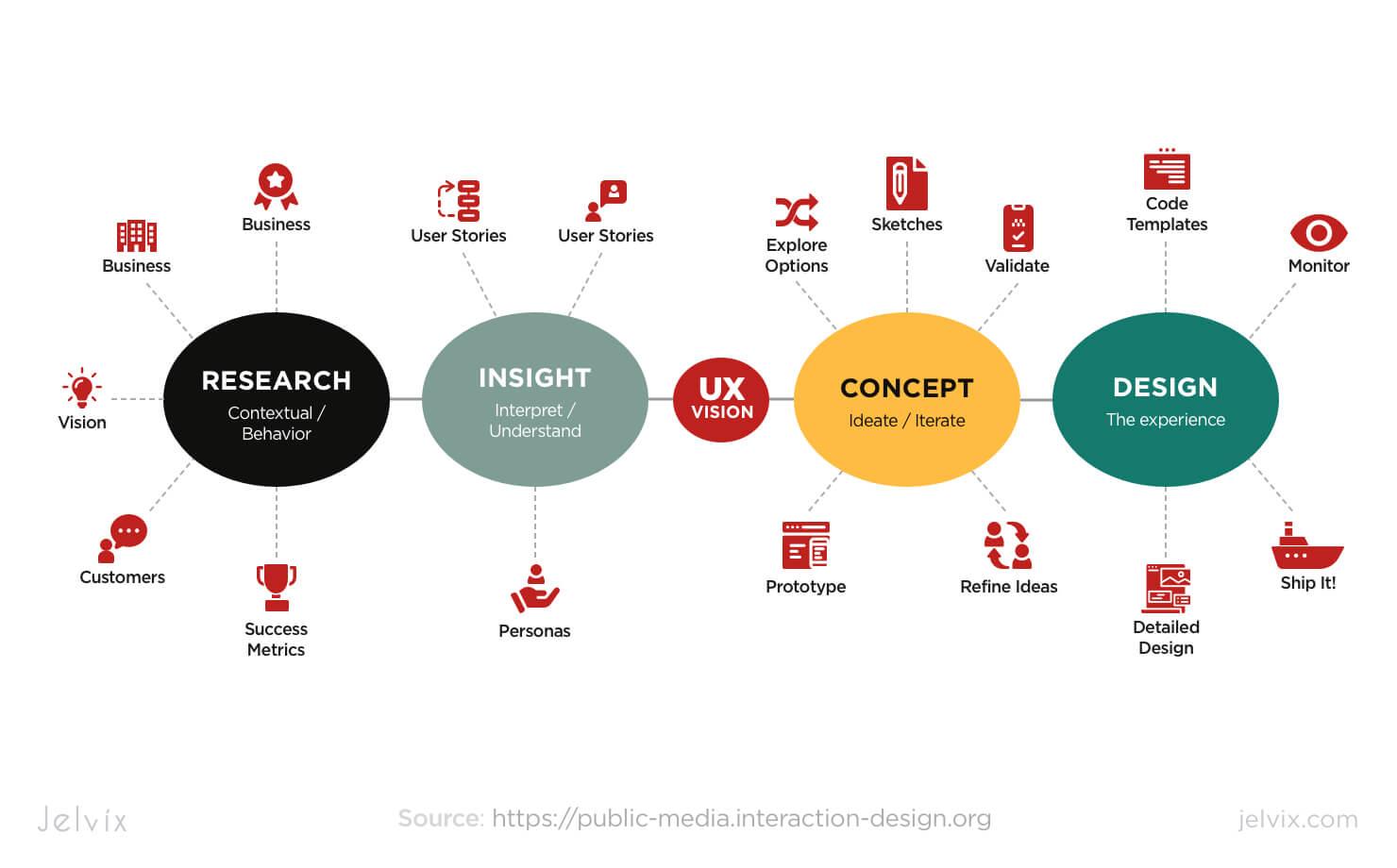
Iterative Prototyping is a principle that aligns well with the agile methodologies in design. By creating rapid prototypes and testing them, designers can quickly gather feedback and make necessary adjustments. This cycle of creation and feedback helps in honing design solutions that are not only functional but also aesthetically pleasing.
Inclusivity and Accessibility should be at the forefront of any design intelligence strategy. Designing for diverse audiences—considering different abilities, backgrounds, and preferences—ensures that products cater to a wider user base. Tools that assess accessibility can aid in creating designs that are usable for everyone.
Principle
Description
Empathy-Driven Design
Focuses on user experiences and needs.
Data-Informed Decision Making
Utilizes analytics for better design choices.
Collaboration Between Human and Machine
Enhances productivity by automating repetitive tasks.
Iterative Prototyping
Encourages quick testing and refinement.
Inclusivity and Accessibility
Ensures designs cater to diverse user needs.
embracing Continuous Learning is vital in the fast-evolving landscape of design intelligence. As technologies and user expectations change, remaining adaptable and open to new ideas will keep your design skills sharp and relevant.
How AI Tools are Redefining Creative Processes
The landscape of creative processes is undergoing a radical transformation, thanks to the integration of artificial intelligence tools. These technologies are not just enhancing traditional methods; they are reshaping the very fabric of creativity. From graphic design to music composition, AI is empowering creators to push their boundaries and innovate like never before.
Consider the ways AI can assist in the creative process:
Idea Generation: AI algorithms can analyze vast amounts of data to suggest unique ideas, themes, or concepts that a human might overlook.
Design Automation: Tasks like layout design or color matching can be automated, allowing designers to focus on higher-level creative decisions.
Personalization: AI tools can tailor content to specific audiences by analyzing user behavior and preferences, resulting in more engaging and relevant creative outputs.
A particularly exciting development is the advent of generative design, where AI systems create multiple design options based on user-defined parameters. This approach not only accelerates the design process but also encourages experimentation. Designers can explore a broader range of possibilities without the typical constraints of time and resources.
Artists and musicians are also leveraging AI to redefine their work. For example, AI can compose original music or generate visual art by learning from existing styles. This technology can serve as a collaborative partner, offering suggestions and variations that challenge the artist’s creative instincts. It blurs the lines between human and machine creativity, prompting a re-examination of authorship and originality.
While some may fear that AI will diminish human creativity, the reality is quite the opposite. By handling mundane tasks, AI allows creatives to invest more energy in ideation and execution. The result is a synergy where human intuition meets machine efficiency, leading to richer and more diverse creative expressions.
AI Tool
Creative Application
Benefits
Canva
Graphic Design
Easy templates and AI suggestions for design layouts.
DALL-E
Image Generation
Creates unique images based on textual descriptions.
Amper Music
Music Composition
Generates original music tracks in various styles.
The potential for AI in creative industries is vast, opening new avenues for collaboration, experimentation, and innovation. As these tools continue to evolve, they will undoubtedly play a crucial role in the future of creativity, inspiring new generations of artists and designers to explore uncharted territories. Embracing these advancements can lead to groundbreaking work that redefines what’s possible in the creative realm.
Exploring the Synergy Between Human Designers and AI
In the contemporary design landscape, the collaboration between human creativity and artificial intelligence is not just beneficial—it’s transformative. This synergy allows designers to leverage AI’s capabilities to enhance their creative processes while maintaining the irreplaceable touch of human intuition and experience.
Let’s explore some of the key areas where human designers and AI can work together effectively:
Idea Generation: AI tools can analyze vast amounts of data and past designs to suggest fresh concepts that designers may not have considered. This collaborative brainstorming can spark innovative ideas.
Efficiency in Repetitive Tasks: Designers often spend a significant amount of time on repetitive tasks such as resizing images or formatting layouts. AI can automate these processes, allowing designers to focus on higher-level creative challenges.
Personalization: AI enables the creation of highly personalized designs by analyzing user data and preferences. This capability allows designers to craft unique experiences tailored to individual users, enhancing engagement and satisfaction.
Data-Driven Insights: With the computational power of AI, designers can gain insights into user behavior and trends. This data-driven approach can inform design decisions, helping to create products that resonate with target audiences.
To illustrate the benefits of this partnership, consider the following table that outlines the strengths of both human designers and AI:
Aspect
Human Designers
AI Tools
Creativity
Unique artistic vision
Generates ideas from data
Emotional Intelligence
Understands human emotions
Analyzes trends and patterns
Speed
Slower in repetitive tasks
Automates and accelerates workflows
Adaptability
Can pivot creative direction
Adapts based on real-time feedback
While AI tools can enhance efficiency and generate ideas, they lack the human touch, which is crucial in design. The emotional connection that a designer can create through their work is something AI cannot replicate. This is where the true power of collaboration lies. Designers can utilize AI as a tool to augment their creativity, rather than as a replacement for their unique perspectives and insights.
embracing the synergy between human designers and AI is key to unlocking new possibilities in the design realm. By combining human intuition with AI’s analytical prowess, the design process becomes not only more efficient but also richer and more innovative. This partnership represents the future of design, where technology and creativity harmoniously coexist to push the boundaries of what is possible.
Top AI Design Tools Every Beginner Should Try
As a beginner stepping into the world of design, having the right tools at your fingertips can make a world of difference. With the rapid advancement of AI technology, several design tools have emerged that not only simplify the design process but also inspire creativity. Here are some top picks that every novice designer should experiment with:
Canva: This user-friendly platform offers a drag-and-drop interface, making it incredibly easy to create stunning graphics. With numerous templates and design elements, even those with no prior experience can design like a pro.
Adobe Spark: A perfect entry point into the Adobe ecosystem, Spark allows users to create social media graphics, web pages, and short videos. The AI features assist in generating layouts and suggestions, enabling you to focus on your message rather than the technicalities.
Figma: While it’s widely known as a collaborative interface design tool, Figma’s AI capabilities help streamline workflows and offer smart suggestions, making it ideal for beginners aiming to work in teams.
Looka: If branding is your focus, Looka uses AI to help create logos and brand kits tailored to your vision. Its easy interface means you can generate multiple logo concepts in no time.
One of the best aspects of these tools is their accessibility. Most of them offer free versions or trials, allowing beginners to explore without a financial commitment. Trying out different tools can help you discover what resonates with your design style and workflow preference.
Additionally, many of these platforms come with built-in resources and tutorials. For example, Canva hosts a plethora of design courses that guide you through the fundamentals, while Adobe Spark provides video tutorials that cover everything from basic principles to advanced techniques.
To help you better understand the differences in features, here’s a quick comparison:
Tool
Key Features
Best For
Canva
Templates, Stock Photos, Drag-and-Drop
Marketing Graphics
Adobe Spark
Video Creation, Custom Branding
Social Media Content
Figma
Collaboration, Prototyping
User Interface Design
Looka
AI Logo Generation, Brand Kits
Brand Development
Exploring these platforms will not only enhance your design skills but also build your confidence. As you become familiar with their features, you’ll find creating unique and professional-grade designs is more achievable than ever. So dive in, experiment, and let your creativity flow with these incredible AI-driven tools!
Building a Design Workflow That Incorporates AI
Integrating AI into your design workflow can elevate your creative process and enhance productivity. By automating repetitive tasks and providing data-driven insights, AI allows designers to focus on the creative aspects of their work. Here’s how to build a design workflow that seamlessly incorporates AI:
1. Identify Pain Points
Start by assessing your current workflow. Identify repetitive tasks and bottlenecks that consume valuable time. Common pain points include:
Data Analysis: Manually sifting through data for insights.
Ideation: Struggling to generate fresh ideas.
Feedback Collection: Time spent on gathering and organizing feedback.
2. Choose the Right Tools
With numerous AI tools available, selecting the right ones is crucial. Look for tools that align with your specific design needs, such as:
AI-Powered Design Software: Tools that assist in layout, typography, and color selection.
Automated Feedback Systems: Platforms that gather and analyze user feedback efficiently.
Content Generation Tools: AI that helps in generating design copies or variations.
3. Streamline Collaboration
AI can facilitate better collaboration among team members. Consider using platforms that allow for:
Real-Time Edits: Collaborative features that enable team members to make adjustments simultaneously.
Version Control: Tools that automatically save and manage different iterations of designs.
AI-Based Suggestions: Features that provide suggestions based on team feedback or design trends.
4. Implement a Feedback Loop
Creating a feedback loop is essential for continuous improvement. Leverage AI to:
Collect User Insights: Automatically gather data from users about their experience with your designs.
Analyze Performance: Use AI analytics tools to evaluate how designs perform across various platforms.
Refine Processes: Adjust your workflow based on the insights gained from feedback and analytics.
5. Measure Success
Establish clear metrics to measure the success of your AI integration. Create a table to track performance indicators:
Metric
Before AI
After AI
Time Spent on Repetitive Tasks
20 hours/week
10 hours/week
Design Iterations
10 iterations
5 iterations
User Feedback Response Time
48 hours
24 hours
Review these metrics regularly to adjust your strategy and maximize the benefits of AI in your design workflow. By embracing these steps, you’ll not only enhance your design process but also position yourself as a forward-thinking designer in a rapidly evolving industry.
Real-World Examples of Design Intelligence in Action
Design intelligence is reshaping various industries, making processes more efficient and user-centric. Here are a few standout examples that highlight the transformative power of combining design and artificial intelligence.
1. Google’s Material Design
Google’s Material Design framework utilizes AI algorithms to suggest tailored design elements based on user preferences and behavior. This not only enhances usability but also ensures a cohesive look across various products. By analyzing user interactions, Material Design continuously evolves to meet the needs of its audience.
2. Adobe Sensei
Adobe Sensei is an AI and machine learning platform integrated into Adobe’s suite of products. It helps designers by automating mundane tasks, such as image tagging and cropping, allowing them to focus on more creative endeavors. The smart features analyze design patterns and provide recommendations, drastically improving workflow efficiency.
3. Canva’s Design Suggestions
Canva leverages design intelligence to offer users real-time suggestions on layouts, color schemes, and fonts. This empowers even novice designers to create visually appealing content effortlessly. By understanding popular design trends, Canva’s AI features help users stay ahead in the competitive landscape of digital content creation.
4. Nike’s Customization Platform
Nike’s online customization platform uses AI to analyze customer data, enabling personalized product designs. Users can choose colors, materials, and styles that resonate with their personal taste. This blend of design intelligence and AI not only enhances customer satisfaction but also fosters brand loyalty.
5. IBM Watson and the Fashion Industry
IBM Watson is revolutionizing the fashion industry by helping designers analyze trends and consumer preferences in real time. By processing vast amounts of data, Watson provides insights that guide design decisions, ensuring that products resonate with target audiences. This dynamic approach results in collections that are both timely and relevant.
6. Chatbots in Design Consultation
AI-powered chatbots are becoming a go-to tool for design consultation. Platforms like Wix use chatbots to assist users in creating websites by offering design choices tailored to their objectives. This accessibility means that anyone, regardless of design expertise, can produce professional-looking websites with ease.
7. UX Research with AI Tools
AI tools like Hotjar and UserTesting are changing the game in UX research. They analyze user interactions on websites and apps, providing actionable insights that inform design decisions. By understanding user behavior, designers can optimize interfaces to enhance the overall user experience, making digital products more intuitive and engaging.
Comparative Table: AI Tools in Design
Tool
Functionality
Industry
Google Material Design
Framework for UI/UX design
Technology
Adobe Sensei
Automates design tasks
Creative Software
Canva
Design suggestions and templates
Graphic Design
Nike Customization
Personalized product designs
Fashion
IBM Watson
Trend analysis
Fashion
Hotjar
User behavior analysis
Web Development
These examples illustrate just a fraction of how design intelligence is being utilized across diverse sectors. As technology continues to evolve, the synergy between design and AI will undoubtedly foster even more groundbreaking innovations.
Tips for Cultivating a Mindset Open to AI in Design
Embracing the potential of AI in design starts with an open mindset. This shift in perspective can be a game-changer for both personal growth and professional innovation. To help cultivate this mindset, consider the following strategies:
Stay Curious: Curiosity fuels learning. Regularly explore AI trends, tools, and applications within design. Follow industry leaders on social media, join webinars, and read articles to keep your knowledge fresh.
Collaboration Over Competition: View AI as a partner rather than a competitor. Engage with AI tools to enhance your creative process, leveraging their strengths to achieve results that surpass traditional methods.
Experiment Freely: Treat AI applications as a playground. Set aside time to experiment with different tools, algorithms, and design methodologies. This approach will help you discover how AI can be integrated into your workflow.
Learn from Failure: Embrace mistakes as learning opportunities. When an AI-driven design doesn’t meet your expectations, analyze the outcome critically to inform future projects.
Seek Diverse Perspectives: Engage with a variety of disciplines. Collaborating with professionals from tech, psychology, or sociology can offer new insights into AI’s role in design, enriching your understanding.
As you foster an open mindset, it’s also essential to recognize the ethical implications of AI in design. This consciousness will guide your creativity toward responsible practices:
Ethical Considerations
Impact on Design
Data Privacy
Ensuring user data is protected in AI-driven designs.
Bias in Algorithms
Avoiding stereotypes and promoting inclusivity.
Transparency
Being open about how AI influences design decisions.
surround yourself with a community that shares your enthusiasm for AI in design. Networking with like-minded individuals can provide support, inspiration, and new ideas. Attend local meetups, participate in online forums, and engage in discussions that challenge your understanding and push the boundaries of your creativity.
By committing to these practices, you’ll not only cultivate a mindset that embraces AI but also position yourself at the forefront of design innovation. The future is bright for those ready to harness AI’s capabilities, transforming visions into reality.
Navigating Ethical Considerations in AI-Driven Design
In the fast-evolving landscape of AI-driven design, ethical considerations are not just an afterthought; they are fundamental to creating responsible and trustworthy systems. As designers and developers venture into this realm, it is crucial to recognize the implications of their choices on users and society at large. Here are some key points to keep in mind:
Transparency: Always strive for clarity in how AI systems operate. Users should have a clear understanding of the decision-making processes behind AI-driven tools. This not only builds trust but also empowers users to make informed choices.
Bias Mitigation: AI systems can inadvertently perpetuate biases present in their training data. It’s essential to actively seek out and address potential biases to ensure that designs are inclusive and equitable.
User Privacy: The collection and use of personal data must be approached with a high degree of responsibility. Implement robust data protection measures and ensure that users’ privacy is respected and prioritized.
Accountability: Design teams should establish clear lines of accountability for AI systems. Developers need to take ownership of the outcomes their designs produce and be prepared to rectify any unintended consequences.
To facilitate a deeper understanding, consider the following table that outlines common ethical dilemmas in AI-driven design along with potential strategies for addressing them:
Dilemma
Strategy
Data Privacy Violations
Implement strict data governance policies and user consent frameworks.
Algorithmic Bias
Regularly audit algorithms and diversify training datasets.
Lack of User Understanding
Design intuitive interfaces that explain AI functionality.
Job Displacement
Focus on augmenting human capabilities rather than replacing them.
Education plays a vital role in navigating these ethical waters. Design teams should engage in continuous learning about the ethical implications of their work. Workshops, seminars, and collaborative discussions can foster a culture that prioritizes ethical AI design, encouraging innovation while safeguarding societal values.
Lastly, involving diverse perspectives in the design process is crucial. Bringing together people from various backgrounds can illuminate potential ethical issues that may not be apparent to a homogenous team. This diversity allows for richer discussions and innovative solutions that truly serve the needs of a broader audience.
Future Trends in Design Intelligence You Cant Ignore
The landscape of design intelligence is rapidly evolving, driven by advancements in artificial intelligence and data analytics. These technologies are reshaping how designers approach creativity, user experience, and functionality. As we look to the future, several trends are emerging that you can’t overlook if you want to stay ahead in the design game.
1. Personalization at Scale
One of the most exciting trends is the ability to create highly personalized user experiences powered by AI. By analyzing user behavior and preferences, designers can craft tailored interfaces and content that resonate with individual users. This level of customization enhances engagement and satisfaction, making it essential for businesses to adopt these technologies.
2. Augmented Design Tools
AI-driven design tools are becoming more sophisticated, offering functionalities that were previously unimaginable. Imagine tools that suggest design elements based on current trends or even auto-generate layouts based on content. These augmented tools not only streamline the design process but also empower designers to focus on creativity rather than tedious tasks.
3. Predictive Analytics
Data is the new goldmine, and predictive analytics is at the forefront. Designers can now leverage data analytics to forecast user behavior and preferences, allowing for proactive design adjustments. This trend enables teams to be more agile, making informed decisions that lead to more effective design solutions.
4. Ethical AI in Design
As AI continues to weave itself into the fabric of design, the conversation around ethics becomes increasingly important. Designers must consider the implications of their work, ensuring that AI applications are inclusive and unbiased. This trend calls for a collaborative approach between designers and tech experts to foster responsible use of AI in design.
5. Collaborative Design Processes
With the rise of remote work, collaborative design tools that harness AI are gaining traction. These platforms allow teams to work together in real-time, regardless of their geographic location. Incorporating features such as version control and feedback loops, these tools facilitate a seamless design workflow, enhancing creativity and innovation.
Trend
Impact on Design
Personalization
Enhances user engagement
Augmented Tools
Boosts design efficiency
Predictive Analytics
Informs design strategies
Ethical AI
Promotes responsible design
Collaborative Tools
Fosters innovation
6. Continuous Learning and Adaptation
the dynamic nature of design intelligence means that professionals must embrace continuous learning. Staying updated with the latest trends, tools, and technologies will be crucial for designers who wish to remain competitive. Whether through online courses, workshops, or industry conferences, investing in knowledge is vital for future success.
the future of design intelligence is bright and brimming with opportunities. By embracing these trends, designers can harness the power of AI to create innovative, user-centric designs that not only meet but exceed the expectations of their audience.
How to Keep Your Skills Relevant in an AI-Enhanced World
In a rapidly evolving digital landscape, maintaining your skills is crucial, especially as AI technologies reshape various industries. Here’s how you can ensure your expertise remains valuable:
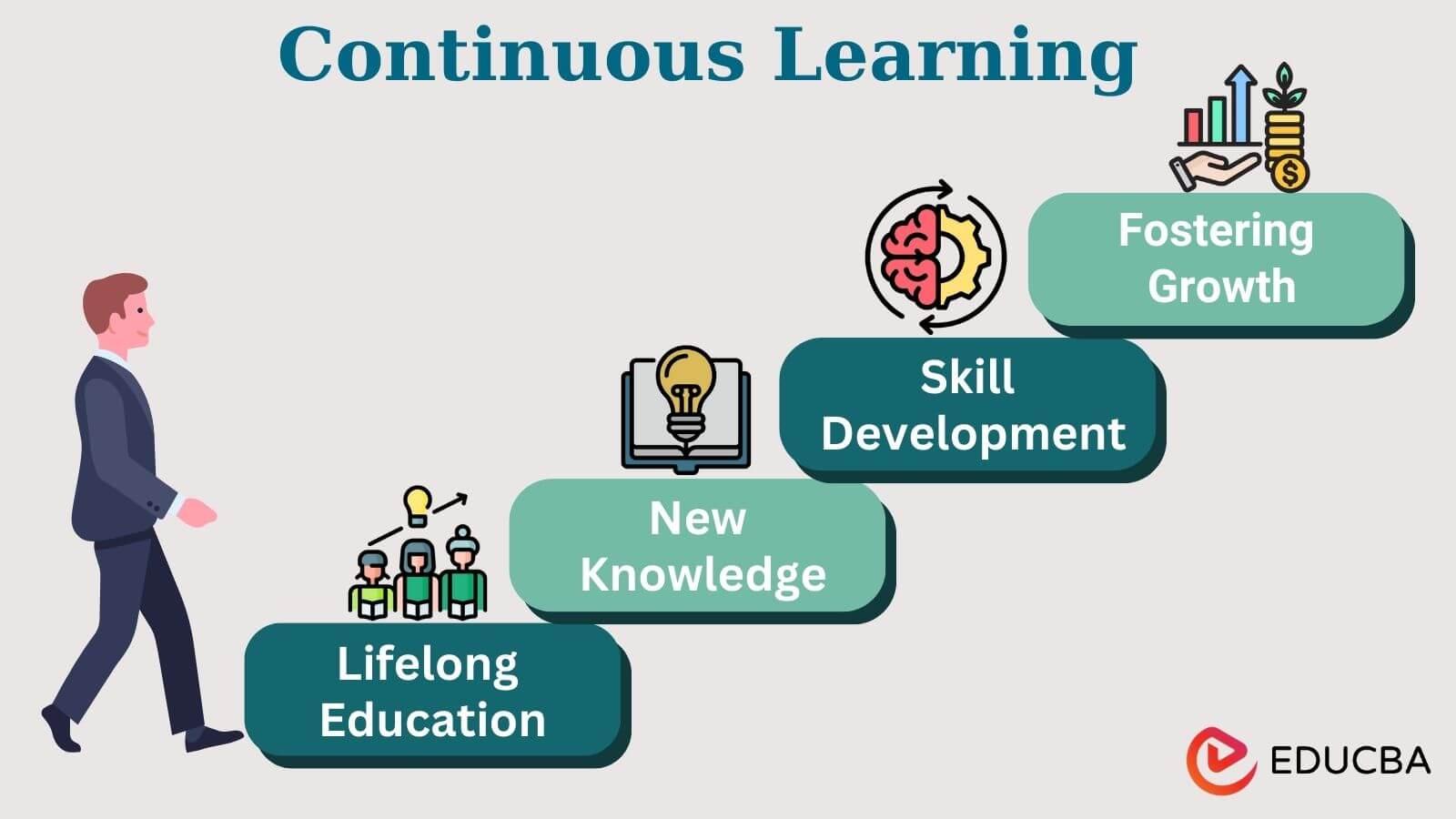
Embrace Lifelong Learning: Make it a habit to continuously educate yourself. Online courses, webinars, and workshops related to AI and design are excellent resources. Platforms like Coursera and Udemy offer a wide range of options tailored for beginners.
Stay Informed: Follow industry leaders and AI news sources. Subscribe to newsletters or podcasts that focus on AI advancements and design trends. This keeps you updated on emerging tools and methodologies.
Network Actively: Join communities and forums where design professionals and AI enthusiasts gather. Engaging in discussions can provide insights into practical applications of AI in design, and you can learn from others’ experiences.
Practice Hands-On: Apply what you learn by working on personal projects or contributing to open-source initiatives. Experimenting with AI-driven design tools will help you understand their capabilities and limitations.
Furthermore, consider the following approaches to sharpen your skills:
Skill Area
Recommended Resources
Time Commitment
AI Fundamentals
Coursera, edX
4-6 weeks
Design Principles
Skillshare, Lynda
2-4 weeks
Data Analysis
Kaggle, DataCamp
3-5 weeks
Additionally, don’t underestimate the power of collaboration. Partner with professionals from different fields to work on interdisciplinary projects. This exposure can help you understand how AI is utilized in various sectors, expanding your creative horizons.
Lastly, reflect on your career goals regularly. Identify how AI intersects with your aspirations and adjust your skill development accordingly. Being proactive about your learning path will position you as a valuable asset in an AI-enhanced world.
Resources for Continuous Learning in Design and AI
Explore a Wealth of Knowledge and Inspiration
In the fast-evolving fields of design and AI, keeping your skills sharp and your knowledge fresh is essential. Here are some fantastic resources to help you on your continuous learning journey:
Books can provide you with in-depth insights and theoretical frameworks. Here are some must-reads:
“Designing Data-Intensive Applications” by Martin Kleppmann: A great resource for understanding data architecture.
“Artificial Intelligence: A Guide to Intelligent Systems” by Michael Negnevitsky: A comprehensive guide to AI concepts.
“The Design of Everyday Things” by Don Norman: A classic that dives into user experience and design thinking.
Podcasts and Webinars
Staying updated can be as easy as listening during your commute. Check out these engaging podcasts and webinars:
“AI Alignment Podcast”: Discusses the technical and ethical implications of AI.
“Design Better Podcast”: Interviews with industry leaders about the intersection of design and technology.
“The AI Alignment Forum”: Focuses on AI safety and design implications.
Communities and Networking
Engaging with communities can spark creativity and collaboration. Consider joining:
Designer Hangout: A Slack community for UX designers to share insights.
AI & ML Meetup Groups: Local meetups to connect with like-minded individuals and share knowledge.
Reddit: Subreddits like r/MachineLearning and r/Design can provide a wealth of shared resources.
Practice and Experimentation
The best way to learn is by doing. Here are some platforms for hands-on practice:
Figma: A design tool that allows you to create and collaborate in real-time.
TensorFlow: An open-source platform for machine learning that lets you build and deploy AI models.
Github: Collaborate on projects, contribute to open-source, and showcase your work.
Table of Essential Online Resources
Resource Type
Platform
Description
Course
Coursera
Courses from universities on AI and design.
Book
“The Design of Everyday Things”
Insightful read on design thinking.
Podcast
Design Better Podcast
Interviews with design and tech leaders.
Community
Designer Hangout
Slack community for UX designers.
Taking the First Step: Your Journey into Design Intelligence and AI
Embarking on the journey of design intelligence and artificial intelligence can feel overwhelming at first, but it’s an exciting path full of potential and creativity. As you take your first steps, it’s essential to understand what these concepts entail and how they intertwine to shape the future of design. Here’s what you should know:
Understanding Design Intelligence: At its core, design intelligence is about using data-driven insights to enhance the creative process. It blends analytical thinking with creativity, allowing designers to make informed choices based on user behavior and preferences.
The Role of AI in Design: Artificial intelligence serves as a powerful tool in the design realm. From automating repetitive tasks to generating innovative ideas, AI can significantly enhance productivity and inspire creativity.
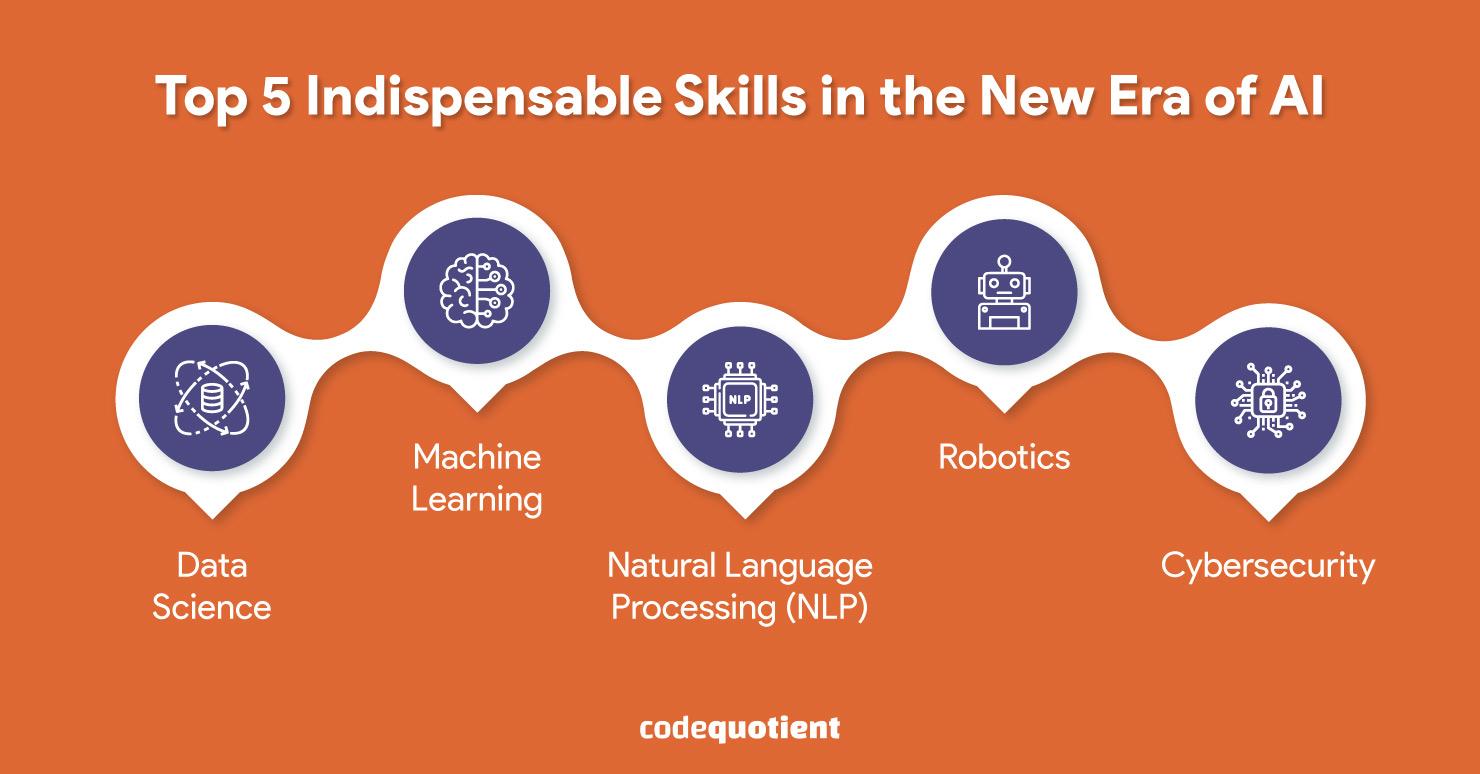
Learning the Basics: Start with foundational knowledge. Familiarize yourself with key terms such as machine learning, neural networks, and algorithms. Understanding these concepts will empower you to engage with more complex topics as you progress.
As you delve deeper into this world, consider the various applications of design intelligence and AI in real-world scenarios. For instance, AI can analyze user data to suggest design improvements, optimizing user experience. Companies are now leveraging AI tools to predict trends and personalize designs, making their products more appealing to their target audience. Here are some common applications:
Application
Description
Predictive Analytics
Using data to forecast design trends and user preferences.
Automated Design Generation
AI tools that create design layouts based on specified parameters.
User Feedback Analysis
AI systems that analyze user feedback to inform design decisions.
Getting hands-on experience is crucial. Start experimenting with AI design tools like Adobe Sensei, Canva’s Magic Resize, or Figma’s smart selection features. Playing around with these applications will not only enhance your skills but also boost your confidence in utilizing AI in your design projects.
Networking and collaboration also play a vital role in your journey. Join online communities, attend workshops, and participate in forums to connect with other aspiring designers and AI enthusiasts. Engaging with like-minded individuals will expose you to diverse ideas and encourage innovative thinking.
Lastly, embrace a mindset of continuous learning. The fields of design intelligence and AI are ever-evolving, with new technologies and methodologies emerging regularly. Subscribe to relevant blogs, follow industry leaders on social media, and consider enrolling in online courses to keep your skills sharp and up to date.
Frequently Asked Questions (FAQ)
Q&A: Design Intelligence & AI – The Ultimate Guide for Beginners
Q1: What exactly is Design Intelligence?
A1: Great question! Design Intelligence refers to the integration of human creativity with advanced technologies, particularly AI, to enhance the design process. It’s all about using data-driven insights to inform and inspire your design decisions. Think of it as a powerful collaboration between human intuition and machine learning that can lead to innovative solutions.
Q2: How does AI fit into the world of design?
A2: AI plays a significant role in design by analyzing vast amounts of data to identify trends, preferences, and patterns that might not be immediately visible to humans. This allows designers to create more personalized and effective solutions. From generating design concepts to optimizing user experiences, AI is like having a super-smart assistant that can help you every step of the way.
Q3: Do I need to be tech-savvy to dive into Design Intelligence?
A3: Not at all! This guide is tailored for beginners, so you don’t need to be a tech guru. We break down complex concepts into digestible pieces and provide practical examples that relate to everyday design challenges. With a curious mind and a willingness to learn, you’ll be able to grasp the essential principles of Design Intelligence and AI.
Q4: Why should I care about integrating AI into my design process?
A4: Integrating AI into your design process can dramatically improve efficiency and creativity. It allows you to automate repetitive tasks, freeing up your time to focus on ideation and experimentation. Plus, with AI’s analytical power, you can make more informed decisions that resonate with your target audience, ultimately leading to better design outcomes.
Q5: Can you give an example of how Design Intelligence has transformed a design project?
A5: Absolutely! One notable example is in the fashion industry. Brands are now using AI to predict trends by analyzing social media feeds and customer data. This has revolutionized how designers approach their collections, allowing them to create pieces that not only reflect current styles but also anticipate future demands. The result? Higher sales and more satisfied customers!
Q6: What tools or software should I start with if I’m interested in Design Intelligence?
A6: There are plenty of user-friendly tools out there! For beginners, platforms like Adobe Sensei and Canva’s AI features are fantastic starting points. They offer intuitive interfaces and built-in AI capabilities that help streamline your design workflow. As you grow more comfortable, you can explore more advanced tools like Figma or Sketch that also incorporate AI-driven features.
Q7: Where can I learn more about Design Intelligence and AI?
A7: You’re in luck! This guide is just the beginning. We recommend checking out online courses, webinars, and design communities on platforms like Coursera, Udemy, or even YouTube. Engaging with fellow designers and industry experts will also help you stay updated on the latest trends and best practices in Design Intelligence.
Q8: What’s the first step I should take to start my journey in Design Intelligence?
A8: Start by familiarizing yourself with the basics of design principles and AI concepts. Then, experiment with the tools we mentioned earlier. Try to work on small projects where you can apply AI insights. Don’t be afraid to make mistakes—each one is a learning opportunity. And remember, the world of Design Intelligence is full of possibilities waiting for you to explore!
Q9: How can I stay motivated and inspired while learning about Design Intelligence?
A9: Surround yourself with inspiration! Follow design blogs, join online forums, and connect with other learners on social media. Set small, achievable goals for yourself, and celebrate your progress. And most importantly, keep an open mind—every new piece of knowledge is a stepping stone to becoming a more innovative designer.
Q10: Is there a community I can join to connect with others interested in Design Intelligence?
A10: Definitely! Look for online communities on platforms like Discord, Slack, or even specific subreddits dedicated to design and AI. Engaging with others who share your interests can provide support, feedback, and fresh ideas, making your learning journey more enjoyable and enriching.
Feel ready to embark on your Design Intelligence & AI adventure? With the right mindset and resources, you’re poised to make a significant impact in the design world. Happy designing!
The Conclusion
As we wrap up this ultimate guide to Design Intelligence and AI, it’s clear that we’re only scratching the surface of a fascinating intersection between creativity and technology. Whether you’re a seasoned designer looking to enhance your workflow or a novice eager to dive into these innovative tools, understanding the principles of Design Intelligence and how AI can amplify your efforts is essential.
Remember, the world of design is evolving, and harnessing the power of AI doesn’t mean sacrificing your unique creative touch—it means enhancing it. Don’t be intimidated; instead, approach these technologies with curiosity and an open mind. Start experimenting, play around with various tools, and watch how they can transform your design process.
So, what’s next? Take the leap! Explore the resources mentioned in this guide, join communities of like-minded individuals, and keep learning. The future is bright for those who embrace the synergy of design and technology. Your next big idea could be just around the corner, fueled by a bit of AI magic. Happy designing!