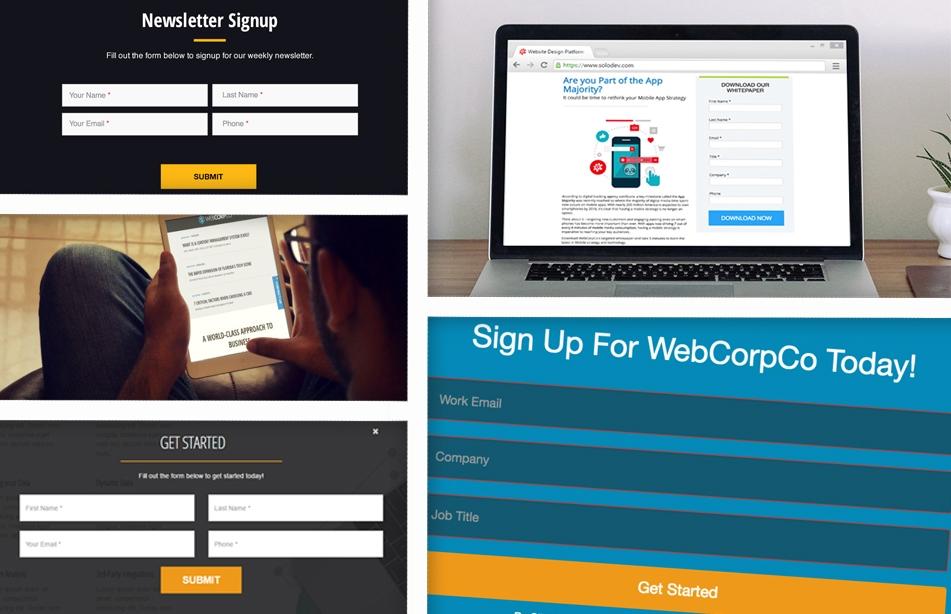
Are you ready to turn your website into a powerful lead generation machine? If you’ve ever felt overwhelmed by the prospect of creating a site that not only attracts visitors but also transforms them into loyal customers, you’re in the right place. In today’s digital landscape, having a stunning website is just the tip of the iceberg. The real magic happens when your site is strategically designed to convert casual browsers into enthusiastic buyers.
In this complete guide, we’ll walk you through the essential steps to build a lead generation website that captures attention and encourages action. From understanding your target audience to optimizing your content for conversions, we’ll cover everything you need to know to create a site that doesn’t just look good but works hard for your business. So, grab a cup of coffee, and let’s dive in together to unlock the secrets of effective lead generation! Your future customers are just a click away.
Understanding the Basics of Lead Generation Websites
Lead generation websites play a crucial role in any online business strategy, acting as a bridge between your offerings and potential customers. Understanding the fundamentals of these sites can empower you to create a platform that not only attracts visitors but also converts them into leads.
At the heart of a successful lead generation website is its value proposition. This is what sets you apart from the competition and gives visitors a compelling reason to engage with your content. To effectively communicate your value proposition, ensure it is:
Clear: Avoid jargon and keep your messaging straightforward.
Concise: Deliver your message in as few words as possible.
Compelling: Use persuasive language that resonates with your target audience.
Once you’ve established a strong value proposition, focus on the design and layout of your website. A clean, intuitive design enhances user experience and encourages visitors to explore further. Here are some essential design elements to consider:
Responsive Design: Ensure your website is mobile-friendly to cater to the increasing number of mobile users.
Easy Navigation: Use clear menus and categories to help users find what they need quickly.
Strategic Call-to-Actions (CTAs): Place enticing CTAs throughout your site to guide users towards conversion points.
Content is another vital component of a lead generation website. Your content should not only attract visitors but also establish your authority in your niche. Consider incorporating:
Blog Posts: Share valuable insights and tips that address your audience’s pain points.
Case Studies: Showcase real-life examples of how your product or service has helped others.
Videos: Create engaging video content to explain complex topics in an easily digestible format.
don’t underestimate the importance of analytics and optimization. Utilize tools like Google Analytics to track user behavior and conversion rates. Understanding what works and what doesn’t allows you to make data-driven decisions. Key metrics to focus on include:
Metric
Description
Bounce Rate
Percentage of visitors who leave after viewing only one page.
Conversion Rate
Percentage of visitors who complete a desired action, like filling out a form.
Traffic Sources
Where your visitors are coming from, e.g., organic search, social media, etc.
By grasping these core concepts of lead generation websites—value proposition, design, content, and analytics—you’ll be well on your way to building a site that not only attracts traffic but also effectively converts visitors into valuable leads.
Identifying Your Target Audience for Maximum Impact
Understanding who your audience is can dramatically transform your lead generation efforts. When you tailor your website to meet the specific needs and desires of your potential customers, you not only capture their attention but also build trust and credibility. Here’s how to effectively identify your target audience.
Start by analyzing your current customer base. Look for common traits among your best clients. Consider factors like:
Demographics: Age, gender, income, education level, etc.
Geographics: Location and regional preferences.
Psychographics: Interests, values, and lifestyle choices.
Behavioral data: Purchasing habits, product usage, and online behaviors.
Once you have a clear picture of your existing customers, brainstorm the type of individuals who would benefit the most from your offerings. Creating buyer personas can be incredibly helpful in this stage. These personas should encapsulate:
Name: Give your persona a fictional name.
Goals: What are they trying to achieve?
Pain Points: What challenges do they face?
Preferred Content: What type of content do they consume?
Next, leverage online tools and resources to gather data that reinforces your assumptions. Google Analytics can provide insights into your website visitors, including demographics and behavior. Additionally, social media analytics can show you who’s engaging with your brand online. Don’t overlook surveys or feedback forms, as these can provide direct insights from your audience.
Another effective method is to monitor your competitors. Analyze who they are targeting and how they engage with their audience. Look at their social media followers, customer reviews, and website traffic. This competitive landscape can provide valuable information on market trends and audience preferences that you can tap into.
remember that identifying your target audience is not a one-time task. Regularly revisit and refine your audience profiles based on changing market dynamics and new insights. This iterative approach ensures that your lead generation efforts remain relevant and effective.
Choosing the Right Platform for Your Lead Generation Site
When it comes to building a successful lead generation site, the platform you choose can significantly impact your results. With an array of options available, it’s crucial to select one that aligns with your goals, budget, and technical expertise. Below, we break down some key considerations to help you make an informed decision.
User-Friendliness
A platform that is intuitive and easy to navigate will save you time and frustration. Look for features such as:
Drag-and-drop builders
Pre-designed templates
Customizable forms and landing pages
These elements allow you to focus more on strategy rather than getting bogged down by technical difficulties.
Integration Capabilities
Your lead generation site will likely require various tools to function optimally. Ensure that your chosen platform can easily integrate with:
Email marketing tools
CRM systems
Analytics software
The right integrations can streamline your processes and improve your overall lead management.
SEO Features
A well-optimized site is crucial for attracting organic traffic. Choose a platform that provides:
SEO-friendly URL structures
Built-in meta tag options
Responsive design capabilities
These features will help you rank better in search engines, driving more leads to your site.
Scalability
As your business grows, so will your lead generation needs. Opt for a platform that can scale with you. Consider factors like:
It’s wise to choose a platform that provides good value for the features you need without breaking the bank.
Support and Resources
consider the level of support available. A platform with robust customer support can help you overcome challenges quickly. Look for:
24/7 customer service
Comprehensive knowledge base
Community forums and user groups
This support can be invaluable, especially if you’re new to lead generation.
your choice of platform will play a pivotal role in your lead generation strategy. By considering user-friendliness, integration capabilities, SEO features, scalability, pricing, and support options, you’ll be well on your way to creating a site that not only attracts leads but converts them effectively.
Crafting Compelling Content That Captivates Visitors
Creating content that resonates with your audience is essential for converting visitors into leads. The key to captivating content lies in understanding your audience’s pain points, desires, and preferences. When you effectively address these factors, you not only grab their attention but also build trust and credibility.
To craft compelling content, consider the following strategies:
Know Your Audience: Conduct thorough research to identify who your target audience is. Use surveys, social media insights, and analytics to gather data that informs your content strategy.
Use Engaging Headlines: Your headlines should be attention-grabbing and clearly convey the value of the content. Incorporate action words and numbers to pique curiosity.
Tell a Story: People connect with stories. Weave personal anecdotes or case studies into your content to create an emotional connection with your readers.
Incorporate Visuals: Break up the text with images, infographics, and videos. Visual elements attract the eye and can simplify complex information, enhancing the overall user experience.
Use Clear Calls-to-Action (CTAs): Guide your readers on what to do next. Whether it’s signing up for a newsletter or downloading a free resource, make your CTAs prominent and persuasive.
One effective way to organize your thoughts is through a content framework. Here’s a simple table to help structure your articles:
Section
Purpose
Introduction
Grab attention and outline what the reader will learn.
Main Content
Provide valuable information, insights, and solutions.
Conclusion
Summarize key points and encourage action.
Another crucial element is SEO. Optimizing your content for search engines ensures that it reaches a broader audience. Focus on:
Keyword Research: Identify relevant keywords that your audience is searching for and naturally incorporate them into your content.
Meta Descriptions: Write compelling meta descriptions that summarize your content and encourage clicks from search results.
Internal Linking: Link to other relevant pages on your site to keep visitors engaged and improve overall site navigation.
remember to review and revise your content regularly. As trends and audience preferences change, keeping your content fresh and relevant is vital. Use analytics to track performance and make necessary adjustments to optimize conversion rates.
Designing a User-Friendly Layout That Encourages Engagement
Creating a layout that draws users in and keeps them engaged is essential for any lead generation website. A well-structured design can guide visitors effortlessly through your content, ensuring they find what they need and are motivated to take action. Here are some key elements to consider for an engaging user-friendly layout:
Clear Navigation: Use a simple, intuitive menu that allows users to find information without confusion. Consider a sticky navigation bar that remains visible as users scroll.
Visual Hierarchy: Organize content with headers, subheaders, and bullet points. This helps users scan through information quickly, leading them to your call-to-action (CTA).
High-Quality Images: Incorporate eye-catching images or graphics that relate to your content. Visuals can capture interest and convey messages more effectively than text alone.
Whitespace: Don’t underestimate the power of whitespace. A cluttered layout can overwhelm users. Adequate spacing between elements can enhance readability and focus.
Another vital aspect is the use of CTAs. Placing these strategically throughout your site can significantly increase conversion rates. Here are some effective strategies:
CTA Placement
Purpose
Above the Fold
Immediate visibility, capturing attention as soon as users land on the page.
Mid-Content
Encourages action after providing valuable information, keeping users engaged.
End of Content
Provides a final push to convert after users have consumed your content.
In addition to CTAs, consider the use of testimonials and social proof. Building trust is crucial in lead generation, and displaying reviews or success stories can effectively reassure visitors of your credibility. Make sure to:
Highlight Key Testimonials: Use quotes or short videos from satisfied customers to add authenticity.
Showcase Client Logos: If applicable, display logos of notable clients or partnerships to enhance your reputation.
Incorporate Ratings: Adding star ratings or review scores can quickly convey quality and reliability.
Remember, mobile optimization is non-negotiable. With a significant number of users browsing from mobile devices, ensure your layout is responsive. Prioritize loading speed and simplify navigation for smaller screens to maintain engagement. Test your website across various devices to guarantee a seamless experience.
Lastly, always be ready to iterate. Use analytics to track user behavior and gather feedback. Understanding how visitors interact with your site will provide invaluable insights, allowing you to make data-driven decisions to enhance your layout continually.
Incorporating Effective Call-to-Actions That Drive Conversions
When it comes to guiding your visitors toward taking action, effective call-to-actions (CTAs) are essential. Think of CTAs as the friendly nudge that encourages users to engage with your content and ultimately convert. To craft CTAs that truly resonate with your audience, consider the following strategies:
Be Clear and Concise: Your CTAs should communicate exactly what you want users to do. Use direct language that leaves no room for confusion. Phrases like “Download Now” or “Get Your Free Trial” instantly tell users what to expect.
Create Urgency: Adding a sense of urgency can significantly increase conversions. Consider phrases like “Limited Time Offer” or “Sign Up Today to Secure Your Spot” to motivate users to act quickly.
Highlight Benefits: Clearly articulate what users will gain by clicking your CTA. Instead of just saying “Subscribe,” you might say “Subscribe for Exclusive Tips that Boost Your Business.” This makes the value proposition clear.
Use Visual Cues: Design matters! Ensure your CTAs stand out by using contrasting colors, bold fonts, or buttons that draw the eye. A well-placed button in an eye-catching color can make all the difference.
Additionally, testing different variations of your CTAs can lead to valuable insights. A/B testing allows you to compare two versions to see which one performs better. Here’s a simple table showcasing some elements you might test:
Element
Version A
Version B
Button Color
Red
Green
CTA Text
Get Started Free
Start Your Free Trial Now
Button Size
Small
Large
Don’t forget about placement! The positioning of your CTAs can significantly impact their effectiveness. Here are some strategic locations to consider:
Above the Fold: Placing your primary CTA near the top of the page ensures that it’s one of the first things visitors see.
Within Content: Integrating CTAs within your blog posts or articles can catch users at the moment they’re most engaged.
End of Articles: After providing valuable information, a CTA at the conclusion of your content can be a natural step for users wanting to learn more or take action.
Lastly, be sure to track and analyze the performance of your CTAs. Tools like Google Analytics can help you see which buttons are clicked the most and which ones might need a refresh. Adjusting your strategies based on data not only improves conversions but also enhances user experience.
Utilizing SEO Strategies to Boost Your Website’s Visibility
To effectively attract visitors and generate leads, your website needs to be visible where it matters most—on search engines. Implementing robust SEO strategies can dramatically enhance your site’s visibility, ensuring that your potential customers find you easily. Here are some essential techniques to consider:
Keyword Research: Identify keywords and phrases that your target audience is searching for. Tools like Google Keyword Planner or SEMrush can help you uncover valuable terms to incorporate into your content.
On-Page Optimization: Ensure that each page of your website is optimized for both users and search engines. This includes using relevant keywords in your titles, headers, and meta descriptions.
Quality Content Creation: Develop high-quality content that provides value to your audience. This not only improves your rankings but also keeps visitors engaged and encourages them to share your site.
Mobile Optimization: With an increasing number of users accessing websites via mobile devices, ensure that your site is responsive and loads quickly on smartphones and tablets.
Link Building: Cultivate backlinks from reputable websites within your industry. Quality backlinks can significantly boost your site’s authority and improve your search rankings.
Another aspect to consider is the technical side of your website. A well-structured site with a clear hierarchy not only improves user experience but also helps search engines crawl your pages more effectively. Make sure to:
Optimize site speed: A fast-loading website can reduce bounce rates and increase conversion rates.
Implement SSL certificates: Security is a priority for search engines; having HTTPS can give you a slight edge in rankings.
Create an XML sitemap: This helps search engines find and index your pages more efficiently.
Lastly, don’t underestimate the power of local SEO, especially if you’re targeting a specific geographic audience. Ensure your business is listed on Google My Business and other relevant directories. This can enhance your visibility in local search results and help you connect with potential clients nearby.
SEO Strategy
Description
Benefits
Keyword Research
Finding relevant keywords for your niche
Increases targeted traffic
On-Page Optimization
Enhancing website content for SEO
Improves search engine rankings
Content Creation
Producing valuable, engaging content
Boosts user engagement
Link Building
Aquiring backlinks from quality sites
Enhances website authority
By consistently applying these SEO strategies, you can not only enhance your website’s visibility but also create a more effective lead generation platform that converts visitors into loyal customers.
Leveraging Social Proof to Build Trust and Credibility
When it comes to enhancing your website’s credibility, leveraging social proof is one of the most effective strategies. Social proof refers to the influence that the actions and attitudes of others have on our own behavior. By showcasing testimonials, reviews, and case studies, you can create a compelling narrative that encourages potential leads to trust your brand and take the next step.
Here are several ways to effectively incorporate social proof into your lead generation website:
Customer Testimonials: Displaying authentic testimonials from satisfied customers can significantly boost your credibility. Choose testimonials that highlight the specific benefits your product or service offers.
Case Studies: Detailed case studies that outline how your offerings solved a problem for a customer can provide potential leads with concrete examples of your value.
Social Media Mentions: Showcasing your social media presence and positive mentions from users can enhance your brand’s reputation and build trust.
Expert Endorsements: If industry leaders or influencers endorse your product, prominently display these endorsements to leverage their authority.
Trust Badges: Certifications, awards, and security badges can reassure visitors about the safety and reliability of your site.
To make the most of testimonials, consider creating a dedicated testimonials page where visitors can easily read through what others have said. This page should be easily accessible from your homepage and feature a clean layout that highlights each testimonial effectively. For instance, you might use a grid layout like this:
Customer Name
Testimonial
Jane Doe
“This service exceeded my expectations!”
John Smith
“A game changer for my business!”
Emily Johnson
“I can’t recommend this enough!”
Moreover, integrating user-generated content from social media can serve as real-time testimonials that resonate with new visitors. When potential leads see others engaging positively with your brand, it creates a sense of community and belonging that can be immensely persuasive.
Lastly, remember to keep your social proof updated. Regularly refreshing the content, particularly testimonials and case studies, ensures that your website reflects the current experiences of your customers. This not only maintains relevance but also signals that you are active and engaged with your user base.
Integrating Lead Capture Forms for Seamless Data Collection
Capturing leads effectively is the cornerstone of any successful lead generation website. To enhance your data collection efforts, integrating lead capture forms seamlessly throughout your site is essential. These forms should not only be accessible but also strategically placed to maximize user engagement and conversion rates.
First and foremost, consider the placement of your lead capture forms. They should be visible without being intrusive. Here are some prime spots to consider:
At the end of blog posts to engage readers after consuming content.
As a pop-up after a visitor spends a specific amount of time on your site.
In the header or footer for persistent visibility.
On landing pages created for specific campaigns or offers.
Next, the design of your lead capture forms matters just as much as their placement. They should align with your website’s branding, using colors and fonts that resonate with your overall aesthetic. Simplification is key; keep forms concise to encourage submissions. Typically, asking for a name and email address is sufficient to start building a relationship without overwhelming potential leads.
Moreover, incorporating incentives can significantly boost your form submissions. Offer something of value in exchange for their information, such as:
Exclusive access to an eBook or whitepaper.
Discount codes or special promotions.
Free trials or demos of your services.
Utilizing analytics tools is also vital. Monitor how users interact with your forms through A/B testing to see which designs and placements yield the best results. Adjust your approach based on real-time data to continually improve your lead capture strategy.
To further streamline the data collection process, consider utilizing CRM integrations. Connecting your lead capture forms directly to your Customer Relationship Management system allows for automatic lead organization and follow-up. This not only saves time but also ensures that no potential lead falls through the cracks.
privacy and trust are paramount. Clearly communicate your privacy policy and how you’ll use the information collected. Transparency builds trust, which can significantly increase the likelihood of users filling out your forms.
By focusing on strategic integration, thoughtful design, enticing incentives, and robust analytical tools, your lead capture forms will not only facilitate seamless data collection but also enhance your overall lead generation strategy.
Creating a Mobile-Responsive Design for On-the-Go Users
In today’s fast-paced world, a significant portion of your audience is accessing your website on mobile devices. Ensuring your design is mobile-responsive isn’t just a trend; it’s a necessity. A mobile-responsive design adapts seamlessly to various screen sizes, providing an optimal user experience regardless of the device. Here are some essential strategies to enhance your site for on-the-go users:
Prioritize Speed: Mobile users are often on the move and expect quick loading times. Optimize images, leverage browser caching, and minimize HTTP requests to ensure your site loads swiftly.
Simplify Navigation: Implement a clean, intuitive navigation system. Use a hamburger menu to save space and ensure that essential links are easy to access. Don’t overwhelm users with too many options.
Use Responsive Design Frameworks: Frameworks like Bootstrap or Foundation allow for quicker responsive designs. They come with built-in grid systems that adjust to different screen sizes.
Another key aspect is the layout of your forms. Mobile users often struggle with completing lengthy forms on small screens. To combat this, consider:
Shortening Forms: Only ask for essential information. A name and email address are usually sufficient at the initial stages of lead generation.
Using Input Masks: Format input fields to guide users on what to enter, reducing errors and frustration.
Implementing Auto-Complete: If applicable, enable auto-fill options to simplify the user experience for returning visitors.
Visual elements play a crucial role as well. Ensure that:
Images Scale Appropriately: Use CSS to make images responsive. Set max-width to 100% to ensure they resize with the screen.
Text is Readable: Use larger font sizes and sufficient line heights to ensure readability without zooming in.
Element
Mobile-Friendly Tip
Buttons
Make them larger and spaced out for easy tapping.
Images
Use formats like WebP for faster load times.
Videos
Ensure they are responsive and autoplay is disabled.
Lastly, always test your design on multiple devices and screen sizes. Tools like Google’s Mobile-Friendly Test can help analyze your site’s performance on mobile devices. Regularly gather user feedback to identify pain points and refine your design for enhanced usability.
Remember, a mobile-responsive design not only improves user experience but also positively impacts your search engine ranking. Optimize for mobile today, and watch your conversion rates soar!
Analyzing and Optimizing Your Site’s Performance
When it comes to building a lead generation website, the performance of your site plays a crucial role in converting visitors into leads. A slow-loading page can be detrimental, causing potential customers to bounce and seek alternatives. Therefore, it’s essential to regularly analyze and optimize your site’s performance to ensure it runs smoothly and efficiently.
Here are some key areas to focus on:
Page Load Speed: Tools like Google PageSpeed Insights and GTmetrix can give you a comprehensive report on your site’s loading time. Aim for a loading time of under 3 seconds to retain visitors’ attention.
Mobile Responsiveness: With an increasing number of users accessing sites via mobile devices, ensure your design is mobile-friendly. Test your site on various devices to ensure a seamless experience.
Image Optimization: Large images can slow down your site. Utilize image compression tools and formats like WebP to reduce file sizes without sacrificing quality.
Browser Caching: Implement caching strategies to store frequently accessed files, minimizing load times for returning visitors.
Another critical aspect is analyzing your site’s traffic and user behavior. Utilize tools like Google Analytics to track metrics such as:
Metric
Description
Session Duration
How long users stay on your site during a visit.
Bounce Rate
The percentage of visitors who leave after viewing only one page.
Conversion Rate
The percentage of visitors who complete a desired action, like filling out a form.
By analyzing these metrics, you can identify areas where users drop off or fail to convert. For instance, if the bounce rate is high on a landing page, it may indicate that the content is not engaging or relevant. Use A/B testing to experiment with different headlines, calls to action, and layouts to see what resonates best with your audience.
regularly assessing and optimizing your site’s performance is not just an option; it’s a necessity for successful lead generation. By focusing on speed, user experience, and analytics, you can create a site that not only attracts visitors but also converts them into leads.
Implementing A/B Testing for Continuous Improvement
In the quest for a lead generation website that delivers results, implementing A/B testing is a game changer. This method allows you to compare two versions of a webpage to see which one performs better in terms of conversion rates. By systematically testing different elements, you can uncover insights that lead to continuous improvement and enhanced user experiences.
When setting up your A/B tests, consider focusing on these critical components:
Headlines: A catchy headline can grab attention and entice visitors to stay on your page.
Call to Action (CTA): Test different wording, colors, and placements to determine what drives the most clicks.
Images: Visual elements can greatly influence user engagement. Experiment with various images or graphics to see what resonates.
Form Length: The number of fields in a lead capture form can impact conversion rates. Try shorter vs. longer forms to find the sweet spot.
Before you dive into testing, it’s essential to define clear goals. What specific metric do you want to improve? Is it the click-through rate on your CTA, or the number of leads generated through a form? Having well-defined objectives will help guide your testing process and make it easier to analyze results.
Next, ensure that your sample size is large enough to draw meaningful conclusions. A/B testing requires a statistically significant number of visitors to validate your findings. Tools like Google Optimize or Optimizely can assist in managing your tests and analyzing the data effectively.
Once you’ve collected data, analyze the results to determine which version performed better. Look beyond just conversion rates; consider user behavior metrics such as time on page and bounce rates. This holistic view will help you understand why one version outperformed the other.
After identifying a winning variation, implement the changes and consider the next round of testing. Continuous improvement is the goal, and every test you conduct will bring you closer to an optimized lead generation website.
Test Element
Version A
Version B
Winner
Headline
Get Your Free Guide!
Unlock Your Potential with Our Guide!
Version B
CTA Color
Blue
Green
Version B
Form Length
5 Fields
3 Fields
Version B
Remember, the insights you gain from A/B testing not only help optimize your website but also provide valuable feedback about your audience’s preferences. Embrace the process, be willing to iterate, and watch as your lead generation website transforms into a conversion powerhouse.
Building an Email Marketing Strategy to Nurture Leads
Creating an effective email marketing strategy is essential for nurturing leads and guiding them through the sales funnel. By delivering tailored content, you can build strong relationships with potential customers and increase the likelihood of conversion.
Segment Your Audience: Understanding your audience is vital. Segmenting your leads based on their behaviors, preferences, and demographics allows you to send personalized messages that resonate with each group.
Craft Engaging Content: Your emails should provide value. Share informative articles, helpful resources, or exclusive offers that address the specific needs of your leads.
Utilize Automation: Automating your email campaigns can save time and ensure consistent communication. Set up workflows to send targeted messages based on user interactions, such as signing up for a newsletter or downloading content.
Establish a Consistent Sending Schedule: Consistency is key in email marketing. Determine a schedule that maintains your brand’s presence without overwhelming your audience.
Next, focus on optimizing your emails for better engagement:
Compelling Subject Lines: Your subject line is the first thing your leads see, so make it count! Use intriguing language and personalization to entice recipients to open your emails.
Mobile Optimization: Ensure your emails are mobile-friendly. A significant portion of users check emails on their phones, so your design should be responsive.
Clear Calls to Action (CTAs): Every email should have a clear CTA that tells readers what to do next, whether it’s visiting your website, signing up for a webinar, or downloading a guide.
track the performance of your email campaigns to refine your strategy:
Email Performance Metrics
What to Monitor
Open Rate
Percentage of recipients who open your email
Click-Through Rate (CTR)
Percentage of recipients clicking on a link in your email
Conversion Rate
Percentage of leads taking the desired action after engaging with your email
Unsubscribe Rate
Percentage of recipients who opt-out of your email list
By carefully crafting a targeted email marketing strategy, you can effectively nurture your leads, turning them into loyal customers who are more likely to engage with your brand and make purchases. The key lies in understanding your audience, providing value through tailored content, and consistently monitoring performance to make necessary adjustments.
Using Analytics to Measure Success and Refine Your Approach
To truly understand how effective your lead generation website is, diving deep into analytics is essential. By leveraging data, you can uncover insights that inform your strategy, making adjustments that drive better results. Here’s how to make sense of the numbers and refine your approach accordingly.
First, focus on defining your key performance indicators (KPIs). These metrics will serve as the backbone of your analytics strategy. Consider measuring:
Conversion Rates: The percentage of visitors who complete desired actions.
Bounce Rates: The rate at which visitors leave after viewing only one page.
Average Session Duration: How long visitors stay on your site before leaving.
Traffic Sources: Where your visitors are coming from—organic, direct, or paid.
Once you’ve established your KPIs, utilize tools like Google Analytics to track this data. With the right setup, you can visualize trends over time, helping you to identify what’s working and what isn’t. For example, if you notice a high bounce rate on a specific landing page, it might be time to rethink the content or layout.
After gathering data, it’s crucial to analyze it critically. Here’s a simple approach to guide your analysis:
Metric
Action
High Bounce Rate
Revise content or improve user experience.
Low Conversion Rate
Test different CTAs or value propositions.
High Session Duration
Enhance content quality and relevance.
Traffic from Paid Ads
Optimize ad targeting and budget allocation.
As you gather and analyze data, don’t forget to implement A/B testing. This method allows you to test different versions of your web pages against each other to see which performs better. Small changes, like altering button colors or repositioning forms, can lead to significant improvements in conversion rates.
Lastly, continually refine your approach based on the analytics insights. The digital landscape is always evolving, and so should your strategies. Regularly revisit your KPIs and adjust your tactics to stay aligned with your business goals and audience needs.
Frequently Asked Questions (FAQ)
Q&A: How to Build a Lead Generation Website (That Converts) – Complete Guide
Q: Why is having a lead generation website so important? A: Great question! In today’s digital age, a lead generation website acts as your online storefront. It’s where potential customers discover your brand, learn about your offerings, and ideally, take the first step toward becoming a paying client. A well-optimized lead gen website not only attracts traffic but also converts visitors into leads, setting the stage for future sales.
Q: What are the key elements of a high-converting lead generation website? A: There are several crucial components! First, you need a clear value proposition that communicates what you offer and why it’s beneficial. Second, engaging and informative content is vital—think blog posts, case studies, and videos that showcase your expertise. Third, easy navigation will keep users on your site longer, while high-quality calls-to-action (CTAs) guide them toward filling out lead forms. Don’t forget about mobile optimization; a significant portion of traffic comes from smartphones, so your site must look great and function well on all devices!
Q: How do I create a compelling value proposition? A: Your value proposition should immediately answer the question, “What’s in it for me?” Focus on the unique benefits your product or service provides. Use clear, concise language and ensure it resonates with your target audience. Test different versions to see what grabs attention and increases engagement. Remember, it’s not about what you sell, but how it solves a problem for your customers.
Q: What types of content are most effective for lead generation? A: Content is king in the lead generation realm! Consider creating whitepapers, ebooks, and webinars that offer in-depth information on topics relevant to your audience. These resources not only establish your authority but also provide opportunities for visitors to exchange their contact information for valuable insights. Infographics and engaging blog posts are also great for capturing attention and driving traffic.
Q: How can I optimize my website for conversions? A: Optimization is key! Start by ensuring your website loads quickly and is mobile-friendly. Use A/B testing to experiment with different layouts, colors, and copy to see what resonates most with your visitors. Incorporate trust signals, like testimonials and client logos, to build credibility. make sure your lead capture forms are simple and straightforward—less is often more when it comes to the information you request.
Q: What are calls-to-action, and how do I use them effectively? A: Calls-to-action (CTAs) are prompts that guide visitors toward taking a specific action, like signing up for a newsletter or requesting a free trial. To use them effectively, they should be clear, compelling, and visually distinct. Use action-oriented language like “Get Started Today” or “Download Your Free Guide” to encourage clicks. Place CTAs strategically throughout your website to maximize visibility and engagement.
Q: What role does SEO play in lead generation? A: SEO is crucial! If your website isn’t optimized for search engines, potential leads may never find you. Start by conducting keyword research to understand what your target audience is searching for. Optimize your content using these keywords, and ensure your site has a solid structure with meta tags, alt text, and internal links. A higher search ranking translates to more traffic, which means more leads!
Q: How can I track the effectiveness of my lead generation website? A: Tracking is essential for understanding what works and what doesn’t. Set up Google Analytics to monitor visitor behavior, page views, and conversion rates. Look at metrics like bounce rate and average session duration to gauge engagement. Additionally, use tools like heatmaps to see where users click the most. Regularly review this data to make informed adjustments that can boost your site’s performance.
Q: What’s the biggest mistake to avoid when building a lead generation website? A: One of the biggest pitfalls is neglecting the user experience. If your website is cluttered, slow, or hard to navigate, visitors will leave without engaging. Remember, your goal is to create a seamless experience that guides users toward conversion. Keep things simple, intuitive, and visually appealing, and you’ll be on the right track to generating leads effectively!
Q: Any final tips for someone just starting their lead generation website? A: Absolutely! Start with a clear strategy that defines your target audience and their needs. Consistency is key—regularly update your content and keep your design fresh. Don’t be afraid to test and iterate based on user feedback and analytics. And most importantly, be patient! Building a successful lead generation website takes time, but with dedication and the right approach, you’ll see results. Happy building!
Concluding Remarks
And there you have it! Building a lead generation website that truly converts may seem daunting at first, but with the right strategies and a clear plan, you can set yourself up for success. Remember, the key lies in understanding your audience, providing genuine value, and fostering trust through engaging content and user-friendly design.
As you embark on this journey, don’t forget to keep testing and optimizing. The digital landscape is ever-evolving, and your website should be, too. Whether it’s tweaking your call-to-action buttons or refining your landing pages, small adjustments can lead to big results.
So, roll up your sleeves, put these tips into action, and watch your leads flow in. Your ideal customers are out there, waiting to connect with you. With your new lead generation website, you’re not just building a platform; you’re creating opportunities for meaningful engagement and growth.
Now, go ahead—take that leap and turn your vision into reality. You’ve got this! If you have any questions or need further advice, feel free to reach out. Happy building!