Social Media Statistics: What Marketers and Everyday Users Need to Know
In today’s fast-paced digital landscape, social media isn’t just a platform for sharing cute cat videos or your latest vacation snaps; it’s a powerful tool that shapes how we communicate, consume information, and even make purchasing decisions. Whether you’re a seasoned marketer trying to get your brand noticed or just an everyday user looking to connect with friends, understanding the latest social media statistics can give you the upper hand. These numbers aren’t just dry data; they reveal trends, behaviors, and opportunities that can transform how you navigate this dynamic space. So, grab your favorite beverage, settle in, and let’s dive into the fascinating world of social media stats that everyone—yes, that includes you!—should know to thrive in the digital age.
Understanding the Social Media Landscape Today
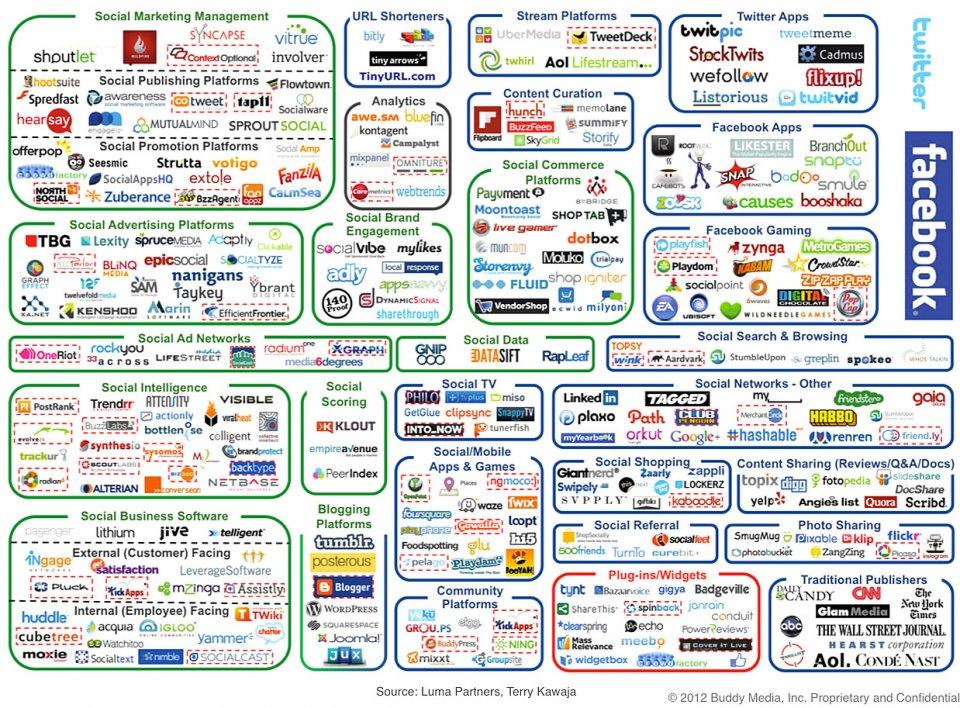
The social media landscape is constantly shifting, and understanding its nuances is essential for marketers and everyday users alike. As platforms evolve, so do user behaviors and preferences, making it crucial to stay informed about current trends and statistics.
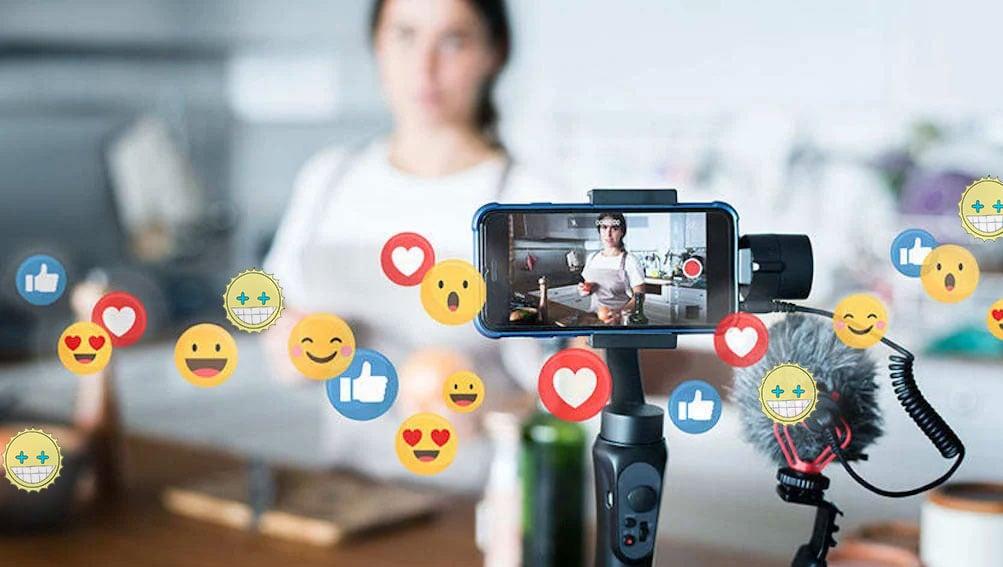
One of the most significant changes in recent years is the explosion of video content. Platforms like TikTok have paved the way for short-form videos, captivating audiences and driving engagement. In fact, studies show that video content receives 1200% more shares than text and images combined. This trend highlights the importance for brands to incorporate dynamic video strategies in their marketing plans.
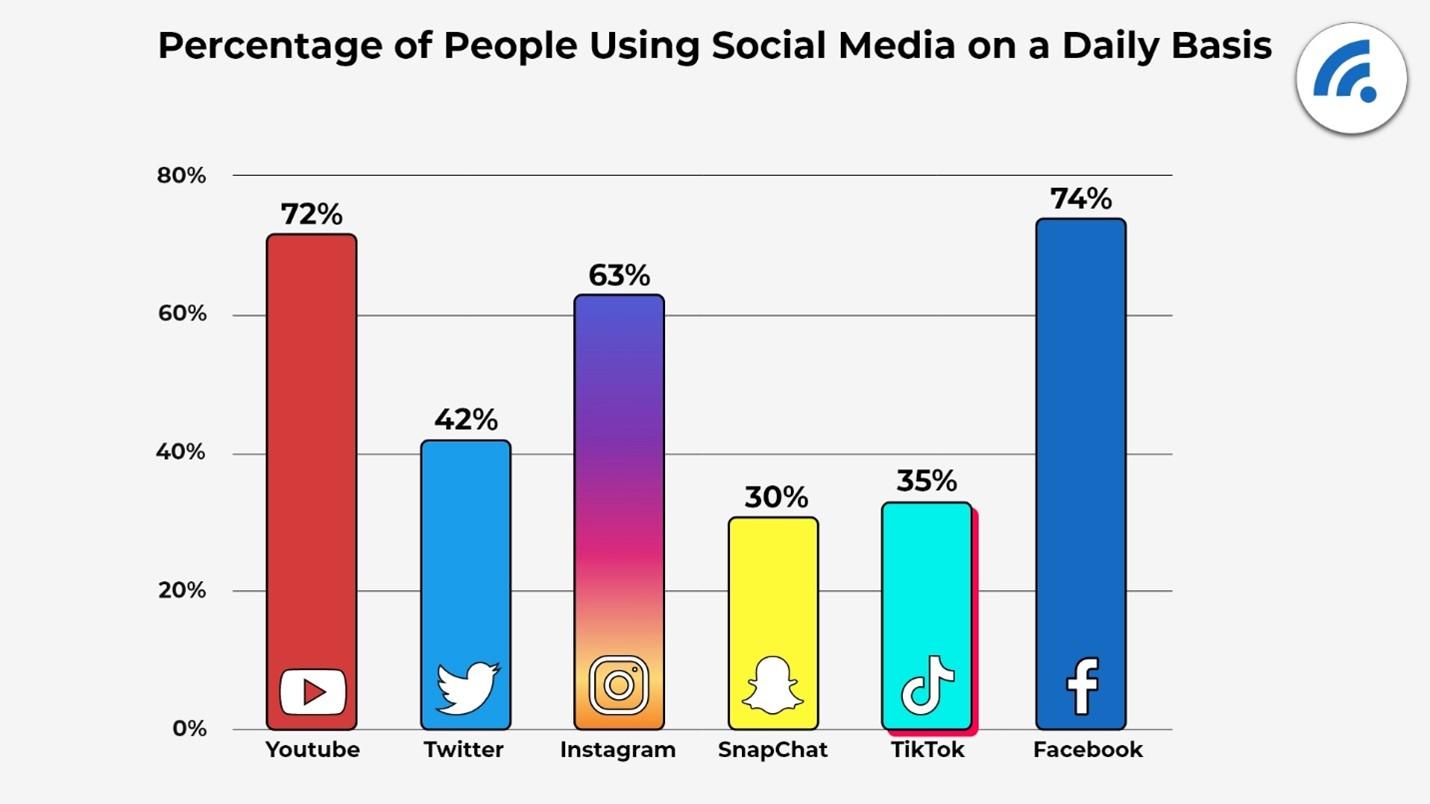
Furthermore, the demographics of social media users are diversifying. While platforms like Facebook still hold a vast user base, younger audiences are gravitating towards alternatives such as Instagram and Snapchat. Here’s a quick snapshot of user demographics across major platforms:
Platform
Age 18-24
Age 25-34
Age 35+
Facebook
23%
31%
46%
Instagram
33%
29%
38%
Snapchat
45%
30%
25%
TikTok
60%
25%
15%
As marketers, it’s essential to recognize these shifts. Engaging with younger audiences requires a different approach than targeting older demographics. This means tailoring content that resonates with their interests and communication styles. Strategies such as using memes, interactive stories, and influencer partnerships can significantly enhance engagement and visibility.
Moreover, the rise of social commerce is transforming the way brands conduct business online. Platforms are integrating shopping features, allowing users to purchase products directly from their feeds. This change not only boosts sales but also streamlines the customer journey, creating a more seamless experience. Brands that leverage social commerce can expect higher conversion rates and a loyal customer base.
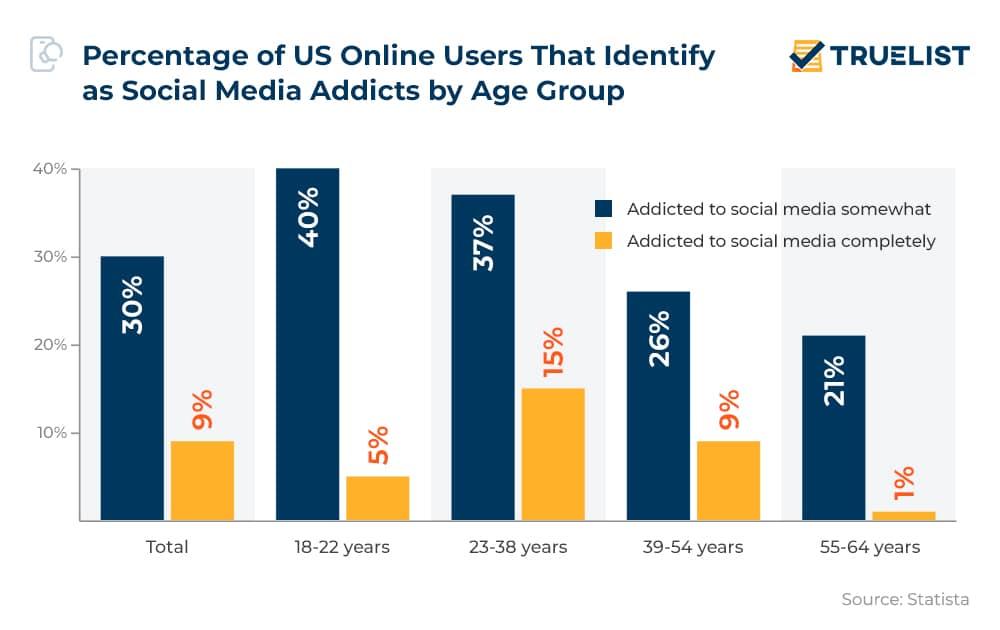
Lastly, understanding the impact of mental health on social media use is becoming increasingly important. With growing concerns over the effects of social media on well-being, users are seeking authenticity and positive interactions. Brands that promote genuine connections and prioritize user well-being are likely to stand out in an oversaturated market.
The Power of Numbers: Key Social Media Statistics You Can’t Ignore
Understanding the impact of social media through statistics can change the way marketers and everyday users approach their online presence. In a world where attention is currency, these numbers tell a story about engagement, reach, and influence.
Consider these compelling statistics:
4.9 billion people use social media worldwide, a number that continues to grow year on year.
On average, users spend 2 hours and 31 minutes per day across various platforms, highlighting the immense potential for engagement.
Social media advertising spending is projected to exceed $240 billion in the next year, demonstrating the increasing value brands place on these platforms.
These figures underscore a critical trend: social media is not just a space for social interaction but a powerful tool for businesses aiming to reach their audience. A staggering 73% of marketers believe that their efforts through social media marketing have been “somewhat effective” or “very effective” for their business. This sentiment underlines the necessity for brands to invest time and resources into their social media strategies.
Let’s take a closer look at specific platforms:
Platform
Monthly Active Users
Facebook
2.96 billion
YouTube
2.5 billion
Instagram
1.5 billion
Twitter
450 million
From Facebook’s unparalleled reach to Instagram’s visual allure, each platform offers unique opportunities. For marketers, knowing that 80% of Instagram users follow at least one business can be a game-changer. It highlights the platform’s capacity not only to inspire but also to convert casual browsers into loyal customers.
Moreover, the power of user-generated content cannot be overlooked. A whopping 79% of people say user-generated content highly impacts their purchasing decisions. This statistic reveals the importance of cultivating a community where customers feel valued and encouraged to share their experiences.
Lastly, it’s essential to understand the demographic breakdown of social media users. For instance, TikTok boasts a significant proportion of Gen Z users, while platforms like Facebook remain popular among older demographics. Tailoring your strategy based on these demographic insights can enhance your reach and engagement.
In a rapidly evolving digital landscape, staying informed about social media statistics is vital. As these numbers continue to shape the way we connect, engage, and market, they serve as a reminder that in the digital age, your success hinges on understanding the power of numbers.
Why Engagement Matters More Than Follower Count
In the world of social media, the focus often leans heavily towards the number of followers a profile boasts. However, this metric can be misleading. A high follower count doesn’t necessarily equate to success or influence. Instead, the real value lies in engagement—the interactions, conversations, and connections that occur between users.
Engagement measures how much your audience cares about what you share. It encompasses a variety of interactions, such as:
Likes: A quick nod of approval.
Comments: Feedback that can spark conversations.
Shares: When followers amplify your message.
Saves: A sign that your content resonates enough for future reference.
Consider this: a brand with 10,000 followers that receives only 100 likes per post is not as influential as a brand with 1,000 followers generating 500 likes. The latter demonstrates a much higher engagement rate, indicating that the audience is genuinely interested and invested in the content being shared.
Moreover, search algorithms take engagement into account when determining the visibility of posts. Platforms like Instagram and Facebook prioritize content that sparks conversations and keeps users on the platform longer. This means that engaging posts are more likely to appear in users’ feeds, leading to even greater visibility and organic reach over time.
Metric
Brand A (10k followers)
Brand B (1k followers)
Average Likes per Post
100
500
Average Comments per Post
20
100
Engagement Rate
1% (low)
60% (high)
Additionally, strong engagement fosters community. When followers feel heard and valued, they’re more likely to become loyal advocates for your brand. They’ll share your content, recommend your services, and return for more—turning casual followers into brand ambassadors.
Ultimately, prioritizing engagement over mere follower count leads to more meaningful metrics of success. Brands should focus on cultivating authentic relationships and creating content that resonates with their audience. Remember, it’s not just about how many people are following you; it’s about how many people are truly invested in what you have to say.
Demographics Breakdown: Whos Using What Platform
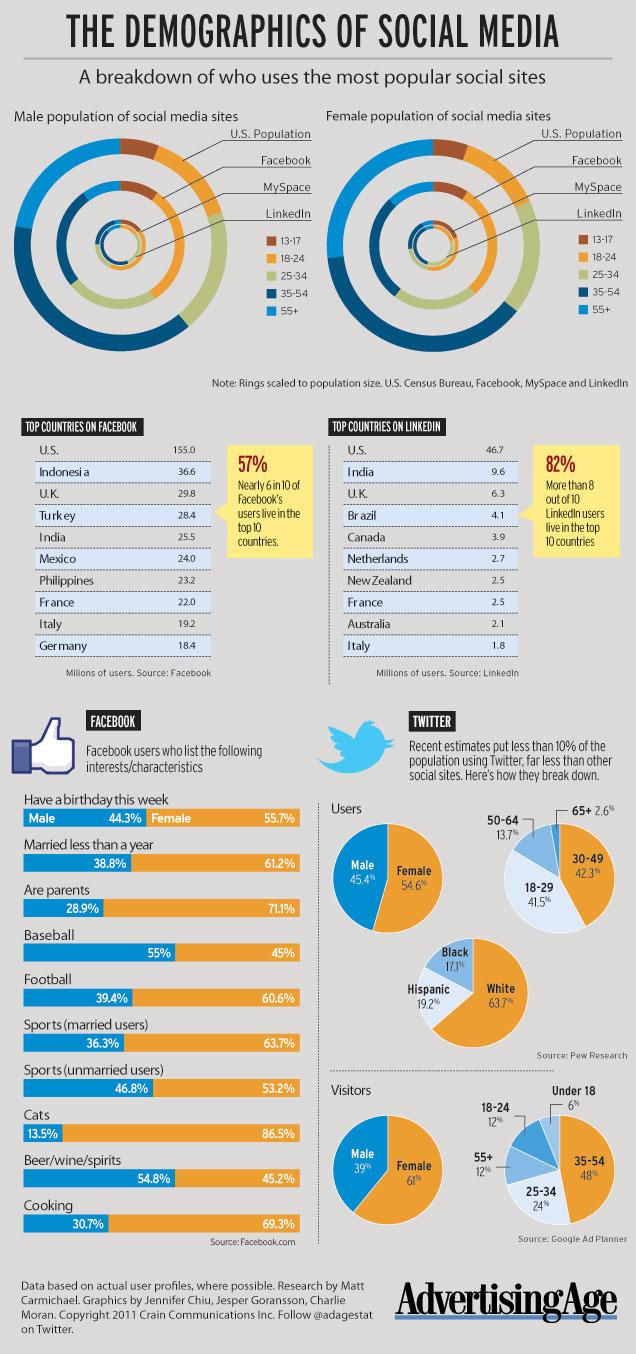
Understanding who uses which social media platform is crucial for both marketers and everyday users. Each platform attracts unique demographics, influencing how content is created, shared, and engaged with. Let’s dive into the current landscape of social media users across various platforms.
Age Groups
Different age groups gravitate toward different platforms. Here’s a quick overview:
Facebook: Popular among users aged 25-54, particularly strong in the 35-44 age range.
Instagram: A favorite for the younger crowd, especially those aged 18-29.
LinkedIn: Mainly used by professionals aged 30-49, with a significant representation of users over 50.
Twitter: Attracts a diverse age range, but 18-29-year-olds are the most active group.
TikTok: Dominated by Gen Z (ages 16-24), but growing among older demographics.
Geographical location plays a significant role in the popularity of social media platforms:
North America: High engagement on Facebook and LinkedIn.
Europe: Strong presence on Instagram and Facebook; LinkedIn usage is also significant.
Asia: TikTok and WeChat dominate, with rising use of Instagram.
South America: Facebook leads, followed by Instagram.
Device Usage
Understanding how users access their favorite platforms can enhance marketing strategies:
Mobile Devices: Over 90% of users access Facebook, Instagram, and TikTok through mobile devices.
Desktops: LinkedIn sees a higher percentage of desktop users, emphasizing its professional focus.
Tablets: Used predominantly for platforms like Instagram and Facebook among casual users.
Knowing the demographics associated with each platform not only helps marketers tailor their campaigns more effectively but also empowers users to connect in the most relevant spaces. As trends evolve, keeping an eye on these statistics is essential for staying ahead in the digital landscape.
The Rise of Video Content: Capturing Attention in 2023
In 2023, the landscape of digital marketing has undergone a seismic shift as video content continues to dominate social media platforms. With its ability to convey complex messages in an engaging format, video has become the go-to medium for brands looking to capture the attention of their audience. Unlike static images or text-based posts, videos can tell a story, evoke emotions, and create a memorable experience.
Why is video content resonating so strongly with users? Here are a few compelling reasons:
Increased Engagement: Videos are more likely to be shared and commented on, generating higher engagement rates.
Better Retention: Audiences retain information better when it’s delivered through video, making it an effective tool for brand messaging.
Accessibility: With platforms like TikTok and Instagram Reels, short-form video content is easily accessible, catering to the fast-paced consumption habits of today’s users.
Moreover, the statistics are staggering. According to recent studies, video content accounts for over 80% of all internet traffic. This trend poses a challenge for marketers: how can they leverage this medium to stand out in an oversaturated market? The answer lies in authenticity and creativity. Audiences are drawn to genuine content that resonates with their experiences, making it crucial for brands to develop relatable narratives.
As social media platforms continue to evolve, so do the preferences of users. Here’s a snapshot of the video content trends in 2023:
To compete effectively, marketers must also focus on optimizing video content for various platforms. Here are some tips:
Know Your Audience: Tailor your content to the interests and preferences of your target demographic.
Keep It Short: Aim for concise videos that deliver the message within the first few seconds.
Use Captions: Many users watch videos without sound, so captions can help convey your message effectively.
Ultimately, the rise of video content is not just a trend; it’s a fundamental shift in how information is consumed and shared. Marketers who embrace this change and craft compelling video narratives will not only capture attention but also build stronger connections with their audience. The time to invest in video marketing is now, as the right strategy can propel brands to new heights in the competitive digital landscape.
Harnessing User-Generated Content for Authentic Engagement
When brands tap into the power of user-generated content (UGC), they unlock a treasure trove of authentic engagement that can set them apart in a crowded digital landscape. Consumers today crave authenticity, and nothing speaks to this desire quite like content created by fellow users. Harnessing UGC not only fosters trust but can also amplify brand visibility and loyalty.
One of the most compelling aspects of UGC is its ability to create a sense of community around a brand. When customers share their experiences, they contribute to a larger narrative that prospective buyers can relate to. Here are some effective strategies for leveraging UGC:
Encourage Sharing: Prompt your audience to share their experiences through challenges, hashtags, or contests. This not only sparks creativity but also allows users to feel like part of your brand story.
Showcase User Stories: Highlight customer testimonials and real-life stories on your platforms. This not only validates your product but also builds a connection with potential customers.
Utilize Visuals: Images and videos created by users are incredibly impactful. Feature these visuals in your marketing campaigns to create a vibrant and relatable brand image.
Moreover, UGC can enhance your social media strategy significantly. According to recent statistics, posts that feature user-generated content receive up to 10 times more engagement than brand-generated content. This stark difference underscores the importance of integrating UGC into your social media plans.
Engagement Type
UGC Engagement
Brand Content Engagement
Likes
10,000
1,000
Shares
2,500
250
Comments
500
50
In addition to driving engagement, UGC can significantly boost your brand’s credibility. When potential customers see real people using and enjoying your products, they are more likely to trust your brand. This is especially true in an age where consumers are increasingly skeptical of traditional advertising methods.
Furthermore, integrating UGC into your marketing initiatives can lead to higher conversion rates. Customers who engage with UGC are more likely to make a purchase, as they see real-life applications of what they’re considering buying. Incorporating UGC not only enhances the shopping experience but also creates a more personalized connection with your audience.
Ultimately, harnessing user-generated content is about building relationships and fostering community. It’s a two-way street where brands and consumers engage, collaborate, and create together. By embracing UGC, you not only humanize your brand but also amplify the voices of your loyal customers, making them feel valued and appreciated.
Timing is Everything: Best Times to Post on Different Platforms
Understanding when to post on social media can significantly impact engagement and reach. Each platform has its own optimal posting times, influenced by user activity patterns. Here’s a breakdown of the best times to post across popular social networks:
Platform
Best Days to Post
Best Times to Post
Facebook
Wednesday, Thursday, Friday
1 PM – 3 PM
Instagram
Monday, Wednesday, Thursday
11 AM – 1 PM, 7 PM – 9 PM
Twitter
Tuesday, Wednesday, Thursday
12 PM – 1 PM
LinkedIn
Tuesday, Wednesday, Thursday
10 AM – 12 PM
On Facebook, research suggests that users are most active during the middle of the week. Posts published between 1 PM and 3 PM tend to receive the highest engagement. This timing aligns with users checking their feeds during lunch hours or a mid-afternoon break. Additionally, the engagement tends to drop off significantly after 5 PM, as users transition into their evening routines.
When it comes to Instagram, visual content shines during peak hours like 11 AM to 1 PM and again from 7 PM to 9 PM. This is when users are taking breaks or unwinding at home. Posting stories or reels during these times can help maximize visibility and interaction from your audience, as trends indicate that users frequently check their feeds during these hours.
Twitter users are often found scrolling through their feeds during lunchtime and early afternoons. Optimal posting hours are between 12 PM and 1 PM, particularly on weekdays. Given Twitter’s fast-paced nature, timely posts can catch users’ attention, especially if they relate to trending topics or events happening at that moment.
For professionals and businesses on LinkedIn, the best engagement typically happens during the workweek. Aim for posts between 10 AM and 12 PM from Tuesday to Thursday to reach professionals during their work-related browsing. Sharing insightful articles or industry-related content during these times can foster connections and discussions, making your posts more valuable.
while content quality matters immensely, aligning your posting schedule with user behavior can enhance your social media strategy. Test different times and analyze engagement data to find what works best for your specific audience. Remember, timing is everything, and being mindful of when you share your content can lead to a significant boost in visibility and interaction.
Navigating Algorithm Changes: Tips for Staying Relevant
Staying relevant in the ever-evolving landscape of social media requires adaptability and a proactive approach. As algorithms change, so do the rules of engagement. Here are some strategies to help you keep your content visible and engaging:
Understand the Algorithm: Take the time to research how different platforms prioritize content. This includes what types of posts are favored, the importance of engagement metrics, and how frequency of posting can affect visibility.
Quality Over Quantity: Instead of focusing solely on the number of posts, prioritize high-quality content that resonates with your audience. Engaging, visually appealing posts are more likely to be shared and commented on, which can boost your reach.
Stay Current with Trends: Keep an eye on emerging trends within your niche. Whether it’s a viral challenge, a new format like stories or reels, or trending hashtags, integrating these elements can enhance your content’s relevance.
Engage with Your Audience: Algorithm changes often favor accounts that actively engage with followers. Respond to comments, ask questions, and create polls to foster a sense of community around your brand.
Utilize Analytics: Regularly review your analytics to understand what works. Look for patterns in successful posts and replicate those strategies in future content.
Additionally, consider diversifying your content types. Incorporating various formats such as videos, infographics, and live streams can cater to different audience preferences and keep your feed dynamic. Not sure where to start? Here’s a quick overview of effective content formats:
Content Format
Engagement Benefits
Videos
High engagement, shareable, and preferred by algorithms.
Stories
Real-time interaction, fosters a sense of urgency.
Images
Visually engaging and easily shareable.
Live Streams
Direct interaction boosts visibility and engagement.
don’t shy away from experimenting with paid promotions. Investing in ads can help your content reach a wider audience and counteract any declines in organic reach due to algorithm changes. Start small, analyze the performance, and adjust your strategy as necessary.
By implementing these strategies and staying informed about changes, you can navigate the complexities of social media algorithms and maintain a strong online presence. Adaptation is key, and those who embrace change will continue to thrive.
The Importance of Analytics in Fine-Tuning Your Strategy
In today’s fast-paced digital landscape, leveraging analytics has become essential for refining marketing strategies. By understanding user behavior and preferences through data analysis, marketers can make informed decisions that elevate their brand presence. Analytics provides insights that can transform ordinary campaigns into extraordinary successes, ensuring that your efforts resonate with your audience.
Analytics offers a plethora of benefits, including:
Targeted Content Creation: Knowing your audience’s interests allows you to tailor your content to meet their needs effectively.
Performance Measurement: With the right metrics, you can track the success of your campaigns in real-time, adjusting strategies as necessary.
Improved Customer Engagement: Understanding what your audience interacts with helps you create more engaging posts, leading to higher interaction rates.
Competitive Advantage: By analyzing competitors’ performance, you can identify gaps in your strategy and capitalize on opportunities.
Using social media analytics tools can provide valuable insights into your audience demographics, behavior patterns, and the overall effectiveness of your content. These tools can reveal:
Which platforms generate the most engagement.
What type of posts attract the most attention.
When your audience is most active online.
How changes in strategy impact user interactions.
Consider the following table that summarizes key metrics to monitor for effective analysis:
Metric
Description
Why It Matters
Engagement Rate
Measures interaction with your content.
Indicates how well your content resonates.
Reach
Number of unique users who see your content.
Gauges your content’s potential audience size.
Conversion Rate
Percentage of users who take a desired action.
Shows the effectiveness of your call-to-action.
Click-Through Rate (CTR)
Ratio of users who click on links in your posts.
Reflects the interest generated by your content.
Regularly reviewing these metrics makes it easier to identify trends and make adjustments. For instance, if you notice that video content consistently outperforms text posts, it might be time to prioritize video in your content calendar. Additionally, seasonality can play a role; understanding how different times of the year affect your analytics is key to planning ahead.
Lastly, don’t underestimate the power of A/B testing. By experimenting with different content types, headlines, and posting times, you can gain insights into what truly resonates with your audience. This iterative approach not only helps in fine-tuning your strategy but also fosters a culture of continuous improvement.
Crafting Compelling Content: What Resonates with Audiences
In the ever-evolving landscape of social media, understanding what engages audiences is crucial for both marketers and everyday users. Crafting content that resonates hinges on a few key elements that keep users scrolling and interacting.
Authenticity: Today’s audiences crave genuine connections. They are drawn to content that feels real and relatable. This means sharing personal stories, behind-the-scenes glimpses, and user-generated content that showcases a community. Authenticity builds trust and encourages engagement.
Visual Appeal: With the rise of platforms like Instagram and TikTok, visual content has become more important than ever. Incorporating high-quality images, videos, and infographics can dramatically increase engagement. Here are some powerful statistics that highlight the impact of visuals:
Content Type
Engagement Rate
Images
94% higher engagement
Videos
1200% more shares
Infographics
3 times more likely to be shared
Value-Driven Content: Users want content that adds value to their lives. This could be in the form of tips, how-tos, or thought-provoking discussions. When you provide actionable insights or entertaining information, you encourage your audience to return for more. Consider these popular content formats:
Educational posts
Listicles
Interactive polls and quizzes
Live Q&A sessions
Emotional Connection: Content that evokes emotions tends to perform better. Whether it’s humor, nostalgia, or inspiration, tapping into your audience’s feelings can create a more profound connection. A simple call to action, such as asking users to share their experiences or opinions, can enhance this connection further.
Consistency: Regularly posting content helps keep your audience engaged and informed. Establish a content calendar to maintain a steady flow of posts, allowing you to experiment with different formats and topics. Consistency not only builds anticipation but also reinforces your brand identity.
By focusing on these elements—authenticity, visual appeal, value-driven content, emotional connection, and consistency—you can create compelling content that resonates with your audience. Remember, the goal is not just to capture attention but to foster a community that actively engages with and shares your content.
Trends to Watch: Emerging Platforms and Features
The social media landscape is evolving at an unprecedented pace, with new platforms and features emerging to capture the attention of users and marketers alike. As we navigate this dynamic environment, it’s essential to keep an eye on the trends that are shaping how we connect, share, and engage online.
One of the most exciting trends is the rise of short-form video content. Platforms like TikTok have changed the game, leading to an explosion of creativity and engagement. Brands are starting to recognize the power of bite-sized videos to tell compelling stories, deliver messages quickly, and resonate with audiences on a personal level. The success of this format has prompted other platforms, including Instagram and YouTube, to enhance their own video offerings, making it a critical area for marketers to explore.
Chatbots and AI-driven interactions are also on the rise, significantly enhancing user experience. As consumers demand more instant communication, brands are leveraging AI to provide real-time customer support and engaging experiences. This technology not only streamlines interactions but also allows brands to gather valuable data, enabling more personalized marketing strategies. Investing in chatbot technology could be a game-changer for businesses looking to improve customer satisfaction and loyalty.
Another trend gaining traction is the emphasis on social commerce. Platforms like Facebook and Instagram have integrated shopping features that allow users to purchase products directly through posts and ads. This seamless shopping experience is transforming social media into a powerful sales channel. For marketers, it’s crucial to optimize content for conversions, utilizing engaging visuals and compelling calls-to-action to drive sales through social platforms.
Additionally, the rise of niche platforms cannot be ignored. While giants like Facebook and Instagram dominate, smaller, specialized platforms are attracting engaged communities. These platforms often cater to specific interests or demographics, providing brands with unique opportunities to reach highly targeted audiences. Consider exploring platforms like Clubhouse for audio interactions or Discord for community engagement to connect with your target market in innovative ways.
Emerging Platform
Key Feature
Marketing Potential
TikTok
Short-form video
High engagement with younger audiences
Clubhouse
Audio conversations
Building community through live discussions
Discord
Community engagement
Direct interaction with niche audiences
the integration of augmented reality (AR) features is becoming a cornerstone for brands looking to create immersive experiences. From virtual try-ons to interactive advertisements, AR can elevate user engagement by providing a unique way for consumers to interact with products. As technology continues to advance, investing in AR capabilities could set brands apart in a crowded marketplace.
staying ahead of these emerging platforms and features is essential for marketers and everyday users alike. By understanding the shifting trends and adapting strategies accordingly, businesses can enhance their social media presence and better connect with their audiences. Now is the time to experiment, engage, and innovate in the ever-changing world of social media.
Building a Community: Strategies for Meaningful Connections
Establishing a vibrant community online goes beyond merely amassing followers; it requires fostering genuine connections. One effective strategy is to engage authentically with your audience. Respond to comments, ask questions, and share your own experiences. This level of interaction not only builds trust but encourages others to participate, creating a more dynamic environment.
Utilizing user-generated content can also strengthen community ties. By encouraging your audience to share their own stories and experiences related to your brand, you not only diversify your content but also empower your community members. Consider creating a monthly theme or challenge that inspires creativity and participation. This approach can make your audience feel valued and recognized.
Another cornerstone of community building is the establishment of clear values and missions. When community members understand what they stand for, it becomes easier for them to connect with one another. Clearly outline your community’s purpose in your bio or through pinned posts. For instance:
Inclusivity: Encourage diverse voices and perspectives.
Support: Foster a space where members uplift one another.
Hosting live events or virtual meet-ups can also solidify connections. Whether it’s a Q&A session, a webinar, or a casual hangout, providing opportunities for real-time interaction fosters deeper relationships. Promote these events across your social platforms and keep them consistent to encourage regular attendance.
Lastly, track and analyze your community’s engagement through social media insights. Understanding which content resonates the most with your audience will help refine your strategies. Use this data to adapt and evolve, ensuring that your community feels heard and valued. Here’s a simple table format to help visualize key metrics:
Metric
Target Goal
Current Performance
Engagement Rate
5%
4.2%
New Followers
100/month
80/month
User-Generated Posts
10/month
5/month
By implementing these strategies, you can create a thriving community that not only engages members but also encourages them to form meaningful connections with one another. It’s all about creating an environment where everyone feels they belong and can contribute.
Leveraging Influencer Partnerships: Finding the Right Fit
In today’s fast-paced digital landscape, aligning with the right influencers can drastically amplify your brand’s message. However, the key to a successful influencer partnership lies not just in follower counts but in finding someone who resonates with your brand’s values and audience.
To identify the perfect influencer, start by assessing their audience demographics. Look for influencers whose followers mirror your target market. This alignment ensures that your message reaches the right eyes. Consider factors such as:
Age: Does their audience match your product’s target age group?
Location: Are they geographically aligned with your marketing strategy?
Interests: Do their followers engage with content related to your niche?
Next, evaluate their engagement rates. An influencer with millions of followers may have a less engaged audience than one with a smaller but more interactive following. Look for:
Likes and comments: A high engagement indicates that followers value their content.
Shares and mentions: Check how often their content is shared or mentioned across other platforms.
Authenticity: Are they genuinely interacting with their audience or just posting for the sake of it?
Don’t underestimate the power of alignment in values. Collaborating with influencers who share similar ethics or causes can enhance brand credibility and foster genuine connections. Look for influencers who:
Advocate for causes: Align with social issues that resonate with your brand.
Promote authenticity: Share personal stories that enhance relatability.
Exhibit a consistent brand voice: Ensure their messaging aligns with your own brand narrative.
Once you’ve shortlisted potential influencers, consider conducting a trial collaboration. This could take the form of a single post or a short campaign. This approach lets you gauge:
Content quality: Does their style complement your brand?
Audience response: How does their audience react to your product or service?
Communication style: Is collaboration smooth and effective?
Influencer Type
Key Benefits
Best For
Macro Influencers
Wide reach, brand credibility
Launching new products
Micro Influencers
High engagement, niche audiences
Targeted campaigns
Nano Influencers
Personal connections, authentic content
Building brand loyalty
establish clear goals and metrics to measure the success of your influencer partnerships. Whether it’s tracking sales, engagement, or brand awareness, having defined parameters will help you evaluate performance and make data-driven adjustments moving forward. In a world where social media statistics are constantly evolving, staying adaptable and informed will ensure you’re leveraging influencer partnerships for maximum impact.
Staying Ahead of the Curve: Preparing for the Future of Social Media
As we venture deeper into the digital age, it becomes increasingly crucial to understand the evolving landscape of social media. For marketers and everyday users alike, grasping the latest trends and statistics can offer valuable insights into how to engage more effectively.
Key Social Media Trends to Watch
Here are some trends that are shaping the future of social media:
Video Content Dominance: Video continues to reign supreme, with platforms like TikTok leading the charge. Short-form video content is not just a trend; it’s becoming a necessity for engagement.
Increased Focus on Privacy: User trust is paramount. Expect platforms to enhance their privacy features as users become more aware of their data rights.
AI and Automation: Artificial Intelligence is changing how we create and curate content. From chatbots to personalized recommendations, AI is set to transform user experiences.
Community Building: Social media is shifting from mere broadcasting to fostering communities. Users are looking for spaces where they can connect deeply with like-minded individuals.
Statistics to Inform Your Strategies
Statistic
Insight
54% of social browsers use social media to research products.
This indicates that potential customers are increasingly using social platforms as a primary source for purchasing decisions.
Over 3 billion people use social media worldwide.
This enormous audience presents a vast opportunity for marketers to reach diverse demographics.
Content with images gets 94% more views than text-only content.
Visuals are essential for capturing attention and enhancing engagement.
Strategies to Stay Relevant
To keep pace with these developments, consider the following strategies:
Embrace New Platforms: Don’t shy away from emerging platforms. Experimenting with them can give you an edge in capturing early audiences.
Invest in Learning: Continuous education on trends and tools in social media marketing is vital. Online courses and webinars can provide up-to-date knowledge.
Engage Authentically: Audiences value authenticity. Make a genuine effort to connect and interact with your followers, rather than just pushing content.
The Role of Analytics
data analytics will be your secret weapon. Regularly analyzing metrics such as engagement rates, click-through rates, and audience demographics can help refine your strategy. Tools like Google Analytics and social media insights can guide your decisions, ensuring you are always aligned with your audience’s preferences.
Staying ahead in social media requires vigilance, adaptability, and a genuine connection with your audience. By implementing the strategies and insights highlighted above, you’ll not only keep pace with change but thrive in the dynamic world of social media.
Frequently Asked Questions (FAQ)
Social Media Statistics: What Marketers and Everyday Users Need to Know
Q: Why are social media statistics important for marketers?
A: Great question! Social media statistics provide invaluable insights that help marketers understand their audience better. By analyzing data like engagement rates, demographics, and trending topics, marketers can tailor their content and strategies to reach the right people at the right time. In a world where attention spans are short, knowing what works can be the difference between a successful campaign and a missed opportunity.
Q: How can everyday users benefit from understanding social media statistics?
A: Even if you’re not a marketer, understanding social media statistics can enhance your online experience. Knowing peak times for engagement can help you post content when your friends or followers are most active. Plus, it can make you a more informed consumer. By recognizing trends and patterns, you can better navigate the sea of information online and make smarter choices about what content to engage with.
Q: What are some key statistics that marketers should focus on?
A: Absolutely! Marketers should keep an eye on metrics like engagement rate, click-through rate, and conversion rate. Additionally, understanding platform-specific demographics—such as age, location, and interests—can help tailor messaging. For instance, knowing that Instagram is popular among younger audiences can steer campaigns toward visual storytelling that resonates with younger users.
Q: Are there any surprising social media statistics that everyday users might not know?
A: Definitely! For instance, did you know that over 50% of social media users scroll through their feeds daily? This highlights the importance of consistent posting. Additionally, studies show that videos are shared 1200% more than text and images combined! This means incorporating video content can dramatically increase engagement. As a user, recognizing these trends can help you create more engaging posts or simply understand what catches your eye while scrolling.
A: Marketers need to look beyond just numbers. It’s crucial to understand the context behind the statistics. For instance, a spike in engagement could be due to a viral trend or a specific post that resonated with audiences. Analyzing not just what the data shows but why it’s happening can lead to more effective strategies in the future. And let’s not forget about staying updated; social media is ever-evolving, and so are the statistics!
Q: How can everyday users use statistics to improve their social media presence?
A: Everyday users can use statistics by paying attention to which posts get the most likes, shares, or comments. This can help you identify what type of content resonates with your audience. Consider using tools like insights or analytics available on social platforms to track your performance. Plus, experimenting with different formats—like polls, stories, or even memes—can help you see what works best for engagement.
Q: What’s one final takeaway for both marketers and everyday users regarding social media statistics?
A: The key takeaway is to embrace the power of data! For marketers, it’s about leveraging those statistics to create impactful campaigns. For everyday users, it’s about enhancing your online interactions and making informed decisions. The world of social media is rich with data, and understanding it can elevate your experience, whether you’re promoting a brand or just sharing moments with friends. Dive into those numbers—you might be surprised at what you discover!
In Retrospect
As we wrap up our deep dive into social media statistics, it’s clear that understanding these numbers isn’t just for marketers in high-rise offices. Whether you’re a casual user sharing photos of your brunch or a business owner trying to reach your audience, these insights can empower you to navigate the social landscape more effectively.
By keeping a pulse on trends like user engagement, platform demographics, and content performance, you can make informed decisions that enhance your online presence. Remember, social media isn’t just a trend; it’s a powerful tool that can drive conversations, build connections, and ultimately shape perceptions.
So, whether you’re crafting your next post or strategizing your marketing campaign, let these statistics guide you. Embrace the data, engage authentically, and watch as your online efforts translate into real-world impact. After all, in the ever-evolving world of social media, knowledge isn’t just power—it’s the key to unlocking your potential. Happy posting!