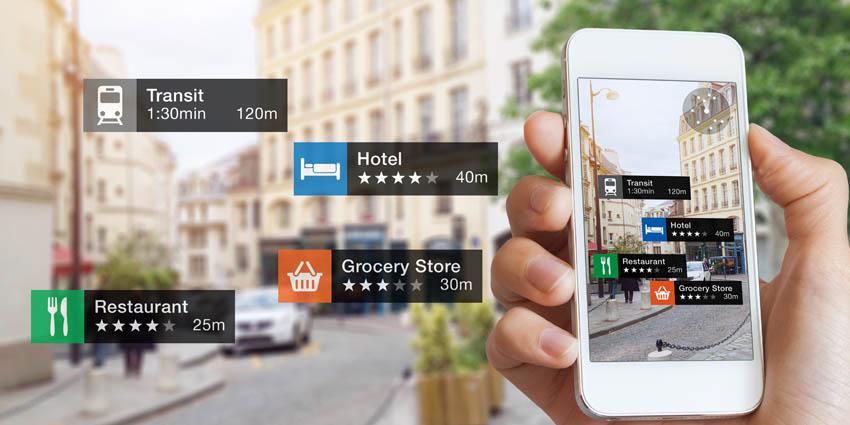
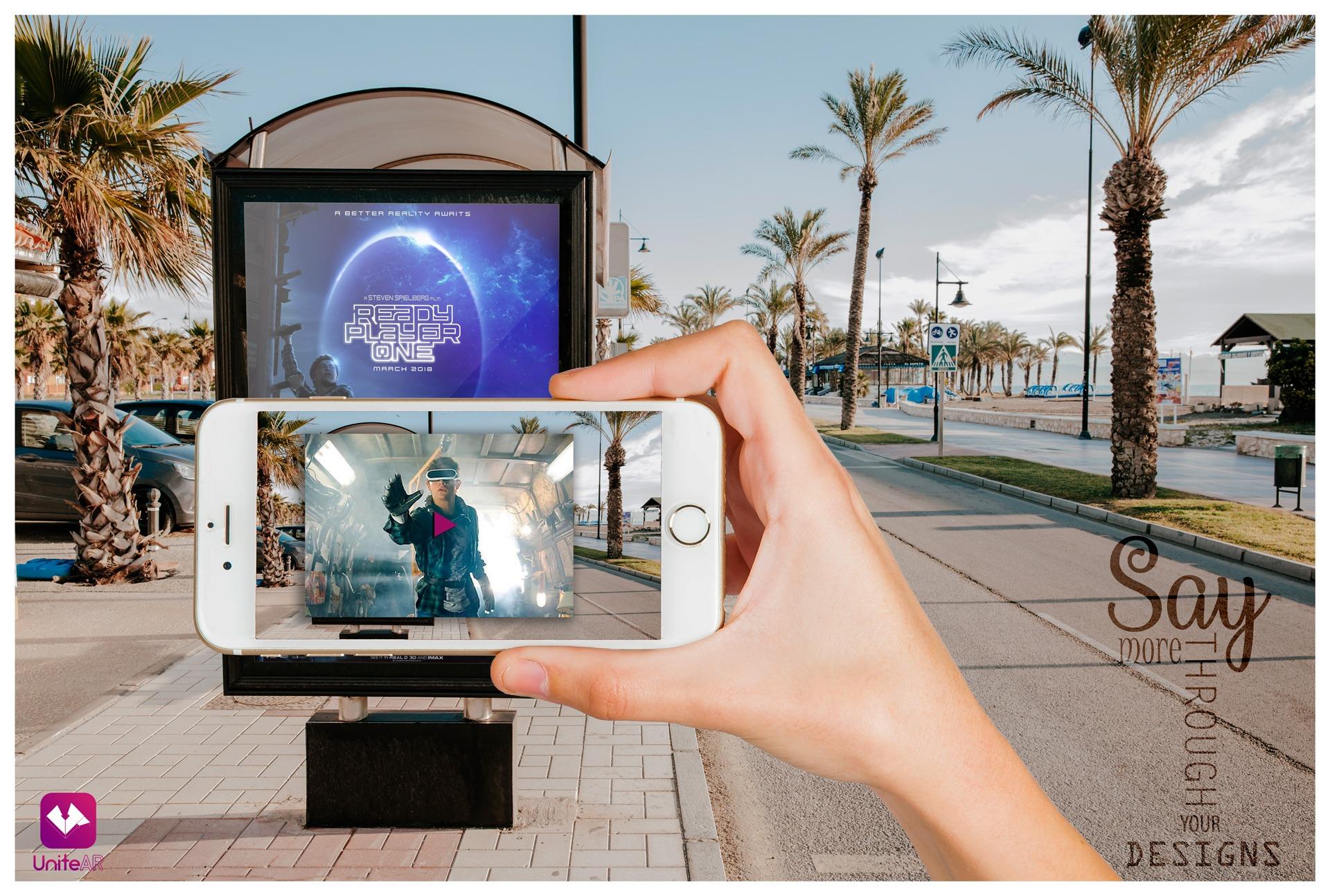
Are you ready to step into the future? Augmented reality (AR) is no longer just the stuff of science fiction; it’s a vibrant part of our everyday digital landscape. Imagine being able to visualize how a new piece of furniture will look in your living room before you buy it, or trying on a pair of shoes without leaving your home. Exciting, right? In this article, we’re diving into 25 incredible augmented reality websites that you can explore right now! Each one offers a unique experience that blends the digital and physical worlds in ways you never thought possible. Whether you’re a tech enthusiast or just curious about how AR can enhance your life, these examples are bound to inspire and amaze you. So, let’s jump right in and discover how AR is changing the way we interact with the world around us!
Exploring the World of Augmented Reality Websites
Augmented reality (AR) has transformed how we interact with digital content by blending the physical and virtual worlds. With the rise of technology, many websites have embraced AR, offering users immersive experiences that are both engaging and informative. Here are some standout examples that you can explore right now.
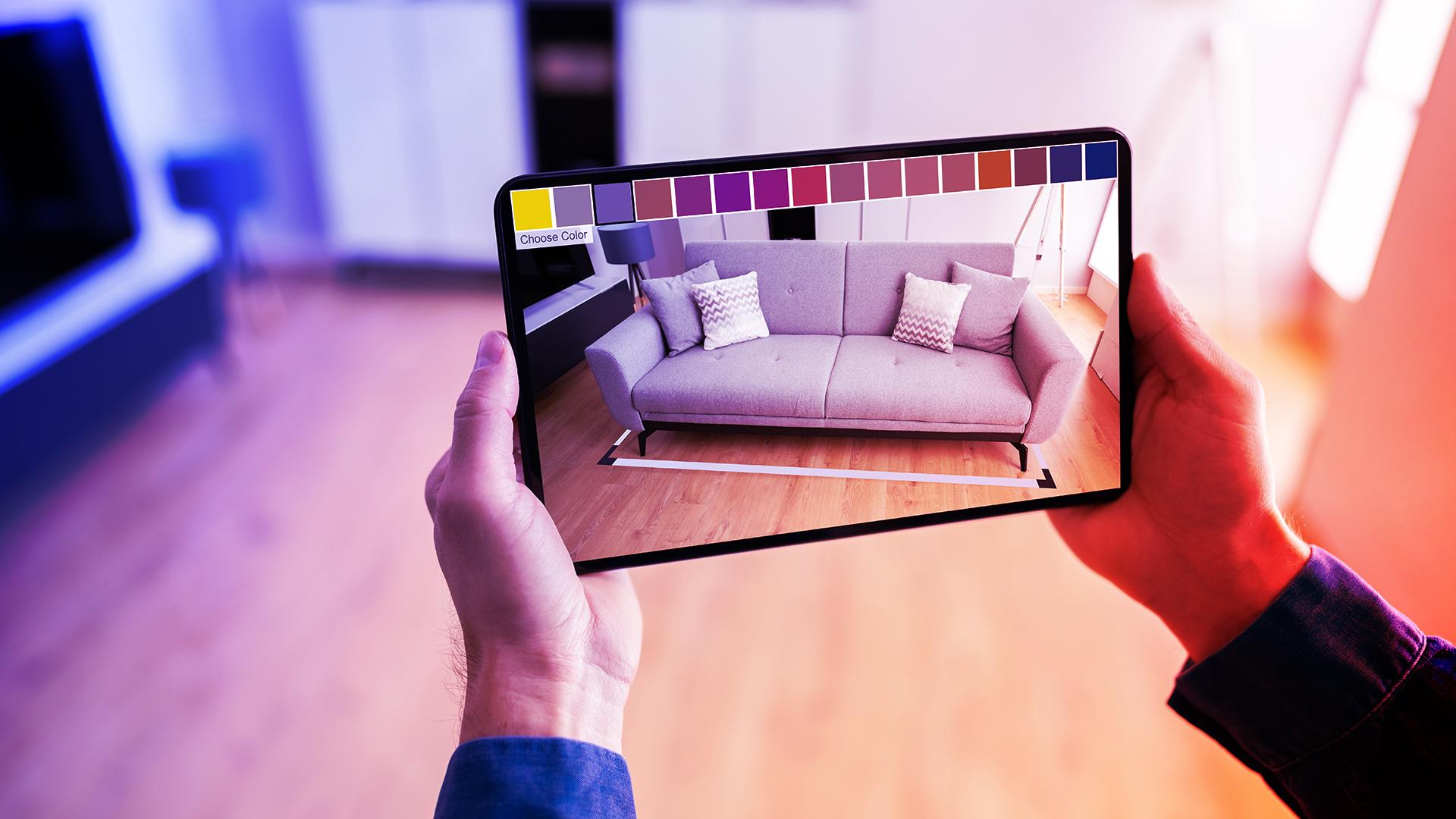
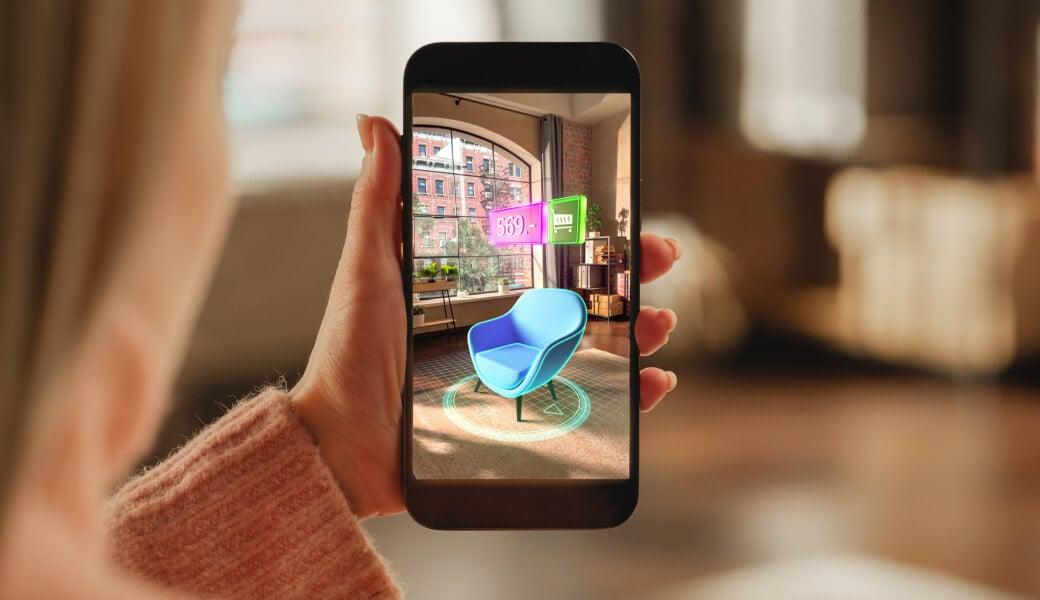
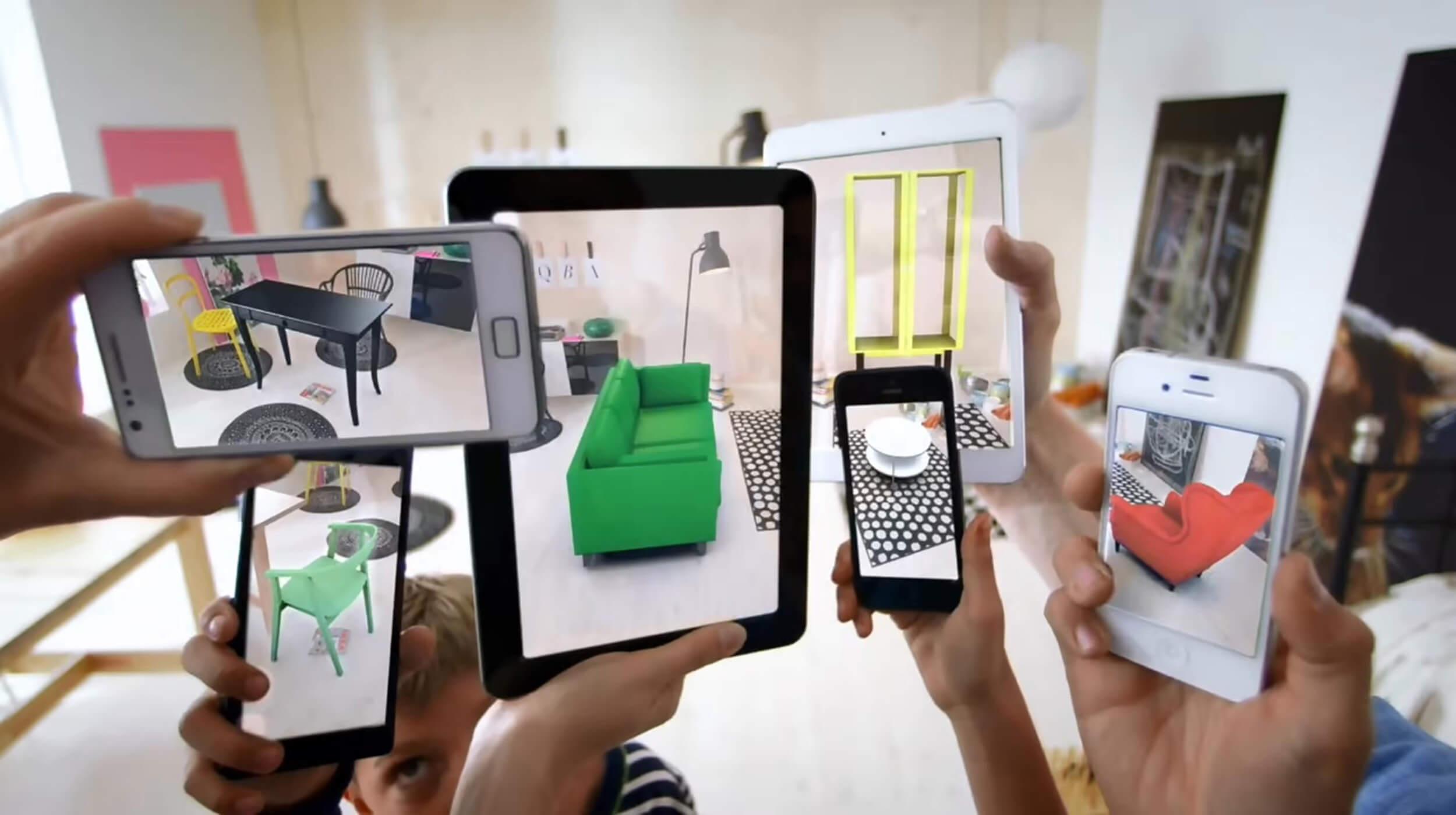
One of the most exciting aspects of AR websites is their ability to enhance shopping experiences. For instance, IKEA Place allows users to visualize furniture in their own homes before making a purchase. Simply upload a photo of your room or use your smartphone camera to see how a piece will fit into your space. This not only helps customers make informed decisions but also reduces the chances of returns.
In the realm of education, AR websites are transforming learning into an interactive adventure. Websites like Google Arts & Culture let you explore iconic art pieces in a 3D format, offering insights that go beyond what you would find in a textbook. It’s a brilliant way to engage students and lifelong learners alike.
For those with a flair for creativity, sites like Quiver allow users to bring coloring pages to life. After coloring a page, you can scan it with your device to watch your artwork animate in real-time. This captivating experience not only entertains but also encourages artistic expression.
Moreover, the real estate industry has greatly benefited from AR technology. Websites such as Matterport provide virtual tours of properties, allowing potential buyers to explore homes from the comfort of their own couch. This immersive experience can significantly expedite the home buying process and enhance the overall customer experience.
If you’re looking for fun and games, Pokemon Go is an undeniable example of AR in action. Although it started as a mobile game, its website features maps and community events that bring players together, making it a vibrant part of the AR landscape. The allure of catching virtual creatures in real-world locations keeps users coming back for more.
To help you navigate the exciting world of AR websites, here’s a quick table summarizing some of the best options available:
Website
Purpose
Key Feature
IKEA Place
Home Decor
Visualize furniture in your space
Google Arts & Culture
Education
3D art exploration
Quiver
Creativity
Animate your coloring pages
Matterport
Real Estate
Virtual property tours
Pokemon Go
Entertainment
AR gaming in real-world locations
With so many innovative AR websites at your fingertips, the potential for exploration and engagement is endless. Whether you’re shopping, learning, creating, or playing, AR is enhancing our online experiences in ways we never imagined possible. Dive in and discover how these websites can enrich your life today!
What Makes Augmented Reality Stand Out
Augmented Reality (AR) is rapidly transforming the way we interact with the digital world, adding layers of information and experiences to our physical surroundings. What truly sets AR apart is its ability to blend the virtual and real worlds, creating immersive and interactive experiences that captivate users.
One of the most significant features of AR is its interactivity. Unlike traditional media, AR allows users to engage with content in real-time. This interactivity enhances user engagement, making experiences more memorable. For instance, users can manipulate 3D objects with gestures, creating a sense of ownership over the experience.
Another standout characteristic is the enhanced visualization AR provides. Imagine being able to visualize how a piece of furniture would look in your living room before making a purchase. This capability not only aids in decision-making but also reduces the likelihood of buyer’s remorse, leading to greater customer satisfaction.
Moreover, AR encourages innovation. Businesses and creators are continuously finding new applications for AR technology—be it in retail, education, or entertainment. This constant innovation keeps users intrigued and eager to explore the latest AR experiences, fostering a culture of creativity and exploration.
AR also excels in personalization. By leveraging user data, AR applications can deliver tailored experiences that resonate on an individual level. This personal touch can significantly enhance user loyalty and brand affinity, as users feel a stronger connection to brands that understand their preferences.
Additionally, AR offers a unique opportunity for storytelling. Brands can weave narratives that unfold in the user’s environment, creating a more engaging and immersive way to convey messages. This storytelling aspect can captivate audiences, making information more digestible and enjoyable.
AR is highly accessible. With the proliferation of smartphones and tablets equipped with AR capabilities, users can access these experiences anytime and anywhere. This accessibility democratizes technology, allowing a broader audience to explore and enjoy AR content without the need for expensive or specialized equipment.
the unique features of augmented reality—interactivity, visualization, innovation, personalization, storytelling, and accessibility—make it a powerful tool for engaging users and enhancing their experiences. This blend of real and virtual worlds not only captivates audiences but also opens up new frontiers for creativity and interaction.
Engaging Your Audience with Immersive Experiences
In today’s digital landscape, captivating your audience demands more than traditional content. This is where augmented reality (AR) steps in, transforming how users interact with brands and experiences online. By embedding AR elements into your website, you’re not just telling a story; you’re inviting users to be a part of it. Imagine your customers not just viewing a product but experiencing it in their own space, creating a connection that goes beyond mere visuals.
One of the most effective ways to engage your audience is through interactive product visualizations. This approach allows potential buyers to see how products will look in their environment, enhancing their purchasing confidence. For instance:
Furniture retailers can let users place a virtual couch in their living room.
Fashion brands can offer virtual try-ons, letting users see how clothes fit without leaving home.
Makeup companies can provide AR tools that allow users to apply products virtually before making a purchase.
Furthermore, AR can transform your marketing campaigns into unforgettable experiences. By infusing gamification elements through AR, you can create engaging challenges or treasure hunts that are not only fun but also encourage sharing. When users participate in these activities, they become ambassadors for your brand, spreading the word to their own networks.
Consider implementing educational AR content. Whether you’re in real estate, education, or even healthcare, providing users with immersive simulations can enhance understanding and retention. For example, real estate agents can offer virtual tours that allow potential buyers to explore properties from anywhere in the world. Educational institutions can enhance learning by allowing students to interact with complex subjects through AR visualizations.
Industry
AR Application
Benefits
Retail
Virtual Try-Ons
Increases buyer confidence
Real Estate
Virtual Tours
Wider audience reach
Education
Interactive Simulations
Improved engagement and retention
Don’t underestimate the power of storytelling through augmented reality. By crafting narratives that involve your audience, you can enhance their emotional connection to your brand. For example, brands can create AR experiences that unfold a story as users interact with different elements on a webpage, leading to deeper engagement and curiosity.
Moreover, feedback loops can be established through AR interactions. By allowing users to share their experiences, brands can gather invaluable insights into customer preferences and behaviors. This data not only informs future interactions but also helps tailor content that resonates with your audience, making them feel valued and understood.
Incorporating AR into your website isn’t just a trend; it’s a forward-thinking strategy that can set you apart in a crowded market. As you explore the examples available today, consider how you can adapt these innovative technologies to create memorable interactions that don’t just attract visitors but turn them into lifelong advocates for your brand.
Top Industries Embracing Augmented Reality
As augmented reality (AR) technology continues to evolve, numerous sectors are seizing the opportunity to enhance their services and products. Here are the top industries that are embracing AR, showcasing how this innovative technology is transforming the way they operate.
Retail
In retail, augmented reality is revolutionizing the shopping experience. Customers can visualize products in their own space before making a purchase. Notable examples include:
IKEA Place: Allows users to see how furniture fits in their homes.
L’Oreal’s Makeup Genius: Lets customers try on makeup virtually.
Education
AR is also making waves in education, creating immersive learning experiences. Students can engage with complex subjects more effectively. For instance:
Google Expeditions: Offers virtual field trips to places around the world.
Merge Cube: Enables students to hold and interact with 3D objects in their hands.
Healthcare
In the healthcare sector, AR is enhancing medical training and patient care. Surgeons can use AR overlays for precision during operations. Some applications include:
AccuVein: Assists in locating veins for blood draws.
AR Surgical Navigation: Provides real-time data during surgeries.
Real Estate
Real estate agents are utilizing AR to give potential buyers a more interactive experience. Properties can be showcased through virtual tours, improving engagement. Key players include:
Zillow: Offers 3D home tours directly on its platform.
Magicplan: Allows users to create floor plans using AR technology.
Tourism and Hospitality
Travelers are utilizing AR for enhanced experiences while exploring new destinations. It helps in navigating and discovering local attractions with ease. Examples include:
Visit AR: Provides interactive city guides and historical information.
Google Translate: Offers real-time translation of signs through the camera.
Automotive
The automotive industry is leveraging AR for design, manufacturing, and even customer experiences. Prospective buyers can explore vehicles in-depth without leaving their homes. Noteworthy uses include:
Porsche: AR app allows users to visualize car models in their driveway.
BMW’s Augmented Reality App: Offers detailed information about car features.
As these industries continue to explore the potential of augmented reality, we can expect to see even more creative applications emerging. The adoption of AR not only enhances user experiences but also drives innovation and efficiency across various fields.
How to Get Started with Augmented Reality Websites
Getting started with augmented reality (AR) websites can seem daunting, but with the right approach, it can be an exciting journey. First things first, ensure that you have a compatible device. Most modern smartphones, tablets, and computers support AR functionalities, but you’ll want to check compatibility with the specific AR applications or websites you plan to use.
Next, explore various AR platforms that offer user-friendly interfaces. Some popular ones include:
ZapWorks: Ideal for creating interactive AR experiences.
AR.js: A lightweight library for adding AR to websites.
Unity with Vuforia: Perfect for those interested in more complex AR development.
WebXR: A powerful API that makes developing AR content easier for the web.
Once you have your device and platform ready, it’s time to dive into the world of AR content. Familiarize yourself with the following key concepts:
Marker-based vs. Markerless AR: Understand the difference between AR that requires specific markers (like QR codes) and those that don’t.
3D Models: Learn how to create or source 3D models to use in your AR applications.
User Interaction: Think about how users will interact with your AR content. Will it be touch-based, gesture-based, or voice-activated?
To see AR in action, explore examples of existing AR websites. Check out the following types that can serve as inspiration:
As you experiment with AR, don’t hesitate to reach out to online communities or forums. Platforms like Reddit and specialized Facebook groups are filled with AR enthusiasts who can share insights, troubleshoot issues, and offer encouragement.
stay updated on the latest trends and technologies in AR. The field is rapidly evolving, with new tools and techniques emerging regularly. Following AR blogs, attending webinars, and participating in workshops can significantly enhance your skills and knowledge.
Interactive Product Demos You Can Experience Today
Immerse yourself in the future of shopping and learning with augmented reality (AR) experiences that you can dive into right now. These interactive product demos not only enhance engagement but also provide a memorable way to visualize products before making a purchase. Here are some fantastic AR websites to check out:
IKEA Place: Redesign your living space by placing virtual furniture in your home. With just a few clicks, visualize how IKEA’s offerings would look in your own rooms.
Sephora Virtual Artist: Try on makeup virtually! This AR tool allows you to experiment with different cosmetic products, ensuring the perfect look before you buy.
Warby Parker: With their virtual try-on feature, you can see how different glasses frames will look on your face in real-time, making eyewear shopping a breeze.
Google Lens: A versatile tool that allows you to scan products, landmarks, and even text to get instant information, helping you make informed decisions.
These platforms are not just about visual appeal; they are designed to enhance your shopping experience by reducing uncertainty. Imagine the confidence you’ll have when you know exactly how that new sofa fits in your living room or how a new lipstick shade complements your skin tone.
Website
Key Feature
Experience Type
IKEA Place
3D Furniture Placement
Home Decoration
Sephora
Virtual Makeup Try-On
Beauty
Warby Parker
Frame Try-On
Eyewear
Google Lens
Instant Information Access
General Knowledge
Each of these websites exemplifies how AR can bring products to life, allowing users to interact with them in ways that traditional shopping simply can’t. From fashion to home decor, the scope of AR is limitless, and the ability to experience products virtually is becoming a game changer.
So why wait? Dive into these interactive demos today and discover how augmented reality is transforming the way we shop and engage with the world around us. Experience products like never before and make your purchasing decisions with confidence!
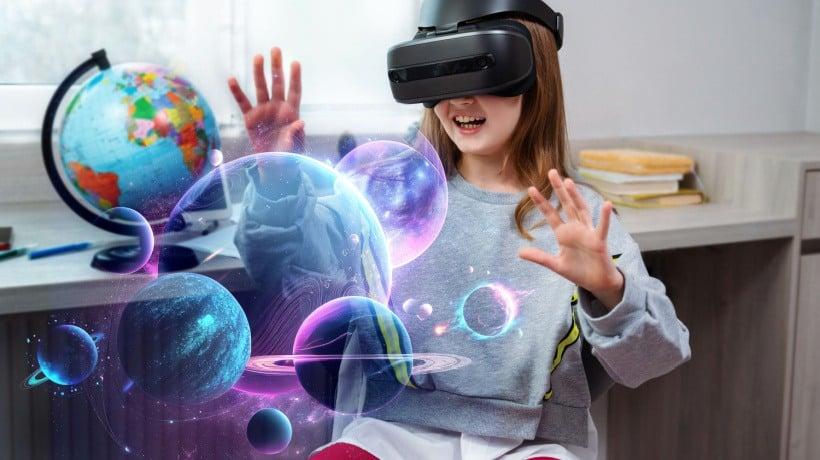
Imagine walking into a classroom where history comes alive right before your eyes. With augmented reality (AR), this scenario is becoming a reality, transforming the way students engage with educational content. AR blurs the lines between the physical and digital worlds, providing interactive experiences that enhance learning and retention. Whether it’s visualizing complex scientific concepts or exploring distant planets, AR is revolutionizing education.
One of the standout features of AR in education is its ability to make abstract concepts tangible. Students can:
Explore 3D models of the human body, allowing for hands-on anatomy lessons.
Engage with real-time data visualizations in subjects like math and physics.
Furthermore, AR fosters collaboration among students. By working together on interactive projects, learners can share their insights and experiences, creating a rich tapestry of knowledge. For example, students can team up to build a virtual ecosystem, applying their understanding of biology and environmental science while developing teamwork skills.
One of the major advantages of incorporating AR is the instant feedback it provides. Applications can track a learner’s progress and adapt the difficulty of tasks in real-time, ensuring that each student is appropriately challenged. This personalized approach caters to diverse learning styles, making education more inclusive and effective.
Benefits of AR in Education
Examples
Enhanced Engagement
AR games and simulations that spark curiosity.
Improved Retention
Interactive experiences that help memorize information.
Accessibility
Learning materials that cater to different abilities.
Moreover, the integration of AR is not just limited to traditional educational settings. It spans various fields, including vocational training, medical education, and even corporate training programs. As industries evolve, the need for innovative training methods becomes paramount, and AR steps up to meet that challenge, providing immersive experiences that simulate real-world scenarios.
Incorporating augmented reality into educational curriculums not only prepares students for future careers but also encourages a lifelong love for learning. As technology advances, educators can harness the power of AR to create unforgettable learning experiences that resonate well beyond the classroom.
Enhancing Real Estate Listings with AR Features
Imagine walking into your dream home without ever leaving your couch. Augmented Reality (AR) is transforming real estate listings by providing immersive experiences that allow potential buyers to visualize properties in a way that static images simply can’t achieve.
AR technology enhances real estate listings through various innovative features:
Virtual Staging: Instead of showing empty rooms, AR can fill these spaces with digital furniture and decor, letting buyers see how their future home could look.
Interactive Tours: Prospective buyers can take 3D tours of properties, exploring every nook and cranny at their own pace, making them feel like they’re actually walking through the space.
Property Previews: With AR, users can visualize how properties will fit into their own lives, from viewing a new house in their neighborhood to seeing how a selected property compares to others on the market.
Real-time Customizations: Buyers can customize features like wall colors, flooring options, and more, allowing them to envision changes they would make before purchase.
These features not only make listings more engaging but also foster a deeper emotional connection between buyers and properties. Instead of scrolling through photos, potential homebuyers immerse themselves in the experience, bringing them one step closer to making a decision.
To illustrate the impact of AR in real estate, consider the following table showcasing the benefits of incorporating AR features into listings:
Offers a comprehensive view of the property, enhancing buyer confidence.
Property Previews
Facilitates comparisons and informed decisions between multiple properties.
Real-time Customizations
Personalizes the experience and helps buyers visualize their unique style.
As more real estate agents and agencies adopt these technologies, the landscape will continue to evolve. Buyers will expect to see AR features in listings, as it provides a level of detail and interaction that traditional methods cannot offer.
Incorporating AR into real estate listings is not just a trend—it’s a smart investment. With potential buyers being able to interact with listings more dynamically, agents can expect higher engagement rates and ultimately, faster sales. By leveraging AR, real estate listings become not just advertisements for properties, but experiences that draw buyers in and help them envision their future.
Bringing Art to Life: AR in Creative Industries
As technology continues to evolve, the way we experience art and creativity is being transformed right before our eyes. Augmented Reality (AR) has emerged as a groundbreaking tool, allowing artists, designers, and creators to bridge the gap between the physical and digital realms. This innovative medium not only enhances the way art is presented but also invites viewers to interact with it in ways they never imagined possible.
Imagine walking through a gallery where the paintings come to life, or picking up a sculpture that reveals hidden stories through your mobile device. With AR, these experiences are not just dreams; they are realities waiting to be explored. Here are some key ways in which AR is reshaping the creative industries:
Interactive Exhibitions: Museums and galleries are embracing AR to create immersive exhibitions that invite visitor participation. These experiences can deepen engagement and educate audiences about the artwork and its context.
Enhanced Product Visualization: In industries like fashion and interior design, AR allows customers to visualize how products will look in their own spaces or on their bodies, revolutionizing the shopping experience.
Art Education: AR can provide students with interactive lessons and virtual field trips, giving them access to art history and techniques that would be difficult to experience otherwise.
Creative Collaboration: AR enables artists to collaborate across the globe, merging their ideas and styles in real-time, leading to the creation of unique, hybrid works of art.
Furthermore, the integration of AR into creative processes offers a new canvas for artistic experimentation. Artists can use AR to layer digital elements over traditional mediums, creating dynamic works that can change and adapt based on audience interaction. This flexibility opens up endless possibilities for storytelling, inviting viewers to step into the narrative and become part of the art themselves.
Consider how brands are utilizing AR for marketing campaigns. By allowing consumers to experience products in a more engaging way, companies can create memorable interactions that resonate with their audience. For example, AR fashion apps can allow users to try on outfits virtually, thus driving sales while enhancing customer satisfaction.
With the rapid advancement of AR technology, the potential applications in creative industries are limitless. Let’s take a look at some inspiring examples of websites that are harnessing this powerful tool:
The world of art is more vibrant than ever, thanks to the integration of augmented reality. As we continue to explore and innovate, the creative industries will surely expand their boundaries, inviting everyone to participate in experiences that were previously unimaginable. The only limit is our imagination!
The Future of Retail: Augmented Reality Shopping
As we step further into a digital age, the retail landscape is undergoing a transformative shift, largely driven by augmented reality (AR). By seamlessly blending the digital and physical worlds, AR technology is revolutionizing how we shop, allowing customers to visualize products in new and exciting ways before making a purchase. Imagine being able to see how that new sofa looks in your living room or trying on clothes without ever stepping into a fitting room. This is the promise of AR shopping—immersive, interactive, and incredibly engaging.
One of the most compelling aspects of AR shopping is its ability to enhance the decision-making process. With AR, customers can:
Visualize Products: Instantly see how items fit into their lives or homes.
Increase Confidence: Reduce the hesitation that comes with online shopping by providing a realistic preview.
Customization: Allow users to tailor products to their liking, from colors and sizes to styles and configurations.
Many brands are already leveraging AR to create engaging shopping experiences. For instance, furniture retailers have implemented AR apps that let customers place virtual furniture in their homes, providing a sense of scale and style that traditional images cannot convey. Similarly, beauty brands are enabling users to try on makeup virtually, breaking down barriers related to color matching and personal preferences.
A recent study indicated that consumers are more likely to purchase a product when they have access to AR features. This capability not only enhances user experience but also fosters a deeper emotional connection with the brand. Retailers that embrace this technology stand to gain significant advantages over those that do not, creating a more loyal customer base through innovative solutions.
When considering the future, it’s clear that AR will play a pivotal role in shaping retail strategies. To stay competitive, businesses should focus on:
Investing in AR Technology: The upfront costs can yield high dividends in customer engagement and satisfaction.
Integrating User Feedback: Constantly refining AR experiences based on real user interactions will lead to better outcomes.
Collaborating with Tech Innovators: Partnering with AR companies can expedite the implementation of state-of-the-art solutions.
Moreover, as more consumers become comfortable with AR, the expectation for personalized shopping experiences will only grow. Retailers must navigate this transition by offering seamless integration of AR into their existing platforms, ensuring that the tech enhances rather than complicates the shopping journey.
Brand
AR Feature
Customer Benefit
IKEA
AR Place
Visualize furniture in your space
L’Oreal
Makeup Genius
Try on makeup virtually
Warby Parker
Virtual Try-On
See how glasses look on your face
Adidas
AR Sneakers
Customize and visualize shoes
The future is bright for augmented reality in retail, making it a fascinating space to watch. As consumers increasingly demand innovative experiences, brands that invest in AR technology today will likely lead the charge in shaping tomorrow’s shopping experiences.
Fun and Games: AR Websites for Entertainment
Immerse yourself in the exciting world of augmented reality (AR) with these innovative websites that offer a wide range of entertainment options. Whether you’re looking to play games, explore art, or simply have fun with friends, these AR experiences will keep you engaged and delighted.
First up, consider trying out AR games that bring classic gameplay into your living room. Websites like blank”>Example AR Game 1 allow you to battle creatures that pop up right in your space, while others let you build virtual structures that interact with your real environment. The combination of real-world surroundings and virtual challenges will keep your adrenaline pumping!
For those who appreciate interactive art, platforms like
Don’t miss out on the social aspect of AR! Many websites allow you to connect with friends and share your experiences. Imagine hosting a virtual game night where everyone can participate from their own home, yet feel like they’re all in the same room. This not only fosters connection but also enhances the fun factor!
So, grab your device and dive into these augmented reality experiences. With endless possibilities for entertainment, you’re bound to find something that piques your interest. The future of fun is just a click away, and these websites are leading the charge!
Unlocking the Potential of AR in Marketing
Augmented Reality (AR) is revolutionizing the marketing landscape, creating immersive experiences that engage consumers in ways traditional media simply can’t. By integrating digital elements into the real world, brands are capturing attention more effectively and creating memorable interactions. Imagine seeing a sofa in your living room before purchasing it or trying on clothes virtually—these experiences are now just a click away.
One of the most compelling aspects of AR is its ability to foster a deeper connection between the consumer and the brand. Interactivity is key; when users engage with a product in an immersive environment, they are more likely to form an emotional bond. This can lead to increased brand loyalty and higher conversion rates. Brands that leverage AR effectively not only stand out in a crowded marketplace but also cultivate a community of enthusiastic customers.
Consider the numerous ways AR can be utilized:
Virtual Try-Ons: Retailers allow customers to see how clothing, accessories, or makeup will look on them using their device’s camera.
Product Visualization: Home decor brands offer tools that let consumers visualize furniture in their own space before buying.
Interactive Ads: Instead of passive viewing, consumers can interact with ads, creating a fun, engaging experience.
Gamification: Brands can incorporate games that use AR to educate customers about their products while entertaining them.
As the technology becomes more accessible, businesses of all sizes are beginning to explore AR’s potential. It’s no longer just a tool for large brands with big budgets; small and medium enterprises are finding creative ways to integrate AR into their marketing strategies. This democratization of technology means that the AR revolution is just getting started, and early adopters will reap significant rewards.
The data supports the effectiveness of this technology. According to recent studies, marketing campaigns that utilize AR can increase engagement rates by up to 40% compared to those relying solely on traditional media. Customers are not just passive viewers; they become active participants in the experience, which can lead to better retention of information and brand message.
AR Benefits
Impact on Marketing
Enhanced Customer Engagement
Higher interaction rates and emotional connection
Increased Sales
Boosted conversion rates and reduced return rates
Brand Differentiation
Stand out in a crowded market
Improved Customer Experience
More informed purchase decisions
Brands that have already embraced AR are setting benchmarks for innovation. These examples serve as an inspiration for others looking to tap into the potential of augmented reality. By leveraging AR, companies can not only enhance their marketing strategies but also redefine how customers interact with their products. It’s clear that AR is not just a passing trend; it’s a transformative tool that has the power to reshape the consumer experience, making it more engaging, personalized, and effective.
Practical Tips for Implementing AR on Your Site
Integrating augmented reality (AR) into your website can seem like a daunting task, but with the right approach, it can enhance user experience and engagement. Here are some tips to help you seamlessly incorporate AR into your site.
Start with Clear Objectives
Before diving into AR development, it’s essential to define what you want to achieve. Consider the following:
Enhancing User Experience: How can AR improve the interaction with your products?
Increasing Engagement: What features will keep users interested?
Driving Sales: How can AR lead to higher conversion rates?
Choose the Right AR Technology
Each AR solution comes with its benefits and limitations, so it’s vital to choose one that aligns with your objectives. Consider options like:
WebAR: Accessible through browsers without requiring app downloads.
Native Apps: Offer advanced functionalities but may require more investment.
AR SDKs: Use software development kits like ARKit or ARCore for custom experiences.
Design for User Interaction
Creating an engaging AR experience means focusing on user interaction. Keep these design principles in mind:
Simplicity: Make sure users can easily understand how to interact with AR elements.
Feedback: Provide immediate feedback to user actions to enhance engagement.
Contextual Usage: Implement AR features that make sense within the context of your site.
Optimize for Performance
AR can be resource-intensive, so optimization is key. Ensure your site can handle the additional load by:
Minimizing Load Times: Optimize images and assets for faster loading speeds.
Testing Across Devices: Ensure compatibility and performance on various devices.
Not everyone is familiar with AR technology. Provide clear instructions and examples on how to use AR features effectively. This could include:
Tutorial Videos: Create engaging videos that walk users through the AR experience.
Step-by-Step Guides: Offer simple written guides that explain the process.
FAQs: Address common questions about using AR on your site.
Measure and Iterate
once your AR features are live, it’s crucial to analyze their performance. Track metrics like:
Metric
Importance
Engagement Rate
Indicates how users are interacting with AR features.
Conversion Rate
Helps measure the impact of AR on sales.
User Feedback
Direct insights from users can guide future improvements.
Regularly gather data and feedback to refine your AR features, ensuring they continue to meet user needs and drive your business goals.
Enhancing User Experience: AR Best Practices
When it comes to integrating augmented reality (AR) into websites, ensuring a smooth and engaging user experience is crucial. Here are some best practices to consider that can make your AR features not only functional but also enjoyable for visitors.
Prioritize User-Friendly Design: A cluttered interface can overwhelm users. Keep the design clean and intuitive. Use familiar icons and prompts that guide users effortlessly through the AR experience. Simplifying navigation and minimizing distractions can significantly enhance user engagement.
Optimize Load Times: Slow-loading AR features can frustrate users and lead to high bounce rates. Optimize images and use efficient coding practices to ensure your AR experiences load quickly. Implementing lazy loading techniques can help in managing resources effectively while keeping the experience smooth.
Optimization Technique
Benefit
Image Compression
Faster Load Times
JavaScript Minification
Reduced File Size
Content Delivery Network (CDN)
Global Accessibility
Incorporate Clear Instructions: Users may not be familiar with AR technology, so providing clear, concise instructions can enhance their experience. Use simple language and visuals to explain how to activate and interact with the AR features. Tutorials or onboarding screens can guide new users seamlessly.
Enhance Interactivity: AR is all about engagement. Consider adding interactive elements such as quizzes or feedback options within the AR experience. These features can encourage users to explore more and spend additional time on your site.
Mobile Optimization is Key: With a significant portion of web traffic coming from mobile devices, ensuring your AR experience is optimized for smaller screens is non-negotiable. Test functionality across various devices to guarantee a consistent experience that feels natural whether users are on a smartphone or tablet.
Test and Iterate: the best way to enhance user experience is through continuous testing. Gather user feedback, analyze data, and make necessary adjustments. The AR landscape is ever-evolving, and staying updated with user preferences can lead to a more satisfying experience that keeps them coming back.
Your Next Steps in Exploring Augmented Reality Websites
Diving into the world of augmented reality (AR) websites can be an exhilarating experience. As you explore the examples listed in our main post, you might be wondering how to take your engagement further. Here are some practical steps to enhance your understanding and enjoyment of AR technology.
1. Experiment with Different Devices:
Not all augmented reality experiences are created equal, and the device you use can significantly alter your interaction. Try accessing AR websites on:
Smartphones: Most AR experiences today are mobile-friendly, allowing you to interact on the go.
Tablets: A larger screen can provide a more immersive experience, especially for detailed visuals.
AR Glasses: If you have access to devices like Microsoft HoloLens or Magic Leap, give them a try for a truly engaging experience.
2. Join Online Communities:
Connecting with others interested in AR can amplify your learning. Consider these platforms:
Forums: Websites like Reddit have dedicated threads for AR enthusiasts to share experiences and tips.
Social Media Groups: Join Facebook or LinkedIn groups focused on augmented reality to learn from others.
Webinars and Workshops: Participate in virtual events to hear from industry experts and ask questions.
3. Create Your Own AR Experience:
Why not try your hand at creating your own AR content? There are several user-friendly platforms that allow you to build AR experiences without extensive coding knowledge. Check out:
ZapWorks: A comprehensive tool for beginners to create custom AR.
Blippar: An intuitive platform ideal for crafting interactive content.
Unity with Vuforia: Great for those interested in combining AR with gaming or other complex applications.
4. Stay Updated with AR Trends:
The augmented reality landscape is continually evolving. Follow blogs and newsletters that specialize in tech innovations to keep your knowledge fresh. Here are a few suggestions:
AR Insider: A resource for news and analysis in the AR industry.
Next Reality: Offers insights into the latest AR applications and developments.
Medium’s Augmented Reality Channel: A space for thought leadership and personal insights into the future of AR.
5. Analyze Your Experiences:
After trying different AR websites, take a moment to reflect on what you enjoyed most. Consider creating a simple table to compare your experiences based on various factors:
Website Name
Device Used
Experience Rating (1-5)
Comments
Example AR 1
Smartphone
4
Great visuals but a bit slow.
Example AR 2
Tablet
5
Highly interactive and user-friendly!
Example AR 3
AR Glasses
3
Interesting but limited content available.
These insights can help you prioritize which AR experiences to revisit or recommend to friends. Engaging with augmented reality can lead to endless possibilities, so don’t hesitate to dive deeper and share your findings!
Frequently Asked Questions (FAQ)
Q: What exactly is Augmented Reality (AR) and why is it important?
A: Augmented Reality, or AR, is a technology that overlays digital information—like images, sounds, and videos—onto the real world. It’s important because it enhances our perception of reality, making experiences more interactive and engaging. Imagine being able to visualize how a piece of furniture looks in your living room before you buy it, or trying on clothes virtually! AR bridges the gap between the digital and physical worlds in a way that can transform industries, from retail to education.
Q: Can you give me a sneak peek at some of the augmented reality websites featured in the article?
A: Absolutely! The article showcases a variety of AR websites that are not only innovative but also user-friendly. For instance, you’ll find platforms that allow you to virtually try on makeup or glasses, visualize home decor, and even explore art galleries from your couch. Each example is designed to enhance user interaction and provide a unique experience, making it easier for consumers to make informed decisions.
Q: Are these augmented reality experiences accessible to everyone?
A: Yes! Most of the websites featured in the article are designed to be easily accessible. All you need is a smartphone or a computer with a camera, and you’re ready to dive into the world of AR. Many of these experiences require no downloads or complex setups—just a simple visit to the website and you’re good to go!
Q: How can augmented reality impact online shopping?
A: AR can significantly enhance the online shopping experience by reducing uncertainty and boosting confidence in purchases. For example, if you’re looking to buy a new pair of shoes, AR can let you see how they look on your feet without ever leaving your home. This not only saves time but also helps reduce return rates for retailers. The more interactive the shopping experience, the more likely consumers are to make a purchase!
Q: Are the augmented reality experiences in this article free to try?
A: Most of the AR experiences highlighted in the article are completely free! The goal is to encourage users to explore AR technology without any barriers. A few may offer premium features, but the basic functionalities are usually free to access, making it easy for anyone to jump in and experiment with this exciting technology.
Q: What industries can benefit the most from augmented reality?
A: While AR has applications across various fields, industries like Retail, Real Estate, Education, and Healthcare stand to benefit immensely. For instance, retailers can use AR for virtual try-ons, real estate agents can offer virtual home tours, and educators can create immersive learning experiences on their platforms. The possibilities are endless, and businesses that embrace AR can gain a significant competitive edge.
Q: How do I get started with augmented reality on these websites?
A: Getting started is a breeze! Simply check out the websites mentioned in the article, and follow the prompts to launch the AR features. Make sure your device’s camera is enabled, and you should be able to access the AR functionalities without any hassle. It’s all about exploring and having fun with the technology!
Q: Why should I care about augmented reality now?
A: AR is rapidly shaping the future of how we interact with digital content and the world around us. By engaging with AR today, you’re not just experiencing the next wave of technology—you’re also staying ahead of the curve. Whether for personal use or in a professional context, understanding and utilizing AR can open doors to creative solutions and novel experiences. Don’t miss out on the opportunity to be a part of this revolution!
To Conclude
As we wrap up our exploration of these 25 amazing augmented reality websites, it’s clear that the future of digital interaction is already here, and it’s more exciting than ever! Whether you’re looking to enhance your shopping experience, create stunning visual content, or simply have fun with interactive AR features, these examples showcase just how versatile and engaging this technology can be.
So, why not dive in and experience them for yourself? The best part is that you don’t need a fancy setup or extensive tech knowledge—just your device and a curious mind! Whether you’re a business owner eager to adopt new tools, a creative professional seeking inspiration, or just someone who loves to play with the latest tech, augmented reality has something to offer you.
Don’t miss out on the chance to see how AR can transform the way you engage with the digital world. Try out these websites, share your favorites with friends, and let us know your thoughts! The world of augmented reality is just a click away, and who knows? You might just find your next big idea or favorite new pastime. Happy exploring!