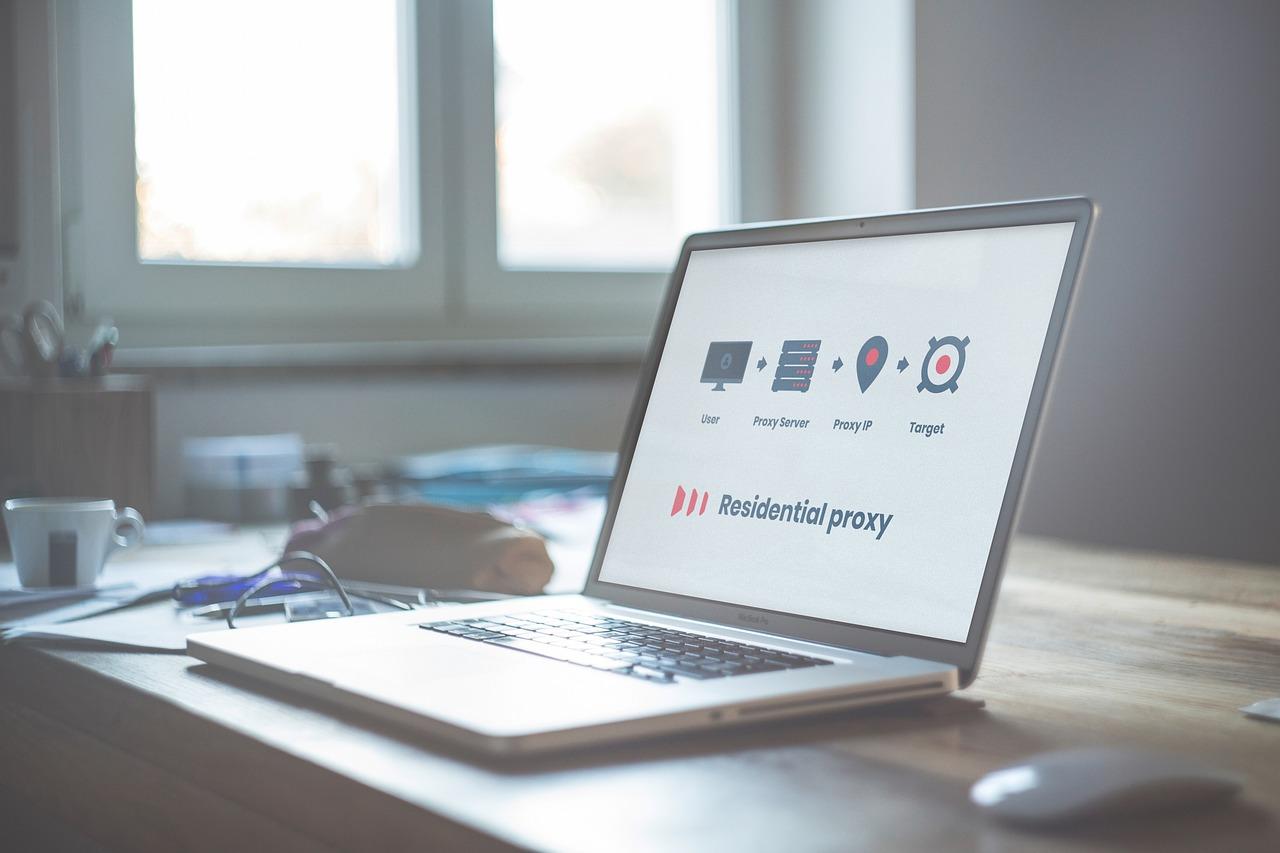
In today’s digital landscape, where every click and keystroke can be tracked, ensuring your online privacy and security has never been more critical—especially for businesses. Whether you’re a small startup or a sprawling enterprise, the right proxy network can be a game-changer, providing not just enhanced security but also improved performance and access to valuable data. But with so many options out there, how do you determine which proxy networks are truly trustworthy? In this article, we’ll explore the key characteristics that make a proxy network reliable for everyday business use. From robust encryption and transparency to responsive customer support, we’ll break down what to look for so you can confidently choose a proxy service that meets your needs without compromise. Let’s dive in and help you safeguard your business in the ever-evolving online world!
What to Look for When Choosing a Proxy Network for Your Business
When diving into the world of proxy networks for your business, it’s essential to understand the qualities that make a provider trustworthy. Not all proxy services are created equal, and selecting the right one can significantly impact your online operations and security. Here’s what you should keep an eye out for:
Reliability and Uptime: Ensure the proxy network guarantees high uptime. A reliable service means your business can operate without interruptions, minimizing the risk of losing access to critical data or sites.
Speed and Performance: Look for proxies that offer fast connection speeds. Slow proxies can hinder productivity, particularly when handling large volumes of data or conducting multiple simultaneous tasks.
Global Coverage: A proxy network with a wide range of global IP addresses allows you to bypass geo-restrictions and access content from various regions, enhancing your business’s reach.
Security Features: Robust security protocols, including encryption, should be a non-negotiable aspect. This ensures your data remains safe from prying eyes while browsing the internet.
Customer Support: Opt for providers that offer 24/7 customer support. Having a responsive support system in place can help resolve issues quickly, ensuring minimal disruption to your operations.
Another area to consider is the pricing model. Proxy services can vary significantly in cost, and understanding the pricing structure helps avoid hidden fees that can disrupt your budget. Look for transparent pricing with no abrupt changes:
Proxy Type
Monthly Cost
Key Features
Datacenter Proxies
$10-$50
Fast speeds, affordable, no geo-restrictions
Residential Proxies
$20-$100
Real IP addresses, high anonymity, less likely to be blocked
Mobile Proxies
$30-$150
Ideal for app testing, high success rates
It’s also crucial to assess the provider’s reputation. Look for reviews and testimonials from other businesses. A provider with a solid track record is more likely to deliver the services they promise. Don’t hesitate to reach out to peers or industry forums to gather opinions.
Lastly, consider the scalability of the proxy network. As your business grows, your needs will evolve. Choose a provider that can accommodate increased bandwidth or additional features without requiring a complete switch. This flexibility can save you time and resources in the long run.
Understanding the Importance of Privacy in Proxy Networks
In today’s digital landscape, where data breaches and online surveillance are rampant, understanding the significance of privacy in proxy networks is vital. Businesses often rely on these networks to facilitate secure communication and protect sensitive information. However, not all proxy networks are created equal, and the level of trustworthiness can significantly impact your operations.
When evaluating a proxy network, consider the following key factors that underline the importance of privacy:
No-Log Policy: Look for providers that adhere to a strict no-log policy. This means they do not store any records of your online activities, which helps in maintaining your anonymity and protecting your business from potential legal ramifications.
IP Address Masking: A reliable proxy should effectively mask your real IP address, making it difficult for anyone to trace your online activities back to your business. This is crucial for conducting market research or accessing region-restricted content without revealing your location.
Compliance with Regulations: Ensure that the proxy network complies with industry standards and regulations such as GDPR or CCPA. This compliance not only protects consumer privacy but also reflects the provider’s commitment to ethical practices.
Moreover, the geographical location of proxy servers plays a significant role in privacy. Different countries have varying laws regarding data protection, which can affect how your data is treated. Choosing a proxy network with servers in privacy-friendly jurisdictions can provide an additional layer of security. Here’s a quick comparison of some key locations:
Location
Data Privacy Laws
Trust Level
United States
Varied; not as strict
Medium
European Union
GDPR
High
Switzerland
Strong Privacy Laws
Very High
Canada
PIPEDA
High
Furthermore, transparency is essential. A trustworthy proxy provider should offer clear information about their practices, including how they handle data and respond to law enforcement requests. This level of openness builds confidence and encourages businesses to engage with the provider without fear of hidden agendas.
consider the support and resources offered by the proxy network. A reliable provider will not only ensure privacy but also provide resources to help you understand how to maximize your use of their services. Look for comprehensive guides, responsive customer support, and community forums that can answer your questions and help you navigate any challenges.
privacy is not just a luxury; it’s a necessity for modern businesses. By choosing a trustworthy proxy network that prioritizes privacy, you can protect your sensitive data, maintain compliance with legal standards, and operate with peace of mind. Your business deserves a reliable partner in navigating the complexities of online security.
Evaluating the Security Features of a Proxy Network
When considering a proxy network for your business, assessing its security features is paramount. A trustworthy proxy should provide robust protections against various threats while ensuring that your sensitive data remains confidential. Here are some key security aspects to evaluate:
Encryption Levels: Look for proxy providers that offer high-level encryption, such as AES-256. This ensures that your data is scrambled during transmission, making it nearly impossible for unauthorized users to access it.
IP Rotation: A good proxy network should facilitate frequent IP rotation. This minimizes the risk of being tracked or blocked by websites, enhancing your online anonymity.
Authentication Methods: Multi-factor authentication (MFA) is a critical feature to seek out. It adds an extra layer of security that can help protect against unauthorized access.
Security Protocols: Ensure the proxy supports secure protocols like HTTPS, SOCKS5, or SSL. These protocols are vital for maintaining a secure connection and protecting your data.
Data Logging Policies: Investigate whether the proxy network logs user activity. A trustworthy provider will have a strict no-logs policy, ensuring your browsing history and activities remain private.
Another significant aspect to consider is the reputation of the proxy provider. Research their history, read customer reviews, and check for any reported security breaches. A company with a solid reputation is more likely to prioritize user security and maintain a reliable service.
To further illustrate the importance of security features, here’s a simple comparison table of different proxy types:
Proxy Type
Encryption
IP Rotation
Logging Policy
Residential Proxy
High
Yes
No Logs
Datacenter Proxy
Medium
Limited
Some Logs
SOCKS Proxy
High
Yes
No Logs
consider the support and resources provided by the proxy network. A responsive support team can be instrumental in addressing any security concerns that arise. Look for networks that offer 24/7 customer support, comprehensive documentation, and user guides to help you navigate potential challenges.
the security features of a proxy network can significantly impact its reliability for everyday business use. By prioritizing encryption, IP rotation, and a solid reputation, you can ensure that your business remains secure while taking advantage of the benefits that a proxy network has to offer.
How Speed and Performance Impact Your Business Operations
In today’s fast-paced digital landscape, the speed and performance of your internet connection can significantly influence your business operations. When utilizing a trustworthy proxy network, you can enhance these critical aspects, leading to improved efficiency and productivity across various departments.
First and foremost, a reliable proxy network can optimize data transfer rates, allowing for quicker access to vital information. This boost in speed is essential for:
Real-time decision-making: With faster data retrieval, teams can respond to market changes and customer needs more swiftly.
Enhanced collaboration: Teams can share large files and communicate seamlessly without lag, fostering a more collaborative environment.
Improved customer service: Quick access to customer data enables support teams to resolve issues faster, enhancing client satisfaction.
Moreover, performance is not only about speed; it’s also about reliability. A trustworthy proxy network should provide consistent uptime and minimal downtime. This reliability translates into:
Business continuity: When your proxy is consistently operational, your business can maintain its services without interruptions.
Enhanced security: A secure proxy network protects your data from external threats while ensuring that your operations run smoothly.
Scalability: As your business grows, a robust proxy can handle increased traffic without a hitch, ensuring ongoing performance.
Additionally, consider the geographical advantages of using a proxy network. By leveraging proxies located in various regions, businesses can:
Access region-specific content: This is particularly valuable for companies needing to gather market intelligence or conduct research tailored to specific areas.
Improve load times: Localized proxies can cache content closer to the user, reducing latency and speeding up access.
Avoid geo-restrictions: A trustworthy proxy allows businesses to bypass content filters and access vital resources without limitations.
Proxy Network Benefits
Impact on Business Operations
Faster Data Access
Enhanced decision-making speed
Consistent Uptime
Minimized operational disruptions
Increased Security
Protection of sensitive business data
Geographical Flexibility
Access to global markets and information
Scalability
Support for business growth without performance loss
the right proxy network can dramatically enhance your business operations by improving speed, ensuring performance reliability, and offering unique advantages tailored to your needs. By investing in a trustworthy proxy, you not only optimize your current operations but also future-proof your business for growth and adaptability in an ever-evolving digital world.
The Role of Customer Support in a Reliable Proxy Network
When evaluating a proxy network’s reliability, customer support often emerges as a crucial component. A responsive and knowledgeable support team can significantly enhance user experience, making it easier for businesses to navigate potential challenges. Here’s why customer support is indispensable in a trustworthy proxy network:
Immediate Assistance: In the fast-paced world of business, downtime can be costly. Robust customer support ensures that help is just a message away, ready to assist with any issues that might arise.
Expert Guidance: Effective customer support teams aren’t just there to resolve issues; they also provide valuable insights and tips on optimizing the use of the proxy network, helping businesses make the most of their investment.
Comprehensive Troubleshooting: From connection problems to configuration queries, a dedicated support team can troubleshoot various concerns efficiently, preventing small issues from becoming major setbacks.
Moreover, the quality of customer support can serve as a reflection of the overall reliability of the proxy network. A service that prioritizes customer satisfaction is likely to invest in the technology and infrastructure needed to maintain a seamless experience. Here are some aspects that highlight the importance of customer support:
Key Feature
Description
24/7 Availability
Ensures help is accessible at any hour, catering to businesses across different time zones.
Multiple Channels
Offers support through various mediums like live chat, email, and phone to accommodate user preferences.
Knowledge Base
A well-organized repository of FAQs and guides assists users in finding solutions independently.
Furthermore, customer support fosters trust. When users know they can rely on a support team, they feel more confident in their decision to utilize the proxy network for sensitive operations. This assurance is especially critical for businesses that handle private data or engage in high-stakes activities. Trust grows when support is consistent and reliable.
Lastly, customer feedback loops can drive improvements in the proxy service itself. A support team that actively listens to user concerns can relay important insights back to developers, leading to enhancements that benefit all users. This dynamic creates a cycle of improvement and reliability that is essential for any proxy network aiming for long-term success.
Transparency and Trust: Why You Should Care
In today’s digital landscape, transparency is not just a buzzword; it’s a necessity for businesses aiming to build trust with their clients and partners. A trustworthy proxy network operates on principles that promote openness and accountability, ensuring that users feel secure while navigating online environments. When businesses prioritize transparency, they foster a culture where ethical practices flourish and user confidence is built. Here’s why you should care:
Data Protection: A transparent proxy network clearly communicates its data handling practices, establishing firm policies on how user information is collected, stored, and utilized. This clarity minimizes the risk of data breaches and misuse.
Clear Communication: Trustworthy networks provide detailed information about their services, including limitations, pricing, and potential risks. This openness helps users make informed decisions without hidden surprises.
Regulatory Compliance: A reliable proxy service adheres to legal standards, such as GDPR or CCPA, ensuring that users’ rights are respected and upheld. Transparency in compliance builds credibility and trust.
Moreover, a reputable proxy network thrives on feedback and user engagement. They actively seek out user insights to improve their services, demonstrating that they value customer opinions and are committed to continuous improvement. This practice not only enhances user satisfaction but also fosters a sense of community among users.
Consider the following attributes when evaluating the trustworthiness of a proxy network:
Attribute
Importance
Performance Metrics
Indicates reliability and speed of service.
User Reviews
Reflects the experiences of other customers.
Customer Support
Availability of assistance when issues arise.
Service Transparency
Open communication about policies and pricing.
Transparency also enhances the ethical landscape of business operations. When companies use proxy networks that prioritize ethics, they not only protect their own interests but also contribute to a broader movement towards responsible digital practices. This fosters a marketplace where consumers can engage with businesses that align with their values.
Ultimately, choosing a trustworthy proxy network is about more than just functionality; it’s about forging relationships based on integrity and mutual respect. By opting for services that champion transparency, you equip your business with the tools it needs to thrive in a competitive environment while ensuring that your stakeholders can trust in your processes and decisions.
Assessing the Networks Reputation: Reviews and Recommendations
When it comes to selecting a proxy network for your business, the reputational landscape can often feel overwhelming. To navigate this complexity, reviews and recommendations from real users and industry experts become vital tools in your decision-making arsenal. Understanding the nuances of what makes a proxy network trustworthy can significantly impact your business operations.
User Reviews: The first step in assessing a proxy network’s reputation is to dive into user reviews. Look for networks that consistently receive high ratings across various platforms. Pay attention to:
Performance: Are users satisfied with connection speeds and uptime?
Customer Support: How responsive and helpful is the support team?
Data Privacy: Do users feel secure when utilizing the network?
Another crucial aspect is the presence of expert recommendations. Industry leaders often conduct reviews and provide insights on the top-performing proxy networks. These expert opinions can provide a clearer understanding of the reliability and performance of various services. For instance, a proxy network that is frequently recommended by cybersecurity professionals for its robust encryption and data protection features is likely worth considering.
Reputation Management: Investigate how a proxy service manages its reputation online. A network that actively engages with user feedback, both positive and negative, demonstrates accountability and a commitment to improvement. A responsive company that addresses concerns promptly can be a sign of a trustworthy partner.
Moreover, consider the longevity of the proxy network in the market. Established networks often have extensive user bases and a track record of reliability. Newer providers might offer enticing deals, but they may lack the proven performance and stability that seasoned networks bring to the table.
To further assist in your research, here’s a simple comparison table of some popular proxy networks based on user ratings and essential features:
Proxy Network
User Rating
Key Features
ProxyNetwork A
4.8/5
High Speed, 24/7 Support, Strong Encryption
ProxyNetwork B
4.5/5
Unlimited Bandwidth, Easy Setup, Multi-Location
ProxyNetwork C
4.2/5
Affordable Plans, Good Customer Support
evaluating the reputation of a proxy network through user reviews and expert recommendations can provide critical insights into its reliability and effectiveness. Trustworthy networks not only deliver on performance but also prioritize customer support and data security, which are essential for everyday business use. By leveraging these resources, you can make a well-informed choice that aligns with your business needs.
What Types of Proxies Are Best for Everyday Use?
When it comes to choosing the right proxy for everyday use, several options stand out based on functionality and effectiveness. Each type of proxy has its unique advantages, making it essential to understand which aligns best with your needs.
HTTP Proxies are perhaps the most commonly used type for web browsing. They serve as intermediaries between your device and the internet, optimizing your browsing experience. They’re efficient for accessing websites while providing some level of anonymity. However, it’s important to remember that they only work with HTTP traffic, which can limit their use for other types of connections.
SOCKS Proxies
For those focused on privacy, Residential Proxies offer a significant advantage. These proxies are tied to real residential IP addresses, making them less likely to be blocked by websites. They’re perfect for tasks like web scraping and accessing geo-restricted content without raising any red flags. The authenticity of a residential IP can provide a level of trust and reliability that other types lack.
On the flip side, if speed is your top priority, Datacenter Proxies are the way to go. These proxies come from data centers, providing high-speed connections and lower latency. They’re a great choice for users who need to perform tasks quickly, such as automated data collection or web testing. However, keep in mind that they may be flagged more easily by websites compared to residential proxies.
When making a decision, consider the following factors:
Purpose: What do you need the proxy for? Web browsing? Data scraping?
Speed: Is connection speed crucial for your tasks?
Privacy: How important is anonymity in your internet activities?
Budget: What are you willing to spend on a proxy service?
Proxy Type
Best For
Key Benefits
HTTP Proxies
Web Browsing
Easy to use, good for basic tasks
SOCKS Proxies
Multiple Protocols
Versatile, supports various applications
Residential Proxies
Privacy & Access
High anonymity, fewer blocks
Datacenter Proxies
Speed
Fast connections, good for intensive tasks
Ultimately, the best proxy for everyday use hinges on your specific needs. By evaluating the strengths and limitations of each type, you can make an informed choice that enhances your online experience while safeguarding your privacy.
The Importance of Geographic Diversity in Proxy Networks
When it comes to proxy networks, geographic diversity is not just a nice-to-have; it’s an essential feature that can significantly impact the effectiveness and reliability of your browsing experience. Utilizing proxies from various locations can enhance your business operations in several key ways.
Improved Access to Global Markets
A geographically diverse proxy network allows businesses to access content that may be restricted or region-specific. This can be particularly advantageous for companies looking to analyze market trends, monitor competitors, or engage with local customers. By routing requests through servers located in different regions, you can:
Bypass geo-blocking measures.
Access localized content and services.
Test websites and applications as they would appear to users in different countries.
Enhanced Security and Privacy
Relying on a single-location proxy can expose your business to potential vulnerabilities. Geographic diversity in proxy networks helps mitigate risks associated with data breaches and cyber threats. Here’s how:
Distributing traffic across multiple locations reduces the chance of a single point of failure.
Different jurisdictions may offer varying levels of data protection, enhancing your overall security strategy.
By masking your IP address with diverse proxies, you can obscure your digital footprint, making it harder for malicious actors to track your online activities.
Better Performance and Speed
Performance can vary significantly based on server location. A good proxy network with multiple geographic options can help improve load times and reduce latency. Consider the following benefits:
Proximity to the target server can lead to faster data retrieval.
Load balancing across different servers can optimize bandwidth usage.
Geographically dispersed proxies can handle traffic spikes more effectively, ensuring smoother operations.
Flexibility in Testing and Development
For developers and marketers, testing applications or campaigns from various geographical locations is crucial. A diverse proxy network enables:
Validation of how sites and apps function in different regions.
Understanding regional user behavior and preferences.
Testing content delivery and performance across various locations.
Benefit
Geographic Diversity
Access to Global Markets
Yes
Enhanced Security
Yes
Improved Performance
Yes
Flexible Testing
Yes
Ultimately, cannot be overstated. It not only empowers businesses to operate more effectively in a global marketplace but also equips them with the tools to remain secure and efficient in their online activities. When choosing a proxy network, consider the breadth of its geographic reach as a cornerstone of its reliability and trustworthiness.
Cost vs. Value: Finding a Proxy Network That Fits Your Budget
When it comes to selecting a proxy network, the balance between cost and value is paramount. Many businesses, especially small to medium enterprises, often find themselves torn between opting for the cheapest option available or investing in a more robust solution that may seem pricier upfront. However, understanding what constitutes real value in a proxy network can help determine what fits your budget without compromising on essential features.
First and foremost, assess your requirements. Different businesses have unique needs depending on their size, industry, and specific activities. Here are some crucial features to consider:
Speed and Performance: A proxy network that offers reliable speed will ensure smoother operations, especially for data scraping or high-traffic applications.
Security Features: Look for proxy networks that employ top-notch security protocols, such as encryption and anonymity, to protect sensitive data.
Geographical Reach: The ability to access content from different regions can be a game-changer, particularly for businesses engaged in global markets.
Customer Support: Responsive customer service can save you time and frustration if issues arise, making it an essential factor to consider.
While it can be tempting to select the lowest-priced option, this may lead to hidden costs, such as downtime or insufficient support, which can negatively impact your business operations. Instead, consider the long-term return on investment a more comprehensive proxy solution can offer. For example:
Proxy Type
Monthly Cost
Key Features
Basic Proxy
$10
Limited bandwidth, basic security
Mid-Range Proxy
$50
Increased speed, better support, geo-targeting
Premium Proxy
$100+
High speed, top security, extensive coverage
Investing in a mid-range or premium proxy can lead to operational efficiencies that outweigh the initial costs. With faster data retrieval, enhanced security, and better access to geo-restricted content, the right proxy network can elevate your business capabilities substantially.
Also, consider the flexibility of the proxy solutions you are evaluating. A trustworthy proxy network should offer scalable options that can grow with your business needs. This characteristic helps ensure that you’re not paying for excess capacity now but have the option to upgrade as necessary.
don’t forget to check customer reviews and ratings. Real-life experiences shared by current or past users can provide invaluable insights into the reliability and overall performance of the proxy services you’re considering. Taking the time to do thorough research can ultimately save you from costly pitfalls down the road.
How to Test a Proxy Network Before Committing
Before fully committing to a proxy network, it’s essential to conduct thorough testing to ensure its reliability and functionality. Here are some practical steps you can take to assess a proxy service:
Check Connection Speeds: Test the speed of the proxy connection to ensure it meets your business needs. Use speed testing tools to measure latency and bandwidth. A trustworthy proxy should provide consistent performance.
Assess Anonymity Levels: Verify the level of anonymity provided by the proxy. Consider using tools like IP Location to check if your real IP address is masked effectively.
Evaluate Geo-Restrictions: If your business relies on accessing region-specific content, test the proxy from various locations. Ensure it can bypass geo-restrictions and access the required content seamlessly.
Check for IP Rotation: For tasks that require multiple connections, ensure the proxy service offers IP rotation. This feature can help avoid detection and maintain a low profile online.
It’s also vital to analyze the proxy’s compatibility with your existing systems. Many businesses rely on specific software that may have specific requirements for proxies. Before making a commitment, ensure the proxy works well with:
Browsers: Test the proxy on popular browsers like Chrome, Firefox, or Safari to ensure full compatibility.
Applications: If your business utilizes third-party applications or CRM systems, check if the proxy integrates smoothly with these tools.
Another significant aspect to consider is the availability of customer support. A reputable proxy provider should offer responsive customer service to address any potential issues. Test their support channels by reaching out with questions or concerns. Good indicators of trustworthiness include:
24/7 Availability: Ensure that support is available around the clock for urgent troubleshooting.
Multiple Contact Options: Look for providers that offer various support channels such as live chat, email, and phone support.
Lastly, read reviews and testimonials from other users to gain insights into the proxy service’s reliability. Consider the following sources:
Independent Review Sites: Check platforms like Trustpilot or G2 for unbiased reviews.
User Feedback: Engage in forums or social media groups to gather opinions from current users.
By following these steps, you can effectively test a proxy network and determine its suitability for your business needs. Taking the time to assess its performance, compatibility, and support can save you from potential headaches down the line.
Real-Life Use Cases: When a Proxy Network Makes All the Difference
In the fast-paced world of business, the ability to adapt to changing circumstances can often be the difference between success and failure. A proxy network can play a pivotal role in various situations that require agility and security. Here are some real-life scenarios where utilizing a proxy network has proven invaluable:
Market Research: Companies looking to gather data on competitors or industry trends can do so anonymously through a proxy. This ensures that their competitors cannot track their research efforts, allowing for more accurate and unbiased insights.
Content Scraping: When businesses need to extract data from websites for analysis, a proxy network provides a safe and effective way to do this. By rotating IP addresses, companies can avoid being blocked or flagged by the target sites.
Ad Verification: Advertisers often use proxy networks to ensure that their ads appear correctly and are not being misrepresented. By accessing their ads from different geographical locations, they can verify ad placements and maintain brand integrity.
Competitive Intelligence: Understanding how competitors operate is crucial. A proxy allows businesses to monitor competitor activities without revealing their own identity, giving them a strategic advantage.
Let’s delve deeper into some specific industries benefiting from reliable proxy networks:
Industry
Use Case
Benefit
eCommerce
Price Comparison
Stay competitive by monitoring prices across various platforms.
Travel
Rate Tracking
Gather data on flight and hotel prices to adjust offerings in real-time.
Finance
Fraud Prevention
Identify and mitigate potential fraudulent activities through anonymous analysis.
Moreover, consider how a proxy network can enhance remote work capabilities. As more teams operate from various locations, ensuring secure access to corporate networks is essential. A proxy can facilitate this by:
Encrypting Data: Protecting sensitive company information when employees access networks remotely.
Bypassing Geo-Restrictions: Allowing team members to access necessary resources regardless of their location.
Improving Network Performance: By employing a proxy, businesses can optimize bandwidth usage, leading to faster access to critical applications.
In addition to enhancing security and access, a proxy network can also foster collaboration and innovation within teams. For instance, creative teams can utilize proxies to:
Access Global Trends: Stay ahead of the curve by viewing content from different markets and cultures.
Collaborate Seamlessly: Work together on projects without the hindrance of location-based content restrictions.
The versatility of proxy networks makes them an indispensable asset for businesses across various sectors. Whether it’s navigating the intricacies of market research or enhancing operational efficiency, a trustworthy proxy network can indeed make all the difference.
Final Thoughts on Choosing a Trustworthy Proxy Network for Your Business
When it comes to selecting a proxy network for your business, the stakes are high. A reliable proxy can enhance your online security, improve performance, and provide the anonymity you need to navigate the digital landscape safely. However, not all proxy networks are created equal, and it’s crucial to understand the differentiators that mark a trustworthy service.
First and foremost, consider the reputation of the proxy provider. Look for companies with a solid track record, positive reviews, and testimonials from other businesses. Engaging in forums and reading case studies can also provide invaluable insights into how a proxy service performs in real-world scenarios.
Security features are another essential aspect to examine. A trustworthy proxy network should offer:
Encryption: Ensure that your data is secure and protected from prying eyes.
IP Rotation: Regularly changing the IP address helps maintain anonymity and reduces the risk of blocking.
Authentication Options: Look for providers that offer multiple authentication methods to enhance security.
Performance is equally important. A slow or unstable connection can hinder your business operations. Make sure to evaluate the speed and reliability of different proxy networks. Many providers offer free trials, so take advantage of these to test speeds in your specific use case. A network should not only be fast but also stable, with minimal downtime to ensure productivity.
Cost is a significant factor too. While it’s tempting to choose the cheapest option, remember that you often get what you pay for. A low-cost proxy might cut corners on security or performance, leading to greater long-term costs. Instead, look for a proxy network that offers a fair price for the features provided. Compare different plans and check for hidden fees.
Feature
Importance Level
Reputation
High
Security Protocols
High
Performance Speed
Medium
Cost
Medium
Lastly, consider customer support. A responsive and knowledgeable support team can be invaluable, especially if you encounter issues or have questions. Investigate the support options available—live chat, phone support, or extensive documentation—and choose a provider that aligns with your business needs.
choosing a trustworthy proxy network involves careful consideration of various factors. From reputation and security features to performance, pricing, and customer support, each element plays a crucial role in the overall effectiveness of the proxy service. Taking the time to evaluate these elements will ultimately save you headaches down the line and ensure your business can operate smoothly and securely online.
Frequently Asked Questions (FAQ)
Q&A: What Makes a Proxy Network Trustworthy for Everyday Business Use
Q1: What is a proxy network, and why should businesses consider using one? A1: Great question! A proxy network acts as an intermediary between your device and the internet. It reroutes your internet traffic through a server, which not only helps with anonymity but also enhances security. For businesses, this means better protection of sensitive data, improved performance, and the ability to bypass geo-restrictions. In today’s digital landscape, using a proxy network is essential for maintaining a competitive edge.
Q2: What features should I look for in a trustworthy proxy network? A2: When evaluating proxy networks, consider these key features:
Security protocols: Look for networks that use strong encryption standards to safeguard your data.
Reliability: Choose a provider with a solid uptime track record to ensure uninterrupted access.
Speed: A trustworthy proxy should not slow down your internet connection, so check for performance metrics.
IP diversity: The more IP addresses available, the better for avoiding detection and bans.
Customer support: A responsive support team can be invaluable when you encounter issues.
Q3: How can I verify if a proxy network is trustworthy? A3: Start by researching the provider’s reputation. Look for customer reviews and testimonials, and check industry forums for feedback. Trustworthy providers often have transparent policies regarding data handling and privacy. It’s also wise to look for independent audits or reports that verify their claims. A well-established provider will have a clear track record you can rely on.
Q4: What role does privacy play in choosing a proxy network? A4: Privacy is paramount! A reliable proxy network should adhere to a strict no-logs policy, meaning they don’t keep records of your online activities. Make sure the provider is compliant with relevant privacy regulations, such as GDPR or CCPA. This ensures that your data remains confidential and minimizes the risk of exposure.
Q5: Are there specific types of proxy networks that are better for business use? A5: Absolutely! For businesses, dedicated proxies are often the best choice. They provide a unique IP address exclusively for your use, which enhances security and reliability. Residential proxies are also great options, especially for web scraping or accessing geo-restricted content since they mimic real user behavior. Ultimately, the best choice depends on your specific needs.
Q6: Can using a proxy network help with compliance and legal issues? A6: Yes, it can! By using a trustworthy proxy network, businesses can ensure they’re accessing content legally and ethically. Proxies can help you comply with data protection regulations by anonymizing your internet traffic. This can be especially helpful in sectors like finance or healthcare, where sensitive information is a priority.
Q7: What should I avoid when selecting a proxy network? A7: Steer clear of free proxy services. While they might seem tempting, they often compromise security and can be unreliable. Additionally, watch out for providers that lack transparency regarding their policies or have vague terms of service. If it sounds too good to be true, it probably is—always do your homework!
Q8: why should I invest in a trustworthy proxy network for my business? A8: Investing in a trustworthy proxy network is not just about accessing content; it’s about safeguarding your business. With the right proxy, you can ensure data protection, improve operational efficiency, and maintain compliance with regulations. In a world where cyber threats are ever-increasing, a reliable proxy network is a smart and essential investment for any business looking to thrive securely.
To Conclude
navigating the digital landscape requires a trustworthy proxy network that can effectively protect your business operations while enhancing online efficiency. As we’ve explored, the key factors—like security protocols, transparency in operations, reliable customer support, and a strong reputation—are essential in selecting the right proxy service.
When you choose a trustworthy proxy, you’re not just making a smart business decision; you’re also investing in peace of mind. Think of it as a safety net that allows you to focus on what you do best, knowing your online activities are secure and your data is protected.
So, the next time you’re evaluating your business’s online security strategy, remember: a trustworthy proxy network is not just an option; it’s a necessity. Take the time to do your research, ask the right questions, and ensure your choice aligns with your unique business needs. With the right proxy in your corner, you can confidently embrace the digital world and unlock new opportunities for growth.
Ready to bolster your business’s online security? Start your journey today by exploring your options—your future self will thank you!