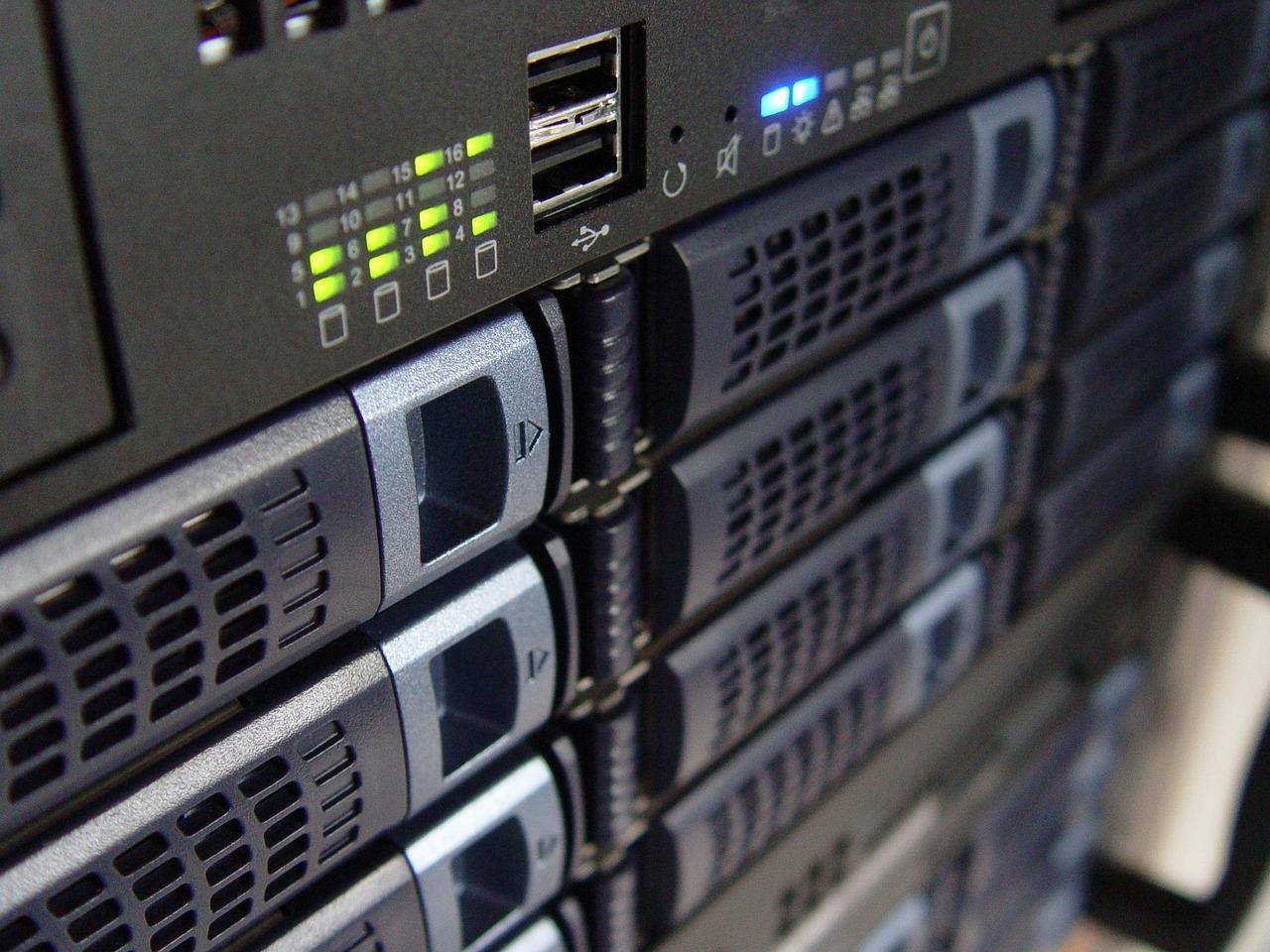
When the Future Knocks on Your Server: Why Quantum Computing Matters for Everyday Hosting
Imagine a world where the speed of light is just the beginning of what’s possible for your server. Sounds like science fiction, right? Well, it’s time to bring that fantasy into focus—because quantum computing is not just a distant dream; it’s rapidly becoming our reality. As we stand on the brink of a technological revolution, the implications for everyday hosting are nothing short of groundbreaking. Whether you run a small blog, manage a bustling e-commerce site, or oversee an intricate digital platform, understanding quantum computing can arm you with insights that will shape your digital future. In this article, we’ll explore why you should pay attention to this game-changing technology, how it can enhance your hosting experience, and what it means for the web as we know it. So, let’s dive in and see what happens when the future knocks on your server!
Understanding Quantum Computing and Its Potential Impact
Quantum computing represents a paradigm shift in the processing power available to us, leveraging the principles of quantum mechanics to perform calculations at speeds unimaginable for traditional computers. While we are still in the early stages of its development, the implications for everyday hosting and data processing are profound. Imagine a world where complex algorithms solve problems in seconds that would take current systems years to crack. This is not science fiction; it’s the new frontier of technology.
At its core, quantum computing uses quantum bits or qubits, which can exist in multiple states simultaneously. This ability to be in multiple states allows quantum computers to handle vast datasets and perform computations at a scale and speed that classical computers simply cannot match. As businesses and individuals alike seek faster solutions for data-heavy tasks, quantum technologies could become not just beneficial, but essential.
The impact of quantum computing on hosting environments is multi-faceted:
- Enhanced Security: Quantum encryption methods are expected to provide levels of security that can thwart even the most sophisticated cyber threats, ensuring that your data remains safe and private.
- Improved Performance: Tasks such as data analysis, machine learning training, and algorithm optimization can be completed in record time, allowing businesses to make decisions faster and more efficiently.
- Scalability: Quantum computing could easily handle the increased demand for computational resources as businesses grow and data needs expand.
Furthermore, as quantum technology advances, we may see the emergence of specialized quantum hosting services. This could allow companies of all sizes to access quantum computing power without needing to invest heavily in their own infrastructure. The potential for democratizing access to quantum capabilities can level the playing field, enabling startups to innovate alongside established giants.
| Benefit | Description |
|---|---|
| Speed | Processes tasks in seconds rather than years. |
| Security | Unprecedented encryption and data protection. |
| Efficiency | Reduces energy consumption for computations. |
As we inch closer to realizing the full potential of quantum computing, it’s essential to consider how it will reshape not only hosting but also industries across the board. Companies that adopt quantum solutions early will likely gain a competitive edge, as they will be able to leverage insights and efficiencies that others cannot yet fathom.
the significance of quantum computing cannot be overstated. For anyone involved in hosting or data management, understanding this technology is crucial. As we stand on the brink of what many describe as the next technological revolution, the time to prepare is now. The future is not just knocking—it’s ready to walk through the door.
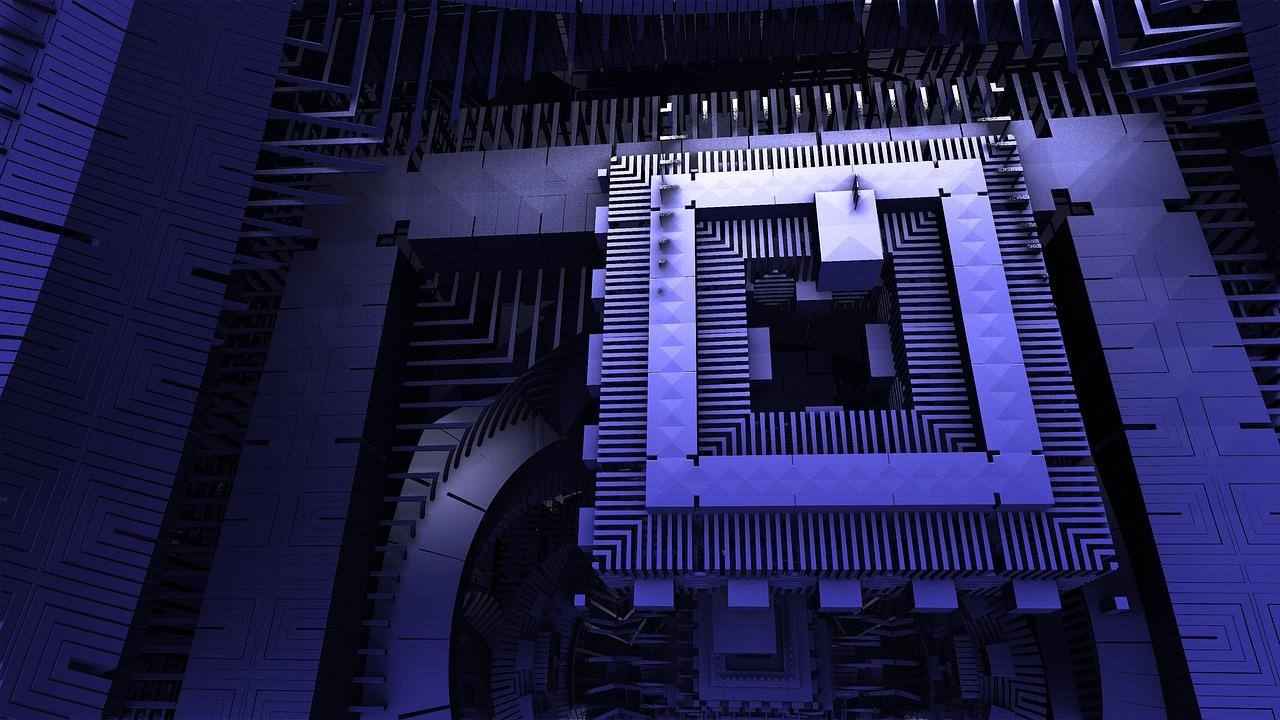
The Basics of Quantum Mechanics in Simple Terms
Quantum mechanics, at its core, is a branch of physics that explores the behavior of matter and energy on the smallest scales—think atoms and subatomic particles. What makes this field fascinating is how it defies our everyday understanding of the world. In classical physics, objects have definite positions and velocities. However, in the quantum realm, particles can exist in multiple states simultaneously until observed. This principle is known as superposition.
Imagine flipping a coin. In classical terms, it’s either heads or tails. But in the quantum world, it could be both heads and tails at the same time until you take a peek. This quirky behavior leads to a variety of phenomena that challenge our conventional thinking. Superposition allows quantum computers to process vast amounts of information simultaneously, vastly outperforming traditional computers for certain tasks.
Another key concept is entanglement, where two particles become interconnected in such a way that the state of one instantly influences the state of the other, regardless of the distance separating them. This means that if you change the state of one entangled particle, its counterpart will change instantly, even if it’s light-years away. This phenomenon can significantly enhance communication protocols and data security in quantum computing, paving the way for a new era of technological advancements.
In the context of hosting services, understanding these principles is crucial. As quantum computing technology matures, it promises to revolutionize how we manage data and perform computations. Here’s what you can expect:
- Faster Processing: Quantum computers could solve complex problems currently impossible for classical computers, allowing for quicker data analysis and decision-making.
- Enhanced Security: The principles of quantum mechanics could lead to unbreakable encryption methods, ensuring your data’s safety in ways never before possible.
- Resource Efficiency: With quantum computing, hosting solutions could optimize resource usage, reducing costs while improving performance and sustainability.
As we look ahead, the integration of quantum computing into everyday hosting could transform how businesses operate. Imagine a hosting service that analyzes your website’s traffic patterns in real time, providing instant recommendations to enhance user experience or optimize server resources. This level of responsiveness could mean the difference between winning and losing customers.
To grasp the impact of quantum mechanics on computing, consider this simple comparison:
| Traditional Computing | Quantum Computing |
|---|---|
| Processes one state at a time. | Processes multiple states simultaneously. |
| Data security relies on complex algorithms. | Utilizes quantum entanglement for secure communication. |
| Limited scalability. | Highly scalable with exponential growth potential. |
the principles of quantum mechanics not only redefine our understanding of the universe but also hold the key to unlocking unprecedented advancements in technology and hosting capabilities. By embracing quantum computing, we’re not just preparing for the future; we’re creating a reality where our digital experiences become faster, more secure, and infinitely more engaging.
How Quantum Computing Differs from Classical Computing
When diving into the realm of computing, one of the most fascinating distinctions arises between quantum and classical computing. While classical computers, which we interact with daily, rely on bits as the smallest unit of data, quantum computers leverage qubits. This foundational difference leads to a multitude of unique capabilities that quantum systems can harness.
Bits vs. Qubits: In classical computing, bits can either be a 0 or a 1; they represent binary states. In contrast, qubits can exist simultaneously in multiple states due to a property known as superposition. This means a qubit can be both 0 and 1 at the same time, allowing quantum computers to process vast amounts of information concurrently. This capability significantly enhances their computational power for specific tasks.
Another key feature is entanglement. When qubits become entangled, the state of one qubit is directly linked to the state of another, no matter the distance between them. This phenomenon enables quantum computers to perform complex calculations at speeds unattainable by their classical counterparts. In scenarios where classical systems would struggle or take impractically long to solve, quantum systems can explore multiple solutions simultaneously.
Parallelism is another game-changer. Classical computers execute one operation at a time in a linear fashion, while quantum computers can tackle multiple operations in parallel. This means that tasks that might take years on traditional hardware could potentially be executed in mere minutes with quantum technology.
Consider some real-world applications where this difference becomes crucial:
- Cryptography: Quantum computing could potentially break current encryption methods, prompting a need for quantum-resistant security measures.
- Drug Discovery: The ability to simulate molecular interactions at unprecedented speeds can revolutionize the pharmaceutical industry.
- Optimization Problems: Industries like logistics and finance stand to gain immensely from improved optimization techniques, making processes faster and more efficient.
To illustrate the differences further, here’s a simple comparison table:
| Feature | Classical Computing | Quantum Computing |
|---|---|---|
| Data Unit | Bit | Qubit |
| State | Either 0 or 1 | 0, 1, or both (superposition) |
| Processing | Sequential | Parallel |
| Power | Limited to linear growth | Exponential growth potential |
while classical computers will continue to serve us well for a range of everyday tasks, quantum computers represent an exciting frontier filled with potential. As the technology matures, it will undoubtedly impact everything from how we secure our data to how industries optimize their operations. Preparing for this shift will be essential for businesses and tech enthusiasts alike, ensuring that we harness the capabilities of quantum computing to enhance everyday hosting and beyond.
Why Your Hosting Needs to Prepare for Quantum Change
As we stand on the edge of a technological revolution, the implications of quantum computing for hosting services are profound. The potential for quantum computers to solve complex problems at unprecedented speeds means that traditional hosting solutions may soon find themselves inadequate. It’s not just a matter of faster processing; it’s about rethinking the entire architecture of data management and security.
First, consider the speed at which quantum computers can process information. Tasks that would typically take classical computers years to complete could potentially be done in mere seconds. This shift can drastically affect:
- Data analysis capabilities
- Real-time processing requirements
- Website loading times and user experience
Moreover, the security landscape is evolving. Quantum computers pose a significant threat to current encryption methods. With the ability to break widely used algorithms, such as RSA and ECC, the data hosted on your servers could be at risk. Transitioning to quantum-resistant encryption will be essential in safeguarding sensitive information against future attacks. Hosting providers must start adopting these new security protocols to stay ahead of potential vulnerabilities.
Another important aspect to consider is the scalability of your hosting services. As quantum computing becomes mainstream, businesses will require hosting solutions that can seamlessly integrate with quantum technologies. This means transitioning from traditional infrastructures to more adaptable, hybrid environments capable of leveraging both quantum and classical computing resources. Vendors that begin this transition early will not only offer a competitive advantage but will also ensure their clients are prepared for the future.
Additionally, as more businesses recognize the importance of quantum computing, there will be a surge in demand for quantum-aware hosting solutions. Providers that embrace this change can position themselves as pioneers in the industry, attracting forward-thinking clients who prioritize innovation. This shift is not merely a technical upgrade; it represents a fundamental change in how we approach hosting and data management.
| Current Hosting Challenges | Quantum Advantages |
|---|---|
| Slow data processing | Ultra-fast computations |
| Vulnerability to hacking | Quantum-resistant encryption |
| Limited scalability | Seamless integration with quantum systems |
the shift towards quantum computing is not merely a technical evolution; it’s a fundamental change in the hosting landscape. As quantum technology advances, those who proactively adapt their hosting services will thrive, while those who ignore this paradigm shift risk obsolescence. The future of hosting will not just be about maintaining uptime or bandwidth, but about embracing a transformative technology that will redefine the entire digital landscape.
The Benefits of Quantum Computing for Everyday Users
Imagine a world where complex problems get solved in seconds rather than years. Quantum computing is on the brink of making this a reality, and the ripple effects will reach each of us in our daily lives. For everyday users, the promise of quantum computing extends beyond tech jargon and into tangible benefits that can enhance the way we interact with technology.
Enhanced Problem Solving: One of the standout advantages of quantum computing is its potential to tackle problems that are currently too intricate for classical computers. From optimizing traffic flows in major cities to streamlining supply chains, quantum algorithms can offer solutions that save time and money. Everyday users will benefit from these efficiencies in their services and products.
Faster Data Processing: Quantum computers can process vast amounts of data at lightning speed. This capability is particularly beneficial for tasks like:
- Real-time data analysis in finance, leading to better investment decisions.
- Improved weather forecasting, enabling more accurate planning for outdoor activities.
- Enhanced machine learning models that offer personalized experiences in apps and services.
Security and Privacy: With the rise of quantum computing comes a new frontier in cybersecurity. Quantum encryption methods promise unprecedented levels of security, protecting sensitive data from cyber threats. Everyday users will enjoy:
- Safer online transactions, leading to peace of mind while shopping.
- Protected personal information as quantum encryption becomes standard.
- A greater trust in digital services, knowing that cutting-edge security measures are in place.
Innovation in Healthcare: Quantum computing has the potential to revolutionize healthcare by speeding up drug discovery and personalized medicine. By analyzing chemical interactions at a quantum level, researchers can identify new treatments much faster. Imagine a scenario where:
| Treatment Type | Traditional Approach Time | Quantum Approach Time |
|---|---|---|
| Drug Discovery | Years | Months |
| Genetic Analysis | Months | Days |
Everyday users could see faster access to life-saving medications and tailored health treatments.
Environmental Impact: Quantum computing also holds promise for tackling environmental challenges. By optimizing energy consumption and improving resource management, quantum technology can help us create a more sustainable future. Everyday users could expect:
- More efficient energy grids that lower utility bills.
- Better waste management solutions in cities.
- Innovative agricultural practices that boost food production while conserving resources.
As quantum computing evolves, it will not only reshape industries but also improve the quality of life for everyday users. The transition to this new computing paradigm may seem distant, but it’s already beginning to influence our world in profound ways. The future is already at our doorstep—let’s welcome it with open arms!
Addressing Security Concerns in a Quantum Future
As we stand on the brink of a new technological era, the implications of quantum computing for security practices are profound and far-reaching. The potential for quantum systems to break traditional encryption methods means that businesses must take proactive steps to safeguard their data before quantum computing becomes mainstream.
One of the critical areas of concern is encryption vulnerability. Current encryption methods such as RSA and ECC (Elliptic Curve Cryptography) rely on the difficulty of certain mathematical problems, which quantum computers could solve rapidly. This raises the urgent question of how to protect sensitive information, especially for organizations that handle customer data, financial records, or intellectual property.
Organizations should consider adopting quantum-resistant algorithms as part of their security architecture. The National Institute of Standards and Technology (NIST) is already working on standardizing post-quantum cryptographic algorithms that can withstand the computational power of quantum systems. Transitioning to these algorithms will not only future-proof your data but also build trust with customers who are increasingly aware of data privacy issues.
Moreover, implementing a robust security framework is essential. This includes:
- Regularly updating security protocols
- Training staff on the implications of quantum computing
- Conducting vulnerability assessments to identify potential weak points in current systems
Another significant aspect is the development of hybrid systems. Organizations can begin to blend traditional and quantum-resistant technologies to create a more resilient security posture. This approach not only prepares systems for the quantum age but also leverages existing infrastructure, thus minimizing the transition costs.
Collaboration will also play a pivotal role in addressing these challenges. Businesses, governments, and academic institutions must work together to share insights, research advancements, and best practices in quantum security. By fostering an environment of collaboration, the industry can accelerate the development of effective security measures that can withstand the quantum threat.
the importance of data integrity cannot be overstated. Organizations should implement systems that not only protect data but also ensure that it remains unchanged and accessible only to authorized users. This could involve the use of blockchain technology or other decentralized solutions, which can provide an additional layer of security against both classical and quantum attacks.
In this rapidly evolving landscape, addressing security concerns related to quantum computing is not just a technical issue; it’s a fundamental business imperative. By taking proactive steps and staying informed, organizations can not only protect themselves today but also thrive in the quantum future.
Integrating Quantum Solutions into Current Hosting Services
As the digital landscape evolves, the integration of quantum solutions into existing hosting services is becoming a significant focus for tech innovators. The potential advantages of quantum computing are too compelling to ignore. By harnessing the power of quantum mechanics, hosting services can enhance their performance, security, and efficiency in ways we are just beginning to understand.
Imagine a hosting environment that can process vast amounts of data simultaneously, thanks to quantum bits (qubits). Unlike classical bits, which can be either a 0 or a 1, qubits can exist in multiple states at once. This principle allows for faster computations, which can dramatically reduce the time needed for data analysis and processing tasks. For businesses that rely heavily on data-driven decisions, this acceleration can lead to improved productivity and rapid innovation.
Moreover, quantum computing offers a revolution in security protocols. Traditional encryption methods, while effective, are vulnerable to advancements in computing power. Quantum key distribution (QKD) utilizes the principles of quantum mechanics to secure data transmission, making it virtually immune to hacking attempts. This level of security is particularly beneficial for industries such as finance and healthcare, where data breaches can have severe consequences.
Integrating quantum solutions doesn’t mean abandoning existing infrastructure. Instead, it provides an opportunity to enhance current systems. Hybrid models that combine classical and quantum computing can help businesses transition smoothly. Here’s how they can coexist:
| Feature | Classical Hosting | Quantum Hosting |
|---|---|---|
| Speed | Standard Processing | Simultaneous Data Processing |
| Security | Encryption Vulnerabilities | Quantum Encryption |
| Cost Efficiency | Moderate | Potential Long-Term Savings |
Adopting quantum solutions allows for a more flexible and dynamic hosting environment. Businesses can customize their hosting solutions based on specific needs, whether it’s for high-performance computing or secure data storage. This adaptability not only increases operational efficiency but also enhances customer satisfaction as service providers can meet diverse demands with greater agility.
the journey towards quantum integration also fosters a culture of innovation within organizations. By investing in cutting-edge technology, companies signal to their teams and clients that they are forward-thinking and committed to remaining competitive in a rapidly changing market. This proactive approach is vital in retaining current customers and attracting new ones.
the potential for integrating quantum solutions into hosting services is immense. From unparalleled processing speeds to fortified security measures, quantum computing is poised to change the hosting landscape. Embracing this technology today means preparing for the challenges and opportunities of tomorrow.
Real-World Applications of Quantum Computing Today
Quantum computing is no longer just a theoretical concept confined to science fiction novels. It is actively reshaping various industries and finding practical applications that could revolutionize the way we handle data, solve complex problems, and manage hosting services. Here are some real-world applications that are making an impact today:
- Cryptography: Quantum computers are set to change the landscape of cybersecurity. They can crack encryption methods that are currently considered secure. This means businesses and individuals must adapt their security protocols to stay ahead of potential threats.
- Drug Discovery: Pharmaceutical companies are leveraging quantum computing to simulate molecular interactions at an unprecedented scale. By doing so, they can discover new drugs faster and with more accuracy, significantly cutting down research and development timelines.
- Supply Chain Optimization: Companies are utilizing quantum algorithms to solve complex logistical problems, improving efficiency in supply chain management. This leads to reduced costs and enhanced service delivery, making everyday operations smoother.
- Financial Modeling: Financial institutions are exploring quantum computing for risk analysis and portfolio optimization. With its ability to process vast amounts of data, quantum technology aids in making more informed investment decisions.
One of the most exciting applications of quantum computing in hosting services is in the realm of data analysis. Hosting providers can harness quantum algorithms to process large datasets significantly faster than traditional computers. This capability enables them to offer enhanced services, such as real-time analytics and improved customer insights.
As we continue to explore the capabilities of quantum computing, it’s important to highlight a few key advantages that it brings to everyday hosting:
| Advantage | Description |
|---|---|
| Speed | Quantum computers can process information at lightning speed, drastically improving data handling times. |
| Scalability | With quantum technology, hosting services can scale more efficiently to meet growing demands. |
| Complex Problem Solving | Quantum algorithms can tackle complex calculations that are infeasible for classical computers, unlocking innovative solutions. |
Moreover, quantum computing opens the door to new types of hosting services. Imagine a cloud platform that utilizes quantum networking to transmit data securely and rapidly across the globe. This not only enhances performance but also fortifies data integrity against emerging cyber threats.
In essence, the infusion of quantum technologies into everyday hosting services signifies a leap towards smarter, faster, and more secure operations. While the full potential of quantum computing is still unfolding, its current applications are already making waves, ensuring that those who adapt will be positioned as leaders in their fields.
The Role of Quantum Computing in Data Processing
As we delve deeper into the digital age, the limitations of classical computing become increasingly apparent, particularly when it comes to processing vast amounts of data. Enter quantum computing—a paradigm shift that promises to revolutionize how we handle data processing. By leveraging the principles of quantum mechanics, quantum computers can perform calculations at unprecedented speeds, making them a game-changer for data-intensive industries.
One of the most significant advantages of quantum computing is its ability to tackle complex problems that would take classical computers millennia to solve. For instance, consider the realm of cryptography. Traditional algorithms that secure our data rely on the difficulty of certain mathematical problems. Quantum computers, however, can solve these problems efficiently, potentially rendering current encryption methods obsolete. This means that businesses must start considering how quantum computing might affect their data protection strategies.
Moreover, quantum computing excels in optimization tasks. In fields such as logistics, finance, and healthcare, optimizing resources can lead to enormous cost savings and efficiency gains. Imagine a logistics company using a quantum computer to optimize delivery routes in real-time for thousands of vehicles, reducing fuel consumption and improving service delivery. This capability isn’t just theoretical; it’s already being explored by industry leaders keen to harness quantum technology for a competitive edge.
Another area where quantum computing shines is in machine learning. By processing data through quantum algorithms, organizations can uncover patterns and insights that classical machines may miss. This can lead to more accurate predictive models, enhanced customer experiences, and innovative product developments. For instance, a retail company could analyze customer behavior in ways that allow for hyper-personalized marketing strategies, driving sales and customer loyalty.
It’s essential to note, however, that as we embrace these advancements, we must also prepare for the challenges they bring. The integration of quantum computing into existing data processing infrastructures is not without its hurdles. Consider the following:
- Infrastructure Upgrades: Existing systems may require significant updates to interface with quantum technologies.
- Skill Gaps: Organizations will need to invest in training or hiring talent proficient in quantum algorithms and applications.
- Cost Considerations: While quantum technology offers great potential, the initial investment can be high.
To further illustrate the potential impact of quantum computing on data processing, let’s take a look at a simple comparison of traditional versus quantum computing capabilities:
| Aspect | Traditional Computing | Quantum Computing |
|---|---|---|
| Processing Speed | Limited by classical bits | Utilizes qubits for exponential speedup |
| Problem Solving | Linear and polynomial problems | Complex and NP-hard problems |
| Data Security | Vulnerable to advanced threats | Potentially invulnerable with quantum encryption |
the implications of quantum computing for data processing are profound. As organizations begin to recognize the potential of this technology, those who act early will likely find themselves at the forefront of innovation. By embracing quantum computing, businesses not only prepare for the future but also gain a sustainable advantage in today’s data-driven world. The future of hosting and data processing is not just on the horizon; it’s knocking on our servers, ready to reshape our digital landscape.
Future-Proofing Your Hosting Strategy with Quantum Insights
As we stand on the brink of a technological revolution, the landscape of hosting is set to transform dramatically. Quantum computing is not just a buzzword; it’s a breakthrough that could redefine how data is processed and managed. By embracing quantum insights, businesses can ensure their hosting strategies are not just relevant today, but also resilient for the future.
So, why should you care about quantum computing in your hosting strategy? Here are a few compelling reasons:
- Enhanced Processing Power: Quantum computers can handle complex calculations at speeds unimaginable with traditional systems. This means faster data analysis and improved performance for applications that require heavy computational resources.
- Increased Security: Quantum encryption methods promise unparalleled security for data transmission. By utilizing quantum key distribution, businesses can protect sensitive data against even the most sophisticated cyber threats.
- Optimized Resource Management: Quantum algorithms can optimize resource allocation and server load balancing, leading to more efficient hosting environments and reduced downtime.
When integrating quantum insights into your hosting strategy, consider the following aspects:
| Aspect | Traditional Hosting | Quantum-Enhanced Hosting |
|---|---|---|
| Data Processing | Linear processing speeds | Exponential processing capabilities |
| Security | Standard encryption | Quantum encryption |
| Scalability | Resource-intensive | Dynamic and resource-efficient |
It’s essential to stay ahead in a world where technological advancements happen at lightning speed. By prioritizing quantum insights now, you can avoid being left behind. Companies that proactively adapt are more likely to thrive in the increasingly competitive digital landscape.
Moreover, aligning your hosting strategy with future technologies can enhance your brand’s reputation. Clients and partners will appreciate your commitment to innovation and security, making your services more desirable in the marketplace.
the integration of quantum computing into hosting strategies is not a distant dream; it’s a necessity. By taking steps today to understand and implement quantum insights, you can ensure your hosting environment is equipped to handle the challenges of tomorrow. The future is knocking—are you ready to answer?
What to Look for in a Quantum-Ready Hosting Provider
As quantum computing rapidly evolves, businesses must ensure their hosting providers are equipped to handle the future’s demands. Here are several critical aspects to consider to ensure your hosting solution is quantum-ready:
- Scalability: Look for providers that offer scalable solutions, allowing you to adapt as quantum technology advances. Quantum workloads can vary significantly, so ensure your provider can grow with your needs.
- Security Measures: Quantum computing has the potential to break traditional encryption methods. Seek out hosting providers that employ quantum-resistant algorithms and advanced security protocols to safeguard your data against emerging threats.
- Performance Optimization: The best providers will have infrastructure designed to optimize performance for quantum applications. This includes low-latency networks and high-speed data processing capabilities to effectively handle complex computations.
- Expertise in Quantum Technologies: Your provider should have a team well-versed in quantum computing principles. Their expertise will ensure they can support your transition to quantum applications and address any challenges that arise.
Another important factor is the provider’s commitment to research and development. Industry leaders will actively invest in exploring quantum technology and its implications for hosting. This means they will be at the forefront of innovations that can enhance your services.
Consider the provider’s partnerships and collaborations as well. A hosting service that engages with academic institutions, research organizations, and tech giants in the quantum field is likely to provide cutting-edge solutions and access to emerging technologies.
| Feature | Importance | Considerations |
|---|---|---|
| Scalability | Essential for growth | Look for flexible packages |
| Security | Crucial for data integrity | Ensure encryption is quantum-resistant |
| Performance | Impacts speed and efficiency | Check for low-latency networks |
| Expertise | Key for effective support | Review the team’s qualifications |
Lastly, don’t overlook customer support. A quantum-ready hosting provider should offer robust support channels, including 24/7 assistance, to address issues as they arise, especially as businesses transition into the quantum era.
By focusing on these essential criteria, you’ll be well-equipped to select a hosting provider that not only meets your current needs but also prepares you for a future influenced by quantum computing. Investing wisely in a quantum-ready provider can set your business on a path of innovation and success.
Navigating the Transition: Steps Towards Quantum Adoption
As businesses and individuals begin to grasp the implications of quantum computing, navigating this transition requires a clear strategy. The good news is that you don’t need to be a quantum physicist to start preparing your infrastructure for the impending changes. Below are some actionable steps to help you embrace quantum technology.
- Educate Your Team: Start by providing resources and training for your team. Understanding the basics of quantum computing will help demystify the technology and foster a culture open to innovation.
- Assess Current Infrastructure: Take a close look at your existing hosting setup. Identify components that may need upgrading to accommodate quantum advancements. This includes evaluating data security protocols, storage solutions, and data processing capabilities.
- Pilot Quantum Solutions: Before fully committing, consider running small-scale pilot programs that utilize quantum algorithms. This will give you a hands-on understanding of how quantum computing can enhance your processes without the risks of a full rollout.
Moreover, establishing partnerships with quantum service providers can also ease the transition. These partnerships can provide access to cutting-edge technology and expertise that may be lacking in-house. It’s like having a guiding hand as you navigate the complexities of this new frontier.
Another crucial aspect of this transition is staying informed about industry trends. Regularly follow quantum computing news, attend conferences, and engage with online forums. Staying connected will help you anticipate changes in technology and understand how they can impact your hosting operations.
| Action Item | Purpose |
|---|---|
| Educate Team | Build foundational knowledge |
| Assess Infrastructure | Identify upgrade needs |
| Pilot Programs | Test quantum capabilities |
| Partner with Experts | Leverage specialized knowledge |
| Stay Updated | Remain competitive and informed |
Don’t forget to consider the ethical implications of quantum computing as well. As with any powerful technology, the potential for misuse exists. Engaging in conversations about the ethical use of quantum resources will position you as a leader in responsible technology adoption.
Lastly, begin to formulate a long-term strategy that incorporates scalability. Quantum computing is not a one-off investment; it’s a journey. Plan how you can gradually integrate quantum capabilities into your existing systems while allowing for flexibility and adaptation as the technology evolves.
Common Misconceptions About Quantum Computing Debunked
Quantum computing often evokes a mix of awe and confusion, leading to several misunderstandings about its capabilities and implications. While it’s easy to get lost in the technical jargon, let’s clear the air about some of the most common misconceptions.
- Quantum Computers Will Replace All Classical Computers: Many believe that quantum computers will completely overshadow classical computers. In reality, quantum computers are designed to handle specific problems much faster than their classical counterparts, particularly in fields like cryptography and optimization. For everyday tasks, classical computers will likely remain more practical for years to come.
- Quantum Computing is Just a Fad: The notion that quantum computing is merely a passing trend overlooks the substantial investments being made by tech giants and governments. Research and development in this field are advancing rapidly, indicating that quantum computing is set to become a significant force in technology.
- All Quantum Computers Are the Same: It’s a common misconception that all quantum computers operate under the same principles. In truth, there are various types of quantum computing architectures, such as superconducting qubits, trapped ions, and topological qubits. Each has unique strengths, making them suitable for different types of problems.
- Quantum Computers Are Just Faster Classical Computers: Many people think of quantum computers as simply faster versions of classical computers. However, they utilize fundamentally different mechanisms for processing information, offering new forms of computation that classical computers cannot achieve, such as superposition and entanglement.
To further illustrate the differences, consider the following table comparing classical and quantum computing capabilities:
| Feature | Classical Computing | Quantum Computing |
|---|---|---|
| Data Processing | Sequential | Parallel |
| Problem Solving | Specific Algorithms | Quantum Algorithms |
| Data Representation | Bits (0s and 1s) | Qubits (0, 1, or both) |
| Performance in Specific Tasks | Limited | Exponential Growth |
Moreover, many worry that quantum computing will make current encryption methods obsolete overnight. While it’s true that quantum computers could potentially crack many existing encryption schemes, researchers are actively developing quantum-resistant algorithms. This means that instead of a sudden upheaval, we can expect a gradual shift towards more secure methods of data protection.
- Quantum Computing is Only for Scientists and Researchers: Some might think that quantum computing is restricted to high-level academics or specialized industries. In reality, the implications of quantum technology will filter down to everyday applications, enhancing everything from AI to cloud computing.
- Quantum Computing is Too Complicated for Businesses: While the technology is complex, quantum computing platforms are being designed with user-friendliness in mind. Cloud access and simplified programming languages are making it easier for businesses of all sizes to harness quantum power.
As we continue to debunk these myths, it becomes clear that quantum computing is not just a distant concept but a burgeoning reality that could redefine the future of hosting and data processing. Understanding these misconceptions can empower businesses and individuals to prepare for the significant changes on the horizon.
Embracing the Quantum Revolution: A Call to Action for Businesses
As businesses navigate the digital landscape, the emergence of quantum computing presents a golden opportunity. It’s not just a buzzword; it’s a paradigm shift that can redefine how organizations handle data, process information, and deliver services. Companies that adopt quantum strategies now will find themselves at a distinct advantage in the marketplace.
Why should businesses care about quantum computing? Here are a few compelling reasons:
- Enhanced Processing Power: Quantum computers operate on qubits, allowing them to process complex calculations at speeds unattainable by classical machines.
- Improved Security: With quantum encryption, data breaches could become a relic of the past, offering businesses peace of mind in an era where data security is paramount.
- Innovation in Problem Solving: From logistics to pharmaceuticals, the ability to tackle complex problems could lead to breakthroughs that were previously unimaginable.
Implementing quantum solutions doesn’t mean abandoning existing infrastructure. Instead, it integrates with your current systems, boosting performance while increasing efficiency. Companies should consider the following strategic steps:
| Step | Description |
|---|---|
| Research | Stay informed about quantum advancements and how they can apply to your industry. |
| Invest | Allocate resources for training and developing quantum computing capabilities. |
| Collaborate | Partner with tech firms specializing in quantum technology to leverage their expertise. |
Moreover, engaging with the quantum community can open doors to innovation. By participating in workshops, conferences, and online forums, businesses can share knowledge and explore collaborative opportunities. This not only accelerates learning but also fosters a culture of innovation.
Looking ahead, the practical applications of quantum computing are staggering:
- Supply Chain Optimization: Quantum algorithms can analyze vast amounts of data to streamline operations.
- Financial Modeling: Businesses can use quantum simulations to predict market trends more accurately.
- Artificial Intelligence: Enhanced machine learning capabilities through quantum processing can lead to smarter AI solutions.
Ultimately, the question is not whether to embrace quantum computing, but how quickly can businesses adapt to this new reality? The clock is ticking, and those who take action now will likely enjoy the largest share of future rewards. The quantum revolution is not just a technological evolution; it’s a transformative journey that every business must embark on to stay relevant in a rapidly changing world.
Frequently Asked Questions (FAQ)
Q&A: When the Future Knocks on Your Server: Why Quantum Computing Matters for Everyday Hosting
Q1: What exactly is quantum computing, and why should I care about it?
A1: Great question! Quantum computing is a revolutionary technology that leverages the principles of quantum mechanics to process information in ways that classical computers simply can’t. Imagine being able to solve complex problems in seconds that would take traditional computers thousands of years! For everyday hosting, this means enhanced efficiency, security, and speed. If you care about keeping up with technological advancements and ensuring your business stays competitive, then quantum computing should definitely be on your radar.
Q2: How does quantum computing impact hosting services specifically?
A2: Well, think about it: hosting services are all about managing and processing data. Quantum computers can handle massive datasets at lightning speed, which can significantly improve the performance of hosting services. This means faster load times for websites, quicker data retrieval, and even the ability to run complex analyses in real-time. If you’re running an online business, these improvements could translate to a better user experience and increased customer satisfaction.
Q3: Isn’t quantum computing still a long way off? Why should I invest time in learning about it now?
A3: It might seem like quantum computing is still in the realm of science fiction, but the truth is that significant advancements are happening right now! Major tech companies are investing heavily in quantum research, and early applications are already emerging. By understanding and staying informed about quantum computing, you can position yourself ahead of the curve. Think of it as preparing for the future—just like businesses that adopted cloud computing early on reaped the benefits.
Q4: What are the security implications of quantum computing for my hosted data?
A4: Ah, security is a biggie! Traditional encryption methods rely on the computational limits of classical computers. However, quantum computers can potentially break these encryption methods, which raises concerns about data security. But here’s the silver lining: quantum computing also gives rise to quantum encryption, which promises unparalleled security. By embracing quantum technology, you can ensure that your hosted data remains safe, even in a post-quantum world.
Q5: Can small businesses really benefit from quantum computing, or is it just for large corporations?
A5: Absolutely, small businesses can—and should—benefit from quantum computing! While it’s true that large corporations often have the resources to invest in cutting-edge technology, the benefits of quantum computing will gradually trickle down. As hosting services adopt quantum technologies, you’ll find that they become more accessible and affordable. This means small businesses can leverage the same powerful tools to enhance their operations and compete effectively in the market.
Q6: What should I do if I want to prepare for the quantum future in my hosting strategy?
A6: Start by educating yourself! Follow the latest developments in quantum computing and how they relate to hosting. Look for hosting providers that are already exploring quantum solutions or partnerships. Additionally, consider scalable and flexible hosting options that can adapt to future technological shifts. By being proactive, you’ll not only be ready for quantum computing when it arrives but also help ensure your business thrives in the evolving digital landscape.
Q7: Where can I learn more about quantum computing and its applications?
A7: There are plenty of fantastic resources out there! Websites like IBM Quantum, Google Quantum AI, and educational platforms like Coursera and edX offer courses and materials. Additionally, tech blogs and industry publications often feature articles discussing the latest in quantum computing. Stay curious, ask questions, and you’ll find yourself well-informed and ready to embrace the future!
By understanding the importance of quantum computing today, you’re not just keeping up; you’re getting ahead! So, when the future knocks on your server, you’ll be more than ready to answer.
In Retrospect
As we wrap up our journey into the intriguing world of quantum computing and its implications for everyday hosting, it’s clear that the future is not just approaching—it’s already at the door, ready to transform how we think about technology. Imagine a world where your website operates at lightning speed, data security is virtually unbreakable, and complex computations are handled effortlessly. This is not a distant dream; it’s an imminent reality thanks to quantum advancements.
So, whether you’re a small business owner, a tech enthusiast, or just someone curious about the next wave of computing, it’s time to start paying attention. Embracing quantum technology could give your hosting capabilities the boost they need to stay competitive in an ever-evolving digital landscape.
Don’t let the future pass you by. Explore your options, educate yourself about quantum innovations, and consider how these breakthroughs can elevate your online presence. After all, when the future knocks, it’s best to be ready to open the door wide!