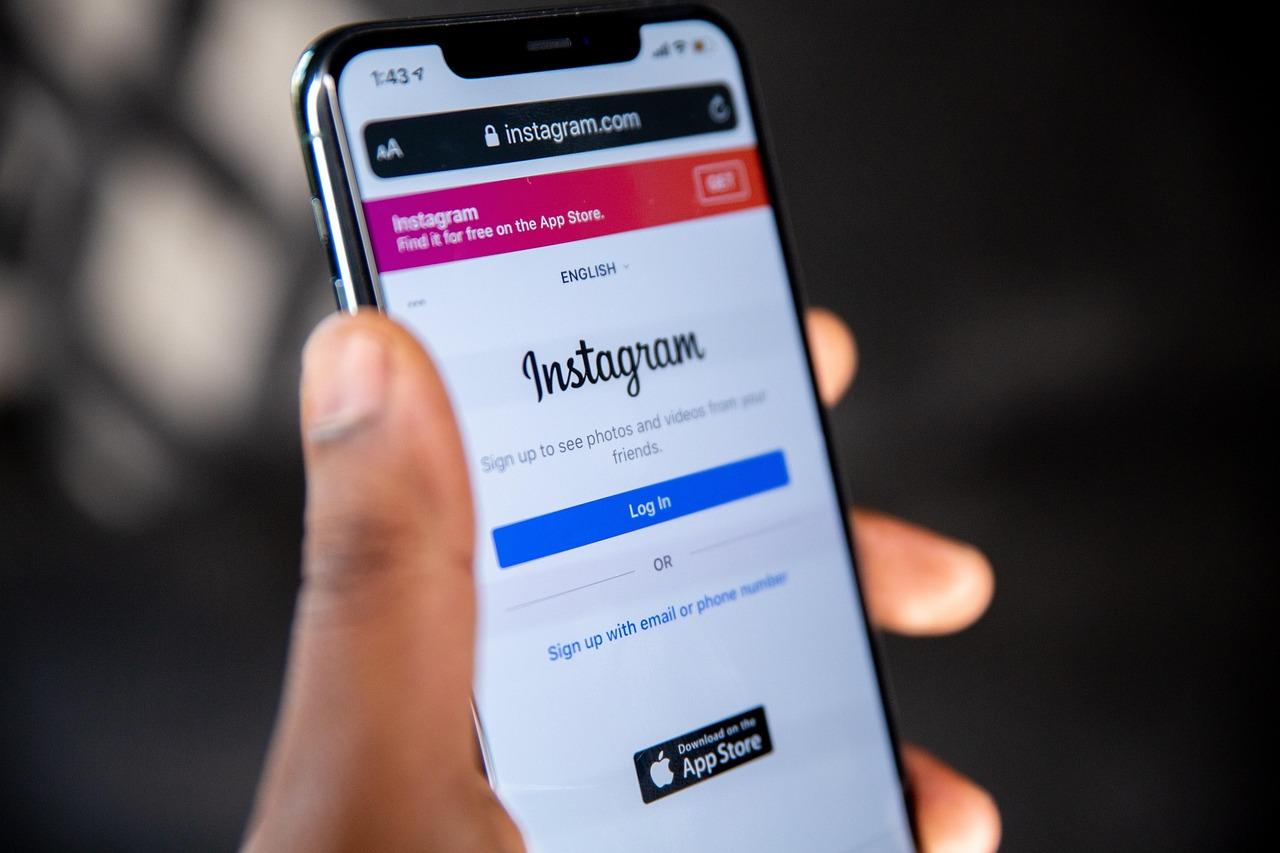
In today’s digital landscape, where your audience can access content from a myriad of devices—be it a smartphone, tablet, or desktop—the need for a seamless user experience has never been more critical. Enter adaptive web design: a game-changing approach that tailors your website to meet the unique needs of each user, regardless of their device. But what exactly is adaptive web design, and why should you consider it for your next project? Whether you’re a seasoned web developer or a business owner looking to enhance your online presence, understanding the ins and outs of adaptive design can give you a competitive edge. In this article, we’ll unpack the essentials of adaptive web design, explore its many benefits, and help you determine when it’s the right choice for your website. Get ready to rethink how you approach design and elevate your user experience to new heights!
Understanding Adaptive Web Design and Its Importance
Adaptive web design is a strategic approach that ensures your website functions seamlessly across a variety of devices and screen sizes. Unlike traditional web design methods that may only focus on a singular layout, adaptive design utilizes multiple fixed layouts that adjust according to the device accessing the website. This means that whether a user is on a smartphone, tablet, or desktop, they receive a tailored experience that enhances usability and engagement.
One of the core tenets of adaptive web design is its focus on user experience. By predicting the devices that visitors are likely to use, you can create distinct layouts optimized for those specific screens. This targeted approach can lead to several benefits:
Improved Load Times: Since the website delivers only the necessary assets for each device, load times are significantly reduced.
Enhanced Usability: Users can navigate your site easily, regardless of the device, leading to lower bounce rates.
Higher Conversion Rates: An intuitive and responsive experience encourages users to engage further, ultimately leading to increased conversions.
Adaptive design is particularly important in today’s digital landscape, where mobile traffic is rapidly increasing. According to recent statistics, over 50% of global web traffic now comes from mobile devices. Failing to adopt an adaptive design could mean losing out on a significant portion of potential customers. A website that doesn’t cater to mobile users can frustrate visitors, prompting them to seek out competitors with a better experience.
So, when should you consider implementing adaptive web design? Here are some scenarios to keep in mind:
When your target audience primarily accesses your site via mobile devices.
When you have a diverse array of content that needs to be displayed differently based on screen size.
When you want to future-proof your website as new devices are constantly being released.
Adaptive design isn’t just about aesthetics; it also plays a vital role in SEO performance. Search engines prioritize sites that provide a good user experience. By ensuring your website adapts to any device, you can improve your rankings, making your business more visible to potential customers. Furthermore, a well-structured site can facilitate better crawling by search engine bots, leading to improved indexing.
Device Type
Adaptive Features
Smartphones
Touch-friendly buttons, simplified navigation
Tablets
Expanded content areas, swipe gestures
Desktops
Rich media content, complex layouts
understanding and implementing adaptive web design is crucial for businesses aiming to thrive in a competitive digital marketplace. It’s not just about creating a visually appealing site; it’s about crafting an experience that resonates with your audience, regardless of how they choose to engage with your content. As technology evolves, so too should your approach to web design—embracing adaptability will ensure you stay ahead of the curve.
The Key Differences Between Adaptive and Responsive Design
When it comes to web design, understanding the distinction between adaptive and responsive design is crucial for creating a seamless user experience. Both approaches aim to enhance usability across various devices, but they do so in fundamentally different ways.
Adaptive design is like a well-tailored suit; it adjusts its fit depending on the specific device being used. This approach often involves creating multiple fixed layouts based on the screen size. Imagine your website detecting the device and serving up an optimized layout designed explicitly for that form factor. This ensures that users receive a consistently high-quality experience, regardless of whether they’re on a desktop, tablet, or smartphone.
In contrast, responsive design acts like a flexible fabric that stretches and molds itself to fit any screen size. A responsive website uses fluid grids and flexible images, allowing the layout to change dynamically as the device’s screen size changes. This means that instead of creating separate layouts, you design a single layout that responds fluidly to the viewing environment.
Here are some key differences to consider when deciding which approach to implement:
Layout Creation: Adaptive design requires multiple layouts for different screen sizes, while responsive design relies on a single layout that adjusts.
User Experience: Adaptive design can offer a more tailored experience, potentially improving performance on specific devices, whereas responsive design focuses on a uniform experience across all devices.
Development Time: Adaptive design can take longer to develop due to the need for multiple layouts. Responsive design may require less time since it’s based on one adaptable layout.
Maintenance: Maintaining an adaptive design can be more complex due to the multiple versions of the site, whereas responsive design typically simplifies updates.
It’s also worth mentioning that both methods can coexist effectively. A website may use responsive design for general layouts while employing adaptive elements for specific features that require tailored approaches. Finding the right balance can lead to an optimal user experience that caters to the diverse needs of your audience.
Feature
Adaptive Design
Responsive Design
Layout Flexibility
Fixed layouts for defined breakpoints
Fluid layouts that adjust seamlessly
Performance
Potentially faster load times on specific devices
May have longer load times due to larger assets
User Experience
Highly tailored experience per device
Consistent experience across all devices
Ultimately, the choice between adaptive and responsive design depends on your specific project goals, audience, and the level of user experience you wish to provide. Analyzing your user analytics and testing can guide your decision in selecting the most effective approach for your website.
How Adaptive Design Works: A Closer Look at Breakpoints
Adaptive design focuses on creating a website that can adjust to various screen sizes and devices, but it does so through specific breakpoints. These breakpoints act as predetermined points at which the layout of the website changes to provide an optimal user experience. Understanding how these breakpoints work can significantly enhance the effectiveness of your website.
Breakpoints are usually set based on the width of the browser window, allowing designers to create distinct layouts for different screen sizes. Here’s how they typically function:
Fixed Widths: Designers choose specific widths—such as 320px for mobile, 768px for tablets, and 1024px for desktops—where the layout will shift. This approach ensures that each viewport feels tailored to its device.
Fluid Grids: Alongside fixed widths, fluid grids can be implemented. This method allows elements to resize dynamically, leading to a smoother transition between breakpoints.
Media Queries: CSS media queries play a crucial role in adaptive design. They allow specific styles to be applied depending on the screen size, ensuring the right layout appears at the right time.
One of the advantages of using breakpoints in adaptive design is the ability to optimize content delivery. By analyzing user behavior and device metrics, designers can set breakpoints that cater to the most common screen sizes. This leads to:
Improved Usability: Users have a better experience when content is presented in a format that’s easy to read and navigate on their device.
Faster Load Times: By serving only the necessary elements for each device, adaptive design can contribute to quicker load times, enhancing user satisfaction.
Increased Engagement: A well-adapted site keeps users engaged longer, reducing bounce rates and encouraging interaction.
When determining breakpoints, it’s essential to consider not just standard devices but also the specific audience your website caters to. A targeted approach might involve:
Device Type
Common Widths
Recommended Breakpoint
Mobile
320px – 480px
360px
Tablet
600px – 800px
768px
Desktop
1024px - 1440px
1280px
understanding and implementing breakpoints in adaptive design is essential for creating a website that meets the needs of diverse users. By focusing on how your content appears across different devices, you can create a seamless experience that not only attracts visitors but also keeps them coming back for more.
When to Choose Adaptive Design Over Other Approaches
When deciding on a web design strategy, it’s essential to evaluate your project’s specific needs and goals. Adaptive design is a unique approach that can shine in various scenarios, particularly when certain conditions are met. Understanding when to leverage this method can significantly enhance user experience and engagement.
One key scenario for choosing adaptive design is when targeting specific devices. If your audience primarily accesses your site through particular devices, such as tablets or smartphones, adaptive design allows you to tailor experiences to those platforms. This approach involves creating multiple fixed layouts that adapt to various screen sizes, ensuring that users have optimal viewing and interaction experiences.
Another important factor is performance. For websites that need to load quickly on limited bandwidth or older devices, adaptive design can provide a streamlined experience by serving only the necessary layout and assets. Unlike responsive design, which can sometimes load all resources regardless of the device, adaptive design can significantly reduce load times by catering to specific device capabilities.
Adaptive design can also be beneficial for content-heavy sites. When your site relies on rich media, like images or videos, having tailored layouts can improve how this content is displayed on different devices. By creating separate designs for desktop and mobile, you can optimize media delivery, ensuring that users enjoy a seamless experience without overwhelming their devices.
Consider the nature of your audience’s needs. If you know that your users are likely to perform specific actions, such as filling out forms or making purchases, adaptive design lets you create focused layouts that facilitate these tasks. By analyzing user behavior, you can develop targeted experiences that lead to higher conversion rates and better overall satisfaction.
Ultimately, adaptive design is a powerful choice when you want to deliver a highly tailored user experience. It’s especially effective in scenarios where speed, specific device targeting, and content optimization are priorities. By carefully assessing your project’s requirements, you can make an informed decision that leverages the strengths of adaptive design to achieve your web goals.
Scenario
Benefits of Adaptive Design
Targeting Specific Devices
Optimized layouts for user experience on various devices.
Performance on Limited Bandwidth
Faster load times by serving only necessary resources.
Content-Heavy Sites
Better media display and optimized content delivery.
User-Centric Actions
Focused layouts that enhance conversions and engagement.
Benefits of Adaptive Web Design for User Experience
Adaptive web design offers a multitude of advantages that significantly enhance user experience. With a focus on dynamically adjusting layouts based on the user’s device, it ensures that visitors enjoy a seamless interaction regardless of whether they are browsing on a smartphone, tablet, or desktop.
One of the most notable benefits is improved accessibility. By tailoring content and layout, adaptive designs can cater to various user needs and preferences, ensuring that everyone, including those with disabilities, can navigate your website effortlessly. This inclusivity not only broadens your audience but also fosters loyalty.
Furthermore, adaptive design optimizes loading speeds. Websites that adjust based on screen size tend to load faster, particularly on mobile devices, where users often expect quick access to information. Faster load times reduce bounce rates and keep users engaged, ultimately translating to higher conversion rates.
Another key advantage is enhanced performance across devices. With adaptive design, each version of your website is specifically optimized for the device it’s being viewed on. This means graphics, text, and navigation elements are all reformatted, providing an aesthetically pleasing and functional experience tailored to the user’s context.
Additionally, adaptive web design can lead to better SEO performance. Search engines favor websites that deliver a positive user experience. By reducing loading times and ensuring mobile-friendliness, adaptive sites are more likely to rank higher in search results, driving organic traffic and enhancing visibility.
Moreover, this design approach facilitates simplified maintenance. Instead of managing multiple versions of a website or relying on separate mobile sites, an adaptive design allows for centralized updates. This not only saves time and resources but also ensures consistency across all user experiences.
To illustrate the benefits clearly, take a look at the following table:
Feature
Adaptive Design
Traditional Design
Loading Speed
Optimized for each device
Can be slow on mobiles
User Engagement
Higher retention rates
Potentially higher bounce rates
SEO Benefits
Improved rankings
May require separate SEO strategies
Maintenance
Centralized updates
Multiple versions to manage
the benefits of adaptive web design extend far beyond aesthetics. By enhancing accessibility, performance, SEO, and maintenance, it directly contributes to a superior user experience. As we continue to embrace a mobile-first world, implementing an adaptive design strategy is not just a trend; it’s a necessity for any forward-thinking website.
Optimizing Performance: How Adaptive Design Can Speed Up Your Site
When it comes to website performance, every millisecond counts. A sluggish site can frustrate users, leading to high bounce rates and lost conversions. This is where adaptive design shines. By tailoring your site’s layout and content to fit the device being used, you can drastically improve load times and user experience.
Here’s how adaptive design contributes to optimizing performance:
Device-Specific Layouts: Adaptive design allows you to create distinct layouts for different devices—desktop, tablet, and mobile. This means you can prioritize content and features that matter most to your users based on their device.
Reduced HTTP Requests: By loading only the necessary resources for a user’s device, adaptive design minimizes HTTP requests, which are often a bottleneck for site performance.
Faster Rendering: Adaptive designs can enhance the rendering speed on various devices by eliminating unnecessary elements, allowing for a streamlined browsing experience.
Implementing adaptive design is not just about aesthetics; it’s a strategic approach that aligns with user behavior. Here’s a quick look at how adaptive design compares to other design methodologies:
Design Type
Performance Impact
Best Use Case
Adaptive Design
Highly optimized for speed
Targeted content delivery
Responsive Design
Good, but can be slower due to fluid resizing
Uniform experience across all devices
Static Design
Fast, but lacks flexibility
Fixed content needs
This table illustrates how adaptive design stands out when it comes to performance optimization. The key advantage is its ability to provide users with exactly what they need while minimizing load times. By understanding the strengths of adaptive design, you can make informed decisions about your site’s structure.
if your goal is to enhance site performance and user satisfaction, adaptive design is a powerful tool in your arsenal. By creating a tailored experience for each device, you not only cater to the specific needs of your visitors but also ensure that your site remains competitive in a fast-paced digital landscape.
Real-World Examples of Successful Adaptive Websites
When exploring the landscape of adaptive web design, it’s essential to look at real-world examples that exemplify how effective this approach can be. Many notable companies have successfully implemented adaptive design strategies, enhancing user experience and improving overall engagement.
1. Amazon: The e-commerce giant has mastered adaptive design by creating a seamless shopping experience across devices. Whether you’re browsing on a smartphone or a desktop, Amazon adapts its layout to ensure that users can easily navigate and find products. This dynamic approach not only boosts user satisfaction but also drives sales.
2. The Boston Globe: This news website is a perfect example of adaptive design in action. The Globe’s website automatically adjusts its content layout to deliver the best reading experience, whether on a tablet, smartphone, or desktop. The adaptive features enhance readability and accessibility, ensuring that readers remain engaged with the news no matter their device.
3. Netflix: With millions of subscribers across various platforms, Netflix has implemented adaptive design to streamline the viewing experience. The platform adjusts its interface based on the user’s device, ensuring that thumbnails, titles, and navigation elements are optimized for smaller screens or larger displays. This flexibility is crucial in keeping users hooked.
4. Airbnb: The travel and accommodation service uses adaptive design to create a user-friendly interface that caters to a diverse audience. By adapting their site elements based on the device used—whether a mobile phone for quick searches or a desktop for detailed planning—Airbnb enhances the overall booking experience, making it simpler for users to find and reserve accommodations.
5. Microsoft: Their Office 365 suite is designed with adaptability in mind. The platform offers a consistent experience across devices, ensuring users can access documents and tools seamlessly. Microsoft’s adaptive design enhances productivity, allowing users to switch between devices without losing functionality.
Company
Adaptive Features
Benefits
Amazon
Dynamic layouts based on device
Improved navigation and sales
Boston Globe
Content adjustment for readability
Enhanced user engagement
Netflix
Optimized interface across platforms
Seamless viewing experience
Airbnb
User-friendly interface adaptation
Simple booking process
Microsoft
Consistent experience across devices
Increased productivity
These examples illustrate the profound impact of adaptive web design on user experience and business success. By prioritizing adaptability, these companies not only cater to their diverse audience but also create a more engaging and efficient online environment.
Best Practices for Implementing Adaptive Web Design
Implementing adaptive web design isn’t just about making your site look good on all devices—it’s about creating a seamless user experience that caters to varying needs and contexts. Here are several best practices to keep in mind:
Understand Your Audience: Before diving into design, take the time to analyze who your users are. Utilize analytics tools to gather data on device usage, screen sizes, and user behavior. This understanding will guide your design decisions and help prioritize which devices to target.
Prioritize Content: Different devices have different content needs. Mobile users typically seek quick information, while desktop users may prefer detailed content. Structure your content hierarchy to ensure that the most critical information is easily accessible across all platforms.
Flexible Layouts: Use fluid grids and flexible layouts to create a site that adapts to varying screen sizes. CSS media queries are your best friends here, allowing you to adjust styles based on the device’s characteristics.
Optimize Images: High-resolution images can slow down your site on mobile devices. Implement responsive images that adjust based on the user’s screen size. Use tools like srcset to serve appropriately sized images without compromising quality.
Test Across Devices: Regular testing is critical. Make a habit of checking how your site performs on different devices and platforms. Tools like BrowserStack or Google’s Mobile-Friendly Test can help identify issues that might affect user experience.
Moreover, maintaining a consistent brand identity while adapting your design is essential. This consistency reinforces brand recognition and builds trust with your audience.
Device Type
Common User Intent
Design Focus
Smartphones
Quick access to information
Streamlined navigation, larger buttons
Tablets
Interactive content engagement
Visual appeal, touch-friendly elements
Desktops
In-depth research
Detailed layouts, comprehensive information
remember that adaptive web design is an ongoing process. User preferences and technology trends evolve, so staying updated with the latest design practices is crucial. Continually seek feedback from users, and don’t hesitate to iterate on your design based on their insights.
Common Pitfalls to Avoid in Adaptive Web Design
When diving into adaptive web design, it’s crucial to be aware of several common pitfalls that can undermine the effectiveness of your approach. With a focus on creating a seamless user experience across various devices, the following missteps should be avoided to ensure your site’s success.
Neglecting User Testing: One of the biggest mistakes is assuming that your design will work perfectly across all devices without thorough testing. Always conduct user testing on actual devices to see how your site performs.
Overcomplicating Layouts: Simplicity is key in adaptive design. Using overly complex layouts can confuse users and lead to frustration. Stick to clear, intuitive designs that facilitate navigation.
Ignoring Content Adaptation: Just adapting the layout isn’t enough; the content must also be tailored for different screen sizes. Ensure text, images, and other elements adapt or are replaced to maintain relevance and readability.
Failing to Optimize Load Times: With adaptive design, the temptation is to include rich media. However, ensure that images and videos are optimized for speed to enhance performance, especially on mobile devices.
A common oversight is creating a design that is too rigid. While adaptive design focuses on specific breakpoints, it’s essential to allow some flexibility in your layouts. This adaptability ensures that users on unexpected devices still enjoy a good experience.
Another frequent error is not keeping up with evolving technology. The digital landscape changes rapidly, and devices continue to diversify. Regularly revisit and update your design to accommodate new screen sizes and resolutions, ensuring that users are always greeted with an optimal experience.
Lastly, do not underestimate the power of analytics. Failing to track user behavior can leave you in the dark about how effective your adaptive design truly is. Utilize tools to monitor how users interact with your site on various devices and make data-driven decisions to refine your design.
Pitfall
Solution
Neglecting User Testing
Conduct thorough testing on multiple devices.
Overcomplicating Layouts
Use simple, intuitive designs.
Ignoring Content Adaptation
Tailor content to fit different screen sizes.
Failing to Optimize Load Times
Optimize images and media for speed.
Creating Rigid Designs
Allow flexibility in layouts.
Not Keeping Up with Technology
Regularly update designs for new devices.
Underutilizing Analytics
Track user behavior and refine based on data.
Ensuring Accessibility in Your Adaptive Web Design Strategy
Creating an adaptive web design strategy that prioritizes accessibility is not just a best practice; it’s a necessity. An inclusive approach ensures that all users, regardless of their abilities or disabilities, can engage with your website effectively. Here are some key considerations to keep in mind:
Semantic HTML: Use HTML elements according to their intended purpose. This practice aids screen readers in interpreting your content accurately. For instance, use , , , and for proper document structure.
Color Contrast: Ensure that there is sufficient contrast between text and background colors. Tools like the WebAIM Contrast Checker can help you verify if your color choices meet accessibility standards.
Alternative Text: Provide descriptive alternative text for images. This is crucial for visually impaired users who rely on screen readers to understand visual content.
Keyboard Navigation: Make sure your website is navigable using only a keyboard. This includes ensuring that all interactive elements can be accessed and activated without a mouse.
It’s also essential to consider the layout and design of your adaptive website. Different devices may render your site in various ways, so maintaining usability across all formats is vital. Here are a few strategies to enhance accessibility:
Responsive Design: While adaptive design focuses on fixed layouts for specific screen sizes, implementing responsive design elements can offer a seamless experience across devices.
Clear Navigation: Design intuitive navigation that is easy to follow. Group similar items together and ensure that dropdowns and menus are accessible.
Focus Indicators: Provide clear focus indicators for interactive elements. This is particularly important for keyboard users, as it allows them to see where they are on the page.
Utilizing accessibility guidelines, such as the Web Content Accessibility Guidelines (WCAG), can help you create more inclusive content. By adhering to these principles, you can ensure that your website meets the needs of a diverse audience. Consider the following table summarizing the WCAG success criteria:
Principle
Guidelines
Examples of Success Criteria
Perceivable
Provide text alternatives for non-text content
Images must have alt text
Operable
Make all functionality available from a keyboard
All buttons must be accessible via keyboard shortcuts
Understandable
Make text content readable and understandable
Use clear language and simple layouts
Robust
Maximize compatibility with current and future user agents
Use valid HTML and CSS code
By incorporating these strategies and guidelines, you will not only comply with legal standards but also foster an environment where all users can enjoy an optimal browsing experience. Remember, accessibility in adaptive web design is an ongoing process that involves regular testing and updates to meet evolving standards and user needs.
Future Trends: What’s Next for Adaptive Web Design
As technology continues to evolve, the landscape of web design is also shifting. Adaptive web design, which has made significant strides in recent years, is expected to undergo further transformation. Here are some exciting trends that could define the future of adaptive web design:
AI-Powered Personalization: With advancements in artificial intelligence, websites will increasingly adapt to individual user behaviors and preferences. Imagine a site that knows your interests and presents content tailored just for you!
Increased Focus on Accessibility: As awareness around inclusivity grows, adaptive designs will incorporate features that cater to users with disabilities, ensuring everyone can enjoy a seamless experience.
Voice Search Optimization: As voice-activated devices become more commonplace, designing for voice search will be crucial. Adaptive sites will need to adjust their content to meet the needs of users who prefer speaking over typing.
Augmented and Virtual Reality: The integration of AR and VR elements will enhance user engagement. Adaptive designs will need to accommodate these immersive experiences, changing the way users interact with websites.
Dynamic Content Delivery: Future designs will leverage real-time data to deliver content that changes based on various factors like location, time, or even weather. This dynamic approach will keep content fresh and relevant.
The rise in mobile usage is another driving force behind the evolution of adaptive web design. With mobile-first indexing becoming the norm, designers must prioritize these experiences:
Device Type
Design Focus
Smartphones
Touch-friendly interfaces, simplified navigation
Tablets
Enhanced visuals, split-screen features
Desktops
Comprehensive content, multi-column layouts
the emphasis on performance will be paramount. Users expect fast-loading pages and quick interactions. As a result:
Optimized Assets: Designers will need to ensure that images, scripts, and other assets are optimized for speed without sacrificing quality.
Content Delivery Networks (CDN): The use of CDN technology will become standard practice, providing faster access to content from various geographical locations.
Progressive Web Apps (PWAs): These apps will blur the line between web and mobile applications, offering users a native-like experience directly in their browsers.
the future of adaptive web design promises to be exciting and innovative, driven by user needs and technological advancements. By embracing these trends, designers can create more effective, engaging, and personalized experiences for their audiences.
Measuring Success: Key Metrics for Adaptive Design Effectiveness
Measuring the effectiveness of your adaptive design is crucial to understanding how well it meets user needs and business goals. By focusing on key metrics, you can make informed decisions that enhance user experience and drive conversions. Here are some essential metrics to consider:
Conversion Rate: This is perhaps the most vital metric. It measures the percentage of visitors who complete a desired action, such as signing up for a newsletter or making a purchase. Tracking conversion rates across different devices can help you identify if your adaptive design is successfully catering to all users.
Bounce Rate: A high bounce rate may indicate that users are leaving your site before engaging with content. Analyzing bounce rates on different devices can reveal whether your adaptive design is effectively capturing attention and providing a seamless experience.
Page Load Time: Fast-loading pages are essential for user satisfaction. Measuring load times across devices helps you identify performance issues that could hinder user engagement. Aim for load times below three seconds for optimal performance.
User Engagement: Metrics like average session duration and pages per session provide insights into how users interact with your site. Increased engagement indicates that your adaptive design resonates well with users, encouraging them to explore more content.
Return Visitor Rate: Tracking how many users return to your site can indicate satisfaction with both design and content. A higher return rate suggests that your site is valuable and user-friendly.
To visualize these metrics, consider using a table format for easy comparison. Here’s an example of how you might present your findings:
Device
Conversion Rate
Bounce Rate
Page Load Time (seconds)
User Engagement (avg. session duration)
Desktop
3.5%
40%
2.2
5 minutes
Tablet
2.8%
45%
3.1
4 minutes
Mobile
2.1%
55%
4.5
3 minutes
In addition to quantitative metrics, qualitative feedback is invaluable. Conducting user surveys and gathering insights on user experience can provide context to the numbers. Questions like “How easy was it to navigate our site?” or “Did you find what you were looking for?” can reveal areas for improvement.
Lastly, remember that adaptive design is not a one-time project but an ongoing process. Continuously monitor these metrics and be prepared to iterate based on user behavior and feedback. By staying agile and responsive to data, you can ensure your adaptive design remains effective and user-centered over time.
Conclusion: Is Adaptive Web Design Right for Your Project?
When contemplating whether adaptive web design is the right fit for your project, it’s essential to weigh several factors that can significantly influence the outcome and effectiveness of your website. Adaptive design offers a unique approach that tailors the user experience based on the device being used, ensuring an optimal viewing experience. However, it’s not a one-size-fits-all solution.
Here are some key considerations to help you decide:
User Demographics: Understand who your audience is and how they access your site. If your users predominantly visit from mobile devices, adaptive design allows for customized layouts that enhance usability.
If your project involves diverse content types (videos, images, text), adaptive design can cater to each format differently, ensuring that users enjoy the best quality regardless of their device.
Developing an adaptive site typically requires more resources upfront compared to responsive design. Assess your budget and project timeline to ensure that you can allocate the necessary funds for an adaptive approach.
Adaptive designs may require maintenance for different layouts across various devices. Consider whether you have the resources for ongoing updates and management.
Moreover, it’s crucial to evaluate the technical capabilities of your team. If your developers are well-versed in creating adaptive layouts, this method could enhance your site’s performance and user experience significantly. On the other hand, if your team is more familiar with responsive design, you may want to stick with what they know best.
Another aspect to consider is the SEO implications. Adaptive web design can offer advantages in terms of page load speed, an essential factor in search ranking algorithms. However, it’s vital to implement proper redirects and ensure that all versions of your site are optimized for search engines.
To summarize, while adaptive web design can be incredibly beneficial for specific projects, it’s crucial to evaluate your unique needs. Here’s a quick comparison that might help:
Factor
Adaptive Design
Responsive Design
User Experience
Highly tailored for specific devices
Fluid layout across all devices
Development Cost
Generally higher initial cost
More cost-effective
Maintenance
Requires updates for multiple layouts
Easier to maintain
SEO
Can enhance performance with proper setup
Generally easier to optimize
Ultimately, the decision hinges on your specific project goals, target audience, and available resources. By carefully considering these factors, you can make a well-informed choice that sets your project up for success, delivering a seamless experience tailored to your users’ needs.
Frequently Asked Questions (FAQ)
Q&A: Adaptive Web Design – What It Is & When To Use It
Q: What exactly is adaptive web design? A: Great question! Adaptive web design is all about creating websites that provide a tailored experience based on the user’s device. Unlike responsive design, which fluidly adjusts the layout, adaptive design uses predefined layouts to adapt to various screen sizes. Think of it as having multiple versions of your site that automatically load depending on whether you’re using a smartphone, tablet, or desktop.
Q: Why should I consider adaptive web design for my website? A: If you want to enhance user experience, boost engagement, or improve conversion rates, adaptive web design is definitely worth considering. It allows for optimized layouts and functionality that ensure your visitors find what they need easily, regardless of the device they’re using. Plus, it can improve loading times, which is a critical factor in keeping users on your site!
Q: When is the best time to use adaptive web design? A: Adaptive web design shines when you have a diverse audience using various devices. If your analytics show that users are accessing your site from different platforms, or if you have a complex site with lots of content, adaptive design can help streamline the experience. It’s especially beneficial for e-commerce sites, where conversions depend heavily on user experience.
Q: Isn’t adaptive design more complicated and expensive to implement? A: It can be more complex, but the investment pays off in user satisfaction and retention. While you might need more resources upfront to develop multiple layouts, adaptive design allows for greater control over how your site looks and feels across devices. Plus, once it’s set up, updates can be managed more easily!
Q: What are the downsides of adaptive web design? A: Every design approach has its challenges. With adaptive web design, one potential downside is the maintenance of multiple layouts. If you’re not careful, content can become outdated on one version while remaining fresh on another. However, with proper planning and management, these issues can be mitigated.
Q: How does adaptive design compare to responsive design? A: Both have their merits! Responsive design is a fluid approach that adapts to any screen size, while adaptive design offers tailored experiences for specific breakpoints. If your site has a lot of content and needs distinct layouts for different devices, adaptive design might be the way to go. For simpler sites, responsive might suffice.
Q: Can adaptive design improve my SEO? A: Absolutely! Google favors sites that provide a good user experience. By ensuring your site is optimized for different devices, you’re likely to see lower bounce rates and higher engagement, both of which signal to search engines that your content is valuable. Plus, having separate layouts can help with targeted keyword strategies!
Q: I’m sold! What’s the next step? A: Fantastic! Start by analyzing your audience’s device usage. From there, you can begin planning your adaptive layouts. Consider collaborating with a web designer who has experience in adaptive design to help create a seamless user experience. Remember, it’s all about making your site as accessible and enjoyable as possible for everyone who visits!
By embracing adaptive web design, you’re not just keeping up with trends—you’re setting your website up for success. So why wait? Start planning for an adaptive future today!
Insights and Conclusions
As we wrap up our exploration of Adaptive Web Design, it’s clear that this approach offers a powerful way to create user-friendly experiences across a variety of devices. By understanding the unique needs of your audience and tailoring your website accordingly, you not only enhance usability but also boost engagement and conversions.
Remember, in a digital world that’s constantly evolving, staying ahead of the curve is essential. Adopting adaptive design isn’t just a smart choice; it’s a necessary step to ensure your website remains relevant and effective. Whether you’re revamping an existing site or launching a new one, consider the benefits of adaptability. Your users will thank you for it!
So, why wait? Dive into the world of Adaptive Web Design today, and watch your online presence transform. If you’ve got questions or need help getting started, don’t hesitate to reach out. Let’s make your website a seamless experience for everyone, regardless of the device they’re using. Happy designing!