How to Make a Marketplace Website: The Ultimate 9-Step Guide
Have you ever dreamed of creating your own online marketplace, where buyers and sellers can connect and thrive? Whether it’s for handmade crafts, vintage clothing, or specialized services, building a marketplace website can be a rewarding venture that opens up endless possibilities. But if the thought of designing a complex platform feels overwhelming, you’re not alone!
Fear not! In this ultimate 9-step guide, we’ll walk you through the essential steps to kickstart your marketplace website journey. From choosing the perfect niche to launching your site and attracting your first customers, we’ve got you covered. With the right tools and a bit of guidance, you can transform your vision into a reality. So, roll up your sleeves, and let’s dive in—your marketplace awaits!
Understanding the Basics of a Marketplace Website
Creating a marketplace website might seem daunting, but understanding its core components can make the process much smoother. At its essence, a marketplace is a platform that connects buyers and sellers, allowing them to transact with each other. By comprehending the fundamental features and functionalities of a marketplace website, you can design a platform that not only meets user needs but also thrives in a competitive digital landscape.
First and foremost, every successful marketplace has a user-friendly interface. This means that both buyers and sellers should be able to navigate the site with ease. Key elements to consider include:
Intuitive navigation menus that guide users to different sections.
Simple registration and login processes to encourage participation.
Clear call-to-action buttons that prompt users to take the next steps.
Next, think about the importance of trust and security. Users must feel safe when making transactions online. Consider implementing features such as:
SSL certificates to encrypt data.
User reviews and ratings to foster community trust.
Secure payment gateways to facilitate transactions without compromising sensitive information.
Another crucial aspect is the product listing system. This should allow sellers to create detailed and attractive listings, which can significantly affect buyer interest. Important features include:
High-quality image uploads that showcase products effectively.
Comprehensive descriptions that cover all essential details.
Price and inventory management tools for sellers.
Additionally, establishing an efficient search and filter functionality is vital for enhancing user experience. Buyers should be able to easily find what they are looking for through:
Keyword search bars for quick results.
Category filters that allow users to narrow down options.
Sorting options based on price, popularity, or ratings.
Lastly, don’t overlook the significance of mobile optimization. With an increasing number of users accessing websites via mobile devices, ensuring your marketplace is fully responsive can lead to greater user satisfaction and engagement. Remember, a seamless mobile experience can be a game changer!
Key Features
Importance
User-Friendly Interface
Enhances navigation and user experience.
Trust & Security
Builds confidence in transactions.
Product Listing System
Increases sales potential.
Search & Filter Functionality
Makes finding products easier for buyers.
Mobile Optimization
Caters to a broader audience.
Choosing the Right Niche for Your Marketplace
is a crucial step that can significantly influence its success. A well-defined niche allows you to target a specific audience, making it easier to tailor your marketing efforts, product offerings, and overall user experience. Here are some key considerations to help you make this important decision:
Passion and Interest: Start with something you’re passionate about. If you love what you do, it will reflect in the quality of your marketplace. Your enthusiasm can be a major driving force in your business.
Market Demand: Conduct thorough research to identify gaps in the market. Use tools like Google Trends or social media analytics to discover what people are searching for.
Target Audience: Understand who your potential customers are. Create detailed buyer personas to grasp their needs, preferences, and behaviors. This information can guide you in selecting products and services that will resonate with them.
Competition Analysis: Look at existing marketplaces in your potential niche. A healthy level of competition can indicate demand, but too much could make it difficult for your marketplace to stand out.
Profitability: Ensure that the niche you choose has the potential for profitability. Consider factors like pricing, margins, and overall market size. Validate your ideas with potential customers before you dive in.
The balance of these factors will guide you towards a niche that not only fits your interests but also promises growth and sustainability. As you define your niche, keep in mind that flexibility is important. The marketplace landscape can shift, so be prepared to adapt your focus as needed.
Once you’ve zeroed in on a niche, validate your concept through surveys, focus groups, or social media polls. Engaging potential customers early on can provide valuable insights and help refine your offerings. You can create a Minimum Viable Product (MVP) to test the waters—this allows you to minimize risk while gathering feedback.
Consider creating a SWOT analysis to assess your chosen niche:
Strengths
Weaknesses
Unique product offerings
Limited initial customer base
Passionate target audience
Dependence on market trends
Opportunities
Threats
Growing demand for specific products
Intense competition
Emerging trends in your niche
Market saturation
choosing the right niche is a blend of personal passion, market research, and strategic planning. Take your time to delve deep into these aspects, and you’ll be one step closer to building a successful marketplace that meets the needs of both you and your customers.
Essential Features Every Marketplace Should Have
Building a successful marketplace website requires more than just a platform for transactions; it needs a thoughtfully designed environment that prioritizes user experience and efficiency. Here are some essential features that every marketplace should integrate to thrive:
User-Friendly Interface: A clean, intuitive design is crucial. Users should be able to navigate seamlessly, whether they’re buyers or sellers. Think about easy search functionalities and intuitive layouts.
Advanced Search and Filtering: Help users find exactly what they’re looking for with robust search options. Filters can include categories, price ranges, and ratings, ensuring they can pinpoint their desired products quickly.
User Profiles and Reviews: Allow users to create profiles where they can showcase their products and receive feedback. Reviews build trust; featuring them prominently can significantly enhance credibility.
Secure Payment Gateway: Integrate reliable and diverse payment options. Security is paramount—ensure that all financial transactions are protected with top-notch security protocols.
Responsive Design: With increasing mobile usage, having a responsive design that looks great on both desktop and mobile devices is non-negotiable. Make sure your marketplace is accessible anywhere, anytime.
Effective Communication Tools: Incorporate chat or messaging features that allow buyers and sellers to communicate directly. This encourages engagement and can help resolve queries quickly.
Admin Dashboard: A comprehensive admin dashboard is necessary for managing listings, users, transactions, and analytics. This feature allows you to monitor the health of your marketplace effectively.
SEO Optimization: All your pages should be optimized for search engines. This includes meta tags, alt texts for images, and optimized content to improve visibility online.
While the features mentioned above are essential, the combination and execution of these elements can set your marketplace apart from the competition. Consider your target audience’s needs and preferences, and tailor your platform accordingly to create an engaging and user-friendly experience.
Each of these features plays a pivotal role in not just attracting users but also retaining them. By incorporating these elements into your marketplace, you’re setting the stage for a robust platform that encourages transactions and fosters a sense of community among users. Remember, the goal is to create a marketplace that feels trustworthy, engaging, and easy to use.
Selecting the Best Platform for Your Needs
When it comes to building a marketplace website, selecting the right platform is crucial for your success. With various options available, each offering unique features, it’s important to carefully evaluate what will best suit your needs.
First, consider the type of marketplace you want to create. Are you looking to build a B2B, B2C, or C2C marketplace? Identifying your target audience will help you narrow down your options significantly. For instance:
B2B (Business to Business): Platforms like Shopify Plus and BigCommerce are often preferred.
B2C (Business to Consumer):WooCommerce and Magento can provide robust solutions.
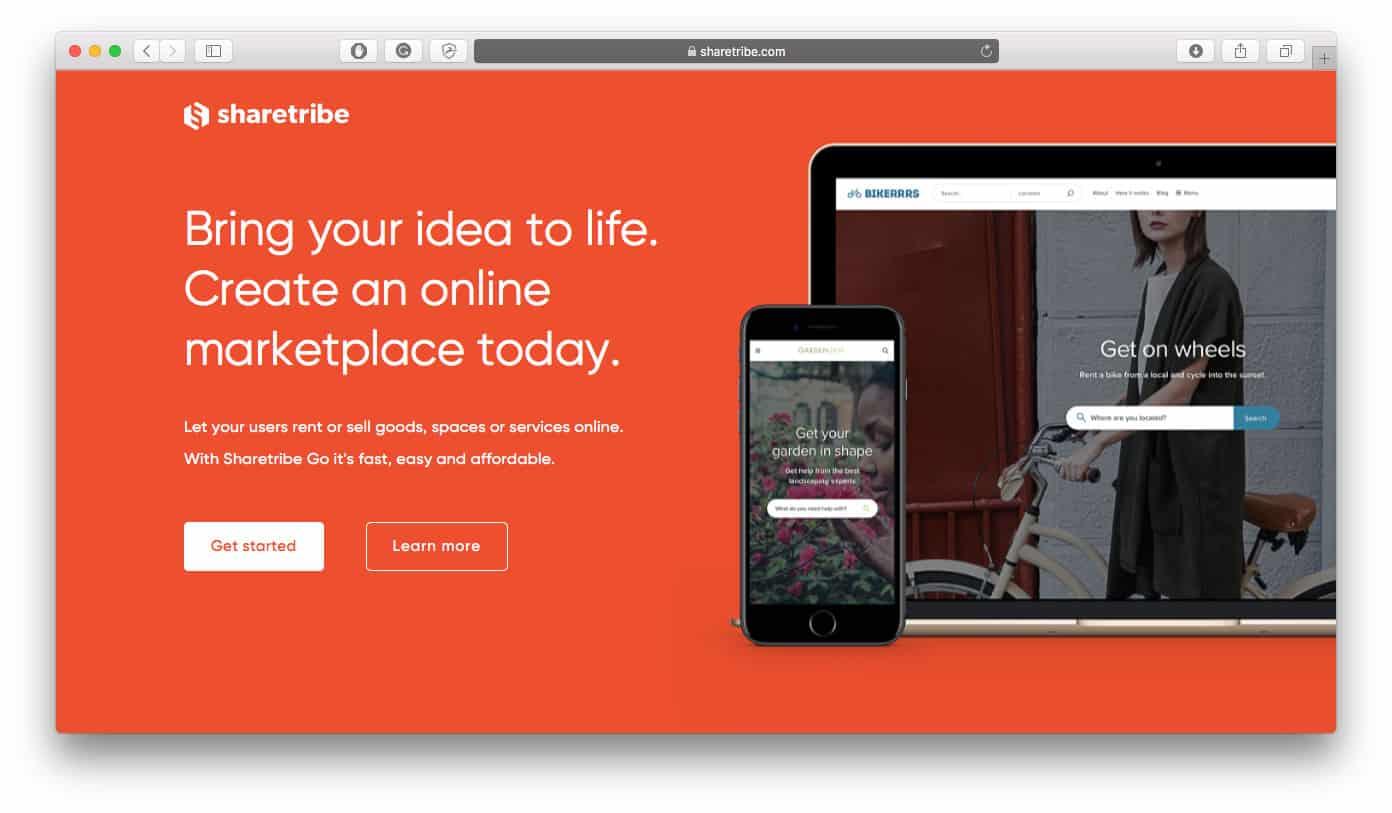
C2C (Consumer to Consumer): Consider using platforms like Sharetribe or Social Media integrations.
Next, think about the features that are essential for your marketplace. Depending on your business model, you might need functionalities such as:
User registration and profiles
Product listings and inventory management
Payment gateways
Reviews and ratings
Shipping and logistics integration
Another important aspect is scalability. As your marketplace grows, your platform should be able to accommodate increased traffic and transactions without performance issues. Look for a solution that can easily scale up or down based on your needs.
Moreover, consider the cost of the platform. Some platforms charge monthly fees, while others may take a percentage of your sales. It’s essential to calculate these costs over time to determine which option is truly the most economical for your business model.
Security should also be a top priority. Ensure that the platform you choose offers robust security measures, including SSL certificates, secure payment processing, and data encryption. This will help build trust with your users, which is vital for a marketplace.
check for customer support and community resources. A reliable platform will have good customer service, tutorials, and forums that can assist you in troubleshooting or learning how to maximize its potential. Look for platforms that offer great documentation and have an active community.
Platform
Type
Key Features
Cost
Shopify
B2C
Ease of use, extensive app store
Starting at $29/month
WooCommerce
B2C
Highly customizable, open-source
Free (with hosting costs)
Sharetribe
C2C
Built-in payments, user profiles
Starting at $79/month
BigCommerce
B2B
No transaction fees, multi-channel selling
Starting at $29.95/month
Creating a User-Friendly Design That Stands Out
When embarking on the journey to build a marketplace website, the design is one of the most critical aspects that can make or break user engagement. A user-friendly interface not only enhances the overall experience but also encourages repeat visits. Here’s how to craft a design that not only functions seamlessly, but also captivates your audience.
First, simplicity is key. Users are often overwhelmed by cluttered designs filled with too many options and distractions. Strive for a clean layout that guides users naturally towards their goals. Focus on essential elements such as:
Intuitive navigation
Clear calls to action
Consistent branding
Next, ensure your website is responsive. With more users accessing sites via mobile devices, it’s imperative that your design adapts fluidly to various screen sizes. Consider using flexbox or CSS grid to create layouts that maintain their integrity across devices. A responsive design not only improves usability but also boosts your SEO rankings, making it easier for potential users to find you.
Another crucial aspect is visual hierarchy. This concept involves arranging elements in a way that naturally guides the viewer’s eye towards what’s most important. Utilize contrasting colors and size differentiation to emphasize key areas such as pricing, promotional banners, or user reviews. Incorporating whitespace effectively can further enhance this hierarchy, making the content more digestible.
To illustrate your points effectively, consider integrating visual elements such as icons and images. These can break up text and provide visual cues that enhance understanding. For instance, using icons next to category titles can help users navigate more easily. Moreover, employing high-quality images of products or services can significantly increase the chances of conversions.
Don’t underestimate the power of user feedback. Implementing a feedback loop through surveys or direct user testing can offer invaluable insights into how real users interact with your design. Based on this feedback, you can make iterative improvements that align with user needs, ultimately enhancing their experience.
Lastly, remember to prioritize accessibility. A design that’s user-friendly for everyone, including those with disabilities, will stand out in a crowded marketplace. Utilize alt texts for images, ensure proper color contrast, and keep navigation straightforward to create an inclusive environment. This not only broadens your audience but also reflects positively on your brand’s ethos.
Key Elements
Benefits
Simple Navigation
Reduces bounce rate
Responsive Design
Improves mobile user experience
Visual Hierarchy
Enhances readability and focus
User Feedback
Allows for continuous improvement
Accessibility
Expands target audience
Integrating Secure Payment Solutions for Trust
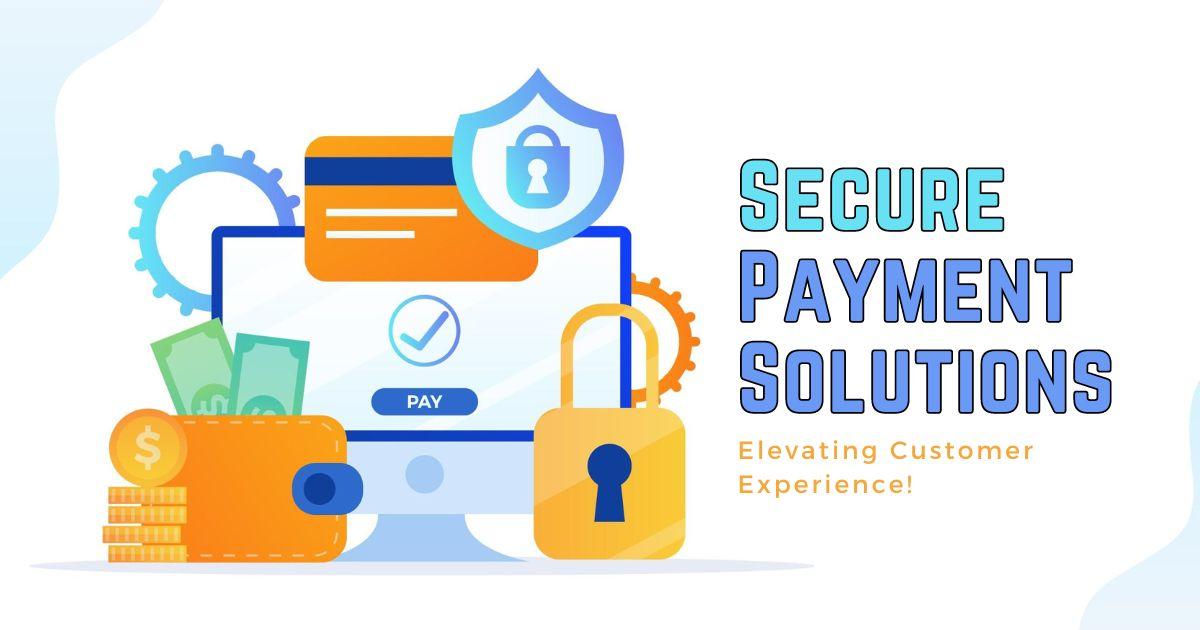
In today’s digital landscape, establishing a marketplace website requires more than just a user-friendly interface; it necessitates robust security measures that instill confidence in your users. Integrating secure payment solutions is essential for building trust among buyers and sellers alike. When users feel their financial information is protected, they are more likely to engage with your platform.
To create a secure payment environment, consider implementing the following strategies:
SSL Certificates: Ensure that your website has a valid SSL certificate. This encrypts data transferred between users and your server, safeguarding sensitive information from potential threats.
Payment Gateways: Choose reputable payment gateways that comply with industry standards, such as PCI-DSS. This will enhance the security of transactions and reassure users about their data safety.
Two-Factor Authentication: Implement two-factor authentication (2FA) for user accounts. This additional layer of security can significantly reduce fraudulent activities and unauthorized access.
Regular Security Audits: Conduct routine security audits and vulnerability assessments to identify and rectify potential risks in your payment processes.
An effective way to further assure your users is to display trust signals prominently throughout your marketplace. Consider adding:
Customer Testimonials: Showcase positive feedback related to payment experiences. This builds a sense of community and reliability.
Clear Privacy Policies: Provide comprehensive information about how user data will be handled and protected. Transparency is key to gaining trust.
Additionally, it’s essential to offer multiple payment options. Today’s consumers appreciate flexibility, and having various methods allows them to choose what best suits their needs. Consider integrating:
Credit and Debit Cards
Digital Wallets (like PayPal, Apple Pay, or Google Pay)
Cryptocurrency Options for tech-savvy users
Payment Method
Security Level
User Preference
Credit/Debit Cards
High
High
Digital Wallets
Medium
Medium
Cryptocurrency
Varies
Growing
keep your users informed about any security measures you implement. Regularly communicating updates about your payment security not only enhances trust but also encourages users to stay engaged with your platform. Whether it’s through emails, blog posts, or notifications, making your audience aware of your commitment to their security is invaluable.
Integrating secure payment solutions is not just a technical necessity; it’s a way to foster trust and ensure the long-term success of your marketplace. By prioritizing safety, you’re not only protecting your users but also laying a strong foundation for your business growth.
Building a Strong Community Around Your Marketplace
Creating a marketplace is more than just setting up a platform for transactions; it’s about nurturing a vibrant community that fosters trust and engagement. Building strong relationships among users—vendors and buyers alike—can significantly enhance the overall experience and drive repeat visits. Here are some effective strategies to cultivate that sense of community.
Encourage User Interaction: Design features that promote communication among users. This can include forums, chat options, and product reviews. When users can share their experiences and feedback, it fosters a sense of belonging.
Host Events and Webinars: Consider organizing virtual events, webinars, or Q&A sessions with industry experts. These gatherings not only provide value but also create an opportunity for members to connect on a deeper level.
Leverage Social Media: Use social media platforms to extend your community beyond the marketplace. Share user-generated content, celebrate milestones, and encourage discussions that keep members engaged and connected.
Implement Loyalty Programs: Reward loyal users through discounts, exclusive access, or premium features. This not only incentivizes participation but also reinforces their commitment to the community.
Another key element is ensuring that your platform is a safe and welcoming space. Establish clear guidelines and policies that outline acceptable behavior within your community. This enhances user trust and encourages members to contribute without fear of negativity or harassment.
Community Guidelines
Purpose
Respect Others
Fosters a welcoming environment
Share Constructive Feedback
Encourages growth and improvement
No Spam or Self-Promotion
Keeps discussions relevant
Report Inappropriate Behavior
Ensures safety and respect
Furthermore, actively seek feedback from your community. Utilize surveys or polls to understand their needs and preferences. This not only helps you improve your platform but also makes users feel valued and heard. By integrating their suggestions, you reinforce their role in shaping the marketplace.
Lastly, celebrate your community’s achievements. Acknowledge milestones, such as user anniversaries or the success of vendors. Highlighting these successes can create a positive atmosphere and motivate members to contribute meaningfully to the community.
Developing an Effective Marketing Strategy
Crafting a marketing strategy for your marketplace website is crucial to its success. A well-defined approach not only attracts users but also fosters a community that engages with your platform. Here are some key components to consider:
Target Audience Research: Understand who your ideal users are. Conduct surveys, interviews, and analyze competitors to gather insights.
Unique Value Proposition: Clearly articulate what makes your marketplace different. This could be unique products, exceptional customer service, or competitive pricing.
Brand Identity: Develop a cohesive brand that resonates with your audience. This includes your logo, color scheme, and overall tone of voice.
Content Marketing: Create valuable content that speaks to your audience’s interests. This could be blog posts, videos, or infographics that highlight your marketplace offerings.
Once you’ve laid the groundwork, it’s time to focus on the channels through which you’ll communicate your message. Consider the following:
Social Media Marketing: Utilize platforms like Instagram, Facebook, and Twitter to reach your audience. Tailor your posts to create engaging content that encourages sharing and interaction.
Email Marketing: Build a mailing list from the start. Send regular newsletters featuring new products, promotions, and relevant content that keeps subscribers engaged.
Search Engine Optimization (SEO): Optimize your website and content for search engines. Use relevant keywords to improve visibility and attract organic traffic.
Furthermore, analyzing your performance is essential. Implement tools to track the effectiveness of your marketing efforts:
Metric
Tool
Purpose
Website Traffic
Google Analytics
Track visitor behavior and traffic sources.
Email Open Rates
Mailchimp
Evaluate email campaign effectiveness.
Social Engagement
Hootsuite
Monitor social media performance and engagement.
Lastly, don’t forget to foster community engagement through user-generated content and reviews. Encourage your customers to share their experiences, which can significantly enhance your marketplace’s credibility and appeal.
By integrating these elements into your marketing strategy, you’ll create a solid foundation for your marketplace website, driving traffic, increasing conversions, and ultimately achieving your business goals.
Optimizing for SEO to Boost Visibility
When creating a marketplace website, ensuring that your site is optimized for search engines can significantly enhance your visibility and attract more visitors. An effective SEO strategy involves various techniques aimed at improving your site’s ranking on search engine results pages (SERPs).
Start by conducting keyword research to identify the terms your target audience is using. Utilize tools like Google Keyword Planner, Ahrefs, or SEMrush to find keywords with high search volume and low competition. Once you have your list, incorporate these keywords naturally throughout your content, especially in:
Title tags
Meta descriptions
Headings
Alt text for images
Another crucial element is to ensure that your website is mobile-friendly. With the increasing use of mobile devices for online shopping, having a responsive design is vital. A mobile-optimized site not only improves user experience but also boosts your SEO ranking.
Content is king in the realm of SEO. Create high-quality, relevant content that addresses the needs and interests of your users. Consider including:
Blog posts that provide insights and tips related to your marketplace
Guides or FAQs that assist users in navigating your site
Additionally, optimize your site’s loading speed. A fast-loading website not only improves user experience but also positively impacts your SEO ranking. Use tools like Google PageSpeed Insights to analyze your site’s performance and identify areas for improvement.
SEO Factor
Importance
Action Steps
Keyword Optimization
High
Incorporate keywords in content, tags, and descriptions
don’t underestimate the power of backlinks. Building a network of high-quality backlinks can significantly enhance your site’s authority. Consider reaching out to industry influencers or collaborating with other websites for guest posting opportunities to establish these valuable links.
By implementing these SEO strategies, you can significantly increase your marketplace’s visibility, attract more visitors, and ultimately drive more sales. Remember, SEO is a long-term investment, and the effort you put into optimizing your site will pay off over time.
Ensuring Legal Compliance for Smooth Operations
When launching a marketplace website, navigating the complex landscape of legal compliance is crucial for establishing a credible and sustainable business. Ignoring legal regulations can lead to costly fines and even the shutdown of your marketplace, so it’s essential to understand the legal obligations that come with running an online platform.
First and foremost, you should familiarize yourself with consumer protection laws that govern online transactions. These laws vary by region but generally require transparency in terms of pricing, return policies, and product descriptions. Providing clear information and easy access to terms of service can help you build trust with your users.
Next up, consider the importance of data protection regulations. With the increasing number of data breaches, countries around the world have implemented stringent laws regarding user information. For instance, if you operate in or serve customers in the European Union, you must comply with the General Data Protection Regulation (GDPR). This entails obtaining explicit consent from users before collecting their data and ensuring that you have robust security measures in place to protect that data.
Another critical aspect of legal compliance involves understanding intellectual property rights. As a marketplace owner, you may host user-generated content or third-party products. It’s vital to ensure that you do not infringe on anyone else’s trademarks or copyrights. You might want to consider implementing a system for reporting and addressing copyright infringement swiftly. This not only protects you legally but also enhances the integrity of your platform.
Additionally, your website should include comprehensive terms and conditions and a well-defined privacy policy. These legal documents outline the rules for using your marketplace and detail how you will handle user data, respectively. Consider consulting with a legal expert to draft these documents to ensure they are thorough and compliant with applicable laws.
Clear pricing, return policies, and terms of service
Data Protection
Compliance with GDPR, consent for data collection
Intellectual Property
Avoidance of copyright/trademark infringement
Terms and Conditions
Detailed rules for using the platform
Privacy Policy
Transparency on data usage and user rights
consider consulting with a legal professional who specializes in e-commerce and online marketplaces. They can provide tailored advice, helping you navigate the unique challenges that come with your specific marketplace model. By taking proactive steps to ensure legal compliance, you pave the way for smoother operations and a more successful online marketplace.
Gathering Feedback and Making Continuous Improvements
Creating a successful marketplace website is not just about launching it and letting it run on autopilot. To truly thrive, you need to embrace a culture of feedback and continuous improvement. Listening to your users can unlock invaluable insights that can propel your platform to new heights.
Start by establishing multiple channels for gathering feedback. This ensures that users feel comfortable sharing their thoughts and experiences. Consider implementing:
Surveys: Create short, targeted surveys that users can fill out after completing a transaction or using a specific feature.
User Interviews: Conduct one-on-one interviews with key users to dive deeper into their experiences and challenges.
Feedback Forms: Integrate feedback forms into your website, making it easy for users to share their thoughts at any time.
Once you collect feedback, categorize it into actionable insights. You can use a simple table to track common themes and prioritize areas for improvement:
Feedback Theme
Action Required
Priority Level
User Interface Clarity
Redesign navigation for better accessibility
High
Payment Processing
Integrate additional payment options
Medium
Customer Support Response Time
Enhance support team training
High
It’s essential to prioritize these actions based on the impact they will have on user satisfaction and overall marketplace performance. Regularly review the feedback and adjust your strategies accordingly. A quarterly review session can help keep your team aligned and focused on the most pressing issues.
Moreover, consider implementing an iterative development process. This approach allows you to make small, incremental changes to your marketplace based on user feedback, testing each change before full implementation. This not only minimizes risks but also helps build a stronger connection with your user base, as they see their suggestions being taken into account.
Lastly, don’t forget to communicate with your users about the improvements you’ve made based on their feedback. Announcing updates through newsletters or blog posts reinforces the idea that their opinions matter and encourages ongoing engagement. Creating a community around your marketplace fosters loyalty and can even encourage more users to provide feedback in the future.
Scaling Your Marketplace for Long-Term Success
To ensure your marketplace thrives in the long run, it’s essential to adopt a strategic approach to scaling. Growth isn’t just about increasing numbers; it’s about enhancing the user experience and building a community. Here are some key strategies to consider:
Focus on User Experience: The satisfaction of both buyers and sellers is paramount. Regularly gather feedback and make improvements based on that input. A seamless browsing and purchasing experience can set you apart from competitors.
Optimize for Mobile: With the increasing number of users shopping from their mobile devices, ensure that your marketplace is fully responsive. A mobile-friendly interface can significantly enhance user engagement and conversion rates.
Diversify Payment Options: Offering a variety of payment methods can cater to different preferences and encourage more transactions. Consider integrating popular payment gateways along with digital wallets and even cryptocurrencies.
As you grow, managing your marketplace efficiently becomes critical. Implementing robust backend systems can help streamline operations:
Automate Processes: Utilize technology to automate tasks such as inventory management, customer support, and marketing efforts. Automation can save time and reduce human error.
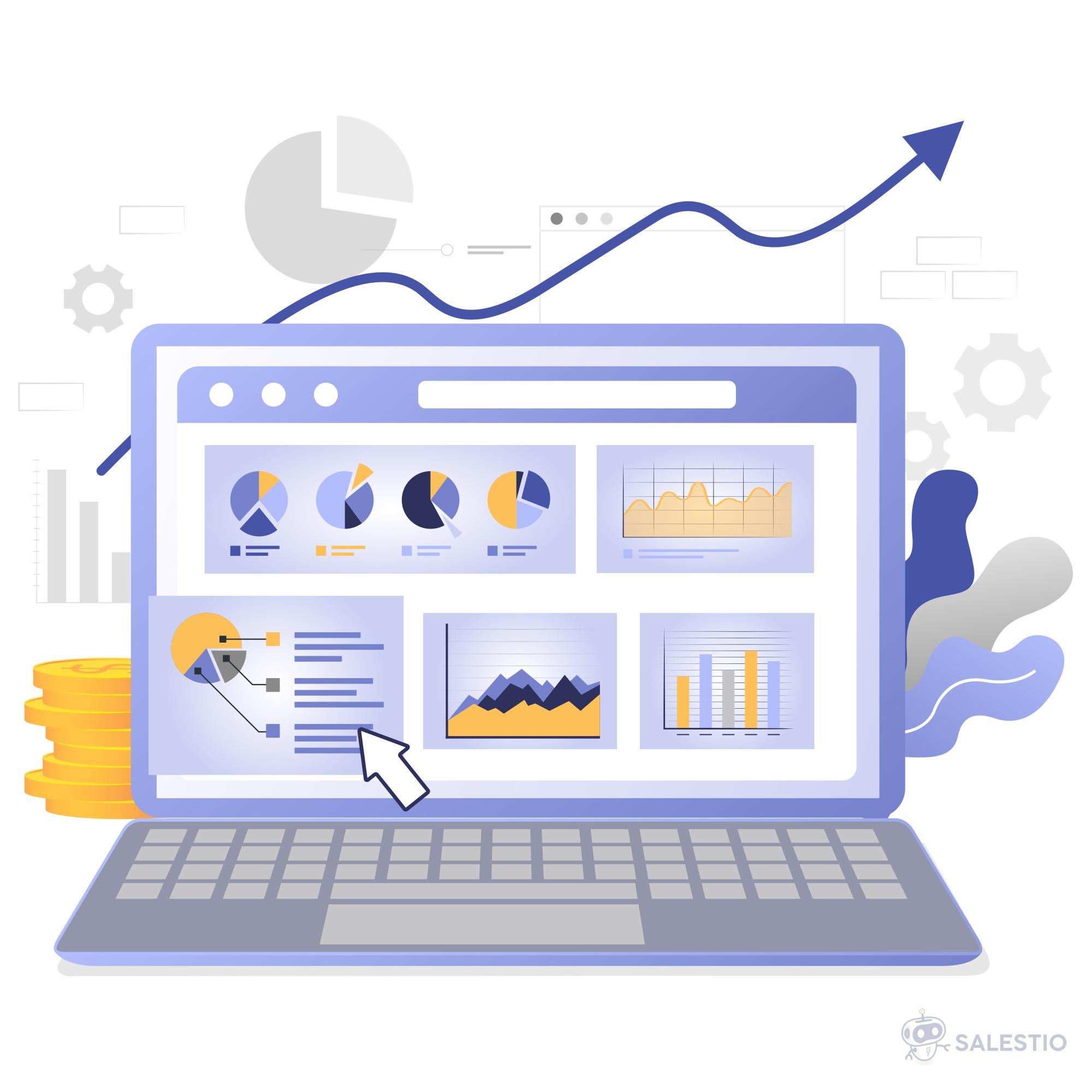
Invest in Analytics: Data is your best friend. Use analytics tools to track user behavior, sales patterns, and market trends. This information can guide your business decisions and help tailor your offerings.
Build Strong Relationships: Engage with your sellers and buyers. Creating a community around your marketplace can lead to loyal customers. Consider forums, newsletters, or social media groups where users can connect.
Moreover, expanding your marketplace involves strategic marketing initiatives. Here are some effective techniques:
Leverage SEO: Optimize your website for search engines to attract organic traffic. Focus on relevant keywords, high-quality content, and technical SEO to improve your visibility.
Content Marketing: Create valuable content that resonates with your target audience. Blogs, videos, and tutorials related to your niche can drive traffic and establish your authority.
Use Social Media Advertising: Investing in social media ads can help you reach a broader audience. Tailor your campaigns based on user demographics and interests for better results.
To visualize your growth journey, consider tracking key performance indicators (KPIs). Below is a simple table showcasing important KPIs to monitor:
KPI
Description
Importance
Customer Acquisition Cost
Cost associated with acquiring a new customer
Helps assess marketing effectiveness
Monthly Active Users
Number of unique users engaging with your marketplace
Indicates growth and engagement levels
Conversion Rate
Percentage of visitors who make a purchase
Measures the effectiveness of your sales funnel
By implementing these strategies, you can build a scalable, sustainable marketplace that not only meets current demands but is also prepared for future growth. The key is to remain adaptable, informed, and customer-focused in all your efforts.
Leveraging Analytics to Drive Growth
In the ever-evolving digital marketplace, harnessing analytics is essential for understanding user behavior and optimizing your strategies. By diving deep into data, you can uncover insights that will not only enhance user experience but also drive significant growth for your marketplace website. Here’s how you can effectively leverage analytics to propel your venture forward.
First and foremost, consider integrating Google Analytics into your website. This powerful tool can provide crucial metrics about your visitors, including:
User demographics: Understand who your audience is.
Traffic sources: Determine where your visitors are coming from.
Behavior flow: Track how users navigate through your site.
By analyzing these metrics, you can identify which channels bring in the most engaged users and which pages may need improvement. This insight allows you to tailor your marketing efforts more effectively and enhance the overall user experience.
Another valuable approach is to implement A/B testing. This method allows you to test two different versions of your website or marketing campaigns to see which one resonates better with your audience. For instance, you might experiment with:
Call-to-action buttons: Different colors or wording can lead to higher conversion rates.
Product layouts: Test various display formats to determine which garners more interest.
Pricing strategies: Analyze user response to different pricing models.
As you gather data from A/B tests, you’ll start to see patterns emerge, guiding your decisions toward options that drive growth.
It’s also crucial to leverage customer feedback through surveys and reviews. By analyzing this qualitative data, you can gain insights into user satisfaction levels, pain points, and desired features. Look for themes and insights that can inform your product offerings and site functionality.
Feedback Type
Insights Gained
Surveys
Understand user needs and preferences.
Reviews
Highlight areas for improvement and strengths.
Lastly, don’t underestimate the power of social media analytics. Platforms like Facebook, Instagram, and Twitter offer robust analytics tools to measure engagement and reach. By analyzing metrics such as likes, shares, and comments, you can refine your content strategy and target your audience more effectively.
the intelligent use of analytics can transform your marketplace website from a simple platform into a thriving business model. By consistently monitoring metrics, testing strategies, gathering feedback, and analyzing social media interactions, you’ll be well-equipped to make data-driven decisions that foster growth and enhance the user experience.
Frequently Asked Questions (FAQ)
Q: What is a marketplace website? A: A marketplace website is a platform where multiple sellers can showcase and sell their products or services to consumers. Think of sites like Amazon or Etsy—these platforms facilitate transactions between buyers and sellers, offering a convenient way to shop from various vendors in one place!
Q: Why should I consider creating a marketplace website? A: Creating a marketplace website can be incredibly rewarding! It allows you to tap into the booming eCommerce industry, leverage the power of community, and provide a space for vendors to reach a broader audience. Plus, once established, it can generate passive income through commissions from sales!
Q: What are the first steps in creating a marketplace website? A: Start by identifying your niche! Think about what kind of products or services you want to offer. Conduct market research to understand your target audience and competitors. This will help you define your unique value proposition and guide the rest of your development process!
Q: Do I need any technical skills to build a marketplace website? A: Not necessarily! While having some technical skills can be helpful, there are many user-friendly platforms and tools available that allow you to create a marketplace without extensive coding knowledge. Drag-and-drop website builders and customizable templates can make the process much smoother!
Q: How should I choose a platform for my marketplace? A: The right platform depends on your specific needs! Consider factors like scalability, payment integrations, and ease of use. Popular options include Shopify, WooCommerce, and Magento. Don’t forget to think about budget, too! Choose a platform that fits your financial plan while meeting your requirements!
Q: What features are essential for a successful marketplace website? A: Essential features include user-friendly navigation, robust search functionality, secure payment gateways, vendor management tools, and a review system. These features enhance user experience and build trust between buyers and sellers, which is crucial for your marketplace’s success!
Q: How do I attract sellers to my marketplace? A: Attracting sellers requires a solid marketing strategy! Start by highlighting the benefits of joining your platform, such as a larger customer base and easy-to-use tools. Consider offering promotional incentives or reduced fees for early adopters. Building a strong online presence through social media and SEO can also help draw sellers to your marketplace!
Q: What marketing strategies should I use to promote my marketplace? A: Utilize a mix of digital marketing strategies! Content marketing, social media advertising, email campaigns, and search engine optimization can all drive traffic to your site. Remember, creating a community around your marketplace can also foster loyalty and encourage word-of-mouth referrals!
Q: How do I ensure my marketplace remains competitive? A: Keep an eye on industry trends and your competitors. Regularly gather feedback from users and sellers to improve your platform. Additionally, consider diversifying your offerings and experimenting with innovative features to keep your marketplace fresh and engaging!
Q: Is it worth the investment to create a marketplace website? A: Absolutely! With the right planning and execution, a marketplace can yield significant returns. Plus, you’re not just building a business; you’re creating a vibrant community where buyers and sellers can connect. If you’re ready to embrace the challenge, your marketplace could be the next big thing!
The Way Forward
Outro:
And there you have it—your comprehensive guide to creating a marketplace website in just nine straightforward steps! By following this roadmap, you’re not just building a website; you’re laying the foundation for a thriving online community where buyers and sellers can connect, share, and grow together.
Remember, every great marketplace starts with a vision. Whether you’re aiming to disrupt an industry or simply provide a platform for local artisans, your unique perspective is what will set your site apart. So roll up your sleeves, embrace the challenges, and don’t forget to celebrate your milestones along the way.
As you embark on this exciting journey, keep your users in mind. Gather feedback, adapt, and innovate to ensure your marketplace remains relevant and engaging. The digital landscape is always evolving, and your ability to pivot will be key to your success.
We’re excited for you to turn your ideas into reality! So, what are you waiting for? Dive in, start building, and let your marketplace dreams take flight. If you have any questions or need further guidance, don’t hesitate to reach out. Here’s to your success—happy building!