Are you ready to take your online presence to the next level but not quite sure where to start? Building a website can feel like a daunting task, especially if you’re not tech-savvy. But fear not! Hiring a professional to design and develop your site doesn’t have to be overwhelming. In fact, it can be one of the best decisions you make for your business or personal brand. In this article, we’ll walk you through the essential steps to finding the perfect web developer for your needs, plus we’ll share our top five places to discover talented professionals who can turn your vision into reality. Let’s make your dream website a reality—because your online journey deserves a fantastic launchpad!
How to Define Your Website Goals Before Hiring
Before you dive into the world of hiring a web developer or agency, it’s crucial to take a step back and clearly define what you want to achieve with your website. Understanding your goals will not only guide the development process but also help you communicate your vision effectively to potential hires.
Start by asking yourself a few key questions that can shape your website’s purpose:
- What is the primary purpose of your website? Is it to sell products, showcase a portfolio, provide information, or perhaps offer services?
- Who is your target audience? Knowing who you want to reach will influence the design, functionality, and content of your site.
- What actions do you want visitors to take? Whether it’s signing up for a newsletter, making a purchase, or contacting you, clarity on this will help prioritize features.
- What is your budget? Understanding your financial limits will help potential hires provide solutions that are feasible and effective.
Once you’ve answered these questions, it’s time to prioritize your goals. Creating a hierarchy can help you focus on what really matters. For instance, if increasing sales is your main goal, features that improve e-commerce functionality should take precedence over aesthetic elements.
Consider putting your goals into a simple table to visualize them better:
| Goal | Priority Level | Notes |
|---|---|---|
| Increase Online Sales | High | Implement e-commerce solutions and optimize checkout process. |
| Build Brand Awareness | Medium | Focus on content marketing and SEO strategies. |
| Improve User Engagement | Low | Consider adding forums or comment sections. |
Another useful exercise is to create a vision board. Collect examples of websites that resonate with your goals. This can range from layouts and colors to specific functionalities you admire. Sharing this visual inspiration with potential hires will give them a clearer idea of your expectations.
don’t forget to consider the long-term vision for your website. As you define your goals, think about how they might evolve over time. Will you need to accommodate growth? Plan for scalability in your requirements, ensuring that the solution you choose today can adapt to your needs tomorrow.
By laying a solid foundation with well-defined goals, you’ll not only streamline the hiring process but also set your project up for success. Clarity and foresight will empower your chosen developers to create a website that truly aligns with your vision.

Understanding Your Budget for Website Development
When it comes to hiring someone to build your website, having a solid understanding of your budget is crucial. The cost of website development can vary widely based on several factors, including the complexity of the site, the experience level of the developer, and the specific features you want to incorporate. By establishing a clear budget, you can avoid surprises down the road and ensure you’re getting the best value for your investment.
First, it’s important to define what you need. Are you looking for a simple informational website, or do you want an e-commerce platform? Understanding the scope of your project will help you gauge potential costs. Consider the following:
- Type of website: Informational, e-commerce, portfolio, blog, etc.
- Design complexity: Custom designs typically cost more than template-based designs.
- Features: Do you need booking systems, payment gateways, or membership areas?
Next, think about whether you want to hire a freelancer, an agency, or use a website builder. Freelancers may offer lower rates, while agencies often provide a team of specialists for a more polished product. Here’s a quick breakdown of potential cost ranges:
| Type of Developer | Estimated Cost | Pros | Cons |
|---|---|---|---|
| Freelancer | $500 – $5,000 | Lower cost, flexible | Varied quality, less support |
| Agency | $5,000 – $50,000+ | Professional team, comprehensive | Higher cost, less personal touch |
| Website Builder | $10 – $300/month | User-friendly, no coding | Limited customization |
Don’t forget to budget for ongoing costs, too. Websites require maintenance, which can include hosting fees, domain registration, and updates to content or security. These costs can add up, so it’s wise to plan for them in advance.
it’s beneficial to set aside a small portion of your budget for unexpected expenses. In the world of website development, things don’t always go as planned. Whether it’s a feature you didn’t anticipate needing or a delay that requires additional resources, having a contingency fund can save you from feeling stressed or overwhelmed.
understanding your budget is not just about knowing how much you can spend; it’s about making informed decisions that align with your goals. By clearly defining your needs, exploring your options, and preparing for the unexpected, you’re setting yourself up for a successful website development experience.
Choosing Between Freelancers and Agencies
When it comes to building your website, deciding between hiring a freelancer or an agency can significantly impact your project’s outcome. Both options have their own unique advantages and drawbacks that cater to different needs and budgets.
Freelancers are often seen as the go-to choice for small to medium-sized projects. Here are some reasons why you might consider going with a freelancer:
- Cost-Effectiveness: Freelancers typically have lower overhead costs. This can lead to more competitive pricing compared to agencies.
- Flexibility: Freelancers often offer more flexibility in terms of working hours and project scope, allowing you to make adjustments on the fly.
- Personal Touch: Working directly with an individual can foster a more personal relationship, leading to better communication and collaboration.
However, it’s important to keep in mind that freelancers might come with certain limitations:
- Limited Resources: A freelancer may not have access to the same range of tools or specialists that an agency would, which could affect the final product.
- Availability: If your freelancer takes on multiple projects, they may not always be available when you need them, potentially causing delays.
On the other hand, agencies can provide a more robust solution for larger or more complex projects. Here’s why going with an agency might be the right choice:
- Diverse Skill Sets: Agencies typically have teams with a variety of skills, from designers and developers to marketers and project managers, ensuring that all aspects of your project are covered.
- Reliability: With a dedicated team behind your project, agencies can often meet deadlines more reliably, making it easier to stick to your timeline.
Nevertheless, agencies come with their own set of challenges:
- Higher Costs: The comprehensive services offered by agencies can come at a premium, which may not fit every budget.
- Less Personal Attention: You may find that the communication is less direct than with a freelancer, as multiple team members may be involved.
Ultimately, the choice between freelancers and agencies depends on your specific needs, budget, and project complexity. Consider what aspects are most important to you—whether it’s cost, personal connection, or a wide array of services—as you make your decision.
What to Look for in a Web Developer’s Portfolio
When reviewing a web developer’s portfolio, it’s important to focus on several key aspects that reveal their capabilities and style. A well-crafted portfolio not only showcases a developer’s technical skills but also reflects their creative approach and understanding of user experience.
1. Diversity of Projects: Look for a variety of projects that highlight the developer’s range. This could include:
- Different industries – eCommerce, blogs, corporate websites.
- Various technologies – HTML, CSS, JavaScript frameworks, or CMS platforms.
- Responsive designs – check how sites look on mobile and tablet.
2. Quality of Design: Pay attention to the aesthetics of the websites they have built. A strong portfolio should feature:
- Clean, modern layouts that enhance usability.
- Consistent branding across different projects.
- Attention to detail in typography and color schemes.
3. User Experience (UX): A great web developer understands the importance of UX. Evaluate how their projects focus on:
- Intuitive navigation that guides users effortlessly.
- Fast loading times and overall performance.
- Accessibility considerations for all users.
4. Case Studies: Look for detailed case studies within the portfolio. These should provide insight into:
- The challenges faced by the client.
- The solutions implemented by the developer.
- The results achieved post-launch, such as increased traffic or improved user engagement.
5. Client Testimonials: Positive feedback from clients can offer a glimpse into the developer’s work ethic and professionalism. Check for:
- Authentic quotes that speak to the developer’s skills.
- Examples of strong communication and project management.
- Long-term relationships with clients, indicating reliability.
6. Technical Skills: Ensure the developer is up to date with the latest technologies and best practices. Look for:
- Proficiency in coding languages relevant to your project.
- Experience with SEO best practices and analytics tools.
- Familiarity with security measures to protect user data.
By keeping these points in mind while exploring a web developer’s portfolio, you can better assess whether they are the right fit for your project. A thoughtful review will help you find a developer who not only possesses the necessary technical skills but also aligns with your vision for the website.

The Importance of Communication in the Hiring Process
Effective communication is the backbone of a successful hiring process, especially when it comes to finding the right talent for building your website. Clear, open channels of communication not only facilitate understanding but also foster a positive relationship between you and potential hires. When candidates feel that their voices are heard, they are more likely to engage meaningfully with your project.
During the hiring process, it’s essential to articulate your vision and expectations clearly. Here are several key points to consider:
- Project Scope: Be specific about the website’s purpose, target audience, and any features you envision.
- Budget and Timeline: Share your budget constraints and deadlines to ensure candidates align with your expectations.
- Feedback Mechanism: Establish how you will provide feedback throughout the project. This may include regular check-ins or milestone reviews.
Moreover, asking questions during interviews can provide insight into how well a candidate communicates. Consider posing scenario-based questions that allow them to demonstrate their problem-solving skills and thought processes. This not only assesses their technical abilities but also reveals their capacity for collaboration.
It’s also important to create a welcoming atmosphere for candidates to express their thoughts and ideas. Encourage them to ask questions about your project. This two-way communication can unveil their commitment to understanding your needs and adapting their skills accordingly.
Furthermore, effective communication continues even after the hiring process. Once you’ve selected a candidate, maintaining an open dialogue ensures that both parties are aligned throughout the development phase. This helps prevent misunderstandings and scope creep, ultimately leading to a smoother project experience.
prioritizing communication in the hiring process not only enhances the quality of your hiring decisions but also sets the stage for a successful partnership with your new web developer. By being clear and engaging, you position yourself to attract talent that is not only skilled but also enthusiastic about bringing your vision to life.
Assessing Technical Skills: What You Need to Know
When you’re looking to hire someone to build a website, assessing their technical skills is crucial. The digital landscape is filled with various technologies and platforms, so it’s important to ensure that your potential hire has the right skill set to meet your project’s needs.
Start by understanding the specific technical skills relevant to your project. Here are some essential areas to consider:
- Web Development Languages: Check for proficiency in HTML, CSS, and JavaScript, as these are foundational for any web project.
- Frameworks: Familiarity with frameworks like React, Angular, or Vue.js can indicate a more advanced skill level.
- Content Management Systems (CMS): If you need a website built on WordPress, ensure they have experience with it, along with any other CMS platforms you might consider.
- Responsive Design: The ability to create mobile-friendly websites is essential in today’s market.
- SEO Knowledge: Understanding the basics of search engine optimization can help make your site more visible.
To effectively evaluate these skills, consider implementing a few strategies during the hiring process:
- Portfolio Review: Ask for examples of previous work. This will give you insight into their style, capability, and the complexity of projects they can handle.
- Technical Interview: A focused conversation about their experience with specific technologies can reveal their depth of knowledge.
- Practical Test: Consider assigning a small project or task. This not only assesses their skills but also demonstrates how they approach problem-solving.
- References: Don’t hesitate to contact previous clients or employers. They can provide valuable feedback on the candidate’s performance and reliability.
It’s also beneficial to understand the importance of soft skills in addition to technical abilities. Communication, collaboration, and project management skills can significantly impact the success of your web project. A technically skilled candidate who lacks interpersonal skills may struggle to grasp your vision or work effectively with your team.
the tech landscape is ever-evolving. Look for candidates who are not just proficient in current technologies but are also willing to learn and adapt to new tools and trends. This flexibility can be a game-changer as your project evolves and requires updates or changes in the future.
How to Conduct Effective Interviews with Candidates
Conducting interviews that effectively gauge a candidate’s suitability for web development roles requires a thoughtful approach and a structured process. To ensure you identify the best talent, consider implementing the following strategies:
- Prepare Targeted Questions: Tailor your questions to assess both technical skills and soft skills. Include questions that require candidates to discuss their past projects, problem-solving approaches, and teamwork experiences.
- Utilize a Skills Assessment: Incorporate a practical task where candidates can demonstrate their skills in real-time. This could involve coding a simple webpage or providing solutions to common web development challenges.
- Create a Comfortable Environment: Set the tone for an open dialogue. Encourage candidates to ask questions about the role and your company culture, making them feel valued and engaged.
Additionally, it’s essential to evaluate how candidates communicate their ideas. Effective communication is crucial in a collaborative field like web development. Look for candidates who can articulate their thought processes clearly and concisely. This not only reflects their technical understanding but also their ability to work within a team.
During the interview, assess the candidate’s portfolio, asking specific questions about their previous work. Consider the following:
| Portfolio Element | Questions to Ask |
|---|---|
| Design Aesthetics | What was your design inspiration for this project? |
| Functionality | Can you explain the technical challenges you faced? |
| User Experience | How did you ensure the site was user-friendly? |
don’t overlook the importance of cultural fit. Ask candidates about their values and how they align with your company’s mission. This aspect can be as crucial as technical proficiency. Remember, a team that shares common values is more likely to collaborate effectively and drive success.
By integrating these practices into your interview process, you’ll significantly increase your chances of hiring the right web developer for your needs. A well-structured interview not only helps you select the best candidate but also enhances your organization’s reputation as a desirable workplace.
Checking References: Ensuring Reliability and Quality
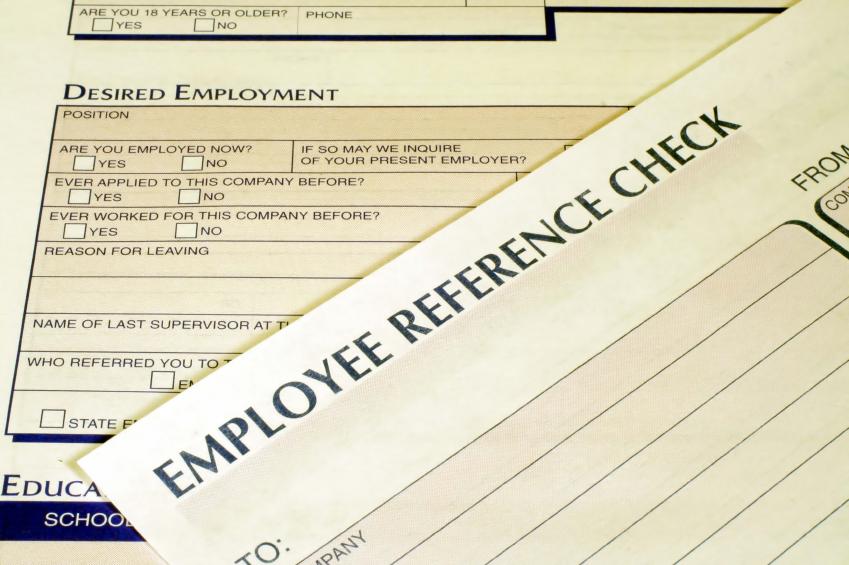
When it comes to hiring someone to build your website, ensuring that you choose a reliable professional is key. One of the best ways to gauge whether a potential candidate can deliver quality work is through thorough reference checks. This process not only helps you validate their skills but also provides insight into their work ethic and reliability.
Start by asking candidates for references from previous clients. Here are some key points to consider while checking those references:
- Communication: Inquire about how well the candidate communicates throughout the project. Were they responsive and clear in their messaging?
- Timeliness: Ask if the candidate met deadlines and how they managed their time. Delays can be costly, so this is crucial.
- Problem-solving: Understand how they handled challenges. Did they proactively address issues that arose during the project?
- Quality of Work: Determine if the final product met or exceeded expectations. Did the client feel satisfied with the outcome?
Additionally, consider reaching out to a range of references, including those from different project types. This can give you a broader perspective on the candidate’s versatility and adaptability. Don’t hesitate to ask open-ended questions that encourage references to share their experiences in detail.
It’s also helpful to look for online reviews and ratings. Websites like Clutch or Upwork provide an array of client feedback that can further inform your decision. Pay attention to patterns in the feedback; recurring comments about strong communication or creativity can indicate a reliable professional.
| Platform | Key Features |
|---|---|
| Clutch | Detailed reviews, project portfolios |
| Upwork | Freelancer ratings, work history |
| Recommendations, endorsements | |
| Fiverr | Service ratings, client feedback |
trust your instincts. If something feels off during your interactions or with the feedback you receive, don’t hesitate to explore other candidates. Hiring someone to build your website is a significant investment, and ensuring you have the right person on board is essential for achieving the desired results.
Five Best Places to Find Web Developers
Finding the right web developer can significantly influence the success of your website. Whether you’re looking for a freelance expert or a full-fledged agency, it’s essential to know where to search. Here are some top places to discover talented web developers who can bring your vision to life.
1. Upwork
Upwork is one of the most popular platforms for hiring freelancers. With a vast pool of web developers, you can easily browse through profiles and portfolios, ensuring you find someone whose skills match your project requirements. The platform allows you to:
- Post job listings and receive proposals
- Review candidate ratings and feedback
- Communicate directly with potential hires
2. GitHub
If you’re looking for developers who are passionate about coding, GitHub is the place to be. This platform is a haven for developers to showcase their projects, collaborate, and contribute to open-source initiatives. Here, you can:
- Look through repositories to find potential candidates
- Evaluate their coding skills and project commitment
- Connect through community discussions and contributions
3. LinkedIn
LinkedIn remains a powerful tool for professional networking. It offers a unique opportunity to connect with web developers who have industry experience and a strong professional background. Here’s how you can leverage LinkedIn:
- Search for profiles with specific skills in web development
- Post job openings on your company’s page
- Join relevant groups and engage in discussions to find candidates
4. Local Meetups and Tech Events
Attending local meetups and tech events can provide a personal touch to your hiring process. Engaging with the community allows you to meet developers face-to-face, fostering genuine connections. Here are some advantages:
- Network with local talent who understand your market
- Participate in workshops to gauge skills and teamwork
- Find individuals who are passionate about their craft
5. Specialized Job Boards
There are numerous job boards specifically tailored for tech roles that can help you find web developers suited to your needs. Popular options include:
| Job Board | Specialization |
|---|---|
| Stack Overflow Jobs | Tech and Development |
| We Work Remotely | Remote Positions |
| AngelList | Startups |
| Remote OK | Freelancing and Remote Work |
Utilizing these specialized job boards can help you pinpoint developers who are actively seeking opportunities and are well-versed in modern web technologies.

Navigating Freelance Platforms for Top Talent
Finding the right talent to build your website can feel overwhelming, but leveraging freelance platforms can simplify the process significantly. These platforms are bustling marketplaces where you can connect with skilled professionals from across the globe, each bringing unique expertise and creative flair. Whether you’re a small business owner or an entrepreneur launching your startup, here’s how to navigate these platforms effectively.
First off, it’s essential to identify what you need. Before diving into any platform, clarify your project requirements:
- Scope of the Project: Define whether you need a simple landing page, a full-fledged e-commerce site, or a portfolio.
- Budget: Have a clear budget range in mind to filter candidates who fit your financial parameters.
- Timeline: Set a realistic deadline for project completion.
Once you’ve pinpointed your needs, you can begin your search. Most platforms allow you to browse profiles, portfolios, and reviews from previous clients. Look for freelancers who demonstrate:
- Relevant Experience: Check if they have worked on similar projects before.
- Strong Reviews: High ratings and positive feedback can signal reliability and quality.
- Portfolio Quality: Their previous work should resonate with your vision for your website.
Another vital tip is to engage with potential candidates directly. Don’t hesitate to ask questions regarding their approach to web development or request examples of their work that align with your expectations. This step helps you gauge their communication skills and willingness to collaborate, which are crucial for a successful partnership.
While assessing profiles, consider creating a shortlist. A table can help you compare key traits:
| Freelancer Name | Experience (Years) | Rating | Specialization |
|---|---|---|---|
| Jane Doe | 5 | 4.9 | eCommerce |
| John Smith | 3 | 4.7 | Portfolio & Blogs |
| Lisa Wong | 7 | 5.0 | Corporate Websites |
once you’ve selected a freelancer, ensure clear communication about your project goals and expectations. Establish a timeline for deliverables and don’t shy away from regular check-ins to keep everything on track. This proactive approach not only fosters a healthy working relationship but also increases the chances of a successful project outcome.
Ultimately, the right freelance platform can be a game changer in your quest to build a standout website. By honing in on your needs, carefully selecting candidates, and maintaining open communication, you can navigate the freelance landscape with confidence and ease.
Exploring Design Agencies for Comprehensive Solutions
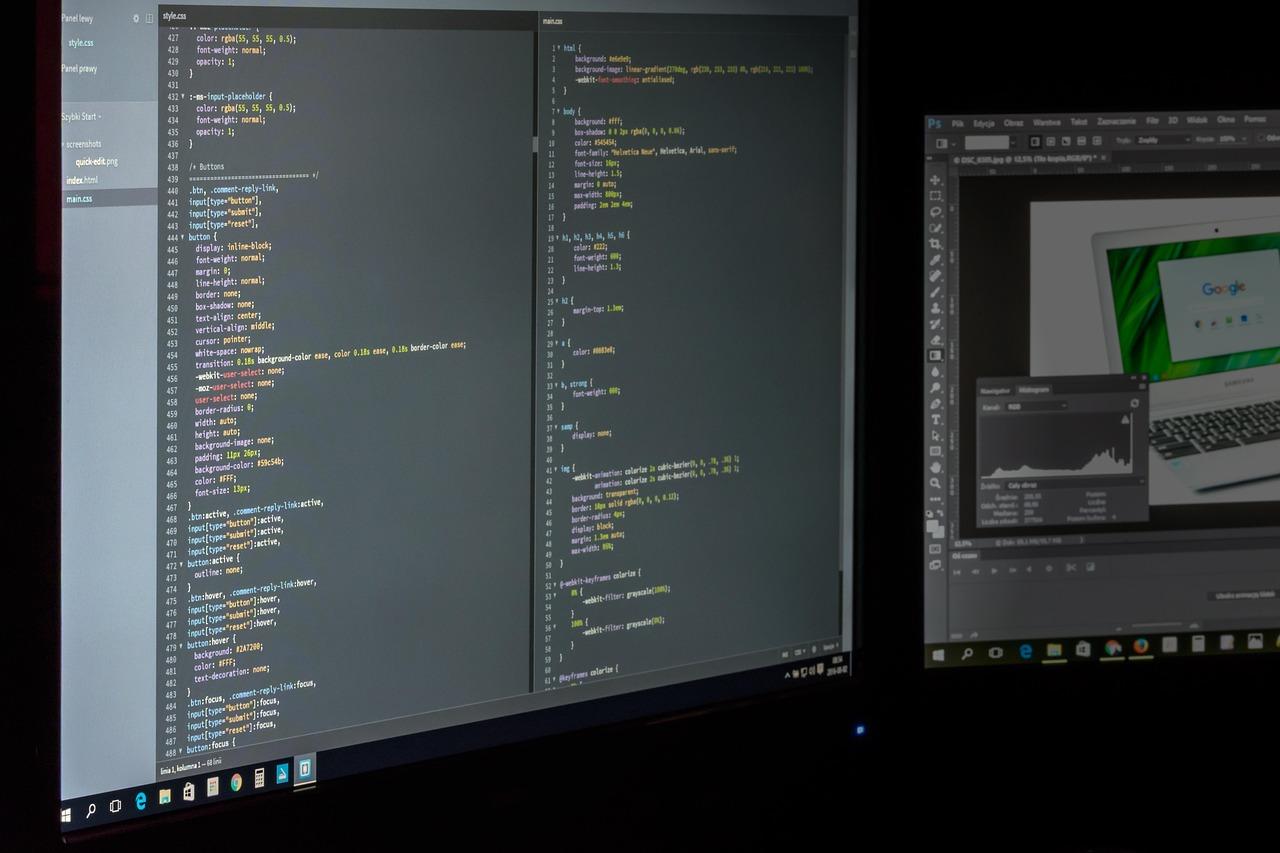
When it comes to creating an impactful online presence, design agencies can be a game changer. These professionals specialize in crafting websites that not only look stunning but are also functional and tailored to your specific needs. Hiring a design agency can provide you with a comprehensive solution that encompasses everything from initial concept to final launch, ensuring that your website stands out in the crowded digital landscape.
One of the most significant advantages of partnering with a design agency is their holistic approach to website development. Unlike freelancers, agencies often have teams of experts in various domains, including:
- UI/UX Design: Crafting user-friendly interfaces that enhance visitor engagement.
- Web Development: Ensuring that the site is built on a robust and reliable platform.
- SEO Specialists: Optimizing your site for search engines to improve visibility.
- Content Creators: Producing compelling content that resonates with your audience.
- Brand Strategists: Helping you establish a cohesive brand identity.
This synergy allows for a seamless transition through the various phases of website creation. By having different experts working together, design agencies can ensure that every aspect of your website is aligned with your business goals and user expectations.
Moreover, many agencies offer ongoing support and maintenance packages. This means that post-launch, you have access to professional help when you need updates or troubleshooting, which can save you time and resources. It’s essential to inquire about these services during the hiring process to ensure you’re choosing a partner that will be with you for the long haul.
When evaluating potential design agencies, consider their portfolio. A strong portfolio should showcase a range of projects that highlight their versatility and creativity. Look for case studies that provide insight into the challenges faced, the solutions implemented, and the results achieved. This will give you a clearer picture of how well they can translate your vision into reality.
don’t underestimate the importance of communication. A successful partnership hinges on clear and open dialogue. During your initial meetings, pay attention to how well the agency listens to your ideas and concerns. A responsive agency that values your input will likely result in a smoother project experience and a final product that meets your expectations.
| Factors to Consider | Importance |
|---|---|
| Portfolio Quality | High |
| Team Expertise | High |
| Communication Style | Medium |
| Support Services | Medium |
| Pricing Structure | High |

Utilizing Networking and Recommendations for Hiring
When it comes to hiring a web developer, tapping into your network can be one of the most effective strategies. Recommendations from people you trust not only help you find qualified candidates but also provide insights into their work ethic and skills. Start by reaching out to friends, family, and colleagues to see if they know anyone who specializes in website development. You might be surprised by how many connections you already have in the tech community.
Don’t underestimate the power of social media. Platforms like LinkedIn, Facebook, and Twitter can be invaluable resources for finding potential hires. Post a status update asking for recommendations, or join groups related to web development where you can ask for referrals. Engaging with your network on these platforms can also enhance your visibility and attract talent that might not be actively looking for work.
Consider attending local meetups or networking events focused on technology and web development. These gatherings are not only great for expanding your knowledge but also for meeting professionals who might be a fit for your project. You can engage in conversations, ask questions, and even get to know potential candidates on a personal level. Plus, face-to-face interactions can make a lasting impression, which is often more effective than a standard email or message.
Another effective method is to collaborate with freelancers or contractors who come highly recommended by your network. Often, these professionals have a portfolio of completed projects and can provide a wealth of resources and insights. They might also have established relationships with other developers or graphic designers, making it easier to assemble a team if needed. Reach out to freelancers whose work you’ve admired, as they may also have recommendations for others in the field.
Don’t forget about the potential of online forums and communities dedicated to web development. Websites like Stack Overflow, GitHub, and even specialized subreddits can be excellent places to ask for recommendations. Members of these communities are often eager to help and can point you towards talented developers who are looking for new projects. Just be clear about what you’re looking for to get the best responses.
When you’ve gathered a list of candidates through networking, make sure to vet them thoroughly. Organize a simple table to help you compare their skills, experience, and rates:
| Name | Experience | Specialization | Rate |
|---|---|---|---|
| Jane Doe | 5 years | Frontend Development | $50/hr |
| John Smith | 3 years | Backend Development | $45/hr |
| Emily Johnson | 7 years | Full Stack Development | $70/hr |
Ultimately, leveraging your network to find a web developer can lead to fruitful partnerships and successful projects. Using recommendations not only saves time but also increases the likelihood of hiring someone who is a good fit for your needs. So, get out there, connect with others, and let the power of networking work for you!

Understanding Contracts and Deliverables in Web Development
When embarking on the journey of hiring someone to build a website, understanding the intricacies of contracts and deliverables is crucial. A well-defined contract serves as the backbone of your project, outlining expectations and providing legal protection for both parties involved. It is essential to grasp the key components that constitute an effective contract.
First and foremost, the scope of work must be clearly detailed. This section should outline what exactly you expect from the web developer. Consider including:
- Design elements (UI/UX)
- Functionality (e-commerce capabilities, contact forms, etc.)
- Platform details (WordPress, Shopify, custom CMS)
- Content requirements (text, images, videos)
Next, don’t overlook the importance of deliverables. These are the tangible outputs that you will receive throughout the project. Clearly defining deliverables helps prevent misunderstandings down the line. Typical deliverables may include:
- Wireframes and mockups
- Website prototypes
- Final website launch
- Documentation and training materials
Another critical aspect is the timeline. Establishing a realistic timeline helps ensure that the project stays on track. Be explicit about key milestones and deadlines for each deliverable. For example, you might want to structure your timeline as follows:
| Milestone | Deadline |
|---|---|
| Initial Wireframe | Week 2 |
| Prototype Review | Week 4 |
| Final Delivery | Week 6 |
Additionally, it’s vital to discuss payment terms. Will you be paying a flat fee, hourly rate, or based on milestones? Make sure to specify payment schedules, including deposits and final payments. This transparency can help build trust and accountability.
Lastly, consider including a section on revisions and support. Specify how many rounds of revisions are included in the contract and what kind of post-launch support the developer will offer. A good web developer will understand that adjustments may be necessary after the site goes live, so it’s essential to have this clearly outlined.
By taking the time to meticulously craft a contract that covers these elements, you set a solid foundation for a successful partnership. Remember, a well-structured agreement not only protects both parties but also empowers the web developer to deliver their best work, ensuring your online presence is everything you dream it to be.
Tips for a Smooth Onboarding Process with Your Developer
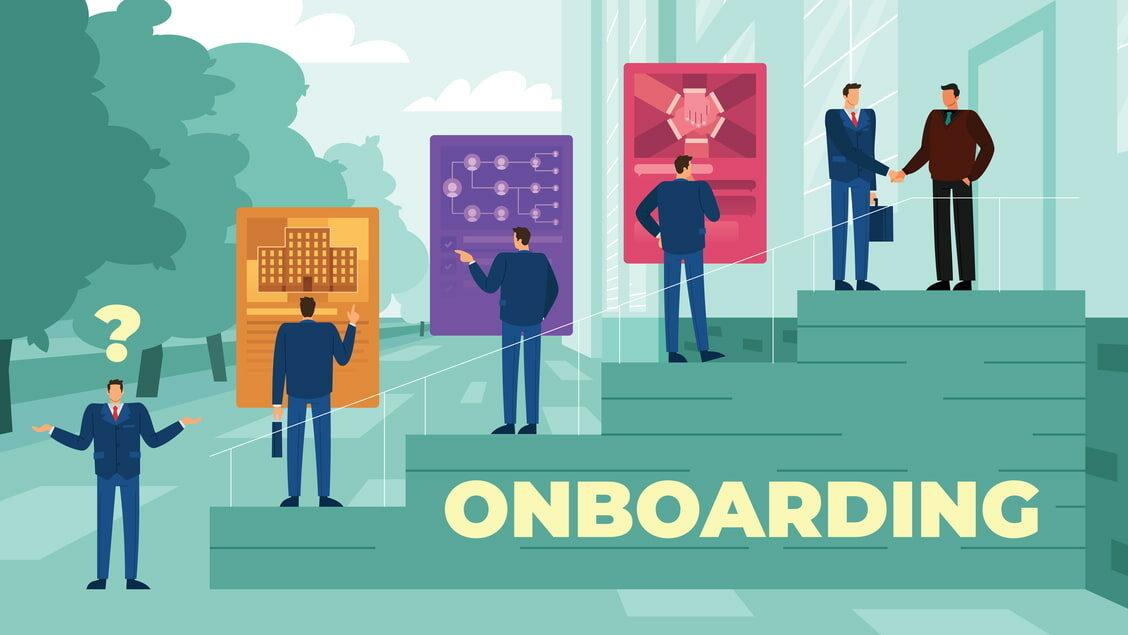
Once you’ve found the perfect developer to bring your website vision to life, the next step is ensuring a seamless onboarding process. This sets the tone for your collaboration and can significantly affect the overall project outcome. Here are some tips to help you navigate this critical phase effectively:
- Clearly Define Roles and Responsibilities: Before diving into the nitty-gritty, ensure both you and your developer are on the same page regarding who does what. A written agreement outlining roles can prevent misunderstandings later on.
- Set Up Communication Channels: Establishing clear lines of communication is essential. Decide on tools such as Slack, email, or project management software like Trello or Asana to keep everyone updated and engaged.
- Provide Comprehensive Documentation: Share any existing materials that can help your developer understand your brand, including style guides, previous designs, and user personas. This will give them a solid foundation to work from.
- Establish a Timeline: Collaborate with your developer to set realistic deadlines. Having a visual timeline can help track progress and keep the project moving forward.
- Encourage Questions: Foster an environment where your developer feels comfortable asking questions. Clarifying doubts early can save time and prevent costly errors down the line.
To make the onboarding process even smoother, consider the following strategies:
- Schedule Regular Check-Ins: Whether it’s weekly meetings or daily stand-ups, regular check-ins keep the project on track and allow for immediate feedback.
- Use Collaborative Tools: Leverage platforms like Figma for design collaboration or GitHub for code management. This can enhance teamwork and make it easier to track changes.
- Share Your Vision: Take the time to articulate your vision for the website. Providing examples of designs you love or explaining the user journey can help your developer align their work with your expectations.
- Stay Flexible: While it’s important to have a plan, be open to your developer’s suggestions. Their expertise may lead to innovative solutions you hadn’t considered.
remember that a successful onboarding process is an ongoing commitment. Continually nurturing the relationship with your developer can lead to an improved workflow and, ultimately, a website that exceeds your expectations.
Frequently Asked Questions (FAQ)
Q: Why should I hire someone to build my website instead of doing it myself?
A: While DIY website builders may seem convenient, hiring a professional can save you time and ensure a polished, functional, and user-friendly website. A skilled developer understands the latest trends and technologies, which means your site will not only look great but also perform well. Plus, you can focus on what you do best—running your business!
Q: What should I look for when hiring a web developer?
A: Great question! You’ll want to consider several factors: experience, portfolio, and client testimonials. Look for someone whose style aligns with your vision. Ask about their process and how they handle revisions. Communication is key, so ensure they’re responsive and clear. discuss post-launch support; a good developer will offer help after your site goes live.
Q: What are the different types of web professionals I can hire?
A: You have several options! Freelancers offer flexibility and often lower costs, while agencies provide a full team of specialists for a more comprehensive service. Some individuals focus on specific areas—like design or development—so you can hire them based on your unique needs. Just make sure that whoever you choose has the right mix of skills for your project.
Q: How much should I expect to pay for a professional website?
A: Costs can vary widely based on complexity, features, and the professional’s experience level. On average, a simple website might range from $1,000 to $5,000, while more complex sites can go upwards of $10,000 or more. Remember, investing in a quality website can lead to better results and higher returns, so don’t just go for the cheapest option!
Q: What are some of the best places to find web developers?
A: You’re in luck! Here are five great places to start your search:
- Upwork – A freelance platform where you can find professionals with various skill levels and rates.
- Fiverr – Perfect for smaller projects or tasks, with a wide range of price points.
- Toptal – Connects you with top-tier developers vetted for quality; great for high-stakes projects.
- Behance – A portfolio site where you can view the work of designers and developers to find someone whose style resonates with you.
- Local Agencies – Don’t overlook nearby agencies that can provide personalized service and support.
Q: How do I vet a potential hire?
A: Always check their portfolio and ask for references. Schedule a call to discuss your project and gauge their enthusiasm and understanding of your needs. A good sign is if they ask questions about your goals and target audience. Remember, you want someone who’s not just skilled, but also excited to work on your project!
Q: What if I have a limited budget?
A: You’re not alone! Consider breaking down your project into phases. Start with a basic version of your site and then invest in additional features over time. You can also explore hiring a less experienced freelancer who is looking to build their portfolio. Just ensure they have the right foundational skills and a strong work ethic.
Q: Can I make changes to my website after it’s built?
A: Absolutely! A good developer will provide you with the training and tools needed to make edits. Make sure to discuss this during your initial conversations—how easy it will be to update content, add pages, or adjust elements down the line. This flexibility can save you time and money in the long run!
Q: How long does it typically take to build a website?
A: It depends on the complexity of the site and the developer’s workload. A simple site might take 2-4 weeks, while a more intricate one could take a few months. Be sure to ask your developer for a timeline during the hiring process, and keep communication open to address any delays or changes.
Q: What’s the takeaway from all this?
A: Hiring a web developer is an investment in your business’s online presence. By choosing the right professional and collaborating closely, you can create a website that not only looks great but also drives results. So take your time in the hiring process, and remember: a well-built website can elevate your brand and attract more customers!
Wrapping Up
And there you have it! Hiring someone to build your website doesn’t have to be a daunting task. By understanding your needs, setting a clear budget, and exploring the best platforms, you can find the perfect web developer or designer who aligns with your vision. Remember, a well-built website is the cornerstone of your online presence, so it’s worth investing the time and resources to get it right.
As you embark on your hiring journey, keep in mind the tips and insights shared in this article. The right professional can not only bring your ideas to life but also enhance your brand’s credibility and reach. So, don’t hesitate—take the plunge!
Whether you choose a freelancer from a marketplace or a professional agency, just make sure to communicate openly and set clear expectations. With the right partner by your side, you’ll be well on your way to creating a stunning website that captivates your audience.
Now that you’re armed with knowledge, it’s time to get out there and make your web dreams a reality. Happy hiring!