In today’s fast-paced digital landscape, the demand for skilled IT professionals is higher than ever. Whether you’re a startup looking to build your first application, or an established company aiming to upgrade your infrastructure, the challenge of scaling your IT team efficiently can feel daunting. Enter outstaffing—a game-changing strategy that not only accelerates your hiring process but also keeps your budget in check. Imagine having access to a global talent pool, without the long-term commitments and overhead costs that come with traditional hiring. In this article, we’ll explore how outstaffing can be your secret weapon for building a dynamic IT team quickly and cost-effectively. Ready to transform your approach to staffing? Let’s dive in!
Understanding Outstaffing and Its Benefits for Your IT Team
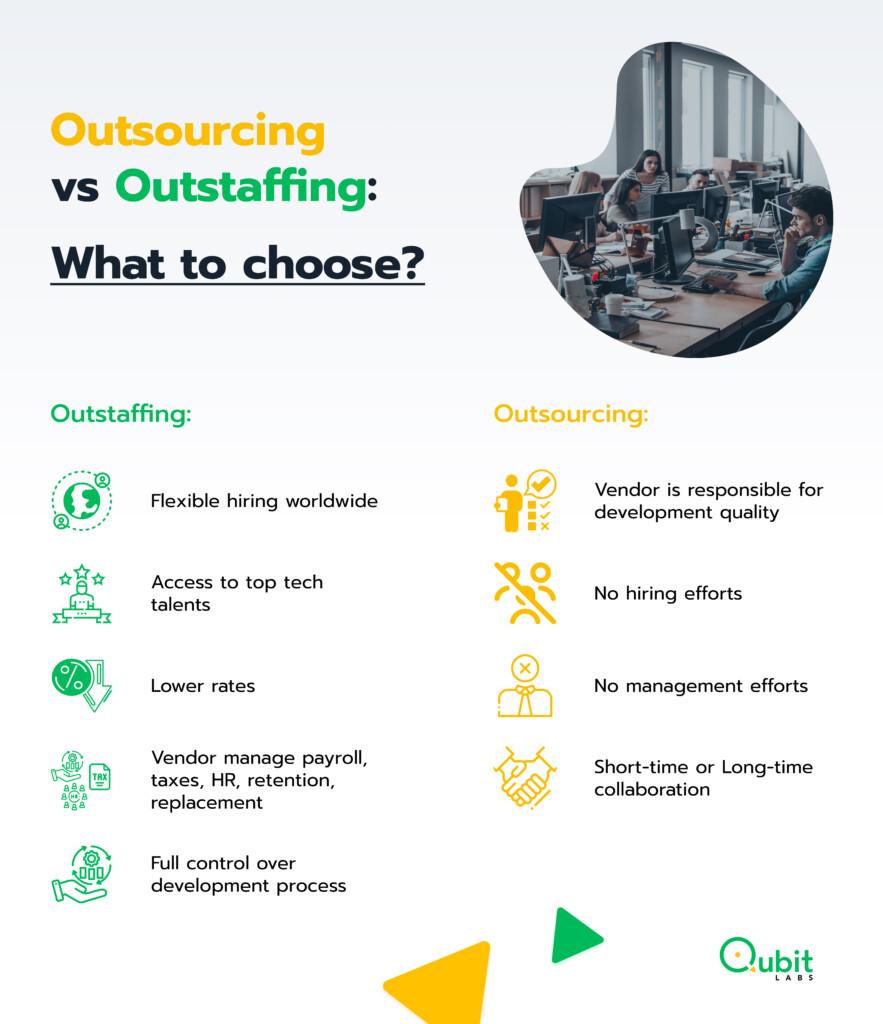
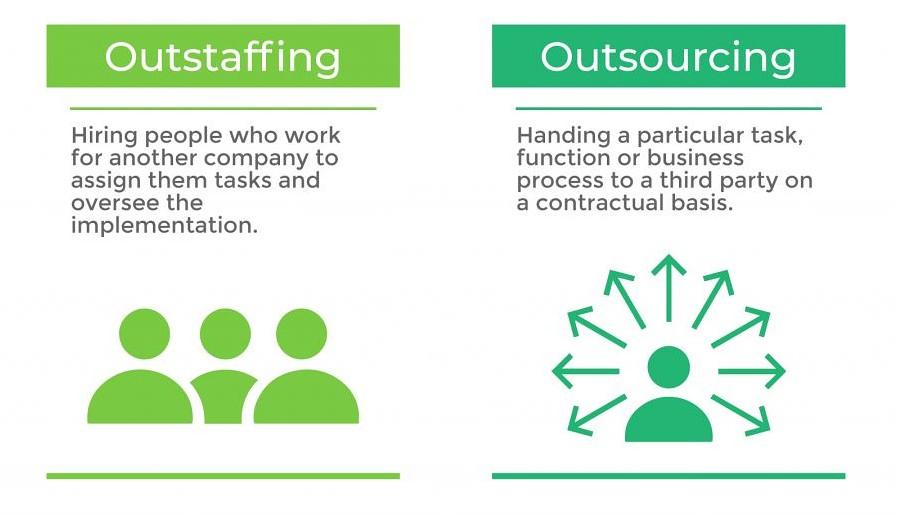
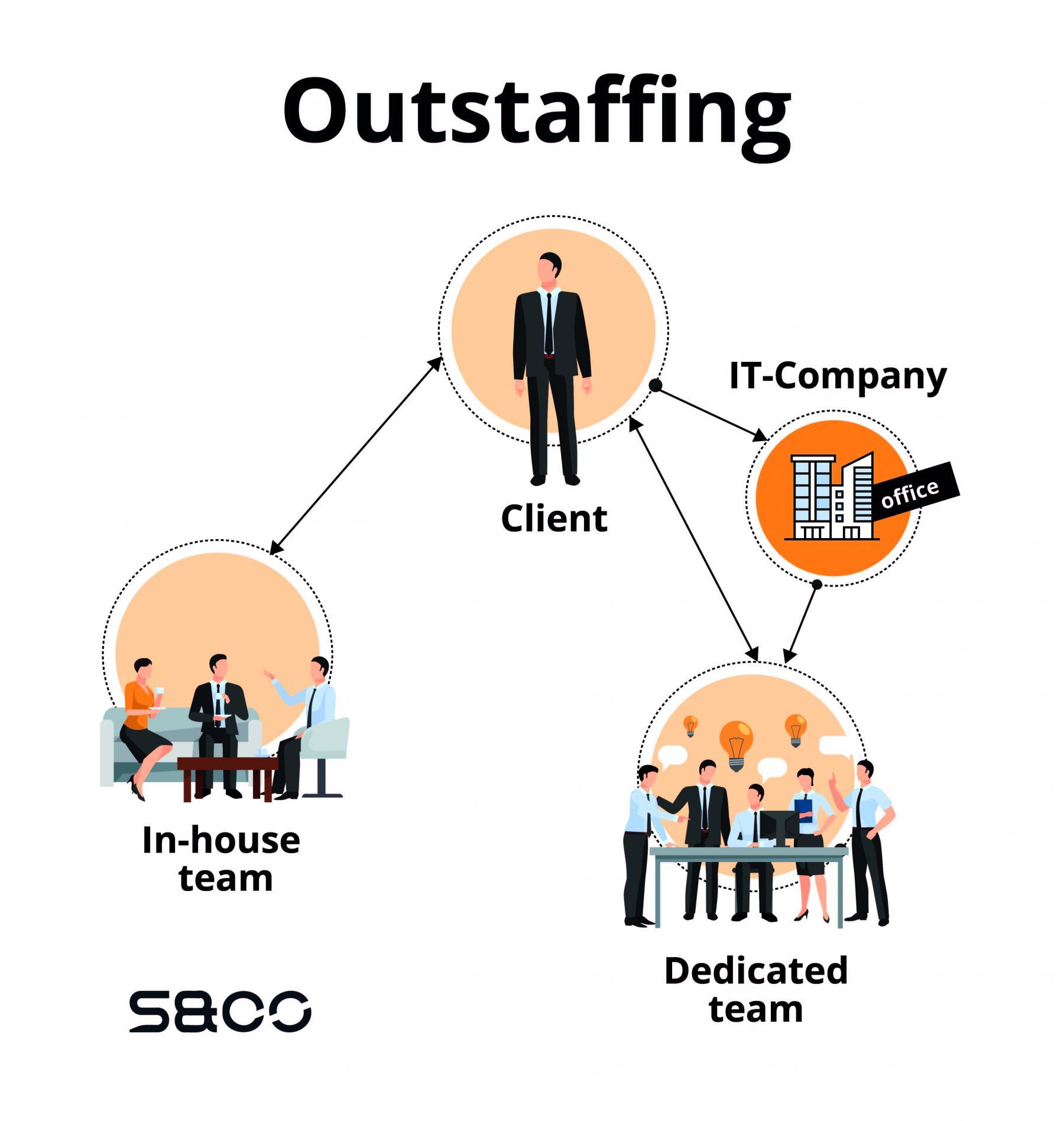
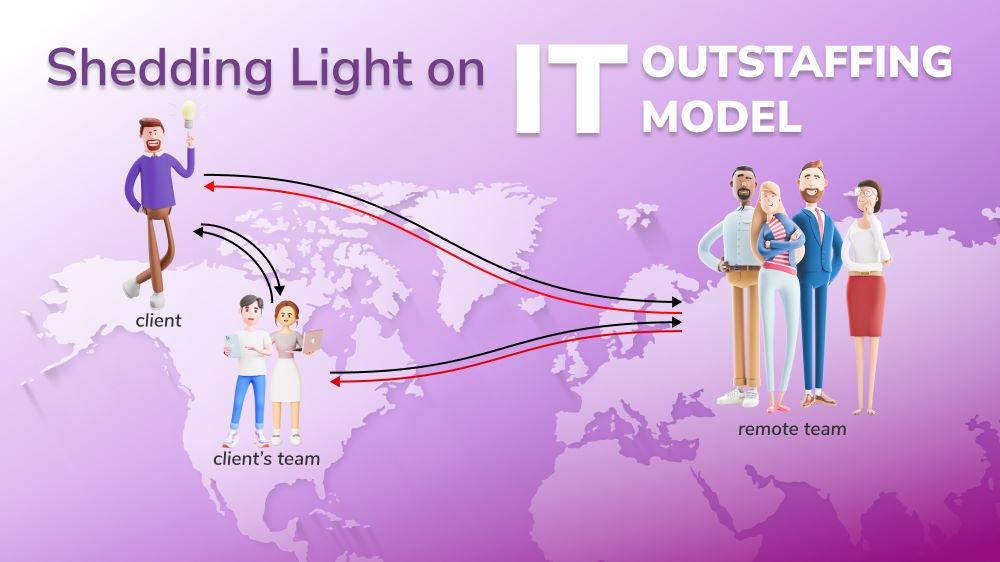
Outstaffing has emerged as a game-changer for businesses looking to expand their IT teams without the overhead of traditional hiring. By leveraging external talent, companies can scale quickly while maintaining flexibility and control over their projects. This approach allows organizations to focus on their core competencies, while specialized professionals manage specific tasks or projects.
One of the primary benefits of outstaffing is the cost-effectiveness it offers. Instead of incurring the expenses associated with full-time employees—such as salaries, benefits, and office space—businesses can hire skilled professionals on a contractual basis. This not only reduces costs but also enables organizations to allocate resources more efficiently across various projects.
Here are some key advantages of integrating outstaffing into your IT strategy:
Access to Global Talent: Outstaffing opens up a world of skilled professionals, allowing you to tap into expertise that may not be available locally.
Scalability: Quickly adjust team size to meet project demands, ramping up or down as necessary without the long-term commitment of a traditional hire.
Focus on Core Business: By outsourcing specific tasks, your internal team can concentrate on strategic initiatives that drive growth.
Speedy Onboarding: Outstaffed professionals typically come equipped with the necessary skills and experience, minimizing the time it takes to get them up to speed.
Consider the following table illustrating potential cost savings when opting for outstaffing compared to traditional hiring:
Expense Type
Outstaffing
Traditional Hiring
Salary
Variable (based on contract)
Fixed (annual salary)
Benefits
None
Health, retirement, etc.
Office Space
Remote work
Required
Training Costs
Minimal
Extensive
Moreover, outstaffing allows for greater flexibility in project management. Teams can be assembled and disbanded easily based on project timelines, providing a level of adaptability that is often unattainable with full-time employees. This flexibility is especially valuable in the fast-paced IT landscape, where requirements can shift dramatically in a short period.
with the right outstaffing partner, companies can ensure a seamless integration of external team members. Effective communication tools and project management systems can bridge the gap between in-house and outstaffed teams, fostering collaboration and innovation.
Identifying the Right Skills: What to Look for in Outstaffed Talent
When it comes to outstaffing, finding the right talent is crucial for your project’s success. You want to ensure that the individuals you bring on board not only have the necessary technical skills but also align with your company culture and objectives. Here are some key attributes to consider:
Technical Proficiency: Look for candidates with a strong foundation in the specific technologies relevant to your project. Whether it’s web development, mobile applications, or cloud solutions, ensure they have hands-on experience and a portfolio that showcases their work.
Problem-Solving Skills: The ability to navigate challenges and propose effective solutions is vital. During interviews, consider presenting real-world scenarios to gauge their analytical thinking and approach to problem-solving.
Communication Skills: Since your outstaffed team may work remotely, effective communication is key. Assess their ability to articulate ideas clearly, both in writing and verbally. Look for candidates who can collaborate seamlessly with your existing team.
Cultural Fit: Cultural alignment can significantly impact team dynamics. Consider whether the candidate’s values resonate with your company culture. This can enhance collaboration and ensure a more cohesive working environment.
Adaptability: The tech landscape is ever-evolving, so it’s important that your outstaffed talent can learn and adapt quickly. Candidates who demonstrate a growth mindset and a willingness to embrace new technologies will be invaluable assets.
When screening candidates, consider using a structured interview process that includes:
Interview Stage
Description
Technical Assessment
Evaluate their coding skills or technical knowledge through practical tests or coding challenges.
Behavioral Interview
Ask situational questions to understand their past experiences and how they handle various situations.
Team Collaboration
Involve them in a group interview with team members to assess how well they interact with your existing staff.
Additionally, consider leveraging platforms that specialize in connecting businesses with freelancers or outstaffing agencies. These platforms often provide ratings, reviews, and portfolios that can help you make informed decisions quickly.
Lastly, don’t underestimate the importance of referrals. Reach out to your professional network for recommendations. A candidate who comes recommended is often more reliable and can provide a smoother integration into your team.
The Cost-Effectiveness of Outstaffing Compared to Traditional Hiring
When it comes to expanding your IT team, outstaffing offers a financially savvy alternative to traditional hiring methods. The ability to rapidly scale your workforce without the burdensome overhead costs associated with full-time employees makes outstaffing an attractive option for many businesses aiming for agility and cost efficiency.
Understanding the financial implications is vital. Here’s why outstaffing can be a more viable choice:
Reduced Recruitment Costs: Outstaffing eliminates the need for extensive recruitment processes, which can be both time-consuming and expensive. You save not just on salaries, but also on hiring platforms, background checks, and other related expenses.
No Long-Term Commitments: You can engage skilled professionals for specific projects or durations without the long-term commitments that come with permanent hires. This flexibility allows for better budget management and resource allocation.
Lower Operational Costs: By opting for outstaffing, you avoid additional costs such as employee benefits, equipment, and office space that come with traditional employment.
Moreover, let’s consider the potential for increased productivity. With outstaffing, you can mobilize a team that’s already well-versed in the latest technologies and methodologies. The time taken for onboarding and training is drastically reduced, allowing you to hit the ground running. This accelerated development cycle can lead to quicker time-to-market for your products, further enhancing your competitive edge.
To illustrate , here’s a simple comparison table:
Cost Factors
Outstaffing
Traditional Hiring
Recruitment Costs
Minimal
High
Employee Benefits
None
Comprehensive
Training Costs
Low
High
Office Space
Not Required
Required
the economics of outstaffing provide a compelling case for businesses looking to maintain flexibility and minimize costs. By leveraging skilled professionals on a project basis, companies can not only reduce expenses but also enhance their operational efficiency.
Ultimately, the choice between outstaffing and traditional hiring should be guided by your specific business needs, project timelines, and budget constraints. However, with the undeniable benefits of cost-effectiveness and efficiency, outstaffing stands out as a strategic choice for those looking to scale their IT teams swiftly and smartly.
Setting Clear Goals: How to Define Your Project Needs
When you’re faced with the challenge of scaling your IT team, it’s crucial to start by identifying what your project actually needs. Clarity in your goals not only streamlines the hiring process but also ensures that you’re aligning the right skills with your project objectives. Here’s how to effectively outline your project requirements.
First, it’s important to establish specific objectives for your project. Ask yourself:
What is the primary goal of this project?
What are the key deliverables?
What is the timeline for completion?
Having these questions answered will provide a solid foundation for your team’s structure and skills needed, ensuring that everyone is on the same page.
Next, consider the scope of work. Clearly defining the boundaries of your project helps in avoiding scope creep and keeps your team focused. It’s beneficial to create a detailed list that includes:
Core functionalities required
Any secondary features that are nice to have
Potential roadblocks and how to address them
By laying out these elements, you can better assess what specific skills or expertise are necessary.
Furthermore, look closely at the skill gaps within your current team. Conduct a skills inventory to identify what your existing team brings to the table and where their limitations lie. This analysis can include:
Once you’ve identified the necessary roles and skills, it’s time to prioritize your needs. Not all positions may need to be filled immediately; focus on the roles that will have the most impact on your project’s success. Create a timeline that aligns with your project milestones to ensure a smooth integration of new team members.
don’t forget to consider the cultural fit of the outstaffed individuals. It’s vital that any new hires not only possess the required technical skills but also mesh well with your existing team dynamics. This ensures better collaboration and communication throughout the project, which is essential for successful outcomes.
Finding the Right Outstaffing Partner: Tips for a Successful Search
When it comes to scaling your IT team, selecting the right outstaffing partner can make all the difference. A good partner not only expands your team quickly but also ensures that the quality of work aligns with your vision. Here are some essential tips to help you navigate this important decision:
Define Your Needs: Before you begin your search, outline precisely what skills, experience, and expertise you require. Are you looking for full-stack developers, UI/UX designers, or perhaps data scientists? Knowing this in advance will streamline your search.
Research Potential Partners: Investigate various outstaffing companies by reading reviews, checking their portfolios, and examining case studies. Look for partners with a proven track record in your industry.
Evaluate Communication Skills: Successful partnerships hinge on effective communication. Assess how responsive potential partners are during your initial interactions and whether they demonstrate an understanding of your needs.
Consider Cultural Fit: Your outstaffing partner should align with your company culture. This can significantly impact collaboration and productivity. Take the time to understand their work ethic and values.
Discuss Flexibility: In today’s dynamic tech landscape, flexibility is crucial. Ensure that your partner is open to adjusting team sizes, skills, or project scopes as your needs evolve.
Assess Technical Expertise: Don’t hesitate to dive deep into their technical capabilities. Arrange for technical interviews or coding tests to evaluate the proficiency of their developers.
It’s also important to understand the financial aspects of the partnership. A clear pricing model will help you avoid unexpected costs down the line. Consider asking potential partners for:
Pricing Model
Description
Hourly Rate
Pay for the actual hours worked, offering flexibility but potential unpredictability in overall costs.
Fixed Price
A set fee for the entire project scope, providing budget certainty but less flexibility for changes.
Retainer Model
A monthly fee for dedicated resources, ensuring availability and predictability in budgeting.
Lastly, trust your instincts. A successful collaboration is built on mutual respect and understanding. Sometimes, the best fit may not be the most popular or well-known partner but rather one that resonates with your goals and values. Taking the time to find the right outstaffing partner can lead to effective scaling and long-term success for your IT team.
Streamlining Communication: Best Practices for Working with Outstaffed Teams
In today’s fast-paced tech landscape, effective communication is key to harnessing the full potential of outstaffed teams. To ensure alignment, productivity, and a healthy team dynamic, consider these best practices:
Establish Clear Objectives: Clearly define project goals and expectations from the onset. This helps everyone understand their roles and responsibilities, avoiding confusion and ensuring everyone is on the same page.
Utilize Collaboration Tools: Leverage tools such as Slack, Trello, or Asana for real-time communication and project management. These platforms allow for transparent updates and easy tracking of progress.
Regular Check-Ins: Schedule consistent meetings to discuss progress, challenges, and feedback. These check-ins promote open dialogue and help maintain a strong connection between remote teams.
Encourage Feedback: Create a culture where team members feel comfortable providing and receiving feedback. Constructive criticism can lead to improvements and fosters a sense of ownership and collaboration.
Adapt to Time Zones: Be mindful of different time zones when scheduling meetings. Utilize asynchronous communication to accommodate all team members, ensuring no one feels left out.
Moreover, establishing a strong onboarding process for outstaffed teams can tremendously enhance communication. When new members are integrated effectively:
Onboarding Steps
Purpose
Introduction to Company Culture
Helps new members align with your mission and values.
Tools and Resources Training
Ensures everyone is equipped to use necessary platforms effectively.
Team Meet-and-Greet
Fosters relationships and eases communication barriers.
Set Initial Objectives
Clarifies expectations and provides direction from the start.
Moreover, celebrate successes—big and small. Recognizing achievements fosters a positive atmosphere and motivates the entire team to excel. It’s important to share wins with your outstaffed team members to make them feel included and valued.
When it comes to fostering trust and transparency, ensure that everyone has access to the same information. Create a shared knowledge base where team members can find relevant documents, updates, and resources. This accessibility not only streamlines communication but also empowers the team to make informed decisions.
Lastly, invest in team-building activities. Even if your team is distributed across the globe, virtual events can cultivate camaraderie and strengthen relationships. Engaging in fun, collaborative tasks helps break down barriers and encourages a unified team spirit.
Monitoring Performance: How to Ensure Quality and Accountability
When scaling your IT team through outstaffing, maintaining performance quality and accountability is paramount. Here are some strategies to ensure your projects stay on track and meet your standards:
Set Clear Expectations: From the outset, define what success looks like. Create specific, measurable, achievable, relevant, and time-bound (SMART) objectives for your outstaffed team. This clarity fosters alignment and keeps everyone focused on the same goals.
Implement Regular Check-Ins: Schedule weekly or bi-weekly meetings to discuss progress, roadblocks, and feedback. These check-ins provide opportunities for adjustments and ensure that your outstaffed team is on the right path.
Utilize Project Management Tools: Leverage tools like Trello, Asana, or Jira to track tasks and deadlines. These platforms enhance transparency and accountability, allowing you to monitor each team member’s contributions in real-time.
Encourage Open Communication: Foster an environment where team members feel comfortable sharing ideas and concerns. Use chat tools like Slack or Microsoft Teams to facilitate continuous dialogue and collaboration.
Another effective way to monitor performance is by establishing key performance indicators (KPIs) that align with your project goals. Here’s a simple table to illustrate potential KPIs you might consider:
Key Performance Indicator
Description
Task Completion Rate
Percentage of tasks completed on time.
Code Quality
Defect density measured through code reviews.
Team Collaboration
Feedback from team members on collaboration effectiveness.
Client Satisfaction
Surveys or feedback scores from stakeholders.
Incorporating these KPIs into your performance monitoring framework allows you to assess not just the output, but the quality of the work being done. It also enables you to address issues proactively, rather than waiting for performance reviews.
Additionally, providing ongoing training and development opportunities for your outstaffed team can greatly enhance performance. Consider implementing:
Workshops and Webinars: Regular learning sessions can help keep skills sharp and ensure team members are up-to-date with the latest technologies and methodologies.
Mentorship Programs: Pairing less experienced team members with seasoned professionals can boost knowledge transfer and foster a culture of learning.
Lastly, recognize and reward excellent performance. Celebrating achievements, big or small, creates a motivated environment where team members feel valued. This can be as simple as a shout-out in a team meeting or more formal recognition programs.
By closely monitoring performance through these strategies, you can ensure that your outstaffed team not only meets your expectations but exceeds them, driving the success of your IT projects.
Building a Strong Onboarding Process for Your Outstaffed Team
Creating a seamless onboarding experience for your outstaffed team is crucial for ensuring that they hit the ground running. A well-structured onboarding process not only helps new team members understand their roles but also fosters a sense of belonging and commitment to your company culture.
Here are some essential elements to consider when designing your onboarding strategy:
Clear Communication: Establish transparent channels for communication from day one. Utilize tools like Slack or Microsoft Teams to ensure everyone is on the same page.
Comprehensive Documentation: Provide access to a centralized repository of documents that outline processes, tools, and guidelines. This can include everything from coding standards to project management practices.
Structured Training Program: Implement a training schedule that allows new team members to learn at a comfortable pace. This could include live sessions, recorded tutorials, and hands-on projects.
Regular Check-Ins: Schedule consistent check-ins during the first month. This allows you to address any questions or concerns and provides a platform for feedback.
Integrating your outstaffed team into your company culture is equally important. Here are some tips to cultivate a sense of inclusion:
Welcome Packages: Consider sending welcome kits that include company swag, essential tools, and a personalized note from the team.
Virtual Team-Building Activities: Organize regular virtual events to foster camaraderie. This could be anything from online games to casual coffee chats.
Mentorship Programs: Pair new team members with experienced staff who can provide guidance and support. This not only accelerates learning but also strengthens relationships.
The onboarding process should be evaluated and refined continuously. Here’s a simple table to help you track the effectiveness of your onboarding:
Onboarding Element
Feedback Score (1-5)
Improvement Notes
Training Program
4
Make sessions more interactive
Documentation Clarity
3
Update outdated content
Team Integration
5
Continue with current activities
By focusing on these components, you can create an onboarding experience that not only equips your outstaffed team with necessary skills but also makes them feel valued and part of the larger mission. Remember, a strong onboarding process is an investment that pays off in productivity, morale, and retention.
Fostering a Collaborative Culture with Remote Team Members
Building a collaborative culture among remote team members can significantly enhance productivity and innovation. When your IT team is dispersed across various locations, establishing effective communication channels and fostering a sense of belonging becomes imperative. Here are some strategies to cultivate collaboration:
Leverage Technology: Utilize collaboration tools such as Slack, Microsoft Teams, or Zoom. These platforms facilitate real-time communication, video conferencing, and file sharing, making it easier for team members to connect and collaborate regardless of their location.
Establish Clear Goals: Define project objectives and individual roles explicitly. When everyone understands their responsibilities and how they contribute to the larger picture, it enhances accountability and teamwork.
Encourage Open Communication: Create an environment where team members feel comfortable sharing ideas, feedback, and concerns. Regular check-ins and feedback sessions can help maintain a transparent dialogue.
Celebrate Achievements: Recognize individual and team accomplishments, big or small. Celebrating wins fosters motivation and reinforces the notion that everyone’s contributions matter.
Another crucial aspect of collaboration is fostering relationships among remote team members. Organizing virtual team-building activities can help break down barriers and build trust. Some effective activities include:
Virtual Coffee Breaks: Schedule informal meetings where team members can chat about non-work-related topics.
Online Games or Quizzes: Engage your team with fun games that encourage teamwork and problem-solving.
Virtual Workshops: Offer skill-building sessions that allow team members to learn from each other while enhancing their expertise.
To ensure that collaboration thrives, it’s essential to set a culture of inclusivity. Make sure that all voices are heard, especially from team members in different time zones. Consider implementing a flexible meeting schedule that accommodates everyone. This demonstrates respect for their time and promotes a sense of belonging.
Here’s a quick reference table highlighting some key practices for fostering collaboration within a remote IT team:
Practice
Description
Benefits
Regular Check-Ins
Schedule consistent meetings to discuss progress and roadblocks.
Enhanced communication and problem-solving.
Feedback Loops
Encourage continuous feedback to adapt and improve.
Increased team engagement and satisfaction.
Shared Tools
Use common platforms for project management and documentation.
Streamlined processes and information sharing.
fostering a collaborative culture within a remote IT team requires intentional effort and strategic implementation of practices that promote communication, inclusivity, and recognition. By investing in your team’s collaboration skills and tools, you not only enhance productivity but also create a more engaged and motivated workforce.
Leveraging Technology for Seamless Integration of Outstaffed Talent
In today’s fast-paced digital landscape, integrating outstaffed talent into your existing team can feel like a daunting task. However, with the right technological tools and strategies, this process can be streamlined, ensuring that your projects run smoothly and efficiently.
First and foremost, communication is key when working with remote talent. Utilizing platforms such as Slack or Microsoft Teams fosters open lines of communication, ensuring that everyone is on the same page. Here’s how to maximize these tools:
Establish dedicated channels for different projects or teams.
Utilize integrations with project management tools for seamless updates.
Next, consider employing robust project management software like Jira or Trello. These tools help manage tasks effectively and provide visibility into the workflow. By implementing a clear project structure, you can:
Assign tasks based on team members’ strengths.
Track progress and deadlines with ease.
Ensure accountability through transparent timelines.
Additionally, investing in collaboration platforms such as Miro or Figma can foster creativity and innovation among your team. These tools allow for real-time collaboration on designs and brainstorming sessions. Here’s how they can enhance your team’s output:
Enable teams to iterate quickly on ideas and proposals.
Support visual thinkers in expressing complex concepts easily.
Moreover, incorporating time-tracking tools like Harvest or Toggl can provide insights into productivity levels and help manage budgets effectively. With these tools, you can:
Benefit
Description
Accountability
Ensure that all team members are on task and managing their time effectively.
Budget Management
Track hours to help manage project costs and avoid overruns.
Performance Insights
Analyze productivity patterns to identify areas for improvement.
Lastly, feedback loops are vital in ensuring that remote talent feels engaged and valued. Utilize tools like SurveyMonkey or Google Forms to gather insights from your outstaffed team on their experiences and challenges. This not only helps in making necessary adjustments but also promotes a culture of continuous improvement.
By embracing these technological solutions, you can create a cohesive and productive work environment that leverages the strengths of both in-house and outstaffed talent. As you scale your IT team, remember that technology is your ally in fostering collaboration, enhancing productivity, and ultimately driving project success.
Adapting Your Management Style for a Hybrid Team Environment
In a hybrid team environment, where some members work remotely while others are on-site, adapting your management style becomes crucial. Flexibility is key. It’s important to cultivate a culture that values both collaboration and autonomy, allowing team members to thrive regardless of their location.
Consider implementing the following strategies to effectively manage your hybrid team:
Emphasize Communication: Use a mix of tools such as Slack, Zoom, and project management software to ensure everyone stays in the loop. Regular check-ins can help bridge the gap between remote and on-site team members.
Set Clear Expectations: Outline roles, responsibilities, and deadlines clearly. This clarity helps team members prioritize their tasks and provides accountability across the board.
Foster Inclusivity: Make a conscious effort to include remote members in meetings and discussions. For instance, use video conferencing for all team meetings to ensure everyone feels part of the conversation.
Encourage Flexibility: Recognize that team members may have different work styles and personal commitments. Allow for flexible hours and the freedom to work at their peak productivity times.
One effective approach is to drive engagement through shared goals. Aligning the team around a common purpose boosts morale and encourages collaboration. Regularly celebrate wins, whether big or small, to build a positive team culture. This can be done using team recognition platforms or even simple shout-outs during meetings.
To visualize your team’s productivity and dynamics, consider using a hybrid work effectiveness table like the one below:
Team Member
Location
Preferred Communication Tool
Engagement Level
Alice
Remote
Slack
High
Bob
On-site
Email
Medium
Charlie
Remote
Zoom
High
Lastly, invest in training and development tailored to hybrid dynamics. Encourage cross-training among team members, so everyone understands various roles within the team. This not only enhances skills but also fosters empathy and collaboration.
By embracing these approaches, you can create a hybrid team environment that is not only efficient but also enjoyable. This adaptability will ultimately position your IT team for success as you scale quickly and cost-effectively through outstaffing.
Scaling Up or Down: Flexibility in Outstaffing for Dynamic Needs
In today’s fast-paced business environment, the ability to adapt quickly to changing demands is a key advantage. Outstaffing provides a flexible solution, allowing companies to scale their teams up or down without the long-term commitment associated with traditional hiring methods. This adaptability is crucial for responding to project demands, whether you’re facing a sudden surge in work or a temporary downturn.
When considering outstaffing, it’s essential to understand the different scenarios that might prompt you to adjust your team size:
Seasonal spikes in demand that require additional resources for a limited time.
Project-based needs where specific expertise is required for a short duration.
Changes in technology or project direction that necessitate a different skill set.
Cost management during slower periods, allowing for a leaner workforce.
This flexibility not only supports immediate project needs but also enhances the overall efficiency of your operations. By integrating outstaffed resources, you can maintain a nimble structure that allows for rapid reallocation of talent based on project requirements.
Moreover, scaling your team with outstaffing can significantly reduce costs. Traditional hiring processes often involve:
Lengthy recruitment periods
Costs associated with onboarding and training
Legal and administrative expenses related to permanent hires
Outstaffing mitigates these costs, allowing you to tap into a pool of skilled professionals quickly. You can bring in top talent as and when you need it, focusing on project delivery without the overhead of a full-time commitment.
Benefits of Outstaffing
Traditional Hiring
Quick access to talent
Lengthy hiring processes
Flexibility to scale
Fixed workforce
Lower operational costs
High overhead expenses
Access to global expertise
Limited local talent pool
Additionally, outstaffing empowers you to concentrate on your core business strategies while leaving specialized skills to external experts. This partnership not only fosters innovation but also ensures that your team is always equipped with the latest industry knowledge and practices.
the flexibility to scale your IT team through outstaffing is not just a reactive measure; it’s a proactive strategy that can propel your business forward in an ever-changing market landscape. By embracing this model, you’re not only optimizing your resources but also positioning your company for sustained growth and success.
Real-Life Success Stories: How Companies Thrived with Outstaffing
Many businesses today are leveraging outstaffing as a strategic approach to scale their IT teams. Here are a few noteworthy examples of companies that have successfully implemented this model and reaped the rewards:
Access global talent: They quickly recruited experienced engineers from Eastern Europe.
Cut down hiring time: What typically took months was reduced to mere weeks.
Maintain flexibility: They could easily scale their team size based on project requirements.
This strategic move allowed them to launch their app ahead of schedule, positioning them as a leader in their niche.
2. E-Commerce Evolution
An established e-commerce platform wanted to enhance its website and customer experience. With their in-house team stretched thin, they turned to outstaffing:
Improved efficiency: They hired UI/UX designers who provided fresh perspectives.
Cost savings: By outsourcing, they saved on operational costs and reduced overheads.
Quick adaptation: The outstaffed team could focus solely on the project without distractions.
As a result, they saw a 30% increase in customer satisfaction ratings within months.
3. Financial Services Reinvented
A financial services firm was looking to upgrade its software systems to remain competitive. They faced a shortage of specialized developers but found a solution in outstaffing:
Access to niche skills: They hired blockchain developers from a reputable outstaffing partner.
Faster project delivery: The combined efforts of in-house and outstaffed teams led to quicker iterations.
Scalability: They could ramp up or downsize the outstaffed team as project needs evolved.
Consequently, the firm successfully launched their blockchain solution ahead of their competitors.
4. Marketing Agency Transformation
A digital marketing agency sought to expand its service offerings but lacked the technical expertise in-house. By utilizing outstaffing, they could:
Enhance service quality: They brought in skilled developers to enhance their marketing platforms.
Focus on core competencies: The in-house team could concentrate on strategy while the outstaffed team handled execution.
Boost revenue: New services led to increased client acquisitions and higher retention rates.
This strategic decision ultimately transformed their agency into a one-stop solution for clients.
Key Takeaways
These companies illustrate that outstaffing can be a game-changer when it comes to scaling IT teams. The common threads among their successes include:
Benefit
Example Company
Access to Global Talent
Startup Surge
Cost Savings
E-Commerce Evolution
Quick Adaptation
Financial Services Reinvented
Enhanced Quality
Marketing Agency Transformation
By understanding the success stories of these companies, it’s clear that outstaffing is not just a cost-effective solution; it’s a strategic advantage that can propel businesses forward in a competitive landscape.
Looking Ahead: Future Trends in Outstaffing for IT Teams
As the landscape of IT continues to evolve, so too does the outstaffing model. Companies are increasingly recognizing the need for agility and flexibility in their IT operations, making outstaffing an attractive option for scaling teams quickly. In the coming years, we can expect to see several significant trends that will shape how businesses leverage outstaffing to meet their IT demands.
Increased Focus on Specialized Skills
As technology advances, the demand for specialized skill sets is growing. Businesses will increasingly seek outstaffing solutions that provide access to highly skilled professionals in niche areas, such as:
Artificial Intelligence and Machine Learning
Cybersecurity
Cloud Computing
Blockchain Technology
Internet of Things (IoT)
This focus on specialized skills will allow organizations to enhance their project outcomes and stay competitive in a fast-paced digital environment.
Remote Work as the New Normal
The pandemic has catalyzed a permanent shift towards remote work. As this trend solidifies, outstaffing firms will likely adapt by offering more flexible arrangements, enabling companies to hire talent from different regions without geographical limitations. This trend will foster:
Diverse teams with varied perspectives
Cost savings from lower living expenses in different regions
Access to a broader talent pool
Emphasis on Cultural Fit and Collaboration
While technical skills are essential, organizations will place greater importance on cultural fit and collaboration capabilities. Future outstaffing strategies will include:
Thorough assessments of potential candidates’ soft skills
Structured onboarding processes to enhance team integration
Regular communication channels to foster a collaborative work environment
This approach will ensure that outstaffed teams align well with the company’s values and objectives, leading to improved productivity and job satisfaction.
Incorporation of AI and Automation Tools
To maximize efficiency, companies will increasingly integrate AI and automation tools into their outstaffing processes. These tools can streamline operations by:
Facilitating project management
Enhancing communication
Optimizing resource allocation
By leveraging these technologies, organizations can reduce overhead costs and improve the overall effectiveness of their outstaffing efforts.
Increased diversity and cost savings through global talent.
Cultural Fit
Improved collaboration and job satisfaction.
AI and Automation
Efficiency gains and reduced operational costs.
As we look towards the future, companies that embrace these trends in outstaffing will be better positioned to adapt to changing market demands. By strategically leveraging outstaffing solutions, businesses can not only scale their IT teams effectively but also drive innovation and maintain a competitive edge.
Frequently Asked Questions (FAQ)
Q&A: How to Scale Your IT Team Quickly and Cost-Effectively with Outstaffing
Q: What exactly is outstaffing, and how does it work in the context of IT teams?
A: Great question! Outstaffing is a flexible hiring model where you engage external professionals to work as part of your team, effectively extending your in-house capabilities. Instead of going through the lengthy process of recruiting full-time employees, you can hire skilled developers, designers, or IT specialists from other companies or regions. This allows you to scale your team quickly—just tap into the talent pool as needed!
Q: Why should I consider outstaffing instead of traditional hiring?
A: If you’re looking for speed and cost-effectiveness, outstaffing is a game-changer. Traditional hiring can take months and often comes with high overhead costs—recruitment, onboarding, benefits, and more. Outstaffing lets you bypass many of these hurdles; you can bring in experienced professionals almost instantly and often at a lower cost, allowing you to focus on your core business while they handle the tech side.
Q: How can outstaffing help me manage project fluctuations?
A: Outstaffing is incredibly adaptable. If you have a spike in projects or need specific expertise for a limited time, you can quickly bring in outstaffed talent without the long-term commitment. This flexibility means you can ramp up or down based on your project needs, keeping your team lean and efficient.
Q: What are some common pitfalls to avoid when using outstaffing?
A: It’s crucial to maintain clear communication and set expectations from the get-go. One pitfall is assuming that outstaffed team members will automatically understand your company culture and project requirements. Establishing a well-defined onboarding process and regular check-ins can help mitigate misunderstandings and ensure everyone is on the same page.
Q: Can you share some tips for effectively integrating outstaffed team members into my existing team?
A: Absolutely! First, introduce them to your in-house team so everyone knows who’s who. Next, involve them in team meetings and discussions to foster collaboration. Providing access to your project management tools and documentation will help them feel included and up to speed. Remember, the goal is to create a cohesive unit, so encourage open communication and teamwork.
Q: What kind of roles can I effectively outstaff?
A: Almost any IT role can be outstaffed! Common positions include software developers, UI/UX designers, QA testers, and project managers. The key is to identify the specific skills you need and find professionals who excel in those areas. With the right outstaffing partner, you can find talents tailored to your project requirements.
Q: How do I find the right outstaffing partner?
A: Start by researching companies with a solid reputation and proven success in outstaffing. Look for reviews, case studies, and testimonials to gauge their reliability. It’s also important to have an initial conversation—ask about their recruitment process, team expertise, and how they ensure quality. A good partner should align with your company’s values and goals.
Q: What’s the bottom line on scaling with outstaffing?
A: If you want to scale your IT team quickly and cost-effectively, outstaffing is a smart route. It provides you access to a global talent pool, lets you manage resources flexibly, and reduces the time and costs typically associated with hiring. When done right, it can elevate your projects and drive your business forward. So, why not give it a try?
Feel free to reach out if you have more questions or need further insights on outstaffing your IT team!
To Conclude
scaling your IT team through outstaffing isn’t just a smart move—it’s a game changer. By embracing this flexible approach, you can access a vast pool of talent without the burdensome costs of traditional hiring. You’ll not only meet project deadlines and increase productivity, but you’ll also foster a dynamic work environment that adapts to your company’s evolving needs.
So, whether you’re a startup looking to innovate or an established business aiming to accelerate growth, outstaffing can give you the edge you’ve been searching for. Why not explore this option further? Dive into the world of outstaffing and watch your IT capabilities expand rapidly and efficiently. Remember, the future of your IT team is not just about filling positions—it’s about building a powerhouse of talent that drives your vision forward. Ready to take the leap? Let’s make it happen!