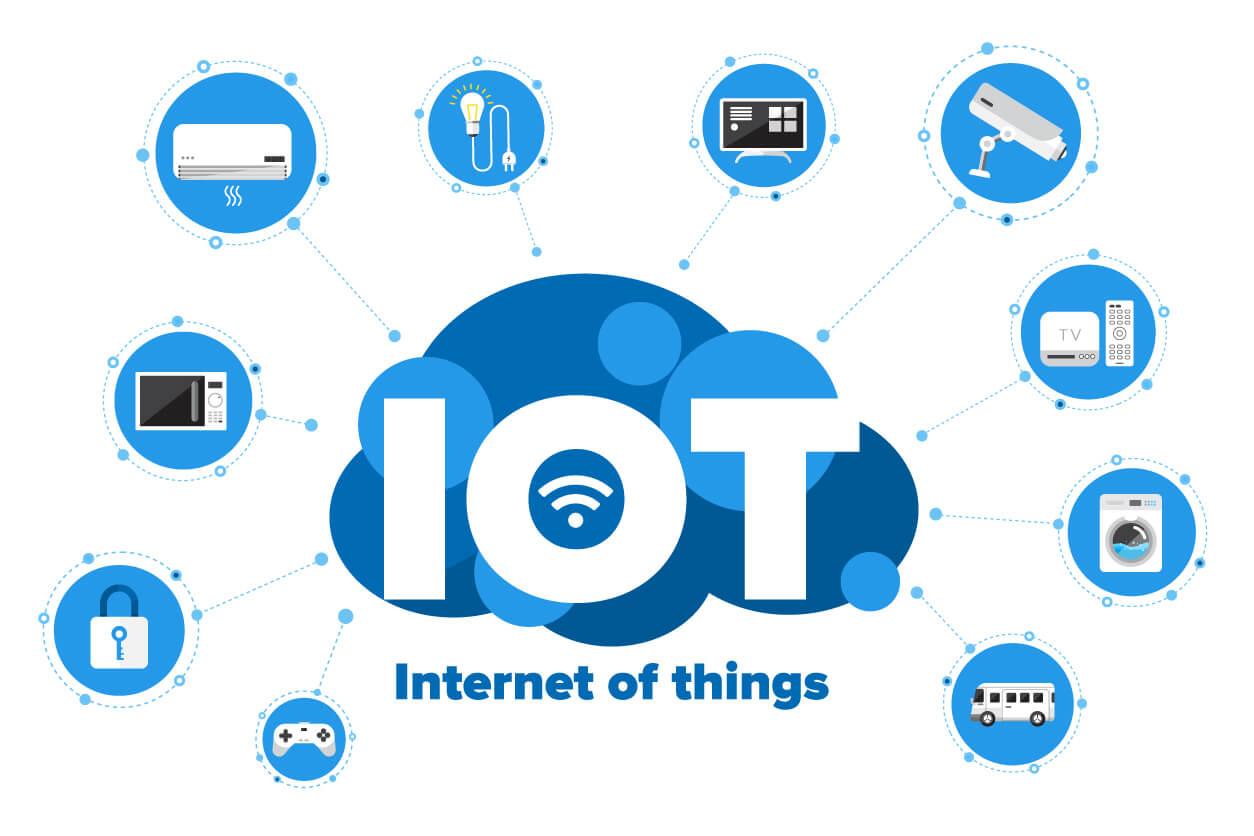
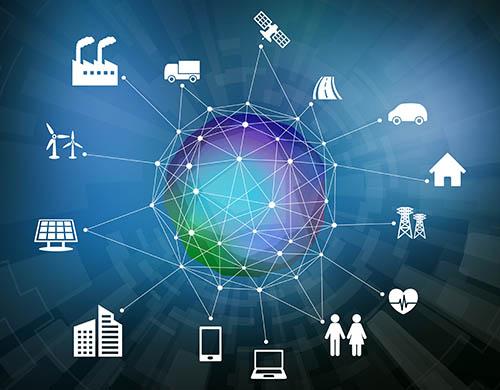
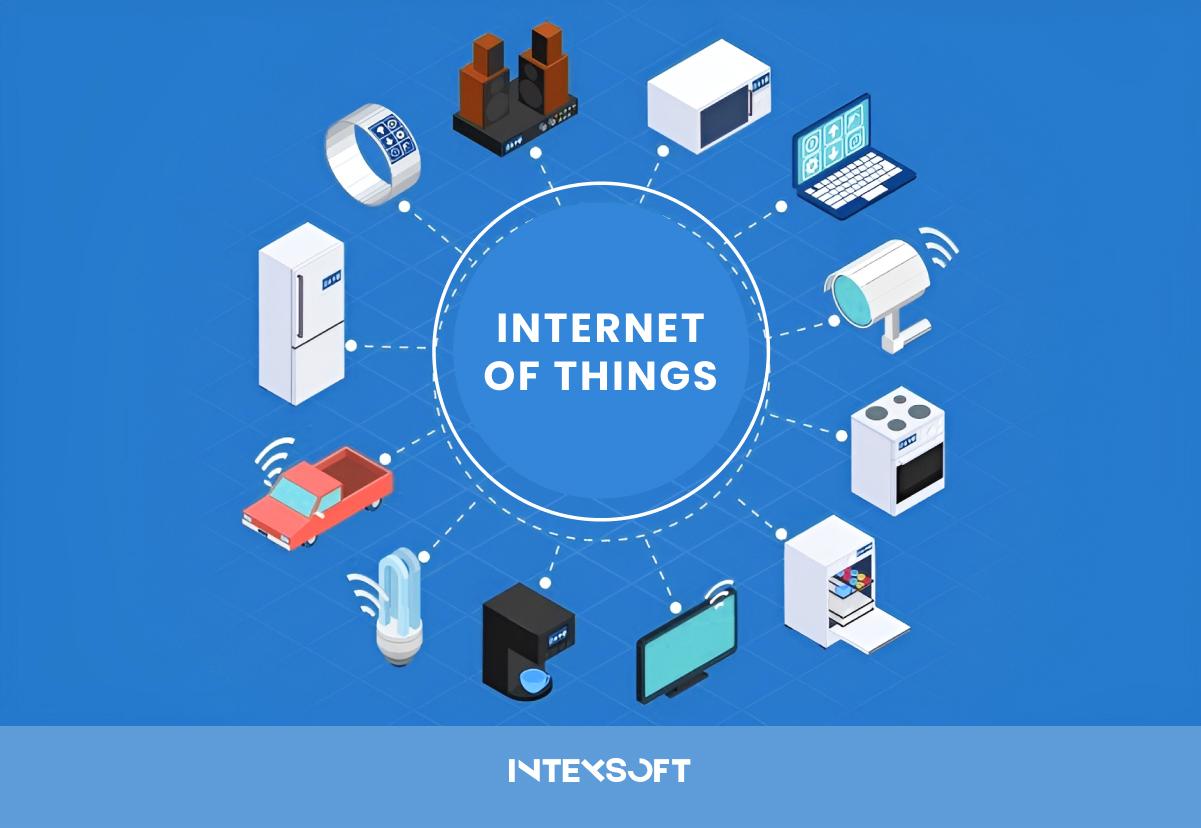
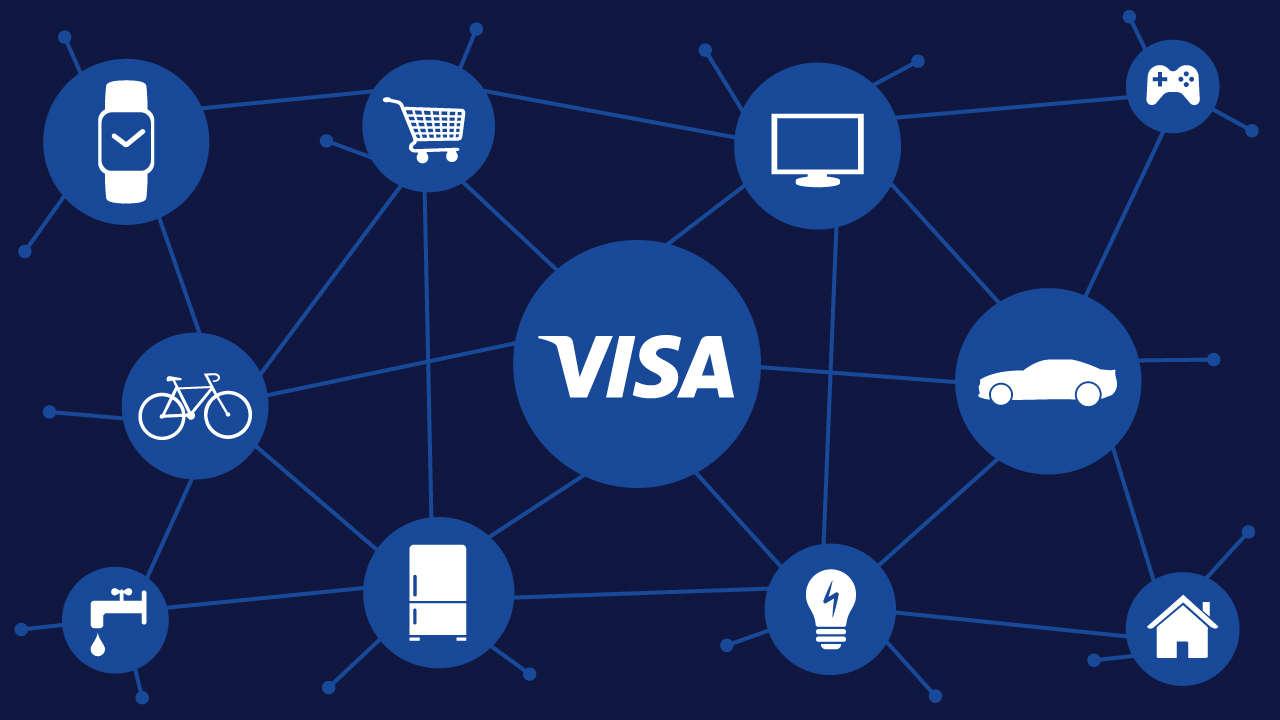
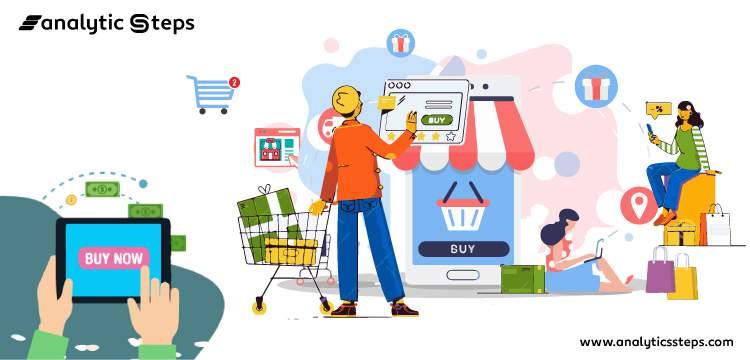
Hey there, e-commerce enthusiasts! Have you ever wondered how the Internet of Things (IoT) is reshaping the online shopping experience? If you’re in the world of e-commerce—or even just a curious shopper—you’re in for a treat. In this ultimate guide, we’ll explore how IoT is not just a buzzword but a game-changer for businesses and consumers alike. Imagine a world where your fridge can automatically order groceries when you’re running low, or where retailers can anticipate your needs before you even start browsing. Sounds futuristic, right? Well, it’s happening now, and we’re here to break it all down for you!
From smart devices that enhance customer engagement to data-driven insights that boost sales, IoT is revolutionizing how we buy and sell online. We’ll dive into real-world use cases that showcase the incredible potential of IoT in e-commerce, proving that this technology is more than just a trend—it’s a necessity for those looking to stay ahead in the competitive landscape. So, whether you’re a business owner wanting to innovate or a shopper curious about what’s next, let’s embark on this exciting journey into the world of IoT in e-commerce!
Understanding the Internet of Things and Its Role in E-commerce
The Internet of Things (IoT) is revolutionizing e-commerce by creating a more interconnected and efficient shopping experience. By leveraging smart devices and real-time data, both retailers and consumers can enjoy enhanced interactions and seamless transactions. Imagine a world where your refrigerator can remind you when you’re low on milk, or your smart home device can order your favorite products with just a voice command. This is the promise of IoT in e-commerce.
At its core, IoT connects various devices, enabling them to communicate and share data. This connectivity enhances the customer experience in numerous ways:
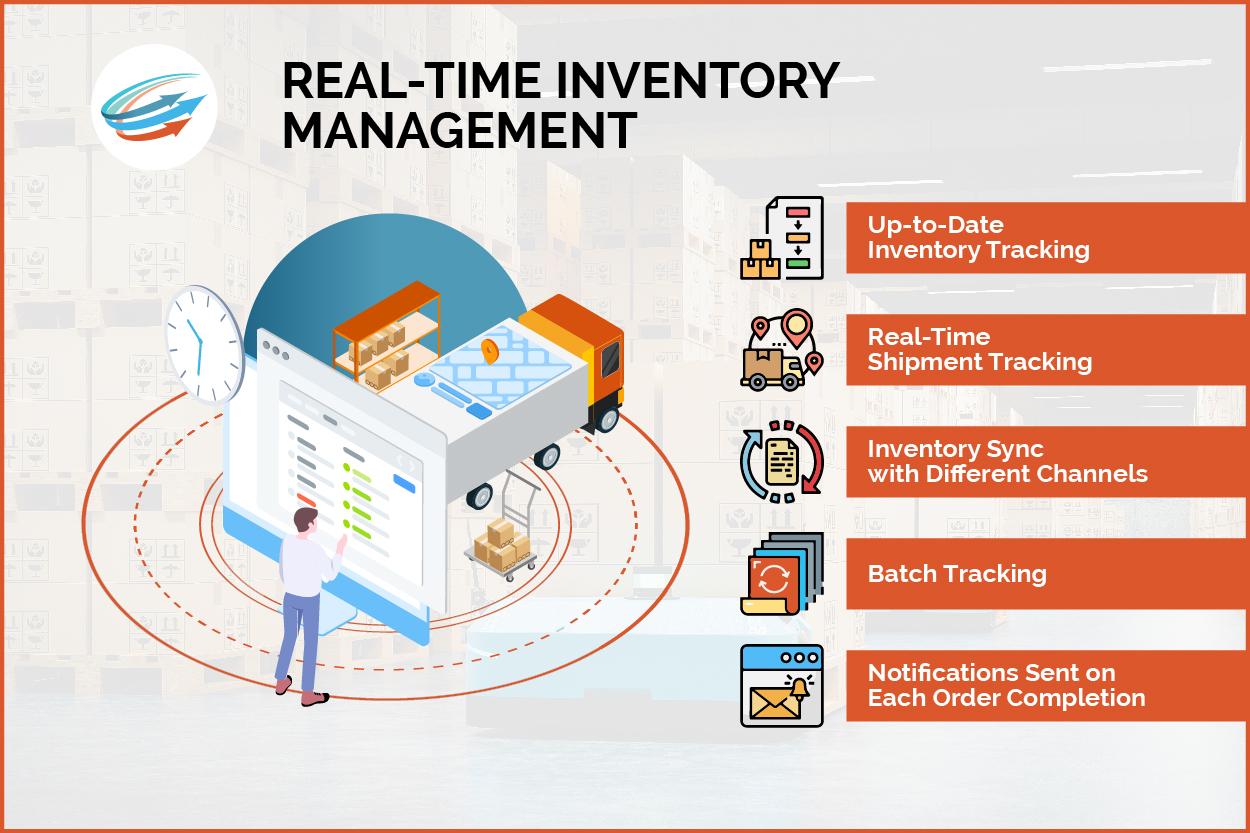
Inventory Management: Smart shelves equipped with sensors can track stock levels in real-time, alerting managers when it’s time to reorder.
Enhanced Customer Engagement: Brands can engage customers through personalized messages and promotions based on their preferences and shopping habits.
One of the standout features of IoT in e-commerce is its ability to gather and analyze vast amounts of data. This data serves as a treasure trove for businesses, allowing them to identify trends and make informed decisions. For instance, retailers can track how often particular items are purchased and adjust their marketing strategies accordingly. This data-driven approach leads to increased efficiency and, ultimately, profitability.
Consider a scenario where a retailer uses IoT to analyze shopping patterns. They might discover that certain products sell better during specific times of the year. Armed with this insight, they can plan seasonal promotions more effectively, maximizing sales opportunities. This predictive analysis not only benefits the retailer but also enhances the shopping experience for consumers, who receive relevant offers at the right time.
IoT Applications in E-commerce
Description
Smart Mirrors
Allow customers to try on clothes virtually, providing a unique shopping experience.
Beacon Technology
Sends targeted promotions to customers’ smartphones based on their in-store location.
Connected Payment Systems
Streamline checkout processes through mobile wallets and smart devices.
Moreover, IoT enhances supply chain management, a crucial aspect of e-commerce. By using smart tracking devices, businesses can monitor shipments in real-time. This transparency not only improves operational efficiency but also builds trust with customers, who are eager to know the status of their orders. A streamlined supply chain leads to faster delivery times, a key factor in customer satisfaction.
the integration of IoT into e-commerce presents a myriad of opportunities for both consumers and businesses. As technology continues to evolve, we can expect even more innovative applications that will reshape the shopping landscape. By embracing IoT, retailers can not only meet the demands of today’s tech-savvy consumers but also position themselves for success in the competitive e-commerce market.
How IoT is Transforming Customer Experience in Online Shopping
Imagine walking into a store where your shopping experience is personalized to your exact preferences, all thanks to the integration of Internet of Things (IoT) technology. In the realm of online shopping, IoT is taking customer experience to a whole new level. From smart recommendations to seamless transactions, it’s reshaping how consumers interact with brands.
One of the most impactful ways IoT enhances online shopping is through personalization. Retailers can analyze data from connected devices to understand customer behaviors and preferences. This enables them to:
Provide tailored product suggestions based on past purchases.
Send real-time notifications about discounts or new arrivals in categories customers frequently browse.
Enhance customer service experiences by predicting and addressing potential issues before they arise.
Another critical aspect is the streamlined shopping process facilitated by IoT technology. Smart shopping carts equipped with sensors can track items as customers shop, automatically updating totals and suggesting complementary products as they move through the aisles. This technology is starting to make waves in online shopping by allowing brands to simulate this experience:
Virtual shopping assistants that guide users through their purchasing journey.
Automated checkout processes that remember payment preferences and delivery details.
Moreover, inventory management has been revolutionized through IoT sensors that track stock levels in real time. This means that online retailers can maintain optimal inventory, reducing the risk of stockouts or overstock situations. Customers are less likely to encounter frustrating “out of stock” notifications when shopping online. Instead, they receive accurate information that reflects real-time availability.
IoT Benefits
Impact on Customer Experience
Real-time data collection
Enables timely and relevant product recommendations
Automated inventory updates
Increases item availability and reduces wait times
Enhanced customer insights
Facilitates personalized marketing strategies
Another revolutionary aspect is the integration of smart devices within the shopping experience. For instance, customers can use voice-activated assistants to browse products and place orders seamlessly. Imagine saying, “Order my favorite coffee,” and having it delivered without lifting a finger. This level of convenience not only enhances the customer experience but also encourages brand loyalty.
Lastly, IoT plays a pivotal role in post-purchase engagement. Through connected devices, retailers can follow up with customers, ensuring satisfaction and encouraging feedback. This two-way communication fosters a sense of community and connection between brands and consumers, making them feel valued and heard.
In essence, the implementation of IoT in online shopping is a game changer. By focusing on personalization, convenience, and ongoing engagement, retailers can create an unparalleled shopping experience that not only meets but exceeds customer expectations. This technology is not just about selling products; it’s about building relationships and fostering brand loyalty that lasts.
Streamlining Supply Chain Management with IoT Technology
The integration of IoT technology in supply chain management has revolutionized how businesses operate, offering unprecedented levels of efficiency and transparency. By embedding sensors and smart devices into every phase of the supply chain, e-commerce companies can achieve real-time monitoring, which dramatically enhances decision-making processes.
Enhanced Visibility is one of the primary advantages of using IoT devices. With real-time tracking of inventory and shipments, businesses can monitor their products from the point of origin to the customer’s doorstep. This level of visibility reduces the chances of lost or misdirected shipments, ensuring that products reach their destination in a timely manner.
Additionally, IoT technology aids in predictive analytics. By analyzing data collected from sensors, businesses can forecast demand with greater accuracy. This allows companies to optimize their inventory levels, reducing the costs associated with overstocking or stockouts. Predictive analytics leverages historical data, helping to anticipate trends and respond proactively.
Moreover, IoT devices facilitate automated processes. Smart warehouses equipped with robotic systems can handle inventory management much more efficiently than manual processes. Tasks such as picking, packing, and shipping can be automated, which not only speeds up operations but also minimizes human error.
Real-time Data Sharing is another significant benefit that comes with IoT integration. Stakeholders throughout the supply chain can access the same data in real-time, fostering better communication and collaboration. This transparency helps in synchronizing the activities of suppliers, manufacturers, and logistics providers, leading to more efficient operations overall.
IoT Benefits
Description
Visibility
Real-time tracking of products throughout the supply chain.
Predictive Analytics
Forecasting demand to optimize inventory levels.
Automation
Streamlining warehouse operations through robotics.
Data Sharing
Enhancing communication between all stakeholders.
Investing in IoT for supply chain management isn’t just about enhancing operations; it’s also about reducing costs. By minimizing waste and optimizing resource utilization, businesses can significantly lower their operational expenses. This cost-effectiveness can be a game-changer, particularly in competitive markets where margins are tight.
IoT technology promotes sustainability in supply chains. With real-time data, companies can identify inefficiencies and make adjustments that reduce their environmental footprint. This can include optimizing delivery routes to save fuel or reducing energy consumption in warehouses.
Enhancing Personalization: The Power of IoT Data
As e-commerce continues to flourish, the ability to offer a personalized shopping experience has become essential. One of the most significant advancements in achieving this is the integration of Internet of Things (IoT) data. By leveraging the vast amounts of information generated by connected devices, businesses can tailor their offerings to meet individual customer preferences, ultimately driving sales and fostering loyalty.
Imagine walking into a store where your previous purchases, preferences, and even your current mood are already known. This level of personalization is made possible through IoT devices that collect and analyze consumer data. For instance:
Smart Home Devices: These can track user habits, suggesting products based on consumption patterns.
Wearable Technology: Fitness trackers can provide insights into health trends, prompting targeted marketing campaigns for health-related products.
Connected Apps: Shopping apps can analyze browsing behavior to recommend products that align with a user’s tastes.
This data-driven approach enables retailers to create personalized marketing messages that resonate with customers, rather than relying on generic advertisements. For example, if a smart fridge detects that a user is low on milk, it can send a reminder to purchase milk through a connected app, potentially with a promotional discount to encourage the purchase.
Furthermore, the power of IoT data extends beyond just recommendations. It allows businesses to optimize inventory management and supply chain logistics. With real-time data analytics, companies can better predict trends, ensuring that they have the right products available when customers seek them. This proactive approach significantly reduces the chances of stockouts or overstock situations, enhancing overall customer satisfaction.
IoT Device
Personalization Benefit
Smart Thermostats
Adjust marketing strategies based on home usage patterns.
Wearable Fitness Trackers
Provide personalized health product recommendations.
Smart Speakers
Enable voice-activated shopping tailored to user preferences.
Moreover, the seamless integration of IoT data with AI algorithms allows businesses to predict future buying behaviors, leading to an even more personalized shopping journey. Retailers can anticipate what customers might want next, based on their shopping history and broader market trends. This predictive capability not only enhances user experience but also positions companies as leaders in customer service.
However, it’s crucial to handle IoT data responsibly. Transparency in data collection and usage fosters trust among consumers. By being upfront about how their data is used and offering clear benefits in return, businesses can build lasting relationships with customers while enhancing their personalization strategies.
harnessing the power of IoT data is not just a trend; it’s a vital component of modern e-commerce. By understanding customer preferences, optimizing inventory, and predicting future needs, businesses can create a personalized shopping experience that delights customers and drives growth. As the landscape continues to evolve, those who effectively leverage IoT data will undoubtedly stand out in the competitive e-commerce arena.
Real-Time Inventory Management: Best Practices for E-commerce
In the fast-paced world of e-commerce, having real-time inventory management is not just a luxury; it’s a necessity. Startups and large enterprises alike can benefit from keeping a close eye on stock levels, ensuring they meet customer demands without overstocking. Here are some best practices to consider:
Utilize IoT Sensors: Integrating IoT sensors can provide real-time data on inventory levels. These sensors can automatically track stock movement and alert you when items are running low, allowing for timely restocking.
Adopt Cloud-Based Solutions: Cloud-based inventory management systems facilitate real-time updates across all platforms. This can help in synchronizing data between your online store and physical warehouses, ensuring a seamless shopping experience.
Implement Automated Replenishment: Use algorithms that predict when stock levels will run low based on historical sales data. Automation takes the guesswork out of inventory management and can prevent stockouts.
Enhance Customer Transparency: Providing customers with real-time inventory visibility through your website can improve trust and reduce frustration. If items are low in stock, display this information clearly.
Additionally, consider analyzing sales trends to make informed decisions. Understanding which products are fast movers can help you allocate resources effectively. Here’s a simple table showcasing some examples of high-demand products:
Product Category
Average Monthly Sales
Restocking Frequency (weeks)
Electronics
1,200 units
2
Fashion Apparel
2,500 units
3
Home Appliances
800 units
4
Another crucial aspect is training your team to use the inventory management system efficiently. Regular training sessions can help staff understand how to leverage tools effectively, leading to enhanced productivity and fewer errors. Additionally, setting up clear communication channels between departments can ensure everyone is on the same page regarding stock levels and needs.
consider integrating your inventory management with customer relationship management (CRM) systems. This synergy can enhance customer experience by ensuring they receive timely notifications about their orders and stock availability. The combination of real-time data and customer insights can pave the way for a more efficient and responsive inventory strategy.
Smart Logistics: How IoT is Optimizing Delivery Processes
In the dynamic world of e-commerce, optimizing delivery processes is crucial for sustaining customer satisfaction and enhancing operational efficiency. The Internet of Things (IoT) has emerged as a game-changer in this arena, providing businesses with the tools needed to streamline logistics and ensure timely deliveries.
One of the primary advantages of IoT in logistics is real-time tracking. By equipping delivery vehicles with GPS and sensor technology, companies can monitor the location and condition of packages throughout the shipping journey. This transparency not only helps in predicting delivery times but also allows for quick adjustments in case of unexpected delays.
Enhanced visibility: Customers can track their orders and receive updates, reducing anxiety over delivery times.
Proactive problem-solving: Businesses can quickly identify issues, like traffic delays or vehicle malfunctions, and take corrective action.
Moreover, IoT devices can monitor environmental conditions during transportation. For sensitive goods, such as food or pharmaceuticals, temperature and humidity sensors ensure that products remain within safe thresholds. This capability not only protects the quality of the goods but also reduces waste and enhances customer trust.
A key component of smart logistics is automated inventory management. IoT systems can track stock levels in real-time, alerting businesses when supplies are low and facilitating just-in-time ordering. This minimizes the risk of overstocking and stockouts, ensuring that customers receive their orders without unnecessary delays.
Consider the implementation of IoT in a warehouse setting. Sensors can monitor the movement of goods, optimizing picking routes for warehouse staff and speeding up the packing process. This efficiency results in faster order fulfillment, which is particularly beneficial during peak shopping seasons.
To illustrate the impact of IoT in logistics, let’s look at a simple comparison of traditional vs. IoT-enhanced delivery systems:
Aspect
Traditional Delivery
IoT-Enabled Delivery
Tracking
Limited updates
Real-time tracking
Inventory Management
Manual counts
Automated monitoring
Problem Resolution
Reactive
Proactive
Resource Efficiency
Static routes
Dynamic routing
As the e-commerce landscape continues to evolve, embracing IoT technologies will be essential for businesses aiming to stay competitive. By leveraging data and connectivity, companies can not only enhance their delivery processes but also foster a more robust relationship with their customers.
the integration of IoT into logistics represents a significant opportunity for e-commerce businesses to improve their delivery efficiency. As technology progresses, those who adapt will not only meet customer expectations but also set new standards in the industry.
Case Studies: Successful IoT Implementations in E-commerce
In the rapidly evolving world of e-commerce, the integration of Internet of Things (IoT) technology has proven to be a game-changer. Retailers are harnessing the power of IoT to create seamless shopping experiences, optimize supply chains, and enhance customer engagement. Here are some standout examples of how IoT is transforming the e-commerce landscape.
Smart Inventory Management
One of the most significant challenges in e-commerce is managing inventory effectively. Walmart has implemented an IoT-driven inventory management system that uses sensors and RFID tags to track stock levels in real-time. This technology allows them to:
Reduce stockouts and overstock situations
Improve order fulfillment speed
Enhance visibility across the supply chain
By leveraging IoT, Walmart has significantly decreased costs and improved customer satisfaction rates.
Personalized Shopping Experiences
Another fantastic use case is with Amazon, which utilizes IoT-enabled devices to create personalized shopping experiences. Through their Echo devices and Alexa voice shopping, Amazon collects data on customer preferences. This enables them to:
The result? Higher conversion rates and an increase in customer loyalty.
Enhanced Customer Engagement
Zara has taken a step further by integrating IoT in their physical stores to enhance customer engagement. They use smart mirrors in fitting rooms that allow customers to:
Request different sizes without leaving the room
Access additional product information and styling tips
Share their outfits on social media directly from the mirror
This innovative approach has not only improved customer experience but also increased foot traffic and sales in their stores.
Real-Time Analytics for Better Decision Making
Target uses IoT technology for real-time analytics to make data-driven decisions about inventory, pricing, and promotions. By using smart shelves equipped with sensors, they can:
Monitor which products are selling quickly
Analyze customer behavior in stores
Adjust marketing strategies based on instant feedback
This level of insight helps Target stay ahead of market trends and consumer preferences.
Table: Key Benefits of IoT in E-commerce
Benefit
Description
Improved Efficiency
Automated processes reduce manual errors and save time.
Enhanced Customer Insights
Data collection helps tailor marketing strategies.
These case studies illustrate how leading companies are capitalizing on IoT to drive their e-commerce strategies. By embracing this technology, businesses not only streamline their operations but also create a more engaging and personalized shopping experience for their customers. The future of e-commerce is undoubtedly intertwined with IoT innovation.
The Future of Payments: Integrating IoT with Payment Systems
The integration of the Internet of Things (IoT) into payment systems is transforming how consumers interact with e-commerce platforms. As devices become increasingly interconnected, the potential for seamless payment experiences expands exponentially. Imagine a world where your smart refrigerator can automatically reorder groceries and pay for them without any manual intervention. This is not just a futuristic concept; it’s rapidly becoming a reality.
One of the most compelling aspects of IoT in payment systems is the enhanced convenience it offers. With IoT devices, transactions can occur in real-time, reducing the friction that often accompanies traditional payment methods. Consumers are looking for quicker checkout processes and the ability to make purchases from the comfort of their homes or while on the go. By integrating IoT technology, businesses can facilitate this desire while maintaining a secure and efficient transaction environment.
Moreover, IoT devices can gather valuable consumer data that can inform payment strategies. For instance, smart wearables can track spending patterns and preferences, enabling personalized promotions and payment options. This tailored approach not only enhances customer satisfaction but can also significantly increase sales. By leveraging data analytics from connected devices, businesses can develop targeted marketing strategies that resonate with individual consumers.
Key Benefits of Integrating IoT with Payment Systems:
Frictionless Transactions: Automated payments through connected devices reduce time and effort for consumers.
Enhanced Security: IoT devices can utilize biometric authentication, such as fingerprint or facial recognition, to ensure secure transactions.
Personalized Experiences: Insights gained from IoT data help businesses tailor offers to consumer preferences.
Real-Time Analytics: Businesses can track customer behavior and payment trends instantly, allowing for agile decision-making.
Take, for example, smart vehicles equipped with IoT technology. These vehicles can detect when a driver is running low on fuel and automatically locate the nearest gas station. Upon arrival, the car can process payment directly through its onboard system, eliminating the need for the driver to reach for their wallet or even interact with a payment terminal. This scenario illustrates how IoT can streamline the payment process in everyday situations, making life easier for consumers.
Additionally, integrating IoT with payment systems opens the door to innovative loyalty programs. Smart devices can notify users of available rewards or discounts at the point of sale. Imagine walking into a store where your smartwatch alerts you to a promotion on an item you’ve frequently purchased. This level of interactivity not only enhances the shopping experience but also encourages repeat business.
To better visualize the impact of IoT on payment systems, consider the following table that highlights real-world examples:
IoT Device
Use Case
Benefits
Smart Fridge
Auto-reorder groceries
Convenience, efficiency
Smartwatch
Contactless payments on the go
Speed, security
Smart Home Hub
Automated bill payments
Simplifies financial management
As this technology continues to evolve, businesses that embrace IoT integration will not only enhance customer experiences but also gain a competitive edge in the rapidly changing e-commerce landscape. Adapting to these advancements is no longer optional; it’s essential for staying relevant in today’s market. The future of payments lies in the hands of innovative brands willing to invest in IoT for creating seamless, user-friendly payment solutions.
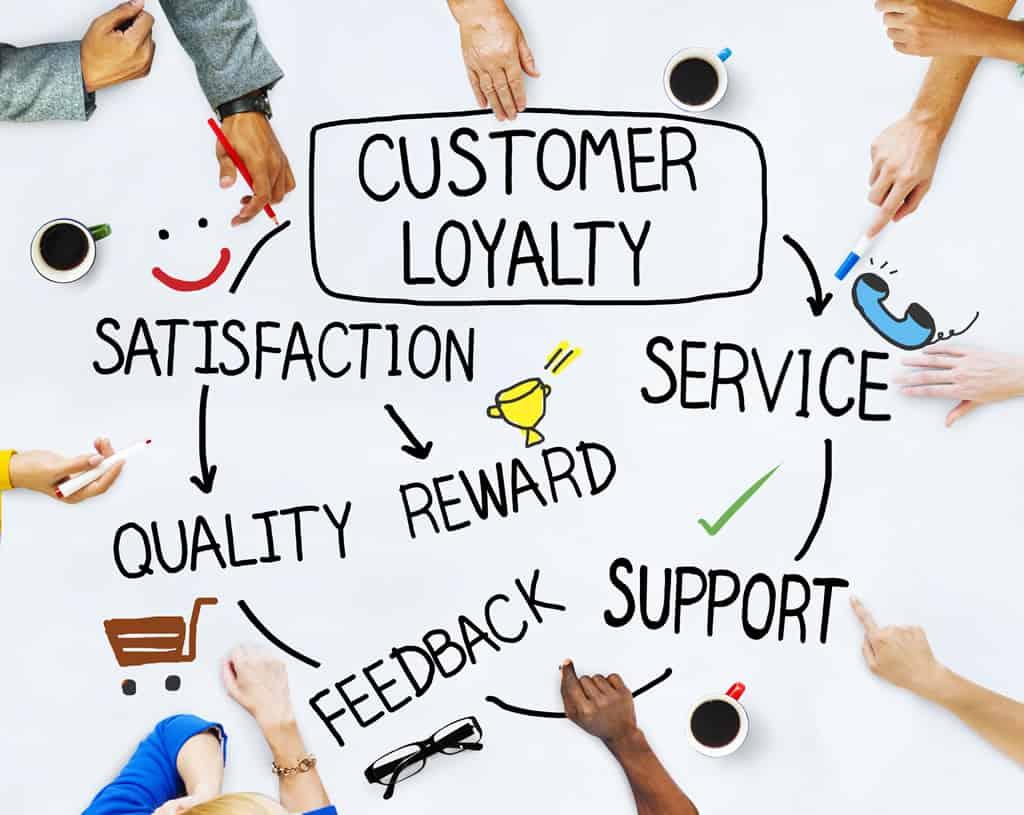
Building Customer Loyalty Through IoT Innovations
The Internet of Things (IoT) is reshaping the e-commerce landscape, offering unprecedented opportunities to cultivate customer loyalty. Imagine a world where your shopping experience is not just personalized but also interconnected, creating a seamless bond between you and your favorite brands. By leveraging IoT innovations, businesses can engage customers more deeply and foster lasting relationships that go beyond transactions.
One of the most compelling ways to build loyalty is through personalized experiences. IoT devices can collect vast amounts of data about customer preferences and behaviors. By analyzing this data, e-commerce platforms can tailor their offerings to meet individual needs. For example:
Smart home devices track customer habits and suggest products to enhance their lifestyle.
Wearables monitor health metrics and prompt timely purchases of fitness-related products.
Connected appliances can reorder essentials automatically, ensuring convenience and satisfaction.
Customer engagement is further amplified by real-time interaction. IoT enables businesses to communicate directly with customers through various channels. Consider a scenario where a customer receives a notification from their app about a limited-time sale on a product they frequently purchase. This immediacy not only drives sales but also makes customers feel valued and understood.
Moreover, loyalty programs benefit significantly from IoT integration. Imagine a customer’s shopping app that records their purchases across multiple channels, ensuring they earn rewards regardless of how they shop. These programs can leverage geolocation to send personalized offers when customers are near a store, enhancing the likelihood of in-store visits. The connection between the online and offline shopping experience creates a holistic view of the customer journey.
IoT Strategy
Customer Benefit
Smart Recommendations
Increased relevance of products
Real-Time Notifications
Instant access to deals
Seamless Loyalty Tracking
Better rewards experience
In addition to enhancing customer experiences, IoT can play a significant role in building trust. Transparency in the supply chain, facilitated by IoT devices, allows customers to track their orders in real time. This visibility reassures customers about delivery times and product authenticity, which is essential in an era of increasing skepticism towards online shopping.
Lastly, by incorporating sustainability measures, e-commerce businesses can appeal to environmentally-conscious consumers. IoT can optimize logistics and reduce waste, enabling brands to showcase their commitment to sustainability. When customers see their favorite brands taking steps to protect the planet, they are more likely to remain loyal.
Challenges and Risks of Adopting IoT in E-commerce
As the Internet of Things (IoT) continues to revolutionize e-commerce, businesses must navigate a landscape filled with both exciting opportunities and significant challenges. The integration of IoT technology can enhance operational efficiency and customer experiences, but it also presents a unique set of hurdles that merchants need to consider.
One of the primary concerns is data security. With an increasing number of devices connected to the internet, the risk of data breaches escalates significantly. Customers’ personal and financial information could be at stake, making it imperative for businesses to invest in robust security measures. Failing to do so can lead to a loss of customer trust and potentially devastating financial repercussions.
Another challenge is the complexity of integration. Implementing IoT solutions often requires a substantial overhaul of existing systems. This integration can be time-consuming and costly, particularly for smaller businesses that may not have the resources to manage such a transition effectively. Companies must carefully assess their current infrastructure and determine the best approach for seamless IoT integration.
Moreover, there’s the issue of data management. IoT devices generate massive amounts of data, and businesses need to have the right tools and strategies in place to analyze and utilize this data effectively. Without proper data management, companies risk being overwhelmed by the information and failing to derive actionable insights that could drive decision-making.
Compatibility and standardization also pose considerable challenges. Different IoT devices often use varied protocols and platforms, leading to potential interoperability issues. This fragmentation can hinder the ability to create a unified system that provides a cohesive customer experience. As a result, businesses may need to invest in additional solutions or tools to bridge these gaps.
Lastly, the cost of implementation and maintenance cannot be overlooked. While IoT can lead to significant long-term savings and efficiency improvements, the initial investment can be daunting. Companies must weigh the potential benefits against the costs and carefully plan their budgets to ensure sustainable growth.
Challenge
Impact
Data Security
Risk of data breaches and loss of customer trust
Complexity of Integration
Time-consuming and costly transitions
Data Management
Overwhelmed by data without actionable insights
Compatibility Issues
Fragmented systems affecting customer experience
Cost of Implementation
High initial investment and ongoing maintenance costs
while the adoption of IoT in e-commerce can lead to transformative benefits, it’s crucial for businesses to be aware of and address these challenges. By proactively planning and investing in the right technologies, e-commerce companies can mitigate risks and position themselves for success in the IoT-driven future.
Essential Tools and Technologies for IoT-Driven E-commerce
The landscape of e-commerce is rapidly transforming, largely thanks to the Internet of Things (IoT). To harness the full potential of IoT, businesses must leverage specific tools and technologies that enhance operational efficiency, improve customer experience, and drive sales. Below are key components that every IoT-driven e-commerce platform should consider.
Smart Sensors
Smart sensors are the backbone of IoT. They gather and transmit data in real-time, enabling businesses to make informed decisions. Here’s how they’re used:
Inventory Management: Sensors track stock levels and automatically notify when it’s time to restock, minimizing the risk of running out of popular items.
Customer Behavior Analysis: Sensors in stores can monitor foot traffic and customer preferences, helping to tailor marketing strategies effectively.
Product Condition Monitoring: For perishable goods, sensors can monitor temperature and humidity to ensure optimal storage conditions.
Data Analytics Platforms
Data is power, and IoT generates a wealth of it. Companies must invest in robust analytics platforms to make sense of this data:
the integration of these essential tools and technologies is crucial for any e-commerce business aiming to thrive in the IoT-driven marketplace. By adopting smart sensors, data analytics, cloud computing, AI, and blockchain, companies can not only enhance their operational capabilities but also deliver a superior customer experience that drives loyalty and growth.
Getting Started: A Step-by-Step Approach for E-commerce Businesses
Embarking on an e-commerce journey can feel overwhelming, but breaking it down into manageable steps can make it more approachable. Start by laying a solid foundation with a clear business plan that outlines your goals, target audience, and unique selling propositions.
Next, choose the right e-commerce platform that aligns with your business needs. Some popular options include:
Shopify: Great for beginners with an easy-to-use interface.
Magento: Perfect for larger businesses with complex requirements.
Once your platform is set, focus on designing an attractive and user-friendly website. This is where IoT can greatly enhance user experience. Consider integrating smart features such as:
Smart inventory management: Use IoT devices to monitor stock levels in real-time.
Personalized marketing: Capture customer data through IoT-enabled devices to tailor offers and recommendations.
Seamless payment solutions: Implement smart payment systems to speed up the checkout process.
Next, it’s essential to build your brand’s online presence. Leverage social media platforms to connect with potential customers and promote your products. Utilize IoT technologies to track engagement and optimize your marketing strategies based on data insights.
Don’t forget about logistics! Partner with smart logistics providers that use IoT for tracking shipments and managing supply chains efficiently. This not only enhances customer satisfaction but also reduces operational costs.
IoT Applications
Benefits
Smart Inventory
Real-time stock updates
Predictive Analytics
Improved sales forecasting
Customer Engagement
Enhanced personalization
measure and analyze your performance regularly. Use IoT analytics tools to gather insights on customer behavior, sales trends, and operational efficiencies. This will allow you to make data-driven decisions that can propel your e-commerce business forward.
Crafting an IoT Strategy That Aligns with Your Business Goals
Creating an effective IoT strategy begins with a clear understanding of your business goals. By aligning your IoT initiatives with your overarching objectives, you can ensure that the technology serves a purpose and drives measurable results. Start by identifying the key areas within your e-commerce operation where IoT can make a difference.
Consider the following aspects:
Customer Experience: Leverage IoT devices to gather data on customer behavior and preferences, allowing for personalized shopping experiences.
Inventory Management: Use smart sensors to monitor stock levels in real-time, reducing the risk of overstocking or stockouts.
Supply Chain Optimization: Implement IoT solutions to track shipments, streamline logistics, and improve delivery times.
Operational Efficiency: Automate routine tasks using IoT technology to free up resources for more strategic initiatives.
Once these areas are identified, the next step is to set specific, measurable goals. For instance, if you aim to enhance customer experience, consider metrics such as:
Goal
Metric
Increase repeat purchases
% increase in customer retention
Boost average order value
% increase in cart size
Improve customer satisfaction
Net Promoter Score (NPS)
After setting your goals, it’s essential to select the right IoT technologies that align with these objectives. This might include:
Smart Shelves: To optimize inventory and provide real-time data on product availability.
Wearable Devices: To collect data on customer preferences and shopping habits directly.
Additionally, consider the data you will collect from these IoT systems. Developing a robust data analytics framework is crucial. This framework will help you interpret the insights derived from IoT devices and make informed decisions that drive your business forward. Remember, the quality of data collected is as important as the quantity.
don’t forget about security. With the increasing reliance on connected devices, ensuring the security of your IoT infrastructure is paramount. Implementing strong cybersecurity measures will not only protect your business but also build trust with your customers.
By creating a well-defined IoT strategy that aligns with your business goals, you can transform the way you operate in the e-commerce space. This strategic approach will help you harness the full potential of IoT technologies, driving growth and enhancing customer satisfaction in an increasingly competitive market.
Looking Ahead: Trends Shaping the Future of IoT in E-commerce
The intersection of IoT and e-commerce is evolving rapidly, and several trends are emerging that promise to redefine the shopping experience. As more devices become interconnected, retailers are discovering innovative ways to leverage data to enhance customer interactions and streamline operations.
Personalized Shopping Experiences are becoming increasingly commonplace. With IoT devices collecting vast amounts of customer data, retailers can analyze preferences and behavior patterns. This enables them to deliver targeted marketing messages and personalized product recommendations in real time. Imagine receiving a notification on your smart watch about a sale on your favorite brand the moment you walk past the store!
Smart Inventory Management is another trend that cannot be overlooked. IoT sensors and RFID tags provide real-time tracking of inventory levels, helping retailers ensure that popular items are always in stock. This not only reduces the risk of lost sales but also enhances operational efficiency. By automating inventory checks and replenishment orders, businesses can focus more on customer satisfaction.
Furthermore, enhanced customer engagement through IoT is creating a more dynamic shopping environment. Retailers are deploying beacons to send alerts to customers’ smartphones as they browse in-store. These notifications can include discounts, product information, or even virtual try-ons via augmented reality, fostering a more engaging shopping journey.
Another exciting avenue is the rise of voice-activated shopping. With smart speakers becoming household staples, customers can now make purchases simply by speaking. This convenience is driving a shift in consumer behavior, making voice commerce a critical component of e-commerce strategies.
Moreover, the concept of smart packaging is gaining traction. Packaging embedded with IoT technology can provide customers with valuable information about product freshness, usage instructions, and recycling guidelines. This not only enhances the user experience but also promotes sustainable practices by encouraging responsible consumption.
as security concerns rise, robust cybersecurity measures will become essential in IoT-enabled e-commerce. Retailers must invest in technologies that protect customer data and build trust. Implementing strong authentication systems and encrypting sensitive information will be key to safeguarding against potential breaches.
Trend
Description
Impact on E-commerce
Personalized Shopping
Targeted marketing and recommendations based on customer data
Increased sales and customer loyalty
Smart Inventory Management
Real-time inventory tracking with IoT sensors
Operational efficiency and reduced stockouts
Enhanced Engagement
In-store notifications via beacons
Higher in-store conversion rates
Voice Shopping
Purchasing via voice-activated devices
Increased convenience and accessibility
Smart Packaging
IoT-enabled packaging for product information
Improved customer experience and sustainability
Cybersecurity Measures
Enhancements in data protection and privacy
Building customer trust and compliance
Frequently Asked Questions (FAQ)
Q&A: IoT in E-commerce: The Ultimate Guide (with Real Use Cases)
Q: What exactly is IoT, and why is it important for e-commerce?
A: Great question! IoT, or the Internet of Things, refers to the network of interconnected devices that communicate and exchange data over the internet. In the e-commerce space, IoT can enhance the shopping experience, streamline operations, and provide valuable insights into consumer behavior. Imagine smart shelves that track inventory in real-time or personalized shopping experiences based on your preferences. The possibilities are endless!
Q: Can you share some real-world use cases of IoT in e-commerce?
A: Absolutely! One standout example is Amazon Go, where customers can walk in, grab what they want, and leave without ever checking out. The store uses a combination of sensors and cameras to track purchases automatically. Another example is smart clothing, like connected fitness wear that tracks your performance data and syncs it with mobile apps. These innovations not only make shopping more convenient but also provide companies with rich data to improve their offerings.
Q: How does IoT enhance customer experience in e-commerce?
A: IoT elevates the customer experience in a few key ways. First, it allows for personalization; for instance, IoT devices can collect data on your shopping habits and preferences, leading to tailored recommendations. Additionally, smart chatbots powered by IoT can provide immediate customer support, enhancing service quality. Lastly, seamless inventory management ensures popular items are in stock, reducing frustration during the purchasing process.
Q: Are there any challenges e-commerce businesses face when integrating IoT?
A: Yes, there are a few hurdles. Data security is a significant concern, as interconnected devices can be vulnerable to breaches. Additionally, integrating IoT technology can require substantial investment and expertise. However, the long-term benefits, such as improved efficiency and enhanced customer loyalty, often outweigh these challenges. With careful planning and the right partnerships, businesses can navigate these obstacles successfully.
Q: How can small e-commerce businesses leverage IoT?
A: Small businesses can start small by incorporating IoT solutions that are budget-friendly and scalable. For example, utilizing smart inventory management systems can help track stock levels without manual effort. Additionally, adopting IoT-enabled marketing tools can provide insights into customer behavior, allowing for more targeted promotions. Remember, every step counts, and leveraging IoT doesn’t have to break the bank!
Q: What does the future hold for IoT in e-commerce?
A: The future looks incredibly promising! As technology advances, we can expect even more innovative applications of IoT in e-commerce. Think about virtual reality (VR) fitting rooms or drones delivering packages directly to your doorstep. With AI and machine learning increasingly intertwined with IoT, the potential for hyper-personalized shopping experiences is just around the corner. Embracing these trends now could give businesses a massive competitive edge.
Q: How can I learn more about implementing IoT in my e-commerce strategy?
A: The best way to dive deeper is by exploring comprehensive resources like our ultimate guide on IoT in e-commerce. It covers everything from basic concepts to advanced implementations, complete with relevant case studies. Additionally, consider attending industry conferences, webinars, or workshops that focus on IoT and e-commerce. Networking with experts can provide invaluable insights and inspiration for your strategy!
Conclusion: Embracing IoT in e-commerce isn’t just a trend; it’s a necessity for businesses looking to thrive in today’s digital landscape. By understanding its benefits and challenges through real use cases, you can position your e-commerce business for success. Ready to take the leap? The future is waiting!
In Summary
As we wrap up our exploration of IoT in e-commerce, it’s clear that the Internet of Things isn’t just a buzzword—it’s a game-changer. From personalized shopping experiences to streamlined inventory management, the potential of IoT to transform the retail landscape is immense. Imagine a future where your shopping habits are seamlessly integrated with smart technology, making every purchase more intuitive and efficient.
We’ve seen real-world applications that demonstrate how businesses are leveraging IoT to enhance customer engagement and drive sales. Whether you’re a small business owner or part of a large corporation, embracing these innovations can set you apart from the competition. So, why wait? Dive into the world of IoT and discover how you can elevate your e-commerce strategy today.
Are you excited to take your e-commerce venture to the next level with IoT? Remember, the future is now, and the opportunities are endless. Let’s connect and explore how you can implement these insights into your business!