The Ultimate Guide to Social Commerce: How to Sell Where People Scroll
Hey there, savvy sellers! If you’ve ever scrolled through your favorite social media feed and found yourself tempted by a stunning pair of shoes, a must-have gadget, or a mouthwatering meal, you’re already aware of the magic of social commerce. In our hyper-connected world, buying and selling have transcended traditional boundaries, and social media has become a bustling marketplace where creativity meets convenience. But how do you tap into this dynamic landscape and turn casual scrollers into loyal customers?
Welcome to “The Ultimate Guide to Social Commerce,” your go-to resource for mastering the art of selling where people scroll. Whether you’re a small business owner, a burgeoning entrepreneur, or a seasoned marketer, this guide is packed with insights, strategies, and tips to help you harness the power of social platforms. From crafting irresistible posts to engaging with your audience and optimizing your sales funnel, we’ll walk you through everything you need to know to thrive in this exciting digital era. So grab your favorite beverage, settle in, and let’s dive into the world of social commerce—where your next sale is just a scroll away!
Understanding Social Commerce and Its Impact
Social commerce is rapidly transforming the way businesses engage with consumers, blurring the lines between social media interaction and e-commerce. It’s not just about selling products; it’s about creating a compelling shopping experience that integrates seamlessly into the social media landscape. This innovative approach allows brands to leverage the power of social networks to reach potential customers where they already spend their time: scrolling through their feeds.
One of the standout features of social commerce is its ability to create a sense of community around brands. By fostering connections and interactions, businesses can cultivate loyalty and drive sales through organic recommendations. Here are some of the key components that contribute to its effectiveness:
Visual Storytelling: Platforms like Instagram and Pinterest thrive on visually appealing content, making it easier for brands to showcase their products in context.
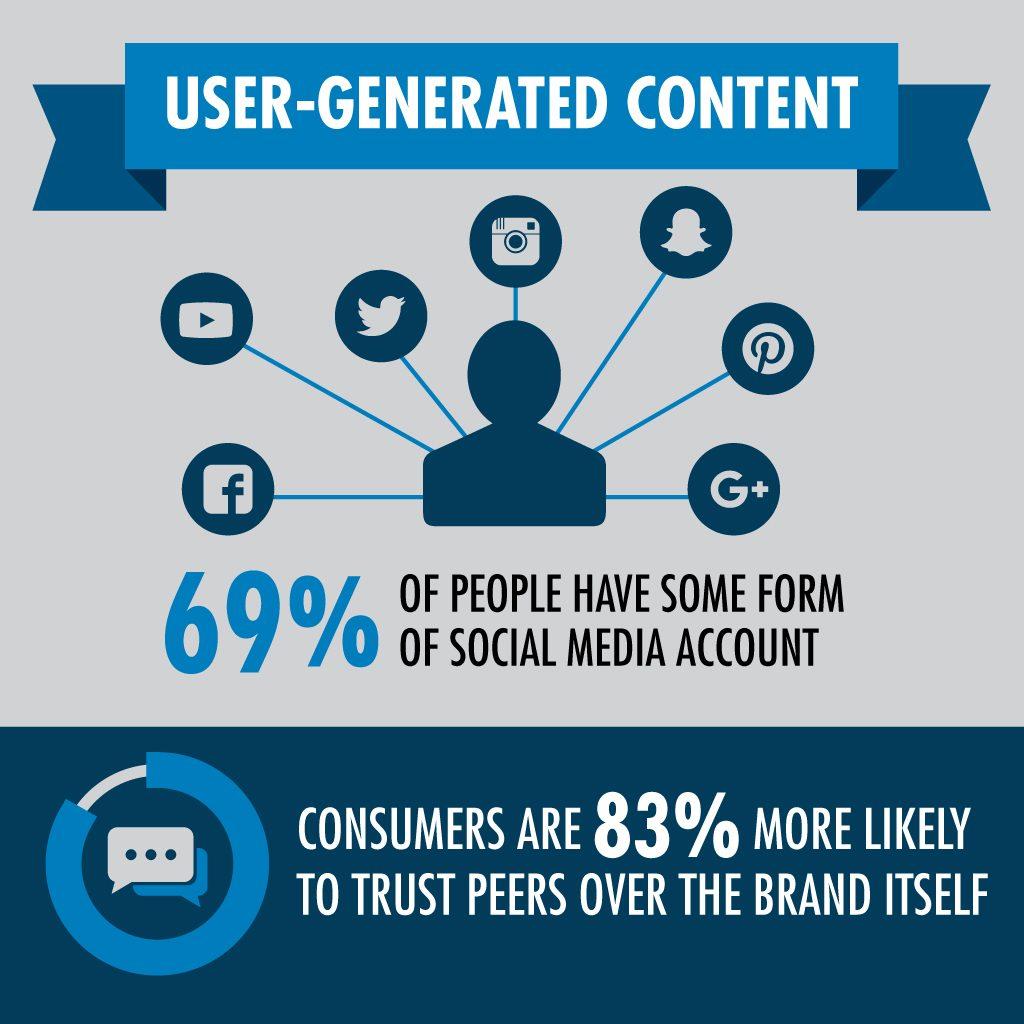
User-Generated Content: Encouraging customers to share their own experiences creates authenticity and trust, essential components of any successful sales strategy.
Seamless Shopping Experiences: Features like shoppable posts and integrated checkout options streamline the path from discovery to purchase.
The impact of social commerce goes beyond mere sales numbers; it can fundamentally reshape how brands interact with their audience. By utilizing data-driven insights, companies can tailor their marketing strategies to meet the preferences and behaviors of their target demographic. This personalization not only enhances the customer experience but also increases the likelihood of conversion.
Moreover, the rise of influencer marketing within social commerce cannot be overlooked. Influencers have the ability to reach vast audiences and can sway buying decisions with their recommendations. Working with influencers who align with your brand values can amplify your marketing efforts and introduce your products to new potential customers.
Here’s a simple table illustrating how various social media platforms are harnessing social commerce:
Platform
Key Features
Best For
Instagram
Shoppable posts, Stories
Fashion, beauty, lifestyle
Facebook
Marketplace, Shops
General retail, community engagement
Pinterest
Buyable pins, visual search
Home decor, DIY, fashion
TikTok
In-feed ads, shoppable videos
Trendy products, youth-focused brands
As social commerce continues to evolve, it’s essential for businesses to stay ahead of the curve. Integrating social media strategies into your overall marketing plan can significantly enhance your online presence and increase sales. By understanding the nuances of this new commerce phenomenon, brands can effectively cater to the modern consumer’s shopping habits and preferences.
Ultimately, the success of social commerce hinges on authenticity and engagement. Brands that prioritize genuine connections with their audience will be the ones that thrive in this digital marketplace. Embrace the change, adapt to new trends, and watch as your social commerce efforts translate into tangible business growth.
The Rise of Social Media as a Shopping Platform
In recent years, social media has evolved from a platform for connection and sharing into a bustling marketplace where brands can directly engage with consumers. The shift has been driven by the growing preference of shoppers for convenience and the ability to discover products within their usual social media feeds. Now, platforms like Instagram, Facebook, and TikTok are not just places to socialize; they have transformed into vibrant ecosystems for commerce.
Why Social Media is the New Shopping Mall
Visual Appeal: Users are naturally drawn to eye-catching images and videos, making it easier for brands to showcase products in a compelling way.
Engagement: Shoppers can interact with brands through comments, likes, and shares, creating a community around products.
Influencer Partnerships: Collaborations with influencers amplify reach and credibility, often leading to higher conversion rates.
Targeted Advertising: Advanced algorithms allow brands to target potential customers based on their interests and behaviors.
Social commerce also thrives on the immediacy that social media offers. Users can make purchases as they discover new products, seamlessly transitioning from browsing to buying without ever leaving the platform. This frictionless experience is vital in a world where consumers have limited attention spans and high expectations for convenience.
Key Features of Social Commerce
Feature
Description
Shoppable Posts
Direct links to products in posts allowing immediate purchases.
In-App Checkout
A seamless payment process without leaving the platform.
User-Generated Content
Real-life testimonials and reviews from customers to build trust.
Live Shopping Events
Real-time demonstrations and interactions that enhance consumer engagement.
As businesses harness the power of social media, they must also adapt their strategies. Understanding the nuances of each platform is crucial. For example, Instagram is highly visual, making it ideal for fashion and beauty brands, while TikTok thrives on creativity and authenticity, perfect for engaging a younger audience. Tailoring content to fit the unique vibes of each platform can significantly enhance brand visibility and sales.
The Importance of Analytics
Tracking performance is essential in the world of social commerce. Analyzing engagement metrics, conversion rates, and audience insights can provide invaluable feedback. Brands can adjust campaigns in real-time, optimizing their approach for maximum impact. Utilizing tools that integrate with social platforms for analytics can streamline this process and lead to more informed decision-making.
as social media continues to grow and adapt, so too must businesses willing to thrive in this environment. Embracing social commerce is not just about selling products; it’s about creating a holistic brand experience that resonates with consumers. The potential for growth is immense, and those who capitalize on this trend will likely find themselves at the forefront of a retail revolution.
Choosing the Right Social Media Channels for Your Brand
In today’s digital landscape, selecting the appropriate social media channels for your brand is crucial for maximizing engagement and driving sales. With a plethora of platforms available, it’s essential to align your choices with your target audience and brand identity. Here are some key factors to consider when deciding where to focus your social commerce efforts:
Audience Demographics: Understand who your customers are. Platforms like Instagram and TikTok attract younger audiences, while Facebook tends to have a more diverse age range. Tailor your strategy based on where your ideal customers spend their time.
Content Type: Different channels thrive on different types of content. Visual platforms like Pinterest and Instagram are perfect for eye-catching product images, while LinkedIn is better suited for B2B-focused content.
Engagement Potential: Some channels foster higher engagement levels than others. For instance, Instagram Stories and Facebook Live can create a sense of urgency and immediacy that encourages interaction.
Consider creating a simple comparative table to visualize your options:
Platform
Best For
Audience Type
Instagram
Visual Products
18-34 Year Olds
Facebook
Community Engagement
All Ages
Pinterest
Inspiration & Discovery
Mostly Female
LinkedIn
B2B Networking
Professionals
Another essential aspect is understanding the unique features each platform offers. For instance, Instagram Shops allow users to purchase directly from posts, while Facebook Marketplace connects buyers and sellers in a more localized setting. Leverage these features to enhance your social commerce strategy.
Don’t forget about the importance of analytics and tracking. Each platform provides insights that can help you understand what works and what doesn’t. Regularly review your performance metrics to adapt your strategy for optimal results.
Lastly, remember that your brand’s voice and overall messaging should be consistent across all platforms, even if the content format differs. Building a strong brand presence requires authenticity and coherence, ensuring that your audience knows what to expect regardless of where they interact with you.
Creating Engaging Content That Drives Sales
In the fast-paced world of social commerce, having compelling and engaging content is key to capturing the attention of potential customers. It’s not just about showcasing products; it’s about telling a story that resonates with your audience. Here are some strategies to create content that not only attracts but also drives sales:
Know Your Audience: Understanding your target demographic is crucial. Tailor your content to speak directly to their interests, pain points, and desires. Use analytics tools to gather insights on what your audience engages with the most.
Use Visuals Wisely: A picture is worth a thousand words, especially on social media. High-quality images, videos, and infographics can dramatically increase engagement. Consider using eye-catching visuals that highlight your products in real-life scenarios.
Leverage User-Generated Content: Encourage your customers to share their experiences with your products. This not only builds community but also acts as authentic testimonials. A simple hashtag campaign can significantly amplify this effect.
Craft Compelling Calls to Action: Every piece of content should encourage users to take the next step. Whether it’s visiting your website, signing up for a newsletter, or making a purchase, make sure your calls to action are clear and persuasive.
Another effective approach is to integrate storytelling into your content marketing. Stories are powerful tools that evoke emotions and create connections. Here’s a simple structure you can follow:
Element
Description
Character
Your customer or brand ambassador who relates to the audience.
Challenge
The problem your character faces that your product can solve.
Resolution
How your product provided a solution, leading to a positive outcome.
Incorporating interactive elements can also enhance engagement. Polls, quizzes, and contests create a sense of community and encourage participation. These interactive features not only capture attention but also make your brand memorable.
Lastly, consistency is vital. Regularly posting content keeps your audience engaged and familiarizes them with your brand. Develop a content calendar to help you plan and maintain a steady stream of engaging posts across your social media channels.
is all about understanding your audience, telling compelling stories, and maintaining a consistent presence. By implementing these strategies, you can turn casual scrolls into meaningful interactions and profitable sales.
Leveraging Influencer Partnerships for Maximum Reach
Influencer partnerships are a game changer in the realm of social commerce, allowing brands to tap into pre-established communities and gain maximum visibility. When executed correctly, these collaborations can drive not only engagement but also sales. Here’s how you can effectively leverage influencer partnerships to amplify your brand’s reach.
First and foremost, it’s essential to identify the right influencers. Look for individuals whose values align with your brand and whose audience mirrors your target market. This alignment ensures authenticity, making your campaign more relatable and effective. Consider the following criteria:
Relevance: Choose influencers who resonate with your product niche.
Content Quality: Assess the aesthetic and quality of their posts to ensure they align with your brand’s image.
Once you’ve established a list of potential partners, move on to crafting a compelling proposal. A well-structured partnership pitch can make all the difference:
Element
Description
Introduction
Share a brief overview of your brand and its values.
Value Proposition
Explain what’s in it for the influencer and their audience.
Collaboration Details
Outline expectations, including content type and posting schedule.
Compensation
Discuss payment, whether it’s monetary or product-based.
After securing a partnership, the next step is to co-create content that feels organic and engaging. Encourage influencers to express your brand’s messaging in their unique voice. This authenticity not only captivates their audience but also fosters trust. Here are some content ideas:
Product Reviews: Genuine testimonials resonate well with potential buyers.
How-To Guides: Demonstrating a product in action can spur interest and drive purchases.
Live Q&A Sessions: Engaging directly with followers can create a sense of community around your brand.
To amplify the campaign’s effectiveness, consider utilizing trackable links and unique discount codes. This strategy allows you to monitor the performance of each influencer partnership and provides valuable insights into your audience’s preferences. Using these metrics, you can tweak future collaborations for even better results.
don’t underestimate the power of long-term relationships. Rather than a one-off campaign, building ongoing partnerships can lead to more authentic advocacy and sustained visibility for your brand. Influencers who genuinely believe in your product are likelier to create content that resonates with their audience over time.
Utilizing User-Generated Content to Build Trust
In an age where consumers are bombarded with marketing messages, one of the most powerful tools at your disposal is user-generated content (UGC). This grassroots form of content not only enhances engagement but also fosters an authentic connection between your brand and your audience. By showcasing real customers using your products, you can significantly bolster trust and credibility.
When potential buyers see authentic testimonials, reviews, and images created by fellow consumers, they are more likely to feel confident in their purchase decisions. Consider these compelling reasons to incorporate UGC into your social commerce strategy:
Authenticity: Users trust their peers more than traditional advertising. Seeing real people enjoying your products builds a sense of reliability and relatability.
Community Building: Sharing user content creates a sense of belonging. Customers feel valued and part of a community, which encourages brand loyalty.
Diverse Content Types: From photos and videos to reviews and testimonials, UGC provides a variety of content that can resonate with different segments of your audience.
To effectively leverage user-generated content, initiate a campaign that encourages your customers to share their experiences. Here’s how to get started:
Incentivize Participation: Offer discounts, features on your social media, or even contests to encourage customers to share their content.
Create a Unique Hashtag: Develop a branded hashtag that makes it easy for users to tag their posts, allowing you to curate content effortlessly.
Showcase UGC Across Platforms: Share user content not only on social media but also on your website, email newsletters, and digital ads.
It’s important to regularly update and refresh the UGC you feature. This keeps your content dynamic and showcases new customers, further promoting inclusivity. Consider implementing a rotation system where different user submissions are highlighted each week or month.
Type of UGC
Benefits
Best Platforms
Photos
Visual appeal, showcases real usage
Instagram, Facebook
Videos
Engagement, storytelling
YouTube, TikTok
Reviews
Builds credibility, informs decisions
Your website, Google
Testimonials
Enhances trust, social proof
Your website, LinkedIn
Lastly, remember to give credit where it’s due. Always acknowledge and tag the creators of the content you share. This not only builds goodwill but also encourages others to contribute their content in the future. The relationship you cultivate with your audience through user-generated content will not only enhance your brand’s reputation but also lead to increased sales, as trust is a major driver of consumer behavior.
Implementing a Seamless Shopping Experience
In the world of social commerce, creating a seamless shopping experience is no longer a luxury but a necessity. Today’s consumers expect an effortless transition from browsing to buying, and any friction can lead to abandoned carts and missed sales opportunities. Here’s how you can implement strategies that enhance that experience.
1. Optimize Your Visual Content
Visual appeal is paramount in social commerce. High-quality images and engaging videos draw users in, allowing them to envision the product in their life. Consider the following:
Professional Photography: Showcase your product with high-resolution images from multiple angles.
Video Demos: Create short, relatable videos that demonstrate the product’s features and benefits.
User-Generated Content: Encourage customers to share their own photos using your product, fostering authenticity.
2. Simplify the Purchase Process
Once you’ve captured a potential customer’s attention, you need to make the buying process as straightforward as possible. Here are some tips:
One-Click Checkout: Integrate a one-click purchase option to minimize the steps to complete a transaction.
Social Login: Allow users to log in through their social media accounts, speeding up the process.
Guest Checkout: Offer a guest checkout option to avoid deterring users who don’t want to create an account.
3. Leverage Social Proof
Incorporating social proof can significantly enhance consumer trust and encourage conversions. Here’s how to do it effectively:
Customer Reviews: Showcase authentic reviews prominently on your product pages.
Influencer Endorsements: Partner with influencers who align with your brand to amplify credibility.
Testimonials: Highlight stories from satisfied customers to connect with potential buyers.
4. Integrate Payment Options
Offering a variety of payment methods can cater to a wider audience, ensuring that customers can pay in their preferred way. Consider these options:
Credit/Debit Cards: The most common payment method should always be available.
Digital Wallets: Integrate options like PayPal, Apple Pay, or Google Pay for convenience.
Installment Payments: Allow customers to split payments into manageable chunks, making higher-ticket items more accessible.
5. Maintain Consistent Communication
Keeping your customers informed throughout their shopping journey is key to a positive experience. Utilize these methods:
Order Confirmation Emails: Send instant confirmations after a purchase to reassure customers.
Shipping Notifications: Update customers on their order status to keep them in the loop.
Follow-Up Messages: After delivery, check in with customers to gather feedback and promote repeat purchases.
By focusing on these elements, you can create a shopping experience that not only attracts but also retains customers. A seamless experience can transform casual browsers into loyal brand advocates, driving sales and enhancing customer satisfaction in the ever-evolving realm of social commerce.
The Importance of Customer Engagement in Social Commerce
In the dynamic world of social commerce, customer engagement is not just a buzzword; it’s the very lifeblood of successful online selling. As brands strive to capture attention in crowded feeds, the need to connect meaningfully with customers has never been more crucial. Engaging with customers goes beyond merely responding to comments; it’s about creating a community where consumers feel valued and involved.
Effective customer engagement leads to:
Increased Brand Loyalty: When customers feel recognized and appreciated, they are more likely to develop loyalty towards a brand, leading to repeat purchases.
Higher Conversion Rates: Engaged customers are more likely to make a purchase. An interactive experience keeps them interested and encourages them to complete their transactions.
Valuable Feedback: Active conversations provide insights into customer preferences and pain points, enabling brands to refine their offerings.
Enhanced Word-of-Mouth Marketing: Satisfied customers often share their positive experiences, organically promoting the brand across their own networks.
Utilizing social media platforms as a tool for engagement can significantly enhance the customer experience. Brands that leverage interactive content—such as polls, stories, and live videos—can foster real-time conversations and create a sense of urgency that drives purchases. For instance, hosting a Q&A session can not only clarify customer doubts but also build trust and rapport.
Furthermore, personalized engagement is key in today’s marketplace. By using data analytics and tracking customer behavior, brands can tailor their marketing messages and product recommendations to fit individual preferences. Here’s a simple representation of how personalized marketing can impact customer engagement:
Engagement Type
Impact on Customer
Personalized Emails
Increase in open rates and clicks
Tailored Product Recommendations
Higher chances of customer purchases
Targeted Ads
More relevant content leading to improved engagement
Moreover, the role of user-generated content (UGC) cannot be overlooked. Encouraging customers to share their experiences not only serves as social proof but also strengthens community bonds. Brands can incentivize UGC through contests or hashtags, making customers feel like they are part of a larger story, thereby enhancing their emotional connection with the brand.
maximizing customer engagement in social commerce is about creating authentic interactions and fostering a sense of community. Brands should focus on building relationships rather than merely transactions. By embracing engagement strategies, businesses can not only enhance their visibility but also cultivate a loyal customer base that champions their brand.
Analytics and Insights: Measuring Your Success
Understanding your social commerce performance is crucial to thriving in this dynamic landscape. Analytics and insights shed light on what resonates with your audience, helping you refine your strategy and drive sales. Here’s how you can make the most of the data at your fingertips:
Engagement Metrics: Track likes, shares, comments, and saves on your posts. These metrics reveal what content captivates your audience, guiding future posts.
Conversion Rates: Measure how many social interactions translate into purchases. High conversion rates indicate that your content is effectively leading users to take action.
Traffic Sources: Utilize tools like Google Analytics to identify which social platforms are driving the most traffic to your site. This insight helps you allocate resources wisely.
One effective way to visualize your performance is through dashboards. By consolidating data from various social media channels, you can get a comprehensive view of your social commerce presence. Consider using tools like Google Data Studio or Tableau for real-time analytics.
Metric
Importance
Action
Engagement Rate
Indicates audience interest
Adjust content strategy
Click-Through Rate
Measures ad effectiveness
Refine ad copy and visuals
Return on Ad Spend (ROAS)
Assesses campaign profitability
Optimize ad spend
Don’t underestimate the power of user-generated content (UGC). Tracking the performance of UGC can offer invaluable insights. Encourage customers to share their experiences and use specific hashtags. Analyzing this content helps you understand customer perceptions and build trust.
Lastly, consider implementing A/B testing for your posts and ads. Experiment with different visuals, captions, and call-to-action buttons to see what yields the best results. This iterative process allows you to refine your approach based on real-time feedback.
As you gather and analyze this data, remember to share your findings across your team. Engaging with stakeholders ensures that everyone is aligned on goals and strategies, fostering a culture of collaboration and success.
Best Practices for Running Social Commerce Campaigns
To maximize the effectiveness of your social commerce campaigns, you need to integrate various strategies that resonate with your audience. Here are some best practices to consider:
Understand Your Audience: Dive deep into analytics to grasp the behaviors, preferences, and pain points of your target demographic. Tailor your content to speak directly to them.
Utilize User-Generated Content: Encourage your customers to share their experiences. This not only builds trust but also creates a sense of community around your brand.
Leverage Influencers: Partner with influencers who align with your brand values. Their endorsement can significantly amplify your reach and credibility.
Create Engaging Visuals: Invest time in producing high-quality images and videos that showcase your products compellingly. Eye-catching content is more likely to be shared, driving organic traffic to your listings.
Incorporate Seamless Shopping Features: Utilize social media tools that allow for easy shopping experiences, such as shoppable posts and stories. This reduces friction in the purchasing process.
It’s crucial to keep your campaigns dynamic and engaging. Regularly assess your performance metrics and be willing to pivot your strategies based on what the data shows.
Metric
Importance
Suggested Action
Engagement Rate
Indicates how well your audience interacts with content
Adjust posting times and formats based on performance
Conversion Rate
Measures how many interactions lead to sales
Test different calls-to-action and landing pages
Traffic Sources
Identifies where your audience is coming from
Focus efforts on the highest converting platforms
don’t underestimate the power of storytelling. Share the journey of your brand and showcase the people behind your products. Authenticity goes a long way in building loyalty and encouraging purchases.
Navigating Legal and Ethical Considerations
In the fast-paced world of social commerce, understanding the legal and ethical landscape is crucial for maintaining trust and credibility with your audience. As you navigate this dynamic space, it’s essential to be aware of the various regulations and best practices that govern online interactions. Here are some key considerations to keep in mind:
Consumer Protection Laws: Ensure that your marketing practices comply with the Federal Trade Commission (FTC) regulations. This includes transparent disclosures about sponsored posts or affiliate links.
Data Privacy: With increasing scrutiny on data collection practices, familiarize yourself with regulations like the General Data Protection Regulation (GDPR) and the California Consumer Privacy Act (CCPA). Collect only the data you need and make your privacy policy easily accessible.
Intellectual Property: Respect copyright and trademark laws when creating content. Always credit sources and obtain necessary permissions for using external images or videos.
Age Restrictions: If your products are intended for a specific age group, ensure that your marketing strategies do not inadvertently target minors, as this could lead to legal complications.
Ethical considerations extend beyond mere compliance; they shape your brand’s identity and influence consumer perceptions. Here’s how to build a socially responsible brand:
Transparency: Be open about your business practices, including sourcing, pricing, and product ingredients. Customers appreciate honesty, and it fosters loyalty.
Authenticity: Use genuine testimonials and user-generated content to showcase real experiences. This not only enhances credibility but also encourages more organic engagement.
Inclusivity: Ensure your marketing messages resonate with diverse audiences. This might involve using inclusive language and representing various demographics in your content.
To help you visualize the potential pitfalls and best practices, consider the following table:
By prioritizing these legal and ethical considerations, you’re not only protecting your business but also fostering a positive community around your brand. Remember, in social commerce, the relationships you build are as important as the sales you make. Strive for authenticity, and your audience will reward you with loyalty and trust.
As you develop your social commerce strategy, regularly revisit these issues to stay ahead of the curve. The landscape is constantly evolving, and being proactive in addressing legal and ethical matters will set you apart from the competition.
Future Trends in Social Commerce You Cant Ignore
As the digital landscape continues to evolve, social commerce is rapidly becoming a cornerstone of online retail. Here are some future trends that are shaping the way businesses connect with consumers:
Live Shopping Experiences: Imagine tuning into a live stream where a host demonstrates products in real-time, allowing viewers to purchase directly from the video. This trend is skyrocketing in popularity, especially among younger demographics who crave authenticity and interaction.
Augmented Reality (AR) Integration: AR is transforming how consumers visualize products. Retailers are now using AR to allow customers to try on clothes virtually or visualize furniture in their space, enhancing the shopping experience and reducing return rates.
Social Media to E-commerce Links: Platforms like Instagram and TikTok are integrating shopping features that make it easier than ever for users to purchase while scrolling. Brands need to optimize their profiles and content to take full advantage of these features.
Personalization and AI: As AI technology advances, so does the ability to deliver personalized shopping experiences. Tailoring product recommendations based on user behavior and preferences can significantly boost conversion rates.
Influencer Partnerships: Influencers are not just endorsers; they are becoming integral to social commerce strategies. Collaborating with the right influencers can enhance brand credibility and reach niche audiences more effectively.
To illustrate the impact of these trends, consider the following table showcasing the expected growth of social commerce platforms over the next few years:
Platform
2023 User Base (Millions)
Projected 2025 User Base (Millions)
Instagram
1,000
1,200
Facebook
2,500
2,700
TikTok
1,000
1,500
Pinterest
450
600
In addition to these trends, the rise of sustainability in social commerce cannot be overlooked. Consumers are increasingly seeking out brands that prioritize eco-friendly practices and transparency. Companies that can effectively communicate their commitment to sustainability will likely gain a competitive edge.
As we look ahead, it’s clear that social commerce will only become more integrated into the overall shopping experience. Brands must stay agile and adapt to these changes to remain relevant and successful. Embracing these innovations will not only enhance customer engagement but also drive sales in ways we’ve yet to fully realize.
Tips for Adapting Your Strategy Over Time
In the fast-paced world of social commerce, it’s essential to remain agile and responsive to the ever-evolving landscape. Here are some strategies to ensure your approach stays fresh and effective:
Monitor Trends Regularly: Keep an eye on trending topics and popular content in your niche. Platforms like Instagram and TikTok often play host to viral trends, and being ahead of the curve can position you as a thought leader.
Engage with Your Audience: Encourage feedback and interaction. Ask questions, run polls, or create engaging content that invites participation. Listening to your audience can provide invaluable insights into their preferences and needs.
Analyze Performance Metrics: Use analytics tools to track which posts are driving sales and engagement. Understanding what works will help you refine your strategy over time. Look for patterns in your data that indicate when and what types of content resonate with your audience.
Stay Flexible with Your Content Calendar: While planning is essential, don’t be afraid to pivot your content strategy based on real-time events or shifts in consumer behavior. For example, if a particular product suddenly gains popularity, consider amplifying its visibility across your social channels.
Another critical aspect of adapting your strategy is leveraging collaboration and partnerships. By joining forces with influencers or brands that align with your values, you can reach new audiences and refresh your content approach:
Influencer Collaborations: Partnering with the right influencers can bring authenticity to your brand and introduce you to their followers. Choose collaborators who resonate with your target audience and have a genuine affinity for your products.
Cross-Promotion: Collaborate with complementary brands for joint promotions. This not only widens your reach but also adds value to your offerings by showcasing how different products can work together.
Lastly, don’t forget to experiment with new formats and platforms. The digital landscape is constantly changing, and what worked yesterday may not work today:
Test New Features: Social media platforms frequently roll out new features. From Instagram Stories to TikTok challenges, experimenting with these can keep your content engaging and relevant.
Diversify Your Platforms: If you’re primarily active on one platform, consider branching out. Each platform has a unique audience and discovering where your potential customers hang out can significantly boost your sales.
Remember, the key to success in social commerce is an iterative approach. By staying informed, engaging with your audience, leveraging collaborations, and embracing innovation, you can continuously refine your strategy and thrive in this dynamic marketplace.
Conclusion: Making Social Commerce Work for You
To truly harness the power of social commerce, businesses need to embrace a customer-centric approach that focuses on creating meaningful connections. Here are some key strategies to ensure your social commerce initiatives thrive:
Know Your Audience: Understanding your target demographic is crucial. Utilize analytics and insights from social platforms to tailor your offerings and messaging effectively.
Engage Authentically: Social media is a two-way street. Engage with your audience through comments, shares, and direct messages to foster community and loyalty.
Leverage User-Generated Content: Encourage customers to share their experiences with your products. This builds trust and showcases your offerings in a real-world context.
Optimize for Mobile: Ensure that your social commerce strategy is mobile-friendly, as a significant portion of shopping takes place on smartphones.
Utilize Influencer Collaborations: Partner with influencers who align with your brand values. Their endorsement can enhance your credibility and broaden your reach.
Implementing interactive content can also elevate your social commerce game. Here’s how to integrate it effectively:
Type of Interactive Content
Benefits
Polls and Surveys
Gain insights into customer preferences and boost engagement.
Live Streams
Provide real-time interaction, showcasing products instantly.
Quizzes
Help customers find products suited to their needs in a fun way.
Lastly, it’s vital to track and analyze your performance metrics regularly. By evaluating key indicators such as conversion rates, engagement levels, and sales generated through social media, you can make data-driven adjustments to enhance your strategy. Tools like Google Analytics and native social media Insights can provide valuable data.
Incorporating payment solutions directly within social platforms simplifies the shopping experience. This seamless integration minimizes friction and can significantly increase conversion rates. Make sure your checkout process is straightforward and secure, as this builds trust and encourages repeat purchases.
Ultimately, the key to success in social commerce lies in blending creativity with strategy. Stay updated on trends, be willing to experiment, and consistently refine your approach. When done right, social commerce transforms scrolling into shopping, turning casual browsers into loyal customers.
Frequently Asked Questions (FAQ)
Q&A: The Ultimate Guide to Social Commerce: How to Sell Where People Scroll
Q: What is social commerce, and why is it important for businesses today? A: Great question! Social commerce is all about selling products directly through social media platforms. Think of it as the perfect blend of social interaction and online shopping. It’s important because it taps into where your customers are spending their time. With billions of people scrolling through their feeds daily, social commerce allows businesses to meet customers where they already are, making it easier and more convenient for them to shop.
Q: How can businesses get started with social commerce? A: Getting started is easier than you might think! First, identify which social platforms your target audience frequents. Then, create engaging content that highlights your products. Utilize features like Instagram Shopping, Facebook Shops, or Pinterest’s shoppable pins. Start small, test different strategies, and don’t forget to interact with your audience to create a community around your brand.
Q: What types of products sell best on social media? A: Visual products tend to shine on social media! Think fashion, beauty products, home décor, and unique gadgets. But it’s not just about the type of product; it’s also about the storytelling. If you can create a narrative around your products that resonates with your audience, you’ll see higher engagement and sales.
Q: How can I effectively engage my audience on social media? A: Engagement is key in social commerce! Start by being authentic—share behind-the-scenes looks, ask for feedback, and respond to comments. Utilize polls and stories to encourage interaction. And don’t forget about user-generated content! Encourage your customers to share their experiences with your products. This not only builds trust but also creates a community feel.
Q: What role does influencer marketing play in social commerce? A: Influencer marketing can be a game-changer! Influencers have built trust with their followers, and when they recommend your product, it can lead to significant sales. Collaborating with influencers who align with your brand can help you reach a broader audience and lend credibility. Just make sure to choose influencers whose values align with yours for authentic promotion.
Q: How do I measure the success of my social commerce efforts? A: Metrics are your best friends! Look at engagement rates, click-through rates, and conversion rates to gauge success. Tools like Google Analytics can help track traffic from social platforms to your website. Additionally, social media insights can give you a glimpse into audience demographics and behaviors. Don’t hesitate to adjust your strategy based on what the data tells you!
Q: Are there any pitfalls to avoid in social commerce? A: Absolutely! One major pitfall is neglecting customer service. Quick responses to inquiries and support can make or break a sale, especially in the fast-paced social media environment. Another is not optimizing for mobile—most social media usage happens on mobile devices, so ensure your shopping experience is seamless on smartphones. Lastly, don’t spread yourself too thin across too many platforms; focus on the ones that work best for your audience.
Q: What’s the future of social commerce? A: The future is bright! As technology evolves, we can expect to see more immersive shopping experiences, like augmented reality (AR) and live shopping events. Social commerce is set to become even more integrated into our daily lives, making it an essential strategy for brands looking to thrive in the digital age. Embracing these trends early can give you a competitive edge!
Q: Any final tips for businesses looking to dive into social commerce? A: Don’t overthink it—start experimenting! Social commerce is all about trial and error. Share engaging content, keep an eye on your analytics, and evolve based on what works. Remember, the key is to build relationships with your audience. If you can create a connection, sales will follow. So, get out there, start selling where people scroll, and watch your business grow!
Wrapping Up
As we wrap up our journey through the world of social commerce, it’s clear that the future of selling lies where people are already spending their time—right in their social feeds. With the ever-evolving landscape of digital interactions, harnessing the power of social commerce isn’t just an option; it’s a necessity for brands looking to connect with their audience.
Remember, it’s not just about putting products in front of people; it’s about creating experiences that resonate, engage, and inspire action. By embracing the strategies we’ve discussed—like leveraging user-generated content, optimizing your social profiles, and creating shoppable posts—you’re setting yourself up for success in a space that thrives on authenticity and connection.
So, are you ready to dive in? Take the insights from this guide, experiment with your approach, and watch how your engagement—and sales—take off. The scroll is where the action is, and with the right strategies, your brand can be at the forefront.
Don’t just sell; create a community. Don’t just market; engage. Your audience is waiting, and they’re just a scroll away. Happy selling!