
In a world overflowing with ads and promotions vying for our attention, have you ever stopped to wonder what makes one brand stick in your mind while another fades into obscurity? The secret often lies not in the product itself, but in the story behind it. Welcome to the art of storytelling in marketing—a powerful strategy that turns mere content into compelling narratives that resonate with audiences on a deeper level.
In this article, we’ll explore how weaving stories into your marketing efforts can transform your brand’s message from a simple sales pitch into an engaging experience. Whether you’re a small business owner or a seasoned marketer, understanding the nuances of storytelling can help you forge genuine connections with your audience, build trust, and ultimately drive conversions. Ready to captivate your audience and elevate your marketing game? Let’s dive into the essentials of creating content that not only informs but also inspires and connects.
Understanding the Power of Storytelling in Marketing
In a world saturated with advertisements and promotional content, the ability to tell a captivating story can set your brand apart. When consumers encounter a compelling narrative, they are more likely to connect emotionally, leading to stronger brand loyalty. Storytelling in marketing isn’t just about spinning a yarn; it’s about creating an experience that resonates. Here’s how to harness the power of storytelling effectively.
Know Your Audience
Before crafting your story, it’s crucial to understand who you’re talking to. Tailoring your narrative to your audience’s interests and needs ensures that they feel seen and understood. Consider:
- Their demographics (age, gender, location)
- Their pain points and aspirations
- Their preferences for communication (formal vs. informal)
Build a Relatable Character
Every great story has a protagonist, and in marketing, that protagonist can be your customer or even your brand. Developing a relatable character helps your audience see themselves in the story. This character should face challenges that your product or service can solve. It’s about making a connection that goes beyond transactional relationships.
Craft a Compelling Conflict
A story without conflict is like a car without an engine; it simply doesn’t go anywhere. The conflict could stem from a problem or challenge that your audience faces. Highlighting this struggle creates tension and keeps viewers engaged. Here’s a simple structure to think about:
| Element | Description |
|---|---|
| Protagonist | Your customer or brand |
| Conflict | The problem or challenge faced |
| Resolution | How your brand solves the issue |
Utilize Visuals and Emotion
Humans are visual creatures. Incorporating images, videos, and infographics can significantly enhance your storytelling. Moreover, tapping into emotions—whether happiness, sadness, or nostalgia—can create a more profound connection with your audience. Remember, people remember feelings more than facts!
End with a Strong Call to Action
The conclusion of your story is just as important as the beginning. Don’t leave your audience hanging; guide them on the next steps. Whether it’s visiting your website, signing up for a newsletter, or making a purchase, a clear and compelling call to action can drive the engagement you desire.
Test and Iterate
storytelling is an evolving process. Don’t hesitate to seek feedback and analyze the performance of your stories. Use A/B testing to see which narratives resonate more with your audience. This iterative approach will help you refine your storytelling skills and adapt to changing audience preferences.
Crafting Your Brand Narrative That Resonates
Every brand has a story waiting to be told, but the challenge lies in crafting a narrative that truly resonates with your audience. To build a strong brand narrative, start by identifying core values that align with your mission and vision. These values act as the compass for your storytelling journey.
Consider your target audience’s interests, pain points, and aspirations. Understanding who they are allows you to tailor your narrative in a way that speaks directly to them. Ask yourself:
- What are their biggest challenges?
- What inspires them?
- How can my brand offer a solution?
Once you have a clear understanding of your audience, it’s time to weave a narrative that incorporates authenticity and relatability. Avoid using overly technical jargon or corporate lingo; instead, opt for a conversational tone that invites your audience in. Share stories of real customers who have benefited from your products or services. This not only humanizes your brand but also creates a connection based on shared experiences.
Next, consider the elements of your story. A compelling narrative typically includes:
- Character: Introduce your brand or a customer as the protagonist.
- Conflict: Highlight the challenges or obstacles they face.
- Resolution: Show how your brand provides a solution.
To visualize how these elements fit together, here’s a simple table that outlines the structure:
| Element | Description |
|---|---|
| Character | Your brand or a relatable customer. |
| Conflict | The problem or challenge faced. |
| Resolution | The solution your brand offers. |
As you craft your narrative, remember to invoke emotions. Storytelling is not just about presenting facts; it’s about creating an emotional journey. Use descriptive language and imagery that can spark feelings, whether it’s joy, nostalgia, or inspiration. This emotional connection will not only make your story memorable but also encourage your audience to engage with your brand.
be consistent across all platforms. Your narrative should remain cohesive, whether it’s on your website, social media, or marketing materials. Consistency builds trust, and trust is key to fostering long-term relationships with your audience. By weaving your brand narrative seamlessly across all touchpoints, you’ll create a holistic experience that resonates deeply with your audience.
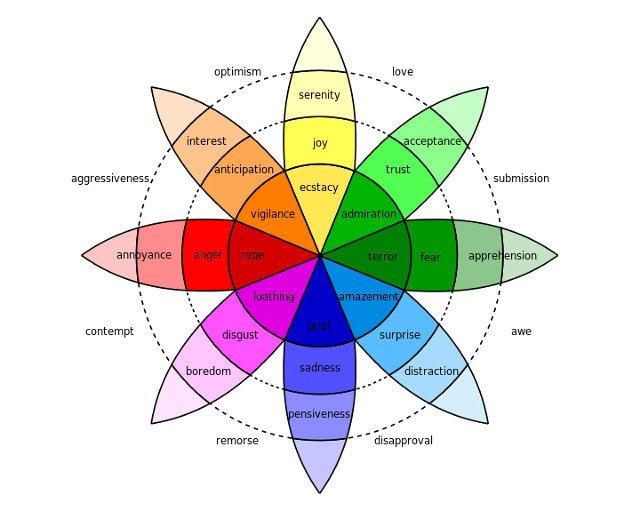
Identifying Your Audiences Emotional Triggers
Understanding what makes your audience tick is the key to crafting compelling stories that resonate. Emotions play a critical role in decision-making, and by identifying these emotional triggers, you can create content that doesn’t just inform but connects deeply with your audience.
Start by considering the core emotions that drive human behavior. These can include:
- Joy – Moments of happiness or pleasure.
- Sadness - Feelings of loss or nostalgia.
- Fear – Anxiety about potential threats or failures.
- Surprise – Unexpected events that can awe or shock.
- Disgust – Reactions against certain ideas or behaviors.
- Anticipation - The excitement or eagerness for what’s to come.
Next, delve into your audience’s pain points and desires. What keeps them awake at night? What dreams do they yearn to fulfill? Creating a customer persona can greatly aid in this process. Here’s a simplified example:
| Audience Segment | Pain Points | Desires |
|---|---|---|
| Young Professionals | Job security, work-life balance | Career advancement, personal development |
| Parents | Childcare costs, time management | Family stability, quality time |
| Students | Academic pressure, financial concerns | Success, freedom |
Use tools like surveys, social media polls, and direct feedback to gather insights. The key is to empathize with your audience’s situation, allowing you to tap into their feelings effectively. When you can articulate their struggles and aspirations, you build a bridge between your brand and their heart.
Once you have identified these emotional triggers, the next step is to weave them into your storytelling. Whether it’s through imagery, anecdotes, or relatable characters, ensure that each piece of content amplifies these emotions. For instance, a story that showcases a hero overcoming a challenge can inspire joy and anticipation in your audience, making them feel hopeful and connected to your brand.
remember that consistency is crucial. Regularly engaging with your audience through various platforms will reinforce these emotional connections. Tailor your messaging to their evolving needs and desires. The more you understand and respond to their emotional triggers, the more likely they are to develop a lasting loyalty to your brand.

Building Relatable Characters in Your Brand Story
When it comes to , it’s essential to think beyond just the surface traits. Your audience craves connection, and the characters you create can serve as the bridge between your brand and your customers. To achieve this, consider the following elements:
- Authenticity: Ensure your characters embody genuine qualities that resonate with your audience’s values and beliefs. This authenticity fosters trust and relatability.
- Flaws: Perfect characters can often feel unrealistic. Introduce flaws or weaknesses that your audience can identify with. This not only makes them more relatable but also adds depth to your story.
- Backstory: A well-crafted backstory helps to build a character’s motivation and connects them emotionally to your audience. Share their journey, struggles, and triumphs to create a richer narrative.
Moreover, consider how your characters interact with the world around them. Are they problem-solvers, dreamers, or everyday heroes? Showcasing their responses to challenges can create emotional connections and inspire your audience. For instance:
| Character Type | Audience Connection |
|---|---|
| Everyday Hero | Inspires customers to see themselves as capable of making a difference. |
| Relatable Dreamer | Encourages people to pursue their passions and aspirations. |
| Problem Solver | Drives engagement by showcasing practical solutions to common issues. |
Additionally, you should diversify your characters to represent different perspectives and experiences. By incorporating a range of voices, your brand will resonate with a broader audience. Think about:
- Demographics: Include varying ages, genders, and backgrounds.
- Interests: Reflect diverse hobbies, lifestyles, and values in your characters.
- Life Experiences: Highlight different challenges and triumphs that can touch on universal themes of struggle and success.
don’t forget to keep evolving your characters. Just like real people, they should grow and change over time in response to the events in their lives. This evolution not only keeps your content fresh but also keeps your audience engaged as they see the characters navigating their own journeys.
By thoughtfully crafting relatable characters, you can create a compelling narrative that draws your audience in, fosters loyalty, and ultimately drives conversions. Remember, it’s not just about selling a product; it’s about creating a shared experience that your audience can connect with on a personal level.
Creating a Compelling Plot That Keeps Them Engaged
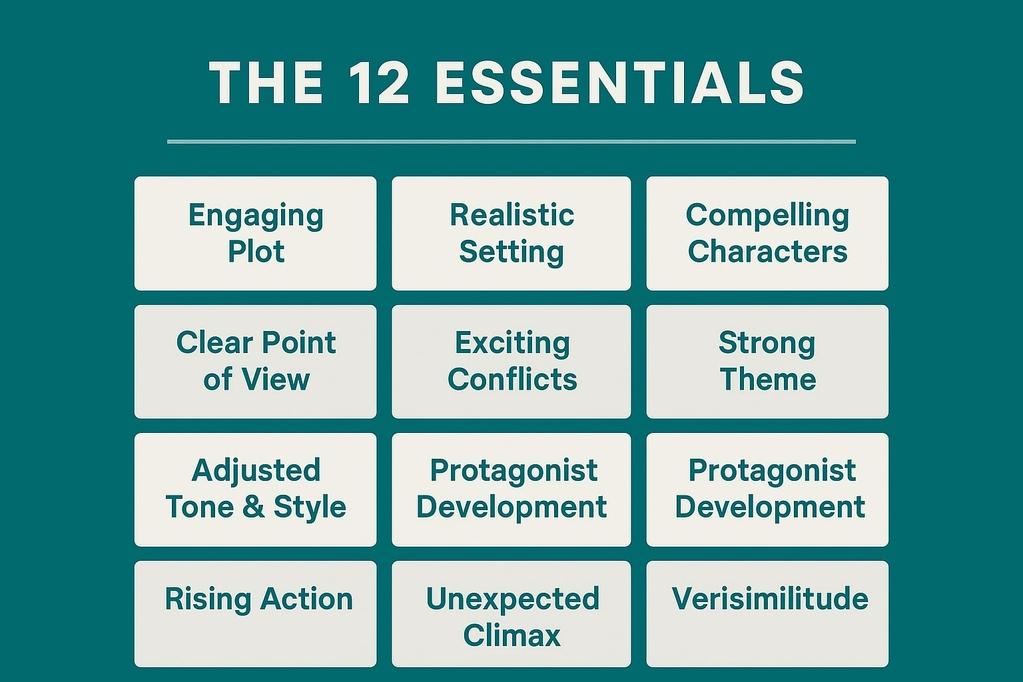
Crafting a plot that captivates your audience is akin to weaving a tapestry—each thread, each detail, must intertwine seamlessly to create a vivid picture. In marketing, this means telling a story that resonates with your audience, drawing them in and holding their attention. To do this effectively, consider the following essential elements:
- Relatable Characters: Your audience needs to see themselves in your characters. Whether they are your brand’s persona or the customers you feature, make sure they embody traits that your audience can connect with.
- Clear Conflict: Every good story has a central conflict that drives the narrative. In marketing, this conflict often represents a challenge or pain point that your product or service can solve. Present it compellingly to engage your audience’s emotions.
- Emotional Journey: Connect with your audience on an emotional level. Utilize moments of triumph, failure, and everything in between to evoke feelings that resonate deeply with your readers and prompt them to act.
- Transformation: Showcase a journey of change. Highlight how your service or product can transform characters’ lives for the better, leading to a satisfying resolution that reinforces the benefits of your brand.
These elements can be effectively woven into your marketing narratives through various formats. For instance, consider utilizing:
| Format | Description |
|---|---|
| Video Content | A dynamic way to tell your story through visuals and voice, making it more relatable and memorable. |
| Blog Posts | In-depth storytelling that allows for detailed exploration of your characters and conflicts. |
| Social Media Posts | Quick and engaging snippets that capture attention and encourage sharing. |
| Email Campaigns | Direct engagement with personalized storytelling that nurtures leads through the sales funnel. |
In addition to the core elements, pacing is crucial. A well-timed reveal or a surprising twist can keep your audience invested. Use cliffhangers or enticing questions at the end of your content to encourage your audience to return for more. Remember, you want them on the edge of their seats, eager for the next chapter in your brand’s story.
Lastly, don’t forget the power of feedback. Encouraging your audience to share their thoughts and experiences can not only enhance your narrative but also foster a community around your brand. Consider using testimonials or user-generated content to amplify your story further—after all, the best stories often come from those who live them.
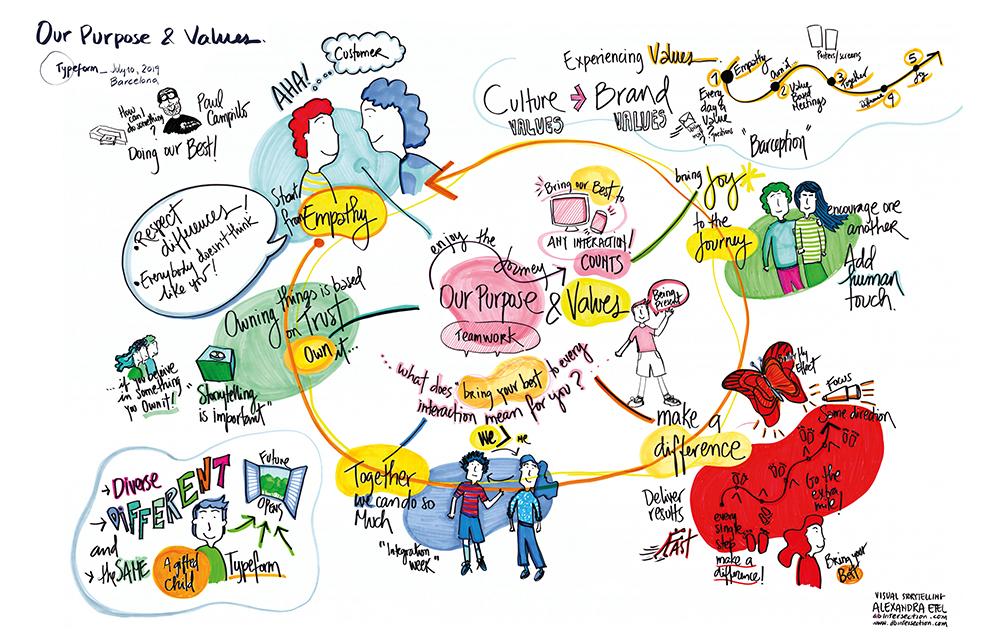
Utilizing Visual Storytelling to Enhance Your Message
Visual storytelling is a powerful tool that can elevate your marketing strategy and create a deeper connection with your audience. By integrating visuals into your narrative, you can convey complex ideas more effectively and make your message resonate on an emotional level. Here are some ways to leverage visual storytelling in your content:
- Use Compelling Imagery: High-quality photographs or illustrations can evoke emotions and set the tone for your message. Think about the feelings you want to elicit and choose visuals that align with that sentiment.
- Incorporate Infographics: Infographics can simplify complex information and data, making it easier for your audience to digest. They combine text, visuals, and design to tell a story at a glance.
- Create Video Content: Videos can enhance storytelling by adding movement and sound, engaging multiple senses. Consider creating short, impactful videos that illustrate your brand’s story or showcase customer testimonials.
- Utilize Social Media Platforms: Platforms like Instagram and Pinterest are inherently visual, allowing you to share your story through eye-catching images and graphics. Tailor your content to fit the style of each platform for maximum impact.
Another effective strategy is to use story arcs in your visual content. This means structuring your visuals to mimic the classic narrative arc: introduction, conflict, climax, and resolution. By guiding your audience through a visual journey, you can keep them engaged and invested in your message. Consider the following elements when crafting your visual narrative:
| Story Element | Visual Representation |
|---|---|
| Introduction | Captivating images or a short video clip to set the scene |
| Conflict | Visuals that illustrate challenges or obstacles faced |
| Climax | Dynamic visuals that highlight the peak of the story |
| Resolution | Images or testimonials showcasing the solution and success |
Always remember that consistency is key. Your visual elements should align with your brand’s identity, whether it’s through color schemes, typography, or imagery style. This coherence strengthens brand recognition and trust. Using a specific visual style throughout your content ensures that your audience can easily identify your brand in any context.
don’t underestimate the importance of user-generated content. Encourage your audience to share their own visuals related to your brand. It not only fosters community engagement but also provides authentic content that can enhance your story. Reposting customer photos, reviews, or experiences can add credibility and relatability to your marketing efforts.
Incorporating visual storytelling into your marketing strategy can transform how you connect with your audience. By effectively using imagery and design elements, you can craft narratives that not only inform but inspire action, ultimately leading to stronger relationships and increased loyalty. Embrace the art of visual storytelling and watch your message resonate like never before.

Incorporating Authenticity and Transparency in Your Content
In today’s digital landscape, audiences are becoming increasingly savvy and discerning. They crave genuine connections with brands and are quick to recognize when content feels contrived or inauthentic. To foster these connections, it’s essential to weave authenticity and transparency into your storytelling. This approach not only builds trust but also increases engagement and loyalty among your audience.
Here are some effective strategies to integrate authenticity and transparency into your content:
- Show Your Human Side: Share behind-the-scenes glimpses of your brand. Whether it’s the day-to-day operations or the stories of the people behind your products, showcasing the human element can create relatability.
- Be Honest About Mistakes: When things go wrong, don’t hide it. Instead, be open about the challenges you face and how you are addressing them. This vulnerability can strengthen your connection with your audience.
- Utilize User-Generated Content: Encourage your customers to share their experiences. Testimonials, reviews, and user stories provide a level of authenticity that curated content often lacks.
- Share Your Values: Make it clear what your brand stands for. Whether it’s sustainability, inclusion, or innovation, sharing your core values helps your audience understand who you are and fosters a deeper connection.
Additionally, consider the impact of storytelling formats that promote transparency:
| Format | Description | Benefit |
|---|---|---|
| Live Videos | Real-time interactions where audiences can see your authenticity. | Builds trust through immediate engagement. |
| Case Studies | Detailed accounts of your products or services in action. | Provides credibility and practical insights. |
| Q&A Sessions | Open forums for your audience to ask questions directly. | Encourages transparency and shows you value their opinions. |
As you craft your content, remember that authenticity is not just about what you say but also how you say it. Your tone, visuals, and even the platforms you choose should reflect a genuine representation of your brand. This cohesive approach will resonate with audiences who appreciate honesty and realness above all.
Moreover, engaging with your audience through comments and feedback creates a two-way conversation. Responding to inquiries and acknowledging concerns demonstrates that you value their input, reinforcing the transparent nature of your brand. This engagement not only improves customer relations but also enhances your brand’s reputation in the long run.
Ultimately, the goal is to create an environment where your audience feels valued and heard. By making authenticity and transparency central to your content strategy, you can forge deeper connections with your audience, leading to lasting loyalty and advocacy for your brand.
Leveraging Social Proof to Strengthen Your Story
In the realm of marketing, stories have a unique power. They can evoke emotions, ignite passions, and most importantly, connect individuals with brands on a deeper level. But how can you enhance your storytelling to make it even more impactful? One of the most effective strategies is to incorporate social proof into your narrative.
Social proof refers to the psychological phenomenon where people look to the actions and opinions of others to guide their own behavior. By leveraging this concept, you can create compelling narratives that resonate with your audience. Here are a few ways to seamlessly weave social proof into your story:
- Customer Testimonials: Feature real-life stories from satisfied customers. These testimonials can illustrate how your product or service has made a tangible difference in their lives.
- User-Generated Content: Encourage your audience to share their experiences with your brand. This not only builds community but also provides authentic content that potential customers can relate to.
- Case Studies: Dive deep into specific examples where your offerings have solved problems for clients. Highlighting measurable results fosters trust and demonstrates credibility.
- Influencer Endorsements: Partner with influencers whose followers align with your target audience. Their endorsements act as a trust signal, amplifying the reach and authenticity of your story.
When incorporating these elements, it’s essential to present them in a way that flows seamlessly with your narrative. For instance, instead of simply stating a statistic about customer satisfaction, embed it within a story of transformation. This approach not only provides validation but also enriches the overall narrative.
Consider creating a table to showcase the impact of social proof in your storytelling. This can help visualize how different types of social proof can lead to various results:
| Type of Social Proof | Impact on Audience | Example |
|---|---|---|
| Customer Testimonials | Builds trust and authenticity | “This product changed my life!” |
| User-Generated Content | Enhances community engagement | Social media posts featuring your brand |
| Case Studies | Demonstrates real-world effectiveness | Client success story showing ROI |
| Influencer Endorsements | Increases reach and credibility | Popular influencer shares your product |
Moreover, inviting your audience to participate in the storytelling process can enhance their connection to your brand. Create campaigns that encourage followers to share their stories with your products or services, and showcase these narratives across your platforms. This not only enriches your content pool but also solidifies a sense of belonging among your customers.
Ultimately, integrating social proof into your marketing storytelling is not just about showcasing numbers or accolades; it’s about creating a narrative that resonates. When your audience sees themselves within the stories you tell, they’re more likely to engage, trust, and, ultimately, become loyal customers. So, start crafting those narratives today and watch as your brand transforms from a mere name into a trusted companion in your audience’s journey.

Designing Multi-Channel Campaigns for Consistent Messaging
Creating a cohesive narrative across various platforms is essential for building strong connections with your audience. When designing multi-channel campaigns, it’s crucial to maintain consistency in messaging while tailoring your content for each channel’s unique characteristics. This ensures that your audience receives a unified experience, regardless of where they encounter your brand.
To achieve this, start by establishing a clear brand voice that resonates well across all channels. This voice should encompass your brand’s personality and values, helping to create a feeling of familiarity and trust. Consider the following when defining your brand voice:
- Audience Understanding: Know who your audience is and what language they respond to.
- Emotional Connection: Identify the emotions you want your audience to feel when they engage with your content.
- Key Messages: Determine the core messages that you want to communicate consistently.
Next, think about the various platforms you will utilize to share your story. Each channel has its own nuances, so while your core message should remain the same, the presentation may differ. Here’s a quick guide on how to adapt your messaging:
| Channel | Adaptation Strategy |
|---|---|
| Social Media | Use engaging visuals and interactive elements to capture attention quickly. |
| Craft personalized messages that speak directly to the recipient’s interests. | |
| Blog | Provide in-depth insights and storytelling that establish thought leadership. |
| Website | Create a seamless user experience that showcases your brand narrative effectively. |
Furthermore, leveraging user-generated content can enrich your storytelling. Encourage your audience to share their experiences with your brand, and feature these stories in your campaigns. This not only enhances authenticity but also fosters community engagement. Highlighting real-life testimonials can be a powerful tool in illustrating the impact of your brand on individuals.
tracking and analyzing the performance of your campaigns is essential. Utilize analytics tools to measure engagement across different channels. This data can provide insights into what resonates with your audience, allowing you to tweak your approach for future campaigns. Some key metrics to focus on include:
- Engagement Rates: How often audiences interact with your content.
- Conversion Rates: The percentage of audience members taking the desired action.
- Audience Growth: Increase in followers or subscribers across your platforms.
By carefully crafting a multi-channel strategy that emphasizes consistent messaging, you can create compelling stories that resonate with your audience, driving engagement and fostering loyalty. The key lies in understanding your audience, adapting your content to each channel, and continuously refining your approach based on feedback and performance data.

Using Data and Insights to Optimize Your Storytelling
In the realm of marketing, storytelling is more than just a buzzword; it’s a powerful vehicle for connection and engagement. By harnessing data and insights, brands can refine their narratives to better resonate with their audience. Understanding the preferences, behaviors, and pain points of your target demographics is crucial in crafting stories that truly connect.
Start by analyzing customer data to identify trends and patterns. This can include:
- Demographic information: Age, gender, location, and interests can shape the tone and style of your storytelling.
- Engagement metrics: Track which types of content have historically generated the most interaction. Are your audiences more responsive to videos, infographics, or blog posts?
- Customer feedback: Utilize surveys and reviews to gather insights on what resonates with your audience. Listening to their voices can uncover powerful story angles.
Next, consider segmenting your audience. By dividing your audience into smaller, more targeted groups, you can tailor your messages to meet their specific needs. This approach allows you to create personalized stories that foster a deeper emotional connection. For instance:
- New customers: Share foundational stories about your brand’s origins and mission.
- Loyal customers: Highlight customer success stories or testimonials that reinforce their investment in your brand.
- Potential customers: Use relatable narratives that address common pain points and demonstrate how your product or service provides a solution.
Data analytics tools can also enhance your storytelling strategy. Utilize these tools to monitor how your audience interacts with your content. Keep an eye on:
- Conversion rates: Are your stories driving action? A low conversion rate may suggest a disconnect between your narrative and audience needs.
- Bounce rates: High bounce rates on your content could indicate that your story isn’t engaging enough to hold attention.
- Social shares: Content that resonates with your audience is more likely to be shared, extending your reach and impact.
It’s essential to remain agile and adapt your storytelling based on the insights you gather. Regularly revisit your data to ensure that your narratives stay relevant and compelling. A/B testing different story formats or messages can provide valuable feedback on what works best, allowing you to continuously optimize your content.
Consider implementing a feedback loop where you actively solicit input from your audience after they engage with your stories. This could be through follow-up surveys or social media interactions. Understanding what aspects of your storytelling they loved—or what fell flat—enables you to iterate and improve.
Lastly, don’t shy away from sharing your insights and data-driven successes with your audience. Transparency builds trust and allows customers to feel more connected to your brand’s journey. Whether it’s sharing how customer feedback shaped a new product or how data helped craft a compelling campaign, these behind-the-scenes glimpses foster a sense of community and authenticity.
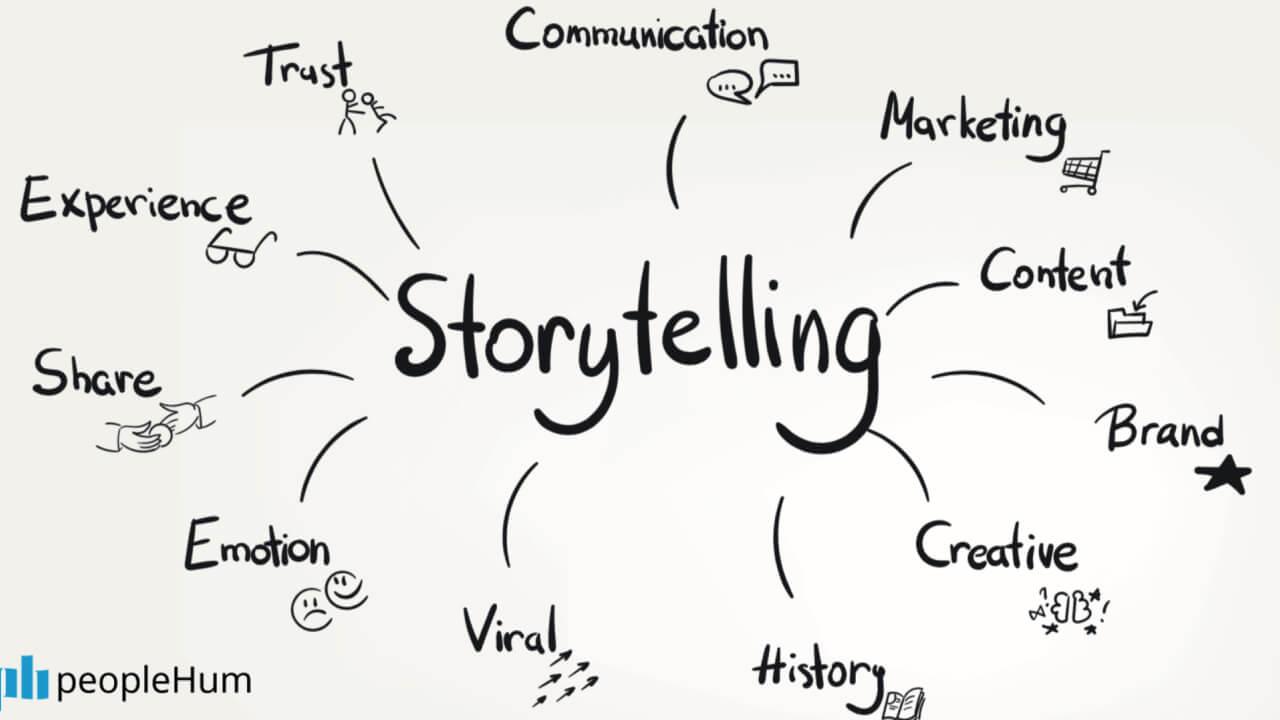
Measuring the Impact of Storytelling on Your Marketing Goals
Storytelling has emerged as a powerful tool in marketing, transforming how brands engage with their audiences. To effectively measure the impact of storytelling on your marketing goals, it’s essential to track a variety of metrics that reflect both emotional and tangible responses from your audience. Here are some key areas to focus on:
- Engagement Rates: Monitor likes, shares, comments, and overall interaction with your storytelling content across various platforms. High engagement indicates that your audience resonates with the narrative.
- Brand Awareness: Use surveys and social listening tools to gauge whether your storytelling efforts are increasing brand recognition. Look for spikes in mentions and searches related to your brand following a campaign.
- Conversion Rates: Track how storytelling influences purchasing decisions. Are users more likely to convert after engaging with a compelling narrative? Utilize A/B testing to compare storytelling content against traditional marketing materials.
- Customer Retention: Analyze repeat purchase behavior. A strong story can enhance customer loyalty, leading to higher retention rates over time.
- Audience Growth: Keep an eye on your follower counts, email subscribers, and overall audience size. Effective storytelling can attract new audiences who relate to your brand’s values and messages.
To illustrate these metrics, consider using a simple table to summarize your findings over time:
| Metric | Before Storytelling | After Storytelling | Percentage Change |
|---|---|---|---|
| Engagement Rate | 2% | 6% | +200% |
| Conversion Rate | 1.5% | 3% | +100% |
| Brand Mentions | 150 | 400 | +167% |
| Customer Retention | 30% | 45% | +50% |
Incorporating storytelling into your marketing isn’t just about being creative; it’s about strategically aligning narratives with your business objectives. When you effectively measure how these stories perform against your goals, you can refine your approach and invest in the types of content that yield the best results.
Moreover, employing customer feedback can provide deep insights into how your stories are perceived. Conducting focus groups or using online surveys can pinpoint what aspects of your storytelling resonate most with your audience. This qualitative data complements the quantitative metrics and ensures a holistic view of your storytelling effectiveness.
Ultimately, the goal is to create a feedback loop where your storytelling evolves based on measurable results and audience insights. By consistently analyzing and adapting your strategy, you can build a strong narrative framework that not only meets but exceeds your marketing goals.

Continuously Evolving Your Story Based on Feedback
Storytelling in marketing is a dynamic process, and one of the most critical aspects of refining your narrative is to embrace feedback. Your audience is constantly evolving, and so should your story. By actively seeking and implementing feedback, you’ll not only enhance your message but also deepen the connection with your audience.
Consider establishing a feedback loop that encourages dialogue with your customers. This can include:
- Surveys and polls: Create short, engaging surveys to gauge audience interest and gather insights.
- Social media interactions: Use platforms like Instagram and Twitter to ask questions or run polls that invite responses.
- User-generated content: Encourage your audience to share their stories related to your brand, which can provide invaluable insights.
Once you collect feedback, the real work begins. Analyze the data to identify patterns and themes. Are there particular aspects of your story that resonate more with your audience? Are there elements that confuse or disengage them? Creating a table to visualize this feedback can be particularly helpful:
| Feedback Type | Audience Response | Action to Take |
|---|---|---|
| Clarity | 95% find the message clear | Maintain current messaging |
| Engagement | 60% want more visuals | Incorporate more graphics and videos |
| Emotional Connection | 70% relate more to personal stories | Add more customer testimonials |
Implementing changes based on feedback shows that you value your audience’s opinions, which can foster loyalty and trust. It’s essential to communicate these updates as well. Share with your audience how their insights have shaped your content. This transparency builds a sense of community and encourages further participation.
Don’t be afraid to experiment with different storytelling techniques. Try various formats, such as podcasts, videos, or interactive content, and solicit feedback on each. By diversifying your approaches, you can discover what truly resonates with your audience and keep your storytelling fresh and engaging.
Lastly, remember that the process of evolving your story is ongoing. Regularly revisit your feedback channels and stay attuned to shifts in audience preferences. By embracing this iterative process, your storytelling will not only adapt but thrive, ensuring your marketing content remains relevant and impactful.

Harnessing User-Generated Content for Authentic Narratives
In the landscape of modern marketing, user-generated content (UGC) has become a pivotal tool for brands seeking to create authentic narratives that resonate with their audiences. By tapping into the voices of real customers, businesses can craft stories that reflect genuine experiences, fostering a deeper connection with potential buyers.
Imagine showcasing your product through the lens of those who use it daily. This isn’t just about sharing testimonials; it’s about creating a rich tapestry of experiences that highlight the transformative power of your offering. Here’s how you can effectively harness UGC to enhance your storytelling:
- Encourage Engagement: Foster a community around your brand by encouraging customers to share their experiences on social media. Create specific hashtags that users can adopt, making it easy to find and showcase their content.
- Feature Real Stories: Highlight stories from your customers in your marketing campaigns. Use their testimonials, photos, or videos to illustrate how your product has made a difference in their lives.
- Leverage Visuals: Visual content tends to be more engaging. Curate user-generated photos or videos that showcase your product in action. This not only adds authenticity but also provides social proof, which is incredibly persuasive to potential customers.
- Create Campaigns Around UGC: Launch contests or challenges that incentivize users to create content related to your brand. This not only generates excitement but also provides a wealth of material that you can repurpose across various marketing channels.
To maximize the impact of UGC, consider the following strategies:
| Strategy | Description |
|---|---|
| Social Media Takeovers | Allow customers to take over your brand’s social media for a day, sharing their personal experiences and showcasing your products in their daily lives. |
| Customer Spotlights | Regularly feature a customer on your blog or social channels, sharing their story and how your product has impacted them. |
| Interactive Content | Create polls or quizzes that encourage users to share their opinions and experiences related to your product. |
By thoughtfully incorporating user-generated content into your narrative, you not only build trust but also encourage a sense of belonging among your audience. When consumers see real people sharing their stories, they’re more likely to feel a connection to your brand, making it easier for them to engage and ultimately convert.
In a world where consumers are inundated with marketing messages, authentic narratives stand out. Embrace the power of storytelling through UGC, and watch as your brand transforms from a faceless company into a trusted companion on your customers’ journeys.

Creating a Community Around Your Brand Story
Building a community around your brand story can transform your marketing efforts into a powerful movement. When individuals feel connected to your narrative, they’re not just customers—they’re advocates. Here’s how to foster that connection:
- Engage Authentically: Share your brand’s journey, including the highs and lows. Authenticity breeds trust, and when your audience sees the genuine effort behind your story, they’re more likely to engage.
- Encourage User-Generated Content: Invite your community to share their experiences related to your brand. This not only enriches your narrative but also makes your audience feel valued and involved.
- Create Interactive Experiences: Host events, webinars, or live Q&A sessions. These platforms allow real-time interaction and deepen the connection between your brand and your audience.
Furthermore, consider leveraging social media to create a dynamic space where your community can thrive. Use your platforms not just to broadcast messages but to spark conversations. Ask questions, create polls, and share behind-the-scenes content. This not only encourages dialogue but also allows your audience to contribute to your evolving story.
Another effective strategy is to establish content themes that resonate with your audience’s beliefs and values. For instance, if sustainability is a core value of your brand, share stories about your eco-friendly initiatives and invite your community to participate in green challenges. This creates a shared mission, making your audience feel like part of something bigger.
| Action | Impact |
|---|---|
| Share Personal Stories | Fosters relatability |
| Showcase Customer Stories | Builds community |
| Engage in Real-Time | Strengthens connection |
| Highlight Shared Values | Encourages loyalty |
celebrate your community members. Highlight their stories, achievements, and contributions to your brand. This recognition not only boosts morale but also reinforces the idea that your brand story is a collective effort. When people see their names associated with your brand, they feel a sense of pride and belonging.
By implementing these strategies, you won’t just tell a story—you’ll create an ongoing narrative that invites your community to participate actively. This is the essence of storytelling in marketing: it’s not just about the story you tell, but how you invite others to join in, shaping it together.
Frequently Asked Questions (FAQ)
Q&A: Storytelling in Marketing: How to Create Content That Connects
Q: Why is storytelling important in marketing?
A: Great question! Storytelling is crucial in marketing because it humanizes your brand. People resonate with stories—they evoke emotions, create memorable experiences, and foster connections. When you tell a story, you’re not just selling a product; you’re sharing a narrative that potential customers can relate to, which builds trust and loyalty.
Q: What elements make a good marketing story?
A: A compelling marketing story typically includes a relatable protagonist, a challenge or conflict, and a resolution. Start by identifying your audience’s pain points or aspirations. Then, weave in characters that reflect their experiences and depict a journey that leads to a satisfying resolution—ideally, how your product or service plays a role in that journey.
Q: How can I incorporate storytelling into my content marketing strategy?
A: Incorporating storytelling doesn’t have to be complicated! Start by defining your brand’s core message and values. From there, create different types of content—like blog posts, videos, or social media updates—that illustrate your brand’s story. Use real customer testimonials and case studies to bring authenticity and encourage engagement. Remember, every piece of content can tell a story!
Q: Can storytelling help with brand differentiation?
A: Absolutely! In a crowded marketplace, storytelling can set you apart from the competition. By sharing unique stories about your brand’s origin, mission, or the people behind it, you create a distinct identity. This differentiation helps consumers remember you and makes you more appealing than others who may not have a compelling narrative.
Q: What are some common storytelling pitfalls to avoid?
A: One major pitfall is making the story too focused on your product rather than the audience. If the narrative feels like a sales pitch, it can turn people off. Another mistake is neglecting the emotional aspect. If your story doesn’t evoke any feelings, it’s unlikely to resonate. Always keep your audience at the forefront—make them the heroes of your story!
Q: How do I measure the success of storytelling in my marketing?
A: Measuring success can involve various metrics depending on your goals. Look at engagement rates—likes, shares, and comments on social media. Track how storytelling impacts conversion rates and customer retention. Often, the emotional connections you create lead to increased customer loyalty, so keep an eye on repeat business and customer feedback!
Q: Can storytelling work for all types of businesses?
A: Definitely! No matter the industry, there’s always a story to tell. Whether you’re a small local business or a large corporation, people want to connect with the human side of your brand. Tailor your storytelling approach to fit your audience and industry, and you’ll find that storytelling can resonate across the board.
Q: Any final tips for marketers looking to harness the power of storytelling?
A: Sure! Start by listening to your audience—understand their needs and desires. Then, take your time to craft authentic stories that align with your brand values. Don’t be afraid to be vulnerable; showing your brand’s journey, including challenges and failures, can strengthen your connection with your audience. And most importantly, be consistent in your storytelling across all channels to reinforce your brand identity. Happy storytelling!
To Wrap It Up
storytelling in marketing isn’t just a trend—it’s a powerful tool that can elevate your brand and create genuine connections with your audience. By weaving narratives that resonate on an emotional level, you can transform the way consumers perceive your products and services. Remember, every brand has a story to tell; it’s all about how you share it.
So, take a moment to reflect on your brand’s unique journey. What experiences, values, and emotions can you convey to your customers? Dive deep into your storytelling strategies and craft content that not only informs but also inspires and engages.
As you embark on this storytelling adventure, keep your audience at the heart of your message. The more authentic and relatable your stories are, the stronger the bond you’ll create with your audience. So, go ahead—fuel your marketing efforts with compelling narratives and watch your connections flourish. Happy storytelling!