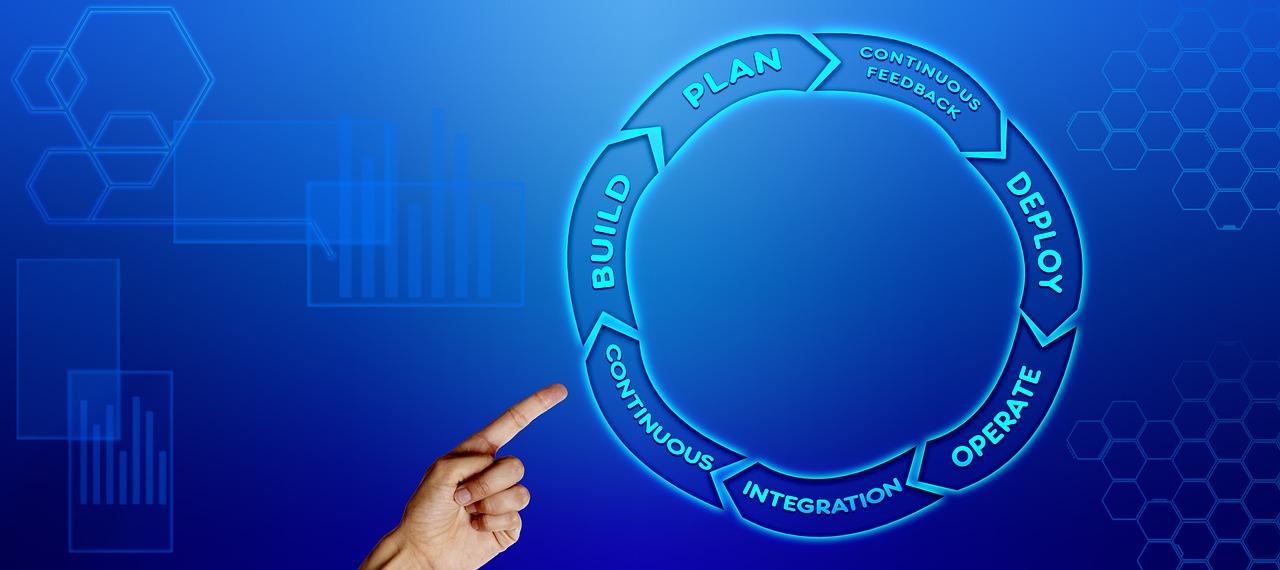
Hey there, tech enthusiasts! As we gear up for another exciting year in the world of software development, it’s time to turn our gaze to the future. With technology evolving at breakneck speed, staying ahead of the curve is more important than ever. So, what’s on the horizon for 2026? From the rise of AI-driven development to the growing emphasis on sustainability, the trends shaping the software landscape are not just fascinating—they’re game-changers. In this article, we’ll explore the top five software development trends you absolutely can’t afford to ignore. Whether you’re a seasoned developer, a tech-savvy entrepreneur, or someone who’s just curious about what’s next, these insights will equip you to navigate the ever-changing digital terrain. Let’s dive in and discover what the future holds!
The Rise of Artificial Intelligence in Software Development
The landscape of software development is evolving at an unprecedented pace, and at the forefront of this change is artificial intelligence. As we look towards 2026, the integration of AI into the development process is not just a trend; it’s becoming a necessity. Not only does AI streamline workflows, but it also enhances the overall quality of software products.
One of the most significant advantages of AI in software development is its ability to automate repetitive tasks. This automation can free up valuable time for developers, allowing them to focus on more strategic and creative aspects of their projects. For example, code generation tools powered by AI can quickly create boilerplate code, reducing development time significantly.
Moreover, AI-driven analytics tools provide deep insights into user behavior and software performance. This data enables developers to make informed decisions regarding feature enhancements and bug fixes. By leveraging these insights, teams can prioritize their work more effectively, resulting in software that better meets user needs.
Another exciting development is the rise of AI-powered testing frameworks. These tools can identify potential bugs and vulnerabilities in code faster than traditional methods. With the increasing complexity of software systems, such automated testing not only improves quality assurance but also accelerates the release cycles.
Collaboration between developers and AI is also fostering a new culture of innovation. Teams can utilize AI for real-time code reviews and suggestions, encouraging a more interactive development environment. This partnership not only enhances productivity but also cultivates creativity, as developers are challenged to think critically about the solutions proposed by AI.
As we move towards 2026, companies that adopt AI technologies in their software development processes are likely to gain a competitive edge. They will be better equipped to respond to market demands, deliver high-quality products, and optimize their resources. The future will be defined by organizations that embrace this technology, positioning themselves as leaders in a rapidly changing digital landscape.
Key Benefits of AI in Software Development
Increased Efficiency: Automation reduces the time spent on mundane tasks.
Enhanced Quality: AI tools improve testing and bug detection.
Better Decision-Making: Data-driven insights lead to informed choices.
Fostering Innovation: Developers can focus on creative problem-solving.
Challenges to Consider
Challenge
Impact
Data Privacy Issues
Increased risk of data breaches.
Skill Gaps
Need for upskilling teams to work with AI tools.
Dependence on AI
Risk of diminishing human oversight.
Embracing Low-Code and No-Code Platforms for Rapid Deployment
In an ever-evolving tech landscape, companies are increasingly turning to low-code and no-code platforms as a means to accelerate their development processes. These platforms allow both technical and non-technical users to create applications with minimal programming knowledge, significantly reducing the time it takes to bring ideas to life.
Imagine a world where a marketing team can build and deploy a new customer engagement app without waiting for weeks or months for the IT department to get involved. With low-code and no-code solutions, this is becoming a reality. These platforms provide intuitive interfaces and drag-and-drop functionalities, enabling teams to focus on innovation rather than on coding intricacies.
Here are some key benefits of embracing these platforms:
Speed: Rapid prototyping and deployment mean that businesses can respond quickly to market demands.
Cost-Effective: Reducing reliance on specialized developers can lead to significant savings in development costs.
Empowerment: Non-technical users can contribute to the development process, fostering a culture of collaboration and creativity.
Scalability: As business needs grow, low-code solutions can easily scale, accommodating new users and features without major overhauls.
According to a recent report, organizations using low-code and no-code platforms have seen productivity increases of up to 70%. This seismic shift in how software is developed is helping businesses to not just keep pace with competitors but to lead the charge in innovation.
Platform
Use Case
Typical Users
Airtable
Project Management
Marketers, Project Managers
Bubble
Web App Development
Entrepreneurs, Startups
Zapier
Workflow Automation
Digital Marketers, Business Analysts
OutSystems
Enterprise Solutions
IT Departments, Developers
This democratization of development is not just a trend; it represents a fundamental shift in how businesses operate. As the demand for software increases, the ability to quickly develop and iterate applications will be crucial. Companies that adopt low-code and no-code platforms will not only enhance their agility but also gain a competitive edge by rapidly responding to opportunities as they arise.
Moreover, as these platforms evolve, they are incorporating advanced features like AI integration, which can further streamline processes and enhance functionality. By leveraging AI, users can get predictive analytics, automate routine tasks, and improve decision-making, all without needing extensive programming skills.
Organizations looking to thrive in the future should seriously consider integrating low-code and no-code tools into their development strategies. In doing so, they can not only empower their teams but also position themselves as leaders in innovation and efficiency.
The Growing Importance of Cybersecurity in Development Practices
As the digital landscape evolves, the significance of cybersecurity in development practices is becoming increasingly critical. With the rise of sophisticated cyber threats, integrating robust security measures into the software development lifecycle is no longer an option but a necessity. Developers must adopt a proactive approach to identify vulnerabilities early in the development process, ensuring that applications are not only functional but also secure.
One of the most effective strategies is the implementation of DevSecOps, which emphasizes incorporating security at every stage of development. By fostering collaboration between development, security, and operations teams, organizations can create a culture where security is everyone’s responsibility. This shift not only enhances the security posture but also accelerates the delivery of secure applications.
Moreover, as remote work continues to be the norm, the attack surface for potential threats expands. Developers should prioritize security training and awareness programs to equip their teams with the knowledge necessary to recognize and mitigate risks. A well-informed team is the first line of defense against potential breaches.
In addition, leveraging automated security tools during the development process can significantly reduce the likelihood of vulnerabilities slipping through the cracks. These tools can help identify common coding errors and security flaws, allowing developers to rectify issues before they become problematic. Implementing such technologies can save time and resources, ultimately leading to more secure software releases.
Organizations may also consider adopting a zero-trust model, which requires verification for every access request, regardless of whether it originates from within or outside the organization’s network. This approach not only enhances security but also fosters a mindset of vigilance among developers and stakeholders.
Strategy
Benefits
DevSecOps
Integrates security into every development phase.
Security Training
Empowers teams to identify and address risks.
Automated Security Tools
Detects vulnerabilities early, saving time.
Zero-Trust Model
Ensures strict verification for all access.
As we look toward the future, the need for a strong cybersecurity framework in software development will only intensify. By adopting these practices, developers can help safeguard not only their applications but also the sensitive data of users. In an era where data breaches can have dire consequences, prioritizing cybersecurity is a crucial step towards building trust and reliability in software products.
Ultimately, embracing cybersecurity as an integral part of development practices not only minimizes risks but also enhances the overall quality of software. Organizations that recognize and act upon this growing importance will be better positioned to thrive in the competitive landscape of 2026 and beyond.
Exploring the Shift Toward Cloud-Native Applications
The software development landscape is undergoing a profound transformation, with a marked shift toward cloud-native applications becoming increasingly evident. As organizations strive to innovate rapidly and respond to evolving market demands, cloud-native technologies provide the scalability, flexibility, and resilience needed to stay competitive.
At the heart of this trend is the ability to build applications that are designed specifically to take advantage of cloud environments. These applications are typically composed of microservices that can be deployed and managed independently, allowing for greater agility in development and deployment. Here are a few key reasons why this shift is gaining traction:
Cost Efficiency: By leveraging cloud infrastructure, companies can reduce hardware costs and only pay for what they use. This pay-as-you-go model allows startups and enterprises alike to allocate resources more effectively.
Scalability: Cloud-native applications can scale seamlessly in response to demand. Whether it’s a spike in user traffic or the need for additional processing power, resources can be adjusted on-the-fly.
Faster Time to Market: With cloud-native development, teams can deploy updates and new features more frequently. This rapid iteration fosters innovation and allows businesses to respond quickly to user feedback.
Improved Reliability: Cloud-native applications often come with built-in redundancy and failover capabilities. This means they can maintain high availability and minimize downtime, ensuring a better user experience.
As this trend accelerates, it’s crucial for developers and businesses to adopt best practices for cloud-native development. Here are some key strategies:
Embrace DevOps: Integrating development and operations teams can streamline workflows and promote a culture of collaboration, leading to faster deployments and improved application quality.
Utilize Containerization: Technologies like Docker and Kubernetes facilitate the deployment of microservices, enabling developers to package applications with all their dependencies and run them consistently across different environments.
Focus on Security: As applications move to the cloud, security becomes paramount. Implementing robust security measures from the outset can protect sensitive data and prevent potential breaches.
Moreover, as cloud-native applications continue to evolve, organizations must stay ahead of the curve by investing in training and adopting the latest tools. Understanding the nuances of cloud infrastructure and the various platforms available can help teams leverage their full potential.
Cloud Service Model
Description
Use Cases
Infrastructure as a Service (IaaS)
Provides virtualized computing resources over the internet.
Hosting websites, data storage, and backup solutions.
Platform as a Service (PaaS)
Offers hardware and software tools over the internet, typically for application development.
Development frameworks and tools for app developers.
Software as a Service (SaaS)
Delivers software applications over the internet on a subscription basis.
the shift towards cloud-native applications is not just a passing trend but a fundamental change in how software is developed, deployed, and managed. By embracing this paradigm, businesses can unlock new levels of efficiency, innovation, and competitive advantage.
The Impact of DevOps on Software Development Efficiency
The integration of DevOps practices into software development has revolutionized the way teams collaborate and deliver products. By breaking down silos between development and operations, organizations are not only enhancing communication but also significantly boosting their overall efficiency.
Continuous Integration and Continuous Deployment (CI/CD) are at the heart of this transformation. These practices enable teams to automate testing and deployment processes, allowing for rapid iterations and faster feedback loops. With CI/CD, developers can push code changes more frequently, which minimizes the risk of integrating large updates and enhances the ability to respond to market demands quickly.
Another aspect of DevOps that significantly contributes to efficiency is the use of collaborative tools and technologies. Tools such as Jenkins, Docker, and Kubernetes facilitate seamless collaboration across teams. This not only speeds up development cycles but also ensures that everyone is on the same page, reducing the chances of miscommunication and errors.
Moreover, the adoption of Infrastructure as Code (IaC) allows teams to manage infrastructure through code, enabling automated provisioning, configuration, and management of servers. This capability not only reduces manual effort but also minimizes human error, leading to more reliable deployments and reduced time spent on maintenance.
DevOps Benefits
Impact on Efficiency
Faster Time to Market
Accelerates product releases and updates
Improved Quality Assurance
Reduces bugs and improves overall product quality
Enhanced Collaboration
Strengthens teamwork and reduces misunderstandings
Lower Costs
Minimizes wasted resources and time
Furthermore, the emphasis on monitoring and feedback within DevOps practices allows teams to track application performance in real-time and gather user feedback more efficiently. This data-driven approach empowers developers to make informed decisions, prioritize features, and quickly address any issues that arise post-deployment, ultimately leading to a better end-user experience.
As organizations continue to embrace DevOps, the culture shifts towards a mindset of continuous improvement. Teams are more likely to experiment with new ideas and learn from failures, fostering innovation and creativity that can lead to breakthrough developments. This cultural shift is as crucial as the technical practices themselves in driving efficiency in software development.
Sustainable Software Development: Why it Matters Now
Why Sustainable Software Development Matters Now
In today’s rapidly evolving tech landscape, the demand for software that not only delivers functionality but also minimizes environmental impact is more pressing than ever. As we shift toward a more eco-conscious society, sustainable software development emerges as a critical strategy in reducing our carbon footprint and promoting long-term viability.
Sustainability in software development goes beyond just writing efficient code. It encompasses a holistic approach that considers various factors, including:
Energy Efficiency: Optimizing code and algorithms to ensure that applications consume less power.
Resource Utilization: Making smart decisions about server usage and data storage to minimize waste.
Longevity: Designing software that can adapt and evolve, reducing the need for constant upgrades and replacements.
With the increasing awareness of climate change and its effects, businesses are now held accountable for their environmental contributions. Sustainable software development not only improves a company’s image but also drives customer loyalty. Consumers today prefer to support brands that demonstrate a commitment to sustainability. Therefore, incorporating environmentally friendly practices in software projects can lead to a significant competitive edge.
Moreover, as organizations transition to cloud computing and remote work, the importance of sustainability becomes even more pronounced. Cloud providers are increasingly focused on using renewable energy and optimizing their data centers, making it imperative for software developers to complement these efforts. By leveraging cloud resources wisely, developers can create applications that are not just efficient but also sustainable.
Incorporating sustainable practices into the software development cycle can be achieved through:
Agile Methodologies: Adopting agile practices to iterate quickly and efficiently, reducing waste.
DevOps Practices: Streamlining development and operations to enhance collaboration and minimize resource consumption.
Green Coding Standards: Establishing coding guidelines that prioritize performance and sustainability.
Practice
Impact on Sustainability
Energy-efficient coding
Reduces energy consumption during execution
Cloud resource optimization
Minimizes carbon footprint of running applications
Continuous integration
Speeds up delivery while reducing waste
Ultimately, the choice to focus on sustainable software development is not just a trend; it is a necessary evolution in our approach to technology. By prioritizing sustainability, developers can create innovative solutions that help combat climate change while contributing to a healthier planet. As we look to the future, the integration of these principles into software development practices will not only lead to better products but also a better world.
As blockchain technology continues to evolve, its integration into mainstream applications is becoming increasingly imperative. No longer confined to cryptocurrencies, blockchain is poised to redefine various industries by enhancing transparency, security, and efficiency. In 2026, we anticipate seeing a surge in applications utilizing blockchain in innovative ways.
One of the most exciting aspects of this trend is the decentralization of data management. Traditional systems often operate on centralized databases, which can be vulnerable to breaches and corruption. By employing blockchain, organizations can leverage a distributed ledger that offers enhanced security and trust. Here’s how this shift could manifest:
Financial Services: Smart contracts can automate processes like loan approvals, reducing the need for intermediaries and expediting transactions.
Supply Chain Management: Companies can track products from origin to consumer, ensuring authenticity and ethical sourcing.
Healthcare: Patient records secured on a blockchain could facilitate seamless sharing among healthcare providers while maintaining privacy.
Furthermore, the rise of tokenization is transforming how assets are bought, sold, and traded. From real estate to art, tokenization allows for fractional ownership, providing liquidity to previously illiquid assets. This opens doors for a broader audience to invest, making wealth distribution more equitable. Consider the potential impact:
Asset Type
Token Benefits
Real Estate
Lower entry barriers; fractional investment
Art
Wider access; democratizes ownership
Collectibles
Provenance tracking; enhanced liquidity
The trend towards interoperability is also gaining momentum. Different blockchains are beginning to communicate, eliminating silos and enhancing the versatility of decentralized applications (dApps). This interconnectedness will allow developers to create more robust solutions that can leverage the strengths of various platforms. Imagine a world where financial transactions, supply chains, and identity verification systems seamlessly operate across diverse blockchain networks!
Moreover, as regulatory frameworks become clearer, the integration of blockchain into mainstream applications will be accelerated. Companies will be more willing to adopt this technology, knowing that it can operate within established legal parameters. This maturation of the blockchain ecosystem is likely to foster innovation and drive the development of new applications that we haven’t yet envisioned.
Lastly, the concept of digital identity is set to revolutionize how users interact with online services. Blockchain can provide a secure and verifiable way to manage identities, reducing fraud and enhancing user control. With the rise of data breaches, individuals will increasingly seek solutions that safeguard their personal information while ensuring they can access services without cumbersome processes.
the integration of blockchain technology into mainstream applications holds tremendous potential. By embracing these advancements, businesses not only position themselves at the forefront of innovation but also contribute to a more secure, equitable, and efficient digital landscape.
The Role of Agile Methodologies in Modern Development Teams
In the fast-paced world of software development, agile methodologies have emerged as a game-changer for teams looking to enhance collaboration, flexibility, and responsiveness. By breaking down projects into manageable chunks, agile promotes a more iterative approach, allowing teams to adapt quickly to changing requirements. This not only fosters innovation but also significantly improves product quality, making it a critical component for modern development teams.
Collaboration and Communication: Agile methodologies prioritize teamwork. Daily stand-ups, sprint reviews, and retrospective meetings ensure that everyone is on the same page. This constant communication helps in identifying issues early on and encourages a culture of transparency. As a result, team members feel more invested in their work, boosting morale and productivity.
Customer-Centric Development: Agile places a strong emphasis on customer feedback. By involving users throughout the development process, teams can gather insights that shape the product’s features. This approach not only enhances user satisfaction but also ensures that the final product aligns closely with market needs.
Flexibility in Project Management: One of the standout features of agile is its ability to accommodate changes. Unlike traditional methodologies that often resist alterations late in the development cycle, agile welcomes them. Teams can pivot quickly based on feedback, ensuring that they remain relevant and competitive. This adaptability is essential in a landscape where technology and user preferences evolve rapidly.
Shorter cycle times lead to faster delivery schedules.
Enhanced Innovation
Freedom to experiment leads to creative solutions.
Greater Employee Satisfaction
Empowered teams tend to be more engaged and motivated.
Continuous Improvement: Agile encourages teams to reflect on their processes regularly. Through retrospectives, teams can identify what worked, what didn’t, and how they can improve. This focus on continuous improvement fosters an environment where innovation thrives, and teams are always looking for ways to enhance efficiency and effectiveness.
Integration with Modern Tools: Today’s agile teams benefit from a plethora of tools designed to streamline workflows and enhance collaboration. From project management software like Jira and Trello to communication platforms like Slack and Zoom, integrating these tools into the agile framework can elevate a team’s productivity and cohesion. Embracing technology not only supports agile practices but also positions teams to tackle the complexities of modern software development with confidence.
As we look to the future, it’s clear that agile methodologies will continue to shape how development teams operate. Their focus on collaboration, flexibility, and customer engagement provides a strong foundation for navigating the challenges of a rapidly evolving tech landscape. For any team aiming to stay ahead in the development game, adopting agile practices could be the key to success.
Harnessing the Power of Data Analytics for Better Decision-Making
Unlocking Insights Through Data
In the ever-evolving landscape of software development, leveraging data analytics is becoming not just advantageous but essential for making informed decisions. Every interaction, every code line, and every bug report generates data that, when analyzed, can provide profound insights into user behavior, system performance, and project efficiency.
Imagine a scenario where a development team can predict the potential success of a new feature before it is even launched. By analyzing historical data and user feedback, they can identify patterns and preferences that guide them toward creating more user-centric products. This predictive capability turns data into a treasure trove of opportunities, allowing teams to prioritize features that align with user needs.
Moreover, data analytics can significantly enhance project management. By tracking metrics such as time spent on tasks, bug frequency, and deployment success rates, teams can identify bottlenecks in their workflow. This leads to better resource allocation and improved timelines. Here are a few key areas where data analytics can shine:
User Behavior Analysis: Understand how users interact with your software to tailor experiences.
Performance Monitoring: Track application performance to ensure optimal user experiences and swift responses to issues.
Team Productivity Metrics: Analyze the efficiency of development processes and identify areas for improvement.
Market Trends: Stay ahead of competitors by predicting shifts in market demands based on data analysis.
Data-Driven Decision Framework
Implementing a data-driven decision framework can empower teams to make decisions that are backed by solid evidence rather than intuition. This framework could include the following steps:
Data Collection: Gather data from various sources, including user feedback, performance logs, and market research.
Data Analysis: Use analytics tools to identify trends, correlations, and insights from the collected data.
Actionable Insights: Translate data findings into actionable recommendations for development priorities and strategies.
Feedback Loop: Continuously monitor the outcomes of implemented changes and refine strategies based on new data.
Table of Key Performance Indicators
Metric
Description
Purpose
User Engagement Rate
The percentage of active users during a specific period.
Evaluate user interest and satisfaction.
Code Quality Score
A measure of code maintainability and performance.
Ensure high standards in development.
Bug Resolution Time
The average time taken to resolve reported bugs.
Assess responsiveness and efficiency of the development team.
Feature Adoption Rate
The percentage of users utilizing a new feature post-launch.
Determine the success of feature implementations.
By actively engaging in data analytics, software development teams can transform the way they operate. It allows for a more agile approach, where decisions are fluid and responsive to real-time data insights. As we move forward into 2026, those who harness the power of data analytics will undoubtedly gain a competitive edge, making strides not only in product development but also in user satisfaction and market relevance.
The Future of Remote Collaboration in Software Development
The landscape of software development is changing rapidly, and as we look towards 2026, the evolution of remote collaboration stands out as a pivotal trend. With teams becoming increasingly distributed across the globe, the need for seamless online communication and collaboration tools has never been more pronounced. As developers, managers, and stakeholders navigate this new environment, several key factors will shape the future of their collaborative efforts.
First and foremost, integration of advanced collaboration tools will play a crucial role. Asynchronous communication platforms like Slack and Microsoft Teams will continue to evolve, incorporating AI-driven features that help streamline discussions and decision-making processes. Imagine tools that not only track conversations but also analyze sentiment and provide actionable insights, making it easier for teams to stay aligned and engaged, regardless of time zones.
Additionally, the rise of virtual and augmented reality (VR/AR) technologies will redefine how teams interact remotely. Picture a software development team gathered in a virtual workspace, where they can manipulate code, brainstorm ideas on a digital whiteboard, or even conduct code reviews in real time. This immersive experience will enhance creativity and collaboration, allowing for more dynamic problem-solving that transcends physical barriers.
Moreover, we can expect a surge in cloud-based development environments. Tools like GitHub Codespaces and Gitpod are already paving the way for developers to work collaboratively on code, without the need for local installations. By utilizing cloud environments, teams can ensure that everyone is working with the same setup, reducing discrepancies and enhancing productivity. The ability to share environments instantly will facilitate better onboarding for new team members and promote a more cohesive workflow.
Security will also be a significant focus as remote collaboration continues to grow. As organizations adopt more collaborative tools, they must ensure that their data remains secure. This shift will lead to the development of robust security protocols integrated into collaboration platforms. Features like end-to-end encryption, multi-factor authentication, and real-time monitoring will become standard to protect sensitive information, allowing teams to work confidently in a remote setting.
the future of remote collaboration will undoubtedly be shaped by a more inclusive approach to team dynamics. With a global talent pool at their disposal, companies will prioritize creating diverse teams that bring varied perspectives to the table. This inclusivity will extend into the tools and processes used in software development, ensuring that all voices are heard and valued during projects. Tools that support equitable participation and collaboration will be essential for fostering innovation and creativity across teams.
As we look towards 2026, promises to be dynamic and transformative. By embracing new technologies and methodologies, teams will not only enhance their productivity but also enrich their collaborative experiences, leading to better outcomes and more successful projects.
Understanding the Significance of User Experience Design
User experience design (UX) is more than just a buzzword; it’s a crucial element that can make or break a digital product. In an era where consumer preferences are evolving rapidly, the focus on delivering seamless, intuitive, and engaging experiences has never been more important. Companies are increasingly recognizing that a well-crafted user experience can lead to higher customer satisfaction, increased loyalty, and ultimately, greater profitability.
At its core, user experience design revolves around understanding the needs and behaviors of users. By prioritizing the user’s journey, businesses can create products that not only meet functional requirements but also resonate emotionally with their audience. This is particularly vital in software development, where the user interface must guide users effortlessly through tasks and features.
Here are a few reasons why investing in user experience design is essential:
Enhanced Usability: A focus on UX leads to more intuitive interfaces, minimizing friction and helping users achieve their goals quickly.
Reduced Costs: By identifying pain points early in the design process, companies can avoid costly revisions and ensure that their products are both functional and enjoyable.
Competitive Advantage: In a crowded market, having a superior user experience sets a product apart, attracting more users and fostering brand loyalty.
Furthermore, UX design is not a one-time task but an ongoing process. Continuous feedback and iteration are essential to adapt to changing user needs and technological advancements. Engaging with users through usability testing and surveys can provide invaluable insights that drive further enhancements.
As we look ahead to 2026, the significance of UX design will only continue to grow. With advancements in technology such as artificial intelligence and augmented reality, the opportunities to create innovative user experiences are expanding. Developers who embrace these trends and prioritize user experience will not only deliver exceptional products but also pave the way for sustainable success.
UX Design Benefits
Impact on Business
Improved Customer Satisfaction
Higher retention rates
Streamlined Navigation
Increased conversion rates
Emotional Connection
Enhanced brand loyalty
understanding and implementing effective user experience design is not just a trend; it’s a fundamental strategy for successful software development in the coming years. By harnessing the power of UX, businesses can create software solutions that not only meet user needs but also exceed their expectations.
Preparing for Quantum Computing: What Developers Need to Know
As we stand on the brink of a new era in computing, quantum technology is not just a concept for physicists—it’s becoming a crucial frontier for software developers. Understanding the fundamentals of quantum computing is essential for staying competitive in the rapidly evolving tech landscape. Here’s a closer look at what developers should prioritize as they prepare for this transformative technology.
Understanding Quantum Mechanics
At the heart of quantum computing lies quantum mechanics, a branch of physics that describes the bizarre behavior of matter at the subatomic level. Developers should invest time in grasping key concepts such as:
Qubits: The basic unit of quantum information, analogous to bits in classical computing.
Superposition: A principle that allows qubits to exist in multiple states simultaneously.
Entanglement: A phenomenon that links qubits in a way that the state of one qubit can depend on the state of another, no matter the distance between them.
Learning Quantum Programming Languages
As quantum computers become more accessible, developers will need to familiarize themselves with specialized programming languages designed for quantum applications. Some of the most noteworthy include:
Qiskit: An open-source quantum computing framework developed by IBM.
Cirq: A Python library for creating, editing, and invoking Noisy Intermediate Scale Quantum (NISQ) circuits.
Q#: Microsoft’s quantum programming language tailored for developing quantum applications.
Exploring Quantum Algorithms
To leverage the power of quantum computing, developers should familiarize themselves with quantum algorithms that can outperform their classical counterparts. Some significant algorithms to study include:
As quantum computing is still in its infancy, collaboration with researchers and scientists will be invaluable. Engaging in interdisciplinary projects can offer developers insights into the latest advancements and real-world applications of quantum technologies. Consider:
Participating in hackathons focused on quantum computing.
Joining forums and communities that discuss quantum developments.
Networking with academic institutions and labs pioneering quantum research.
Adapting to a New Paradigm
developers must be prepared to adopt a mindset that embraces uncertainty and complexity. Quantum computing challenges many traditional assumptions about software design and problem-solving. As you explore this new terrain, keep in mind:
Emphasize flexibility in your code to accommodate the non-intuitive nature of quantum processes.
Stay updated on quantum advancements, as the field is rapidly evolving.
as we approach 2026, preparing for quantum computing is essential for developers who want to stay ahead. By understanding the core principles of quantum mechanics, learning relevant programming languages, and engaging with the academic community, you can position yourself at the forefront of this exciting technology.
Adapting to the Internet of Things in Software Solutions
The Internet of Things (IoT) is revolutionizing the way industries operate, and it’s becoming an essential component of software solutions. As more devices connect and share data, developers face the challenge of integrating these advancements into their applications to create seamless and intuitive user experiences.
To successfully adapt to this rapidly evolving landscape, software solutions must focus on interoperability. This means ensuring that different devices, platforms, and systems can communicate effortlessly. Developers need to leverage open standards and protocols to facilitate collaboration between disparate systems, allowing users to experience a cohesive ecosystem.
Another critical aspect is data management. With IoT devices generating massive amounts of data, software solutions must implement robust data processing capabilities. This involves utilizing edge computing to analyze data closer to the source, thereby reducing latency and bandwidth costs. Developers must also focus on creating intelligent algorithms that can derive actionable insights from the data collected.
Key Considerations for IoT Integration
Description
Security
Implementing strong encryption and authentication protocols to protect data.
Scalability
Designing software that can grow with increasing numbers of connected devices.
User Experience
Creating intuitive interfaces that allow users to easily interact with multiple devices.
Moreover, real-time analytics will become a game-changer. The ability to analyze data in real-time enables companies to make quicker decisions, optimize operations, and enhance customer satisfaction. Developers should prioritize tools that support real-time data processing and visualization, providing users with instant feedback and insights.
Lastly, as IoT continues to evolve, sustainability will be crucial. Software solutions must incorporate energy-efficient algorithms and promote eco-friendly practices. Developers have an opportunity to lead the charge in creating solutions that not only meet functional requirements but also contribute positively to environmental sustainability.
as we look toward 2026, the integration of IoT into software solutions will not only redefine user experiences but also drive innovation across various sectors. Embracing these trends will position developers at the forefront of a technology-driven future.
Keeping Up with Regulatory Changes in Software Development
In the ever-evolving landscape of software development, staying informed about regulatory changes is no longer just a good practice; it’s essential for survival. As technology intertwines with regulations, developers must adapt to ensure compliance while delivering innovative solutions. Here are some key areas to focus on:
Data Privacy Regulations: With laws like GDPR and CCPA setting the standard, understanding how these regulations impact user data management is crucial. Developers must implement features that promote transparency and user consent.
Security Standards: As cyber threats grow, adhering to security protocols like ISO 27001 or NIST guidelines not only protects your software but also builds trust with users.
Accessibility Compliance: Ensuring that software is accessible to all users, including those with disabilities, is not just ethical—it’s often mandated by law. Familiarizing yourself with WCAG guidelines can help you avoid potential pitfalls.
Software Licensing Laws: As open-source software becomes more prevalent, understanding licensing implications is vital. It’s important to know which licenses allow you to modify and distribute code.
To effectively manage these regulatory changes, teams should consider adopting Agile methodologies that allow for quick pivots when new regulations emerge. Integrating compliance checks into your development cycle not only saves time but also reduces the risk of costly fines.
Regular training and workshops on compliance topics can empower your team and foster a culture of awareness. Additionally, leveraging tools and software that automate compliance checks can significantly streamline your processes and keep you ahead of the curve.
Regulation
Impact on Development
Compliance Strategies
GDPR
Requires explicit consent for data collection
Implement user consent mechanisms
CCPA
Rights for users to access and delete data
Develop easy-to-use data management interfaces
WCAG
Mandates accessibility features
Incorporate accessibility testing in QA
ISO 27001
Ensures information security management
Regular security audits and protocol reviews
keeping up with regulatory changes is not just about avoiding penalties— it’s an opportunity to enhance the quality of your software and build user trust. By embracing these challenges and embedding compliance into your development processes, you not only safeguard your product but also set a foundation for sustainable growth in a competitive market.
Frequently Asked Questions (FAQ)
Q&A: Top 5 Software Development Trends to Watch in 2026
Q1: Why should I care about software development trends for 2026? A: Great question! Staying updated on software development trends is crucial for anyone in the tech industry—whether you’re a developer, a project manager, or a business owner. Understanding these trends can give you a competitive edge, help your teams innovate, and ensure your projects are future-proof.
Q2: What are the top trends I should be watching out for? A: Here are the top five trends you shouldn’t miss:
Artificial Intelligence and Machine Learning Revolution: AI and ML will continue to evolve, automating more tasks and providing smarter insights. Expect to see more tools that integrate machine learning capabilities directly into the development process.
Low-Code and No-Code Development: These platforms are democratizing software development, allowing non-technical users to create applications. This trend will empower more people to contribute to projects and speed up development time.
DevOps and Continuous Integration/Continuous Deployment (CI/CD): The DevOps culture will grow even stronger, emphasizing collaboration between development and operations teams. CI/CD practices will streamline workflows and improve software quality.
Serverless Architecture: This approach allows developers to build and run applications without managing servers, enabling them to focus on code while enhancing scalability and cost-efficiency.
Cybersecurity by Design: As cyber threats become more sophisticated, incorporating security into the software development lifecycle will be paramount. Expect to see a greater emphasis on secure coding practices and automated security testing.
Q3: How can these trends impact my current projects? A: Embracing these trends can significantly enhance your projects. For example, using AI can lead to better decision-making and predictive analytics, while low-code platforms can speed up project delivery. By integrating DevOps practices, you can reduce bugs and improve collaboration, making for a smoother workflow overall.
Q4: Are these trends here to stay, or just a passing fad? A: These trends are not just passing fads; they are reshaping the entire software development landscape. As technology advances and user expectations evolve, these trends will likely become foundational elements in how software is developed and maintained.
Q5: What can I do now to prepare for these trends? A: Start by investing in training for your team on AI, low-code platforms, and DevOps practices. Encourage a culture of collaboration and continuous learning. Also, consider evaluating your current tech stack to see how you can integrate these trends into your workflows.
Q6: What resources do you recommend for keeping up with these trends? A: There are plenty of excellent resources available! Follow industry blogs, attend webinars, and participate in online forums. Websites like GitHub, Stack Overflow, and tech-focused platforms like Medium often feature articles on the latest trends. Staying engaged with the community will also help you keep your finger on the pulse of the industry.
Q7: Any final words of advice? A: Absolutely! Don’t wait for these trends to become mainstream before you start adapting. Early adopters often lead the way in innovation and efficiency. So, get involved, stay curious, and be ready to embrace the future of software development!
In Retrospect
As we wrap up our exploration of the top 5 software development trends to watch in 2026, it’s clear that the landscape is evolving at a breakneck pace. From the rise of AI-driven development tools to the increasing importance of cybersecurity, these trends are not just fleeting fads—they’re shaping the future of how we build and interact with technology.
Now, you might be wondering, “How do I stay ahead of the curve?” The answer is simple: stay informed, be adaptable, and don’t hesitate to invest in learning and development. Embrace these trends as opportunities to elevate your skills and enhance your projects.
Remember, organizations and developers who proactively engage with these advancements will not only thrive but will also lead the charge in innovation. So, whether you’re a seasoned professional or just starting in the field, keeping an eye on these trends will empower you to create software that is not only relevant but also impactful.
The future of software development is bright, and it’s up to us to harness these trends for a better tomorrow. Ready to dive in? Let’s get started on this exciting journey together!