Introduction: Unlocking the Power of URL Masking
Hey there, digital adventurers! If you’ve ever clicked on a link that seemed a little too long or a bit confusing, you’re not alone. In a world where first impressions matter, a clean, catchy URL can make all the difference. Enter URL masking—a nifty technique that not only simplifies your links but also enhances your brand’s credibility. But what exactly is URL masking, and how can you do it effectively? Don’t worry; we’ve got you covered! In this guide, we’ll break down the essentials of URL masking, showing you how to transform those cumbersome web addresses into sleek, user-friendly links that invite clicks and drive engagement. Ready to level up your online presence? Let’s dive in!
Understanding URL Masking and Its Importance
URL masking is a technique that allows you to present a different web address to users while directing them to a specific destination. This practice can enhance user experience, bolster branding efforts, and improve click-through rates. It’s like wrapping your content in a more appealing package, making it easier for users to remember and trust the URL they see.
When done correctly, URL masking can provide several benefits:
- Branding: A clean, memorable URL that reflects your brand can significantly strengthen your online presence.
- Trust: Users are more likely to click on links that look professional and familiar, increasing the likelihood of engagement.
- SEO Advantages: A well-structured URL can help search engines understand the content of your page better, potentially boosting your rankings.
- A/B Testing: Marketers can use URL masking to experiment with different link formats and track user interactions for better optimization.
However, it’s essential to approach URL masking with caution. Overuse or improper implementation can lead to confusion or mistrust among users. Here are some best practices to keep in mind:
- Keep it Simple: Avoid overly complicated URLs that might confuse users.
- Ensure Consistency: Make sure the masked URL aligns with your brand identity to maintain user trust.
- Monitor Performance: Use analytics to track the effectiveness of your masked URLs, adjusting strategies as necessary.
- Be Transparent: If applicable, consider disclosing the actual destination URL in your marketing materials to build trust.
To illustrate the impact of URL masking, consider the following table that compares traditional URLs with masked URLs:
| Traditional URL | Masked URL |
|---|---|
| www.example.com/product?id=12345 | www.example.com/SummerSale |
| www.example.com/category/item?ref=abc | www.shop.example.com/ExclusiveDeals |
As shown in the table, the masked URLs are not only easier to remember, but they also create a more inviting impression. The goal is to ensure your audience feels comfortable clicking your links, ultimately leading to higher engagement and conversion rates.
URL masking is a valuable tool that can elevate your online marketing efforts. By enhancing brand recognition, building trust, and improving SEO, it can play a crucial role in your overall digital strategy. Just remember to keep your masked URLs user-friendly and genuinely reflective of the content they lead to, ensuring a seamless experience for your audience.
The Mechanics of URL Masking Explained
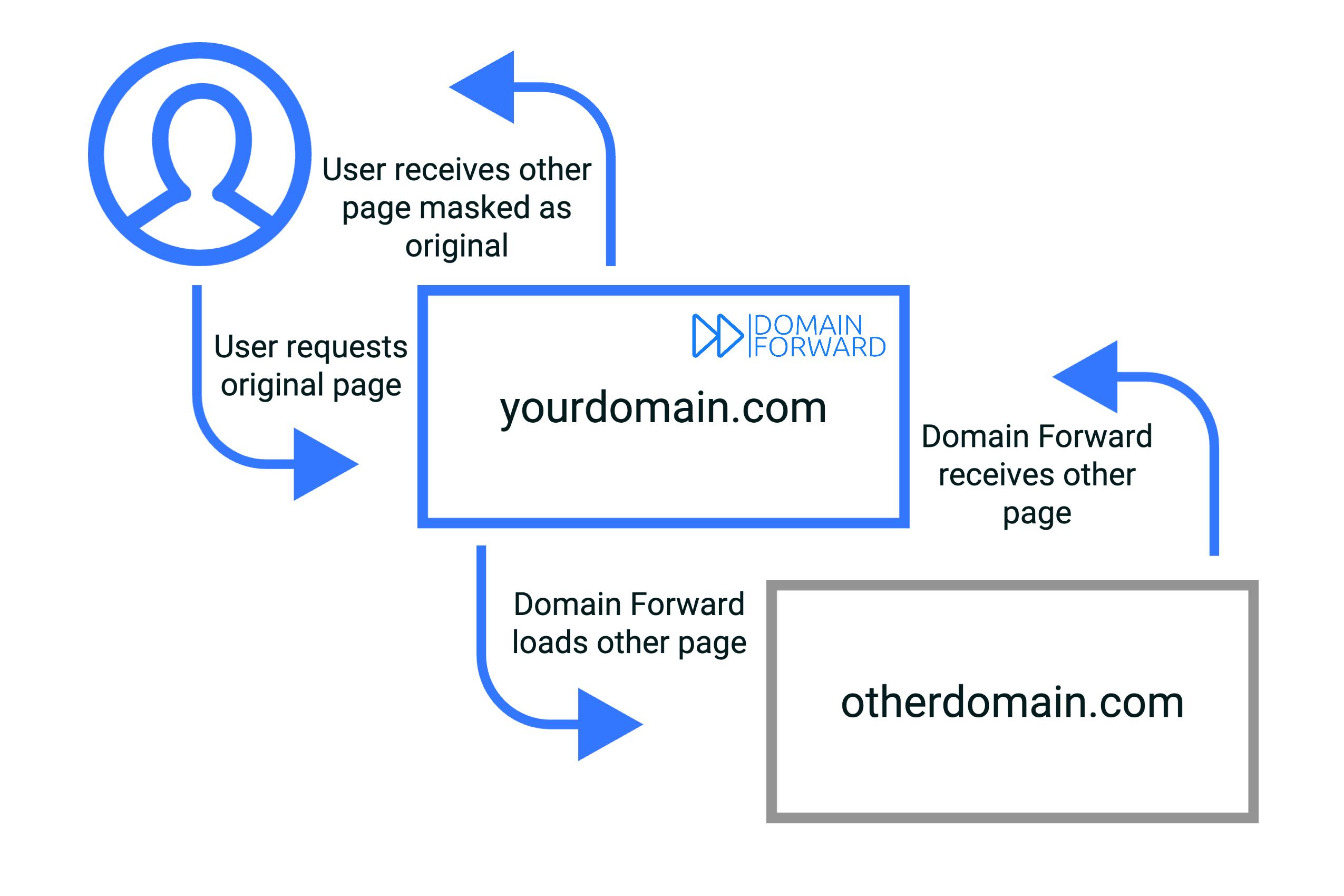
URL masking is a technique used to create a simplified and more user-friendly web address that redirects to a different, often longer and more complex, URL. This process hides the original link while showcasing a customized version that serves a clear purpose, like branding or improving SEO. Understanding how URL masking works can empower you to enhance your online presence effectively.
At its core, URL masking operates through a method called URL forwarding. When a user types or clicks on your masked URL, they are seamlessly redirected to the actual URL without noticing any transition. This is particularly useful for:
- Branding: Creating a recognizable link that aligns with your brand.
- SEO: Simplifying URLs to make them more search engine-friendly.
- Tracking: Monitoring clicks and interactions through analytics tools.
To implement URL masking properly, there are a few methods you can consider:
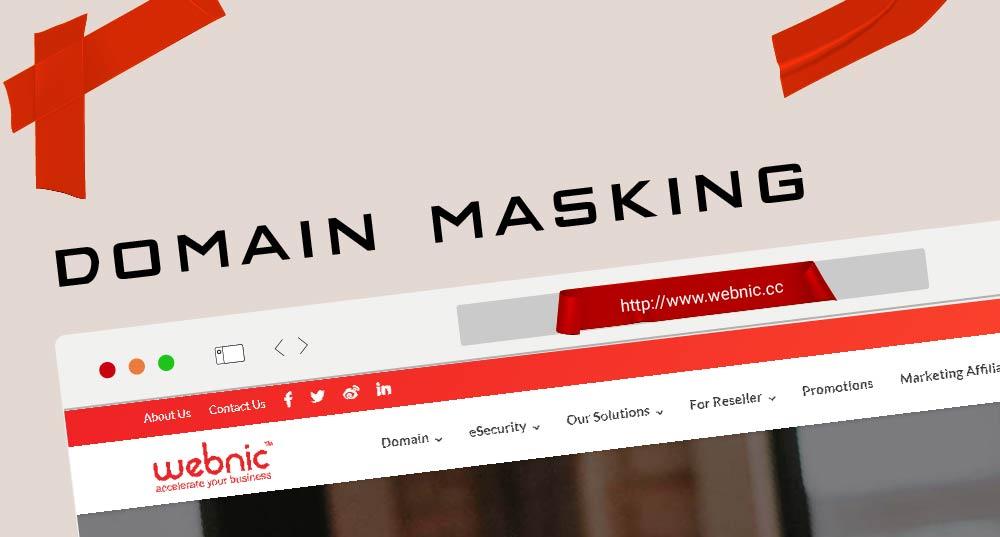
- Domain Forwarding: Registering a domain that forwards visitors to your main site while keeping the new domain visible in the browser.
- URL Shorteners: Utilizing services like Bitly or TinyURL that allow you to create shortened versions of your URLs for easy sharing.
- HTML Framing: Creating a simple webpage that uses frames to display content from another URL, although this is less common and can pose usability issues.
The effectiveness of URL masking largely depends on the method you choose. For instance, domain forwarding is highly effective for campaigns or promotions, as it can drive traffic to specific pages without altering the user’s perception of your brand.
| Method | Pros | Cons |
|---|---|---|
| Domain Forwarding | Easy to set up, enhances branding | May confuse users if not done properly |
| URL Shorteners | Convenient for sharing, trackable | Can look untrustworthy to some users |
| HTML Framing | Simple display of external content | Poor user experience, SEO challenges |
When using URL masking, it’s crucial to maintain transparency with your audience. Misleading links can damage trust and credibility. Therefore, ensure that your masked URLs provide real value and lead to relevant content. Always test your masking methods to confirm that they function correctly and direct users safely.
Ultimately, mastering URL masking means crafting an experience that combines functionality with user engagement. A well-thought-out strategy can significantly enhance your marketing efforts, drive traffic, and increase conversions. By understanding the mechanics behind URL masking, you can position yourself for success in the digital landscape.
Different Types of URL Masking Techniques
URL masking techniques are essential tools for website owners and marketers to create a more appealing and user-friendly web experience. Here’s a closer look at the various methods available, each with its unique advantages.
1. URL Redirects
One of the most common forms of URL masking is through URL redirects. This technique allows you to bring users from one URL to another without them knowing. It’s useful for:
- Changing domain names while keeping traffic intact.
- Creating shortened links that are easier to share.
- Maintaining branding consistency across different pages.
2. Frame Masking
Frame masking involves using an HTML frame to display content from another URL while hiding the original address. This approach is often used for:
- Displaying affiliate content without revealing affiliate links.
- Creating a seamless experience for users when linking to external resources.
However, it can be detrimental to SEO, as search engines may have difficulty indexing the content properly.
3. URL Shorteners
Another widely used technique is URL shortening. Tools like Bitly or TinyURL can transform long, cumbersome URLs into compact links. This method is favored for:
- Social media sharing, where character count is limited.
- Tracking clicks and engagement through analytics.
4. Custom Redirects
Custom redirects allow you to create user-friendly URLs that redirect visitors to relevant content. This technique is especially beneficial for:
- Creating memorable links for marketing campaigns.
- Improving user experience by simplifying navigation.
Such redirects can be set up through a content management system (CMS) or server configurations.
5. CNAME Records
Using CNAME (Canonical Name) records is a more technical approach but offers significant advantages. This method allows you to point multiple domain names to a single IP address. Benefits include:
- Branding consistency across different domains.
- Efficient management of multiple web properties.
This technique is commonly utilized in larger organizations with various subdomains.
Comparison of URL Masking Techniques
| Technique | Advantages | Disadvantages |
|---|---|---|
| URL Redirects | Preserves traffic, easy to implement | Can be misused for spam |
| Frame Masking | Seamless user experience | Poor SEO indexing |
| URL Shorteners | Compact links, tracking capabilities | Can appear untrustworthy |
| Custom Redirects | User-friendly links | Requires management |
| CNAME Records | Brand consistency | Technical setup required |
Each technique serves a distinct purpose, and choosing the right one depends on your specific goals and audience. Understanding these options will help you implement URL masking effectively and improve your overall web strategy.
Benefits of URL Masking for Your Brand
URL masking is more than just a technical trick; it’s a powerful branding tool that can significantly enhance your online presence. By disguising the actual URL of a webpage, you create a seamless experience for your users, making it easier for them to recognize and trust your brand. Here are some compelling benefits that URL masking brings to the table:
- Brand Recognition: A clean, branded URL helps in reinforcing your brand identity. Instead of complex and lengthy URLs, a simple and related address makes it easier for customers to remember and share.
- Improved User Experience: Visitors are more likely to click on URLs that look trustworthy. By masking your URL, you eliminate confusing strings of numbers and symbols, making the link intuitive and user-friendly.
- Enhanced Marketing Campaigns: URL masking allows you to create concise links for social media and email campaigns. This not only looks more professional but also increases the chances of higher click-through rates.
Moreover, URL masking can also help you maintain better control over your web analytics. When you mask your URLs, you can track specific campaigns or promotions without revealing the underlying page structure. This can lead to more accurate data analysis and improved marketing strategies.
Another advantage is the ability to redirect users. You can mask URLs for promotional events, time-sensitive offers, or seasonal campaigns. Once the promotion ends, you can simply change what the masked URL points to without disrupting the user experience.
| URL Type | Benefits |
|---|---|
| Branded URLs | Boosts brand recognition and trust |
| Shortened URLs | Enhanced sharing on social media platforms |
| Redirected URLs | Flexible promotions without changing link |
In addition to these functional benefits, URL masking can also improve your SEO efforts. By creating branded links, you can enhance click-through rates and engagement metrics, leading to better search engine rankings over time. Search engines favor user-friendly URLs that are relevant to their content, and masked URLs can help achieve that.
Lastly, let’s not forget about how URL masking can protect your brand reputation. By controlling the links associated with your brand, you minimize the risk of users being led to harmful or irrelevant sites. This builds credibility and ensures customers feel secure when navigating through your content.
Common Misconceptions About URL Masking
When it comes to URL masking, many people fall prey to a variety of misunderstandings that cloud their judgment. Clearing up these misconceptions is essential for anyone looking to utilize this technique effectively.
First and foremost, some believe that URL masking is synonymous with cloaking. While both methods may obscure the original URL, they serve different purposes. URL masking is often used for branding and aesthetic reasons, allowing a clean and professional appearance. In contrast, cloaking is frequently associated with deceptive practices that can lead to penalties from search engines.
Another common myth is that URL masking negatively impacts SEO. This is not necessarily true. When implemented correctly, URL masking can actually enhance your brand visibility. By presenting a custom domain or subdomain, you can create a more memorable link that encourages clicks. However, you should ensure that the masked URL redirects appropriately and does not lead visitors to irrelevant content.
Many also assume that URL masking is a complex process requiring advanced technical skills. In reality, most URL masking services provide straightforward tools for users of all experience levels. With just a few clicks, you can set up a masked URL that looks professional and functions seamlessly, making it accessible even for those without a technical background.
Here are some additional misconceptions:
- URL masking is illegal or unethical.
- Masked URLs cannot be tracked for analytics.
- URL masking is only beneficial for large businesses.
Let’s address these one by one. URL masking is not inherently illegal; it’s all about how you use it. Transparency with your audience is key. Regarding analytics, many URL masking services allow for tracking, enabling you to monitor visitor behavior effectively. And contrary to popular belief, small businesses can benefit just as much from URL masking as larger enterprises, enhancing their online presence without a hefty investment.
Lastly, some believe that URL masking is a one-size-fits-all solution. It’s essential to analyze your business needs and audience behavior before committing to this approach. Different strategies may yield varying results depending on your target demographic and marketing goals.
| Misconception | Truth |
|---|---|
| URL masking is the same as cloaking | They serve different purposes; masking is often for branding. |
| It harms SEO | Can enhance visibility if done right. |
| Requires technical expertise | Most services are user-friendly and straightforward. |
| Only for big businesses | Small businesses can benefit just as much. |
Step-by-Step Guide to Effective URL Masking
URL masking is a valuable technique that can enhance your online presence and help streamline your branding efforts. By effectively hiding or altering the original URL, you can create a cleaner, more professional look for your links. Below, we outline the steps to achieve successful URL masking, ensuring your audience can easily navigate your content without any confusion.
Choose the Right Tool
To begin with, you’ll need to select an appropriate URL masking tool or service. Here are some popular options:
- Bitly: Great for shortening long URLs and tracking performance.
- Rebrandly: Allows for custom domain names and branded links.
- TinyURL: A simple and quick option for masking URLs.
Set Up Your Domain
If you want to enhance your branding, consider setting up a custom domain for your masked URLs. This involves:
- Registering a domain name that reflects your brand.
- Configuring DNS settings to point to your selected URL masking service.
- Verifying your domain within the URL masking tool to ensure proper usage.
Create Your Masked URL
Once your tool is set up, it’s time to create your masked URL. Follow these steps:
- Log into your URL masking service account.
- Paste the original URL you want to mask.
- Choose a custom name or alias for your new URL.
- Save and generate your new masked link.
Utilize the Masked URL in Your Marketing
Now that you have your masked URL, it’s time to put it to work. Here are some effective ways to incorporate it into your marketing strategy:
- Share your masked links on social media platforms.
- Incorporate them into email marketing campaigns for cleaner aesthetics.
- Use them in presentations and digital content to improve professionalism.
Monitor Performance
it’s crucial to track the performance of your masked URLs. Most URL masking tools provide analytics features that allow you to:
- View click-through rates.
- Analyze geographic data of your audience.
- Evaluate the effectiveness of different marketing channels.
| Feature | Bitly | Rebrandly | TinyURL |
|---|---|---|---|
| Custom Domain | Yes | Yes | No |
| Link Tracking | Yes | Yes | No |
| Ease of Use | High | Medium | Very High |
By following these steps, you can master the art of URL masking. With the right approach, you’ll not only create a more appealing online presence but also foster a more engaging experience for your audience. So go ahead, take the plunge, and start masking your URLs effectively!
Best Practices for Implementing URL Masking
Implementing URL masking can significantly enhance your website’s user experience and branding. However, achieving this requires a thoughtful approach to ensure that it serves its purpose without compromising site integrity. Here are some best practices to consider:
- Understand Your Objectives: Before diving into URL masking, clarify why you want to implement it. Whether it’s for branding, security, or SEO purposes, having a clear goal will guide your approach.
- Choose the Right Technique: There are various methods for URL masking, including using HTML frames, server-side redirects, or DNS settings. Evaluate which technique aligns best with your objectives and technical capabilities.
- Maintain Consistency: Ensure that the masked URLs are consistent with your brand image. This means using recognizable domain names and maintaining a coherent structure to support user trust.
When it comes to execution, testing is crucial. Make sure to:
- Test Across Browsers: Masked URLs can behave differently in various browsers. Conduct extensive testing to ensure a seamless experience for all users.
- Check for Broken Links: Regularly monitor your masked URLs to ensure that all links remain functional and redirect properly. Broken links can harm user experience and SEO.
- Monitor Analytics: Use analytical tools to track the performance of your masked URLs. This data will provide insights into user behavior and help you adjust strategies as needed.
Another essential aspect of URL masking is ensuring that it complies with SEO best practices. To avoid penalties from search engines, follow these guidelines:
- Use 301 Redirects: If you’re redirecting traffic, utilize 301 redirects to inform search engines that the content has permanently moved, preserving your SEO ranking.
- Provide Clear Content: Ensure that the content accessible through the masked URL is relevant and valuable. Search engines prioritize user experience, so high-quality content is a must.
- Avoid Duplicate Content: If content is available under both masked and original URLs, it can lead to duplicate content issues. Choose one version to index and communicate that clearly to search engines.
keep in mind the importance of communication with your audience. Inform users about any changes in the URL structure, as transparency builds trust.
| Best Practices | Details |
|---|---|
| Understand Objectives | Define the reason for masking URLs. |
| Choose Technique | Select the most appropriate URL masking method. |
| Test Regularly | Ensure all links are functional and perform well. |
| Monitor Analytics | Track performance and user engagement. |
How to Choose the Right URL Masking Tool
Choosing the right URL masking tool requires a bit of research and understanding of your specific needs. With so many options available on the market, it’s essential to consider several factors before making a decision. Here’s a breakdown of what to look for:
- User-Friendliness: The tool should have a straightforward interface that allows you to create masked URLs without a steep learning curve. Check for drag-and-drop features and clear navigation.
- Customization Options: A good URL masking tool should let you customize your masked links. Look for options that allow you to choose your domain name, add keywords, or even personalize the appearance of the URL.
- Analytics and Tracking: Understanding how your masked URLs perform is crucial. Choose a tool that provides detailed analytics, such as click-through rates, geographic data, and referral sources, to evaluate the effectiveness of your marketing efforts.
- Compatibility: Ensure that the tool you choose is compatible with various platforms and can integrate seamlessly with your existing website or content management system.
- Customer Support: Reliable customer support can save you time and frustration. Look for tools that offer comprehensive documentation, live chat, or phone support to assist you whenever needed.
Additionally, consider the pricing structure of the tools you’re looking into. Some may offer free trials or tiers, which can help you test their features before committing. Pay attention to:
| Tool Name | Pricing | Free Trial |
|---|---|---|
| Tool A | $15/month | 7-day free trial |
| Tool B | Starting at $10/month | 30-day free trial |
| Tool C | $20/month | No free trial |
don’t forget to check reviews and testimonials from other users. Feedback can provide valuable insight into the tool’s reliability and performance. Look for platforms where users discuss their experiences and any issues they’ve faced.
By taking the time to evaluate these aspects, you can confidently select a URL masking tool that fits your needs and enhances your online presence. Remember, the right choice can make a significant difference in your marketing strategy, so invest your time wisely!
SEO Considerations When Masking URLs
When considering URL masking, it’s vital to keep SEO in mind to ensure that your website maintains its search engine ranking and visibility. URL masking, if not done correctly, can lead to various issues that may hinder your site’s performance.
One of the most significant concerns with URL masking is the potential for duplicate content. Search engines may index both the original and masked URLs, causing confusion about which version to rank. Here are a few strategies to mitigate this:
- Implement 301 redirects from the masked URL to the original URL, indicating that the content has permanently moved.
- Add a canonical tag on the masked URL that points to the original URL, signaling to search engines which version should be prioritized.
- Utilize robots.txt to prevent search engines from crawling the masked URL entirely.
Another consideration is the user experience. Search engines like Google prioritize user satisfaction, so a masked URL that doesn’t align with user expectations can lead to high bounce rates. To enhance user experience:
- Ensure that the masked URL is still descriptive and relevant to the content it represents.
- Keep the masked URL short and easy to read, which can help with both user engagement and shareability.
- Test the masked URL to ensure that it redirects smoothly to the intended content.
Additionally, it’s essential to understand how URL masking interacts with link equity. When you mask a URL, the link equity (or “link juice”) that the original URL has built up may not transfer properly. To preserve link equity:
- Always link to the original URL instead of the masked version whenever possible.
- Monitor incoming links to the original URL and ensure they remain active; consider reaching out for updates if necessary.
Keep in mind that search engines are constantly evolving, and what may have worked in the past could change over time. Staying informed about the latest SEO practices and algorithm updates is crucial. Regularly auditing your URLs and ensuring they comply with SEO best practices will help maintain your website’s visibility and ranking.
here is a quick reference table summarizing effective practices when considering URL masking:
| Practice | Description |
|---|---|
| 301 Redirects | Permanent redirect to the original URL to avoid duplicate content. |
| Canonical Tags | HTML tags that specify the preferred version of a webpage. |
| Robots.txt | File used to manage how search engines crawl your site. |
By carefully considering these SEO factors, you can successfully mask URLs without compromising your site’s integrity or performance. The goal should always be to create a seamless experience for both users and search engines alike.
Maintaining Brand Credibility Through URL Masking
In the digital landscape, brand credibility is everything. URL masking, when executed correctly, can play a pivotal role in enhancing that credibility, ensuring your brand stands tall amidst the chaos of the internet. By concealing intricate or unappealing URLs, you can present a polished and trustworthy image that resonates with your audience.
Why is URL Masking Important?
Consider the experience of a customer encountering a lengthy, complex URL filled with numbers and codes. Such a sight can often lead to skepticism about the legitimacy of the website. In contrast, a clean, branded URL fosters trust and encourages clicks. Here’s how URL masking can maintain and even elevate your brand’s credibility:
- Enhanced Perception: A well-structured URL that reflects your brand can make your website appear more professional, encouraging users to engage more with your content.
- Improved User Experience: Simplifying URLs can lead to higher click-through rates, as users are more likely to trust a link that clearly indicates its destination.
- Brand Recognition: Consistently using your brand name in URLs helps reinforce brand identity and makes your web presence more memorable.
Best Practices for Effective URL Masking
To reap the benefits of URL masking without compromising your integrity, consider the following best practices:
- Keep It Short and Sweet: Aim for concise URLs that are easy to read and remember. Avoid unnecessary parameters that could clutter the address.
- Incorporate Keywords: Include relevant keywords in your masked URLs to boost SEO while maintaining clarity.
- Use Redirects Wisely: Implement 301 redirects for old URLs to maintain existing traffic and credibility, ensuring users land where they expect.
Potential Pitfalls to Avoid
While URL masking can be incredibly beneficial, there are some common pitfalls to watch out for:
- Overcomplicating URLs: Avoid making URLs overly complicated. Simple, relevant, and straightforward URLs are more effective.
- Losing Track of Analytics: Ensure your masking strategy allows for proper tracking of user interactions to inform your marketing moves.
- Ignoring Brand Consistency: Maintain brand consistency in all masked URLs to avoid confusing your audience.
The Impact on SEO
When done right, URL masking can also enhance your SEO strategy. Search engines favor user-friendly URLs, which can improve your site’s ranking. Here’s a quick comparison of masked versus non-masked URLs:
| Type of URL | SEO Friendliness | User Trust |
|---|---|---|
| Masked URL | High | High |
| Non-Masked URL | Low | Low |
Ultimately, effective URL masking is about striking a balance between usability and branding. By crafting URLs that are not only appealing but also serve a strategic purpose, you can maintain and even enhance your brand’s credibility. This thoughtful approach will draw users in and encourage them to engage with your content, forging stronger connections and fostering loyalty.
Troubleshooting Common URL Masking Issues
URL masking can be a fantastic tool for enhancing your website’s branding and improving user experience, but it isn’t without its challenges. If you’ve encountered issues while trying to implement URL masking, don’t worry—you’re not alone! Here are some common problems and their solutions to help you get back on track.
- DNS Propagation Delays: After setting up URL masking, you might notice that the changes don’t reflect immediately. This is often due to DNS propagation, which can take anywhere from a few hours to up to 48 hours. Be patient, and check back after some time.
- Browser Caching: If you’ve recently changed your URL settings but are still seeing the old URL, your browser may be caching the previous version. Clear your browser cache or try accessing the site in incognito mode to see if that resolves the issue.
- SSL Certificate Issues: For sites that require secure connections, not having an SSL certificate on the masked URL can lead to warnings or errors. Ensure that your SSL certificate is correctly installed and active for the masked URL.
- 301 Redirects Not Working: If the URL masking setup relies on 301 redirects but they aren’t functioning correctly, double-check your redirect settings. Sometimes a misconfiguration can cause these redirects to fail. Ensure that your backend server settings align with your URL masking requirements.
Another common issue is related to SEO implications. URL masking can confuse search engines if not done correctly, potentially impacting your website’s ranking. To mitigate this:
- Use canonical tags to indicate the preferred version of the page.
- Make sure that your masked URLs are accessible to search engine crawlers.
- Regularly monitor your website’s SEO health using tools like Google Search Console to identify any issues that may arise from URL masking.
Consider the impact on tracking and analytics as well. When you mask a URL, it can complicate your ability to track user behavior accurately. Here are a few tips to manage this:
- Utilize UTM parameters to gain insights into your traffic sources.
- Set up goals within your analytics tools to monitor the effectiveness of the masked URL.
- Link the masked URL back to the original in your reporting for clearer data interpretation.
Lastly, if you’re running into technical glitches, consult your hosting provider or consider reaching out to a web developer for assistance. They can help diagnose and solve issues that may be outside of your expertise.
Real-Life Examples of Successful URL Masking
URL masking has become a strategic tool for many businesses, enhancing their branding, improving user experience, and boosting click-through rates. Let’s explore some real-life instances where URL masking has proven to be a game-changer.
One of the most notable examples comes from bitly, a popular link-shortening service. By transforming lengthy URLs into concise, branded versions, businesses have been able to share their links more easily on social media platforms. This not only makes the URLs more appealing but also allows brands to track engagement metrics effectively. For instance, a company could change a link like www.company.com/products/12345 to www.bit.ly/brand-collection, making it easier to remember and share.
Another success story is that of GoDaddy, an industry leader in domain registration and web hosting. They utilize URL masking for promoting their affiliate programs. Instead of sending potential leads to a convoluted URL, they mask it with something simple and recognizable, like www.godaddy.com/affiliates. This approach not only maintains brand integrity but also builds trust with users, compelling them to click through to learn more.
Consider the case of Airbnb, which employs URL masking in their marketing campaigns. By masking links to specific listings or promotions, they create a seamless user experience. Instead of directing users to a URL filled with parameters and identifiers, they use a simple, memorable link like www.airbnb.com/unique-stays. This fosters curiosity and encourages potential guests to explore unique accommodation options without feeling overwhelmed by complex URLs.
Small businesses are also embracing URL masking. For instance, a local coffee shop might use a service to create a URL like www.coffeetime.com/free-coffee to promote a special offer. This not only makes it easier for customers to remember but also enhances the effectiveness of their marketing materials. Using QR codes linked to these masked URLs further bridges the gap between offline and online engagement.
| Business | Masked URL | Purpose |
|---|---|---|
| Bitly | www.bit.ly/brand-collection | Link shortening and tracking |
| GoDaddy | www.godaddy.com/affiliates | Affiliate program promotion |
| Airbnb | www.airbnb.com/unique-stays | Promoting unique accommodations |
| Local Coffee Shop | www.coffeetime.com/free-coffee | Special offer marketing |
These examples highlight how effective URL masking can be when it comes to branding and user engagement. By providing a clean and memorable link, businesses not only elevate their marketing efforts but also enhance the user journey from the moment potential customers see the link to the moment they click it. Whether you’re a global enterprise or a neighborhood favorite, URL masking can transform your digital presence.
Future Trends in URL Masking You Should Know
As we look toward the future, the landscape of URL masking is set to evolve significantly. With advancements in technology and shifts in digital marketing strategies, understanding these trends will be crucial for businesses and marketers alike.
Enhanced Privacy Features: One of the most compelling trends is the increased emphasis on privacy. As users become more aware of their digital footprints, URL masking will likely incorporate more robust privacy features. Expect to see tools that not only mask URLs but also ensure user data remains anonymous, further enhancing trust and security.
- Encryption technologies that protect user information.
- Temporary URL options that expire after use.
- Data-compliance tools that align with regulations like GDPR.
Integration with Social Media Platforms: Another trend to watch is the integration of URL masking services with social media platforms. As social media continues to be a dominant force in digital marketing, seamless URL masking options will become essential for brands aiming to create shareable content. These integrations will make it easier to track engagement and performance, allowing marketers to optimize their strategies effectively.
AI and Machine Learning Utilization: The rise of artificial intelligence and machine learning will also transform URL masking. These technologies can analyze user behavior and suggest the most effective URL structures, improving click-through rates and enhancing user experience. Automated tools may emerge that not only create masked URLs but also optimize them in real-time based on user interactions.
Visual and Interactive URL Experiences: As users crave more engaging content, the future may see the rise of visually enriched URLs. This could include QR codes that lead to masked URLs or interactive elements embedded within URLs themselves, enhancing user engagement. Imagine a scenario where a simple URL doesn’t just redirect but also provides a dynamic experience tailored to the user.
| Trend | Description |
|---|---|
| Privacy Features | Enhanced encryption and compliance tools. |
| Social Media Integration | Streamlined sharing and tracking on platforms. |
| AI Optimization | Real-time analysis for better user engagement. |
| Visual Experiences | Dynamic and interactive URL formats. |
Focus on Mobile Optimization: With more users accessing content through mobile devices, there will be a stronger focus on mobile-optimized URL masking solutions. This will involve shorter, more user-friendly URLs that are easier to navigate on smaller screens. Companies that prioritize mobile optimization will likely see higher engagement rates and improved user experiences.
the future of URL masking is set to be shaped by privacy, technology integration, and a focus on user experience. Staying ahead of these trends will not only enhance your digital marketing strategy but also ensure that you meet the evolving demands of your audience.
Conclusion: Mastering URL Masking for Online Success
In today’s digital landscape, mastering URL masking is not just an option; it’s essential for anyone aiming for online success. This powerful technique allows you to create a seamless user experience while enhancing your brand’s visibility. As we’ve explored throughout this guide, implementing URL masking effectively can lead to numerous benefits.
Here are some key takeaways to ensure you leverage URL masking to your advantage:
- Enhanced Branding: Use custom domains to reinforce your brand identity.
- Improved Click-Through Rates: Attractive URLs are more likely to be clicked.
- Better Tracking: Monitor user engagement by analyzing masked URL performance.
- Boosted SEO: A well-structured URL can positively impact search rankings.
Choosing the right tools for URL masking is crucial. Consider the following features when selecting a URL masking service:
| Feature | Importance |
|---|---|
| Custom Domain Options | High |
| Analytics Integration | Medium |
| Security Features | High |
| Ease of Use | Medium |
Remember, while URL masking provides numerous advantages, it’s important to maintain transparency with your audience. Misleading URLs can damage trust and lead to higher bounce rates. Always ensure that your masked URLs are relevant and carry the promise of the content they link to.
Lastly, don’t hesitate to experiment with different masking strategies. A/B testing can give you insights into what works best for your target audience. Keep refining your approach based on performance metrics, and you’ll be well on your way to mastering URL masking.
Frequently Asked Questions (FAQ)
Q&A: URL Masking Guide (What It Is & How to Do It Properly)
Q: What is URL masking?
A: URL masking is a technique used to hide the actual web address of a page, while displaying a different, often more user-friendly URL. This can make links more appealing and easier to remember. Imagine it as giving your website a stylish new outfit—one that better reflects your brand or the specific content of the page!
Q: Why would someone want to use URL masking?
A: There are several reasons! Firstly, it can enhance branding by allowing you to create a more recognizable URL that aligns with your business name. Secondly, it helps maintain a clean and tidy appearance in marketing materials or social media posts. Lastly, it can improve click-through rates; people are more likely to click on a link that looks trustworthy and professional.
Q: How do I do URL masking properly?
A: Great question! To mask a URL correctly, follow these steps:
- Choose a Natural Domain: Select a domain name that reflects your brand.
- Use URL Shorteners: Tools like Bitly or TinyURL can help you create concise links.
- Set Up Redirects: If you have your own website, consider using 301 redirects to link the masked URL to the real one seamlessly.
- Keep It Relevant: Ensure that the masked URL reflects the content it leads to. This builds trust and improves user experience.
- Test Your Links: Always check that your masked URL works properly and directs users to the correct page.
Q: Is URL masking good for SEO?
A: URL masking can be a bit of a double-edged sword when it comes to SEO. While it can help with branding and user experience, it’s crucial to ensure that search engines can still index your content. Avoid using it in a deceptive manner; always prioritize transparency. Using proper redirects can help maintain your SEO rankings while giving your URLs a fresh look.
Q: Are there any potential downsides to URL masking?
A: Yes, there are a few potential pitfalls. If not done correctly, it can confuse users or lead to broken links. Plus, if your URLs are too distant from the actual content, it can hurt credibility and even lead to web users leaving your site. It’s all about balance—make sure your masked URLs are intuitive and trustworthy!
Q: Can URL masking be used for affiliate marketing?
A: Absolutely! Many affiliate marketers use URL masking to create clean, branded links that lead to products or services. This not only helps track clicks but also makes the links look more professional. Just remember to disclose that they are affiliate links to maintain transparency with your audience.
Q: Any final tips for successfully implementing URL masking?
A: Definitely! Always keep user experience in mind. Make sure your masked URLs are easy to type, easy to read, and relevant to the content they link to. Monitor your analytics to see how users interact with your links, and be willing to adjust your strategy based on the data. With careful planning and execution, URL masking can be a powerful tool in your digital marketing toolbox!
Wrapping Up
mastering the art of URL masking can be a game-changer for your online presence. Not only does it enhance the aesthetic appeal of your links, but it also boosts your brand credibility and offers a smoother user experience. Remember, a well-masked URL is more than just a pretty face; it’s an essential tool in your digital toolbox.
Now that you’re equipped with the knowledge on what URL masking is and how to do it effectively, it’s time to put these tips into action. Whether you’re a small business owner, a digital marketer, or simply someone looking to enhance your online content, embracing URL masking can help you stand out in a crowded digital landscape.
So go ahead, give your links a makeover! Invest a little time into learning the ropes, and you’ll see how these small changes can lead to big results. If you have any questions or want to share your own experiences with URL masking, feel free to drop a comment below. We’d love to hear from you! Happy masking!