In today’s fast-paced marketplace, where consumers are bombarded with countless options and advertisements at every turn, understanding brand awareness is more crucial than ever. But what exactly is brand awareness, and why should you care? Think of it as the foundation of your brand’s identity—a recognition that sparks familiarity and trust among your target audience. In this article, we’ll dive into the meaning of brand awareness, why it matters for your business’s success, and how you can build a powerful strategy to elevate your brand above the noise. Whether you’re a seasoned marketer or just starting your entrepreneurial journey, mastering brand awareness is key to forging lasting connections with your customers. So, let’s roll up our sleeves and uncover the secrets to making your brand unforgettable!
What is Brand Awareness and Why Does It Matter
Brand awareness refers to how familiar consumers are with a particular brand and its products or services. It goes beyond just recognition; it encompasses the overall perception and feelings associated with a brand. Building strong brand awareness is essential for any business aiming to establish a loyal customer base. When consumers know and trust a brand, they are more likely to choose it over competitors, ultimately driving sales and growth.
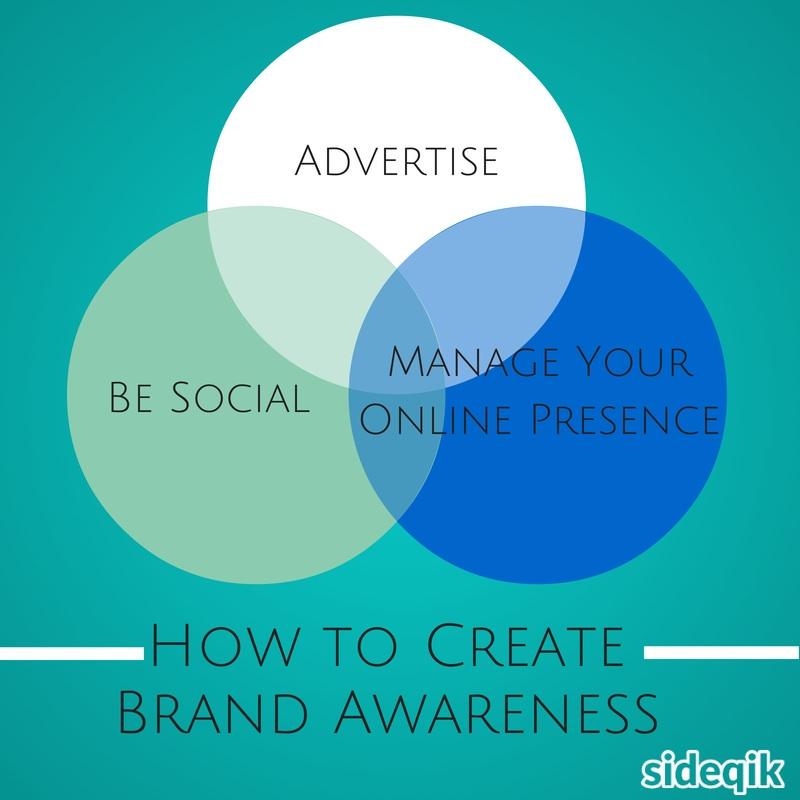
Creating brand awareness is not just about slapping a logo on every product or advertisement. It requires a strategic approach that resonates with your target audience. Here are a few key elements that contribute to effective brand awareness:
Consistent Messaging: Keeping your brand message uniform across all channels reinforces recognition and trust.
Engaging Content: Content that speaks to your audience’s interests leads to increased interaction and shareability.
Social Media Presence: Being active on social platforms helps you connect with your audience and fosters a community around your brand.
Visual Identity: A memorable logo, color scheme, and design style can make your brand unforgettable.
Why does brand awareness matter? The answer lies in its impact on consumer behavior. When customers recognize and relate to a brand, they are more likely to consider its products during their purchasing decisions. Here’s how brand awareness can shift the dynamic in your favor:
Benefits of Brand Awareness
Impact on Business
Increased Recognition
Customers are more likely to remember your brand.
Trust and Loyalty
Familiar brands are preferred, leading to repeat purchases.
Competitive Advantage
A strong brand stands out in a crowded market.
Higher Market Share
Increased awareness can lead to greater customer acquisition.
Moreover, brand awareness can directly influence customer loyalty. When consumers feel a connection to a brand—whether through shared values, effective marketing, or exceptional experiences—they are more likely to remain loyal, even in the face of competition. This emotional bond is what transforms casual buyers into advocates who promote your brand through word-of-mouth.
In the digital age, where information spreads rapidly, establishing brand awareness is more crucial than ever. Consumers are bombarded with choices, so being top-of-mind is essential. To keep your brand relevant, consider utilizing various marketing channels, such as:
Influencer Partnerships: Collaborating with influencers can expose your brand to new audiences.
SEO Strategies: Optimizing your online presence makes it easier for potential customers to find you.
Events and Sponsorships: Engaging with your audience in person can create lasting impressions.
Ultimately, investing in brand awareness is investing in your business’s future. By creating a strong presence, you not only attract new customers but also cultivate loyalty that can weather market fluctuations. Your brand becomes not just a name, but a trusted companion in your customers’ lives.
The Different Levels of Brand Awareness Explained
Brand awareness exists on a spectrum, with several distinct levels that reflect how familiar consumers are with a brand. Understanding these levels is crucial for developing an effective marketing strategy that resonates with your target audience. Let’s break down the different stages of brand awareness and what they mean for your business.
1. Brand Recognition
At the most basic level, brand recognition occurs when consumers can identify a brand by its name, logo, or other visual elements. This stage often emerges from exposure to marketing materials such as advertisements, social media posts, or even word of mouth. Building recognition is essential, as it lays the groundwork for deeper connections with potential customers.
Utilize engaging visuals in marketing campaigns.
Leverage social media to increase visibility.
Participate in community events to showcase your brand.
2. Brand Recall
Next, we have brand recall, which goes a step further than recognition. Consumers not only see your brand but can also recall it when thinking about a specific product category. Achieving this level requires consistent messaging and a distinct market presence. It’s about being top-of-mind when a need arises.
Develop a memorable tagline or slogan.
Ensure consistent branding across all platforms.
Create a unique selling proposition that stands out.
3. Brand Preference
When consumers actively prefer your brand over others, you’ve reached the brand preference stage. This means they’ve formed a positive association based on their experiences or perceptions. Achieving this level often requires a combination of quality products, excellent customer service, and strategic marketing.
To cultivate brand preference, consider the following strategies:
Offer loyalty programs or incentives for repeat purchases.
Provide exceptional customer service that fosters trust.
Engage with your audience to create a community around your brand.
4. Brand Loyalty
At the pinnacle of brand awareness is brand loyalty, where customers choose your brand consistently over competitors. This level is characterized by strong emotional ties and customer commitment. Loyal customers not only continue to purchase your products but also advocate for your brand, driving organic growth through referrals and positive reviews.
Building brand loyalty involves:
Regularly soliciting customer feedback to improve products.
Creating personalized marketing experiences.
Maintaining transparency and authenticity in all interactions.
5. Brand Advocacy
the ultimate level of brand awareness is brand advocacy. Advocates are your most passionate supporters, often sharing their positive experiences with others and influencing potential customers. This level is invaluable for organic growth and can significantly reduce your marketing costs.
Encouraging advocacy can be accomplished through:
Engaging customers on social media platforms.
Highlighting user-generated content and testimonials.
Creating referral programs that reward advocates.
In essence, each level of brand awareness builds upon the last. By understanding and implementing strategies tailored to each stage, you can create a powerful brand presence that resonates with consumers, ultimately leading to sustained success and growth.
Understanding Your Target Audience for Effective Branding
To build a powerful brand strategy, understanding your target audience is essential. It allows you to tailor your messaging, design, and overall branding to resonate with the people most likely to connect with your products or services. With a clear picture of who your audience is, you can create a brand that not only looks good but also feels right to them.
Start by gathering data on your audience. This involves:
Demographics: Age, gender, income level, education, and location.
Psychographics: Interests, values, lifestyles, and buying behaviors.
Online Behavior: Social media usage, website visits, and engagement patterns.
Once you have a comprehensive understanding of your target audience, segment them into groups based on their shared characteristics. This segmentation allows you to create personalized branding messages that speak directly to each group. For instance, a brand targeting young professionals might emphasize career growth and networking opportunities, while a brand aimed at families might focus on safety and reliability.
Next, engage with your audience directly. Use surveys, social media polls, or focus groups to gather feedback on your branding efforts. This interaction not only provides valuable insights but also fosters a sense of community. When your audience feels heard, they are more likely to develop a connection with your brand.
Incorporate the findings from your audience research into your branding elements, such as:
Brand Voice: Is your tone formal, playful, or authoritative?
Visual Identity: Color schemes, logos, and design styles that resonate with your audience.
Messaging: Key phrases or taglines that align with your audience’s values and aspirations.
Moreover, the journey doesn’t stop at creating a brand identity. Continuously monitor your audience’s changing preferences and behaviors. Trends can shift rapidly, and staying attuned to your audience ensures your brand remains relevant. Tools such as Google Analytics and social media insights can provide real-time data that keeps you in the loop.
Audience Segment
Key Interest
Preferred Channel
Millennials
Sustainability
Instagram
Parents
Safety
Facebook
Professionals
Networking
LinkedIn
knowing your audience is the key to effective branding. By aligning your brand with their needs, values, and preferences, you not only enhance brand awareness but also cultivate loyalty. A well-informed approach to understanding your audience can transform your brand from just another name into a trusted ally in their journey.
Key Metrics to Measure Your Brand Awareness
Understanding how to assess your brand’s visibility in the marketplace is crucial for any business aiming to strengthen its presence. Here are some key metrics that can help you gauge your brand awareness effectively:
Brand Recall: This metric measures how easily consumers can remember your brand when prompted with a category or product. Conduct surveys to ask participants which brands come to mind when they think of a specific industry.
Brand Recognition: Unlike recall, this metric evaluates how well consumers can recognize your brand when they see it. Utilize visual aids such as logos or packaging in your surveys to assess recognition levels.
Social Media Mentions: Monitoring mentions of your brand across social platforms provides insights into how often people are talking about you. Use social listening tools to track your brand’s presence and sentiment in real-time.
Website Traffic: An increase in direct traffic to your site can indicate growing brand awareness. Use tools like Google Analytics to analyze trends over time and see how marketing efforts correlate with traffic spikes.
Search Volume: Check how many people are searching for your brand name or related keywords. Tools like Google Trends can offer valuable insights into the popularity and evolving interest surrounding your brand.
Engagement Rates: High engagement rates on social media posts and content indicate that your audience is not only aware of your brand but is also interested in interacting with it. Measure likes, shares, comments, and overall interactions to assess engagement levels.
To provide a clearer picture, let’s look at a simple table that summarizes some of these metrics:
Metric
What It Measures
How to Measure
Brand Recall
Memory of the brand
Surveys & Interviews
Brand Recognition
Recognition upon sight
Visual Tests in Surveys
Social Media Mentions
Brand conversations & sentiment
Social Listening Tools
Website Traffic
Direct engagement with the brand
Google Analytics
Search Volume
Interest in the brand
Google Trends
Engagement Rates
Interaction quality
Social Media Analytics
Integrating these metrics into your brand awareness strategy will not only clarify your current standing but also help you identify areas for improvement. Consistently measuring these elements allows for a deeper understanding of your brand’s journey and guides data-driven decisions to enhance your outreach.
Crafting a Unique Brand Identity That Stands Out
Creating a brand identity that resonates with your audience is essential for standing out in a crowded market. Your brand identity is not just a logo or a color scheme; it’s the essence of your business, conveying your values, mission, and personality. To truly make an impact, consider the following elements:
Define Your Brand Voice: Your tone and language should reflect your brand’s personality. Are you quirky and fun, or serious and professional? Consistency here builds recognition.
Visual Identity: Choose colors, typography, and imagery that represent your brand. These elements should evoke the desired emotions and create an instant connection with your audience.
Unique Selling Proposition (USP): Clearly articulate what sets your brand apart. Focus on the benefits that only you can provide, making it easier for customers to remember you.
Once you’ve established these core elements, it’s time to integrate them effectively across all platforms. This consistency will reinforce brand recognition. Whether it’s your website, social media profiles, or email newsletters, maintaining a unified look and feel is crucial.
Another key aspect is storytelling. People connect with stories far more than they do with facts or figures. Share your brand’s journey, values, and vision to create an emotional bond with your audience. This connection can transform casual customers into loyal brand advocates.
Element
Purpose
Impact on Brand Awareness
Logo
Instant recognition
Increases memorability
Color Palette
Emotional connection
Evokes feelings
Tagline
Summarizes your mission
Simplifies brand message
engage with your audience. Social media provides an excellent opportunity to interact directly with customers, receive feedback, and showcase your brand personality in real-time. Listening to your audience will not only help strengthen your brand identity but will also inform future strategies and product development.
crafting a unique brand identity requires careful thought and consistent application across all platforms. By defining your voice, creating a compelling visual identity, sharing your story, and engaging your audience, you’ll build a brand that not only stands out but is also deeply connected to its customers.
The Role of Social Media in Boosting Brand Awareness
In today’s digital landscape, social media platforms have emerged as pivotal tools for amplifying brand visibility and fostering customer engagement. With billions of users worldwide, these platforms offer brands an unparalleled opportunity to connect with their audience on a personal level. By leveraging social media effectively, businesses can cultivate a strong brand identity and enhance their overall awareness.
One of the key advantages of social media is its ability to create immediate feedback loops. Brands can engage with their audience in real-time, responding to comments, messages, and mentions. This interaction not only humanizes the brand but also builds trust and loyalty among consumers. Brands that actively participate in conversations create a sense of community, making followers feel valued and heard.
To maximize the impact of social media on brand awareness, consider the following strategies:
Consistent Branding: Maintain a cohesive brand image across all platforms. Use the same logos, color schemes, and tone of voice to reinforce your identity.
Content Variety: Share a mix of content types including images, videos, infographics, and live streams to keep your audience engaged and interested.
User-Generated Content: Encourage customers to share their experiences with your products. This not only enhances credibility but also provides authentic content for your brand.
Influencer Collaborations: Partner with influencers who align with your brand values. Their endorsements can significantly widen your reach and attract new followers.
Moreover, social media advertising can be a game-changer for brand visibility. Platforms like Facebook, Instagram, and Twitter offer targeted advertising options that allow brands to reach specific demographics, interests, and behaviors. By investing in paid promotions, businesses can significantly increase their exposure to potential customers who might not have discovered them otherwise.
Analyzing your social media performance is equally crucial. Keeping track of metrics such as engagement rates, reach, and follower growth can provide valuable insights into what resonates with your audience. Tools like Google Analytics and native platform insights can help you refine your strategy and focus on what works best.
Platform
Best For
Content Type
Facebook
Community Engagement
Posts, Videos, Events
Instagram
Visual Branding
Images, Stories, Reels
Twitter
Real-Time Updates
Short Messages, Threads
fostering a culture of transparency on social media can significantly enhance brand loyalty. Sharing behind-the-scenes content, company values, and social initiatives can make your brand more relatable. When consumers feel connected to the ethos of your brand, they are more likely to advocate for it within their own networks, further boosting brand awareness.
Creating Compelling Content That Engages and Informs
In the fast-paced digital landscape, standing out is essential for any brand looking to make an impact. To create content that not only stands out but also resonates with your audience, it’s crucial to understand your target market deeply. One effective approach is to develop buyer personas—detailed profiles that encapsulate the characteristics, needs, and behaviors of your ideal customers. This enables you to tailor your messaging and ensure it speaks directly to their interests.
Start by conducting thorough research to gather insights. Utilize surveys, social media analytics, and industry reports to gather data. Once you have this information, segment your audience based on factors like age, location, and purchasing behavior. This will allow you to craft personalized content that feels relevant and engaging to specific groups. Remember, personalization is key in building brand loyalty and awareness.
Another cornerstone of effective content is storytelling. Stories create an emotional connection with your audience, making your brand more relatable and memorable. When developing your content, consider the following elements:
Authenticity: Share real experiences and challenges your brand has faced.
Relatability: Use scenarios that your audience can see themselves in.
Value: Ensure that your story provides insights or lessons that are applicable to your audience’s lives.
Utilizing various content formats can also enhance engagement. Consider incorporating videos, infographics, and podcasts alongside traditional blog posts. Different formats can cater to diverse preferences within your audience, making your content more accessible. For example, a compelling video can convey information quickly and captivate viewers in a way that text alone may not.
Don’t forget the power of SEO in your content strategy. Optimizing your content for search engines not only helps improve visibility but also drives organic traffic to your site. Use keyword research tools to identify terms your audience is searching for, and weave these keywords naturally into your content. This ensures that your articles are not only engaging but also discoverable by those who need them most.
Lastly, encourage interaction with your content. Facilitate conversations by asking questions, inviting feedback, and encouraging shares. Social media platforms are ideal for fostering community and engagement around your brand. Create posts that prompt users to comment on their experiences or thoughts related to your content. This not only boosts your brand’s visibility but also reinforces your commitment to listening to your audience.
In today’s digital landscape, influencer partnerships have emerged as a powerful tool for brands looking to expand their reach and enhance awareness. By collaborating with influencers who resonate with their target audience, brands can tap into established communities and gain credibility. This approach not only amplifies marketing efforts but also creates authentic connections with potential customers.
When choosing the right influencer, consider the following criteria:
Authenticity: Look for influencers whose values align with your brand’s mission.
Engagement Rate: Evaluate their audience interaction—likes, comments, shares can be more telling than follower counts.
Niche Relevance: Select influencers who operate in your industry or have a genuine interest in your products.
Once you’ve identified suitable influencers, the next step is to formulate a collaborative strategy that benefits both parties. This could involve:
Sponsored Content: Create engaging posts, stories, or videos that highlight your products in an authentic manner.
Giveaways or Contests: Encourage participation and engagement through exciting competitions that include your brand.
Affiliate Programs: Offer influencers a commission on sales generated through their unique referral links.
Transparency is crucial in influencer partnerships. Ensure that both your brand and the influencer are clear about the campaign goals and expectations. Establishing a well-defined agreement can help prevent misunderstandings and maintain a positive working relationship. Moreover, encourage influencers to share their genuine thoughts about your products, as authenticity resonates more with their audience.
To measure the effectiveness of these partnerships, consider tracking specific metrics such as:
Metric
Purpose
Engagement Rate
Assess how well the audience connects with the content.
Website Traffic
Evaluate the number of visitors arriving from influencer links.
Conversion Rate
Measure the percentage of visitors completing desired actions.
By leveraging influencer partnerships, brands can not only increase their reach but also build lasting relationships with their consumers. When executed thoughtfully, these collaborations can drive significant engagement and foster loyalty, ultimately contributing to higher brand awareness and growth.
Utilizing SEO Strategies to Enhance Online Visibility
To truly amplify your online presence, implementing effective SEO strategies is crucial. These tactics not only help improve your website’s ranking on search engines but also play a significant role in enhancing brand awareness. By optimizing your content for SEO, you can ensure that your brand reaches a broader audience, thereby deepening connections with your target market.
Keyword Research: One of the first steps in an effective SEO strategy is thorough keyword research. Understanding the terms and phrases your potential customers are searching for can guide your content creation. Focus on:
Long-tail keywords that reflect user intent.
Local SEO keywords if you operate a brick-and-mortar business.
Trends and seasonal keywords relevant to your industry.
On-Page Optimization: Once you have your keywords, it’s time to integrate them into your website. This involves optimizing:
Title tags and meta descriptions to improve click-through rates.
Header tags to structure your content clearly.
Image alt tags to enhance accessibility and context.
Quality Content Development: Content is at the heart of SEO. Creating high-quality, engaging content tailored to your audience is essential. Consider the following:
Blog posts that address your audience’s pain points.
Infographics that visually represent complex information.
Video content that engages users more effectively than text alone.
Link Building: Building a network of backlinks is another integral aspect of SEO. This not only boosts your site’s authority but also increases brand credibility. Strategies include:
Guest blogging on reputable industry sites.
Collaborating with influencers to reach new audiences.
Creating shareable content that encourages organic backlinks.
Analytics and Adjustments: monitoring your SEO efforts is vital. Utilize tools like Google Analytics to track:
Traffic sources and user behavior.
Conversion rates and bounce rates.
Keyword rankings over time.
By continuously analyzing your performance and making necessary adjustments, you can refine your strategies and further enhance your online visibility, solidifying your brand in the minds of consumers.
SEO Strategy
Benefit
Keyword Research
Increases targeted traffic
On-Page Optimization
Enhances user experience
Quality Content Development
Builds authority and trust
Link Building
Boosts domain authority
Analytics and Adjustments
Optimizes performance over time
Building a Consistent Brand Message Across Channels
In today’s fast-paced digital landscape, maintaining a consistent brand message across various channels is crucial for enhancing brand awareness. When consumers encounter your brand, whether through social media, email newsletters, or your website, their experience should feel cohesive and aligned. This consistency builds trust and recognition, two essential components of a successful brand strategy.
To ensure that your brand message resonates across different platforms, consider the following elements:
Brand Voice: Define a unique voice that embodies your brand’s personality. Whether it’s friendly, professional, or quirky, this voice should echo in all communications.
Visual Identity: Use a consistent color palette, typography, and logo across all channels. This visual consistency helps consumers easily identify your brand.
Core Values: Clearly outline your brand’s mission and values. These should be reflected in every piece of content you create, reinforcing what your brand stands for.
Another key approach is to develop a content strategy that aligns with your brand message. This means tailoring your content to fit each channel while still keeping the core message intact. For instance, a humorous tone may work well on social media, while a more informative tone could be better suited for your blog. The goal is to engage your audience effectively, no matter where they encounter your brand.
To illustrate this, consider the following table that summarizes how different channels can convey the same message uniquely:
Channel
Message Approach
Example
Social Media
Engaging and interactive
Polls, memes, and short videos
Email Marketing
Personalized and value-driven
Exclusive offers and informative newsletters
Website
Comprehensive and authoritative
In-depth articles and resources
It’s also essential to monitor and adapt your messaging based on feedback and performance metrics. Regularly assess how your audience interacts with your content across channels. Tools like Google Analytics or social media insights provide valuable data to inform your strategy. Adjust your approach as needed to ensure that your brand message remains relevant and compelling.
Lastly, empower your team to understand and communicate the brand message consistently. Provide training and resources that enable everyone in your organization to represent the brand accurately. This internal alignment is just as important as the external communication you present to your audience.
The Power of Customer Engagement in Strengthening Brand Loyalty
Customer engagement is more than just a buzzword; it’s a vital component that can transform how your audience perceives your brand. When customers feel connected to a brand, they become more than just one-time buyers; they evolve into loyal advocates. This loyalty is cultivated through meaningful interactions, creating a cycle of trust and satisfaction.
To harness the power of customer engagement, brands must focus on the following key strategies:
Personalization: Tailoring experiences to meet the unique needs and preferences of individual customers enhances their connection with your brand. Use data insights to customize communications and offers.
Active Communication: Regularly engaging with customers through various channels, such as social media, email newsletters, and community forums, fosters a sense of belonging and loyalty.
Feedback Loops: Encourage customers to share their opinions and suggestions. Actively responding to feedback not only shows you value their input but also helps improve your offerings.
Community Building: Create a community around your brand where customers can interact with each other. This could be through social media groups, forums, or brand-hosted events.
Incorporating these strategies can significantly impact brand loyalty. A strong emotional connection aids in retention and turns satisfied customers into vocal champions of your brand. This advocacy is often more effective than traditional marketing, as potential customers are more likely to trust the opinions of their peers over advertisements.
To illustrate the impact of engagement on brand loyalty, consider the following:
Engagement Activity
Impact on Loyalty
Personalized Emails
Increases open rates by 26%
Customer Feedback Surveys
Boosts trust and engagement levels
Social Media Interactions
Enhances brand visibility and loyalty
Ultimately, brands that prioritize customer engagement not only foster loyalty but also gain invaluable insights into their audience’s preferences and behaviors. This knowledge is essential for evolving your strategy and ensuring that your brand remains relevant in a competitive market.
Engagement is not a one-time effort but a continuous commitment to nurturing relationships with your customers. By making customer engagement a core element of your brand strategy, you enhance not just loyalty but also create a more resilient brand that can adapt and thrive over time.
Monitoring and Adjusting Your Brand Strategy for Continuous Growth
Building brand awareness is an ongoing journey that requires vigilance and adaptability. Once you’ve established your initial strategy, monitoring its effectiveness is crucial for long-term success. This involves regularly assessing your brand’s performance and making necessary adjustments to stay relevant in a dynamic market.
One effective approach to monitor your brand strategy is to utilize key performance indicators (KPIs). These metrics give you a clear picture of how well your brand is resonating with your audience. Consider tracking:
Engagement Rates: Likes, shares, comments, and overall interaction with your content.
Brand Sentiment: The overall perception of your brand through customer feedback and reviews.
Website Traffic: The number of visits to your site, particularly from organic searches.
Conversion Rates: The percentage of visitors who take a desired action, like making a purchase or signing up for a newsletter.
Once you have a grasp on these metrics, it’s essential to analyze the data regularly. Look for trends or shifts in consumer behavior, and don’t hesitate to pivot your strategy if certain approaches aren’t delivering the expected results. For instance, if you notice a decline in engagement on social media, it may be time to refresh your content or explore new platforms.
Another critical component of continuous growth is staying attuned to market trends and competitor activities. Conducting a competitive analysis can reveal gaps in your strategy and opportunities for differentiation. Here’s a quick table to consider for your analysis:
Competitor
Strengths
Weaknesses
Opportunities
Brand A
Strong social media presence
Limited product variety
Expansion into new markets
Brand B
Innovative product line
Poor customer service
Enhancing customer support
Brand C
Established brand loyalty
High pricing
Introductory offers
In addition to analyzing competitors, consider soliciting feedback directly from your audience. Surveys and polls can provide invaluable insights into their perceptions and preferences. Engaging with your customers not only improves your brand strategy but also fosters a sense of community and loyalty.
Lastly, remember that flexibility is key. The digital landscape is ever-evolving, and what worked yesterday might not work tomorrow. Stay proactive in exploring new marketing channels, technologies, and creative strategies that can elevate your brand’s visibility and resonance with your target audience. Embrace a mindset of continuous improvement, and your brand will not only survive but thrive in a competitive marketplace.
Real-life Examples of Successful Brand Awareness Campaigns
Brand awareness campaigns have the power to create memorable connections between a brand and its audience. Here are some inspiring examples that showcase how effective strategies can elevate a brand’s presence:
1. Nike’s “Just Do It” Campaign
Nike’s legendary tagline is more than just a slogan; it’s a rallying cry that resonates with athletes and non-athletes alike. Their campaign features real-life stories of perseverance and triumph, connecting emotionally with consumers. By showcasing athletes overcoming obstacles, Nike successfully builds a community around shared values of determination and grit.
2. Coca-Cola’s “Share a Coke” Campaign
Coca-Cola took personalization to the next level by replacing its iconic logo with popular names on their bottles. This simple yet effective strategy encouraged customers to find bottles with their names or the names of friends and family, creating a buzz on social media. The campaign not only increased sales but also ignited a global conversation about sharing and connection.
3. Dove’s “Real Beauty” Campaign
Dove challenged the beauty standards prevalent in media with its “Real Beauty” initiative, which featured real women of varying shapes, sizes, and ages. This campaign not only established Dove as a brand that values authenticity but also sparked a broader discussion about self-esteem and body positivity. The result? A significant boost in brand loyalty and recognition.
4. Old Spice’s “The Man Your Man Could Smell Like” Campaign
Old Spice revitalized its brand image with humor and a memorable character who became an instant icon. The clever ads went viral, engaging viewers with witty dialogue and unexpected scenarios. The campaign’s success propelled Old Spice from an outdated brand to a modern favorite, showcasing how humor can effectively build awareness and engagement.
5. Always’ “#LikeAGirl” Campaign
Always utilized the power of storytelling to challenge gender stereotypes. Through the powerful message of empowerment, the campaign encouraged young girls to embrace their identity and capabilities. This initiative not only elevated brand awareness but also aligned Always with a meaningful social cause, resonating deeply with its audience.
These real-life examples illustrate that successful brand awareness campaigns are not just about selling products; they are about connecting with consumers on a personal level. By tapping into emotions, sparking conversations, and promoting values that resonate, brands can cultivate a loyal following and enhance their market presence.
Tips for Sustaining Brand Awareness Over Time
Maintaining brand awareness over time requires a consistent and strategic approach. Here are some effective tips to ensure your brand stays top-of-mind for your audience:
Engage Consistently: Regular interaction with your audience through social media, newsletters, or blog posts keeps your brand relevant. Consistency in messaging reinforces your identity.
Leverage User-Generated Content: Encourage your customers to share their experiences with your products. This not only creates authenticity but also fosters a community around your brand.
Adapt and Evolve: Stay abreast of market trends and shifts in consumer behavior. If your audience’s preferences change, be willing to adjust your messaging or offerings to remain relevant.
Utilize Multi-Channel Marketing: Don’t put all your eggs in one basket. Use a combination of social media, email, and even offline channels to reach diverse audiences, ensuring your brand has a strong presence everywhere.
Collaborate with Influencers: Partnering with influencers can amplify your reach and introduce your brand to new audiences. Choose influencers whose values align with your brand to maintain authenticity.
Monitor Brand Health: Regularly assess your brand’s perception through surveys or social listening tools. This helps you understand how your audience views your brand and where improvements are needed.
Creating an emotional connection with your audience is another essential strategy. Brands that resonate emotionally tend to enjoy higher loyalty. Here’s how to cultivate that connection:
Strategy
Description
Storytelling
Share authentic stories about your brand’s journey or customer experiences.
Values Alignment
Highlight social causes or values that matter to your audience.
Personalization
Use customer data to tailor experiences that feel unique and relevant.
don’t underestimate the power of feedback. Actively seek out customer reviews, comments, and suggestions. Implementing changes based on this feedback shows your audience that their opinions matter, fostering loyalty and encouraging ongoing brand recognition.
By integrating these strategies into your brand management efforts, you can ensure your brand remains prominent in the minds of consumers, leading to sustained awareness and loyalty over time.
Frequently Asked Questions (FAQ)
Q&A: What Is Brand Awareness? (& How to Build a Powerful Strategy)
Q1: What exactly is brand awareness?
A: Brand awareness is essentially how well potential customers recognize and remember your brand. It’s about making your brand top-of-mind so that when someone thinks of a product or service you offer, your brand is the first one that pops up. Think of it this way: when you see a swoosh, you immediately think of Nike. That’s powerful brand awareness at work!
Q2: Why is brand awareness important for businesses?
A: Brand awareness is crucial because it lays the foundation for trust and loyalty. The more familiar people are with your brand, the more likely they are to choose your products over competitors. It’s not just about being recognized; it’s about being trusted. When consumers are aware of your brand, they’re more likely to engage with it, leading to increased sales and customer retention.
Q3: How can a business measure brand awareness?
A: Great question! There are several ways to gauge your brand awareness. Surveys and polls can provide direct feedback from your audience. You can also analyze social media engagement, website traffic, and search volume for your brand name. Tools like Google Trends or social listening platforms can give you insights into how often your brand is being mentioned online. The key is to look for patterns and trends over time.
Q4: What are some effective strategies to build brand awareness?
A: There are plenty of strategies out there! Here are a few that really stand out:
Content Marketing: Create valuable content that resonates with your audience. Blog posts, videos, and infographics can help you establish authority and reach a wider audience.
Social Media Engagement: Be active on platforms where your target audience hangs out. Share engaging content, respond to comments, and foster a sense of community.
Influencer Partnerships: Collaborate with influencers who align with your brand. Their endorsement can introduce you to new audiences and enhance credibility.
Consistent Branding: Ensure your brand’s visuals and messaging are consistent across all channels. This familiarity breeds recognition.
Paid Advertising: Utilize targeted ads on social media and search engines to reach potential customers who may not know about your brand yet.
Q5: How long does it take to build brand awareness?
A: Building brand awareness is not an overnight success story—it takes time and consistency. Depending on your industry, audience, and resources, you might start seeing results in a few months, but truly solid brand awareness can take years to fully develop. The key is to stay committed to your strategy and adapt as you learn what resonates with your audience.
Q6: Can small businesses achieve strong brand awareness?
A: Absolutely! In fact, small businesses often have unique advantages. They can create personalized and authentic connections with their audience that larger brands might struggle to achieve. By leveraging local marketing tactics, community involvement, and social media, small businesses can carve out a niche and build a loyal customer base. Remember, it’s all about making genuine connections!
Q7: What common mistakes should businesses avoid when trying to build brand awareness?
A: One of the biggest mistakes is being inconsistent. If you frequently change your messaging or visuals, it confuses potential customers. Another pitfall is neglecting to engage with your audience—social media is a two-way street! Lastly, don’t ignore analytics. Not tracking your progress means you might miss opportunities for improvement. Always keep your finger on the pulse!
Q8: What’s the key takeaway when it comes to brand awareness?
A: The key takeaway is that brand awareness is not just about being known; it’s about being recognized and trusted. Building a powerful brand awareness strategy takes time, effort, and creativity, but the rewards—loyal customers and increased sales—are well worth it. Start small, stay consistent, and watch your brand flourish!
The Way Forward
As we wrap up our deep dive into brand awareness and its critical role in your marketing strategy, remember that building a recognizable brand isn’t just about slapping a logo on a product. It’s about creating a connection with your audience, telling your story, and consistently engaging with them across all touchpoints.
Whether you’re just starting or looking to elevate your brand presence, implementing the strategies we’ve discussed can help you cultivate a powerful and lasting impact. So, take the time to understand your audience, create compelling content, and leverage social media and partnerships to amplify your reach.
After all, in today’s saturated market, it’s the brands that resonate emotionally with their customers that truly stand out. Don’t just aim for visibility—strive for recognition and loyalty. As you embark on this journey, keep experimenting, measuring, and adapting your approach. Your brand’s story is unique, and with the right strategy, it can become a story that people love to share.
Now, let’s get to work on building that brand awareness and turning your vision into a reality!