In today’s fast-paced digital landscape, where data breaches and cyber threats seem to lurk around every corner, the traditional approach to security is evolving. Gone are the days when a sturdy perimeter fence was all you needed to keep the bad actors at bay. Enter the era of identity-centric security—a transformative shift that places individuals at the heart of your security strategy. But what does this really mean for businesses, employees, and the very fabric of organizational trust? In this article, we’ll dive into the implications of this shift, exploring how focusing on identity not only enhances protection but also redefines the way we think about access and accountability. Ready to rethink your security strategy? Let’s unpack this vital transition together!
Understanding the Basics of Perimeter Security and Its Limitations
Perimeter security has traditionally been the cornerstone of organizational defense mechanisms. It often emphasizes physical and network boundaries, relying heavily on tools like firewalls, intrusion detection systems, and surveillance cameras. However, as technology advances and the nature of threats evolves, the limitations of this approach become increasingly apparent.
One of the primary challenges with perimeter security is its inability to adapt to internal threats. Cybercriminals have become adept at breaching these defenses, often leveraging stolen credentials or exploiting employee access to navigate within the network undetected. This shift in tactics highlights a significant vulnerability: the belief that once the perimeter is secured, the inside is safe.
Moreover, the proliferation of remote work and mobile devices has further blurred the lines of the corporate perimeter. Employees accessing sensitive data from various locations can inadvertently expose the organization to risks that a robust perimeter cannot effectively mitigate. This shift necessitates a re-evaluation of security strategies to focus less on barriers and more on user identity and behavior.
Consider the following limitations of perimeter security:
Static nature: Perimeter defenses can become outdated quickly as new vulnerabilities emerge.
False sense of security: Organizations may overlook internal threats, believing perimeter security is foolproof.
Complexity: Maintaining multiple security systems can lead to gaps and inefficiencies.
In contrast, an identity-centric security approach emphasizes the necessity of understanding who is accessing data and why. This model leverages techniques like multi-factor authentication, adaptive access controls, and continuous monitoring to establish a dynamic security posture. Instead of merely defending the perimeter, organizations can assess risk based on user identity and context, enabling them to respond proactively to anomalies.
To illustrate the transition, let’s look at a comparison of traditional perimeter security and identity-centric security:
Feature
Perimeter Security
Identity-Centric Security
Focus
Boundary protection
User and access management
Response to breaches
Reactive
Proactive
Access control
Static
Dynamic
Threat detection
Limited visibility
Comprehensive monitoring
Ultimately, moving away from a solely perimeter-based approach empowers organizations to mitigate risks more effectively. By prioritizing identity as the new perimeter, companies can enhance their security posture in an increasingly complex threat landscape. It’s not just about keeping the bad actors out; it’s about ensuring that every user, device, and access point is scrutinized and verified.
The Rise of Identity Centric Security: Why it Matters More Than Ever
The transition from traditional perimeter-based security to an identity-centric approach is reshaping how organizations protect their assets and data. With the growing sophistication of cyber threats, relying solely on firewalls and network boundaries is no longer sufficient. Identity-centric security focuses on the individual user and their access rights, ensuring that security measures adapt to the unique behaviors and contexts of each person interacting with the system.
One of the driving forces behind this shift is the rise of remote work and cloud-based services. As organizations embrace a distributed workforce, the traditional security perimeter has become increasingly porous. Here’s why focusing on identity matters:
Adaptive Access Control: By analyzing user behavior and context, organizations can implement dynamic access controls that adjust based on real-time risk assessments.
Minimized Attack Surface: With identity-centric security, access can be limited to only what users need, thereby reducing opportunities for unauthorized access.
Greater Compliance: Many industries face stringent regulations regarding data access and protection, and identity-centric frameworks can help organizations meet these requirements more effectively.
Enhanced User Experience: Single sign-on (SSO) and adaptive authentication streamline the user experience while maintaining robust security, making it easier for employees to do their jobs.
Implementing an identity-centric security model involves several key components:
Component
Description
Identity Governance
Managing user identities and their access rights effectively to ensure compliance and security.
Multi-Factor Authentication (MFA)
Adding an extra layer of security to verify user identities beyond just passwords.
Behavioral Analytics
Monitoring user activities to detect anomalies that could indicate security threats.
Privileged Access Management (PAM)
Controlling and monitoring access for users with elevated permissions to prevent data breaches.
Moreover, the emphasis on identity-centric security allows organizations to turn the concept of a “zero trust” model into a practical strategy. Zero trust assumes that threats could be inside or outside the network, and therefore, every user must be verified before accessing resources. This method significantly enhances security postures in environments where data breaches are increasingly common.
The benefits of embracing this approach extend beyond just security; they also align with the broader goals of digital transformation. As businesses increasingly pivot to digital operations, having robust identity management ensures that their innovations do not come at the expense of security. Organizations that prioritize identity-centric strategies position themselves not just to protect their data but to innovate confidently in a digital-first world.
Key Differences Between Perimeter and Identity Centric Security
In today’s rapidly evolving digital landscape, the shift from traditional perimeter security to identity-centric security marks a fundamental change in how organizations protect their assets. Understanding the key differences between these two approaches can help businesses navigate this critical transition more effectively.
Perimeter Security focuses on establishing a fortified boundary around the organization’s networks, relying heavily on firewalls, intrusion detection systems, and other hardware solutions. Its primary goal is to keep malicious actors out by creating a secure barrier. However, as remote work and cloud computing become more prevalent, this model faces significant limitations:
Assumes threats are external: Perimeter security primarily targets outside threats, often overlooking vulnerabilities that may exist within the organization.
Static nature: Once the perimeter is established, it doesn’t adapt easily to changes, such as new applications or user access patterns.
Limited visibility: Organizations may lack insights into user behaviors and access patterns beyond the perimeter, leading to blind spots in security.
On the other hand, identity-centric security shifts the focus from the perimeter to users and their identities. This approach emphasizes the protection of sensitive data and resources through identity verification and access management, ensuring that only authorized individuals can access critical systems:
User-centric: This model recognizes that users, whether inside or outside the organization, can pose security risks. By prioritizing identity verification, organizations can better manage who accesses what.
Dynamic and adaptive: Identity-centric security systems can adjust in real-time based on user behavior, location, and access requests, enhancing the overall security posture.
Granular control: Organizations can implement policies that dictate access levels based on user roles, ensuring that employees only have access to the information they need to perform their jobs.
To further illustrate the differences, consider the following comparison:
Aspect
Perimeter Security
Identity Centric Security
Focus
Network boundaries
User identities
Threat Model
External threats
Internal and external threats
Adaptability
Static
Dynamic
Access Control
Role-based (broad)
Granular (contextual)
As the threat landscape evolves, businesses must recognize that securing the perimeter is no longer sufficient. By embracing an identity-centric approach, organizations can achieve a more resilient security posture that not only protects sensitive data but also aligns with modern work environments. This transition empowers businesses to respond more effectively to security incidents and mitigate risks associated with unauthorized access.
The Role of User Behavior in Modern Security Strategies
In today’s digital landscape, user behavior has become a pivotal element in shaping security strategies. With a significant shift from traditional perimeter defenses to identity-centric approaches, organizations are redefining how they protect their assets. This transition emphasizes understanding and analyzing user behavior to create a more resilient security posture.
Identity-centric security focuses on the individual rather than the network perimeter. This approach recognizes that users are often the weakest link in the security chain. By monitoring and analyzing user actions, organizations can better predict risks and implement tailored security measures. It allows for a proactive stance against potential threats, elevating the importance of behavior analysis in identifying anomalies.
Key elements of leveraging user behavior in security strategies include:
Behavioral Analytics: By employing advanced analytics tools, organizations can establish a baseline of normal user behavior. This allows for the detection of irregular activities that may indicate a security breach.
Adaptive Authentication: Based on user behavior, security protocols can adapt in real-time. For example, if a user attempts to access sensitive data from an unfamiliar location, additional verification can be triggered.
User Education: Educating users about security best practices and the importance of reporting suspicious behavior can significantly reduce the risk of breaches. Engaged users are often the first line of defense.
Moreover, the integration of machine learning and artificial intelligence into security systems enhances the ability to analyze user behavior comprehensively. These technologies can identify patterns and predict potential threats faster than traditional methods. By continuously learning from user interactions, AI systems can improve over time, making security measures more effective.
To illustrate the impact of user behavior on security, consider the following table that highlights common user behaviors and associated risks:
User Behavior
Potential Risk
Suggested Mitigation
Accessing from unfamiliar devices
Unauthorized access
Implement multi-factor authentication
Sharing passwords
Password compromise
User education on secure password practices
Ignoring security updates
Increased vulnerability
Automated reminders for updates
Furthermore, organizations can enhance their security frameworks by adopting a user-centric mindset. This means thinking beyond just technology and incorporating human behavior into the security equation. By focusing on the users’ needs and challenges, companies can create security measures that are not only effective but also user-friendly.
cannot be overstated. As organizations move towards identity-centric security, understanding how users interact with systems is essential. By leveraging behavioral insights, employing technology effectively, and fostering a culture of security awareness, companies can build a robust defense against evolving threats in an increasingly complex digital world.
How Identity Centric Security Enhances Data Protection
In today’s digital landscape, where data breaches and cyber threats are increasingly sophisticated, the traditional focus on perimeter security is proving insufficient. Organizations are realizing that the key to robust data protection lies in adopting an identity-centric approach. This shift not only secures the perimeter but places the individual users and their identities at the forefront of the security strategy.
Identity-centric security enhances data protection through several dynamic mechanisms:
Granular Access Control: By implementing policies based on user identity, organizations can ensure that individuals only have access to the data they need to perform their roles. This minimizes the potential attack surface and reduces the risk of unauthorized access.
Continuous Monitoring: Identity-centric systems continuously assess user behaviors to identify anomalies. If an unusual login attempt is detected, the system can respond in real-time, adding an additional layer of security to sensitive data.
Single Sign-On (SSO): SSO solutions simplify the user experience while still enforcing strict authentication controls. Users can access multiple applications with a single set of credentials, lowering the chances of password fatigue and poor password practices.
Multi-Factor Authentication (MFA): By requiring multiple forms of verification, organizations can significantly strengthen their security posture. Even if credentials are compromised, the additional authentication steps can thwart unauthorized access.
Another significant advantage of an identity-centric model is the ability to implement adaptive security measures. By leveraging machine learning and artificial intelligence, organizations can analyze patterns in user behavior and dynamically adjust security protocols based on risk assessment. This proactive approach not only fortifies data protection but also streamlines the user experience.
Consider this simple comparison of traditional versus identity-centric security:
Security Approach
Focus Area
Flexibility
Risk Mitigation
Perimeter Security
Network boundaries
Rigid
Limited
Identity-Centric Security
User identities
Dynamic
Comprehensive
Ultimately, embracing identity-centric security not only enhances data protection but also fosters trust among users. Employees and customers alike feel more secure knowing that their information is protected through advanced, personalized security measures. As organizations navigate the complexities of a digital world, prioritizing identity will be key to safeguarding sensitive data and maintaining a competitive edge.
Integrating Multi-Factor Authentication into Your Security Framework
In today’s digital landscape, relying solely on perimeter security measures is no longer sufficient. With the rise of sophisticated cyber threats and the increasing prevalence of remote work, organizations must adopt a more holistic approach to security. This is where multi-factor authentication (MFA) becomes a cornerstone of an effective security framework.
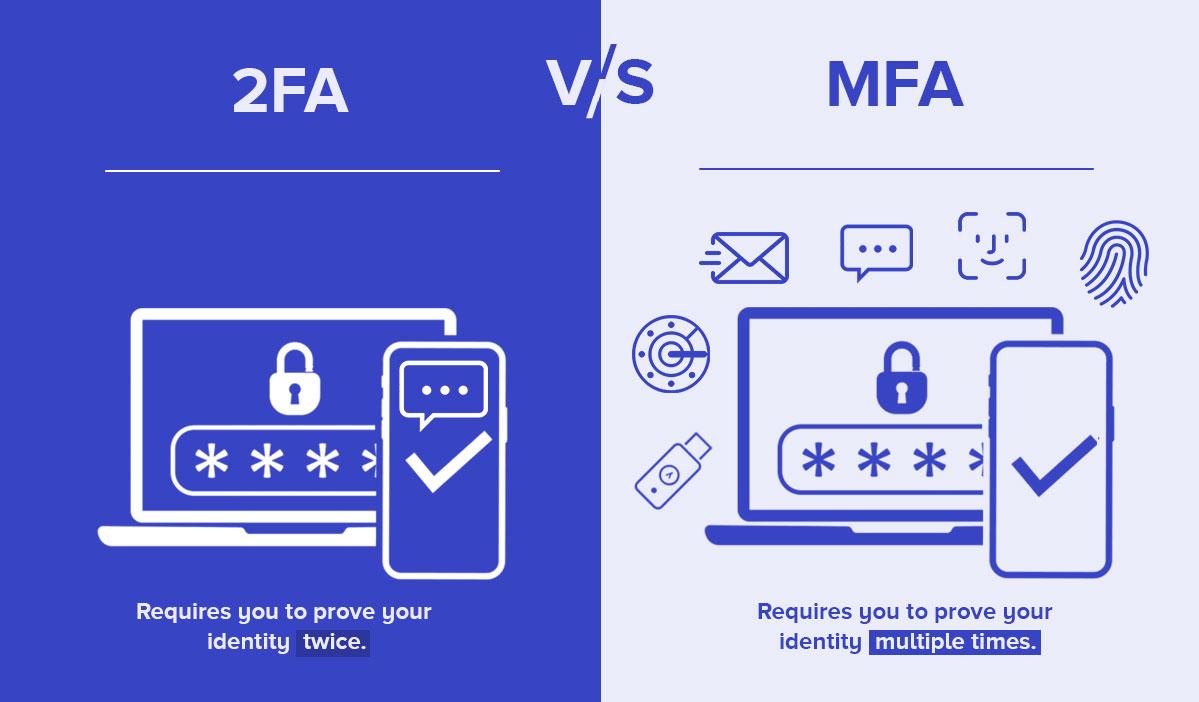
Integrating MFA into your security strategy means implementing an additional layer of verification that goes beyond just usernames and passwords. By doing so, you significantly reduce the risk of unauthorized access. Here’s what makes MFA a game-changer:
Enhanced Security: By requiring multiple forms of verification, such as a password plus a fingerprint or a one-time code sent to a mobile device, you make it exponentially harder for attackers to gain access.
Versatility: MFA can be tailored to different user needs. For example, employees accessing sensitive data may require stricter authentication methods compared to those accessing non-critical information.
User Awareness: MFA encourages users to be more aware of their security practices. The added steps in the login process prompt users to think critically about their access methods.
Implementing an MFA solution can seem daunting, but there are various strategies to make the transition smoother:
Strategy
Description
Phased Rollout
Introduce MFA gradually, starting with high-risk users, to monitor the effectiveness and make adjustments as needed.
User Education
Conduct training sessions to familiarize employees with the MFA process and emphasize its importance for security.
Integration with Existing Systems
Choose an MFA solution that seamlessly integrates with your current systems to minimize disruption and ensure a smoother user experience.
Moreover, consider the type of authentication methods you incorporate. Some popular options include:
SMS or Email Codes: Simple yet effective for many organizations, though they can be susceptible to interception.
Authenticator Apps: Tools like Google Authenticator or Authy provide time-based one-time passwords that enhance security.
Biometric Verification: Fingerprints or facial recognition offer a high level of security, especially for sensitive information.
Ultimately, is not just a tactical move; it’s a strategic necessity in today’s threat landscape. As cyber threats evolve, so should your approach to securing identities. Embracing a culture of security, where every user understands and values the importance of MFA, will lead to a more resilient organization.
The Importance of Continuous Identity Verification in Today’s Landscape
In a world where digital transformation accelerates daily, organizations are increasingly recognizing the necessity of robust identity verification mechanisms. Traditional perimeter security approaches, such as firewalls and intrusion detection systems, are no longer sufficient to safeguard sensitive data and resources. As cyber threats evolve and become more sophisticated, the shift toward continuous identity verification emerges as a critical strategy for enhancing overall security.
Continuous identity verification provides a dynamic framework that continuously assesses the legitimacy of individuals accessing systems, applications, and data. This proactive approach stands in contrast to older models that rely on a one-time verification process at login. Here are some key reasons why ongoing identity verification is vital:
Adapting to the Evolving Threat Landscape: Today’s cyber threats are more adept at bypassing traditional security measures. Continuous verification ensures that organizations can quickly respond to anomalies and potential breaches.
Enhanced User Trust: By implementing robust identity verification processes, organizations can enhance user confidence. Customers are more likely to engage with services that prioritize their security.
Regulatory Compliance: Many industries face stringent regulations regarding data protection. Continuous verification supports compliance efforts by ensuring that only authorized users can access sensitive information.
Reducing Insider Threats: Disgruntled employees or compromised accounts can pose significant risks. Continuous monitoring can help detect unusual behaviors, enabling swift action against potential insider threats.
Moreover, as organizations embrace a hybrid work model, the need for continuous identity verification becomes even more pronounced. Employees accessing company systems from various locations, using different devices, increases the attack surface. Continuous verification allows for real-time assessment of user behavior and risk, ensuring that every access request is authenticated.
To illustrate the effectiveness of this approach, consider the following table that highlights the differences between traditional perimeter security and identity-centric security:
Feature
Perimeter Security
Identity-Centric Security
Access Control
One-time authentication
Continuous validation throughout the session
Adaptability
Static defenses
Dynamic and responsive to user behavior
Response to Threats
Delayed reaction to breaches
Real-time threat detection and response
User Experience
Potentially intrusive
Seamless yet secure
As businesses move towards a more interconnected digital environment, implementing continuous identity verification will not only protect assets but also promote a culture of security within the organization. Employees become more aware of potential threats, fostering a collective responsibility towards safeguarding data.
Ultimately, the shift from perimeter security to an identity-centric approach signifies a broader understanding of security as a continuous process. Organizations that embrace this mindset will not only be better equipped to counter cyber threats but also position themselves as leaders in security best practices. The lesson is clear: in an age where identity verification is paramount, staying one step ahead can make all the difference.
Building a Robust Identity Management System: Best Practices
Understanding Identity Management
As organizations pivot away from traditional perimeter security, the focus shifts to a more nuanced approach: identity-centric security. At its core, effective identity management is about ensuring that the right individuals have access to the right resources at the right times. This becomes paramount in an era where remote work and cloud services have blurred the lines of secure network boundaries.
Key Components of a Robust Identity Management System
To build a strong identity management framework, several components must be meticulously integrated:
Authentication: Use multi-factor authentication (MFA) to add an extra layer of security beyond just passwords.
Authorization: Implement role-based access control (RBAC) to define user permissions accurately.
Identity Governance: Regularly review and certify user access rights to prevent privilege creep.
Audit and Monitoring: Continuously monitor access and changes to sensitive data for any anomalies.
Emphasizing User Experience
While security is paramount, a robust identity management system should not compromise user experience. Consider the following best practices:
Simplified Onboarding: Automate user provisioning processes to streamline access for new employees.
Self-Service Capabilities: Allow users to reset passwords and manage their profiles to reduce support tickets.
Consistent User Interfaces: Ensure that the access process remains intuitive across different platforms and devices.
Adopting Zero Trust Principles
Implementing a Zero Trust model involves verifying every user and device attempting to access network resources. This model reshapes the identity management landscape significantly:
Trust No One: Assume that both internal and external networks can be compromised.
Continuous Verification: Regularly validate user identities and their access levels based on real-time data.
Least Privilege Access: Ensure users have the minimal necessary access to perform their job functions.
Table of Identity Management Solutions
Solution
Description
Benefits
Single Sign-On (SSO)
Allows users to log in once for multiple applications.
Improved user convenience, reduced password fatigue.
Identity as a Service (IDaaS)
Cloud-based identity management solutions.
Scalability, reduced IT overhead.
Multi-Factor Authentication (MFA)
Requires multiple forms of verification.
Enhanced security against unauthorized access.
Future-Proofing Your Identity Management System
As cyber threats evolve, so too must your identity management strategy. Stay ahead by:
Investing in AI and Machine Learning: Leverage these technologies to predict and mitigate potential security risks.
Integrating Behavioral Analytics: Monitor user behavior to identify abnormal activities that may indicate a breach.
Engaging in Continuous Education: Regularly train staff on security best practices and emerging threats.
Conclusion
A robust identity management system is not just a security necessity but a strategic enabler for organizations transitioning towards a digital-first world. By adopting best practices and staying agile, businesses can ensure that their identity management framework supports both security and user experience in this new era.
Navigating Compliance and Regulatory Challenges with Identity Centric Security
In today’s rapidly evolving digital landscape, organizations are grappling with an increasing number of compliance and regulatory challenges. The shift from perimeter security to identity-centric security represents not just a technical transformation but a profound change in how we approach these challenges. By placing identity at the forefront of security strategies, companies can better align with compliance requirements while enhancing their overall security posture.
Identity-centric security offers several advantages that can significantly aid organizations in navigating the complex web of regulations such as GDPR, HIPAA, and CCPA:
Granular Access Control: By implementing strict access controls based on user identity, businesses can ensure that only authorized personnel have access to sensitive information, a key requirement in many regulations.
Real-Time Monitoring: Continuous monitoring of user activity allows organizations to quickly detect and respond to potential compliance breaches, reducing the risk of penalties associated with non-compliance.
Data Protection: Identity-centric frameworks help in enforcing data protection policies that align with regulatory standards, ensuring that personal and sensitive data is handled appropriately.
Audit Trails: Comprehensive logging of user activity facilitates easy auditing, making it simpler to demonstrate compliance during regulatory reviews.
To illustrate the impact of identity-centric security on compliance, consider the following table:
Regulation
Identity-Centric Security Benefit
GDPR
Enforces strict user consent and access controls
HIPAA
Protects patient data through user authentication
CCPA
Provides transparency and control over personal data
Moreover, the integration of identity-centric security not only meets regulatory requirements but also fosters trust among customers. When consumers know that their personal information is safeguarded by advanced identity verification and management systems, it enhances their confidence in the organization. This trust is invaluable, especially in an era where data breaches are commonplace and can lead to significant reputational damage.
However, transitioning to an identity-centric security model is not without its challenges. Organizations must invest in the right technology, train their staff, and continuously adapt their policies to stay ahead of evolving threats and changing regulations. This transition requires a shift in mindset, recognizing that security is not just about protection at the perimeter but about understanding and managing identities throughout their lifecycle.
Ultimately, embracing identity-centric security can streamline compliance efforts and establish a robust foundation for managing regulatory challenges. By focusing on identity as the new perimeter, organizations can not only protect their assets but also ensure they remain compliant in a complex regulatory environment.
The Future of Cybersecurity: Predicting Trends in Identity Management
The landscape of cybersecurity is evolving, and with it, the strategies we employ to protect sensitive information. As we transition from traditional perimeter-based security measures to a more identity-centric approach, the focus has shifted towards understanding and managing identities as the primary means of defense against cyber threats. This shift signifies a profound change in how organizations perceive risk and leverage technology to safeguard their assets.
Identity management is no longer just a component of cybersecurity; it is at the core of a robust security posture. Here are some key trends that will shape the future of identity management:
Zero Trust Architecture: Emphasizing “never trust, always verify,” organizations will increasingly adopt Zero Trust models that scrutinize every access request, irrespective of its source.
Biometric Authentication: This technology is set to gain traction as it offers an additional layer of security by using unique physical characteristics for identity verification.
Decentralized Identity Solutions: The rise of blockchain technology is paving the way for decentralized identity systems, providing users with more control over their personal information.
Artificial Intelligence (AI) and Machine Learning (ML): These technologies will play a pivotal role in enhancing identity management by automating threat detection and response.
Organizations must also reconsider how they define their security perimeter. The traditional boundary of the corporate network is increasingly porous, with remote work and cloud services expanding the attack surface. This evolving landscape necessitates a robust identity verification process, ensuring that only authenticated users can access sensitive systems and data.
Moreover, as regulatory standards around data privacy grow stricter, the importance of effective identity management becomes even more evident. Organizations will need to ensure compliance not just for their internal policies but also for external regulations, such as GDPR and CCPA. Failure to protect identities can lead to severe penalties, making it imperative for organizations to invest in sophisticated identity management solutions.
Identity Management Trend
Impact on Security
Zero Trust
Minimizes risks by verifying every access request.
Biometrics
Improves security with unique physical identifiers.
Decentralized Solutions
Empowers users with control over their identities.
AI and ML
Enhances threat detection and response capabilities.
Ultimately, the transition to identity-centric security is not merely a technological upgrade; it emphasizes a cultural shift within organizations. Employees must be educated about the importance of identity security and encouraged to adopt best practices in their daily activities. This commitment to fostering a culture that prioritizes identity protection will be critical in navigating the complexities of the future cybersecurity landscape.
As we look ahead, the challenge will be to stay ahead of evolving threats while ensuring that identity management practices are agile and responsive. By embracing these trends, organizations can create a resilient security framework that not only protects their digital assets but also instills confidence among users and stakeholders.
Empowering Employees: Training and Awareness for Identity Security
As organizations pivot from traditional perimeter security models to an identity-centric approach, the need for training and awareness in identity security has never been more crucial. Employees are the first line of defense, and empowering them with the right knowledge can significantly enhance the security posture of the organization. Here’s how focusing on training can make a difference:
Understanding Identity Threats: Employees should be educated about various identity-related threats, such as phishing, account takeover, and insider threats. Knowledge is power, and recognizing these threats can drastically reduce risk.
Best Practices for Password Management: Strong password policies are essential. Training sessions should cover creating complex passwords, using password managers, and the importance of not reusing passwords across different accounts.
Multi-Factor Authentication (MFA): Employees need to understand what MFA is and why it’s important. Making MFA a standard part of the login process adds an extra layer of protection that can thwart unauthorized access.
Data Privacy Regulations: With regulations like GDPR and CCPA becoming more prevalent, it’s vital for employees to be aware of data privacy laws and how they relate to identity management. This awareness fosters a culture of compliance and accountability.
Interactive training methods, such as gamification and role-playing scenarios, can make learning more engaging. For example, simulating phishing attacks can help employees recognize and respond to real threats effectively. Beyond just training, ongoing awareness campaigns can keep identity security top-of-mind.
It’s also important to foster an environment where employees feel comfortable reporting suspicious activities. Creating a culture of openness encourages vigilance and participation in the overall security strategy. Consider implementing an easy reporting system that allows employees to quickly flag concerns without fear of repercussions.
Training Topic
Frequency
Format
Identity Threat Awareness
Quarterly
Webinar
Password Management
Bi-annually
Workshop
MFA Training
Annually
Online Course
Data Privacy Compliance
Annually
Live Seminar
measuring the effectiveness of these training initiatives is vital. Surveys, quizzes, and feedback loops can help assess how well employees understand identity security concepts and where additional focus might be needed. By investing in employee education, organizations not only protect their digital assets but also build a workforce that is informed, vigilant, and confident in the face of identity security challenges.
Real-World Success Stories: Brands Leading the Identity Centric Charge
In today’s fast-paced digital landscape, several brands have paved the way for transforming security paradigms. By embracing identity-centric security, these companies have not only enhanced their cybersecurity posture but also improved customer trust and engagement. Here are a few standout examples that illustrate the effectiveness of this approach:
1. Microsoft
Microsoft has been at the forefront of the shift to identity-centric security through its Azure Active Directory. By implementing multifactor authentication (MFA) and conditional access policies, Microsoft has significantly reduced unauthorized access attempts. This proactive approach has led to a remarkable 99.9% reduction in account compromise for users leveraging these features.
2. Okta
As a leader in identity management, Okta has demonstrated how organizations can streamline user experiences while fortifying security. Their zero-trust model emphasizes that no user, inside or outside the network, should be trusted by default. This philosophy has helped numerous companies minimize security breaches and create more seamless authentication processes.
3. IBM
IBM has integrated identity-centric security into its Watson platform, allowing businesses to harness AI for more intelligent security solutions. By utilizing machine learning algorithms to analyze user behavior, IBM can detect anomalies and respond to potential threats in real-time. This approach not only bolsters security but also enhances operational efficiency.
4. Google
Google’s use of identity-centric security is exemplified in its approach to Gmail and Google Workspace. By implementing advanced phishing protections and account recovery features, Google has significantly decreased the risk of account takeovers. Their continued investment in security innovations keeps user data safe while fostering confidence in their services.
5. Salesforce
Salesforce has taken identity-centric security to heart by incorporating a range of features designed to protect sensitive customer data. Through customizable access controls and comprehensive audit trails, Salesforce empowers organizations to manage user permissions effectively, ensuring that only authorized personnel can access critical information.
Benefits of Identity-Centric Security
Benefit
Description
Enhanced Protection
Mitigates risks of unauthorized access through robust authentication methods.
Improved User Experience
Simplifies access to applications while maintaining stringent security measures.
Increased Trust
Builds customer confidence through transparent and secure data management practices.
These success stories illustrate that the transition to identity-centric security is not merely a trend; it is a necessary evolution for businesses aiming to thrive in a digital-first world. As brands like Microsoft, Okta, IBM, Google, and Salesforce lead the charge, they set a powerful precedent for others to follow. The future of security lies in understanding that identity is the new perimeter, and these companies exemplify how to navigate this landscape effectively.
Steps to Transition from Perimeter Security to an Identity-Centric Model
Making the transition from perimeter security to an identity-centric model requires careful planning and execution. Organizations need to adopt a more holistic approach, placing identity at the core of their security strategy. Here are some essential steps to guide you through this transformative process.
Assess Current Infrastructure: Start by conducting a thorough assessment of your existing security infrastructure. Identify strengths and weaknesses, focusing on how well your current systems support identity management.
Define Your Identity Model: Establish a clear understanding of what identity means for your organization. Consider the various types of users (employees, vendors, customers) and the different contexts in which they access resources.
Implement Identity Governance: Develop policies and procedures for managing user identities. This should include role-based access controls, regular audits, and compliance checks to ensure only authorized users have access to sensitive information.
Integrate Identity Solutions: Leverage modern identity solutions such as Single Sign-On (SSO) and Multi-Factor Authentication (MFA). These tools enhance security while improving user experience by simplifying access to applications and resources.
As you embark on this journey, consider the importance of seamless integration across your systems. A cohesive identity management system is crucial for maintaining security without hindering productivity:
Integration Aspect
Benefits
SSO Implementation
Reduces password fatigue, enhancing user experience.
MFA Adoption
Provides an additional security layer, minimizing risk.
Cloud Identity Solutions
Facilitates remote access, supporting a distributed workforce.
Training and awareness are equally vital in this transition. Organizations must invest in employee education regarding the importance of identity security. This can involve:
Regular Training Sessions: Keep employees informed about the latest security practices and policies.
Phishing Simulations: Conduct tests to raise awareness and improve response to potential threats.
Feedback Mechanisms: Encourage employees to share their experiences and concerns regarding security protocols.
remain agile and ready to adapt your identity-centric model as technology and threats evolve. Regular reviews and updates to your policies and systems will ensure your organization stays ahead of the curve and maintains a robust security posture.
Measuring Success: Key Metrics for Identity Centric Security Implementation
In today’s rapidly evolving digital landscape, implementing identity-centric security is not merely a necessity but a strategic imperative. Success in this transition can be quantified through a variety of metrics tailored to assess both the effectiveness of security measures and the overall impact on business operations.
Key metrics to consider include:
Authentication Success Rate: Track how often users authenticate successfully on the first attempt. A high rate indicates an intuitive and effective system, while a low rate may highlight usability issues.
Time to Access: Measure the time it takes for users to access critical applications post-authentication. Reducing this time can lead to increased productivity and user satisfaction.
User Satisfaction Scores: Collect feedback from end-users regarding their experiences with identity verification processes. High satisfaction can correlate with higher adoption rates.
An effective identity-centric security implementation should also consider user behavior analytics. By monitoring and analyzing user behavior, organizations can detect anomalies that may signal potential security threats. This proactive approach not only enhances security but also fosters a culture of trust and transparency.
Table of Additional Metrics
Metric
Description
Goal
Access Requests
Total number of access requests made by users.
Monitor for trends and ensure proper access controls.
Failed Authentication Rate
Percentage of failed login attempts.
Identify potential security threats or user issues.
Compliance Rate
Percentage of users adhering to security training and policies.
Strive for 100% compliance to reduce risk.
Another significant factor in measuring the success of identity-centric security is the integration of multi-factor authentication (MFA). By implementing MFA, organizations can further protect sensitive information and reduce the likelihood of unauthorized access. Metrics to track here would include the adoption rate of MFA and the impact it has on unauthorized access attempts.
these metrics serve as vital indicators of how well your identity-centric security strategies are functioning. By continuously monitoring and refining these measurements, organizations can create a more secure environment that not only protects assets but also enhances overall efficiency and user experience.
Frequently Asked Questions (FAQ)
Q&A: What the Shift from Perimeter Security to Identity Centric Security Really Means
Q: What exactly is perimeter security, and how does it differ from identity-centric security?
A: Great question! Perimeter security is essentially about creating a protective barrier around your network. Think of it like a castle with high walls—if you’re outside, you can’t get in. This approach focuses on defending the network perimeter from external threats. On the other hand, identity-centric security flips the script. Instead of solely guarding the walls, it places emphasis on verifying the identity of users trying to access resources, regardless of their location. It’s like checking the credentials of everyone who enters the castle, even if they’re already inside the walls.
Q: Why is this shift happening now?
A: The digital landscape is evolving rapidly, and so are the threats. With more people working remotely and accessing sensitive data from various devices, relying solely on perimeter security is no longer enough. Cybercriminals have become adept at breaching traditional defenses. Identity-centric security adapts to this new reality by ensuring that only authenticated users can access what they need, no matter where they are. It’s proactive rather than reactive!
Q: Can you explain the benefits of identity-centric security?
A: Absolutely! One of the biggest benefits is enhanced protection against data breaches. By focusing on user identity, organizations can implement multi-factor authentication, access controls, and continuous monitoring. This means that even if a hacker gains access to an account, additional security measures can thwart their efforts. Plus, it allows for more granular control—users only have access to the resources they need, reducing the risk of insider threats. It’s about creating a tailored security approach that fits the needs of each user and the organization as a whole.
Q: What challenges come with this shift?
A: Like any transition, there are challenges. Many organizations may have legacy systems that are incompatible with new identity-centric tools. Additionally, there’s the need for a cultural change—employees must understand and embrace these new security practices. But the benefits far outweigh the hurdles! Organizations are also realizing that investing in this security model can lead to greater efficiency and faster response times.
Q: How can organizations start implementing identity-centric security?
A: The first step is to assess your current security posture. Identify gaps in your perimeter defenses and evaluate how user identities are managed. Start incorporating identity management solutions, like single sign-on and multi-factor authentication. But remember, it’s not just about technology; it’s about fostering a security-first mindset across the organization. Training employees on best practices for identity security is crucial.
Q: What’s the bottom line? Why should organizations care about this shift?
A: The bottom line is that as cyber threats grow more sophisticated, so too must our defenses. Embracing identity-centric security isn’t just a trend; it’s a necessary evolution in protecting your organization’s data and reputation. By prioritizing user identities, organizations can not only bolster their security but also enhance productivity and trust in their digital environments. It’s a win-win!
Q: Is this shift applicable to all types of organizations?
A: Definitely! Whether you’re a small business or a large enterprise, identity-centric security can be tailored to fit your needs. In today’s interconnected world, every organization handles sensitive data and has a responsibility to protect it. Embracing this shift can be a game-changer for anyone looking to strengthen their security posture.
Q: Any final thoughts for readers?
A: Yes! Remember, in the ever-changing landscape of cybersecurity, staying ahead of threats requires innovation and adaptability. Moving to an identity-centric security model is an investment in your organization’s future. It’s time to rethink how we protect our digital assets—because safety should always be a priority, no matter where your team is working from!
To Wrap It Up
As we wrap up our exploration of the shift from perimeter security to identity-centric security, it’s clear that the landscape of cybersecurity is evolving at a rapid pace. Gone are the days when a simple wall around our networks offered a sense of security. Today, the real battleground lies in understanding and managing identities—because every user, device, and application is a potential entry point for threats.
Embracing identity-centric security isn’t just a trend; it’s a necessity. It’s about more than just technology; it’s about fostering a culture of security that prioritizes user trust and data integrity. By shifting our focus to identity, we empower organizations to be more agile, responsive, and resilient in the face of increasingly sophisticated cyber threats.
So, as you consider your own security strategies, ask yourself: Are you truly putting identities at the heart of your security framework? By doing so, you can not only protect your assets more effectively but also enhance the experience for your users. The shift is not just a challenge; it’s an opportunity to redefine how we think about security in a digital world.
Join the conversation, share your insights, and let’s work together to create a safer, more secure environment for everyone. After all, in this interconnected age, security is not just about boundaries; it’s about understanding who we are and how we can protect what matters most.