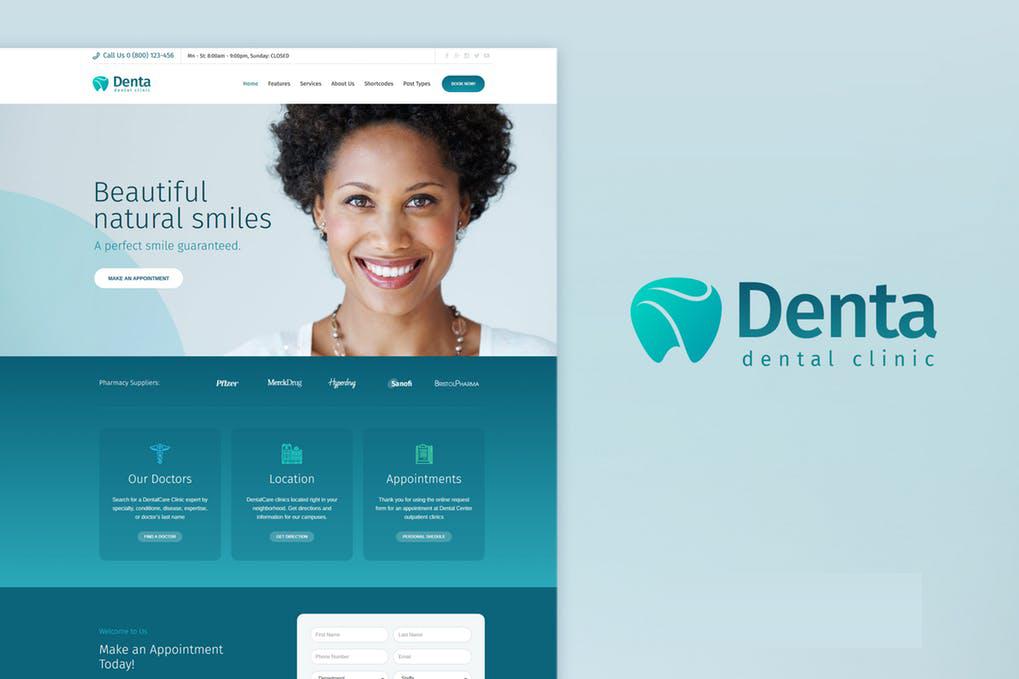
Are you a dental professional looking to elevate your online presence? In today’s digital age, your website is often the first impression potential patients will have of your practice. A well-designed dental website not only showcases your services but also builds trust and draws in new clients. But what exactly makes a dental website stand out in a sea of competition? In this article, we’ll explore the 27 best dental website designs that have proven to convert casual visitors into loyal patients. From eye-catching aesthetics to seamless user experiences, we’ll break down the elements that make these websites successful and show you how you can apply these insights to your own practice. Get ready to transform your online presence and watch your patient roster grow!
Understanding the Importance of a Great Dental Website Design
In today’s digital age, having a well-designed dental website is no longer optional; it’s a necessity. A visually appealing and user-friendly website serves as the online face of your practice, conveying professionalism and trust to potential patients. When individuals search for dental services, the first impression they get often comes from your website. This makes it crucial to invest in a design that not only looks good but also functions effectively.
Responsive design is essential for any modern dental website. With an increasing number of users accessing websites via mobile devices, your site must adapt seamlessly to different screen sizes. A responsive design ensures that whether a patient is browsing on a smartphone, tablet, or desktop, they have a consistent and enjoyable experience. This adaptability not only improves user satisfaction but also boosts your site’s ranking on search engines.
Another critical aspect of effective dental website design is intuitive navigation. Potential patients should be able to find information quickly and easily. Consider these essential pages that should be easily accessible:
- Home
- About Us
- Services
- Contact Information
- Patient Resources
A clutter-free layout, clear menus, and strategically placed call-to-action buttons can guide users smoothly through your site, increasing the likelihood of conversion.
Visual content plays a significant role in engaging visitors. High-quality images, videos, and even virtual tours of your practice can create a welcoming atmosphere. They help to humanize your practice and build a connection with potential patients. Including testimonials or before-and-after galleries can provide social proof that further enhances credibility and encourages conversions.
Equally important is the integration of SEO best practices into your website design. A great-looking site is of little use if potential patients can’t find it. By optimizing your content with relevant keywords, meta tags, and alt texts, you can improve your search engine visibility. This means more organic traffic and a higher likelihood of attracting new patients.
Consider incorporating interactive elements that engage visitors. Features like online appointment scheduling, chatbots for immediate inquiries, and educational resources can enhance user experience. These interactive tools not only improve visitor engagement but also streamline your practice’s operations, allowing you to focus more on patient care.
don’t underestimate the power of branding through your website design. Your website should reflect your practice’s personality and values. Consistent use of colors, fonts, and imagery that align with your brand can foster recognition and trust. This cohesive branding helps to differentiate your practice in a competitive market, making it more memorable for potential patients.
| Design Element | Importance |
|---|---|
| Responsive Design | Ensures accessibility across all devices. |
| Intuitive Navigation | Facilitates easy access to information. |
| Visual Content | Enhances engagement and builds trust. |
| SEO Optimization | Increases search engine visibility. |
| Interactive Features | Improves user engagement and simplifies processes. |
| Branding | Fosters recognition and differentiates your practice. |
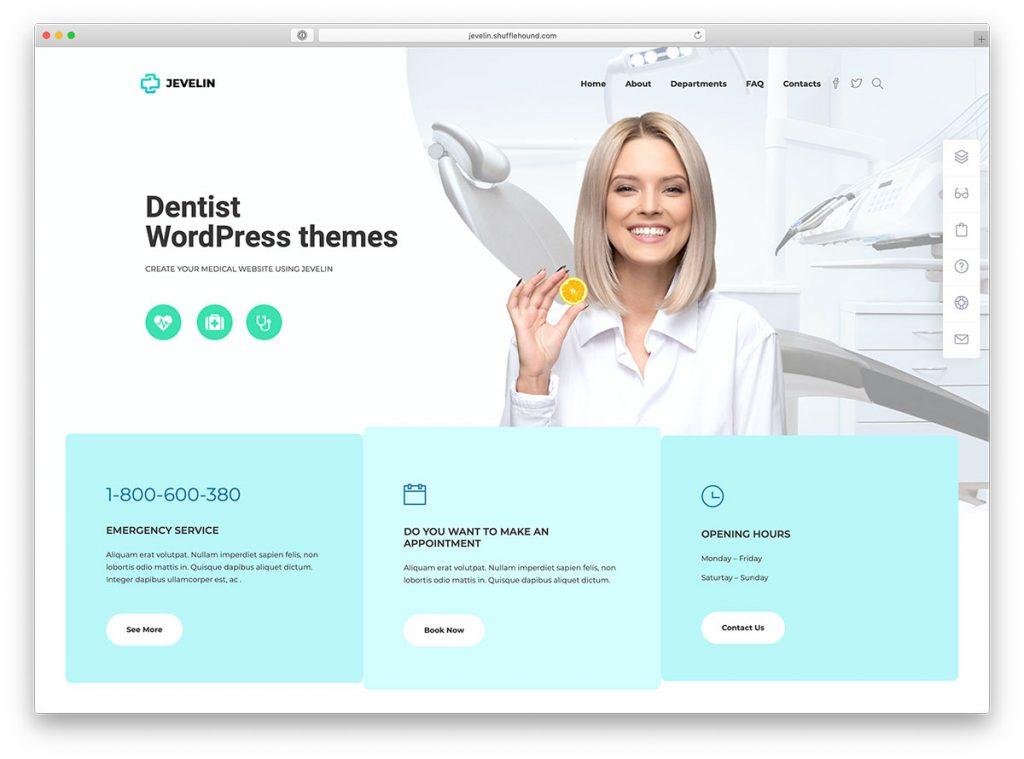
Elements of a High-Converting Dental Website
Creating a dental website that not only attracts visitors but also converts them into patients requires a careful blend of design, functionality, and user experience. Here are some key elements that contribute to a high-converting dental website:
1. Clear Branding
Your website should reflect your dental practice’s brand identity. Use consistent colors, fonts, and imagery that resonate with your target audience. A strong brand presence fosters trust and recognition.
2. User-Friendly Navigation
Visitors should easily find what they’re looking for. Implement intuitive navigation with clear categories such as:
- Services Offered
- Meet the Team
- Patient Resources
- Contact Information
3. Compelling Calls to Action (CTAs)
Every page should include persuasive CTAs that guide visitors toward taking action. Use phrases like:
- “Schedule Your Free Consultation Today!”
- “Join Our Patient Family Now!”
Position these CTAs strategically at the top of the page, in the middle, and at the end to capture attention.
4. High-Quality Visuals
Images of your practice, team members, and happy patients can significantly enhance the website’s appeal. Ensure that all visuals are high-quality and professional, giving potential patients a sense of comfort and trust.
5. Mobile Optimization
With an increasing number of users accessing websites via mobile devices, ensuring your dental website is responsive is crucial. A mobile-optimized site not only improves user experience but also positively affects your search engine rankings.
6. Patient Testimonials and Reviews
Showcasing real patient experiences can effectively build credibility. Create a section dedicated to testimonials, and consider integrating reviews from platforms like Google or Yelp. Here’s a simple table structure to display testimonials:
| Patient Name | Testimonial |
|---|---|
| Jane Doe | “The best dental experience I’ve ever had!” |
| John Smith | “Friendly staff and a welcoming environment.” |
7. Educational Content
Providing valuable information through blogs or articles can position your practice as a trusted authority in the dental field. Topics can range from dental hygiene tips to the latest in dental technology. This not only attracts visitors but also helps convert them by establishing trust.
8. Appointment Scheduling Integration
Make it as easy as possible for potential patients to schedule appointments. Integrate an online booking system that allows users to select their preferred date and time without hassle.
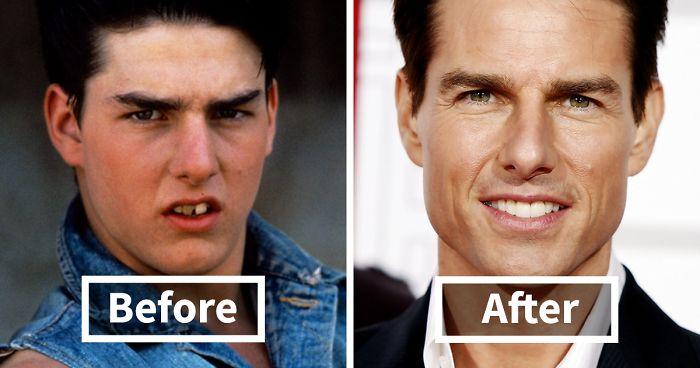
Showcasing Before and After Images for Maximum Impact
When it comes to dental website designs, nothing speaks louder than visual testimonials. Before and after images provide potential patients with a clear understanding of what they can expect from your services. These compelling visuals not only highlight your skills but also build trust and credibility. Here’s why incorporating them into your website can significantly boost conversion rates:
- Visual Proof of Expertise: Prospective patients want to see real results. By showcasing transformations, you’re offering undeniable proof of your capabilities as a dentist.
- Emotional Connection: Before and after images tell a story. They evoke emotions and help potential clients visualize their own journey towards a better smile.
- Enhanced Engagement: Visually appealing content tends to attract more attention. Strong images can keep visitors on your site longer, reducing bounce rates and increasing the chances of appointment bookings.
- SEO Benefits: Optimized images can improve your search engine ranking. Ensuring your before and after images are tagged with proper keywords can lead to increased visibility online.
Creating a dedicated section on your website for these images is essential. Consider using a visually appealing layout to maximize impact. You might choose to display them in a before-and-after slider, allowing visitors to easily compare the transformations. This interactive feature not only engages users but also keeps them on your site longer.
| Image Type | Purpose | Best Practices |
|---|---|---|
| Before Images | Show the initial condition of the patient. | Use high-quality, well-lit images. |
| After Images | Highlight the successful outcome. | Ensure consistency in lighting and angle. |
| Before-and-After Sliders | Allow side-by-side comparisons. | Make them interactive and mobile-friendly. |
Don’t forget to include captions or brief descriptions for each image. This context provides potential patients with insights into the procedures performed and the time taken for the transformation. Transparency about the process enhances trust.
Incorporating before and after images isn’t just about showcasing your work; it’s about inviting potential patients into a story of transformation. By strategically placing these images throughout your website, you create a powerful narrative that encourages visitors to take action—whether that’s booking an appointment or contacting your office for more information.
The Power of User-Friendly Navigation in Dental Websites
When it comes to dental websites, user-friendly navigation can be the difference between a patient booking an appointment or leaving the site in frustration. A well-structured navigation system not only enhances user experience but also helps guide potential clients toward the vital information they seek. Here’s why prioritizing navigation design is crucial for converting visitors into loyal patients.
First and foremost, a clear navigation menu allows users to find essential services effortlessly. By organizing services into intuitive categories, dental practices can showcase their offerings without overwhelming visitors. Think about the following categories:
- General Dentistry
- Cosmetic Dentistry
- Pediatric Dentistry
- Emergency Services
- Patient Resources
Each category should be easily accessible, ideally placed at the top of the website, ensuring that users can navigate without difficulty. Implementing a dropdown menu can further improve organization, presenting subcategories without cluttering the main interface.
Moreover, incorporating a search function can significantly enhance the user experience. Patients often come to a website with specific queries in mind. A search bar enables them to quickly locate relevant information, whether it’s about dental procedures, insurance options, or clinic hours. This feature can reduce bounce rates and keep users engaged with your content.
Another essential aspect is the mobile-friendliness of navigation. With a growing number of users accessing websites via smartphones, ensuring that navigation is seamless across all devices is vital. Responsive design elements, such as collapsible menus and touch-friendly buttons, can facilitate an enjoyable mobile browsing experience. This adaptability ensures that navigation remains intuitive, regardless of screen size.
Consider the visual hierarchy when designing navigation elements. Use contrasting colors and fonts to differentiate between primary and secondary options. Highlighting critical links, such as “Book an Appointment” or “Contact Us,” can direct potential patients toward taking action. A well-thought-out visual approach not only enhances usability but also draws attention where it matters most.
Lastly, including a footer menu can greatly benefit users looking for additional information. This section can house links to essential pages like privacy policies, FAQs, and social media channels. This not only provides comprehensive navigation but also establishes your practice’s transparency and commitment to patient care.
investing time and resources into creating a user-friendly navigation system significantly impacts the overall effectiveness of a dental website. By prioritizing intuitive design, responsive layouts, and accessible information, dental practices can enhance patient engagement and ultimately boost conversion rates. After all, a satisfied visitor is more likely to become a returning patient!
Crafting Compelling Content That Speaks to Patients
When it comes to dental website design, compelling content is essential for engaging potential patients and encouraging them to take action. The ideal content doesn’t just inform; it resonates with the reader and addresses their needs and concerns. Here are some strategies to create content that speaks directly to your audience:
- Understand Your Audience: Knowing who your patients are is key. Consider their age, demographics, and common dental concerns. Tailoring your content to answer their specific questions will make them feel understood and valued.
- Use Simple Language: Avoid dental jargon that might confuse potential patients. Use clear, straightforward language to explain procedures and services. This approach builds trust and makes your content more accessible.
- Tell Stories: Share patient testimonials and success stories. Personal narratives can be powerful motivators for new patients. Highlighting real experiences helps to humanize your practice and can alleviate fears or apprehensions.
Visuals play a crucial role in effective dental content. Well-chosen images can supplement your text and illustrate your points more vividly. Use high-quality photos that capture the warmth of your practice and the professionalism of your staff. Consider incorporating:
- Before-and-after photos: Showcasing successful treatments can inspire confidence.
- Infographics: Create visually appealing graphics that simplify complex information, like the steps of a dental procedure.
Another vital aspect is the call to action (CTA). Every piece of content should guide the reader towards the next step, whether it’s scheduling an appointment, signing up for a newsletter, or reading more about a specific service. Use strong, action-oriented language in your CTAs, such as:
| Call to Action | Purpose |
|---|---|
| “Book Your Free Consultation” | Encourages immediate action |
| “Learn More About Our Services” | Promotes further exploration |
| “Join Our Patient Community” | Builds long-term relationships |
Don’t underestimate the power of SEO (Search Engine Optimization) in your content strategy. Optimize your website and blogs for relevant keywords to improve visibility in search results. This means using keywords naturally throughout your content, including in titles, headings, and meta descriptions. By doing so, you will attract more visitors, increasing the chances of conversion.
Lastly, make sure your content is mobile-friendly. With the rise of mobile browsing, ensuring that your content is easily readable and navigable on smartphones and tablets is essential. A responsive design enhances user experience and can significantly improve conversion rates.
How Strong Calls to Action Drive Patient Engagement
In the fast-paced world of dental marketing, a strong call to action (CTA) can make all the difference in engaging potential patients. When crafted effectively, CTAs not only guide website visitors but also motivate them to take the next step in their dental journey. Whether it’s booking an appointment, signing up for a newsletter, or requesting a consultation, clear and compelling CTAs transform passive visitors into active participants.
Consider these essential elements that contribute to a powerful call to action:
- Clarity: Your message should be straightforward and easy to understand. Avoid jargon and keep your language simple.
- Urgency: Create a sense of urgency to encourage immediate action. Phrases like “Limited time offer” or “Book now for exclusive benefits” can boost engagement.
- Visibility: Make sure your CTAs are prominent on the page. Use contrasting colors and larger fonts to draw attention.
- Relevance: Tailor your CTAs to the context of the page. If a user is reading about teeth whitening, a CTA offering a discount on whitening services is more effective.
Moreover, incorporating action-oriented language is key. Words like “Discover,” “Join,” “Claim,” and “Transform” not only prompt action but also convey the benefits of what the visitor will receive. For example, instead of a simple “Contact Us,” use “Transform Your Smile Today—Contact Us!” This shift in wording not only engages visitors but also instills excitement about the services offered.
It’s also important to test and analyze different CTAs to see what resonates best with your audience. Here’s a simple comparison table to visualize how various CTAs can impact engagement:
| Call to Action | Engagement Level |
|---|---|
| Schedule Your Appointment Now | High |
| Learn More About Our Services | Medium |
| Contact Us for More Information | Low |
Utilizing strong CTAs not only enhances user experience but also fosters a sense of trust and reliability. When potential patients feel guided through their online journey, they are more likely to engage with the practice and, ultimately, convert into loyal patients.
Incorporating these strategies into your dental website design can lead to increased patient engagement and higher conversion rates. Remember, a well-placed, powerful call to action can turn your website from a digital brochure into a dynamic tool for patient acquisition.

The Role of Mobile Responsiveness in Attracting New Patients
In today’s digital age, having a mobile-responsive website is not just an option; it’s a necessity for dental practices aiming to attract new patients. With more than half of all web traffic coming from mobile devices, ensuring your site looks great and functions well on smartphones and tablets can significantly influence potential patients’ first impressions.
When a prospective patient searches for a dental service on their mobile device, they expect to find information quickly and easily. A mobile-responsive design ensures that:
- Navigation is seamless: Users can effortlessly browse through services, read about the dental team, and find contact information without frustration.
- Content is legible: Text should be easy to read without the need for pinching or zooming, making it user-friendly.
- Loading times are swift: Fast-loading pages reduce bounce rates and keep users engaged.
Moreover, a mobile-responsive site enhances your practice’s credibility. When potential patients encounter a well-designed, functional website, they are more likely to perceive your practice as professional and trustworthy. This perception can lead to higher conversion rates, turning visitors into actual appointments.
It’s also essential to consider local search optimization; many patients search for dental services near them while on the go. A mobile-responsive site improves your chances of appearing in local search results, allowing your practice to be discovered by new patients looking for immediate care.
To illustrate the impact of mobile responsiveness, consider this comparison:
| Feature | Mobile-Responsive Site | Non-Responsive Site |
|---|---|---|
| Accessibility | High | Low |
| Loading Speed | Fast | Slow |
| User Engagement | High | Low |
| Conversion Rate | Higher | Lower |
In short, investing in a mobile-responsive design not only improves user experience but also optimizes your site for search engines, driving more traffic and ultimately leading to an increase in new patients. With so much at stake, redefining your dental practice’s online presence for mobile users is a strategic move that pays off in the long run.

Color Psychology: Choosing the Right Palette for Your Dental Practice
Color is not just a visual element; it plays a crucial role in shaping perceptions and emotions. For a dental practice, the right color palette can enhance patient comfort and trust, ultimately influencing their decision to choose your services. When selecting colors for your website, consider the psychological impact they have on potential patients.
Blue is one of the most popular colors in the healthcare industry. It evokes feelings of trust, reliability, and calmness. Incorporating various shades of blue into your website can help alleviate any anxiety patients may have about dental visits. For example:
- Light blue for backgrounds, creating a soothing atmosphere.
- Dark blue for headers, conveying professionalism.
- Accent colors in blue to guide users through important information.
Green is another excellent choice for dental practices. It symbolizes health, nature, and tranquility. Using green tones can reinforce your commitment to wellness and holistic care. Consider using green in:
- Buttons and call-to-action areas to encourage user interaction.
- Images that depict a healthy lifestyle to resonate with your audience.
For a more modern and energetic feel, orange and yellow can be fantastic accent colors. These hues suggest optimism and friendliness, making the practice appear approachable. However, be careful with their application; too much can be overwhelming. Use them sparingly for:
- Highlighting promotions or special services.
- Creating visual contrast that draws attention to key areas of your site.
Lastly, consider the impact of neutral colors like white, gray, and beige. These shades provide a clean, professional backdrop that can make your content more readable and your images stand out. A well-balanced palette with neutral tones can help maintain a polished and inviting look. Here’s a quick reference table for color combinations you might consider:
| Color | Emotional Response | Best Uses |
|---|---|---|
| Blue | Trust, Calmness | Backgrounds, Headers |
| Green | Health, Tranquility | Buttons, Lifestyle Images |
| Orange | Energy, Friendliness | Promotional Highlights |
| Yellow | Optimism, Warmth | Key Interactive Elements |
| Neutral Colors | Professionalism, Cleanliness | Overall Site Design |
Incorporating the right color psychology into your dental practice’s website can help attract and retain patients. By thoughtfully selecting your color palette, you can create a welcoming online environment that encourages visitors to take action, whether that’s booking an appointment or learning more about your services. Remember, each color tells a story—make sure yours aligns with the message you want to convey!
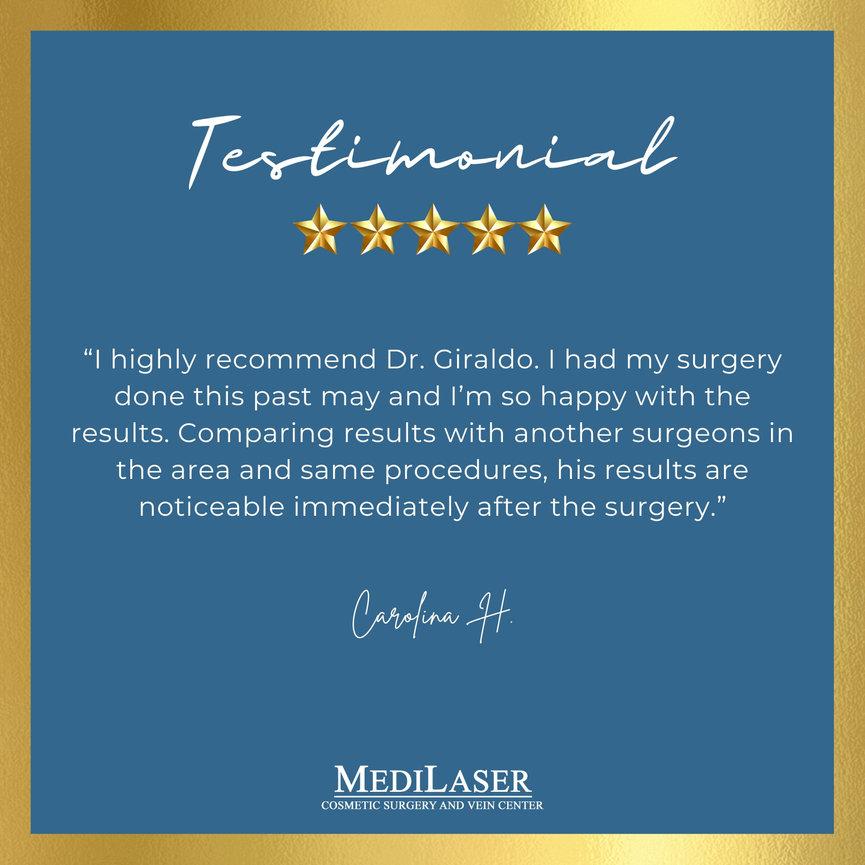
Integrating Patient Testimonials to Build Trust
In the competitive world of dental practices, establishing trust with potential patients is crucial. One of the most effective ways to achieve this is through the integration of patient testimonials on your website. When prospective patients visit your site, they are looking for reassurance that they are choosing a reliable and caring dental provider. By showcasing the positive experiences of current patients, you can create an authentic connection that drives conversions.
Patient testimonials serve as powerful social proof that can significantly influence a visitor’s decision. Here are some key reasons why incorporating these testimonials into your dental website design is essential:
- Authenticity: Real experiences from patients can help potential clients relate to your practice, making them feel more comfortable.
- Credibility: Positive reviews from actual patients enhance your reputation and credibility in the eyes of newcomers.
- Emotional Connection: Testimonials often resonate on an emotional level, helping to alleviate fears and anxieties about dental visits.
- SEO Benefits: Fresh, relevant content from testimonials can improve your site’s search engine rankings.
When designing your testimonials section, consider utilizing various formats to keep it engaging. Here are a few creative ideas:
- Video Testimonials: Short clips of satisfied patients sharing their experiences can be much more impactful than written words alone.
- Quote Highlights: Use eye-catching graphics to showcase standout quotes from patient reviews, drawing attention immediately.
- Before and After Photos: Visual transformations are incredibly persuasive and can demonstrate the quality of your services effectively.
It’s also important to display these testimonials prominently on your website. Consider creating a dedicated testimonials page or featuring them on your homepage. A well-organized testimonials section can enhance user experience and make it easier for visitors to find and read about the experiences of others.
| Testimonial Type | Benefits |
|---|---|
| Text | Easy to read, can be quickly scanned. |
| Video | Engages users, adds a personal touch. |
| Photo | Visual proof of results, can be more convincing. |
| Case Studies | In-depth look at specific treatments, builds trust. |
remember to keep your testimonials updated. As your practice grows and evolves, so too will the experiences of your patients. Regularly refreshing this content not only keeps your website vibrant but also showcases your commitment to patient care and satisfaction.
Integrating patient testimonials is more than just adding a few quotes to your website; it’s about weaving their stories into the fabric of your practice’s identity. As you showcase these voices, you’re building a community of trust that will ultimately encourage new patients to choose your dental practice.
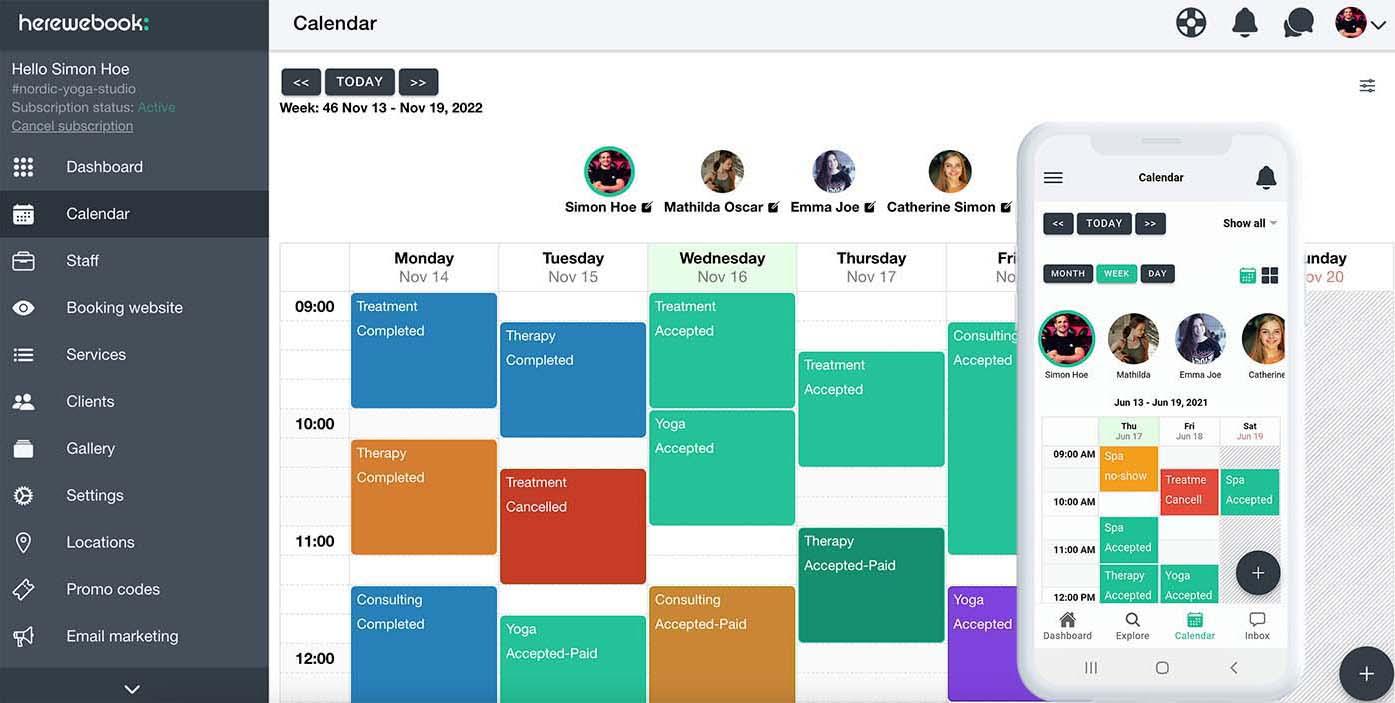
Utilizing Online Booking Systems for Seamless Patient Experience
In today’s fast-paced world, convenience is key, especially in healthcare. Patients increasingly prefer to handle appointments with a few clicks, eliminating the need for phone calls and waiting on hold. Online booking systems are a game-changer for dental practices, enhancing the patient experience while streamlining administrative tasks.
Implementing an online booking system offers several advantages:
- 24/7 Availability: Patients can book appointments anytime, making it easier for them to fit dental visits into their busy schedules.
- Reduced No-Shows: Automated reminders can be set up to reduce the likelihood of missed appointments, ensuring your practice runs efficiently.
- User-Friendly Interface: A clean and intuitive booking platform can significantly enhance patient satisfaction, encouraging them to return for future visits.
Moreover, an online booking system can help you gather valuable data about patient preferences and behaviors. By analyzing this information, dental practices can tailor their services and marketing strategies to better meet patient needs. For instance, you can identify peak booking times and adjust staffing accordingly, ensuring optimal service during busy periods.
Another important aspect of online booking systems is integration. Many of these platforms can seamlessly connect with your existing practice management software. This ensures that patient information is securely stored and easily accessible, allowing for a smooth check-in process. Here’s a simple comparison of popular booking systems:
| Booking System | Key Feature | Best For |
|---|---|---|
| Square Appointments | Integrated Payments | Small to Medium Practices |
| Healthgrades | Patient Reviews | Established Practices |
| Jane | Customizable Forms | Multi-Disciplinary Practices |
Beyond just booking, these systems often offer additional features such as patient education materials, treatment reminders, and even telehealth options, allowing you to engage with patients in various ways. By adopting a robust online booking system, you create a comprehensive ecosystem that supports patient care from start to finish.
Ultimately, investing in an online booking system is an investment in your practice’s future. It not only enhances the patient experience but also improves operational efficiency. As more patients seek convenience and flexibility, dental practices that adapt to these expectations will stand out in a competitive landscape.
The Impact of Local SEO on Your Dental Website’s Success
Local SEO is a game-changer for dental practices looking to enhance their online presence. When potential patients search for dental services in their vicinity, they typically turn to search engines. If your website isn’t optimized for local SEO, you’re missing out on a significant opportunity to attract new clients. Here’s how local SEO can boost your dental website’s success:
- Increased Visibility: By implementing local SEO strategies, your dental practice can appear in local search results and on Google Maps. This means that when someone searches for “dentist near me,” your practice is more likely to pop up, putting you in front of eager patients.
- Targeted Traffic: Unlike general SEO, local SEO focuses on attracting clients in your geographical area. This targeted approach ensures that the visitors to your site are more likely to convert into actual appointments.
- Enhanced Online Reputation: With local SEO, you can effectively manage your online reviews. Encouraging satisfied patients to leave positive feedback can boost your reputation and rankings on search engines, further enhancing your visibility.
- Community Engagement: Local SEO encourages practices to engage with their community. By sharing blog posts, participating in local events, or sponsoring community activities, you can build a strong local presence that resonates with potential patients.
Moreover, optimizing your dental website for local searches involves several actionable steps:
| Local SEO Strategy | Description |
|---|---|
| Google My Business | Claim and optimize your Google My Business listing to ensure accurate business information. |
| Local Keywords | Incorporate local keywords into your website content, including service pages and blog posts. |
| Citations | Ensure your practice is listed in online directories and local business listings. |
| Mobile Optimization | Ensure your website is mobile-friendly, as many local searches are done via smartphones. |
Even the design of your dental website can play a pivotal role in local SEO. A clean, modern design not only provides a better user experience but can also reduce bounce rates, indicating to search engines that your site is relevant and trustworthy. Here are some design elements that can enhance your local SEO efforts:
- Easy Navigation: A user-friendly layout makes it simple for visitors to find essential information such as location, services offered, and appointment scheduling.
- Contact Information: Prominently displaying your phone number and address on every page helps search engines understand where you are located.
- Localized Content: Including content that speaks to local events or community news can improve engagement and help attract local patients.
investing in local SEO for your dental website is not just a tactical decision; it’s a strategic move that can significantly increase your practice’s visibility and patient base. By focusing on local search optimization, you ensure that your dental practice stands out in search results, capturing the attention of potential patients who are actively seeking your services.

Incorporating Educational Resources to Position Yourself as an Expert
To truly establish yourself as a trusted authority in the dental industry, it’s crucial to leverage educational resources effectively. By integrating valuable content into your website, you not only enhance user experience but also position yourself as a go-to expert in your field. Here are some ways to utilize educational resources to your advantage:
- Blog Articles: Regularly publish informative articles on various topics related to dental health and treatments. Focus on common questions your patients have, dental hygiene tips, or advancements in dental technology.
- Video Tutorials: Create engaging videos that demonstrate dental procedures, explain complex concepts, or provide oral care tips. Visual content is highly shareable and can significantly boost your online presence.
- Infographics: Utilize eye-catching infographics to present statistics or dental health tips. These are easily digestible and can help convey information quickly to your audience.
- Webinars: Host live or recorded webinars on topical issues in dentistry. This interactive format allows you to engage directly with your audience, answering their questions in real time.
Don’t underestimate the power of downloadable resources, such as:
- E-books: Compile comprehensive guides on specific topics, like dental care for children or understanding orthodontics, and offer them as downloadable content.
- Checklists: Provide practical checklists for patients to follow, such as pre-appointment preparations or post-treatment care.
Consider also creating a resource hub on your website. This dedicated section can house all your educational materials, making it easy for visitors to access valuable information. Organize the content categorically so users can find what they need without hassle.
| Resource Type | Description | Benefits |
|---|---|---|
| Blog Articles | Informative posts on dental topics | Establishes authority, improves SEO |
| Videos | Visual guides and tutorials | High engagement, easy to share |
| Infographics | Visually appealing data presentations | Quick information delivery |
| E-books | In-depth guides on specific topics | Builds trust, enhances lead generation |
Remember to promote your educational resources across social media platforms and in your email newsletters. This not only drives traffic to your website but also reinforces your image as a knowledgeable professional who cares about patient education.
Incorporating these resources not only boosts your website’s conversion rates but also cultivates a loyal patient base that sees you as a reliable source of knowledge and care. Ultimately, the more value you provide, the more likely potential patients are to choose your practice over others.
Leveraging Social Media Integration to Boost Your Online Presence
In the digital age, the importance of a strong online presence cannot be overstated, particularly for dental practices looking to attract new patients. One of the most effective strategies for enhancing your visibility is through the integration of social media with your dental website. By creating a harmonious relationship between your social media platforms and your website, you can drive traffic, enhance engagement, and ultimately convert visitors into loyal patients.
Why Social Media Matters
- Social media channels like Facebook, Instagram, and Twitter allow you to reach a wider audience.
- They provide a platform for patient interaction and feedback, fostering community engagement.
- Regular updates and posts keep your practice top-of-mind for potential patients.
By incorporating social media feeds directly into your dental website, you can showcase real-time updates, including promotions, patient testimonials, and community events. This not only keeps your content fresh but also encourages visitors to interact with your social media profiles. For instance, a simple embed of your Instagram feed can display stunning before-and-after photos of dental work, drawing in potential patients who are visual learners.
Enhancing User Experience through Integration
Linking your social media accounts to your website adds a layer of convenience for users. Consider implementing the following features:
- Social Share Buttons: Allow visitors to share your blog posts or service pages easily.
- Follow Buttons: Encourage website visitors to connect with you on their preferred social platforms.
- Social Proof: Display ratings and reviews from your social media pages to build trust.
These features not only enhance user experience but also improve your SEO rankings. Search engines favor websites that are active on social media and have a good amount of social engagement. The more shares and interactions your content receives, the higher it climbs in search results.
Content is King, but Engagement is Queen
While high-quality content is essential for your dental website, engagement through social media can significantly amplify your message. Create shareable content that resonates with your audience, such as:
- Informative blog posts about dental care.
- Engaging videos that explain dental procedures.
- Interactive polls or quizzes related to dental health.
Utilizing video marketing on platforms like YouTube can also redirect traffic to your website. A well-produced video explaining a specific procedure or showcasing patient transformations can evoke emotion and prompt potential patients to reach out for more information.
Table: Benefits of Social Media Integration
| Benefit | Description |
|---|---|
| Increased Traffic | Direct links from social platforms drive visitors to your website. |
| Enhanced Trust | Positive interactions and reviews build credibility. |
| Better Engagement | Interactive content keeps visitors coming back for more. |
By leveraging social media integration, your dental website can serve as not just an online brochure, but as a dynamic hub for community interaction and patient engagement. This multi-faceted approach not only makes your practice more accessible but also positions you as a leader in the dental field, leading to increased conversions and patient loyalty.

Keeping Your Website Fresh: The Importance of Regular Updates
When it comes to maintaining a successful dental website, keeping your content fresh is crucial. Regular updates not only enhance user experience, but they can also significantly impact your search engine rankings. A website that appears stagnant can deter potential patients, while a lively, engaging site can encourage them to explore your services further.
Here are some elements to consider when updating your dental website:
- Blog Content: Regularly posting new articles about dental health tips, treatment advancements, and even patient testimonials can position your practice as a trusted authority in the field.
- Service Pages: If you introduce new treatments or technology, make sure to update your service pages to reflect these changes. This not only informs your patients but can attract individuals searching for specific services.
- Visual Elements: Incorporate new images or videos that showcase your practice, staff, and happy patients. Fresh visuals can significantly enhance engagement and convey a welcoming atmosphere.
- SEO Strategies: Updating your website is an excellent opportunity to revisit your SEO strategy. Ensure your keywords are relevant and that your meta-descriptions entice users to click through.
Incorporating a dedicated blog section is a fantastic way to keep your website dynamic. With a blog, you can share informative content that answers common patient queries, showcases your expertise, and keeps visitors coming back for more. Each new post is also an opportunity to optimize for search engines, ensuring you attract the right audience.
Moreover, don’t overlook the importance of social proof. Regularly updating patient testimonials and success stories can significantly enhance trust and credibility. Consider adding a section on your homepage that highlights recent reviews or interesting patient cases, as this can be a powerful motivator for potential clients to choose your practice over others.
To streamline the process of keeping your website current, consider creating an update schedule. This could involve designating a specific day each month for content updates, whether that’s adding a new blog post or refreshing existing pages. Consistency is key, and having a plan can make the task feel less daunting.
For a quick reference on what updates to prioritize, check out the table below:
| Update Type | Frequency | Benefits |
|---|---|---|
| Blog Posts | Weekly | Engagement, SEO Boost |
| Service Descriptions | As Needed | Informational, Attracts New Patients |
| Visual Media | Monthly | Engagement, Professionalism |
| Patient Testimonials | Quarterly | Trust, Credibility |
Ultimately, a proactive approach to your website updates will not only improve user experience but will also reflect positively on your practice’s image. By keeping your dental website fresh, you’re not just attracting new patients; you’re building a lasting relationship with your community.
Frequently Asked Questions (FAQ)
Q&A: 27 Best Dental Website Designs (& Why They Convert)
Q1: What makes a dental website design stand out?
A1: A great dental website design combines aesthetics with functionality. It should have a clean, professional look that reflects your practice’s brand, effective navigation for users, and mobile responsiveness. Eye-catching visuals, patient testimonials, and clear calls-to-action are also crucial for conversion.
Q2: Why is it important for dental websites to be user-friendly?
A2: User-friendliness is key to retaining visitors. If a site is difficult to navigate or takes too long to load, potential patients will likely leave. An intuitive layout allows visitors to find information easily, book appointments, and learn about services without frustration.
Q3: How can visuals impact the effectiveness of a dental website?
A3: Visuals play a critical role in engaging visitors. High-quality images of your dental practice, staff, and satisfied patients can build trust and convey professionalism. Infographics and videos also help explain procedures in an easily digestible format, making it more likely that visitors will convert to patients.
Q4: What role do testimonials play in dental website designs?
A4: Testimonials are powerful! They serve as social proof, showing potential patients that others have had positive experiences with your practice. Placing these prominently on your website can significantly boost credibility and encourage new patients to reach out.
Q5: How can I ensure my dental website is optimized for conversions?
A5: Start by making sure your website has clear calls-to-action (CTAs). Whether it’s “Book an Appointment” or “Contact Us,” these buttons should be prominent and enticing. Additionally, streamline the appointment booking process and consider integrating chat options for real-time engagement.
Q6: What are some common features of high-converting dental websites?
A6: High-converting dental websites often feature mobile responsiveness, easy navigation, quick loading times, clear CTAs, appointment scheduling tools, informative blog content, and engaging visuals. These elements work together to create a seamless experience that encourages visitors to take action.
Q7: How does mobile optimization affect patient acquisition?
A7: With more people browsing on their smartphones, mobile optimization is no longer optional. A mobile-friendly site ensures that potential patients can access your information easily, no matter where they are. A seamless mobile experience can significantly increase your chances of converting visitors into patients.
Q8: Can the use of color influence the effectiveness of a dental website?
A8: Absolutely! The color scheme of your website can evoke emotions and shapes perceptions. Calming colors like blues and greens can promote trust and cleanliness, while brighter colors can grab attention. Choosing colors that align with your brand and evoke the right feelings can enhance user experience and conversion rates.
Q9: What should I include on my dental website to educate potential patients?
A9: Providing educational content is vital! Include sections dedicated to common dental procedures, FAQs, and blog posts that address oral health topics. This not only informs potential patients but also positions you as an expert in your field, increasing the likelihood of them choosing your practice.
Q10: How often should I update my dental website?
A10: Regular updates are essential! Aim to refresh your content, images, and blog posts every few months. This keeps your site relevant and engaging, improves SEO, and shows potential patients that your practice is active and up-to-date with the latest in dental care.
Q11: How can I measure the success of my dental website?
A11: Use analytics tools to track visitor behavior, page views, and conversion rates. Look at metrics such as how long visitors stay on your site, which pages they’re visiting most, and where they drop off. This data can help you understand what’s working and what needs improvement.
By focusing on these key elements, your dental website can not only attract visitors but also convert them into loyal patients. So, what are you waiting for? Start designing a website that truly represents your practice!
Wrapping Up
And there you have it—our curated list of the 27 best dental website designs that not only catch the eye but also convert visitors into loyal patients. In today’s digital-first world, having an engaging and functional website isn’t just a luxury; it’s a necessity for any dental practice looking to thrive.
Each design we’ve highlighted demonstrates that aesthetics and user experience go hand in hand, helping to establish trust and credibility with potential patients. Whether you’re looking to refresh your current site or starting from scratch, these examples can serve as your blueprint for success.
Remember, a well-designed website is more than just a pretty face; it’s a powerful tool to communicate your practice’s values, showcase your services, and ultimately, grow your patient base. So, why wait? Dive into the world of exceptional dental website design and watch your practice flourish!
If you have any questions or need help implementing some of these ideas, feel free to reach out. Your pathway to a more effective online presence starts today—let’s make that smile shine!