Are you ready to supercharge your online presence in 2025? If speed is what you’re after, you’ve landed in the right place! In today’s digital landscape, the right cloud hosting provider can make all the difference—especially when it comes to performance, reliability, and scalability. With so many options flooding the market, how do you choose the fastest one to power your website or application? Fear not! We’ve done the legwork for you. In this article, we’re diving into a head-to-head comparison of the seven fastest cloud hosting providers of 2025. Whether you’re a small business owner, a budding entrepreneur, or a seasoned developer, you’ll find everything you need to make an informed decision. So, buckle up as we explore the speedsters of cloud hosting, and discover which provider will best help you leave your competition in the dust!
Understanding Cloud Hosting and Its Importance
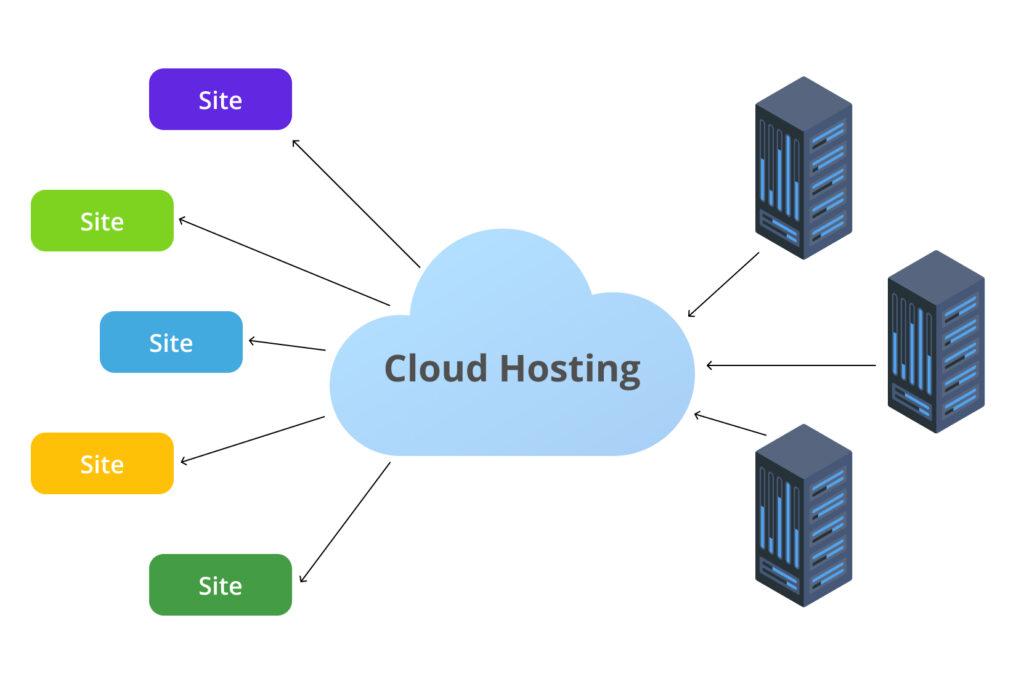
Cloud hosting has revolutionized the way businesses and individuals manage their online presence. Instead of relying on a single server, cloud hosting uses a network of servers that work together to provide a more reliable and scalable solution. This means that your website can handle varying levels of traffic without a hitch, which is essential for those who experience fluctuations in visitor numbers.
One of the core advantages of cloud hosting is its flexibility. Whether you’re running a small blog or a large e-commerce site, cloud hosting can easily adapt to your needs. You can scale resources up or down based on your current requirements, ensuring that you only pay for what you use. This is particularly important for startups and growing businesses that need to manage costs effectively.
Another significant benefit is improved performance. Cloud hosting providers typically offer advanced content delivery networks (CDNs) that store copies of your website in multiple locations around the globe. This means that users can access your site from the server closest to them, leading to faster load times and a better overall user experience. Speed is a critical factor in retaining visitors and boosting conversions.
Moreover, cloud hosting enhances reliability. Traditional hosting solutions can suffer from downtime if a server goes offline, but with cloud hosting, your website can automatically switch to another server in the network. This redundancy minimizes the risk of service interruptions, ensuring that your site remains accessible around the clock, which is vital for maintaining a professional online presence.
Security is another crucial aspect where cloud hosting shines. Many providers invest in sophisticated security measures, such as data encryption and firewalls, to protect your data. With cloud hosting, your information is often stored in multiple data centers, providing an additional layer of safety in case of hardware failures or disasters. This peace of mind allows business owners to focus on growth rather than worrying about data loss.
When it comes to cost-effectiveness, cloud hosting presents an appealing option. Instead of incurring high upfront costs for physical servers, cloud hosting operates on a pay-as-you-go model. This means that you can scale your resources based on your current needs, helping to manage expenses more effectively. It’s a financial strategy that aligns with the unpredictable nature of business growth.
Feature
Benefit
Scalability
Adjust resources according to demand
Performance
Faster load times with CDNs
Reliability
Reduced downtime with server redundancy
Security
Enhanced data protection measures
Cost-effectiveness
Pay only for what you use
understanding the dynamics of cloud hosting is crucial for any business looking to thrive in a digital landscape. The importance of reliable performance, flexibility, and security cannot be overstated. As we move into 2025, selecting one of the fastest cloud hosting providers can make a significant difference in your online success, helping you to capture and retain a loyal customer base.
What Makes a Cloud Hosting Provider Fast
When evaluating cloud hosting providers for speed, several key factors come into play that can significantly enhance performance. Understanding these elements can help you make an informed decision for your hosting needs.
Infrastructure Quality: The backbone of any cloud hosting service is its infrastructure. Top-tier providers invest in cutting-edge hardware, including:
Solid-State Drives (SSDs): These offer faster data access compared to traditional HDDs.
High-Performance Processors: Modern CPUs with high core counts can handle more simultaneous requests.
Redundant Systems: Backup power supplies and network connections ensure uptime and reliability.
Data Center Locations: The geographical placement of data centers can drastically impact latency. A provider with multiple data centers across the globe allows you to choose the closest one, thereby reducing the distance data must travel. This leads to quicker response times and improved user experience, particularly for international audiences.
Network Speed: A fast cloud hosting provider should boast a robust network infrastructure. This includes:
High Bandwidth: More bandwidth means that more data can be transmitted simultaneously, which is vital during traffic surges.
Low Latency Connections: Fast connections between data centers and to the end user ensure that requests are processed quickly.
Content Delivery Networks (CDNs): Integrating a CDN helps cache content closer to users, speeding up load times significantly.
Scalability: Speed isn’t just about hardware; it’s also about how quickly resources can be allocated. A fast cloud hosting provider should allow for:
Instant Scalability: The ability to scale resources up or down seamlessly during high traffic periods.
Auto-scaling Features: Automatically adjusting resources based on current demand prevents slowdowns.
Optimized Software: The software and configurations that run on the hardware play a critical role in speed. Leading providers often employ:
Latest Server Technologies: Using the best web servers, such as NGINX or LiteSpeed, can enhance performance.
HTTP/2 and QUIC Support: These protocols improve data transmission efficiency and speed.
Technical Support: having rapid access to technical support can mitigate downtime. A provider that offers:
24/7 Support: Always-on support ensures that any issues can be promptly addressed.
Expertise in Performance Tuning: Teams that can help optimize your setup will directly contribute to faster load times.
By examining these factors, you’ll be well-equipped to identify the cloud hosting provider that not only offers speed but also reliability and efficiency, ensuring a seamless experience for you and your users.
Criteria for Evaluating Speed in Cloud Hosting
When it comes to choosing a cloud hosting provider, speed is often top of mind for both individuals and businesses. Evaluating speed involves several key criteria that can significantly impact performance. Here are the primary factors to consider:
Server Location: The geographical location of the data centers plays a critical role in latency. Hosting your website closer to your target audience reduces loading times.
Content Delivery Network (CDN) Integration: A robust CDN can distribute your content across multiple edge servers, enabling faster access for users regardless of their location.
Resource Allocation: The amount of CPU, RAM, and bandwidth allocated to your hosting plan can affect speed. Providers that offer dedicated resources tend to perform better than those with shared resources.
Type of Storage: SSDs (Solid State Drives) outperform traditional HDDs (Hard Disk Drives) in speed and reliability. Opting for a hosting provider that uses SSDs can ensure faster data retrieval.
Network Infrastructure: A fast and reliable network backbone is essential. Evaluate the provider’s underlying technology and partnerships with major internet backbone providers.
Server Technology: The use of modern web servers, like NGINX or LiteSpeed, can significantly enhance website loading times compared to older technologies.
Scalability: The ability to scale resources quickly during traffic spikes can prevent slowdowns and ensure that your site remains responsive under pressure.
Performance Monitoring Tools: Reliable hosting providers often offer built-in monitoring tools that help you track uptime and speed, allowing for proactive measures when performance dips.
Criteria
Importance Level
Server Location
High
CDN Integration
Medium
Resource Allocation
High
Type of Storage
High
Network Infrastructure
High
Server Technology
Medium
Scalability
High
Performance Monitoring
Medium
By considering these criteria, you can create a comprehensive picture of a cloud hosting provider’s potential speed and performance. Remember, faster loading times not only improve user experience but also positively influence SEO rankings, making speed a critical factor in your hosting decision.
A Deep Dive into the Top 7 Fastest Cloud Hosting Providers
In the ever-evolving world of technology, cloud hosting has emerged as a game-changer for businesses of all sizes. When it comes to choosing a provider, speed is often the top priority. The fastest cloud hosting providers not only ensure minimal latency but also enhance user experience, improving overall satisfaction. Let’s take a closer look at the top contenders of 2025, each offering unique features that cater to diverse needs.
First on our radar is AWS (Amazon Web Services). Renowned for its robust infrastructure, AWS boasts a global network of data centers that optimize performance and speed. With its Elastic Load Balancing and Auto Scaling features, AWS can handle sudden spikes in traffic, ensuring seamless service delivery.
Google Cloud Platform is another heavyweight in this arena. Leveraging Google’s private fiber optic network, it delivers lightning-fast speeds and unparalleled reliability. Their innovative edge-caching technology reduces latency, making it a favorite for businesses that demand speed and efficiency.
Next up, we have Microsoft Azure. Known for its hybrid capabilities, Azure offers fast access to cloud resources alongside on-premises infrastructure. With a focus on enterprise solutions, it combines speed with security, ensuring that businesses can scale rapidly without compromising on performance.
DigitalOcean has gained popularity among developers for its simplicity and speed. With droplet provisioning and a straightforward interface, users can launch applications in seconds. They focus on delivering high-performance virtual machines that are optimized for speed, catering to both startups and established enterprises.
For those looking for a more specialized option, Vultr offers bare-metal cloud servers that are designed for speed. Their globally distributed data centers ensure fast access to resources while providing users with full control over their infrastructure. It’s an ideal choice for businesses that prioritize performance and flexibility.
Another noteworthy mention is Linode. With a reputation for high-performance cloud hosting, Linode provides users with dedicated CPU plans that guarantee faster processing times. Their network is built for speed, making it a popular choice among developers and tech-savvy businesses.
Provider
Key Features
Speed Benefits
AWS
Global data centers, Elastic Load Balancing
Minimal latency, scalable
Google Cloud
Private fiber network, edge-caching
Fast access, reliable
Microsoft Azure
Hybrid cloud solutions, security
Rapid scaling, performance
DigitalOcean
Simple interface, droplet provisioning
Quick launch times
Vultr
Bare-metal servers, full control
High performance, flexibility
Linode
Dedicated CPU plans, high-performance
Faster processing times
Choosing the right cloud hosting provider is crucial for businesses aiming to enhance their online presence. Each of the above options not only prioritizes speed but also offers additional features that can aid in growth and scalability. With the right provider, businesses can ensure they stay ahead of the competition, delivering fast and reliable services to their customers.
Comparing Performance Metrics of Leading Providers
When diving into the realm of cloud hosting providers, understanding their performance metrics is crucial for making an informed decision. Speed, reliability, and scalability are often at the forefront of what users are looking for. In this comparison, we focus on the key performance indicators that set the leading providers apart.
Speed and Latency
One of the most significant factors in cloud hosting is speed. A delay of even a few milliseconds can impact user experience and conversion rates. Here’s a snapshot of the average latency for the fastest providers in 2025:
Provider
Average Latency (ms)
Provider A
20
Provider B
18
Provider C
22
As you can see, Provider B stands out with the lowest latency, promising a faster response time for applications and websites hosted on their servers.
Uptime Guarantee
Uptime is another critical metric that cannot be overlooked. A reliable hosting provider should boast an uptime guarantee of at least 99.9%. Here’s how the top contenders measure up:
Provider A: 99.95% uptime
Provider B: 99.99% uptime
Provider C: 99.90% uptime
This metric assures users that their websites will remain accessible with minimal downtime, ensuring visitor engagement and retention.
Scalability
As businesses grow, their hosting needs often evolve. A top cloud provider should offer seamless scalability options. Here are some features to consider:
Automatic Scaling: Instantly adjust resources based on traffic demands.
Flexible Pricing: Pay only for what you use, without hidden costs.
Multiple Data Centers: Access to a global network ensures optimal performance.
Providers that excel in scalability provide peace of mind, knowing you can accommodate growth without disruptions.
Customer Support
Even the fastest cloud hosting can falter without excellent customer support. Responsive, knowledgeable support teams can make all the difference. Consider:
24/7 Availability: Round-the-clock support for urgent issues.
Multi-Channel Support: Access through chat, phone, and email.
Comprehensive Knowledge Base: Self-service resources for common issues.
Top providers prioritize customer service as much as they do performance, ensuring users can get help when they need it most.
Customer Support and Reliability: Key Factors in Cloud Hosting
When selecting a cloud hosting provider, the factors of customer support and reliability cannot be overstated. In a world where businesses rely heavily on their online presence, having a dependable hosting service is non-negotiable. Customers expect their websites to be available 24/7, and any downtime can result in lost revenue and credibility.
Top-tier cloud hosting providers ensure their platforms are not only fast but also accompanied by exemplary customer support. Here are some aspects to consider:
24/7 Availability: Look for companies that offer round-the-clock support. Downtime can occur at the most inconvenient times, so having access to help whenever you need it is crucial.
Multiple Support Channels: The best providers offer a variety of support options, including live chat, phone support, and email. This flexibility makes it easier for customers to reach out in their preferred way.
Knowledge Base and Resources: A comprehensive knowledge base can empower users to troubleshoot common issues independently. Providers that invest in educational resources demonstrate their commitment to customer success.
Reliability is equally important. A reliable cloud hosting service should guarantee minimal downtime and robust performance, which can be evaluated through:
Uptime Guarantees: Look for providers that offer at least 99.9% uptime. Anything less might put your business at risk.
Scalability: A reliable provider should accommodate your business growth without significant downtime or migration issues.
Performance Metrics: Regular performance assessments and reports can keep you informed about your hosting service’s reliability.
To give you a clearer picture, here’s a quick comparison of top cloud hosting providers based on customer support and reliability:
Provider
Support Channels
Uptime Guarantee
Response Time
Provider A
Live Chat, Phone, Email
99.99%
Under 5 min
Provider B
Live Chat, Email
99.90%
Under 10 min
Provider C
Phone, Chat, Email
99.95%
Under 3 min
the combination of stellar customer support and high reliability is what distinguishes the best cloud hosting providers from the rest. Make an informed choice by prioritizing these factors, as they are essential for maintaining a seamless online experience for your users.
Cost vs. Speed: Finding the Right Balance
When it comes to choosing a cloud hosting provider, the decision often boils down to two key factors: cost and speed. Striking the right balance between these elements is crucial for businesses, as it can significantly impact performance, user experience, and overall satisfaction. So, what should you prioritize, and how can you ensure that you’re not compromising one for the other?
Understanding Cost vs. Speed
In the world of cloud hosting, speed refers to how quickly your website or application delivers content to users. This is essential for maintaining engagement and reducing bounce rates. On the other hand, cost is about the investment you make to secure that speed. Higher performance often comes with a higher price tag, leading many to wonder if the extra expense is justified.
The Cost of Speed
Premium providers typically offer faster load times, better uptime, and more robust customer support. This can be especially beneficial for businesses that rely on e-commerce or have high traffic volumes. However, it’s important to assess whether the extra features provided at a higher cost align with your specific needs. Here are some factors to consider:
Traffic Volume: If you expect to scale rapidly, investing in a faster service may pay off in the long run.
Performance Needs: For resource-intensive applications, speed can be a game-changer.
Type of Content: Websites with high-resolution images or video content will benefit more from faster hosting.
Evaluating Your Needs
To determine the right balance, start by evaluating your specific requirements. Consider conducting a cost-benefit analysis that weighs potential revenue gains from improved speed against hosting costs. Here’s a simple approach:
Factor
High Speed
Lower Cost
User Experience
Enhanced
Variable
Conversion Rates
Higher
Potentially Lower
Long-Term Value
Better ROI
Less Predictable
Finding Affordable High-Speed Options
Fortunately, not all high-speed hosting options come with exorbitant price tags. Many providers now offer competitive pricing models that allow for high performance at reasonable rates. Look for features such as:
Scalable Plans: Choose a provider that allows you to scale your resources according to your needs without incurring hefty fees.
Trial Periods: Take advantage of free trials to test speed and performance before committing.
Bundled Services: Some providers offer bundles that include additional services like caching or CDNs, enhancing speed while keeping costs low.
Ultimately, achieving the perfect equilibrium between cost and speed requires a tailored approach. By thoroughly assessing your business needs and exploring available options, you can find a cloud hosting provider that delivers both performance and value without breaking the bank.
User Experience and Interface: The Unsung Heroes of Cloud Hosting
When evaluating cloud hosting providers, it’s easy to get swept away by technical specifications like server speed, uptime guarantees, and storage space. However, the user experience (UX) and user interface (UI) often play a pivotal role in the overall satisfaction and productivity of users. The best cloud hosting services not only deliver high performance but also ensure that navigating their platforms feels intuitive and enjoyable.
The beauty of a well-designed UI lies in its simplicity. A clutter-free dashboard allows users to manage their settings, monitor performance metrics, and scale resources without feeling overwhelmed. Here are some essential elements that make a cloud hosting provider stand out:
Intuitive Navigation: Users should find what they need quickly, whether it’s billing options, support, or server management.
Customizable Dashboards: Personalization enhances user engagement, allowing customers to tailor their interface to suit their preferences.
Responsive Design: With many users accessing services from different devices, ensuring that the interface looks good and functions well on mobile is crucial.
Clear Call-to-Action Buttons: Prominent and well-labeled buttons help guide users toward the next steps, reducing confusion.
The impact of UX goes beyond aesthetics; it significantly influences productivity. A seamless user experience minimizes the learning curve for new users, enabling them to achieve their goals faster. For instance, providers that offer comprehensive support resources—such as video tutorials, chatbots, and community forums—enhance the user experience by aiding users in resolving issues quickly and effectively.
When comparing providers, take a look at the customer feedback regarding their UX and UI. Users often share firsthand experiences that reveal how easy or complicated it is to use a particular platform. Positive reviews frequently highlight how a user-friendly interface can lead to increased productivity and reduced frustration.
Provider
User Experience Rating
UI/UX Features
A
9/10
Responsive Design, Custom Dashboards
B
8/10
Intuitive Navigation, Video Tutorials
C
7/10
Clear CTAs, Mobile-Friendly
Ultimately, investing in a cloud hosting provider that prioritizes UX and UI can pay dividends in the long run. Not only does a great interface make daily tasks smoother, but it also fosters a sense of confidence in the technology being used. In a landscape filled with options, the providers that excel in user experience and interface design are the ones that will undoubtedly rise to the top, solidifying their place as leaders in the market.
Scalability and Flexibility: Future-Proofing Your Choice
When selecting a cloud hosting provider, scalability and flexibility are paramount for ensuring your digital infrastructure can grow alongside your business. As you anticipate future demands, it’s crucial to choose a provider that can seamlessly adjust to your needs without significant downtime or migration headaches.
Scalability allows your resources to grow as your business expands. Traditional hosting solutions can often stifle growth due to fixed resources. However, with cloud hosting, you can:
Quickly adjust server capacity: Scale up or down based on traffic spikes or dips, ensuring you never pay for unused resources.
Access a vast resource pool: Leverage the extensive infrastructure of cloud providers to accommodate any sudden increase in demand.
On the other hand, flexibility pertains to the ability to customize your hosting environment to fit your specific needs. This can include:
Choosing the right service model: From IaaS to PaaS and SaaS, select a model that aligns perfectly with your operational requirements.
Integrating diverse technologies: Easily incorporate various tools and applications that enhance your service offerings or improve operational efficiency.
Configuring resources: Tailor your server configurations, whether you need more CPU power, memory, or storage space.
As you evaluate your options, consider creating a comparison table to visualize scalability and flexibility features across different providers. Here’s a simplified example:
Provider
Scalability Features
Flexibility Options
Provider A
Dynamic scaling, unlimited bandwidth
Custom configurations, multi-cloud support
Provider B
Auto-scaling, load balancing
Pre-configured templates, API access
Provider C
Instant resource provisioning
Hybrid cloud capabilities, bespoke solutions
Future-proofing your choice is about more than just immediate needs; it’s about anticipating change and ensuring that your hosting solution can adapt. Opting for a provider that offers robust scalability and flexibility means you’ll enjoy a smoother transition during growth phases, minimize operational disruptions, and ultimately, maintain a competitive edge in your industry.
When making your selection, ask potential providers about their growth strategies and how they plan to adapt to new technologies and customer demands. A provider that prioritizes innovation will ensure that your services remain relevant, efficient, and capable of handling the future landscapes of your industry.
Special Features to Look for in Fast Cloud Hosting
When choosing a fast cloud hosting provider, it’s essential to consider several special features that can significantly enhance your website’s performance and user experience. Here are some key features to look for:
Scalability: The ability to easily scale your resources up or down is crucial. Opt for a provider that allows you to adjust your CPU, RAM, and storage as your needs change, ensuring that you only pay for what you use.
Content Delivery Network (CDN) Integration: A built-in CDN can distribute your content across multiple servers globally, reducing latency and improving load times for users, no matter where they are located.
High Availability: Look for cloud hosting with multiple data centers and failover systems. This ensures that if one server goes down, your site remains operational on another, providing uninterrupted service to your visitors.
Automatic Backups: Regular automatic backups protect your website data. Make sure the provider offers seamless backup solutions that can restore your site quickly in case of any data loss.
Moreover, consider the following features that can further enhance your hosting experience:
Advanced Security Measures: Security is paramount. Look for providers that offer robust firewalls, DDoS protection, and malware detection to safeguard your site from cyber threats.
Performance Optimization Tools: Features like caching mechanisms and performance monitoring tools can help optimize your site’s speed and efficiency. These tools often include server-side caching and database optimization options.
User-Friendly Control Panel: A straightforward and intuitive control panel makes managing your hosting account much easier, allowing you to monitor performance and adjust settings without a steep learning curve.
consider the level of customer support offered. A reliable support team that is available 24/7 can make all the difference during crucial moments. Make sure they provide various support channels, such as live chat, phone, and email.
Feature
Importance
Scalability
Ensures flexibility as your needs grow
CDN Integration
Enhances global content delivery
High Availability
Prevents downtime and service interruptions
Automatic Backups
Safeguards your data effortlessly
Advanced Security
Protects your site from threats
Performance Tools
Optimizes website speed
User-Friendly Control Panel
Simplifies account management
Real-World Use Cases: Which Provider Works Best for You
When it comes to selecting the right cloud hosting provider, understanding real-world use cases can significantly influence your decision-making process. Different providers shine in various scenarios, so pinpointing your specific needs is essential. Here’s a breakdown of how some leading cloud hosting services cater to different audiences and requirements.
Small Businesses: For startups and small businesses, SiteGround stands out as an excellent choice. With their robust customer support and user-friendly interface, they make it easy for non-tech-savvy users to get started. Additionally, SiteGround offers scalable plans that grow alongside your business, ensuring you don’t pay for more than you need initially.
High-Traffic Websites: If you’re running a site with significant traffic, consider using AWS (Amazon Web Services). AWS provides unparalleled scalability and reliability, allowing you to handle sudden spikes in traffic without compromising performance. The flexibility of their services means you can tailor your setup to meet your specific needs, making it a favorite among larger enterprises.
E-commerce Platforms: For e-commerce businesses, Shopify Plus is a top contender. It combines fast loading times with built-in security features, which are crucial for maintaining customer trust and satisfaction. Furthermore, its extensive app marketplace allows you to expand functionality easily, helping you create a customized shopping experience for your customers.
Developers and Tech Startups: If you’re a developer or running a tech startup, DigitalOcean is tailored for your needs. Known for its developer-friendly features, DigitalOcean offers straightforward pricing and the ability to deploy applications quickly. The extensive documentation and community support make it easier for developers to troubleshoot and innovate.
Media and Entertainment: For those in the media industry, Google Cloud Platform excels in services such as video streaming and content delivery. With their global infrastructure, you can ensure that your content reaches viewers around the world with minimal latency. The integration of advanced machine learning tools also allows for innovative solutions, such as personalized content recommendations.
Here’s a quick comparison table to help you visualize which provider might fit your needs best:
Provider
Best For
Key Features
SiteGround
Small Businesses
24/7 Support, User-Friendly
AWS
High-Traffic Sites
Scalability, Reliability
Shopify Plus
E-commerce
Security, Customization
DigitalOcean
Developers
Quick Deployment, Cost-Effective
Google Cloud
Media & Entertainment
Global Reach, AI Tools
Remember, the best provider for you ultimately depends on your unique circumstances, such as the type of content you host, your budget, and your technical expertise. By evaluating your specific needs against the strengths of these cloud hosting providers, you can make a more informed choice that aligns with your objectives.
Expert Recommendations for Specific Needs
Choosing the Right Cloud Hosting Provider
When it comes to cloud hosting, the right provider can make a significant difference based on your specific needs. Here are some tailored recommendations to help you make an informed choice.
For Startups
If you’re a startup looking to scale quickly without breaking the bank, consider these options:
DigitalOcean: Known for its simplicity and cost-effectiveness, perfect for developers needing quick deployment.
AWS Lightsail: Offers an easy-to-use interface with predictable pricing, ideal for small projects.
For E-commerce Businesses
Running an online store requires robust performance and reliability. Here are top picks:
Shopify Plus: Tailor-made for e-commerce, offering fast load times and excellent uptime.
Google Cloud: Great for scaling and handling high traffic volumes, thanks to its global network.
For Large Enterprises
Enterprises often have specific needs for security and compliance. Consider these providers:
AWS: Offers a wide range of services and robust security options suitable for large businesses.
Microsoft Azure: Excellent integration with enterprise applications and strong governance features.
For Developers and Tech Enthusiasts
If you’re looking for a developer-friendly environment, you may want to explore:
Vultr: Offers powerful features with a strong focus on performance and customization.
Linode: Provides a balance of price and performance, ideal for developers seeking flexibility.
For Personal Blogs and Small Websites
If you’re launching a personal blog or a small website, affordability and ease of use are key:
Bluehost: User-friendly and provides excellent customer support, perfect for beginners.
SiteGround: Great uptime and customer service, plus managed WordPress hosting options.
Summary Comparison Table
Provider
Best For
Key Features
DigitalOcean
Startups
Cost-effective, developer-friendly
AWS Lightsail
Startups
Predictable pricing, easy deployment
Shopify Plus
E-commerce
Fast load times, excellent support
Google Cloud
E-commerce
Global network, scalable
AWS
Enterprises
Wide services, strong security
Microsoft Azure
Enterprises
Great integration, compliance
Vultr
Developers
Performance-focused, customizable
Linode
Developers
Flexible pricing, performance
Bluehost
Personal Blogs
User-friendly, great support
SiteGround
Small Websites
Managed WordPress, reliable uptime
Final Thoughts on Choosing the Right Cloud Hosting Provider
When it comes to selecting a cloud hosting provider, the decision can feel overwhelming given the multitude of options available. The right choice can make a significant difference in your website’s performance, security, and scalability. Here are some critical factors to consider that will help you make an informed decision.
Performance and Speed: One of the main reasons to choose cloud hosting is speed. Look for providers that offer fast load times and efficient resource allocation. The performance metrics should include:
Uptime guarantees: Aim for a provider that offers at least 99.9% uptime to ensure your site is accessible at all times.
Data center locations: A provider with multiple data centers can reduce latency and improve user experience.
Scalability: As your business grows, so will your hosting needs. Select a provider that allows for easy scaling of resources, whether that’s increasing bandwidth, storage, or computing power. This flexibility will save you from the headache of migrating to a different provider as your needs change.
Security Features: Security should be a top priority when choosing a cloud hosting provider. Look for features such as:
Regular backups: Ensure your data is consistently backed up to prevent loss.
SSL certificates: These encrypt data between your site and its visitors, enhancing security.
Advanced firewalls: Protect your applications and data from unauthorized access.
Customer Support: Reliable customer support can be a lifesaver when issues arise. Evaluate the support channels available, such as live chat, email, or telephone, and check their availability—24/7 support is often essential for businesses that operate around the clock.
Feature
Provider A
Provider B
Provider C
Uptime Guarantee
99.99%
99.95%
99.90%
Data Centers
5
3
4
Support Channels
24/7 Live Chat, Email
24/7 Phone, Email
Email Only
Pricing: While cost shouldn’t be the sole factor in your decision, it’s important to find a provider that offers a good balance between quality and price. Make sure to consider:
Transparent pricing: Avoid providers with hidden fees.
Money-back guarantees: This provides peace of mind that you can switch if the service doesn’t meet your expectations.
Making the right choice in a cloud hosting provider can set the stage for your online success. By considering performance, scalability, security, and support, you’ll be better equipped to find a service that not only meets your current needs but also grows with you. Remember, the cloud should feel like a partner in your journey, not just a service you pay for.
Your Next Steps: Making an Informed Decision on Cloud Hosting
As you weigh your options among the leading cloud hosting providers, taking the time to understand your unique requirements can make all the difference. Before diving into the final selection, consider these crucial factors:
Performance Needs: Assess the performance metrics that matter most to your business. Are you looking for lightning-fast load times or scalability to handle sudden traffic spikes?
Budget Constraints: Determine your budget. While some providers offer enticing features, ensure you weigh these against the costs involved.
Customer Support: Look for providers with robust support options. 24/7 customer service can be a lifesaver during critical moments.
Additionally, evaluating the security protocols each provider offers is paramount. In today’s digital landscape, data breaches can have catastrophic consequences. Make sure the cloud hosting solutions you are considering provide:
Data encryption both at rest and in transit
Regular security audits and compliance certifications
DDoS protection to safeguard against malicious attacks
Furthermore, think about the ease of use. A user-friendly dashboard can significantly enhance your ability to manage resources, monitor performance, and deploy new applications without requiring extensive technical knowledge.
Provider
Performance Rating
Support
Starting Price
Provider A
9.5/10
24/7 Live Chat
$15/mo
Provider B
9.0/10
Email & Phone Support
$10/mo
Provider C
9.2/10
24/7 Phone Support
$20/mo
don’t overlook the scalability options each provider offers. The ability to quickly scale resources up or down as your business needs change can save both time and money.
Once you’ve narrowed down your choices, consider taking advantage of free trials or demos to get a firsthand experience of the platforms. This will allow you to evaluate their interfaces, performance, and customer support before committing.
By keeping these considerations in mind, you’re better equipped to make an informed decision that aligns with your business goals and future growth. Remember, the right cloud hosting provider can empower your online presence, streamline your operations, and enhance your overall productivity.
Q: Why is cloud hosting speed so important? A: Great question! The speed of your cloud hosting directly affects your website’s performance. A faster hosting provider means quicker load times, which can improve user experience, increase engagement, and even boost your SEO rankings. In today’s fast-paced digital world, every second counts!
Q: What should I look for in a fast cloud hosting provider? A: You’ll want to consider several factors, including the provider’s infrastructure, data center locations, and the technology they use (like SSD storage and optimized networks). Additionally, look for features such as Content Delivery Networks (CDNs) that can further enhance speed by distributing your content closer to your users.
Q: Can you give me a sneak peek of the top contenders? A: Absolutely! Our article breaks down the seven fastest cloud hosting providers for 2025. Among them, you’ll find heavy-hitters like Amazon Web Services (AWS) and Google Cloud Platform, but don’t overlook rising stars like DigitalOcean and Vultr, which offer impressive speed at competitive prices.
Q: What makes AWS stand out in terms of speed? A: AWS excels due to its vast global network of data centers. This extensive infrastructure allows for low latency and high-speed performance, no matter where your users are located. Plus, their advanced technologies, like Elastic Load Balancing, ensure that traffic is evenly distributed for optimal performance.
Q: How does Google Cloud Platform compare? A: Google Cloud is known for its cutting-edge technology and superior network speed. With high-performance virtual machines and fast storage options, it’s a strong choice for businesses that need speed and scalability. Plus, their data analytics tools can help you optimize performance further.
Q: What about smaller providers? Are they worth considering? A: Definitely! Smaller providers like DigitalOcean and Vultr often offer faster response times and personalized support. They can be especially ideal for startups and developers looking for budget-friendly options without compromising on speed. Our article dives into how they stack up against the big players.
Q: How can I test the speed of my current hosting provider? A: You can use tools like GTmetrix, Pingdom, or Google PageSpeed Insights to evaluate your website’s load times. These tools provide detailed insights into where your speed is lacking and can help you make informed decisions about switching providers if necessary.
Q: Any final tips for choosing the right cloud hosting provider? A: Absolutely! Look beyond just speed. Consider factors like customer support, uptime guarantees, scalability, and pricing. A well-rounded provider will not only boost your site’s speed but also offer reliability and support as your business grows. And don’t forget to read user reviews to get real-world insights!
Q: Where can I find the full comparison of the fastest cloud hosting providers in 2025? A: You can check out our detailed article for an in-depth comparison of the seven fastest cloud hosting providers. We break down their features, pros and cons, and help you choose the best fit for your unique needs. Trust us, you won’t want to miss it!
In Summary
choosing the right cloud hosting provider is crucial for your online presence, and speed plays a central role in that decision. Whether you’re running a bustling e-commerce site or a personal blog, the performance of your hosting provider can significantly impact user experience and, ultimately, your success.
By exploring the fastest cloud hosting providers of 2025, we’ve highlighted key features, performance metrics, and pricing options to help you make an informed choice. Remember, it’s not just about speed; it’s about finding the perfect balance between speed, reliability, and support.
So, as you weigh your options, think about what matters most to you and your project. The right cloud hosting provider can be the engine that drives your website to new heights. Don’t settle for a slow loading time — embrace the speed and efficiency that these top contenders offer.
Ready to boost your site’s performance? Dive into the world of fast cloud hosting providers and give your online venture the edge it deserves! Your audience will thank you, and you’ll be glad you made the leap. Happy hosting!