Hey there, fellow marketers and business enthusiasts! If you’ve ever found yourself scratching your head over how to boost your website traffic or enhance your online presence, you’re not alone. In today’s digital landscape, knowing how to leverage every tool at your disposal is crucial, and that’s where branded keywords come into play. But what exactly are branded keywords, and how can they supercharge your traffic?
Think of branded keywords as the secret sauce to your SEO strategy. They not only capture the essence of your brand but also connect you directly with your audience’s search intent. By strategically incorporating these keywords into your content, you can elevate your visibility, attract more visitors, and ultimately convert them into loyal customers. So, are you ready to dive deep into the world of branded keywords and discover how to harness their power? Let’s get started!
Understanding Branded Keywords and Their Importance
Branded keywords are search terms that include the name of a specific brand or a variation thereof. They play a crucial role in digital marketing, particularly for businesses looking to establish a strong online presence. When potential customers enter queries that contain your brand name, they are often further along in the buying process, indicating a higher level of intent and interest. This is why understanding and leveraging branded keywords can significantly impact your website traffic.
One of the most compelling reasons to focus on branded keywords is their ability to attract highly relevant traffic. Here’s why you should consider incorporating them into your SEO strategy:
Higher Conversion Rates: Users searching for branded keywords are typically familiar with your brand, making them more likely to convert.
Brand Loyalty: Engaging with customers through branded keywords reinforces their loyalty, encouraging repeat visits.
Competitive Advantage: Securing the top positions for branded keywords can help you overshadow competitors in search results.
Trust and Credibility: Having strong visibility for your brand terms builds trust with potential customers.
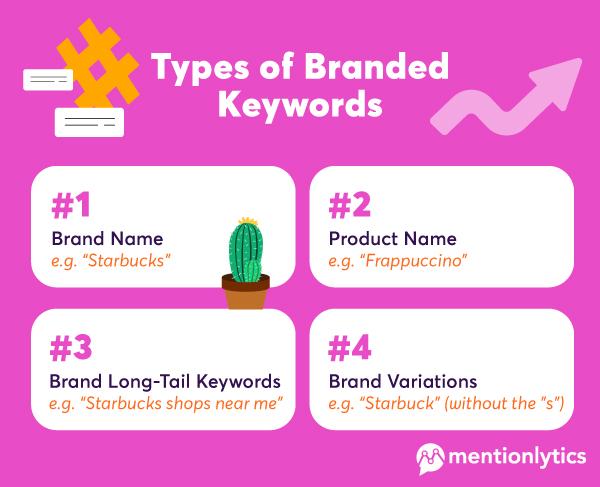
To effectively utilize branded keywords, you should start by identifying the specific terms associated with your brand. This includes your brand name, product names, and any associated unique phrases. Once you have a comprehensive list, implement them across your website’s content, including:
Website copy
Blog posts
Meta descriptions and title tags
Social media posts
Monitoring and analyzing branded keyword performance is equally essential. Here’s a quick look at how you can track their effectiveness:
Metric
Importance
Search Volume
Indicates how many people are searching for your brand.
Click-Through Rate (CTR)
Measures the percentage of users who click on your link after seeing it in search results.
Conversion Rate
Shows the percentage of visitors who take a desired action on your site.
Incorporating branded keywords into your PPC campaigns can also amplify your reach. By bidding on your own brand terms, you ensure that your ads appear at the top of search results, further increasing visibility and traffic. Additionally, consider using negative keywords to filter out irrelevant traffic and optimize your spending.
don’t overlook the potential for user-generated content related to your brand. Encourage customers to share their experiences through reviews, testimonials, and social media posts, which can naturally enhance your branded keyword presence. This organic content can lead to increased engagement and an even stronger brand reputation.
The Difference Between Branded and Non-Branded Keywords
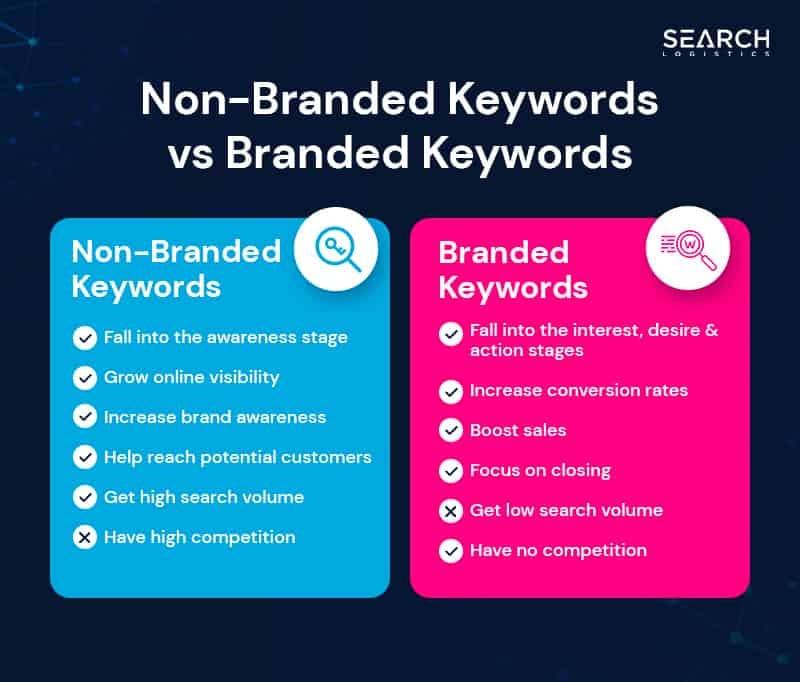
When it comes to search engine optimization (SEO), understanding is crucial for shaping your marketing strategy. Branded keywords refer to search terms that include your company’s name or a specific product line. For example, if your brand is “EcoBrew,” keywords like “EcoBrew coffee” or “EcoBrew products” are considered branded keywords. These keywords typically attract users who are already familiar with your brand, indicating a higher intent to purchase or engage.
On the other hand, non-branded keywords are more generic and do not include your brand name. They focus on broader topics or categories, such as ”best organic coffee” or “sustainable coffee brands.” These keywords help attract a wider audience who may not yet be aware of your brand but are searching for specific information or products. Using both types of keywords effectively can help to broaden your reach and increase traffic to your site.
Here’s why you should focus on both types of keywords:
Brand Awareness: Branded keywords are essential for building brand recognition. When users search for your brand specifically, it reflects your visibility and credibility in the marketplace.
Targeted Traffic: Users searching for branded keywords are often more likely to convert since they already have a level of trust or familiarity with your offerings.
Broader Reach: Non-branded keywords allow you to capture the interest of potential customers who may not yet know about your brand, expanding your audience base.
SEO Strategy: A balanced approach that incorporates both keyword types can enhance your SEO strategy, ensuring you are not only attracting return customers but also new visitors.
To effectively leverage branded and non-branded keywords, consider using a combination of both in your content marketing efforts. For example, when writing blog posts, include articles that cater to non-branded searches like “top coffee brewing methods,” while also creating content that highlights your unique brand offerings.
Here’s a quick comparison table to illustrate the key differences:
Aspect
Branded Keywords
Non-Branded Keywords
Definition
Includes brand name
No brand name included
User Intent
Higher purchase intent
Research or comparison intent
Competition
Often less competitive
More competitive
Conversion Rate
Typically higher
Usually lower initially
the key to a successful SEO strategy lies in balancing your use of branded and non-branded keywords. By doing so, not only will you foster brand loyalty and recognition, but you’ll also attract new customers, ultimately driving traffic and conversions on your website. Remember, every search is an opportunity; make sure you’re prepared to capitalize on both branded and non-branded queries to maximize your growth potential.
How Branded Keywords Impact Your Brand’s Visibility
Branded keywords are crucial for enhancing your brand’s visibility in a competitive online landscape. When potential customers search for your brand specifically, they’re often already in the consideration phase of their purchasing journey. This means that optimizing for branded keywords can significantly increase your chances of converting these interested users into loyal customers.
Utilizing branded keywords effectively can lead to a host of benefits:
Improved Search Engine Rankings: Search engines prioritize branded searches, which can help your website rank higher in search results.
Increased Click-Through Rates: Users searching for your brand are more likely to click on your links, leading to higher traffic volumes.
Enhanced Brand Recognition: Regularly appearing in search results for branded keywords helps solidify your presence in the minds of consumers.
Greater Trust and Authority: When users find your brand easily, it builds credibility and trust, making them more likely to choose you over competitors.
To maximize the impact of branded keywords, consider the following strategies:
Incorporate Branded Keywords in Content: Use them strategically in blog posts, product descriptions, and landing pages to optimize for search engines.
Leverage Social Media: Promote content that features your branded keywords across your social media channels to drive traffic and boost visibility.
Monitor Brand Mentions: Keep track of how often your brand is mentioned online. Use tools like Google Alerts or social listening software to stay informed.
Optimize Your Google My Business Profile: Including branded keywords in your business profile can enhance local search visibility.
Moreover, creating a well-structured content strategy that includes branded keywords can lead to higher engagement levels. Highlighting your unique selling propositions and the benefits of your products or services can draw users in. Consider implementing a content calendar to ensure consistent use of branded keywords across all platforms.
Here’s a quick table summarizing how branded keywords can affect different aspects of your brand:
Aspect
Impact
SEO Performance
Higher rankings for branded searches
User Engagement
Increased interaction with content
Brand Awareness
Enhanced visibility and recognition
Trustworthiness
Improved consumer trust and loyalty
Additionally, don’t underestimate the power of long-tail branded keywords. These are phrases that include your brand name along with other specific terms. They may attract less traffic than broader keywords, but they often convert better as they target users with specific intent. Examples include “BrandName best products” or “BrandName customer reviews.”
Incorporating branded keywords into your marketing strategy is not just about improving numbers; it’s about cultivating a strong brand identity and fostering deeper connections with your audience. By understanding and leveraging the impact of branded keywords, you can take substantial steps toward growing your business and achieving sustained success.
Identifying Your Key Branded Keywords
To effectively harness the power of branded keywords, start by identifying the terms and phrases that resonate most with your audience. These keywords are not merely about your brand name; they encompass the specific products or services you offer, as well as any common misspellings or variations. By understanding what your potential customers are searching for, you can tailor your content strategy to meet their needs.
Begin by brainstorming a list of potential branded keywords. Consider the following:
Your brand name – Include variations and common abbreviations.
Products and services - Think about how consumers describe what you offer.
Industry terms - Use jargon that your audience is familiar with.
Competitor names – Understand how your brand compares and what terms people might use when searching for alternatives.
Next, leverage tools like Google Keyword Planner, SEMrush, or Ahrefs to refine your list. These tools can provide valuable insights into search volume, competition, and related keywords that may enhance your strategy. Focus on long-tail keywords, which tend to have lower competition and higher conversion rates. For instance:
Keyword
Search Volume
Competition Level
Brand X shoes
1,500
Medium
Buy Brand X online
800
Low
Brand X customer reviews
600
High
Once you’ve established your list, it’s crucial to analyze their performance regularly. Monitor which keywords are driving traffic and leading to conversions. This ongoing evaluation will help you adjust your content strategy to focus on high-performing terms while phasing out those that aren’t yielding results.
In addition to organic search, consider incorporating your branded keywords into your paid advertising campaigns. Use them in ad copy, landing pages, and calls to action to enhance relevance and improve your Quality Score, thereby reducing your cost-per-click. A well-optimized ad campaign can significantly boost your visibility and draw more traffic to your site.
don’t forget to include branded keywords in your social media and email marketing efforts. Consistent use across multiple platforms increases brand visibility and recognition, making it easier for your audience to find and engage with your content. Use these keywords in hashtags, post captions, and newsletters to create a cohesive brand identity.
When it comes to digital marketing, understanding your audience is crucial. Your branded keywords serve as the foundation for this understanding, allowing you to create content that resonates. To craft compelling content around these keywords, you need to think creatively about how they fit into your overall brand narrative. This isn’t just about stuffing keywords into your text; it’s about weaving them into a story that captivates and engages your audience.
1. Know Your Audience: Before writing, take time to research who your audience is and what they care about. This understanding will help you tailor your content to their interests and needs. Consider using tools like Google Analytics or social media insights to gather data on your audience’s preferences.
2. Create Valuable Content: Your content should provide value, whether it’s through education, entertainment, or solutions to their problems. For example, if your brand is centered around eco-friendly products, create content that discusses sustainability tips, product comparisons, or case studies of successful environmentally-friendly initiatives. This approach not only incorporates your branded keywords but also positions your brand as a thought leader in your industry.
3. Use a Conversational Tone: Write as if you’re having a conversation with a friend. This makes your content more relatable and engaging. Use contractions, ask questions, and include anecdotes. For example, instead of saying, ”Our products are the best in the market,” try, “You’ll be amazed at how our products can make your life easier!”
4. Incorporate Keywords Naturally: Rather than forcing your branded keywords into every sentence, look for natural opportunities to include them. This might mean using them in headers, creating catchy subheadings, or even integrating them into lists. Here’s an example of how to structure a list using your branded keywords:
Branded Keyword
Content Idea
Eco-Friendly Products
10 Ways to Reduce Your Carbon Footprint
Smart Home Gadgets
How Smart Technology Can Simplify Your Life
Health Supplements
The Benefits of Natural Ingredients in Your Diet
5. Use Visuals to Enhance Your Message: People are visual learners. Incorporate relevant images, infographics, or videos that complement your content and branded keywords. This not only makes your posts more engaging but also increases the likelihood of being shared on social media.
6. Optimize for SEO: It’s essential to optimize your content for search engines. This means using your branded keywords in key areas such as the title, meta descriptions, and alt text for images. Additionally, ensure your content is easy to read and structured well, as this boosts your SEO ranking and enhances user experience.
7. Encourage Engagement: End your posts with a call-to-action that invites readers to share their thoughts, experiences, or questions related to your content. This not only builds community but also provides you with valuable insights into what your audience wants to read about next.
Optimizing Your Website for Branded Keyword Success
To truly capitalize on branded keywords, it’s essential to integrate them seamlessly into your website’s overall strategy. Start by conducting comprehensive research on your brand’s keywords, focusing on both short and long-tail variations. This will help you understand how users are searching for your products or services, giving you actionable insights to optimize your content.
Consider these key tactics to enhance your website’s performance for branded keywords:
Keyword Placement: Strategically place your branded keywords in key locations such as headings, meta descriptions, and throughout your content. This ensures search engines recognize their relevance.
Content Quality: Create high-quality, engaging content that provides value to your audience. Ensure your branded keywords fit naturally within this content, making it both informative and optimized.
Internal Linking: Use internal links to connect related pages within your website. This not only helps users navigate but also boosts your SEO by distributing link equity across your site.
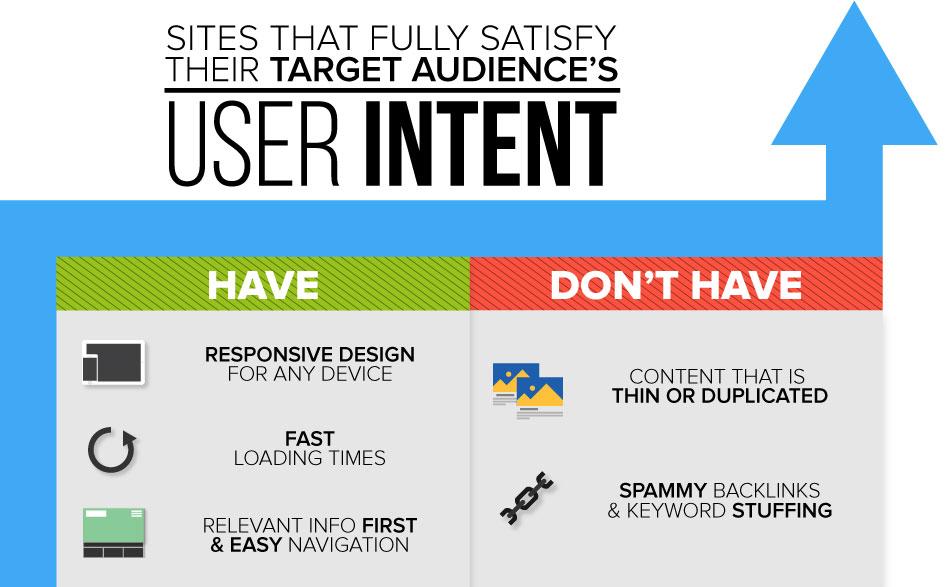
User Experience: Enhance your website’s user experience by ensuring that it is mobile-friendly, fast-loading, and easy to navigate. A positive user experience can lead to lower bounce rates and higher conversions.
Utilizing branded keywords effectively can lead to improved search engine rankings and increased traffic. Consider creating a dedicated page for your brand that highlights your unique offerings and incorporates these keywords naturally. This dedicated content can serve as a central hub for all brand-related information, increasing its visibility and serving as a resource for visitors.
Monitoring your performance is crucial. Use analytics tools to track how well your branded keywords are performing over time. This allows you to adjust your strategy based on which keywords draw the most traffic and conversions. Here’s a simple table to illustrate how you can track your metrics:
Keyword
Search Volume
Click-Through Rate (CTR)
Conversion Rate
Brand Name A
1500
25%
10%
Brand Name B
1000
20%
8%
Brand Name C
800
15%
5%
don’t underestimate the power of social proof. Encourage your customers to leave reviews and testimonials on your website and social media. Positive feedback can help enhance your brand’s reputation and boost organic search visibility, making your branded keywords even more effective.
Leveraging Social Media to Promote Your Branded Keywords
In today’s digital landscape, social media is more than just a platform for connection; it’s a powerful tool for promoting your branded keywords. By strategically using these platforms, you can enhance your online visibility and drive more traffic to your site. Here are some effective strategies to leverage social media for your branded keywords:
Create Engaging Content: Develop shareable content that naturally incorporates your branded keywords. Infographics, videos, and interactive polls can spark engagement while reinforcing your brand identity.
Utilize Hashtags: Hashtags are a great way to enhance visibility. Create a unique hashtag around your branded keywords to encourage conversations and increase discoverability.
Collaborate with Influencers: Partner with influencers who resonate with your brand. They can help amplify your message and organically weave your branded keywords into their content, reaching wider audiences.
Run Targeted Ads: Utilize targeted advertising to promote posts that highlight your branded keywords. This can help you reach specific demographics who are likely to engage with your brand.
Moreover, consider using social media analytics tools to track the performance of your branded keywords. By analyzing engagement metrics, you can identify which keywords are driving traffic and adjust your strategy accordingly. For example, look at the following table to assess how different platforms measure engagement for your branded keywords:
Platform
Engagement Type
Optimal Keyword Strategy
Facebook
Shares, Comments
Use engaging visuals and compelling storytelling.
Utilize trending hashtags and participate in relevant conversations.
LinkedIn
Shares, Comments
Focus on industry-specific content that highlights your expertise.
Integrating your branded keywords into your social media bio and profile also strengthens your brand’s presence. This not only helps in showcasing your expertise but also ensures that anyone visiting your profile can easily identify what you stand for. Make sure to include these keywords in a natural, conversational tone that reflects your brand’s personality.
engage with your audience. Responding to comments and messages not only builds community but also provides opportunities to include your branded keywords in a conversational context. Encourage user-generated content that features your keywords, creating a cycle of engagement that keeps your brand top-of-mind.
Monitoring and Measuring the Impact of Branded Keywords
Understanding the effectiveness of branded keywords requires a strategic approach to monitoring and measurement. By implementing the right tools and techniques, you can gain valuable insights into how these keywords are performing and their overall impact on your brand’s visibility and traffic.
Firstly, setting clear objectives is crucial. What do you want to achieve with your branded keywords? Some common objectives include:
Another effective method is tracking your keyword rankings. Tools like SEMrush or Ahrefs can help you monitor:
Rank position: Keep an eye on where your branded keywords rank on search engine results pages (SERPs).
Traffic estimates: Get insights into how much traffic each branded keyword is driving to your site.
Competitor analysis: See how your branded keywords stack up against competitors in the same niche.
To further understand the impact of your branded keywords, consider conducting surveys or polls. Ask your audience how they discovered your brand, which can provide qualitative data on brand recognition and keyword effectiveness. Gathering feedback from customers can reveal:
Perception: How your audience views your brand and what keywords resonate with them.
Awareness: Insights into how many customers associate your brand with specific keywords.
For a more detailed overview, consider creating a reporting table to consolidate your metrics. This can visually represent the performance of your branded keywords over time:
Keyword
Traffic
Conversion Rate
Rank Position
Brand X Shoes
1,500
5%
1
Brand X Bags
800
3%
2
Brand X Accessories
600
4%
4
By consistently monitoring and measuring the impact of your branded keywords, you can make data-driven decisions that enhance your marketing strategies. This not only allows you to optimize your keyword usage but also aligns your overall business goals with the evolving needs and preferences of your target audience.
Incorporating Branded Keywords in Paid Advertising Campaigns
Incorporating branded keywords into your paid advertising campaigns is a strategic move that can amplify your visibility and drive more targeted traffic to your website. When utilized effectively, these keywords can create a powerful alignment between your brand identity and the search intent of your audience. Here’s how you can leverage branded keywords to enhance your paid campaigns:
Identify Your Branded Keywords: Begin by pinpointing the specific terms that are directly associated with your brand. These may include your brand name, product names, or any unique terms that your customers often use to describe your offerings.
Utilize Keyword Tools: Make use of SEO and PPC tools like Google Keyword Planner, SEMrush, or Ahrefs to analyze search volume and competition for your branded keywords. This will help you understand their potential and inform your bidding strategy.
Refine Your Ad Copy: Craft compelling ad copy that incorporates your branded keywords naturally. Ensure that the copy resonates with your target audience, highlighting the unique value that your brand offers.
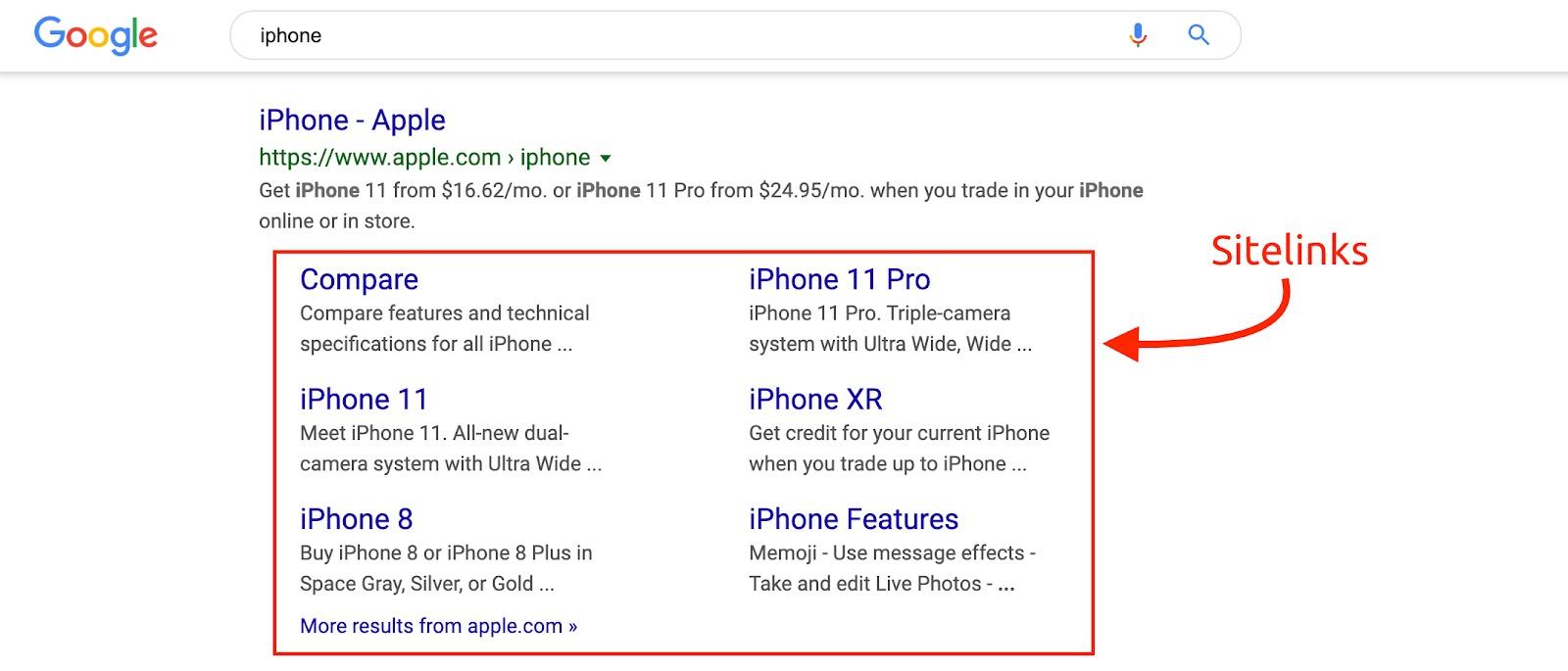
Focus on Ad Extensions: Use ad extensions to provide more information and encourage clicks. Extensions like site links, callouts, and structured snippets can help showcase more of your offerings while emphasizing your brand identity.
When it comes to bidding on branded keywords, consider the following strategies:
Strategy
Description
Protect Your Brand
Bid on your branded keywords to ensure competitors can’t hijack your traffic.
Increase Visibility
Capture more impressions by appearing in both organic and paid search results.
Enhance Credibility
Paid ads alongside organic results can boost consumer trust in your brand.
Another equally important aspect is monitoring and optimizing your campaigns. Regularly assess your ad performance metrics such as click-through rates (CTR) and conversion rates. This data can provide insights into the effectiveness of your branded keywords and guide your adjustments. A/B testing different ad variations can lead to improved performance and higher ROI.
Lastly, don’t forget the importance of user experience. Ensure that the landing pages associated with your branded ads align with the intent suggested by the keywords. A seamless experience from ad click to landing page can significantly increase conversion rates, fostering brand loyalty and repeat business.
The Role of User Intent in Branded Keyword Strategy
Understanding user intent is crucial when developing a successful branded keyword strategy. It goes beyond just selecting the right keywords; it’s about aligning your content with what your audience is searching for. Users have different motivations when typing a query, and recognizing these motivations helps you tailor your approach effectively.
There are generally three types of user intent:
Informational: Users are looking for information to answer questions or learn about a topic. This is a great opportunity to provide valuable content that can position your brand as an authority in your niche.
Navigational: Users are seeking a specific website or brand. This is where branded keywords shine, as they help users find your official site quickly and efficiently.
Transactional: Users intend to make a purchase or complete a transaction. Optimizing for branded keywords in this context can lead to higher conversion rates, as users are often ready to buy.
When you know the intent behind your audience’s search queries, you can create content that directly meets their needs. For instance, if you identify a significant number of searches for “YourBrand reviews,” you might consider developing a comprehensive review page or a customer testimonial section. This not only fulfills the informational intent but also builds trust with potential customers.
Moreover, user intent can guide your keyword selection. Instead of solely focusing on high-volume keywords, consider the intent behind those keywords. For example, a keyword like “best products by YourBrand” indicates a potential buyer in the research phase. By targeting such terms, you can attract users who are seriously considering a purchase, increasing the likelihood of conversion.
Utilizing branded keywords effectively also involves monitoring and adapting your strategy. Analyze your traffic data to see which branded terms are driving the most engagement. This can inform your content creation and SEO efforts, enabling you to focus on the keywords that resonate best with your audience’s intent.
To visualize the importance of user intent in your branded keyword strategy, consider the following table:
User Intent Type
Example of Branded Keyword
Content Strategy
Informational
YourBrand FAQ
Create a detailed FAQ page.
Navigational
YourBrand login
Optimize your homepage for easy access.
Transactional
Buy YourBrand products
Develop targeted product landing pages.
By deliberately considering user intent in your branded keyword strategy, you not only enhance your chances of driving traffic but also improve user experience. When users find exactly what they’re looking for, they are more likely to engage with your content, trust your brand, and ultimately convert into loyal customers.
Common Mistakes to Avoid with Branded Keywords
When leveraging branded keywords in your SEO strategy, it’s vital to avoid certain pitfalls that can undermine your efforts. Ignoring the nuances of how these keywords function can lead to missed opportunities and wasted resources. Here are some common mistakes to steer clear of:
Neglecting Keyword Research: Even though they are branded, it’s essential to conduct keyword research. You might assume everyone knows your brand, but this isn’t always the case. Use tools to track how people are searching for your brand and related terms.
Overlooking Competitor Analysis: Just because you own a brand doesn’t mean you own the search results. Keep an eye on your competitors; they may also be targeting your branded keywords. Understanding their strategies can help you position yourself better.
Focusing Solely on Branded Keywords: While it’s important to optimize for your brand, don’t forget about generic keywords. Balancing both can help attract new audiences who aren’t yet familiar with your brand.
Ignoring Long-Tail Variations: Branded keywords often come with long-tail variations that can capture more specific searches. Failing to optimize for these can result in missed traffic opportunities. Think about how potential customers might phrase their queries.
Forgetting About Local SEO: If your brand has a local presence, incorporating local keywords with your branded terms is crucial. This helps improve visibility in local search results, making it easier for nearby customers to find you.
Another crucial aspect is how you incorporate your branded keywords into your content. Simply stuffing them into titles and headings won’t cut it. Here are some effective strategies:
Strategy
Description
Natural Integration
Use branded keywords in a way that feels organic within your content. This enhances readability and keeps users engaged.
Call-to-Action Placement
Include branded keywords in your CTAs to reinforce brand identity and encourage clicks.
Alt Text for Images
Use branded terms in the alt text of images to improve visibility and accessibility.
Lastly, keep an eye on your analytics. If your branded keywords aren’t driving traffic or conversions as expected, it’s time to reevaluate your approach. Regularly monitor the performance and make adjustments as necessary to ensure your strategy remains effective.
Case Studies: Brands That Successfully Used Branded Keywords
Branded keywords are a powerful tool for companies looking to enhance their online visibility and attract more targeted traffic. Let’s explore some notable brands that have effectively leveraged these keywords to boost their digital presence and grow their audience.
1. Nike: Championing Brand Recognition
Nike is a prime example of a brand that has mastered the art of using branded keywords. Through strategic SEO practices, they ensured that terms like “Nike shoes” and “Nike apparel” rank highly on search engines. This not only drives organic traffic but also reaffirms their brand authority.
2. Apple: Cultivating Loyalty Through Search
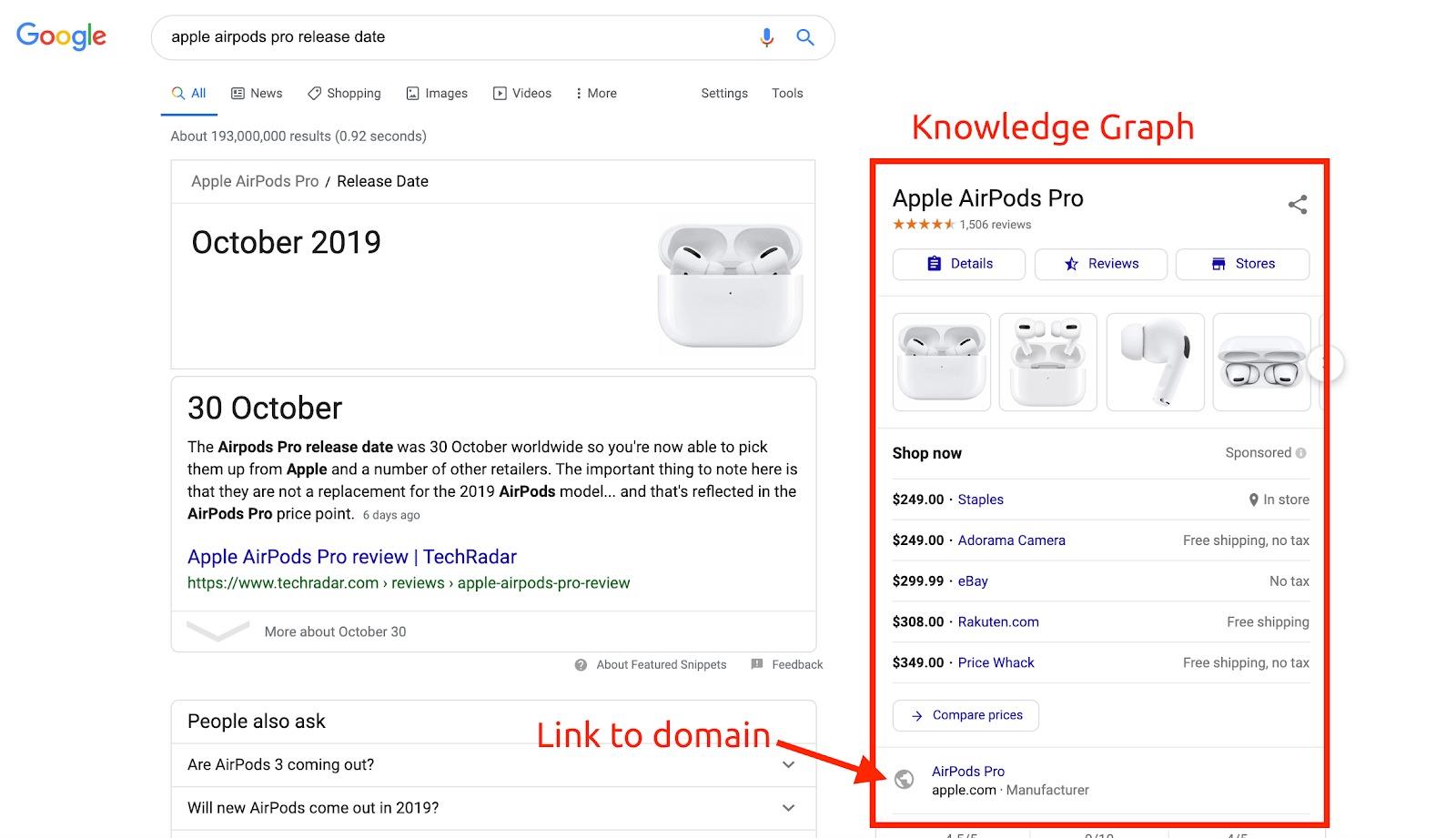
Apple has built an empire around its products, and their use of branded keywords plays a significant role in this success. Keywords like “iPhone” and “MacBook” are seamlessly integrated into their content marketing strategies. By optimizing their product pages and blog posts for these terms, they create a loyal community eager for updates and innovations.
3. Starbucks: Brewing Up Engagement
Starbucks has harnessed the power of branded keywords to engage customers effectively. Terms like “Starbucks rewards” and “Starbucks menu” are prevalent in their online content, helping them capture the attention of potential customers. Their targeted blog posts and social media campaigns around these keywords foster a community that resonates with their brand ethos.
4. Zappos: Customer-Centric Keyword Strategy
Zappos takes a unique approach by focusing on customer service in conjunction with branded keywords. Their use of terms like “Zappos customer service” not only aids in SEO but also highlights their commitment to customer satisfaction. This approach not only drives traffic but also enhances their reputation as a customer-first brand.
5. HubSpot: Content Marketing at Its Best
HubSpot’s content marketing strategy revolves around branded keywords. By using terms like “HubSpot CRM” and “HubSpot marketing software”, they effectively attract leads interested in marketing solutions. They create informative blog content and educational resources that align perfectly with these keywords, establishing themselves as thought leaders in their field.
Keyword Strategy Insights
Brand
Branded Keyword Example
Key Strategy
Nike
Nike shoes
SEO Optimization
Apple
iPhone
Content Integration
Starbucks
Starbucks rewards
Engagement Campaigns
Zappos
Zappos customer service
Focus on Customer Experience
HubSpot
HubSpot CRM
Educational Content
These brands have not only embraced the concept of branded keywords but have also integrated them into their broader marketing strategies. By doing so, they create a cohesive brand experience that resonates with their target audience, drives traffic, and ultimately leads to increased conversions.
Future Trends in Branded Keywords and Search Strategy
As we look to the future, the landscape of branded keywords and search strategy is evolving rapidly. With consumers becoming increasingly discerning and search engines refining their algorithms, the importance of a targeted approach to branded keywords cannot be overstated. Brands must adapt to these changes to ensure they remain visible and relevant in an ever-competitive market.
One of the most notable trends is the growing reliance on voice search. With the proliferation of smart speakers and voice-activated devices, users are shifting to more conversational queries. This means that brands need to rethink their keyword strategies to include long-tail keywords and phrases that reflect how people naturally speak. Incorporating questions and phrases into your content can enhance visibility in voice search results.
Personalization is another key trend that is shaping the future of search. Search engines are increasingly prioritizing personalized results based on user behavior, demographics, and preferences. Brands should focus on understanding their audience better and creating tailored content that speaks directly to their needs. This can involve segmenting your audience and using targeted branded keywords that resonate with different customer personas.
Furthermore, the integration of artificial intelligence and machine learning into search strategies is set to transform how branded keywords are managed. These technologies can analyze vast amounts of data to predict trends and consumer behavior. By leveraging AI tools, brands can optimize their keyword strategies in real time, ensuring they stay ahead of the curve and capture the attention of their target audience.
Another essential aspect to consider is the rise of visual search. With platforms like Pinterest and Google Lens allowing users to search using images, incorporating visual elements into your branding strategy is crucial. Brands should focus on optimizing their images and using branded keywords in alt text and image descriptions to enhance discoverability.
To effectively navigate these trends, brands must maintain a flexible approach to their search strategies. Regularly reviewing and updating your branded keywords based on market trends, search data analytics, and competitor analysis will help keep your strategy relevant. Consider conducting keyword research not just annually, but quarterly or even monthly as the digital landscape continues to shift.
Trend
Action Item
Voice Search
Incorporate long-tail keywords and natural language phrases.
Personalization
Create tailored content for different audience segments.
Optimize images with branded keywords in alt text.
Regular Reviews
Update keyword strategies quarterly or monthly.
Ultimately, the future of branded keywords and search strategy hinges on a brand’s ability to adapt and innovate. By staying attuned to these emerging trends and actively implementing strategies that align with them, brands can ensure they not only keep pace with changes but also thrive in an increasingly digital marketplace.
Getting Started: A Step-by-Step Guide to Implementing Branded Keywords
Understanding Your Brand
Before diving into implementing branded keywords, it’s essential to have a solid understanding of your brand. What do you stand for? What values do you embody? Get to the core of your brand identity by answering the following questions:
What is your unique selling proposition? Understand what makes your brand different.
Who is your target audience? Define the demographics and psychographics of your ideal customers.
What emotions do you want to evoke? Determine the feelings you want your brand to inspire.
Keyword Research
Once you’ve embraced your brand identity, it’s time to identify your branded keywords. These are terms or phrases closely associated with your brand. Here’s how to get started with your keyword research:
Brainstorm: Start with a list of words or phrases that relate directly to your brand, products, or services.
Use Tools: Utilize keyword research tools like Google Keyword Planner or SEMrush to find popular search terms related to your brand.
Analyze Competitors: Look at the branded keywords your competitors are using to gain insights and inspiration.
Creating Content Around Branded Keywords
Now that you have your list of branded keywords, it’s time to weave them into your content. Here are key strategies to ensure your content is engaging and effective:
Content Types: Consider various types of content, including blog posts, videos, and social media updates, where you can incorporate your keywords.
Natural Integration: Ensure that your branded keywords flow naturally within your content. This will enhance readability and user experience.
Focus on Value: Always prioritize providing value to your audience. Content should be informative, entertaining, or educational while utilizing your keywords.
On-Page Optimization
Effective on-page optimization ensures that search engines recognize and rank your content appropriately. Here are several steps to optimize your pages for branded keywords:
Title Tags: Include your primary branded keyword in the title tag of your webpage.
Header Tags: Use header tags (H1, H2, H3) strategically to structure your content and highlight your keywords.
Tracking and Analyzing Performance
Implementing branded keywords is a continuous process. To measure the effectiveness of your strategy, you need to track and analyze performance regularly. Here’s what to monitor:
Metric
Description
Traffic Sources
Identify where your traffic is coming from (organic, paid, social).
Keyword Rankings
Monitor how well your branded keywords rank over time.
Engagement Rates
Look at metrics such as bounce rate, time on page, and social shares.
Adjusting Your Strategy
As you gather data, be prepared to pivot your strategy as needed. This could involve:
Expanding Reach: Explore new channels or platforms to promote your branded keywords and reach a broader audience.
Frequently Asked Questions (FAQ)
Q&A: Branded Keywords: What They Are and How to Use Them to Grow Your Traffic
Q1: What exactly are branded keywords?
A1: Great question! Branded keywords are search terms that include a company’s name or brand. For instance, if you’re searching for “Nike running shoes,” the term “Nike” is the branded keyword. This shows that users are specifically looking for that brand, which indicates brand recognition and intent.
Q2: Why should I care about branded keywords for my business?
A2: You should definitely care! Branded keywords can drive high-quality traffic to your website. People searching for your brand are often further down the buying funnel, which means they’re more likely to convert into customers. Plus, these keywords can help strengthen your brand presence online, making you more visible in search results.
Q3: How do I identify the right branded keywords for my business?
A3: Start by thinking about your brand name and any associated terms. Use tools like Google Keyword Planner or SEMrush to see what people are searching for related to your brand. Also, pay attention to your competitors! Check which branded keywords they rank for, and see if you can optimize your content around similar terms.
Q4: Can you give me some tips on how to use branded keywords effectively?
A4: Absolutely! Here are a few tips:
Optimize Your Website: Make sure your website content includes your branded keywords naturally. This can be in titles, meta descriptions, and throughout your content.
Create Quality Content: Develop blog posts or articles that revolve around your brand and include branded keywords. This not only helps with SEO but also provides valuable information to your audience.
Leverage Social Media: Use branded keywords in your social media posts. This will enhance your reach and encourage engagement from users already familiar with your brand.
Monitor Your Performance: Keep track of how your branded keywords are performing using analytics tools. This will help you understand what’s working and what isn’t, allowing you to tweak your strategy accordingly.
Q5: Will using branded keywords help with my overall SEO strategy?
A5: Absolutely! Branded keywords can complement your broader SEO strategy by enhancing your site’s authority and relevance. When users search for your brand and find you consistently on the first page, it builds trust and credibility. This can also lead to more backlinks and organic searches, further boosting your SEO efforts.
Q6: Any common mistakes to avoid when using branded keywords?
A6: Definitely! Here are a few pitfalls to watch out for:
Keyword Stuffing: Don’t overdo it! Use branded keywords naturally. Stuffing them can hurt your SEO and make your content less enjoyable to read.
Ignoring User Intent: Understand what your audience is looking for when they search for your brand. Tailor your content to meet their needs.
Neglecting Competitors: Keep an eye on what competitors are doing with their branded keywords. Staying informed can give you an edge in the market.
Q7: Can I use branded keywords for paid advertising too?
A7: Absolutely! In fact, using branded keywords in your paid search campaigns can be incredibly effective. It allows you to capture users who are specifically searching for your brand, ensuring you stay top of mind. Plus, since you’re targeting users already familiar with your brand, the conversion rate can be much higher.
Q8: What long-term benefits can I expect from focusing on branded keywords?
A8: Focusing on branded keywords can lead to increased brand loyalty, higher conversion rates, and a stronger online presence. Over time, as your brand becomes more recognized, your website will see increased organic traffic, more repeat customers, and a solid reputation in your industry. It’s a smart investment for sustainable growth!
So, are you ready to harness the power of branded keywords and elevate your business? Start today, and watch your traffic—and your success—grow!
Future Outlook
And there you have it! Branded keywords may seem like a small piece of the SEO puzzle, but they’re actually a game-changer for driving traffic and building your online presence. By strategically incorporating these keywords into your content, you can optimize your visibility and connect with an audience that’s already interested in what you offer.
Remember, it’s not just about getting more eyes on your site; it’s about attracting the right kind of visitors who are likely to convert into loyal customers. Whether you’re a small business trying to carve out your niche or a larger brand looking to solidify your reputation, leveraging branded keywords can help you achieve your goals.
So, take what you’ve learned today and start brainstorming ways to integrate branded keywords into your content strategy. Monitor your results, adjust as needed, and watch your traffic grow. The journey to effective branding and increased visibility is just a keyword away. Happy optimizing!