In today’s fast-paced digital landscape, e-commerce isn’t just a trend; it’s a fundamental shift in how we shop, sell, and connect with customers. If you’ve ever wondered how online shopping has transformed from a niche market to an everyday necessity, you’re not alone. The statistics tell a compelling story, revealing not just numbers but insights that can shape the future of your business. Whether you’re a small business owner, an aspiring entrepreneur, or a seasoned retailer, understanding these e-commerce trends is crucial for staying ahead of the curve. In this article, we’ll dive into the latest e-commerce statistics, uncover key insights, and explore what they mean for your business strategy. So, grab a cup of coffee, and let’s decode the data that can help you thrive in the vibrant world of online commerce!
Embracing the E-commerce Boom: Why You Cant Afford to Ignore It
The rise of online shopping has transformed the retail landscape, presenting unprecedented opportunities for businesses of all sizes. With more consumers than ever turning to e-commerce for their purchasing needs, now is the time to harness this momentum and ensure your business is not left behind.
Consider these key statistics that highlight the significance of e-commerce:
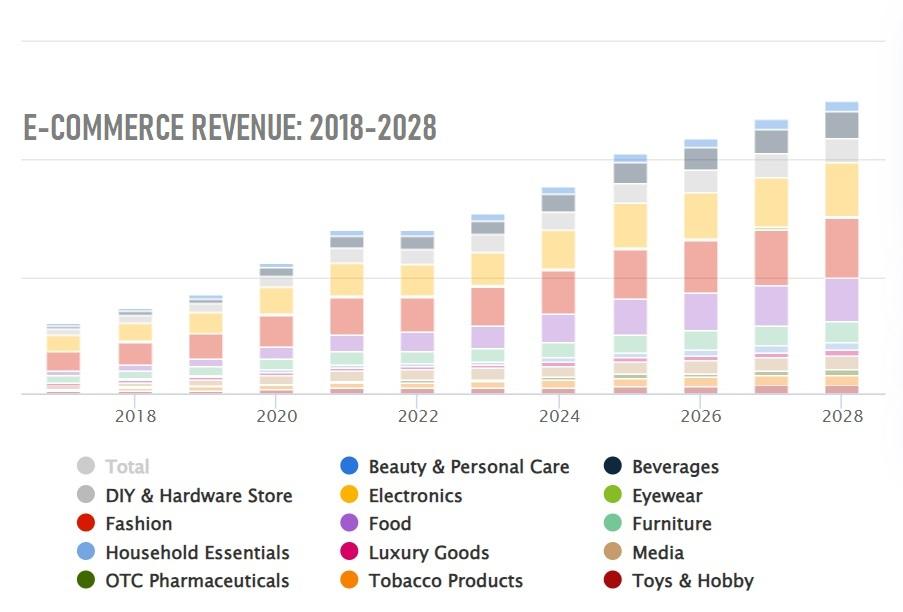
In 2022, global e-commerce sales surpassed $5.2 trillion.
It is projected that by 2025, this figure will exceed $7 trillion.
Online shopping now accounts for over 19% of total retail sales worldwide.
Mobile commerce is on the rise, with 54% of e-commerce sales coming from mobile devices.
These numbers aren’t just impressive; they signal a profound shift in consumer behavior. Customers today prioritize convenience, variety, and competitive pricing—elements that e-commerce platforms excel at providing. If your business isn’t participating in this shift, you risk becoming obsolete as consumer preferences evolve.
Moreover, the COVID-19 pandemic has accelerated this trend. Retailers that were slow to adopt e-commerce strategies found themselves struggling as shopping habits changed overnight. Businesses that embraced digital solutions not only survived but thrived, expanding their reach and diversifying revenue streams.
To effectively tap into the e-commerce boom, consider the following strategies:
Optimize your website: Ensure your site is user-friendly, fast, and mobile-optimized to capture the growing number of mobile shoppers.
Leverage social media: Use platforms like Instagram and Facebook to engage with customers and drive traffic to your online store.
Implement SEO best practices: Increase your visibility in search engines to attract organic traffic and boost sales.
Use data analytics: Employ analytics tools to understand consumer behavior and tailor your marketing strategies accordingly.
As e-commerce continues to evolve, staying ahead of trends is crucial. A good starting point is to evaluate your current online presence and identify areas for improvement. For instance, consider the following table that outlines various e-commerce trends:
Trend
Description
Implication for Businesses
Personalization
Customized shopping experiences based on user data.
Enhances customer loyalty and increases sales.
Subscription Services
Regular delivery of products for a fixed fee.
Ensures steady revenue and customer retention.
Sustainability
Growing consumer demand for eco-friendly products.
Opportunity to attract conscious consumers.
Ignoring the e-commerce wave is not an option; it’s a call to action. As the digital marketplace continues to expand, businesses that adapt quickly will not only survive, but they will also thrive in this new era of commerce.
Understanding the Current Landscape: Key E-commerce Statistics You Need to Know
In today’s digital age, the e-commerce landscape is constantly evolving, driven by emerging technologies and shifting consumer behaviors. Understanding these dynamics is crucial for businesses aiming to thrive online. Here are some key statistics that shed light on the current state of e-commerce and what they mean for your business.
1. E-commerce Sales Growth: Global e-commerce sales have witnessed an unprecedented surge, with projections estimating that by 2025, e-commerce will account for over 24% of total retail sales worldwide. This growth is not just post-pandemic; it’s a trend that’s shaping the future of shopping.
2. Mobile Commerce Dominance: Did you know that approximately 73% of total e-commerce sales are made on mobile devices? As consumers increasingly turn to their smartphones for shopping, optimizing your online store for mobile is not just an option; it’s a necessity. Make sure your website is responsive and provides a seamless user experience across all devices.
3. The Power of Social Media: Social media platforms have become vital for e-commerce businesses. Recent studies show that around 54% of social media users utilize these platforms to research products before making a purchase. Leveraging social media for marketing and engagement can significantly impact your brand visibility and sales.
4. Personalization is Key: Consumers are now expecting tailored experiences. In fact, 80% of customers are more likely to make a purchase when brands offer personalized experiences. Utilizing data analytics and AI can help you provide recommendations and content that resonate with your audience, boosting both conversion rates and customer loyalty.
Statistic
Value
Global E-commerce Growth (2025)
24%
Mobile Commerce Sales Share
73%
Social Media Research Usage
54%
Customer Preference for Personalization
80%
5. The Rise of Subscription Services: Subscription-based models are gaining traction, with more than 50% of consumers indicating they are interested in subscription services. Businesses should consider integrating subscription options for products, providing consumers with convenience while ensuring steady revenue streams.
6. Shifting Consumer Priorities: As sustainability becomes a priority, 66% of consumers are willing to pay more for sustainable products. Highlighting your eco-friendly practices and products can give you a competitive edge in the crowded e-commerce space.
Staying informed about these trends and statistics will empower you to make data-driven decisions. Whether it’s optimizing your mobile site, enhancing your social media strategy, or personalizing customer experiences, understanding the current e-commerce landscape can provide a blueprint for your business’s success.
The Power of Mobile Shopping: Why Optimizing for Mobile is Crucial
The rise of mobile shopping has transformed the e-commerce landscape, making it essential for businesses to rethink their strategies. With over 54% of online sales now coming from mobile devices, it’s clear that consumers prefer the convenience of shopping on the go. This shift highlights the importance of creating a seamless mobile experience to capture and retain customers.
Adapting your online store for mobile isn’t just about aesthetics; it’s about functionality. A well-optimized mobile site can lead to:
Reduced Bounce Rates: Users are less likely to leave your site if it loads quickly and is easy to navigate.
Better Search Engine Rankings: Google prioritizes mobile-friendly sites, making optimization crucial for visibility.
Additionally, mobile shopping apps are becoming increasingly popular. According to recent statistics, apps account for a significant portion of mobile commerce transactions. Users who engage with branded apps often exhibit higher loyalty and repeat purchase rates. This presents an opportunity for businesses to build a stronger connection with their audience.
To illustrate the impact of mobile optimization, consider the following data:
Statistic
Impact
Mobile users are 50% more likely to abandon their cart
Highlight importance of streamlined checkout processes
75% of consumers prefer mobile-friendly sites
Emphasizes need for responsive design
61% of mobile users report issues due to poor navigation
Points to necessity of user-friendly interfaces
Understanding customer behavior on mobile devices is crucial. Shoppers are often looking for quick solutions and immediate gratification. Therefore, ensuring that your mobile site provides easy access to key information—such as product descriptions, reviews, and shipping options—can significantly enhance the shopping experience. Furthermore, integrating features like one-click purchasing can streamline the transaction process, reducing friction for users.
As you develop your mobile strategy, consider implementing the following:
Responsive Design: Ensure your site adapts to various screen sizes without sacrificing functionality.
Fast Loading Times: Optimize images and minimize code to enhance speed.
User-Friendly Navigation: Simplify menus and processes to make finding products easier.
In a world where convenience reigns supreme, optimizing for mobile shopping is not just an option but a necessity. By embracing mobile commerce and providing an exceptional user experience, you can position your business to thrive in an increasingly competitive marketplace.
Today’s shoppers are evolving at a rapid pace, influenced by technology, societal changes, and a greater emphasis on convenience. As the e-commerce landscape becomes more competitive, understanding these shifts in consumer behavior is crucial for businesses looking to thrive.
Personalization is Key: Modern consumers expect tailored experiences that resonate with their individual preferences. Brands that leverage data analytics to personalize product recommendations, marketing messages, and shopping experiences are more likely to engage their audience effectively. This includes:
Custom product suggestions based on past purchases.
Targeted emails with special offers catered to individual interests.
Unique landing pages that reflect user behavior and preferences.
Mobile Shopping Dominance: With the rise of smartphones, mobile shopping has become a dominant force. Studies show that a significant percentage of consumers are now completing purchases via mobile devices. Here are a few implications:
Responsive design is not optional; it’s a necessity.
Mobile-friendly payment options, like digital wallets, enhance the shopping experience.
Sustainability Matters: Today’s consumers are more environmentally conscious than ever. They prefer brands that demonstrate a commitment to sustainability and ethical practices. Shoppers are willing to pay a premium for products that align with their values. Businesses can tap into this trend by:
Highlighting eco-friendly materials and sustainable sourcing.
Implementing transparent supply chain practices.
Engaging in corporate social responsibility initiatives.
Social Proof and Reviews: Online reviews and testimonials play a significant role in consumer purchasing decisions. Shoppers are increasingly looking for validation from peers before making purchases. Brands should focus on:
Encouraging satisfied customers to leave positive reviews.
Showcasing user-generated content on social media and websites.
Responding to feedback to build trust and community.
Trend
Consumer Expectation
Business Action
Personalization
Tailored shopping experiences
Utilize data for targeted marketing
Mobile Shopping
Seamless mobile experience
Enhance site and checkout for mobile
Sustainability
Eco-friendly products
Implement sustainable practices
Social Proof
Trustworthy reviews
Encourage and showcase reviews
Understanding what today’s shoppers really want can lead to significant improvements in customer satisfaction and retention. By adapting to these consumer behavior shifts, businesses can not only meet current expectations but also anticipate future trends, positioning themselves as leaders in the evolving marketplace.
The Rise of Social Commerce: How to Leverage Social Media for Sales
In today’s digital landscape, social media is no longer just a platform for social interaction; it’s become a powerful tool for driving sales. As consumers increasingly turn to platforms like Instagram, Facebook, and TikTok for shopping inspiration, businesses are finding innovative ways to leverage these channels to boost their sales. The key to success lies in understanding how to navigate this evolving terrain.
Visual storytelling is at the heart of social commerce. Brands that utilize eye-catching visuals to showcase their products often see higher engagement rates. Here are a few strategies to enhance your visual storytelling:
Use high-quality images and videos that capture your product in real-life scenarios.
Incorporate user-generated content to build trust and authenticity.
Create engaging videos that highlight product features and demonstrate their use.
Another crucial element is social proof. When potential buyers see others enjoying or endorsing a product, they are more likely to consider making a purchase. Here’s how you can effectively incorporate social proof into your strategy:
Feature testimonials and reviews prominently on your social media profiles.
Encourage customers to share their experiences through photos or videos tagged with your brand.
Leverage influencer partnerships to reach wider audiences and enhance credibility.
Additionally, interactive content is becoming a game-changer. Quizzes, polls, and live streams can engage your audience in a meaningful way, turning passive viewers into active participants. Consider the following tactics:
Host live Q&A sessions where you showcase products and answer customer queries.
Use AR filters or try-on features to provide a unique shopping experience.
To truly harness the power of social commerce, integrating seamless shopping experiences across platforms is essential. Make it easy for your customers to purchase directly from social media. Here are some points to consider:
Utilize shoppable posts that allow users to click and purchase without leaving the app.
Ensure your website is optimized for mobile, as many social media users shop on their phones.
Implement retargeting strategies to remind potential buyers about products they viewed.
keep an eye on emerging trends in social commerce. The landscape is always changing, with new features and platforms continually being introduced. Regularly analyze your performance metrics to adjust your strategies accordingly. Consider using the following metrics:
Metric
Description
Importance
Engagement Rate
Measures interactions (likes, shares, comments) on posts.
Indicates audience interest and content effectiveness.
Conversion Rate
Percentage of users who make a purchase after engaging with your content.
Reflects the success of your sales strategy.
Click-Through Rate (CTR)
Percentage of users who click on product links within posts.
Shows how compelling your calls to action are.
The rise of social commerce presents a wealth of opportunities for businesses willing to adapt to this new shopping paradigm. By embracing these strategies and keeping a pulse on trends, you can effectively turn your social media presence into a thriving sales channel.
Personalization in E-commerce: Tailoring Experiences to Boost Conversions
In the bustling world of e-commerce, personalization has emerged as a game-changer that not only enhances user experience but also propels conversion rates to new heights. Today’s consumers expect tailored experiences that resonate with their individual preferences and behaviors. This shift from a one-size-fits-all approach to a more customized strategy is not just a trend; it’s a vital component of successful online retail.
Understanding your customers is the cornerstone of effective personalization. By leveraging data analytics, businesses can gather insights regarding:
Browsing history: Tracking products viewed and time spent on pages.
Demographics: Tailoring experiences based on age, gender, and location.
Once you have this data, the potential for personalization is limitless. Consider implementing strategies such as:
Dynamic content: Creating landing pages that change based on user behavior.
Personalized email marketing: Sending tailored recommendations based on past interactions.
Product recommendations: Leveraging algorithms to suggest items other customers with similar profiles purchased.
For example, a study by McKinsey & Company found that brands can see a 10-30% increase in revenue when using personalized experiences. This statistic underlines the importance of not just knowing your customers, but actively engaging with them through tailored experiences that feel personal and unique.
Moreover, the use of A/B testing can significantly enhance your personalization efforts. By testing different versions of your site or marketing emails, you can determine what resonates best with your audience. Here’s how to optimize your approach:
Test headlines: Small changes can lead to big differences.
Evaluate user engagement: Track click-through rates and conversions to gauge effectiveness.
Iterate based on feedback: Use customer feedback to refine and improve your strategies.
Investing in personalization technology is also essential. Platforms that offer AI-driven insights can help businesses automate and scale their personalization efforts. Here’s a quick comparison of popular personalization tools:
Tool
Key Features
Best For
Optimizely
A/B testing, multivariate testing
Experimentation
Pendo
User analytics, in-app messaging
Product teams
Dynamic Yield
Personalization, segmentation
Retailers
The potential gains from personalization are significant, yet the execution requires careful planning and analysis. By focusing on user experience and leveraging data, brands can not only meet but exceed consumer expectations. Ultimately, as personalization continues to reshape the e-commerce landscape, those who adapt and innovate will pave the way for sustained growth and success.
The Importance of Customer Reviews: Building Trust and Credibility
In the fast-paced world of e-commerce, customer reviews have emerged as a vital component for success. They serve as the modern-day word-of-mouth, influencing potential buyers and shaping their perceptions about a brand. When customers browse your online store, they often look for reassurance, and there’s no better endorsement than the words of fellow consumers who have already experienced your product or service.
Positive reviews can significantly enhance your brand’s image. They create a sense of trust and credibility that is crucial for attracting new customers. When shoppers see a multitude of glowing testimonials, they are more likely to feel confident in their purchasing decisions. Here are a few reasons why customer reviews are essential for your business:
Social proof: Consumers tend to trust the opinions of others. A collection of positive reviews can act as powerful social proof, validating your offerings.
Improved SEO: Customer reviews can enhance your search engine rankings. Search engines often favor sites with fresh content, and reviews regularly provide that.
Increased conversions: Studies show that products with reviews can see a significant boost in conversion rates. Shoppers are more inclined to buy when they see that others have had a positive experience.
Feedback for improvement: Reviews not only highlight what you’re doing well but also provide constructive criticism. This feedback can be invaluable for refining your products and services.
Moreover, it’s not just the quantity of reviews that matters, but their quality as well. Detailed reviews that offer insights into specific aspects of your product can be particularly persuasive. To maximize their effectiveness, encourage your customers to share their honest feedback and consider implementing a structured review request process. This could look something like:
Step
Action
Purpose
1
Send a follow-up email
To thank customers and prompt them for a review.
2
Provide a link to review
To make it easy for them to leave feedback.
3
Respond to reviews
To show that you value customer opinions and encourage further engagement.
Remember, while positive reviews are gold, negative reviews can be valuable too. They offer an opportunity to connect with your audience and demonstrate your dedication to customer satisfaction. Responding promptly and professionally to criticism not only shows that you’re attentive but can also turn a dissatisfied customer into a loyal advocate.
investing time and effort into cultivating customer reviews is not just a strategy but a necessity in today’s e-commerce landscape. By prioritizing customer feedback, you build a sturdy foundation of trust and credibility that can set your business apart from competitors. So, actively seek out reviews, engage with your customers, and watch your business thrive.
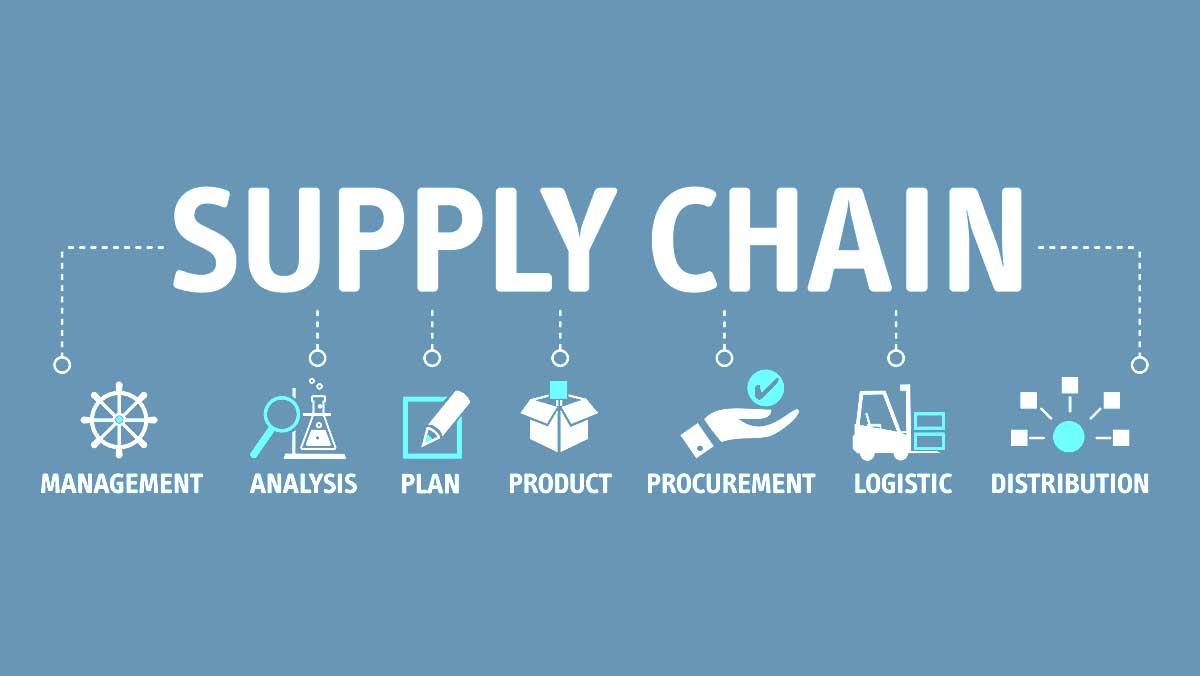
Navigating Supply Chain Challenges: Strategies for a Smooth Operation
Understanding Supply Chain Dynamics
In today’s fast-paced e-commerce landscape, navigating supply chain challenges is crucial for maintaining operational efficiency. Businesses need to recognize that disruptions can stem from various sources, including global events, regulatory changes, and even shifts in consumer behavior. Understanding these dynamics allows businesses to proactively address potential issues before they escalate.
Adopting Agile Practices
One effective strategy to enhance supply chain resilience is adopting agile practices. This involves:
Responsive Planning: Adjusting inventory levels and logistics in real-time based on demand forecasts.
Collaborative Partnerships: Building strong relationships with suppliers to enable quick adaptations to unforeseen challenges.
Cross-Functional Teams: Encouraging collaboration between departments to ensure a unified response to supply chain disruptions.
Investing in Technology
Integrating advanced technologies can significantly streamline operations and improve visibility across the supply chain. Consider:
AI and Machine Learning: Utilizing predictive analytics to foresee demand fluctuations and optimize inventory management.
Blockchain Technology: Enhancing transparency and traceability of goods, which can help in quick decision-making during disruptions.
A strong network of suppliers is vital for a resilient supply chain. To enhance these relationships:
Regular Communication: Keeping an open line of communication to discuss challenges and potential solutions.
Performance Reviews: Conducting regular assessments of supplier performance to address issues before they impact operations.
Diverse Sourcing: Reducing reliance on a single supplier by diversifying your sourcing strategy to mitigate risks.
Table of Key Supply Chain Strategies
Strategy
Description
Benefits
Agile Practices
Quickly adapt to changes in demand.
Improved responsiveness and reduced waste.
Technology Integration
Utilize tools like AI and IoT for better forecasting.
Enhanced visibility and efficiency.
Supplier Diversification
Work with multiple suppliers for critical components.
Reduced risk of supply disruptions.
Fostering a Culture of Resilience
instilling a culture of resilience within the organization is essential. Encourage teams to:
Embrace Flexibility: Being open to change and adjusting to new processes.
Share Knowledge: Create an environment where employees can share insights and strategies for overcoming challenges.
Continuously Improve: Regularly evaluate processes and be willing to adapt to enhance efficiency.
By implementing these strategies, businesses can not only navigate the complexities of their supply chains but also turn challenges into opportunities for growth and innovation in the ever-evolving e-commerce sector.
The Role of AI and Automation: Enhancing Efficiency and Customer Experience
Artificial Intelligence (AI) and automation are transforming the e-commerce landscape, allowing businesses to streamline operations and enhance customer satisfaction. By integrating smart technologies, brands can not only boost their efficiency but also create a more personalized shopping experience for consumers.
One of the most significant advantages of AI is its ability to analyze vast amounts of data quickly. This capability allows businesses to:
Predict consumer behavior: Using predictive analytics, companies can anticipate what products customers are likely to want based on previous shopping patterns.
Personalize recommendations: AI algorithms suggest products tailored to individual preferences, increasing the likelihood of conversion.
Optimize inventory management: By forecasting demand, businesses can minimize overstock and reduce operational costs.
Automation plays a crucial role in enhancing efficiency as well. Tasks that were once time-consuming and labor-intensive can now be executed in a fraction of the time. Consider the benefits of automating:
Order processing: Automated systems can handle transactions and confirmations instantly, leading to quicker delivery times.
Customer service: AI-powered chatbots provide 24/7 assistance, ensuring that customer queries are addressed promptly.
Email marketing: Automation tools can streamline campaigns, making it easier to target audiences based on their previous interactions.
Moreover, the combination of AI and automation is proving invaluable in creating seamless customer journeys. For instance, when a customer browses a website, AI can analyze their behavior in real-time, adjusting the displayed products to match their interests. This level of personalization not only enhances the shopping experience but also builds customer loyalty.
To illustrate the impact of these technologies, let’s look at a simplified comparison of traditional versus AI-driven customer service:
Aspect
Traditional Customer Service
AI-Driven Customer Service
Response Time
Several minutes/hours
Instantaneous
Availability
Business hours only
24/7 support
Scalability
Limited by staff
Unlimited, can handle thousands of queries simultaneously
As businesses continue to adopt AI and automation, it is crucial to regularly assess and optimize these technologies to stay competitive. Companies that embrace these innovations are not only enhancing operational efficiency but are also creating memorable experiences for their customers, leading to higher retention rates and increased sales.
Sustainability Trends in E-commerce: How Going Green Can Benefit Your Brand
As e-commerce continues to evolve, a significant trend has emerged: sustainability. Brands are increasingly recognizing that adopting eco-friendly practices is not just a moral imperative but also a powerful business strategy. Today’s consumers are more conscious than ever about their purchasing choices and are actively seeking out brands that prioritize sustainability.
One of the most impactful ways to go green is by optimizing your supply chain. This involves:
Reducing Carbon Footprint: Streamlining logistics and sourcing materials locally can significantly cut down on transportation emissions.
Sustainable Packaging: Switching to biodegradable or recyclable materials not only attracts eco-conscious consumers but also minimizes waste.
Ethical Sourcing: Partnering with suppliers who adhere to sustainable practices showcases your commitment to the environment.
Consumers are willing to pay a premium for products that are sustainably made. In fact, studies show that more than 66% of consumers are willing to spend more on a product if it comes from a sustainable brand. This shift in consumer behavior highlights the potential for increased sales when you align your brand with eco-friendly practices. By marketing your sustainable efforts, you can differentiate your brand in a crowded marketplace.
Moreover, incorporating sustainability into your brand’s identity fosters customer loyalty. When consumers feel a connection to a brand that shares their values, they are more likely to return and advocate for it. Consider these strategies to build that connection:
Transparency: Be open about your sustainability practices and the impact they have.
Engagement: Create campaigns that involve your customers in your sustainability journey, such as recycling programs or tree-planting initiatives.
Community Impact: Invest in local environmental projects that resonate with your audience.
Additionally, sustainability can lead to operational efficiencies that reduce costs. For example, companies that invest in energy-efficient technologies often see significant reductions in utility bills. Over time, these savings can be substantial, allowing you to reinvest in other areas of your business. Here’s a snapshot of potential savings from adopting sustainable practices:
Practice
Potential Savings
Energy-Efficient Equipment
Up to 30% on energy costs
Reduced Waste Management
20-50% reduction in disposal costs
Streamlined Logistics
15-25% savings on transportation
embracing sustainability can enhance your brand’s reputation. In a world where negative news can spread quickly, being known as a responsible, eco-friendly brand can set you apart from competitors. Positive public relations stemming from your green initiatives can lead to favorable media coverage, attracting new customers and fostering goodwill.
Ultimately, integrating sustainability into your e-commerce strategy is not just a trend; it’s a transformative approach that can yield tangible benefits. From boosting brand loyalty and driving sales to enhancing operational efficiency and improving your public image, the advantages are clear. Embrace the green movement, and watch your brand flourish in the modern marketplace.
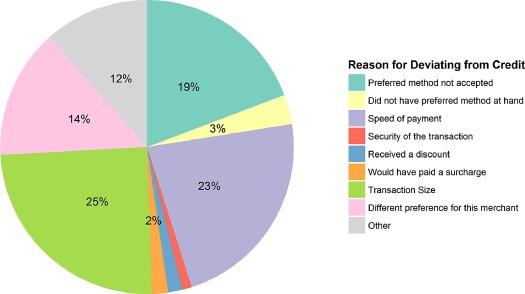
Payment Preferences: Adapting to What Your Customers Prefer
Understanding your customers’ payment preferences is crucial for thriving in the competitive e-commerce landscape. As digital shopping continues to grow, so does the variety of payment options available. Today’s consumers expect flexible and secure payment methods that cater to their individual needs. By adapting to these preferences, businesses can enhance customer satisfaction and optimize conversion rates.
Many shoppers prioritize convenience when making a purchase. Offering a range of payment options can significantly influence their decision to buy. Here are some popular payment methods to consider integrating into your e-commerce platform:
Credit and Debit Cards: Still the most common choice among consumers.
Digital Wallets: PayPal, Apple Pay, and Google Pay offer quick transactions.
Buy Now, Pay Later (BNPL): Services like Afterpay and Klarna are gaining traction.
Cryptocurrency: For tech-savvy customers, accepting Bitcoin and Ethereum can set you apart.
According to recent statistics, over 70% of shoppers abandon their carts due to limited payment options. This statistic underscores the necessity of diversifying payment methods to cater to varying customer preferences. Not only does this reduce cart abandonment, but it also builds trust with your audience, showing that you value their shopping experience.
Security is another critical factor influencing payment preferences. As cyber threats grow, consumers are increasingly cautious about sharing their financial information. Implementing robust security measures, such as SSL encryption and two-factor authentication, can reassure customers and encourage them to complete their purchases. Highlighting these security features on your checkout page can further boost customer confidence.
To truly understand your audience, consider conducting surveys or analyzing transaction data to uncover their payment preferences. This information can guide your payment strategy, ensuring you align with what your customers value most. Here’s a simple table to illustrate how different demographics prefer various payment methods:
Age Group
Preferred Payment Method
18-24
Digital Wallets
25-34
Credit/Debit Cards
35-44
BNPL Services
45+
Traditional Methods
keep an eye on evolving payment technologies. As innovations emerge, such as biometric payments and blockchain solutions, being an early adopter can give you a competitive edge. Regularly revisiting and updating your payment options ensures that you meet changing consumer demands while staying relevant in the ever-evolving e-commerce landscape.
Global Market Insights: Expanding Your Reach Beyond Borders
As businesses look to expand their horizons, understanding global market dynamics becomes crucial. With e-commerce taking center stage, the opportunity to reach international customers has never been more accessible. Let’s delve into some key trends and insights that can help your business thrive in the global marketplace.
Online Shopping Growth
The surge in online shopping continues to reshape consumer behavior. Data shows that global e-commerce sales are projected to reach $6.4 trillion by 2024. This growth is driven by:
Increased internet penetration in developing regions.
Mobile commerce, which accounts for over 54% of e-commerce sales.
The rise of social media platforms as shopping destinations.
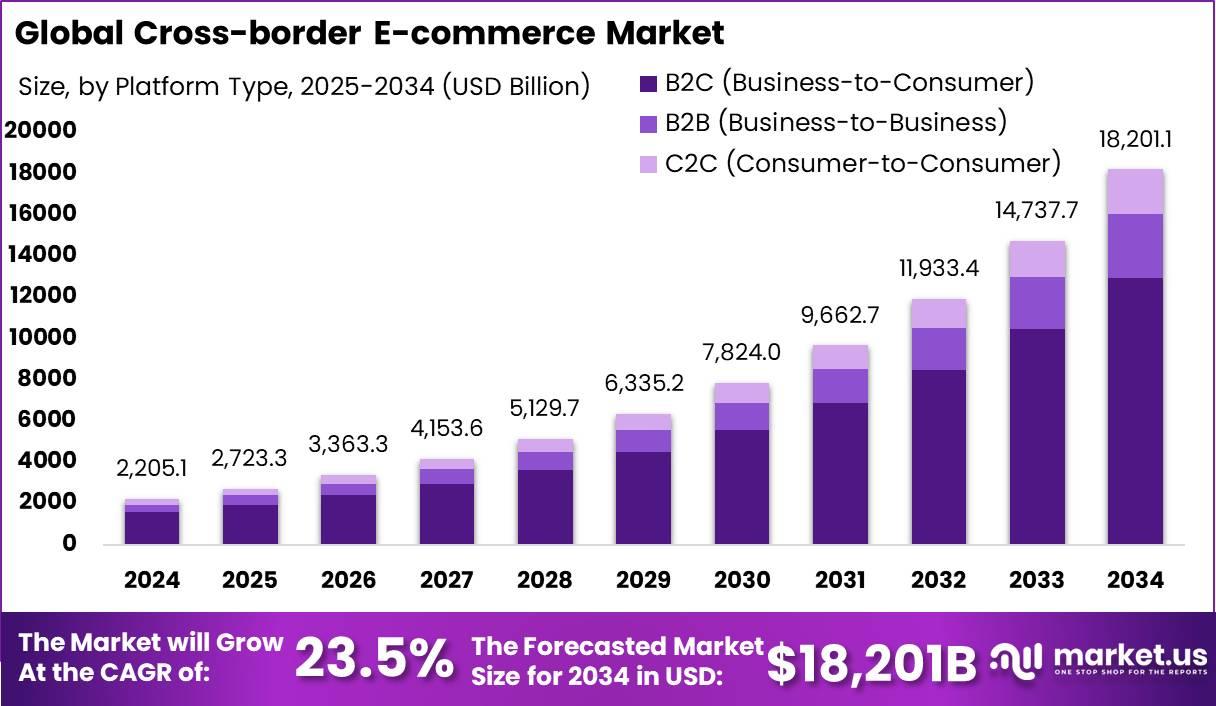
Cross-Border E-commerce Opportunities
Consumers are increasingly willing to shop beyond their borders. In fact, 30% of online shoppers have made purchases from international retailers in the past year. This opens up exciting possibilities for businesses looking to:
Tap into new customer segments.
Leverage diverse market demands.
Enhance brand visibility on a global scale.
Localization is Key
When venturing into foreign markets, localization cannot be overlooked. Tailoring your offerings to meet cultural and regional preferences can significantly impact customer satisfaction. Consider the following:
Adapting website language and currency.
Offering local payment methods.
Understanding and respecting local customs and traditions.
Logistics and Fulfillment
Effective logistics are fundamental to successful global e-commerce operations. Fast and reliable shipping options can enhance customer experience. Businesses should focus on:
Partnering with reputable logistics providers.
Utilizing technology for real-time tracking.
Offering transparent return policies.
Region
Projected E-commerce Growth
North America
14%
Europe
10%
Asia-Pacific
20%
Latin America
18%
Data-Driven Decision Making
Utilizing analytics can help companies make informed decisions about market entry and growth strategies. Key metrics to track include:
Customer acquisition costs.
Conversion rates by region.
Customer lifetime value across different markets.
With the right strategies in place, the global marketplace is ripe for exploration. By understanding and adapting to the unique dynamics of each market, your business can not only expand its reach but also build lasting relationships with customers around the world.
Future Predictions: What’s Next for E-commerce in the Coming Years
The future of e-commerce is brimming with excitement and innovation, driven by rapidly evolving technology and shifting consumer behaviors. As we look ahead, several key trends are poised to redefine the landscape of online shopping, offering businesses unique opportunities to engage with customers in fresh, meaningful ways.
Personalization at Scale will continue to be a cornerstone of successful e-commerce strategies. As artificial intelligence and machine learning become more sophisticated, businesses will be able to tailor shopping experiences to individual preferences. Imagine a world where each visitor sees products curated specifically for them, based on their past interactions, browsing habits, and even mood. Personalization is not just a luxury; it’s becoming an expectation.
Moreover, the rise of Voice Commerce is set to change the way consumers shop online. With the increasing integration of voice-activated devices in homes, people are becoming more comfortable making purchases through voice commands. This trend will push retailers to optimize their websites for voice search, ensuring that they remain competitive in this new shopping paradigm.
Another exciting development is the expansion of Social Commerce. Platforms like Instagram, TikTok, and Facebook are evolving into shopping hubs, allowing users to buy products directly within the app. As social media continues to blur the lines between entertainment and shopping, brands will need to create engaging content that not only showcases their products but also fosters community and connection. A seamless shopping experience will be crucial for capturing these social shoppers.
Augmented Reality (AR) is also set to gain traction in e-commerce. By allowing customers to visualize products in their own environments, AR can significantly reduce purchase hesitation. Whether it’s trying on clothes virtually or seeing how a piece of furniture fits in a living room, this immersive technology will enhance the online shopping experience, making it more interactive and engaging.
On the sustainability front, consumers are becoming increasingly conscious of their environmental impact. This means that brands that prioritize eco-friendly practices will likely find favor with consumers. From sustainable packaging to carbon-neutral shipping options, incorporating green initiatives will not only help the planet but also resonate with a growing demographic that values responsibility and ethics in their purchasing decisions.
as online shopping continues to grow, the importance of robust customer service cannot be overstated. With the rise of chatbots and AI-driven customer support, businesses will need to ensure they are available to assist customers 24/7. Quick, efficient support will enhance customer satisfaction and loyalty, ultimately leading to increased sales.
Trend
Description
Impact on Business
Personalization
Tailored shopping experiences using AI and machine learning.
As these trends unfold, businesses must stay agile and responsive to changes in the e-commerce ecosystem. By embracing innovation and focusing on customer-centric strategies, companies can position themselves for success in this exciting future.
Actionable Steps: How to Implement These Insights for Your Business Success
To leverage the latest e-commerce statistics effectively, it’s essential to take a systematic approach that integrates these insights into your business strategy. Here are some actionable steps you can take right now:
Analyze Customer Behavior: Utilize analytics tools to gather data on customer interactions with your website. Understanding their shopping habits, peak activity times, and product preferences will allow you to customize their experience.
Optimize for Mobile: With a significant portion of shoppers using mobile devices, ensure your site is mobile-friendly. Consider implementing responsive designs and simplifying navigation.
Leverage Social Media: Use social media platforms not just for promotion but for building community engagement. Share valuable content, run polls, or host live Q&A sessions to connect with your audience.
Enhance Customer Experience: Streamline the checkout process by minimizing steps and offering multiple payment options. A seamless experience can drastically reduce cart abandonment rates.
Personalized Marketing: Implement targeted email campaigns based on customer behavior. Whether it’s abandoned cart reminders or personalized product recommendations, tailor your content to resonate with individual customers.
Next, let’s take a look at how to implement these insights through strategic actions:
Action
Description
Expected Outcome
Customer Segmentation
Group customers based on demographics, purchasing behavior, and preferences.
Higher engagement and conversion rates.
Content Marketing
Create blog posts, videos, or infographics that address customer pain points.
Increased traffic and brand authority.
Regular A/B Testing
Test different versions of web pages or marketing emails to determine what resonates best.
Optimized marketing strategies based on data-driven decisions.
Utilize User-Generated Content
Encourage customers to share their experiences and showcase them on your platforms.
Enhanced brand trust and community building.
don’t forget to continually monitor your progress. Set clear KPIs to track the effectiveness of your strategies. Regularly review your analytics to identify what’s working and what needs adjustment. This iterative approach not only keeps your business adaptable but also allows you to stay ahead in the competitive e-commerce landscape.
By putting these steps into action, you can transform insights into impactful strategies that drive your e-commerce business forward. Always keep an eye on the evolving trends and customer needs to refine your approach continually.
Frequently Asked Questions (FAQ)
Q&A: E-commerce Statistics: Trends, Insights, and What They Mean for Your Business
Q1: Why should I care about e-commerce statistics for my business?
A1: Great question! E-commerce statistics provide invaluable insights into consumer behavior, market trends, and overall industry performance. By understanding these trends, you can make informed decisions that drive your business forward. Whether it’s identifying new market opportunities or optimizing your marketing strategies, these insights can help you stay competitive and relevant in a fast-paced digital landscape.
Q2: What are some of the latest trends in e-commerce?
A2: There are several exciting trends currently shaping the e-commerce landscape. First, mobile commerce is skyrocketing, with more consumers shopping on their smartphones than ever before. Secondly, personalization is becoming a key factor—customers want tailored experiences that cater to their individual preferences. Lastly, sustainability is also gaining traction; more shoppers are looking for brands that prioritize eco-friendly practices. By aligning your business with these trends, you can connect with your audience on a deeper level.
A3: Consumer preferences are at the heart of e-commerce statistics. For example, data shows that customers increasingly favor brands that offer seamless shopping experiences, fast delivery, and easy return policies. Additionally, insights reveal a growing demand for social commerce, where consumers make purchases directly through social media platforms. Understanding these preferences helps you tailor your offerings and enhance customer satisfaction, ultimately driving sales.
Q4: What insights can I gain from e-commerce statistics to improve my marketing strategies?
A4: E-commerce statistics can be a goldmine for refining your marketing strategies. For instance, by analyzing sales data, you can identify which products are most popular, allowing you to focus your advertising efforts there. Additionally, insights into customer demographics can help you create targeted campaigns that resonate with your audience. Ultimately, leveraging these statistics means you can spend your marketing budget more effectively and achieve better results.
Q5: How can I use these statistics to forecast future business trends?
A5: Forecasting future trends involves looking at current statistics and projecting how they might evolve. For example, if you notice a consistent increase in online shopping during the holiday season, you can anticipate similar patterns in the upcoming years. Likewise, tracking shifts in consumer behavior, like the rise of subscription services or interest in virtual try-ons, can help you adapt your business model proactively. By keeping an eye on these trends, you’ll be better prepared to pivot and seize new opportunities.
Q6: What are some common mistakes businesses make with e-commerce statistics?
A6: One common mistake is not utilizing the data effectively. Many businesses collect statistics but fail to analyze them thoroughly. It’s crucial to not only gather data but also to interpret what it means for your business. Another mistake is focusing solely on broad statistics without segmenting your audience. By diving deeper into specific customer segments, you can uncover insights that lead to more tailored strategies and improve overall performance.
Q7: How can I start incorporating e-commerce statistics into my business strategy today?
A7: Start small! Begin by identifying key metrics relevant to your business, such as conversion rates, customer acquisition costs, or average order value. Use tools like Google Analytics or e-commerce platforms that provide built-in analytics to monitor these metrics. Once you have a handle on the data, look for patterns and trends that can inform your strategic decisions. Remember, the goal is to make data-driven decisions that enhance customer experience and boost your bottom line.
Q8: What’s the takeaway for businesses looking to thrive in e-commerce?
A8: The takeaway is clear: staying informed about e-commerce statistics is essential for success. The digital marketplace is constantly evolving, and by leveraging the insights these statistics provide, you can adapt your strategies, meet customer expectations, and ultimately grow your business. Embrace the data, learn from it, and watch your e-commerce venture flourish!
In Conclusion
As we wrap up our deep dive into the world of e-commerce statistics, it’s clear that the landscape is evolving at a breakneck pace. Whether you’re a seasoned pro or just dipping your toes into the online marketplace, understanding these trends and insights is crucial for staying ahead of the game.
From the rise of mobile shopping to the increasing importance of personalized customer experiences, the data we’ve explored offers a treasure trove of opportunities for your business. So, what’s the takeaway? Embrace these changes. Invest in technology, adapt your strategies, and don’t be afraid to innovate.
Remember, every statistic tells a story, and it’s up to you to turn these insights into actionable strategies. The future of e-commerce is bright, and with the right tools, you can position your business not just to survive, but to thrive. So go ahead—take the leap, harness these insights, and watch your business soar in the digital marketplace! Your customers are waiting, and the opportunities are endless. Let’s make your e-commerce journey a remarkable one!