
Introduction: Navigating Recurring Payment Processing for Your Small Business
Hey there, small business owners! If you’re looking to streamline your operations and boost your cash flow, you’ve likely heard the buzz about recurring payment processing. But what exactly does that mean for your business? Imagine a world where your customers can effortlessly subscribe to your services or products, while you enjoy a steady stream of income without the hassle of chasing payments each month. Sounds dreamy, right?
In this complete guide, we’re diving deep into the ins and outs of recurring payment processing. Whether you’re running a cozy little café, a thriving online store, or a budding subscription box service, understanding this payment model can transform the way you do business. We’ll break down the benefits, the technology you’ll need, and best practices to ensure you’re set up for success. So grab a cup of coffee, and let’s explore how recurring payments can help you not just survive, but thrive in today’s competitive market!
Understanding Recurring Payments and Their Benefits for Small Businesses
Recurring payments are a powerful tool that can streamline financial transactions for small businesses. They allow companies to charge customers on a regular basis without requiring manual intervention for each payment. This system can be particularly beneficial for businesses that offer subscription services, membership fees, or ongoing maintenance contracts.
One of the primary advantages of implementing a recurring payment system is predictable cash flow. Small businesses often face uncertainty with revenue, but by offering subscriptions or installment plans, you can create a steady income stream. This predictability enables better financial planning and helps in maintaining operational stability.
Additionally, recurring payments can significantly improve customer retention. When customers sign up for a subscription, they are more likely to stay engaged with your business over time. This ongoing relationship can foster loyalty, as customers become accustomed to your products or services, reducing the likelihood of them switching to a competitor. Moreover, offering easy-to-manage subscription options makes it easier for customers to continue using your services without the hassle of re-entering their payment information each time.
Another benefit to consider is the reduction in administrative tasks. Manual billing requires constant attention to invoices and payment reminders, which can consume valuable time and resources. By automating the billing process through recurring payments, businesses can free up staff to focus on other essential areas, such as customer service and product development. This efficiency can lead to increased productivity, ultimately contributing to overall business growth.
To maximize the effectiveness of your recurring payment system, it’s important to choose the right payment processor. Here are some key features to look for:
- Flexibility: The ability to customize billing cycles and payment amounts.
- Security: Robust encryption and compliance with industry standards to protect sensitive customer information.
- Integration: Compatibility with existing software, such as accounting platforms or eCommerce systems.
- Reporting: Tools to analyze payment trends and customer behavior for better decision-making.
Implementing recurring payments also opens up the opportunity for upselling and cross-selling. When a customer is already in a payment cycle, it’s easier to present them with additional products or services that complement their original purchase. This can lead to increased average transaction values and enhanced customer satisfaction as clients find more value in their relationship with your business.
Though the transition to a recurring payment model may seem daunting, the long-term benefits far outweigh the initial challenges. With the right strategies and tools in place, small businesses can enjoy enhanced cash flow, increased customer loyalty, and streamlined operations. Investing time in understanding and effectively implementing recurring payments can set your business on a path to sustainable growth.
Choosing the Right Recurring Payment System for Your Needs
When it comes to selecting a recurring payment system, understanding your specific business needs is crucial. With a wide variety of options available, it’s easy to feel overwhelmed. Here are some key factors to consider that can help narrow down your choices:
- Transaction Fees: Different platforms have varying fee structures. Some charge a percentage of each transaction, while others have a flat rate. Be sure to calculate how these fees will impact your bottom line.
- Payment Methods: Consider which payment methods your customers prefer. A good system should support credit cards, debit cards, and possibly digital wallets like PayPal or Apple Pay.
- Integration Capabilities: Your payment processor should seamlessly integrate with your existing software and tools, such as your CRM or accounting software. This will save you time and reduce errors.
- User Experience: The checkout process should be smooth and intuitive. A complicated payment process may lead to cart abandonment, so prioritize systems that offer a simplified experience for your customers.
- Customer Support: Look for providers that offer robust customer support. Whether it’s through live chat, phone, or email, having responsive support can be a lifesaver when issues arise.
Additionally, consider your business type and customer demographic when making your choice. For example, businesses with subscription models may benefit from systems that offer automatic billing and customer management features. On the other hand, if you’re in an industry with variable billing, such as utilities or services, finding a flexible system that allows for easy adjustments will be vital.
| Payment System | Key Features | Best For |
|---|---|---|
| Stripe | Customizable API, Multiple Payment Options | Tech-savvy users |
| PayPal | Brand Recognition, Easy Setup | Small businesses |
| Square | Point of Sale Solutions, Invoicing | Retail businesses |
| Braintree | Mobile Payments, Recurring Billing | E-commerce platforms |
Security is another crucial aspect. A reliable payment processor should comply with PCI-DSS standards to ensure that your customers’ data is protected. This includes encrypting sensitive information and offering fraud detection tools.
consider scalability. As your business grows, your payment processing needs may change. Selecting a system that can scale with you will save you the hassle of switching providers later.
By taking the time to carefully evaluate your options and align them with your unique requirements, you can choose a recurring payment system that not only meets your current needs but also positions your business for future growth.
Setting Up Your Recurring Payment System Made Easy
Establishing a recurring payment system for your small business doesn’t have to be a daunting task. With the right approach, you can streamline the process and make it easier for both you and your customers. Here are some simple steps to set up a system that works for you.
First things first, choose a reliable payment processor. Look for one that offers features such as:
- Automatic billing: This ensures that payments are processed without manual intervention.
- Flexible billing cycles: Monthly, quarterly, or annually—pick what fits your business model.
- Security features: Ensure that customer data is encrypted and compliant with regulations.
Next, integrate the payment processor with your existing website or e-commerce platform. Most processors provide plugins or APIs that can be easily implemented. If your site is built on platforms like WordPress, Shopify, or WooCommerce, you’ll find seamless options to integrate recurring billing features.
Once the integration is complete, it’s time to design an attractive payment page. Here are some key elements to include:
- Clear pricing information: Make sure customers understand what they are paying for.
- Easy navigation: Users should find it simple to set up their recurring payments.
- Trust signals: Add testimonials or security badges to instill confidence.
Now that your payment system is up and running, you’ll want to promote your recurring payment options. Highlight the benefits such as:
- Convenience: Customers can set it and forget it!
- Discounts: Offer a small discount for signing up for recurring payments to entice customers.
- Cash flow predictability: Regular payments help you manage your finances better.
Don’t forget to monitor your payment system regularly. Keep an eye on key metrics such as:
| Metric | Importance |
|---|---|
| Churn Rate | This indicates how many customers are canceling. Aim for lower numbers. |
| Payment Success Rate | You want as many successful transactions as possible. |
| Customer Feedback | Use surveys to find out what customers think about the process. |
Lastly, always provide excellent customer support. Whether it’s assisting with payment issues or addressing questions about billing, prompt and helpful support can make all the difference in customer satisfaction and retention.

The Importance of Security in Recurring Payment Processing
When it comes to managing recurring payments, security isn’t just a checkbox—it’s a vital component that can make or break your business’s reputation. Your customers expect their sensitive information to be handled with care, and any breach could mean the loss of trust, revenue, and even customer loyalty. Therefore, prioritizing security in your payment processing system is essential.
Understanding the potential risks involved in recurring payment processing can help you implement effective security measures. Here are some key threats to be aware of:
- Data Breaches: Cybercriminals are always on the lookout for vulnerabilities in payment systems.
- Phishing Attacks: Customers may fall victim to scams that hijack their payment information.
- Fraudulent Transactions: Unscrupulous individuals may exploit weaknesses to initiate unauthorized payments.
To counter these threats, adopting advanced security protocols is crucial. Here are some practices that can enhance your security posture:
- PCI Compliance: Ensure that your payment processing system adheres to the Payment Card Industry Data Security Standards (PCI DSS).
- Tokenization: Use tokenization to replace sensitive card details with unique identifiers, making it harder for hackers to access actual customer data.
- Encryption: Implement end-to-end encryption for all transactions to protect data in transit.
Moreover, transparency with your customers about how you protect their information can foster trust. Consider sharing your security practices on your website or during the checkout process. Customers appreciate knowing that their payment information is secure, which can lead to higher conversion rates.
Additionally, regular audits of your payment processing system can help identify potential vulnerabilities before they turn into costly issues. Collaborating with cybersecurity experts to conduct these audits can ensure that your system is up-to-date with the latest security measures.
| Security Measure | Benefit |
|---|---|
| PCI Compliance | Reduces the risk of data breaches |
| Tokenization | Minimizes exposure of sensitive data |
| End-to-End Encryption | Protects data during transaction processing |
| Regular Audits | Identifies and mitigates vulnerabilities |
by investing in robust security measures for your recurring payment processing, you’re not only protecting your business but also ensuring a safe and reliable experience for your customers. In a world where digital transactions are becoming the norm, a commitment to security can set you apart from the competition.
How to Communicate Recurring Payments to Your Customers
Effectively communicating recurring payments to your customers is crucial for maintaining transparency and trust. Start by clearly outlining the payment structure from the get-go. This includes informing your customers of the payment amount, frequency, and any applicable taxes or fees. A clear message sets the stage for a positive customer experience and minimizes confusion.
Consider these key points when crafting your communication:
- Be upfront: Clearly state the total amount that will be deducted and when it will happen.
- Provide a timeline: Send reminders a few days before the payment is due. This helps customers budget and shows that you value their cash flow.
- Offer varied payment methods: Allow customers to choose how they want to pay—whether via credit card, debit, or digital wallets—making the process smoother.
- Highlight benefits: Remind customers of the value they receive from your services or products. Reinforcing the benefits can help mitigate any concerns about recurring charges.
Utilizing multiple communication channels can also enhance the customer experience. Consider sending out notifications through:
- Email: A well-crafted email can serve as a formal reminder.
- SMS or push notifications: Quick, real-time updates can be more immediate and hard to miss.
- In-app messages: If your business has an app, utilize it to keep users informed about upcoming payments.
Another effective strategy is to create a dedicated section on your website that outlines your recurring payment policy. This page can serve as a FAQ resource, addressing common questions and concerns. Include information such as:
| Question | Answer |
|---|---|
| How do I cancel my subscription? | You can cancel your subscription anytime through your account settings or by contacting support. |
| Will I receive a receipt? | Yes, a receipt will be emailed to you after each payment is processed. |
| Can I change my payment method? | Absolutely, you can update your payment method in your account at any time. |
Lastly, encourage customer feedback regarding the recurring payment process. This can be done through surveys or direct outreach. Understanding your customers’ experiences will help you make necessary adjustments and improve your service. If customers feel heard, they’re more likely to remain loyal, even when payments are involved.

Managing Subscription Models: Best Practices for Small Biz
Managing a subscription model effectively can transform your small business, providing a steady revenue stream while deepening customer relationships. Here are some best practices to keep in mind:
- Understand Your Audience: Conduct thorough research to identify what your customers truly value. Tailor your subscription offerings around their needs and preferences.
- Simplify Your Pricing Structure: Complex pricing can deter potential subscribers. Aim for clarity with a straightforward pricing model that highlights your value proposition.
- Offer Flexible Plans: Provide a variety of subscription options to cater to different customer segments. Consider monthly, quarterly, or annual plans to enhance accessibility.
When crafting your subscription model, it’s also essential to pay attention to customer onboarding. A seamless onboarding experience can dramatically increase retention rates:
- Welcome Communications: Send a personalized welcome email that outlines what subscribers can expect, making them feel valued from the start.
- Easy Access to Resources: Provide tutorials, guides, or FAQs that help subscribers understand how to maximize their experience with your product or service.
Regular communication is crucial for maintaining engagement. Consider implementing the following strategies:
- Email Updates: Keep your subscribers informed about new features, product updates, or exclusive offers to keep them engaged.
- Feedback Loops: Regularly solicit feedback and act on it. This shows customers that their opinions are valued and can help you refine your offerings.
To gauge the health of your subscription model, monitor key metrics regularly. Here’s a simple table to help you track essential performance indicators:
| Metric | Description | Why It Matters |
|---|---|---|
| Churn Rate | Percentage of subscribers who cancel within a specific period | Indicates customer satisfaction and retention |
| Customer Lifetime Value (CLTV) | Estimated revenue generated from a customer over their subscription lifespan | Helps in evaluating the viability of your subscription model |
| Monthly Recurring Revenue (MRR) | Total predictable revenue from subscriptions each month | Assists in financial forecasting and planning |
Lastly, always be prepared to adapt. The market and customer preferences change, and your subscription model should evolve accordingly. Stay ahead by:
- Analyzing Trends: Keep an eye on industry trends and competitor offerings to remain competitive.
- Running Promotions: Occasional discounts or special offers can attract new subscribers and re-engage existing ones.
Troubleshooting Common Issues in Recurring Payment Processing
Recurring payment processing can sometimes feel like navigating a maze, especially for small businesses. When issues arise, it’s essential to address them swiftly to prevent impacting cash flow and customer satisfaction. Here’s how to tackle some of the most common problems.
Payment Declines
Payment declines are frustrating but can occur for various reasons. Here are a few things to check:
- Insufficient Funds: Ensure that customers have enough balance in their accounts.
- Expired Payment Methods: Remind customers to update their card information regularly.
- Bank Restrictions: Some banks may block recurring payments if they suspect fraud.
Encouraging customers to keep their payment information up-to-date can significantly reduce the chances of declines.
Subscription Cancellations
While some cancellations are unavoidable, understanding the reasons behind them can help you improve your service. Consider:
- Customer Feedback: Regularly solicit feedback to identify areas for improvement.
- Pricing Issues: Ensure your pricing is competitive and offers perceived value.
- Lack of Engagement: Keep your subscribers engaged with regular updates and exclusive offers.
By addressing these factors, you can minimize cancellations and boost retention rates.
Discrepancies in Billing
Billing discrepancies can lead to customer frustration and distrust. Here’s how to avoid them:
- Clear Communication: Make sure your billing cycle is clearly communicated at signup.
- Automated Invoicing: Utilize automated invoicing to reduce human error.
- Regular Audits: Frequently review your billing system for accuracy.
Establishing a transparent billing process can help foster trust and loyalty among your customer base.
Technical Glitches
Technical issues can be a real headache in recurring payment processing. Here are some common solutions:
- Update Payment Gateway: Ensure your payment processor is up to date to avoid compatibility issues.
- Check for Outages: Monitor your payment gateway status for any temporary outages.
- Test Transactions: Regularly run test transactions to check for any issues in processing.
Being proactive in addressing technical glitches can save you time and minimize disruptions to your service.
Customer Support Challenges
Providing excellent customer support is crucial in resolving payment processing issues. Consider the following:
- Multiple Channels: Offer support through various channels (email, chat, phone) to accommodate customer preferences.
- Quick Response Times: Aim for quick response times to build trust and satisfaction.
- Training Staff: Ensure your support team is well-trained on payment processing to handle inquiries effectively.
Strong customer support can turn a problematic experience into a positive one, increasing customer loyalty.
Monitoring and Analytics
Lastly, keep an eye on your analytics. Understanding trends in payment processing can help you proactively address potential issues:
| Metric | What to Monitor | Action to Take |
|---|---|---|
| Decline Rate | Percentage of declined transactions | Investigate the underlying causes |
| Cancellations | Number of canceled subscriptions | Reach out for feedback |
| Customer Support Tickets | Number of inquiries related to payments | Identify common issues |
By closely monitoring these metrics, you can stay ahead of issues and adapt your strategies accordingly.
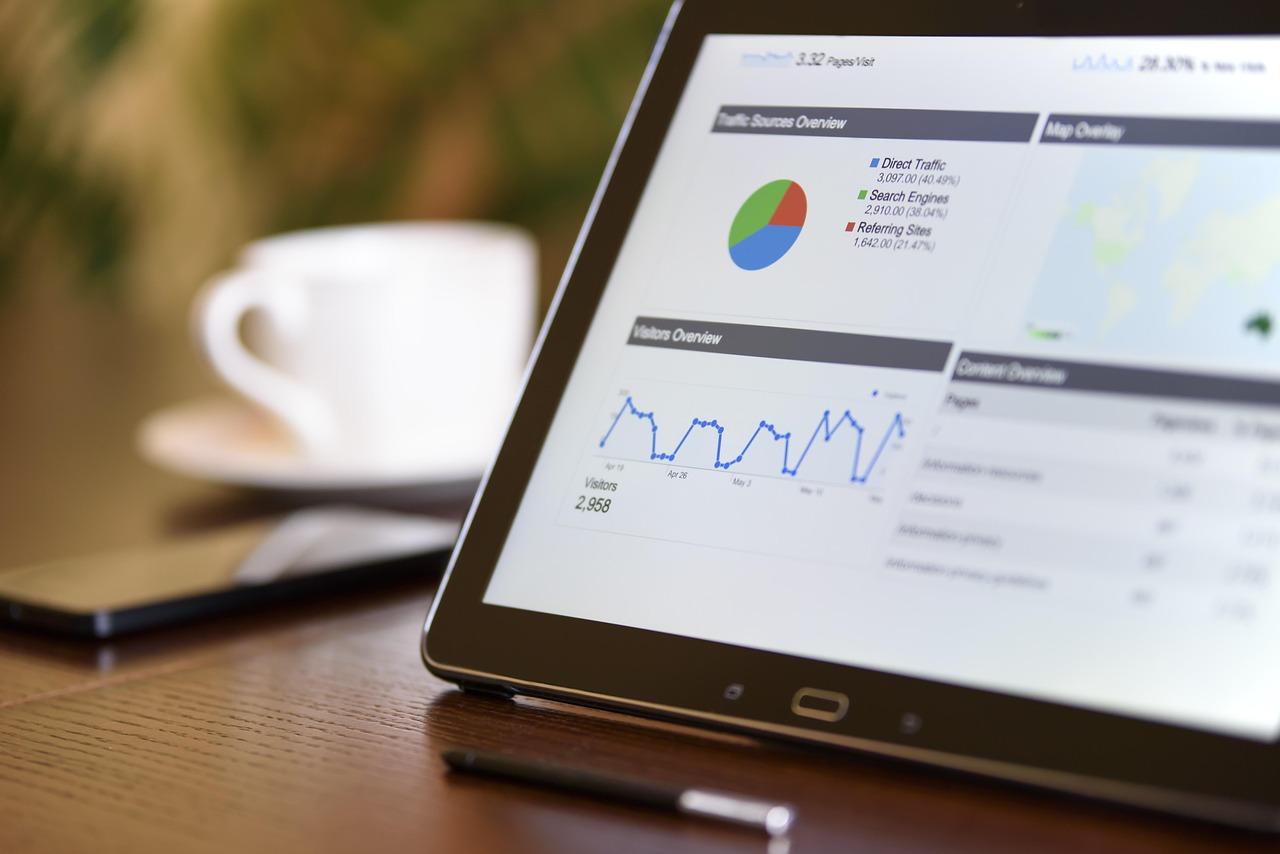
Analyzing Data: Tracking Success and Adjusting Strategies
Tracking the effectiveness of your recurring payment systems is crucial for any small business looking to grow. By analyzing how these payment processes perform, you can identify trends, spot challenges, and make informed adjustments to your strategies. Here are some key areas to focus on:
- Payment Success Rates: Monitor how often transactions are completed successfully. A high success rate indicates a smooth process, while a low rate may suggest technical issues or payment method incompatibilities.
- Customer Retention: Track how many customers remain subscribed to your services over time. An increase in cancellations can help you identify areas for improvement in your offerings.
- Churn Rate Analysis: Calculate the churn rate to understand how many subscribers you lose versus those you gain. High churn can signal problems with customer satisfaction or the perceived value of your service.
- Payment Method Preferences: Analyze which payment methods are favored by your customers. Offering a variety of options can enhance user experience and minimize drop-offs during checkout.
By regularly reviewing these metrics, you can make data-driven decisions to refine your payment processing strategies. For instance, if you notice a significant number of failed transactions from specific payment methods, consider offering additional options or improving your payment gateway.
| Metric | Current Value | Target Value | Action Needed |
|---|---|---|---|
| Payment Success Rate | 85% | 95% | Optimize payment gateway |
| Customer Retention Rate | 70% | 80% | Enhance customer engagement |
| Churn Rate | 30% | 15% | Conduct customer feedback surveys |
| Preferred Payment Method | Credit Cards (60%) | Increase alternative options | Launch new payment options |
Don’t overlook the importance of customer feedback. Engaging with your audience through surveys or feedback forms can provide insights into their experiences with your payment process. Are they facing hurdles? Is there something they wish was different? This direct input can be invaluable in tweaking your strategies.
remember that analyzing data isn’t a one-time task. Set up a regular review schedule—monthly, quarterly, or bi-annually—depending on your business size and activity level. This cadence will help you stay ahead of trends and make proactive adjustments, ensuring your recurring payment processing continues to align with your business goals and customer needs.
Tips for Reducing Payment Failures and Improving Retention
Strategies to Minimize Payment Failures
One of the primary challenges for small businesses managing recurring payments is dealing with payment failures. These disruptions can harm cash flow and retention rates. To tackle this, consider implementing the following strategies:
- Automated Payment Reminders: Set up automated reminders to notify customers a few days before their payment is due. This not only keeps them informed but also reduces the chances of accidental missed payments.
- Offer Multiple Payment Options: Providing various payment gateways can accommodate different customer preferences, making it easier for them to settle their bills on time.
- Update Card Information Easily: Create an intuitive interface where customers can quickly update their payment information. Simplifying this process can significantly reduce payment failures due to outdated card details.
- Transaction Limits: Consider implementing transaction limits that alert customers when they are nearing their payment threshold. This can help them stay informed and proactive in managing their finances.
Enhancing Customer Engagement
Effective communication plays a vital role in improving retention rates. Engage with your customers regularly to create a stronger bond:
- Personalize Communication: Tailor your messages to reflect customer preferences, transaction histories, or even birthdays. Personalized content fosters a deeper connection.
- Feedback Loops: Encourage customer feedback on your services and payment processes. Acting on their suggestions shows that you value their input, which can improve loyalty.
- Exclusive Offers: Reward long-term customers with exclusive deals or discounts. This tactic can incentivize them to maintain their subscriptions and promote retention.
Monitoring and Analyzing Payment Patterns
Data is your best friend when it comes to understanding payment trends. Establish a routine for monitoring and analyzing payment patterns:
- Identify Common Failure Reasons: Use analytics to track failed transactions. Knowing the root cause can help you address the problem—whether it’s due to insufficient funds or expired cards.
- Segment Your Customers: Categorize customers based on their payment history. This can help you create targeted strategies for those who frequently experience payment issues.
- Adjust Payment Intervals: If a segment of your customers consistently fails to make payments, consider adjusting the frequency or amount of their billing cycle. Some may prefer monthly over quarterly payments, for instance.
Table: Strategies for Reducing Payment Failures
| Strategy | Description |
|---|---|
| Automated Reminders | Send alerts before payment due dates. |
| Multiple Payment Options | Offer various gateways to meet customer preferences. |
| Easy Card Updates | Facilitate simple updates for payment information. |
| Transaction Limits | Notify customers of nearing payment thresholds. |
Enhancing Customer Experience Through Flexible Payment Options
In today’s fast-paced digital landscape, small businesses must recognize the pivotal role that flexible payment options play in enhancing customer satisfaction and loyalty. By offering a variety of recurring payment methods, companies can cater to the diverse preferences of their clientele and reduce the friction associated with payment processing. This not only leads to higher conversion rates but also encourages repeat business.
Consider these benefits of implementing flexible payment options for your customers:
- Increased Convenience: With options like credit/debit cards, digital wallets, and ACH transfers, customers can choose how they wish to pay, making their experience smoother.
- Improved Cash Flow: Recurring payments ensure a steady stream of income, allowing businesses to manage their finances more effectively.
- Enhanced Customer Retention: By making it easier for customers to stick with your services, you increase their likelihood of returning.
- Customization: Offering tailored payment schedules can meet the unique needs of your customers, fostering a sense of loyalty.
Implementing a flexible payment system doesn’t have to be complicated. Utilizing modern payment processors can simplify the setup. Many platforms offer features like:
- Automated billing
- Payment reminders
- Multi-currency support
To give you a clearer picture, here’s a simple table showcasing popular payment options and their advantages:
| Payment Option | Advantages |
|---|---|
| Credit/Debit Cards | Widely accepted, instant transactions |
| Digital Wallets | Speedy checkout, enhanced security |
| Bank Transfers | Lower fees for larger transactions |
| Buy Now, Pay Later | Increases purchasing power, attracts budget-conscious customers |
Moreover, integrating these payment options into your existing e-commerce platform can also provide you with valuable insights. Analytics from payment processors can help you track customer behavior, such as:
- Preferred payment methods
- Average transaction sizes
- Payment failure rates
This data is crucial for refining your marketing strategies and tailoring offers that resonate with your audience. For instance, if you notice that a significant portion of your customers prefer a specific payment method, you can prioritize promotions around that option to drive engagement.
embracing flexible payment options is not just about convenience; it’s about creating a customer-centric approach that fosters loyalty and drives growth. By investing in a robust recurring payment system, small businesses can ensure they remain competitive while enhancing overall customer experience.
Legal Considerations for Recurring Payments Every Business Should Know
When it comes to implementing recurring payments, understanding the legal landscape is crucial for small businesses. Navigating these waters can seem daunting, but being informed will not only protect your business but also foster trust with your customers. Here are some key legal considerations to keep in mind:
- Compliance with Payment Card Industry (PCI) Standards: Ensure that your payment processing system adheres to PCI DSS requirements. This protects customer payment information and minimizes the risk of data breaches.
- Clear Terms and Conditions: Make sure that customers are well-informed about the terms of their subscription, including billing cycles, cancellation policies, and any additional fees that may apply. Transparency builds trust and reduces disputes.
- Customer Consent: Obtain explicit consent from customers before initiating recurring payments. This can be done through a checkbox during the signup process or a confirmation email outlining the agreement.
- Notification of Changes: If you plan to change pricing or terms of the subscription, notify customers in advance. This not only keeps them informed but also complies with legal requirements in several jurisdictions.
Another important aspect to consider is the region in which your business operates. Different states and countries have varying laws regarding subscription services. It’s essential to:
- Review Regional Legislation: Familiarize yourself with laws such as the California Consumer Privacy Act (CCPA) or the General Data Protection Regulation (GDPR) in Europe, which have specific regulations around consumer rights and data protection.
- Record Keeping: Maintain thorough records of customer agreements, consent, and communications. This documentation can be invaluable in the event of disputes or audits.
Additionally, consider how refunds and chargebacks are managed. Having a clear policy on refunds can help mitigate disputes. It’s also advisable to:
| Policy Aspect | Best Practice |
|---|---|
| Refund Policy | Clearly outline terms for refunds and cancellations on your website. |
| Chargeback Handling | Develop a strategy to address chargebacks promptly and professionally. |
Lastly, consider the implications of automatic renewals. Many jurisdictions require businesses to have a specific policy regarding auto-renewal agreements, including:
- Explicit Disclosure: Clearly state that the subscription will automatically renew unless cancelled.
- Easy Cancellation Process: Make it simple for customers to cancel their subscriptions. A complicated cancellation process can lead to frustration and negative reviews.
By keeping these legal considerations in mind, you’ll be better equipped to implement a successful recurring payment system that protects your business and enhances customer satisfaction.
The Future of Recurring Payments: Trends to Watch Out For
As we look ahead, the landscape of recurring payments is evolving rapidly, shaped by several key trends that small businesses should keep an eye on. The rise of subscription services and digital products has set the stage for a shift in how consumers approach payments, emphasizing the need for flexibility and convenience.
One major trend is the increasing demand for personalized payment experiences. Customers expect tailored options that fit their unique preferences. This means businesses should consider offering:
- Customizable billing cycles
- Flexible pricing tiers
- Discounts for longer commitment periods
Another important development is the growth of mobile payment solutions. As smartphones become the primary device for online transactions, optimizing your recurring payment processes for mobile users is crucial. Implementing mobile-friendly payment gateways can significantly enhance user experience and increase conversion rates.
Additionally, the integration of AI and machine learning into payment processing is on the rise. These technologies can help businesses analyze customer behavior, predict payment failures, and provide proactive solutions. For instance, AI can facilitate:
- Dynamic pricing adjustments based on user engagement
- Fraud detection and prevention
- Automated customer support through chatbots
Security measures are also becoming more sophisticated. The shift towards biometric authentication and tokenization ensures that customer information is protected during transactions. Consumers are more likely to engage with businesses that prioritize data security, making it essential for small businesses to adopt these technologies to build trust.
In terms of payment methods, we are witnessing a surge in the use of cryptocurrencies for recurring payments. Offering this option not only attracts tech-savvy customers but also positions your business as an innovator in the financial landscape. Understanding the implications of accepting such payments will be vital for future growth.
Lastly, companies are increasingly focusing on sustainability in their operations. Implementing eco-friendly payment solutions can resonate well with environmentally conscious consumers. This could involve everything from digital invoicing to using green payment processors. By showcasing your commitment to sustainability, you can differentiate your brand in a crowded market.
| Trend | Implication for Small Businesses |
|---|---|
| Personalized Experiences | Higher customer satisfaction and retention |
| Mobile Solutions | Increased conversion rates |
| AI Integration | Enhanced customer insights and fraud prevention |
| Cryptocurrency Acceptance | Attracting new demographics |
| Sustainability Focus | Improved brand loyalty and image |
staying ahead of these trends will not only improve your recurring payment strategy but also position your business as a forward-thinking leader in your industry. Embracing innovation and adapting to consumer expectations can pave the way for long-term success in the world of recurring payments.
Maximizing Profitability with Upselling and Cross-Selling Strategies
In the competitive landscape of small businesses, finding ways to enhance profitability is crucial. One effective method to boost revenue is through implementing strategic upselling and cross-selling techniques. These approaches not only increase average transaction sizes but also foster deeper customer relationships, leading to loyalty and repeat business.
Understanding Upselling and Cross-Selling
Before diving into strategies, it’s essential to differentiate between upselling and cross-selling:
- Upselling involves encouraging customers to purchase a more expensive version of the item they are considering. For example, if a customer is interested in a basic software package, you might offer them the premium version with additional features.
- Cross-selling suggests related products that complement the original purchase. If a customer is buying a printer, you could suggest buying ink cartridges or paper as well.
Effective Strategies for Upselling
To effectively upsell, consider the following tactics:
- Highlighting Benefits: Clearly communicate the advantages of upgrading. Use bullet points or tables to outline the additional features and benefits to make the decision easier for the customer.
- Limited-Time Offers: Create urgency by providing time-sensitive discounts for premium products. This can prompt quicker decision-making.
Implementing Cross-Selling Techniques
Cross-selling can be equally powerful when executed correctly. Here are some strategies:
- Bundle Products: Create attractive product bundles that offer a discount when items are purchased together. For instance, a ‘starter kit’ for new customers can be very appealing.
- Personalized Recommendations: Use customer data to suggest products that fit their previous purchases. Personalized emails or on-site suggestions can boost cross-selling effectiveness.
| Strategy Type | Best Practices | Benefits |
|---|---|---|
| Upselling | Highlight benefits, offer upgrades | Increased average sale value |
| Cross-Selling | Bundle products, personalized suggestions | Enhanced customer experience, higher total sales |
Measuring Success
To know if your upselling and cross-selling efforts are effective, it’s essential to track specific metrics:
- Average Order Value (AOV): Monitor changes in AOV to assess the impact of your strategies.
- Conversion Rates: Analyze how many customers take the bait on your upsell or cross-sell offers.
- Customer Feedback: Regularly solicit feedback to understand how customers perceive your selling techniques.
By integrating these strategies into your recurring payment processing framework, you’re not just optimizing payment methods but also enhancing the overall customer journey. When customers feel valued and informed, they are more likely to spend more and return for future purchases—ultimately maximizing your business’s profitability.
Conclusion: Embracing Recurring Payments for Sustainable Growth
As we navigate the ever-changing landscape of small business finance, it becomes increasingly clear that recurring payments aren’t just a trend; they are a fundamental shift in how businesses operate. By embracing this model, small businesses can create a steady stream of income, allowing for better cash flow management and more predictable financial planning. This shift from one-time transactions to a recurring payment framework opens up a wealth of opportunities.
One of the most compelling aspects of recurring payments is the ability to build long-term customer relationships. When customers subscribe to a service or product, they are more likely to engage with your brand over time. This ongoing relationship fosters loyalty, making it easier for businesses to upsell or cross-sell additional products or services. With a subscription model, your customers aren’t just one-time buyers; they become partners in your business journey.
Implementing a recurring payment system is not without its challenges. However, with the right tools and strategies in place, these hurdles can be easily overcome. Consider the following key elements for a successful transition:
- Choose the right payment processor: Look for one that offers features tailored to your business needs.
- Communicate transparently: Make sure customers understand what they are signing up for, including pricing and billing cycles.
- Utilize automation: Leverage technology to automate billing and customer communication, reducing manual errors.
- Analyze and optimize: Regularly review your subscription metrics to identify areas for improvement.
Moreover, it’s essential to keep your customers engaged and satisfied. Offering added value is crucial in a subscription model. You might consider:
- Exclusive content or services: Provide subscribers with something they can’t get elsewhere.
- Flexible plans: Allow for easy upgrades, downgrades, or cancellations to accommodate customer needs.
- Loyalty rewards: Create incentive programs that reward long-term subscribers for their commitment.
In the context of financial forecasting, recurring payments simplify revenue predictions. Instead of dealing with the unpredictability of sporadic sales, businesses can calculate future earnings based on existing subscriptions. This capability can significantly enhance budgeting and investment decisions. Below is a simple overview of how recurring payments can impact financial forecasting:
| Aspect | Traditional Sales | Recurring Payments |
|---|---|---|
| Income Predictability | Low | High |
| Customer Retention | One-time | Long-term |
| Cash Flow Management | Variable | Stable |
the potential of recurring payments for small businesses is immense. By adopting this model, you can not only enhance revenue predictability but also foster stronger relationships with your customers. As you implement these strategies, remember that the goal is to create a system that benefits both your business and your customers. The path to sustainable growth starts with a commitment to embracing the future of payment processing.
Frequently Asked Questions (FAQ)
Q&A: Recurring Payment Processing – A Complete Guide for Small Biz
Q1: What exactly is recurring payment processing?
A1: Great question! Recurring payment processing is a method that allows businesses to automatically charge customers at regular intervals—think weekly, monthly, or annually. It’s perfect for subscription services, membership fees, or any scenario where customers expect regular billing without having to manually pay each time. It’s like setting your business on autopilot while ensuring you get paid consistently!
Q2: Why should my small business consider using recurring payment processing?
A2: Imagine this: steady cash flow, reduced billing headaches, and happier customers. Recurring payment processing can help you achieve all of that! By automating payments, you save time on manual billing and minimize the risk of human error. Plus, your customers will appreciate the convenience of not having to remember to pay each month. It’s a win-win!
Q3: How does recurring payment processing work?
A3: It’s pretty straightforward! Once a customer agrees to a subscription or payment plan, you’ll securely collect their payment information. You then set up a payment schedule through your chosen payment processor. After that, the processor automatically charges the customer on the agreed date. It’s as simple as that! You can also easily manage billing cycles, adjust amounts, or even pause subscriptions if needed.
Q4: Are there any fees associated with recurring payment processing?
A4: Yes, there typically are! Different payment processors have various fee structures, including monthly fees, transaction fees, and percentage-based charges. It’s essential to shop around and find a processor that fits your business needs and budget. Just remember, while fees are a consideration, the benefits of consistent cash flow and customer retention often outweigh the costs!
Q5: What should I look for in a payment processor?
A5: Look for a processor that offers seamless integration with your existing systems, whether that’s an e-commerce platform or your invoicing software. Additionally, consider transaction fees, security features to protect sensitive data, customer support, and the ability to customize billing cycles. The right processor will make your life easier and enhance your customers’ experience.
Q6: Can recurring payment processing help in customer retention?
A6: Absolutely! By offering subscriptions or payment plans through recurring billing, you create a more predictable revenue stream. Plus, the convenience keeps customers engaged and satisfied. When customers don’t have to worry about when their next payment is due, they’re more likely to stick around. It’s all about creating a hassle-free experience that fosters loyalty!
Q7: What if a customer wants to cancel their subscription?
A7: Flexibility is key! Make sure your cancellation policy is clear and straightforward. Most payment processors allow you to easily manage subscriptions, including cancellations. Always communicate with your customers; if they’re considering canceling, it’s a great opportunity to understand their concerns and possibly offer solutions that could keep them on board.
Q8: How can I promote my recurring payment options to customers?
A8: Highlight the benefits! Use your website, social media, and email newsletters to showcase the convenience of subscribing. Offer introductory discounts or bonuses for signing up for a recurring payment plan. The goal is to make it irresistible for your customers to choose the recurring option and enjoy the value it brings.
Q9: Any final tips for small businesses considering recurring payment processing?
A9: Definitely! Start by understanding your customer base and their payment preferences. Choose the right payment processor that aligns with your business goals and prioritizes security. Test the waters with a few offerings and gather feedback to optimize your approach. And remember, the easier you make it for customers to pay, the more likely they are to stay!
Q10: Where can I find more resources about recurring payment processing?
A10: You’re in luck! There are tons of online resources, including blogs, webinars, and guides from payment processors that dive deeper into the nitty-gritty. Additionally, consider reaching out to local business networks or associations—they often have workshops or seminars on payment processing that can provide valuable insights.
Feel free to reach out with more questions, and happy processing! Your small business deserves the best, and recurring payment processing can help you achieve that!
Concluding Remarks
As we wrap up this comprehensive guide on recurring payment processing for small businesses, it’s clear that embracing this model can be a game changer for your operations. Whether you’re a budding entrepreneur or a seasoned business owner, adopting recurring payments can streamline your cash flow, enhance customer loyalty, and reduce the headaches of manual billing.
Remember, it’s not just about convenience for you—it’s about providing a seamless experience for your customers. When they find that they can easily manage their subscriptions with just a few clicks, it builds trust and encourages long-term relationships.
So, if you haven’t already, take that leap! Explore the various payment processors available, and find one that aligns with your business needs. Test it out, gather feedback, and watch how it transforms the way you do business.
In the fast-paced world of entrepreneurship, staying ahead means adapting to trends that can propel your growth. With recurring payment processing in your toolkit, you’re not just keeping up; you’re setting the pace. So go ahead, make that shift, and unlock the potential of your small business today. You’ve got this!