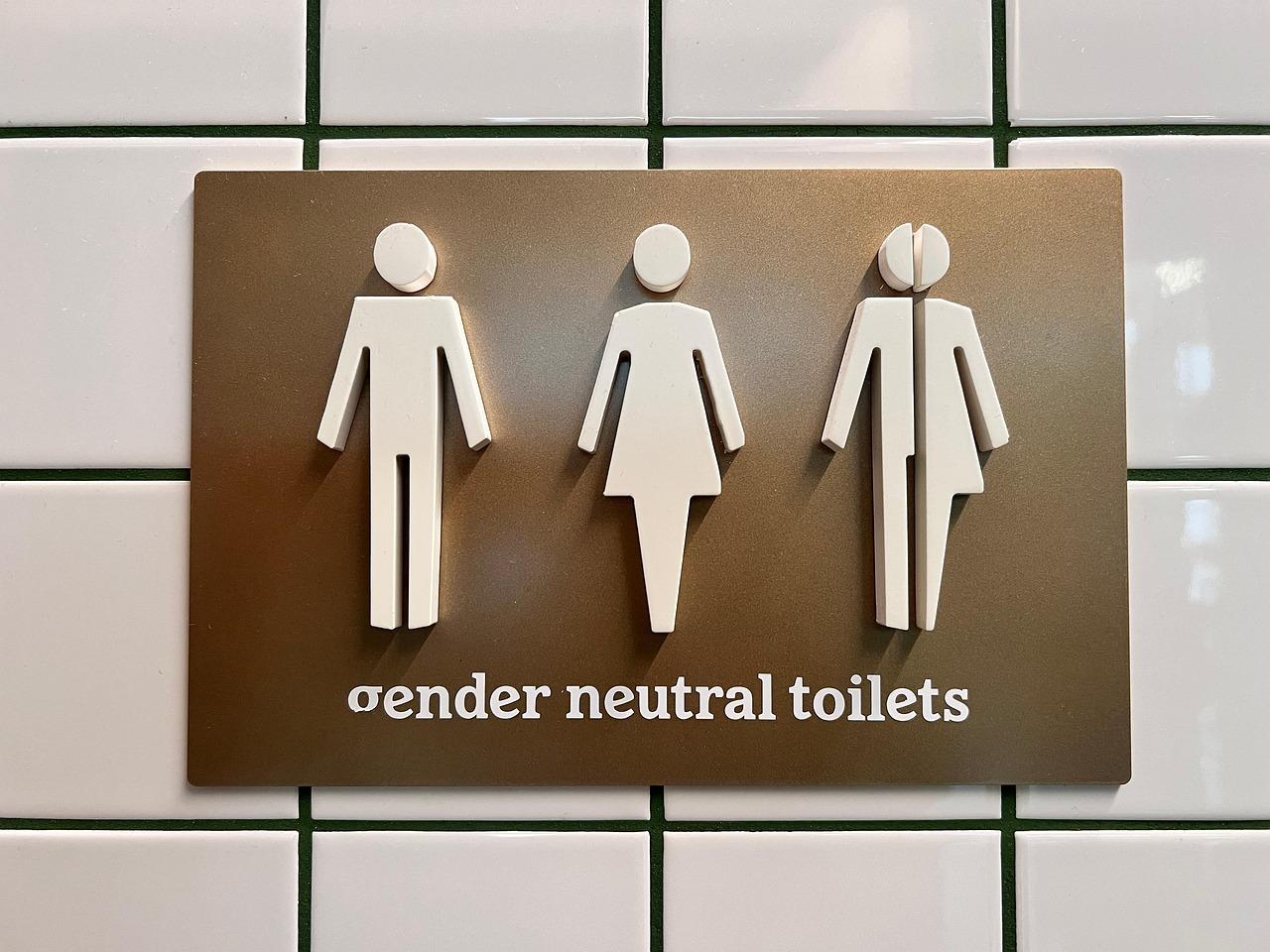
Web Accessibility: How to Get Started (Simple Checklist)
In our increasingly digital world, the internet should be a place where everyone—regardless of ability—can navigate, explore, and engage without barriers. Yet, for many, accessing online content remains a challenge. If you’ve ever wondered how to make your website more inclusive, you’re not alone! Fortunately, getting started with web accessibility doesn’t have to be overwhelming. In this article, we’ll walk you through a simple checklist that will help you create a more accessible website for all users. By embracing these straightforward steps, you’ll not only enhance your site’s usability but also expand your audience and foster a welcoming online environment. Let’s dive in and make sure everyone can connect with what you have to offer!
Understanding Web Accessibility and Its Importance
Web accessibility is not just a technical requirement; it’s a commitment to inclusivity. By ensuring that websites can be easily accessed and navigated by everyone, including those with disabilities, we foster a digital environment that embraces diversity. This goes beyond mere compliance with guidelines; it’s about enriching the user experience for all.
Imagine visiting a website where every user, regardless of their capabilities, can engage seamlessly. This is the essence of web accessibility. Here are some key reasons why it matters:
Inclusivity: By making your website accessible, you’re welcoming all users, including those with visual, auditory, cognitive, or motor impairments.
Improved User Experience: Accessible sites often provide a better overall experience. Features like alternative text for images and proper heading structures benefit everyone.
SEO Benefits: Many accessibility practices align with search engine optimization strategies, helping your website rank higher in search results.
Legal Compliance: Many countries have regulations that require web accessibility, making it essential to avoid legal repercussions.
To understand how to implement these accessibility practices, it’s useful to consider the different types of disabilities users may face. Here’s a simplified overview:
Type of Disability
Accessibility Needs
Visual Impairments
Screen readers, high-contrast visuals
Hearing Impairments
Transcripts for audio, captions for videos
Cognitive Disabilities
Simplified navigation, clear language
Motor Impairments
Keyboard navigation, voice commands
To get started on making your website more accessible, consider the following checklist:
Use descriptive alt text for images.
Ensure that your website can be navigated using a keyboard.
Provide transcripts and captions for multimedia content.
Utilize headings effectively to create a logical structure.
Test your website with various assistive technologies.
Incorporating web accessibility into your design and development process is an ongoing journey, not a one-time task. Regular updates and user feedback are critical to maintaining an inclusive website. By prioritizing accessibility, you demonstrate a commitment to every user, enhancing your brand reputation and reaching a broader audience.
Identifying Accessibility Barriers on Your Website
Website accessibility is crucial for ensuring that all users, regardless of their abilities, can navigate and benefit from your content. Identifying accessibility barriers is the first step toward making your site more inclusive. Let’s explore some common barriers that might be affecting your website.
Poor Color Contrast: Low contrast between text and background can make reading difficult for users with visual impairments. Use tools to check color contrast ratios and ensure they meet accessibility standards.
Inaccessible Forms: Ensure that all form elements are clearly labeled and provide feedback for errors. This helps users who rely on assistive technologies to interact with your forms.
Keyboard Navigation Issues: Many users cannot use a mouse and rely on keyboard navigation. Ensure all interactive elements are accessible through tab navigation and provide visible focus states.
To help identify these barriers, consider conducting an accessibility audit using both automated tools and manual testing. Automated tools can quickly highlight potential issues, but manual testing is necessary to understand the user experience fully.
Accessibility Tool
Purpose
Notes
WAVE
Detects accessibility errors
Offers visual feedback on web pages
axe
Automated testing
Integrates into developer tools
Lighthouse
Performance and accessibility audits
Part of Chrome DevTools
Once you’ve identified potential barriers, involve real users in your testing process. This gives you valuable insights directly from those who may face challenges navigating your site. Consider creating a feedback loop where users can easily report accessibility issues, allowing you to prioritize fixes.
remember that accessibility is an ongoing journey. Technologies and standards evolve, and so should your approach. Regularly revisit your website to identify new barriers and ensure your content remains accessible to everyone.
Getting Familiar with Accessibility Guidelines
Understanding accessibility guidelines is essential for creating an inclusive digital environment. These guidelines help ensure that websites are usable by everyone, including individuals with disabilities. Familiarizing yourself with these standards not only improves user experience but also expands your audience reach.
One of the most widely adopted frameworks is the Web Content Accessibility Guidelines (WCAG). Developed by the World Wide Web Consortium (W3C), these guidelines provide a comprehensive set of recommendations for making web content more accessible. The guidelines are organized around four principles—Perceivable, Operable, Understandable, and Robust (POUR)—that together form the foundation of accessible web design.
Here are some key concepts to keep in mind:
Perceivable: Information must be presented in ways that all users can perceive. This includes providing text alternatives for non-text content, making content adaptable to different devices, and ensuring sufficient contrast between text and background.
Operable: Users must be able to navigate and interact with the interface. This means all functionality should be accessible via a keyboard, and users should have enough time to read and use content.
Understandable: The information and operation of the user interface must be clear and simple. This involves using straightforward language and providing consistent navigation.
Robust: Content should be robust enough to be interpreted reliably by a wide variety of user agents, including assistive technologies.
To help you get started, consider using a simple checklist based on the WCAG guidelines. This checklist can serve as a practical tool in your web development process:
Checklist Item
Status
Provide text alternatives for images and graphics
✔️
Ensure keyboard navigability
✔️
Use headings to structure content
✔️
Maintain color contrast
✔️
Additionally, there are various accessibility tools available that can help you evaluate your website against these guidelines. Tools like WAVE, Axe, and Google Lighthouse can provide insights into how your site measures up and what improvements can be made.
Ultimately, embracing accessibility not only fulfills a legal obligation but also enriches the user experience for all. By committing to these guidelines, you’re taking a significant step toward creating a more equitable web.
Key Principles of Inclusive Design
When embarking on the journey to make your website more accessible, it’s essential to embrace the core tenets of inclusive design. These principles not only guide you in creating a user-friendly experience but also ensure that your site caters to a diverse audience. Here are some key concepts to consider:
Diversity is our strength: Recognizing that users come from various backgrounds, abilities, and contexts is crucial. Design with empathy and understand that a one-size-fits-all approach often misses the mark.
Equitable use: Your designs should be useful to people with varying abilities. This means providing the same means of use for all users; avoid segregating or stigmatizing any group.
Flexibility in use: Your design should accommodate a wide range of individual preferences and abilities. This could include adjustable text sizes, customizable color schemes, or voice commands for navigation.
Simple and intuitive design: Complexity can alienate users. Strive for clarity in language, navigation, and interface elements. Users should be able to understand and use your site without excessive effort.
Perceptible information: Ensure that the information you present can be easily perceived by all users. This involves using sufficient contrast, providing text alternatives for non-text content, and ensuring that your site works with screen readers.
Moreover, involving diverse users in the design process can offer fresh perspectives. Feedback from people with disabilities or those using assistive technologies can lead to valuable insights that enhance usability for everyone. Collaboration is key in fostering a community-driven design that resonates with a wider audience.
Incorporate regular testing and updates into your development cycle. Accessibility is not a one-time task; it’s an ongoing commitment. Utilize automated tools and manual testing to ensure you’re meeting accessibility standards. These efforts will not only improve your website’s usability but also boost your overall search engine optimization (SEO) and user engagement.
By embedding these principles into your design process, you’ll create a more inclusive web environment. Remember, accessible design isn’t just about compliance; it’s about creating a digital space where everyone, regardless of their abilities, can engage and thrive.
Creating an Accessible Color Palette
When designing your website, selecting a color palette that is both visually appealing and accessible is crucial. Not only does it enhance aesthetics, but it also ensures that all users, including those with visual impairments, can navigate and interact with your content effectively. Here are some vital considerations to keep in mind when :
Contrast is Key: Ensure that there is sufficient contrast between your text and background colors. A good rule of thumb is to aim for a contrast ratio of at least 4.5:1 for regular text and 3:1 for large text. Tools like the WebAIM Contrast Checker can help you assess your color choices.
Limit Your Palette: Using a limited color palette not only keeps your design clean but also aids accessibility. Stick to a primary color, a few complementary colors, and a neutral background to avoid overwhelming users.
Consider Color Blindness: Approximately 1 in 12 men and 1 in 200 women are affected by color blindness. Use patterns or textures in addition to color to convey information, especially for important elements like charts or graphs.
Test on Different Devices: Colors can look different on various screens. Always test your chosen palette on multiple devices and under different lighting conditions to ensure a consistent experience for all users.
Here’s a simple table showcasing some color combinations along with their contrast ratios that can inspire your accessible design:
Text Color
Background Color
Contrast Ratio
#FFFFFF (White)
#000000 (Black)
21:1
#1A1A1A (Dark Gray)
#F7F7F7 (Light Gray)
10.3:1
#0056B3 (Blue)
#FFFFFF (White)
5.3:1
#D9534F (Red)
#FFFFFF (White)
4.5:1
Another essential aspect is to ensure that color isn’t the only means of conveying information. This means adding labels and icons to your design elements. For instance, if you’re using color to indicate status (like errors in a form), always accompany it with text descriptions or icons. This not only aids colorblind users but also enhances clarity for everyone.
Accessibility extends beyond just color. Remember that your users will interact with your site in different ways. Therefore, provide options for users to customize their experience. Allowing them to adjust font sizes or switch to a high-contrast mode can make a significant difference.
Lastly, engage with your audience. Gather feedback from users with disabilities to understand their experiences with your color palette. This feedback is invaluable, as it can guide future enhancements and foster a more inclusive environment.
Ensuring Text Readability and Font Choices
When it comes to web accessibility, ensuring that your text is easy to read is crucial. The right choices in typography can significantly enhance the user experience for everyone, including those with visual impairments or dyslexia. Here are some key factors to consider:
Font Family: Choose a clean and simple typeface. Sans-serif fonts like Arial, Helvetica, or Verdana are often easier to read on screens. Avoid overly decorative fonts that may distract or confuse users.
Font Size: Ensure that your text is large enough to be easily readable. A minimum size of 16px is generally recommended for body text. Consider using relative units like em or rem for better scalability on different devices.
Line Height: A line height of 1.5 to 1.8 times the font size improves readability by providing enough space between lines. This can help users follow the text more easily.
Contrast: High contrast between text and background is essential. Use dark text on a light background or vice versa. Tools like the WebAIM Contrast Checker can help ensure you meet accessibility standards.
In addition to these elements, it’s important to consider the formatting of your text. Use headings and subheadings to break up content into manageable sections. This not only enhances readability but also aids navigation for screen reader users.
Here’s a simple table to illustrate some ideal font choices:
Font
Type
Best For
Arial
Sans-serif
General text
Georgia
Serif
Long-form content
Verdana
Sans-serif
Web display
Tahoma
Sans-serif
Online forms
Another vital aspect is the use of white space. Ample spacing around text blocks can prevent the content from feeling cramped, which may overwhelm users. A well-structured layout, combined with plenty of white space, creates a friendly and inviting reading experience.
Lastly, consider implementing alternative text for images and visual elements within your text. This ensures that all users, including those relying on screen readers, can engage with your content fully. Remember, the goal is to create an inclusive environment that welcomes every visitor to your site.
Making Navigation Intuitive for Everyone
Creating an intuitive navigation experience is essential for all users, especially those with disabilities. When designing your website, consider the diverse ways people interact with digital content. Here are some vital strategies to enhance your site’s navigation:
Use Clear Labels: Ensure that all navigation menus and links have descriptive labels. Instead of generic terms like “click here,” use phrases that indicate the content of the link, such as “Read our Accessibility Guidelines.”
Organize Content Logically: Group related items together and place them in a logical order. Users should be able to anticipate where they will find specific information.
Implement a Consistent Structure: Keep your navigation consistent across all pages. This helps users build familiarity and make them feel more comfortable while exploring your site.
Use Visual Cues: Incorporate visual indicators such as arrows, icons, or hover effects to signify clickable elements. This can greatly enhance user experience, especially for those who rely on visual aids.
Additionally, consider the following elements that boost navigational ease:
Keyboard Accessibility: Make sure that all navigational elements can be accessed via keyboard shortcuts. This is critical for users who cannot use a mouse.
Touch Targets: Ensure that buttons and links are large enough to be easily tapped on touch devices. A minimum target size of 44 x 44 pixels is recommended.
Responsive Design: Optimize your navigation for various screen sizes. A mobile-friendly design can enhance usability for all users, particularly those on smartphones or tablets.
To further illustrate the importance of navigational clarity, consider the following table:
Navigation Element
Best Practice
Main Menu
Simple and concise categories
Search Bar
Prominently placed for quick access
Breadcrumbs
Show users their location within the site
Footer Links
Include important links for easy reference
Moreover, usability testing can significantly improve your site’s navigation. Engage real users, including those with disabilities, to test your navigation. Their feedback will provide invaluable insights into how intuitive your navigation truly is. Adjustments made based on user testing can lead to a more accessible and efficient browsing experience.
Lastly, always stay updated with the latest web accessibility guidelines. The landscape of technology is ever-evolving, and keeping your navigation aligned with best practices is crucial. By focusing on accessibility from the ground up, you not only meet legal requirements but also serve a broader audience, enhancing user satisfaction and engagement.
Implementing Alternative Text for Images
When it comes to web accessibility, providing alternative text for images is one of the most important steps you can take to ensure that all users, including those with visual impairments, can engage with your content. Alternative text, or “alt text,” serves as a textual description of an image, allowing screen readers to convey meaningful information to users who rely on auditory feedback.
To effectively implement alt text, consider the following guidelines:
Be Descriptive: Use clear and concise language to describe the image. Instead of saying “dog,” try “a golden retriever playing in the park.” This gives a better context to the viewer.
Keep It Relevant: Ensure that the alt text relates directly to the content of the page. If the image is decorative and adds no informational value, it may be appropriate to leave the alt text empty (i.e., alt=””).
Avoid Redundancy: If the image is already accompanied by a caption or text that conveys the same information, you don’t need to repeat it in the alt text.
Limit Length: Aim for a balance between detail and brevity; generally, 125 characters or less is ideal for alt text.
Here’s a simple HTML table showcasing good versus poor examples of alt text:
Image Context
Good Alt Text
Poor Alt Text
A group of children playing soccer
A group of children laughing while playing soccer in a sunny park.
Kids playing.
A chef preparing a dish
A chef chopping vegetables in a modern kitchen.
Chef.
A landscape photograph
A breathtaking view of the mountains at sunset.
Mountain picture.
When writing alt text, remember to consider your audience. What information would be valuable to them? If the image conveys important information or evokes certain emotions, ensure that your alt text reflects this significance.
Lastly, make ongoing updates as necessary. With new images being added or the context of existing images changing, regularly revisiting your alt text will help maintain an accessible web experience. This practice not only enhances usability for individuals with disabilities but also improves overall SEO, making your content more discoverable.
Designing Forms That Everyone Can Use
Forms are an essential part of any website, allowing users to interact, provide feedback, and complete transactions. However, if not designed with accessibility in mind, they can become a barrier for many individuals. To ensure your forms are usable by all, consider the following best practices.
Label Elements Clearly: Each input field should have a corresponding label that is easy to read and understand. Use descriptive text that indicates what information is required.
Use Fieldset and Legend: For grouped fields, such as radio buttons or checkboxes, utilize the and elements to provide context and improve screen reader compatibility.
Provide Error Messages: When users submit a form with errors, clear and concise messages should inform them what went wrong and how to correct it. Consider using inline error messages that highlight the specific fields.
Keyboard Navigation: Ensure that all form elements can be accessed and navigated using a keyboard alone. This is crucial for users who cannot use a mouse.
Designing forms should also take visual impairments into account. Color contrast and font size play a significant role in readability. Here’s how to enhance accessibility:
High Contrast: Make sure there is sufficient contrast between the text and background colors. Tools like the WebAIM Contrast Checker can help you evaluate the contrast ratio.
Readable Font Sizes: Use a font size that is easy to read, ideally starting at 16px. You can also allow users to increase text size without breaking the layout.
Additionally, consider the order of elements within the form. A logical flow can greatly enhance usability:
Form Element
Suggested Order
Name
1
Email
2
Message
3
Submit Button
4
always test your forms with real users, including those with disabilities. Gathering feedback will help you make improvements and ensure a seamless experience for everyone. Remember, creating an inclusive environment isn’t just about compliance; it’s about fostering a community where all users feel valued and empowered.
Testing Your Website with Accessibility Tools
Testing your website for accessibility is a crucial step in ensuring that everyone, regardless of their abilities, can navigate and interact with your content effectively. Fortunately, there are numerous tools available that can help you evaluate your site’s accessibility. Here’s how to get started with these tools.
First, consider using automated accessibility testing tools. These tools can quickly scan your website and provide insights into potential accessibility issues. Some popular options include:
axe: A browser extension that integrates with your development tools to test your code.
Lighthouse: An open-source automated tool for improving the quality of web pages, including accessibility audits.
While automated tools are a great starting point, they can’t catch everything. So, next, incorporate manual testing into your process. Here are some simple methods to follow:
Keyboard Navigation: Ensure that all interactive elements on your site can be accessed using only a keyboard. This is essential for users with mobility impairments.
Screen Reader Compatibility: Use a screen reader (like NVDA or JAWS) to experience your site as a visually impaired user would.
Color Contrast Check: Ensure text has sufficient contrast against its background to be readable by users with visual impairments.
Additionally, it’s beneficial to conduct user testing with individuals who have disabilities. This real-world feedback can provide invaluable insights that automated tools or manual checks might miss. You can gather a group of users with varying abilities and observe how they interact with your site.
Testing Method
Purpose
Tools
Automated Tools
Quick identification of issues
WAVE, axe, Lighthouse
Manual Testing
Find issues that tools miss
Keyboard Navigation, Screen Reader
User Testing
Real-world experience and feedback
In-person or remote sessions
After gathering data from these tests, compile a list of the identified issues and prioritize them based on their severity and impact on users. Addressing critical issues like missing alt text, improper heading structures, and keyboard navigation barriers should take precedence.
remember that accessibility is not a one-time task but an ongoing commitment. Regularly revisit your testing process as you update your content and design, ensuring that your website remains accessible to all users. By integrating accessibility testing into your workflow, you not only enhance user experience but also comply with legal standards and foster inclusivity.
Gathering user feedback is vital for enhancing web accessibility and ensuring that your site meets the needs of all users. By actively soliciting input from visitors, you can identify potential barriers and improve the overall user experience. Here are some effective strategies to collect meaningful feedback:
User Surveys: Create short surveys that ask users about their experience navigating your site. Focus on specific aspects of accessibility, such as ease of navigation, clarity of text, and the effectiveness of alternative text for images.
Feedback Forms: Integrate simple feedback forms directly on your site. Allow users to report issues they encounter or suggest improvements easily.
Usability Testing: Conduct regular usability tests with participants who have various disabilities. Observing real users as they interact with your site can provide invaluable insights.
Accessibility Checklists: Distribute checklists that users can fill out after visiting your site. This can guide them in providing structured feedback on specific accessibility features.
To make the feedback process even more engaging, consider offering incentives for users who participate, such as discounts or entry into a prize draw. This not only increases participation rates but also shows your commitment to valuing user input.
Analyzing the feedback you receive is just as crucial as gathering it. Create a simple feedback tracking table to categorize and prioritize user comments based on frequency and severity. This can help you focus on the most pressing issues first:
User Feedback
Category
Priority Level
Images lack alt text
Content
High
Navigation is confusing
Usability
Medium
Fonts are too small
Design
High
Missing caption for videos
Media
High
Once you’ve gathered and analyzed the feedback, it’s essential to communicate the resulting changes back to your users. Let them know how their input has helped shape improvements on your site. This not only boosts user morale but also encourages ongoing participation in future feedback initiatives.
consider creating a dedicated section on your website where users can easily access information about your commitment to accessibility. Transparency about your efforts can foster trust and build a more engaged community around your brand.
Staying Updated with Accessibility Trends and Best Practices
As the digital landscape evolves, staying informed about the latest accessibility trends and best practices is crucial for creating inclusive online experiences. Incorporating accessibility into your web design not only broadens your audience but also enhances user satisfaction. Here are some essential trends and insights to keep in mind:
Focus on Inclusive Design: Emphasizing user-centered design ensures that your website accommodates diverse needs. This approach goes beyond compliance; it’s about creating an experience that everyone can enjoy.
Embrace Voice User Interface (VUI): With the rise of smart speakers and voice-activated technology, integrating VUI into your web platform can improve accessibility for users with mobility challenges.
Responsive Accessibility: Mobile usage continues to grow, so ensure that your accessibility features are effectively implemented across all devices. Testing across different platforms will help you identify areas for improvement.
Utilize AI and Automation: Tools that leverage artificial intelligence can streamline the accessibility review process, helping to identify and rectify issues more efficiently.
In addition to the latest trends, consider employing these best practices to enhance your website’s accessibility:
Best Practices
Description
Provide Text Alternatives
Ensure that all images and media have alternative text, allowing screen readers to interpret content for visually impaired users.
Keyboard Navigation
Design your website so that all interactive elements can be accessed using keyboard shortcuts, catering to users with mobility impairments.
Semantic HTML
Use HTML elements according to their intended purpose. This aids assistive technologies in understanding the content structure.
Color Contrast
Ensure that text and background colors have sufficient contrast, making it easier for users with vision impairments to read.
Lastly, fostering a culture of continuous learning within your organization can keep your team abreast of accessibility innovations. Regular training sessions, workshops, and participation in accessibility conferences can provide valuable insights and practical skills. Collaborating with accessibility advocates can also enhance your understanding and implementation of best practices.
By making a concerted effort to stay updated on accessibility trends and practices, you not only improve your website but also create a welcoming environment that values every user’s experience. Remember, accessibility is not a one-time effort; it requires ongoing commitment and adaptation.
Building a Culture of Accessibility in Your Team
Creating an inclusive environment is not just about compliance; it’s about fostering creativity and innovation. To achieve this, every member of your team should feel empowered and informed regarding accessibility. Here’s how to build a culture that embraces accessibility:
Educate Your Team: Start with education. Provide training sessions that focus on the importance of accessibility and how it impacts users. When team members understand the “why” behind accessibility, they are more likely to prioritize it in their work.
Encourage Open Dialogue: Cultivate an atmosphere where team members can discuss accessibility challenges and solutions openly. Regularly scheduled meetings or brainstorming sessions can facilitate this. Make it a point to share successes and learnings related to accessibility efforts.
Integrate Accessibility into the Workflow: Accessibility should never be an afterthought. Incorporate it into your project management practices by including accessibility checks in your workflow. This can be achieved by:
Adding accessibility checkpoints in your project timelines.
Creating templates and checklists that include accessibility guidelines.
Assigning specific roles or responsibilities focused on accessibility within your team.
Celebrate Improvements: Recognize and celebrate when your team makes strides in accessibility. This could be through a shout-out in team meetings, sharing case studies of successful projects, or even creating a dedicated channel to highlight accessibility achievements. Positive reinforcement can motivate your team to keep accessibility at the forefront.
Gather User Feedback: Engage with users, especially those with disabilities, to get feedback on your products. Their insights can be invaluable. Schedule regular user testing sessions and ensure that accessibility is a key focus during these discussions.
Utilize Tools and Resources: Equip your team with the right tools and resources to make accessibility easier. There are numerous automated tools available that can help identify accessibility issues. Provide your team with access to these tools and encourage their use during development and design phases. Here’s a simple table to highlight some tools:
Tool Name
Purpose
WAVE
Web accessibility evaluation tool
Axe
Accessibility testing for developers
Lighthouse
Performance and accessibility audits
By implementing these strategies, you can cultivate a culture that not only values accessibility but also prioritizes it as an integral part of your work. Remember, building this culture takes time, but with consistent effort, your team can become champions of accessibility.
Taking the First Steps Toward an Inclusive Web
Building an inclusive web starts with understanding the diverse needs of your users. Accessibility is not just a legal requirement; it’s a moral imperative that enriches the online experience for everyone. When you make your website accessible, you’re not only helping those with disabilities, but also enhancing usability for all users, including those on mobile devices or with slower internet connections.
To get started, consider the following essential steps:
Understand your audience: Conduct user research to determine the demographics of your visitors and their specific needs.
Use semantic HTML: Proper markup helps screen readers interpret content correctly, ensuring that all users can understand your site.
Focus on color contrast: Ensure that text is legible against backgrounds by following established color contrast ratios.
Design for keyboard navigation: Many users rely on keyboard shortcuts to navigate; ensure all interactive elements can be accessed this way.
Provide alt text for images: Descriptive alt text allows visually impaired users to comprehend image content.
Implementing these initial steps can significantly improve your site’s accessibility. However, the journey doesn’t end here. Regular audits and updates are crucial to maintaining an inclusive web presence. Consider integrating accessibility testing tools into your workflow to identify areas for improvement continuously. Tools like WAVE or Axe can provide invaluable insights into how well your site meets accessibility standards.
To help you track your progress, here’s a simple checklist you can follow:
Checklist Item
Status
Semantic HTML used
✔️
Color contrast ratio meets guidelines
✔️
Keyboard navigation tested
✔️
All images have alt text
✔️
Links are descriptive
✔️
create a culture of inclusivity within your team. Educate your colleagues about the importance of accessibility and encourage them to contribute ideas. When everyone in your organization is on board, accessibility becomes ingrained in your web design process, rather than just an afterthought.
Frequently Asked Questions (FAQ)
Q&A: Web Accessibility – How to Get Started (Simple Checklist)
Q: What is web accessibility, and why is it important?
A: Web accessibility refers to the design and development of websites that can be accessed and used by all individuals, including those with disabilities. This is crucial because it ensures that everyone, regardless of their abilities, can access information and services online. Moreover, making your website accessible can improve user experience for everyone and increase your audience reach. Plus, it can keep you compliant with legal requirements in many regions.
Q: Who benefits from web accessibility?
A: Everyone! While the primary focus is on individuals with disabilities—like visual or hearing impairments—accessible websites often provide a better overall experience for all users. For instance, clear navigation, readable fonts, and alternative text for images help everyone, especially those using mobile devices or with varying levels of internet proficiency.
Q: I’m not a web developer. Can I still make my website accessible?
A: Absolutely! You don’t need to be a coding expert to improve web accessibility. There are plenty of simple steps you can take, from using clear language to ensuring that buttons and links are easy to navigate. Our checklist breaks down the essentials so anyone can understand and implement them, regardless of technical expertise.
Q: What’s the first step I should take to improve accessibility on my website?
A: Start with an accessibility audit! Take a close look at your website and identify areas that might pose challenges for users with disabilities. Tools like WAVE or Axe can help spot issues. Once you know where to improve, you can follow our checklist to make those adjustments.
Q: Can you give me a few quick wins from the checklist?
Keyboard Navigation: Ensure your site can be navigated using just a keyboard. This is essential for users who can’t use a mouse.
Color Contrast: Check that text is readable against its background. Tools are available to help you determine if your color choices meet accessibility standards.
Q: How can I ensure my content is accessible?
A: Focus on clarity! Use simple language, short sentences, and clear headings. Structure your content logically, and break it up with bullet points or lists to enhance readability. Additionally, consider using captions for videos and transcripts for audio content. These practices not only aid accessibility but also make your site more user-friendly.
Q: Is web accessibility an ongoing process?
A: Yes, it absolutely is! Accessibility isn’t a one-time checklist; it’s a continuous commitment. As you update your website or create new content, make sure you apply these principles consistently. Regularly review and audit your site to identify new areas for improvement. Staying updated with accessibility standards will also keep your site accessible for all users.
Q: Where can I learn more about web accessibility?
A: There are tons of resources available! Organizations like the World Wide Web Consortium (W3C) provide comprehensive guidelines, and there are many online courses and webinars that can deepen your understanding. Don’t forget to check out our complete checklist for easy steps to get started on your journey toward an accessible web!
Q: What’s the biggest takeaway from this article?
A: The biggest takeaway is that web accessibility is not just a nice-to-have; it’s essential for creating an inclusive online environment. By following our checklist and committing to accessibility, you’re not only enhancing the user experience for everyone but also fulfilling a moral and legal responsibility. Let’s make the web a better place for all!
In Summary
taking the first steps toward web accessibility doesn’t have to be overwhelming. By following the simple checklist we’ve outlined, you can make significant strides in creating an inclusive online experience for everyone. Remember, accessibility isn’t just a box to check—it’s about breaking down barriers and ensuring that all users can navigate your site effortlessly.
So, whether you’re a seasoned web developer or just starting on your digital journey, embrace these practices and make accessibility a priority. Start with small changes today, and watch how they can lead to a more engaging and user-friendly site. After all, a truly great website is one that welcomes all visitors, regardless of their abilities. Let’s make the web a better place for everyone—one accessible step at a time!