Are you feeling overwhelmed with your never-ending to-do list? Do you find yourself wishing there were more hours in the day to tackle those mundane tasks? If you’ve been considering hiring a virtual assistant but aren’t quite sure where to start, you’re in the right place! In today’s fast-paced world, a virtual assistant can be a game-changer, helping you reclaim your time and focus on what truly matters. However, if you’re not careful, the process of hiring one can come with its own set of pitfalls that could end up costing you more than just money. In this article, we’ll walk you through the essential steps to hiring a virtual assistant while avoiding those costly mistakes. So grab a cup of coffee, sit back, and let’s dive into the world of virtual assistance—where efficiency meets ease!
Understanding the Role of a Virtual Assistant and How They Can Transform Your Business
In today’s fast-paced business landscape, many entrepreneurs are discovering the invaluable benefits of hiring a virtual assistant. These professionals not only provide essential support but also bring a fresh perspective that can help streamline operations and free up your time for more strategic tasks.
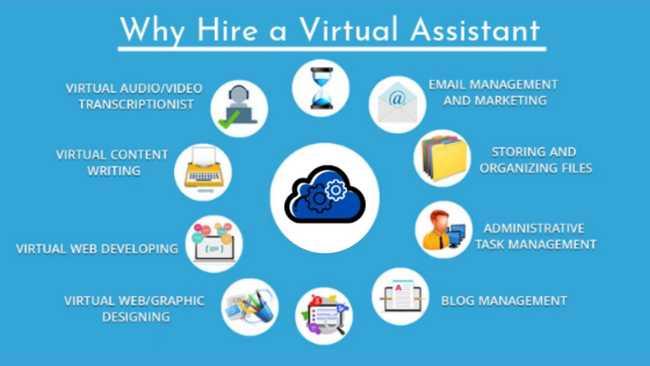
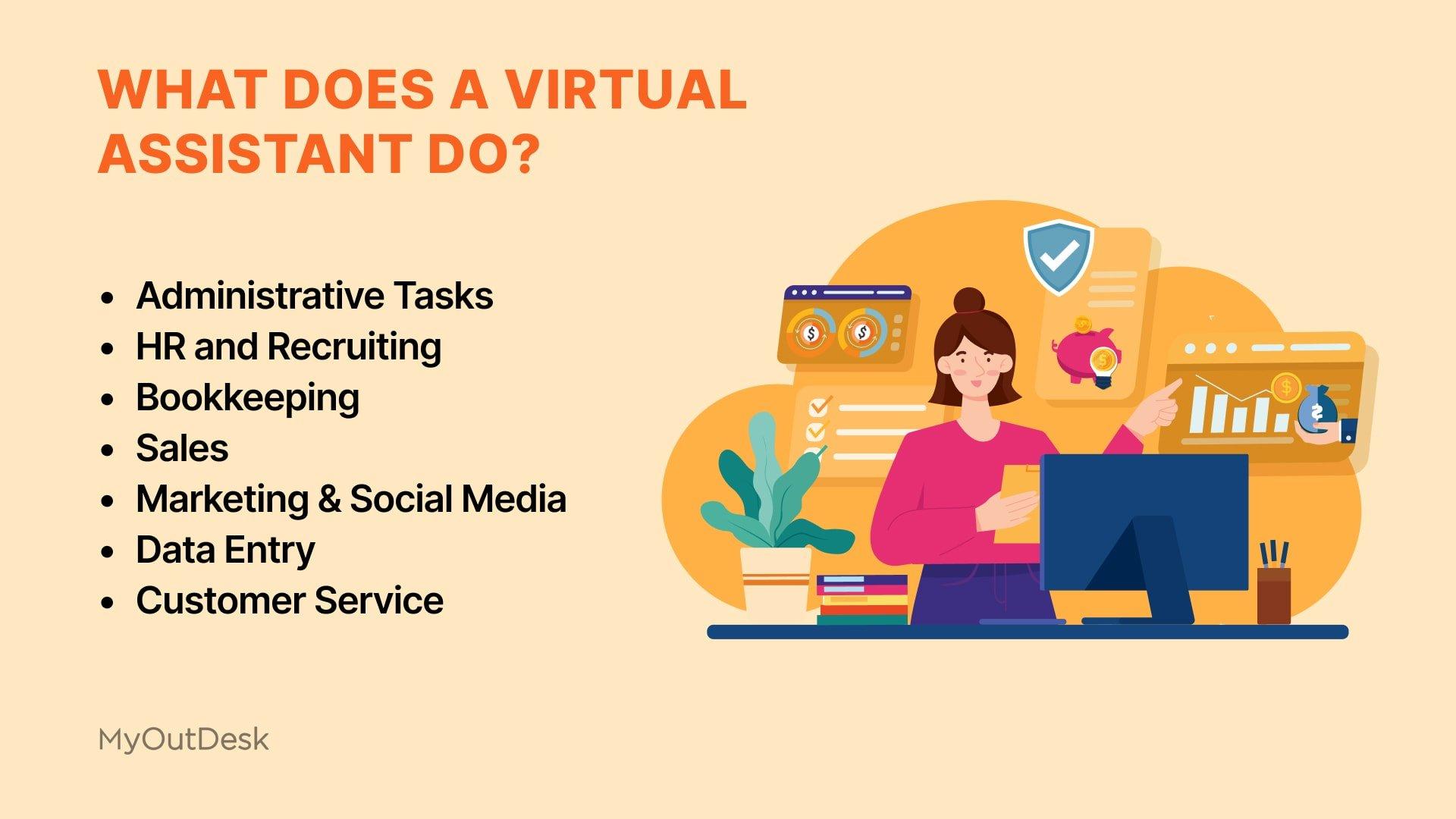
A virtual assistant can take on a variety of roles, depending on your specific needs. Some of their core functions often include:
- Administrative Tasks: From managing emails to scheduling meetings, they ensure your day-to-day operations run smoothly.
- Customer Support: Engaging with clients and addressing their queries can enhance customer satisfaction.
- Social Media Management: They can help establish your brand presence across various platforms, creating engaging content that resonates with your audience.
- Data Entry and Management: Keeping your business organized is crucial, and a virtual assistant can handle data-related tasks efficiently.
- Research: Whether it’s market trends or competitor analysis, they can provide valuable insights that inform your business decisions.
One of the key advantages of hiring a virtual assistant is the cost-effectiveness they bring. Instead of hiring a full-time employee, you can engage a virtual assistant on an as-needed basis, allowing you to scale your support according to your business demands. This flexibility can lead to significant savings in overhead costs.
Moreover, virtual assistants often come with specialized skills that might not be available in-house. For example, if you need help with graphic design or SEO optimization, you can find virtual assistants with those specific skill sets. This ability to tap into a diverse talent pool can enhance the quality of work and drive better results for your business.
To make the most of your virtual assistant, clear communication is paramount. Setting expectations and defining roles from the outset can prevent misunderstandings and ensure that your assistant is aligned with your business goals. Regular check-ins and feedback sessions will also help in refining their contributions and maximizing productivity.
In terms of collaboration tools, utilizing platforms such as Slack, Trello, or Asana can streamline your workflow and enhance coordination. These tools not only simplify project management but also foster a sense of teamwork, even when you’re miles apart.
| Benefit | Description |
|---|---|
| Time Savings | Focus on core business activities while your assistant handles the rest. |
| Cost Efficiency | Pay only for the hours worked, avoiding full-time salary commitments. |
| Access to Expertise | Find assistants with specialized skills tailored to your needs. |
| Increased Productivity | Delegate tasks to improve overall efficiency and output. |
By understanding the multifaceted role of a virtual assistant, you can unlock new levels of productivity and efficiency in your business. Embrace this opportunity to transform your operations and drive growth, ensuring that you’re not just keeping up, but thriving in your industry.
Identifying Your Needs: What Tasks Can a Virtual Assistant Handle for You?
When considering hiring a virtual assistant, it’s essential to first identify the specific tasks you need help with. This clarity will not only guide your selection process but also ensure that you get the most value out of your investment. Here’s a breakdown of some common areas where a virtual assistant can make a significant impact:
- Administrative Support: From managing emails to scheduling appointments, administrative tasks can quickly pile up. A virtual assistant can handle these mundane yet necessary tasks, freeing you to focus on more strategic initiatives.
- Social Media Management: Maintaining an engaging social media presence requires time and creativity. A skilled virtual assistant can create content, schedule posts, and even interact with your audience, ensuring your brand stays vibrant online.
- Customer Service: Responding to inquiries and providing support is critical for customer satisfaction. A virtual assistant can manage your customer service channels, ensuring prompt and professional responses.
- Content Creation: Whether it’s writing blog posts, crafting newsletters, or designing graphics, a virtual assistant can assist with content generation, helping maintain a steady flow of communication with your audience.
- Research: Need insights on competitors or trends in your industry? A virtual assistant can conduct research and summarize findings, saving you hours of work.
- Bookkeeping: Keeping track of finances is often daunting. A virtual assistant can help with invoicing, expense tracking, and basic bookkeeping tasks to keep your finances organized.
To help you visualize the variety of tasks a virtual assistant can tackle, consider this table:
| Task Type | Examples |
|---|---|
| Administrative | Email management, calendar scheduling |
| Marketing | Social media posts, email campaigns |
| Customer Support | Response to inquiries, live chat support |
| Content | Blog writing, graphic design |
| Financial | Invoicing, expense reports |
By identifying the specific areas where you need support, you can streamline the hiring process. This targeted approach not only helps in finding a virtual assistant with the right skill set but also sets clear expectations for the role. Remember, the more defined your needs are, the better equipped your virtual assistant will be to help you thrive.
Ultimately, the goal is to offload tasks that drain your energy, allowing you to concentrate on growth and strategy. Whether you’re a solo entrepreneur or running a small team, the right virtual assistant can transform your productivity and help you achieve your goals with greater ease.
Setting a Realistic Budget: How Much Should You Invest in a Virtual Assistant?
Determining the right budget for hiring a virtual assistant is crucial for the long-term success of your business. It’s easy to underestimate the significance of this decision, but investing wisely can save you time and enhance your productivity. Here are some factors to consider when figuring out how much you should allocate for a virtual assistant.
Understand the Market Rates
The cost of hiring a virtual assistant can vary widely based on their experience, location, and the complexity of tasks you need them to perform. Here’s a quick breakdown of typical rates:
| Experience Level | Hourly Rate |
|---|---|
| Entry-level | $10 – $20 |
| Mid-level | $20 – $40 |
| Expert level | $40+ |
Define Your Needs
Before you set a budget, take a moment to clearly define the tasks you need help with. A well-defined scope will help you understand whether you require a part-time or full-time assistant, as well as what skill sets are necessary. Consider the following:
- Administrative tasks (email management, scheduling, etc.)
- Social media management
- Customer service support
- Content creation
Factor in Additional Costs
When budgeting for a virtual assistant, don’t forget about additional costs that may arise. Some of these include:
- Training and onboarding expenses
- Software subscriptions (if specialized tools are needed)
- Payment processing fees (if applicable)
Assess the ROI
Investing in a virtual assistant should ultimately pay off through increased efficiency and productivity. Think about the value of your time and the tasks that could be delegated. Consider the following when evaluating potential returns:
- How much is your time worth per hour?
- What tasks can be delegated that free up your time for more strategic work?
- How will a virtual assistant contribute to your business growth?
Choose Wisely
remember that the cheapest option isn’t always the best. Look for a virtual assistant who not only fits within your budget but also aligns with your business goals and values. A higher investment can lead to a more skilled and reliable assistant, which can translate into greater value for your business in the long run.

Where to Find the Best Virtual Assistants: Tips for Navigating Job Platforms
When it comes to hiring a virtual assistant, selecting the right platform can make all the difference. Many job platforms cater specifically to connecting employers with skilled freelancers, offering a variety of options to suit your needs. Here are some trusted platforms where you can find the best virtual assistants:
- Upwork: A popular choice among businesses, Upwork allows you to browse countless profiles of virtual assistants, complete with reviews and ratings. You can post a job and receive proposals from interested candidates.
- Fiverr: This platform is ideal if you’re looking for specific tasks to be completed. Many virtual assistants offer their services for a fixed price, making it easy to budget for your needs.
- Freelancer: Similar to Upwork, Freelancer enables you to post projects and receive bids. This competitive environment often leads to finding exceptional talent at a great value.
- OnlineJobs.ph: If you’re considering hiring virtual assistants from the Philippines, OnlineJobs.ph is a fantastic resource. It focuses on connecting Filipino virtual assistants with employers worldwide.
While these platforms provide excellent opportunities, navigating them effectively is key to avoiding potential pitfalls. Here are some practical tips to ensure you find the right virtual assistant:
- Define Your Needs Clearly: Before diving into the platforms, create a detailed job description that outlines your expectations, the tasks you’ll need help with, and the skills required. The more specific you are, the better candidates you’ll attract.
- Utilize Filters: Most platforms allow you to filter candidates by experience, rates, and skills. Take advantage of this feature to find virtual assistants that match your exact requirements.
- Check Reviews and Portfolios: Always review the feedback from previous clients and look at their work samples. This will give you insights into their reliability and expertise.
- Conduct Interviews: Don’t skip this step! A video interview can help you gauge a candidate’s communication skills and see if they’ll fit into your company culture.
For a more organized approach, consider creating a comparison table to evaluate candidates. Here’s a simple format you could use:
| Name | Experience | Skills | Rate |
|---|---|---|---|
| Jane Doe | 5 years | Social Media Management, Content Creation | $25/hr |
| John Smith | 3 years | Data Entry, Customer Support | $15/hr |
| Emily Johnson | 4 years | Graphic Design, Marketing | $30/hr |
Remember, finding the best virtual assistant is not just about the lowest rate; it’s about the value they bring to your projects. By leveraging these platforms and following these tips, you can navigate the hiring process confidently and avoid costly mistakes.
Crafting an Attractive Job Description That Draws the Right Candidates
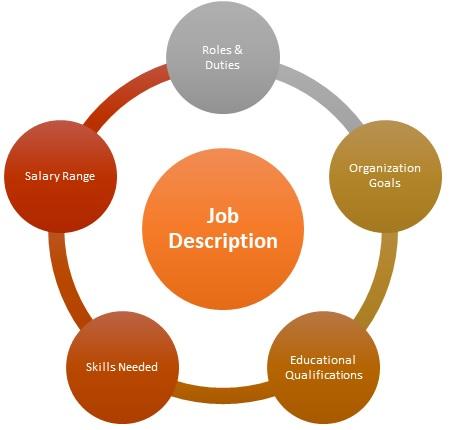
Creating a job description that not only attracts applicants but also filters out those who don’t fit your needs is essential in your quest to hire the right virtual assistant. Start by clearly defining the role and responsibilities associated with the position. Be specific about the tasks they will be expected to handle, whether it’s managing emails, scheduling meetings, or social media management. Clarity here will save both you and potential candidates a lot of time.
Next, consider what qualifications and skills are necessary for the role. Instead of a long list of requirements, focus on the core skills that are vital for success. This could include proficiency in specific software tools, excellent communication skills, or experience in a particular industry. A concise list allows candidates to self-assess their fit for the role and encourages only the most qualified applicants to apply.
| Essential Qualities | Preferred Skills |
|---|---|
| Strong communication | Graphic design experience |
| Time management | Familiarity with CRM software |
| Adaptability | Basic knowledge of SEO |
Don’t forget to clearly state your company culture and values. Candidates today are not just looking for a job; they want to work for a company whose values align with theirs. Share insights about your team dynamics, work environment, and what makes your company unique. This helps candidates envision themselves in the role, making it more appealing for them to apply.
Also, include any benefits or perks that come with the position. Whether it’s flexible working hours, professional development opportunities, or a supportive work environment, highlighting these can make your job listing stand out. Candidates are often swayed by what they can gain beyond just salary, so make sure to emphasize these aspects.
end your job description with a strong call to action. Encourage candidates to apply by conveying excitement about the potential of joining your team. Use phrases like “We can’t wait to hear from you!” or ”Apply today and start making a difference!” This creates a sense of urgency and enthusiasm that can motivate candidates to take the next step.

The Interview Process: Key Questions to Ask Your Potential Virtual Assistant
When it comes to hiring a virtual assistant, asking the right questions during the interview process is crucial. It not only helps you gauge their skills and experience but also reveals whether they align with your company’s values and work style. Here are some key questions to consider:
- Can you describe your previous experience as a virtual assistant? This question allows candidates to showcase their relevant past roles, responsibilities, and successes. Look for specific examples that highlight their problem-solving skills and adaptability.
- What tools and software are you proficient in? Knowing what tools the candidate is familiar with can save you time and training costs. Ensure they have experience with commonly used platforms like Trello, Asana, or Google Workspace.
- How do you prioritize tasks when managing multiple projects? Their answer will indicate their organizational skills. A good virtual assistant should have a systematic approach to task management and be able to provide examples of how they handle competing deadlines.
- Can you share a challenging situation you faced in a previous role and how you resolved it? This question assesses their critical thinking and conflict resolution skills. Look for candidates who demonstrate resilience and creativity in overcoming obstacles.
- What is your preferred method of communication? Understanding their communication style can help you establish effective collaboration. A good fit will be someone who aligns with your preferences, whether that’s through emails, chats, or video calls.
- How do you ensure confidentiality and data security? Since virtual assistants often handle sensitive information, it’s essential they have a robust understanding of privacy protocols and demonstrate a commitment to safeguarding your data.
- What are your availability and working hours? Confirming their availability ensures that your potential assistant can meet your scheduling needs. Discuss time zone differences and flexibility to avoid any potential conflicts.
| Question Category | Purpose |
|---|---|
| Experience | Assess relevant skills and past roles |
| Tools | Determine familiarity with necessary software |
| Task Management | Evaluate organizational skills |
| Problem-Solving | Understand conflict resolution abilities |
| Communication | Establish collaboration methods |
| Confidentiality | Ensure data security awareness |
| Availability | Clarify scheduling compatibility |
In addition to these questions, pay attention to the candidate’s demeanor and enthusiasm. A virtual assistant who is genuinely interested in your business will go above and beyond to contribute positively. Trust your instincts—if something feels off, it’s worth digging deeper.
Lastly, don’t hesitate to ask for references or testimonials from past clients. This can provide valuable insight into the candidate’s reliability and performance, ensuring you make a well-informed decision.
Checking References and Reviews: Ensuring Your Virtual Assistant is Reliable
When it comes to hiring a virtual assistant, the last thing you want is to end up with someone who is unreliable. Checking references and reviews is a crucial step in the hiring process that can save you time, money, and a lot of headaches. It’s not just about finding someone who can do the job; you need to ensure that they can do it well and consistently.
Start by asking potential candidates for references from previous clients. This is your opportunity to gauge their performance and reliability. When you reach out to these references, consider asking questions like:
- How well did the assistant communicate with you?
- Did they meet deadlines consistently?
- Were they proactive in suggesting improvements or solutions?
- Would you hire them again?
These questions will help you get a sense of the assistant’s work ethic and reliability. Good candidates will likely have a list of past clients who can vouch for their skills and professionalism.
In addition to checking references, take the time to read online reviews. Websites like Upwork, Fiverr, or specialized VA platforms often feature ratings and reviews from clients. Pay attention to the overall rating as well as individual comments. Look for patterns in the feedback; consistent praise or criticism can provide valuable insight.
To make it easier for you, here’s a simple table to summarize what to look for in reviews:
| Criteria | What to Look For |
|---|---|
| Communication Skills | Quick responses, clarity in instructions |
| Reliability | Consistently meets deadlines |
| Quality of Work | Attention to detail, high-quality output |
| Problem-Solving Ability | Proactive in addressing issues |
don’t hesitate to ask candidates how they handle feedback and criticism. A reliable virtual assistant should be open to constructive feedback and willing to make adjustments to improve their performance. This quality can be a game-changer in maintaining a productive working relationship.
By diligently checking references and reading reviews, you can significantly increase your chances of hiring a virtual assistant who is not only capable but also dependable. Make this step a priority in your hiring process, and you’ll set the foundation for a successful partnership.

Trial Periods: Why Testing the Waters is Crucial Before Committing
When considering hiring a virtual assistant, one of the best strategies is to implement a trial period. This approach allows both you and the assistant to gauge compatibility and effectiveness before making a long-term commitment. Think of it as a test drive—ensuring the vehicle is a good fit for your needs before signing on the dotted line.
During this trial phase, you can:
- Evaluate Skills: Observe how well the assistant manages tasks and whether they possess the skills you require.
- Assess Communication: Effective collaboration hinges on clear communication. Use the trial to see if your styles align.
- Determine Work Ethic: Assess their reliability and commitment to meeting deadlines and producing quality work.
A well-structured trial period typically lasts between two weeks to a month. This timeframe offers enough insight into their working style without a lengthy commitment. Here’s a simple breakdown of what to include in your trial:
| Week | Focus Area | Expected Outcome |
|---|---|---|
| 1 | Task Management | Ability to follow instructions and complete tasks on time |
| 2 | Communication | Clear and timely updates regarding progress |
| 3 | Problem Solving | Ability to troubleshoot and provide solutions |
| 4 | Feedback Incorporation | Willingness to adapt and improve based on feedback |
Additionally, it’s essential to set clear expectations from the outset. Outline the tasks they will handle and your preferred communication methods. This transparency fosters a supportive environment where both parties can thrive. If issues arise during the trial, address them immediately. This proactive approach can lead to valuable insights, ensuring you make the right decision.
At the end of the trial period, take a moment to reflect on your experiences. Consider the assistant’s performance against your initial expectations. Were they able to meet deadlines? Did they communicate effectively? The answers to these questions will guide you in deciding whether to continue the partnership or seek someone else.
a trial period is not just beneficial; it’s a crucial step in the hiring process. Testing the waters with a virtual assistant can save you time, money, and frustration in the long run. Make informed decisions, and you’ll be well on your way to successfully managing your workload with the right support.
Tools and Technologies to Empower Your Virtual Assistant for Success
Equipping your virtual assistant (VA) with the right tools and technologies is essential for maximizing their productivity and ensuring that your collaboration is as seamless as possible. A well-chosen toolkit not only enhances efficiency but also empowers your VA to take initiative and manage tasks independently.
First and foremost, consider implementing project management software. Tools like Trello, Asana, or ClickUp can transform how you and your VA keep track of tasks and deadlines. These platforms provide a centralized space for task assignments, ensuring that both parties are on the same page.
Communication is key. Equip your VA with reliable communication tools such as Slack, Microsoft Teams, or Zoom. These platforms not only facilitate instant messaging but also allow for video calls and file sharing, making it easy to maintain a smooth workflow. Regular check-ins can help you gauge progress and address any concerns in real time.
Another vital area to consider is file management. Incorporating cloud storage solutions like Google Drive or Dropbox ensures that both you and your VA can access important documents anytime, anywhere. This not only streamlines document sharing but also provides a secure backup for your files.
Don’t overlook the power of automation tools. Utilizing apps such as Zapier or IFTTT can help automate repetitive tasks, allowing your VA to focus on more strategic activities. From automating social media posts to syncing data between apps, these tools can greatly enhance productivity.
For time management, consider using time tracking software like Toggl or Harvest. These tools allow your VA to track how much time they spend on different tasks, providing you with insights into productivity and helping identify areas for improvement.
Lastly, invest in training resources that enhance your VA’s skills. Whether it’s through online courses, webinars, or tutorials, providing access to educational materials can lead to better performance and a more empowered assistant who feels confident in their abilities.
| Tool/Technology | Purpose | Recommended For |
|---|---|---|
| Trello | Project Management | Task Tracking |
| Slack | Communication | Team Collaboration |
| Google Drive | File Management | Document Sharing |
| Zapier | Automation | Task Optimization |
| Toggl | Time Tracking | Productivity Analysis |
By empowering your virtual assistant with these tools and technologies, you not only enhance their capabilities but also foster a productive partnership. Remember, a well-equipped VA is a key asset to your success!

Building a Productive Working Relationship: Communication Tips for Success
When you decide to hire a virtual assistant, establishing a productive working relationship hinges on effective communication. The right words can set the tone for collaboration and help you avoid misunderstandings down the line. Here are some essential communication tips to ensure your partnership flourishes:
- Be Clear and Concise: When outlining tasks, provide specific instructions. Ambiguity can lead to errors and frustration. Instead of saying, “I need you to handle the emails,” specify what that entails, like “Please respond to customer inquiries within 24 hours and flag any urgent messages.”
- Utilize Project Management Tools: Platforms such as Trello, Asana, or Monday.com can streamline communication. These tools help keep track of tasks, deadlines, and project progress, allowing for a visual representation of responsibilities.
- Schedule Regular Check-Ins: Establish a routine for discussing progress, challenges, or feedback. Weekly video calls or daily message check-ins can foster an open dialogue and reinforce your commitment to teamwork.
- Encourage Questions: Let your virtual assistant know that asking questions is welcome. This not only helps clarify tasks but also empowers them to take ownership of their responsibilities.
- Provide Constructive Feedback: When offering feedback, focus on the task, not the individual. Be specific about what worked well and what needs improvement, and always aim for a positive tone to nurture growth.
| Tip | Description |
|---|---|
| Clarity | Clearly define expectations and tasks to avoid confusion. |
| Tools | Use digital tools for efficient task management and communication. |
| Check-Ins | Regular meetings to share updates and address concerns. |
| Feedback | Offer guidance that promotes improvement and confidence. |
Additionally, being responsive is crucial. Your virtual assistant should feel supported and valued, so make it a priority to reply to messages in a timely manner. This establishes trust and encourages a more engaged working environment.
Lastly, remember to celebrate achievements, no matter how small. Recognizing your virtual assistant’s hard work can boost morale and enhance productivity. A simple “thank you” or a shout-out during a meeting can go a long way in building a strong rapport.

Setting Clear Expectations and Goals: The Blueprint for a Great Partnership
When you embark on the journey of hiring a virtual assistant, the foundation of a successful working relationship lies in setting clear expectations and goals from the outset. This clarity not only helps in aligning both parties but also minimizes misunderstandings that can lead to frustration and inefficiency.
Start by outlining your specific needs and objectives. Ask yourself what tasks you want the virtual assistant to handle. It might be helpful to categorize these tasks into different segments, such as:
- Admin Tasks: Email management, scheduling appointments, data entry.
- Creative Tasks: Content creation, graphic design, social media management.
- Technical Tasks: Website management, SEO optimization, IT support.
Once you have a comprehensive list, prioritize these tasks according to urgency and importance. This prioritization helps your virtual assistant focus on what matters most, allowing them to contribute effectively to your goals. It’s also vital to communicate these priorities clearly during your initial discussions.
Next, establish specific, measurable, achievable, relevant, and time-bound (SMART) goals. For instance, instead of saying, “I want to grow my social media presence,” try defining it as, “I want to increase our Instagram followers by 20% in the next three months.” This approach provides a clear target and a timeframe, making it easier for both you and your assistant to track progress.
Another critical aspect is to set expectations regarding communication. Decide on the preferred channels for communication (email, Slack, video calls) and agree on response times. For example, you might establish that you will respond to emails within 24 hours or hold weekly check-in meetings. Clarifying these points ensures that you are both on the same page and reduces the chances of miscommunication.
Consider creating a simple table to delineate your agreed-upon expectations and goals:
| Expectation/Goal | Description | Deadline |
|---|---|---|
| Social Media Growth | Increase Instagram followers by 20% | 3 Months |
| Weekly Reporting | Submit weekly performance reports | Every Friday |
| Email Response Time | Respond to emails within 24 hours | Ongoing |
create a feedback loop. Regularly assess how things are going and be open to adjustments. This not only fosters a healthy working relationship but also gives your virtual assistant a chance to voice any concerns or suggestions. Remember, this partnership is a two-way street, and open communication will lead to a more productive and satisfying collaboration.
Avoiding Common Pitfalls: Mistakes to Steer Clear of When Hiring a Virtual Assistant
When embarking on the journey to hire a virtual assistant, it’s easy to overlook some common mistakes that can lead to costly issues down the line. Understanding what to avoid can save you both time and resources, ensuring a smoother hiring process.
One of the most prevalent pitfalls is rushing the hiring process. In your eagerness to delegate tasks, you might skip crucial steps such as thorough interviews or reference checks. Take the time to evaluate candidates properly. Create a structured interview process that includes:
- Behavioral questions to gauge problem-solving skills
- Situational assessments to see how they handle real-world scenarios
- Discussions about past experiences relevant to your needs
Another mistake is not defining roles clearly. It’s essential to outline job responsibilities, expectations, and deliverables upfront. A vague job description can lead to misunderstandings and frustration for both you and your assistant. Consider creating a simple table to clarify the roles:
| Task | Description | Frequency |
|---|---|---|
| Email Management | Organize inbox, respond to inquiries | Daily |
| Social Media Posting | Create and schedule posts across platforms | Weekly |
| Research | Gather information for projects | As needed |
Additionally, failing to establish communication guidelines can be detrimental. Set clear expectations regarding the tools you’ll use (like Slack, Zoom, or email) and how often you’ll check in. Regular communication helps build rapport and ensures that both parties are on the same page regarding progress and priorities.
Another common oversight is neglecting to assess skills beforehand. Don’t assume that candidates possess the skills they claim. Request relevant samples of their work or conduct a small paid trial project. This not only tests their abilities but also gives you insight into their work ethic and reliability.
Lastly, avoid micromanaging. Once you’ve hired a virtual assistant, trust them to do their job. Micromanagement can stifle creativity and lead to resentment. Instead, focus on providing constructive feedback and empowering them to take ownership of their tasks.
By steering clear of these common missteps, you can streamline the process of hiring a virtual assistant and ultimately enhance your productivity. Remember, a well-thought-out approach will lead to a successful partnership and a more efficient workflow.

Empowering Your Virtual Assistant: Training and Onboarding Best Practices
Onboarding a virtual assistant is not just about handing over tasks; it’s about setting the stage for a productive partnership. Proper training and onboarding can transform your assistant from a mere task-doer into a valuable team member who understands your business and contributes to its growth.
First and foremost, define clear expectations. Start by outlining the responsibilities and goals for your virtual assistant. Make sure to include:
- Daily Tasks: Specify what needs to be done on a daily basis.
- Weekly Goals: Set targets for each week to measure progress.
- Communication Guidelines: Detail how you prefer to communicate (email, chat apps, etc.).
Next, provide comprehensive training resources. This could include:
- Standard Operating Procedures (SOPs): Document processes clearly to avoid confusion.
- Video Tutorials: Create or share instructional videos that demonstrate procedures.
- Access to Tools: Ensure they have access to all necessary software and tools from the get-go.
Consider creating a timeline for the onboarding process. A structured approach helps in managing expectations. Here’s a simple example:
| Week | Focus Area | Key Activities |
|---|---|---|
| 1 | Orientation | Introduction to company culture and tools |
| 2 | Training | Hands-on practice with tasks and tools |
| 3 | Evaluation | Review progress, provide feedback |
| 4 | Integration | Full responsibility for assigned tasks |
Feedback is crucial during the onboarding process. Schedule regular check-ins to discuss challenges and successes. This not only helps in addressing issues promptly but also builds rapport. Additionally, encourage your virtual assistant to share their ideas and suggestions, which can lead to improved processes and innovative solutions.
Lastly, make sure to recognize their efforts. A simple thank-you or acknowledgment can go a long way in boosting morale and motivation. Celebrate small wins together, and don’t hesitate to provide constructive criticism that guides improvement.

Measuring Success: How to Evaluate the Performance of Your Virtual Assistant
Evaluating the performance of your virtual assistant is essential to ensure that you’re getting the most out of your investment. After all, the right virtual assistant can save you time and help your business grow, but only if they’re performing effectively. Here are some key metrics and methods to assess their productivity and contribution to your goals.
Set Clear Expectations: Before you dive into performance evaluation, it’s crucial to establish what success looks like for your virtual assistant. This could include specific tasks, deadlines, or project milestones. Share these objectives with your assistant to align both parties’ expectations and create a roadmap for success.
Track Key Performance Indicators (KPIs): Measure your virtual assistant’s effectiveness using KPIs that align with your business goals. Common KPIs include:
- Task Completion Rate: The percentage of tasks completed on time.
- Quality of Work: Assess the quality of work against established standards.
- Communication Responsiveness: Measure how quickly they respond to messages or requests.
- Client Satisfaction: Gather feedback from clients regarding your assistant’s performance.
Regular Check-Ins: Schedule weekly or bi-weekly meetings to discuss progress and any challenges your virtual assistant may be facing. This not only provides an opportunity for feedback but also fosters a sense of collaboration. During these sessions, you can review what’s working well and what may need adjustment.
Utilize Time Tracking Tools: Implementing time tracking software can give you valuable insights into how your virtual assistant spends their time. This data can help you identify areas for improvement or reallocation of tasks. Consider tools like Toggl or Clockify for easy tracking and reporting.
| Performance Metric | Target | Status |
|---|---|---|
| Task Completion Rate | 90% | 85% |
| Quality of Work | High | Medium |
| Communication Responsiveness | Under 2 hours | 1.5 hours |
| Client Satisfaction | 4.5/5 | 4.3/5 |
Solicit Feedback: Actively seek feedback from your virtual assistant regarding their workload and any bottlenecks they encounter. This two-way communication can unveil challenges you may not have been aware of, allowing you to make necessary adjustments to improve their workflow.
Adjust as Necessary: Based on your evaluations, be prepared to make changes. Whether it’s redistributing tasks, providing additional training, or even redefining roles, flexibility can significantly enhance your assistant’s performance and overall satisfaction in their role.
assessing the performance of your virtual assistant is not just about evaluating their outputs—it’s about fostering a productive partnership that benefits both parties. By implementing these strategies, you can ensure that your virtual assistant is not only meeting but exceeding your expectations.
Frequently Asked Questions (FAQ)
Q&A: How to Hire a Virtual Assistant (Avoid Costly Mistakes)
Q: Why should I consider hiring a virtual assistant in the first place?
A: Great question! Hiring a virtual assistant can be a game changer for your productivity. They can handle repetitive tasks, manage your calendar, and even take care of customer inquiries, freeing you up to focus on what you do best—growing your business! Plus, it’s often more cost-effective than hiring a full-time employee.
Q: What are some common mistakes people make when hiring a virtual assistant?
A: One major mistake is not clearly defining the tasks you need help with. If you’re vague about your expectations, you might end up with an assistant who isn’t the right fit for your needs. Another mistake is skipping the interview process. Just like any hire, you want to ensure that they align with your values and working style.
Q: How do I determine what tasks I should delegate to a virtual assistant?
A: Start by making a list of your daily, weekly, and monthly tasks. Identify which of these are time-consuming or repetitive. If a task can be done by someone else and doesn’t require your unique expertise, it’s a great candidate for delegation. This will not only help you prioritize but also make your hiring process smoother.
Q: What should I look for in a virtual assistant?
A: Look for someone with relevant experience, strong communication skills, and a proactive attitude. Don’t forget to check their previous work references and reviews. You want someone who can work independently, understands your industry, and can offer solutions, not just follow instructions.
Q: How can I effectively communicate my needs to a virtual assistant?
A: Clear communication is key! Consider creating a detailed job description that outlines specific responsibilities, deadlines, and your preferred communication style. Using project management tools can also help keep everyone on the same page. Regular check-ins will ensure that your assistant knows they can approach you with questions or concerns.
Q: What are some red flags I should watch for during the hiring process?
A: Be wary of candidates who can’t provide examples of their previous work or who seem disorganized in their application process. If they’re not responsive during the hiring process, that’s a sign they may not prioritize communication later on. Trust your instincts; you want someone who’s enthusiastic about helping you succeed.
Q: How can I ensure a smooth onboarding process for my virtual assistant?
A: Provide comprehensive training and resources from the get-go. Make sure they understand your company culture, tools, and systems. Setting clear expectations and providing feedback during the first few weeks will help them get up to speed and ensure they feel supported.
Q: What’s the best way to manage my virtual assistant once they start?
A: Set up regular check-ins to discuss progress and address any issues. Utilize project management tools to keep track of tasks and deadlines. Encourage open communication and foster a collaborative environment where they feel comfortable sharing ideas or asking for guidance.
Q: What if my virtual assistant isn’t meeting my expectations?
A: Don’t panic—it happens! Schedule a candid conversation to discuss your concerns. Provide specific feedback and be open to their perspective. Sometimes, a little guidance can turn things around. However, if there’s a persistent mismatch, it may be time to consider finding someone new.
Q: Any final tips for hiring a virtual assistant?
A: Absolutely! Take your time. Don’t rush the hiring process—finding the right fit can take a bit of trial and error. Invest the time upfront to clarify your needs and expectations, and you’ll be setting yourself up for a successful partnership. Remember, the right assistant can transform your workload and give you back precious time!
—
With this Q&A, you should feel more equipped to navigate the process of hiring a virtual assistant and avoid those costly mistakes. Good luck!
Concluding Remarks
As we wrap up our guide on hiring a virtual assistant, remember that making the right choice can transform your productivity and free up valuable time to focus on what truly matters. By avoiding the common pitfalls we discussed, you’re setting yourself up for success. Take the time to define your needs, vet candidates thoroughly, and establish clear communication from the get-go.
Hiring a virtual assistant isn’t just about offloading tasks; it’s about finding a partner who can help you elevate your business or personal projects to new heights. So, take a deep breath, trust your instincts, and make a decision that feels right for you.
Now, go out there and find that perfect virtual assistant who will not just meet your expectations but exceed them! Your future self will thank you for it! If you have any questions or want to share your hiring experience, feel free to drop a comment below. Happy hiring!