In today’s fast-paced digital landscape, mobile marketing isn’t just a trend—it’s a necessity. With over half of all web traffic coming from mobile devices, marketers can no longer afford to ignore the power of reaching consumers on their smartphones. But where do you start? Understanding the latest mobile marketing statistics is crucial for crafting effective campaigns that resonate with your audience. In this article, we’ll dive into the most compelling trends every marketer should know, from mobile usage patterns to the rise of mobile commerce. Whether you’re a seasoned pro or just dipping your toes into the world of mobile marketing, these insights will equip you with the knowledge to stay ahead of the curve and make impactful decisions that drive results. So, grab your smartphone and let’s explore the numbers that matter!
The Rise of Mobile Usage: Understanding the New Norms
The landscape of consumer behavior has shifted dramatically, with mobile devices becoming the dominant platform for digital interaction. Today, more than ever, consumers are glued to their smartphones, and this trend is not just a fleeting phase; it’s a fundamental change in how people engage with brands and each other. Marketers who fail to adapt to this new reality risk being left behind.
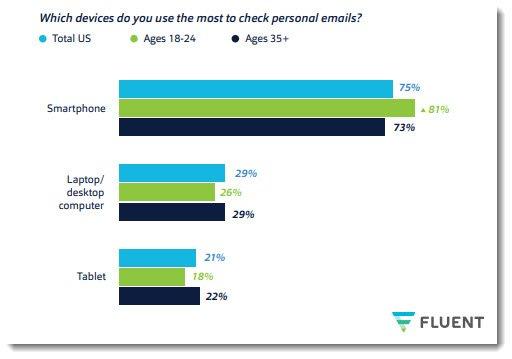
One of the most striking statistics is that over 50% of all web traffic now comes from mobile devices. This signifies a clear shift in how users access information and interact with brands. As mobile usage continues to soar, it’s crucial for marketers to understand how to effectively reach their target audience through mobile channels.
When it comes to mobile marketing, personalization is key. A study found that 72% of consumers only engage with personalized messaging. Tailoring your mobile marketing efforts to the specific preferences and behaviors of your audience can dramatically increase engagement rates. For instance, consider using location-based targeting to send relevant promotions to users when they’re near your store. This level of personalization can create a sense of immediacy that drives foot traffic and boosts sales.
Moreover, mobile apps are becoming an essential tool for businesses looking to enhance customer engagement. Research indicates that mobile app users spend 90% of their time on apps compared to mobile web browsing. This statistic highlights the importance of having a robust mobile app strategy in place. Businesses that invest in app development not only improve customer experience but also increase retention rates, as apps facilitate ongoing engagement through push notifications and personalized content.
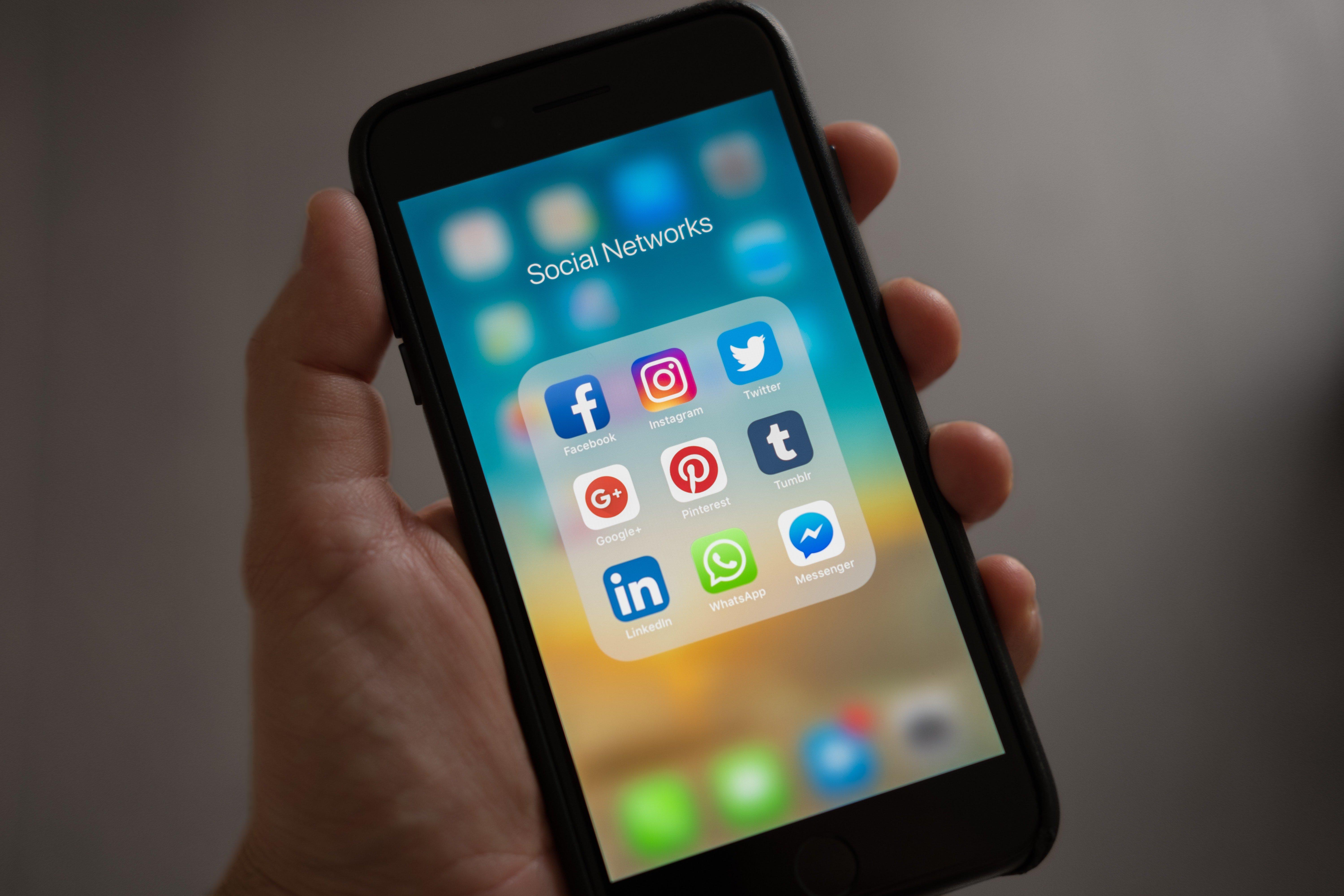
Another aspect to consider is the growing influence of social media on mobile marketing. With platforms like Instagram and TikTok leading the charge, marketers must be savvy about where their audience spends time. In fact, a staggering 80% of social media time is now spent on mobile devices. This opens up an array of opportunities for brands to tap into social commerce, allowing users to discover and purchase products seamlessly through their favorite social platforms.
To illustrate the impact of mobile marketing, here’s a quick overview of key statistics that every marketer should keep in mind:
Statistic
Impact
50% of web traffic from mobile
Prioritize mobile-friendly websites.
72% of consumers engage with personalized messages
Focus on personalized marketing strategies.
90% of mobile user time spent on apps
Invest in mobile app development.
80% of social media time on mobile
Leverage social media for mobile commerce.
don’t overlook the importance of optimizing for speed and usability. Mobile users expect websites and apps to load quickly. According to research, 53% of mobile users will abandon a site that takes over 3 seconds to load. Prioritizing speed can significantly improve user experience and retention, translating to higher conversion rates. In a world where attention spans are fleeting, ensuring that your mobile presence is not only attractive but also efficient is essential for success.
As we move forward, embracing the mobile-first paradigm will not only be advantageous but necessary. By understanding these trends and implementing them into your marketing strategy, you can better connect with your audience and drive meaningful results. The rise of mobile usage isn’t just a trend; it’s the new norm, and it’s time for marketers to adapt accordingly.
Key Mobile Marketing Statistics That Will Surprise You
When it comes to mobile marketing, the numbers tell a compelling story. Did you know that over 50% of all web traffic now comes from mobile devices? This shift signifies not just a trend, but a fundamental change in how consumers interact with brands. Marketers need to prioritize mobile optimization to stay relevant.
Moreover, mobile apps are crucial in the marketing landscape. Research shows that 90% of mobile time is spent on apps, highlighting the importance of app development and marketing strategies tailored to mobile platforms. Engaging users through apps not only enhances their experience but also increases brand loyalty.
Key Insights on User Behavior
Mobile users are often in a hurry, which means they prefer quick, accessible information. Here are some key insights:
79% of smartphone users have made a purchase online using their mobile device in the last six months.
Mobile emails are opened 3 times more than emails opened on desktops.
More than 60% of mobile users expect websites to load in under 3 seconds.
The Power of SMS Marketing
Another surprising statistic is the effectiveness of SMS marketing. Text messages have an astonishing open rate of 98%, making them one of the most effective communication channels. In fact, many consumers prefer receiving promotions via SMS rather than email, indicating a shift in marketing strategies.
Mobile Payment Trends
As mobile technology evolves, so do payment methods. The use of mobile wallets is skyrocketing, with over 30% of consumers utilizing them for transactions. This trend is reshaping how brands approach checkout processes, emphasizing the need for seamless, mobile-friendly payment options.
Social Media Consumption
Social media is another domain where mobile reigns supreme. According to recent studies:
80% of social media time is spent on mobile devices.
Brands using video content on mobile receive 1200% more shares than text and image content combined.
Mobile-First Indexing
Google’s mobile-first indexing is another game-changer. Websites optimized for mobile are given priority in search rankings, emphasizing the importance for marketers to ensure their sites provide a mobile-friendly experience. This shift is not just about aesthetics; it’s about functionality and user engagement.
To sum it up, the mobile marketing landscape is rapidly evolving. By understanding these trends, marketers can craft strategies that resonate with their audience, ultimately driving engagement, conversion, and loyalty.
The Impact of Mobile on Consumer Behavior
In today’s digital landscape, mobile devices have become an integral part of daily life, significantly reshaping consumer behavior. With the rise of smartphones, consumers are now more connected than ever, leading to profound changes in how they interact with brands and make purchasing decisions.
One of the most compelling trends is the rapid increase in mobile shopping. According to recent statistics, over 50% of all e-commerce sales are now conducted on mobile devices. This shift means that businesses must prioritize mobile optimization to capture the attention of potential customers. Here are some key points illustrating this transformation:
Convenience: Mobile shopping offers unparalleled convenience, allowing consumers to shop anytime and anywhere.
Instant Access: Users can access product information, reviews, and prices in real-time, influencing their buying decisions.
Location-Based Marketing: Brands can leverage geolocation data to send targeted promotions to consumers based on their current location.
Moreover, the role of social media in mobile marketing cannot be overstated. With platforms like Instagram and TikTok becoming shopping hubs, businesses are tapping into the power of social proof. Consumers are now more likely to make purchases based on recommendations from peers, influencers, or even user-generated content. This trend highlights the importance of a strong social media presence and engagement.
When it comes to communication, mobile has also transformed how brands interact with their customers. Push notifications, SMS marketing, and chatbots are becoming standard practices for businesses aiming to enhance customer experience. These tools not only help maintain engagement but also provide timely information that can drive immediate action. Consider the following:
Communication Tool
Purpose
Benefits
Push Notifications
Alert users about offers
High open rates, instant reach
SMS Marketing
Direct promotions
Immediate engagement, simplicity
Chatbots
Customer service
24/7 availability, quick responses
Additionally, data privacy and security have become paramount concerns for consumers when engaging with brands via mobile. With increasing awareness of data breaches and privacy violations, customers are more selective about the brands they interact with. Marketers must not only comply with regulations but also build trust through transparency and secure practices.
the influence of mobile on consumer behavior is undeniable. Marketers who adapt to these changes will not only stay competitive but will also foster stronger relationships with their customers. By embracing mobile-first strategies, businesses can meet the evolving expectations of today’s consumers and drive sustainable growth.
Why Mobile Optimization is No Longer Optional
In an age where mobile devices dominate our daily interactions, failing to optimize for mobile is no longer just a missed opportunity—it’s a business risk. With over 54% of website traffic coming from mobile devices, your potential customers are increasingly accessing your content on smartphones and tablets. Ignoring this trend could mean losing out on significant revenue and customer engagement.
One of the key reasons to embrace mobile optimization is the shift in consumer behavior. Nowadays, people expect a seamless browsing experience regardless of the device they are using. Here are some compelling statistics that highlight this phenomenon:
57% of users will abandon a website if it takes more than 3 seconds to load on their mobile device.
80% of consumers are more likely to purchase from a brand that offers personalized experiences across all devices.
Mobile shopping is projected to account for 72.9% of total e-commerce sales by 2021.
These figures illustrate that a poor mobile experience can directly impact your bottom line. It’s not just about making your website fit on smaller screens; it’s about enhancing usability and ensuring that your content is accessible and engaging on all platforms. This includes optimizing images, streamlining navigation, and ensuring that call-to-action buttons are easily clickable on touchscreens.
Moreover, search engines like Google heavily factor in mobile-friendliness when ranking websites. Sites that prioritize mobile optimization are rewarded with better visibility. With Google’s mobile-first indexing being the norm, your website’s mobile performance can significantly influence your search engine rankings. If your site isn’t mobile-friendly, you’re not just risking user experience—you’re also jeopardizing your search engine optimization (SEO) efforts.
Let’s look at how businesses can benefit from mobile optimization:
Benefit
Description
Higher Conversion Rates
Optimized mobile sites lead to a smoother user experience, boosting sales.
Increased Engagement
Content that is easy to navigate keeps users on your page longer.
Improved Brand Perception
A mobile-friendly site enhances your brand’s professionalism and credibility.
consider the future of mobile technology. With the rise of 5G networks, mobile experiences are set to become even faster and more interactive. Brands that invest in mobile optimization now will be better positioned to adapt to these changes and leverage new technologies. From augmented reality shopping to advanced mobile payment options, the possibilities are endless.
In short, the question is not whether you should optimize for mobile—it’s how quickly you can implement changes to ensure you’re not left behind. Embrace the mobile-first mindset and make it a core part of your marketing strategy. Your customers will thank you, and your bottom line will reflect the effort.
Trends in Mobile Advertising: Where to Focus Your Budget
As we dive deeper into the digital age, mobile advertising continues to evolve, presenting marketers with fresh opportunities to reach their audience effectively. Understanding the latest trends can help you allocate your budget wisely and maximize your return on investment. Here are some key areas to consider:
Video Advertising: With the rise of platforms like TikTok and Instagram Reels, video content has become a dominant force in mobile advertising. Short, engaging videos capture attention instantly and drive higher engagement rates. Investing in video ads can significantly enhance your brand visibility.
In-App Advertising: Users spend a substantial amount of time within apps, making in-app advertisements a highly effective strategy. Consider targeting popular apps that align with your target demographic to ensure your ads reach the right audience.
Personalization: Tailoring your ads to individual users based on their preferences and behaviors can drastically improve engagement. Utilize data analytics to create personalized campaigns that resonate with your audience, increasing conversion rates.
Augmented Reality (AR): AR technology is gaining traction in mobile advertising. Brands use AR to create immersive experiences that allow users to interact with products in a virtual environment. This innovative approach can enhance customer engagement and boost sales.
Another critical trend is the adoption of social commerce. As social media platforms integrate shopping functionalities, the line between browsing and purchasing blurs. Marketers should focus on utilizing social media ads that direct users to product pages within platforms like Instagram and Facebook, streamlining the buying process.
Platform
Engagement Rate
Conversion Potential
Instagram
1.22%
Higher
Facebook
0.09%
Medium
TikTok
5.96%
Higher
Additionally, don’t overlook the significance of programmatic advertising. This automated approach allows marketers to purchase ad space in real-time, optimizing your budget allocation and ensuring your ads reach your target market efficiently. This trend is particularly beneficial for mobile advertising, where quick adjustments can lead to improved performance.
Lastly, consider the impact of voice search on mobile advertising strategies. With the growing use of voice-activated devices, optimizing your content for voice search can enhance visibility and attract a broader audience. Investing in SEO for voice search is an emerging necessity as more consumers seek convenience in their mobile interactions.
Harnessing the Power of Mobile Apps for Customer Engagement
In today’s fast-paced digital landscape, leveraging mobile apps can significantly enhance customer engagement and foster brand loyalty. With the ever-increasing reliance on smartphones, businesses have a unique opportunity to connect with customers right at their fingertips. Here are some powerful ways mobile applications can boost your customer interactions:
Personalized Experiences: Mobile apps allow brands to create tailored experiences based on user preferences and behaviors. By utilizing data analytics, businesses can offer customized content, promotions, and recommendations that resonate with individual users.
Real-Time Communication: Push notifications and in-app messaging facilitate direct communication with users, ensuring they receive timely updates, offers, and news. This instant connection helps keep your brand top-of-mind.
Enhanced Customer Support: Mobile apps can integrate customer service features, such as chatbots or live chat options, allowing users to get instant assistance. Quick resolutions to queries lead to increased customer satisfaction.
Community Building: Apps can foster a sense of community among users, encouraging them to share experiences and interact with each other. Features like forums, social sharing, and user-generated content can enhance engagement.
Moreover, consider this: statistics reveal that users spend an average of 4.2 hours per day on mobile apps. This presents an invaluable opportunity for marketers to capture their audience’s attention. To make the most of this trend, businesses should develop apps that not only serve as a sales channel but also engage users through immersive experiences.
Key Statistics to Note
Statistic
Value
Mobile App Usage Growth
Mobile app usage has grown by 45% in the last two years.
Increased Engagement
Apps drive 3x more engagement than mobile websites.
Customer Retention
70% of users return to apps within 30 days of download.
Additionally, integrating loyalty programs within mobile apps can significantly boost user retention. Customers are more likely to engage with brands that reward them for their loyalty. This can take the form of discounts, exclusive offers, or points systems that encourage repeated use and purchases.
with the rise of social commerce, mobile apps can act as a bridge between social media and e-commerce. Integrating shopping features directly into your app can capitalize on impulse buying, making it easier for customers to make purchases without leaving their cozy browsing environment.
The Role of Social Media in Mobile Marketing Strategies
In today’s digital landscape, social media has emerged as a powerful ally in the realm of mobile marketing. With billions of users active on various platforms, businesses are leveraging the reach and engagement potential of social media to enhance their mobile marketing strategies. This dynamic synergy allows brands to connect with consumers where they spend a significant portion of their time: on their smartphones.
User Engagement is a key factor that makes social media integral to mobile marketing. Platforms like Instagram, Facebook, and TikTok facilitate real-time interaction, enabling brands to engage with their audience through comments, likes, and shares. This engagement fosters a sense of community, encouraging customers to become advocates for the brand. It’s not just about broadcasting messages; it’s about building relationships.
Moreover, social media provides invaluable data insights that can inform marketing strategies. Marketers can track engagement metrics, audience demographics, and behavioral patterns to refine their approach. Understanding what content resonates with users helps brands tailor their messaging and offers, ensuring they meet consumer expectations effectively.
Another advantage is the targeted advertising capabilities offered by social media platforms. These platforms allow businesses to create highly specific ad campaigns that can reach users based on criteria such as age, location, interests, and online behavior. This level of targeting increases the chances of conversion, as ads are served to users who are more likely to be interested in the products or services being promoted.
Consider the following key statistics that illustrate the impact of social media on mobile marketing:
Statistic
Impact
82% of users say social media influences their purchase decisions.
Highlights the importance of maintaining a strong social media presence.
Social media ads can increase brand awareness by up to 50%.
Emphasizes the effectiveness of targeted ads in mobile marketing.
Over 75% of consumers prefer using social media to connect with brands.
Underscores the need for engagement and responsive communication.
Furthermore, integrating user-generated content (UGC) into mobile marketing strategies can significantly enhance authenticity and trust. Encouraging customers to share their experiences on social media not only boosts engagement but also acts as powerful word-of-mouth marketing. Potential customers are more likely to trust the opinions of their peers than traditional advertising, making UGC a vital component of modern marketing tactics.
the rise of influencer marketing cannot be overlooked. Collaborating with social media influencers allows brands to tap into established audiences and gain credibility. Influencers can create relatable content that showcases products in a lifestyle context, further enhancing the effectiveness of mobile marketing campaigns.
the integration of social media into mobile marketing strategies opens up a wealth of opportunities for brands. By harnessing the power of engagement, data insights, targeted advertising, user-generated content, and influencer collaborations, marketers can create compelling campaigns that resonate with their audience and drive conversion rates.
Personalization in Mobile Marketing: Making Every Message Count
In the fast-paced world of mobile marketing, personalization is no longer just a trend; it’s a necessity. With consumers bombarded by countless messages daily, standing out means tailoring your approach to meet the individual preferences of your audience. Personalized messages are no longer optional; they’re the key to maximizing engagement and conversion rates.
Consider this: 78% of consumers are more likely to engage with a brand that offers personalized experiences. This means that failing to implement personalization strategies could result in lost opportunities. When crafting your mobile marketing campaigns, think about how you can make each interaction feel unique and valuable. Here are a few strategies to consider:
Segmentation: Divide your audience into smaller groups based on demographics, interests, or behaviors. This allows you to send targeted messages that resonate with each segment.
Geo-Targeting: Use location data to deliver relevant offers or content that aligns with where your audience is at any given moment.
Dynamic Content: Create messages that change based on user behavior or preferences, ensuring that your content is always relevant to the recipient.
Behavioral Triggers: Send messages based on specific actions taken by users, such as cart abandonment or previous purchases, to encourage further engagement.
To illustrate the impact of personalization, consider the following statistics:
Statistic
Impact
Personalized emails have a 26% higher open rate.
Increased engagement and interest from recipients.
79% of consumers are willing to share their data for personalized offers.
Enhanced opportunities for brands to connect with consumers.
Personalization can reduce acquisition costs by up to 50%.
More efficient use of marketing budgets.
Integrating personalization into your mobile marketing strategy not only boosts engagement but also fosters customer loyalty. When consumers feel valued and recognized, they are more inclined to remain loyal to your brand. This connection can lead to repeat purchases and even word-of-mouth referrals, amplifying your reach without additional marketing spend.
Moreover, leveraging data analytics tools can help marketers understand consumer behavior on a deeper level. By analyzing how customers interact with your mobile content, you can continually refine your personalization efforts, ensuring you are meeting their needs in real-time.
Ultimately, personalization in mobile marketing is about more than just addressing customers by their first names. It’s about crafting experiences that resonate on a personal level, making every message count and driving meaningful interactions that translate into lasting relationships.
Utilizing SMS Marketing: Tips for Success
When it comes to connecting with customers in real-time, SMS marketing stands out as one of the most effective tools in a marketer’s arsenal. With an impressive open rate of over 90%, text messages offer an unparalleled opportunity to reach your audience directly. Here are some actionable strategies to elevate your SMS marketing game.
Know Your Audience: Understanding your customer segments is crucial. Tailor your messages based on demographics, preferences, and behavior. Use data analytics to identify trends and craft personalized content that resonates with different groups.
Timing is Everything: The effectiveness of an SMS campaign often hinges on timing. Sending messages during peak engagement periods can significantly boost response rates. Consider these optimal times:
Day
Best Time to Send
Monday
10 AM - 12 PM
Wednesday
2 PM – 4 PM
Friday
5 PM – 7 PM
Craft Compelling Content: Keep your messages concise and engaging. Use a friendly tone and include a clear call to action. Whether it’s a discount, a reminder, or an event invitation, make sure your audience knows exactly what to do next.
Offer Value: Don’t just send promotional messages. Provide value to your subscribers. This could be through exclusive discounts, early access to sales, or helpful tips related to your product or service. Customers are more likely to engage if they feel they’re receiving something beneficial.
Integrate with Other Channels: SMS marketing shouldn’t work in isolation. Integrate it with your email campaigns, social media, and website. Encourage your followers on other platforms to subscribe to your SMS list, and provide SMS-exclusive offers to create a seamless experience across channels.
Test and Analyze: Like any marketing strategy, testing is key. Experiment with different message formats, timings, and offers to see what resonates best. Use metrics such as click-through rates, conversions, and opt-out rates to refine your approach continuously. Regularly analyze performance data to adapt your strategies for maximum impact.
The Importance of Location-Based Marketing for Local Businesses
In today’s fast-paced digital landscape, location-based marketing has emerged as a game-changer for local businesses. By leveraging geolocation technologies, businesses can target their audience more effectively, ensuring that their marketing efforts yield maximum results. This strategic approach not only enhances customer engagement but also drives foot traffic, making it a vital component of any local marketing strategy.
Consider the following advantages of adopting location-based marketing:
Enhanced Personalization: Tailoring marketing messages based on location allows businesses to offer relevant promotions and content that resonate with local customers.
Real-Time Engagement: Businesses can send timely notifications to potential customers when they are in proximity, increasing the likelihood of immediate conversions.
Targeted Advertising: With the ability to filter audiences by location, businesses can focus their resources on specific demographics, maximizing their marketing ROI.
Improved Customer Insights: Location-based data provides businesses with valuable insights into customer behavior, enabling them to refine their marketing strategies over time.
Moreover, studies show that consumers are more inclined to engage with businesses that utilize local targeting. A significant percentage of mobile users perform “near me” searches when looking for services or products. This indicates that if you aren’t utilizing location-based marketing, you might be missing out on a substantial opportunity to connect with potential customers right at their moment of need.
Take a look at the following table, which highlights the growth in mobile local search:
Year
Percentage Increase in Local Searches
2018
20%
2019
30%
2020
40%
2021
50%
Additionally, businesses can utilize location-based marketing through various channels, such as:
Geo-Fencing: Setting up virtual perimeters around your business location to send targeted ads to potential customers within that area.
Mobile Apps: Incorporating location services into your app can provide customers with personalized experiences and relevant offers based on their whereabouts.
Social Media Check-Ins: Encouraging customers to check in at your location can increase visibility and attract new patrons through their networks.
as local businesses strive to adapt to shifting consumer behaviors, the need for a robust location-based marketing strategy is more critical than ever. By embracing this approach, businesses can not only enhance their visibility but also foster lasting relationships with their local clientele, ultimately driving growth and success.
Measuring Mobile Marketing Success: Tools and Metrics to Use
In the fast-evolving world of mobile marketing, measuring success requires a clear understanding of the right tools and metrics. With consumers increasingly turning to their mobile devices for everything from shopping to social interaction, marketers must adapt and leverage data effectively to stay ahead of trends.
Key Metrics to Monitor
Click-Through Rate (CTR): This metric indicates the percentage of users who click on your mobile ads or links. A higher CTR indicates effective messaging and targeting.
Conversion Rate: Track how many app downloads, purchases, or sign-ups occur as a result of your mobile marketing efforts. This is essential for assessing ROI.
Customer Lifetime Value (CLV): Understanding how much a customer is worth throughout their relationship with your brand helps tailor your marketing investments.
Engagement Rate: Analyze how users interact with your app or content. Metrics such as session duration and frequency of visits can provide insight into customer loyalty.
Essential Tools for Measurement
To effectively measure these metrics, consider using the following tools:
Google Analytics: This powerful platform offers deep insights into user behavior, traffic sources, and conversion tracking.
Mixpanel: Ideal for tracking user interactions within your app, Mixpanel allows you to analyze user pathways and retention rates.
App Annie: To gauge app performance against competitors, App Annie provides valuable insights into app rankings and market trends.
To enhance your mobile marketing strategy, it’s important to gather qualitative data alongside quantitative metrics. Tools like Surveys and User Feedback Forms can help you understand user motivations and preferences, bridging the gap between numbers and actual consumer sentiment.
Sample Metrics Table
Metric
Importance
Tool Example
Click-Through Rate
Measures effectiveness of ads
Google Ads
Conversion Rate
Indicates ROI
Google Analytics
Customer Lifetime Value
Guides marketing spend
HubSpot
Engagement Rate
Shows user interaction levels
Facebook Insights
remember that mobile marketing success isn’t just about collecting data; it’s about interpreting it to make informed decisions. Regularly analyze your metrics and tools, and adapt your strategies to not just meet, but exceed user expectations. By doing so, you’ll not only stay relevant in the mobile marketing landscape but also build lasting relationships with your customers.
The Future of Mobile Marketing: What’s Next for Marketers
As technology continues to evolve, so does the landscape of mobile marketing. Marketers need to stay ahead of the curve, embracing emerging trends that can elevate their strategies and engage consumers more effectively. The future is promising, and those who adapt will thrive.
Personalization will take center stage in mobile marketing. Consumers expect brands to understand their preferences and deliver tailored experiences. Using data analytics, marketers can segment audiences with incredible precision, creating personalized messages that resonate on a deeper level. This means utilizing AI and machine learning to analyze behavior patterns and preferences, ultimately crafting campaigns that truly speak to individual users.
Furthermore, the rise of voice search is reshaping how content is created and optimized. With the increasing popularity of smart speakers and voice-enabled devices, marketers must rethink their SEO strategies. Optimizing for voice search is not just about keywords; it’s about understanding the conversational nature of voice queries. Marketers should focus on long-tail keywords and natural language to ensure their content is easily discoverable through voice commands.
Another trend to watch is the increasing importance of video content, especially on mobile devices. Short-form videos are dominating platforms like TikTok and Instagram Reels, where attention spans are fleeting. Marketers need to invest in creating engaging, bite-sized videos that convey their message quickly. To maximize impact, consider incorporating interactive elements like polls or quizzes to foster deeper engagement.
The integration of augmented reality (AR) into mobile marketing is also set to explode. Brands can create immersive experiences that allow consumers to visualize products in their own environments. For instance, furniture retailers can offer AR apps that enable users to see how a couch looks in their living room before making a purchase. This not only enhances the user experience but also drives conversions by reducing uncertainty.
Lastly, the emphasis on data privacy will continue to grow. With increasing consumer awareness about how their information is used, marketers must prioritize transparency and ethical data practices. Implementing clear privacy policies and obtaining informed consent will not only build trust but also enhance brand loyalty. Marketers who navigate these challenges successfully will be rewarded with deeper relationships and higher engagement rates.
Trend
Impact on Marketing
Personalization
Enhanced user engagement through tailored experiences
Voice Search
Revolutionizing SEO strategies with conversational queries
Creating immersive experiences that boost conversions
Data Privacy
Building trust through transparency and ethical practices
Best Practices for Crafting Mobile-Friendly Content
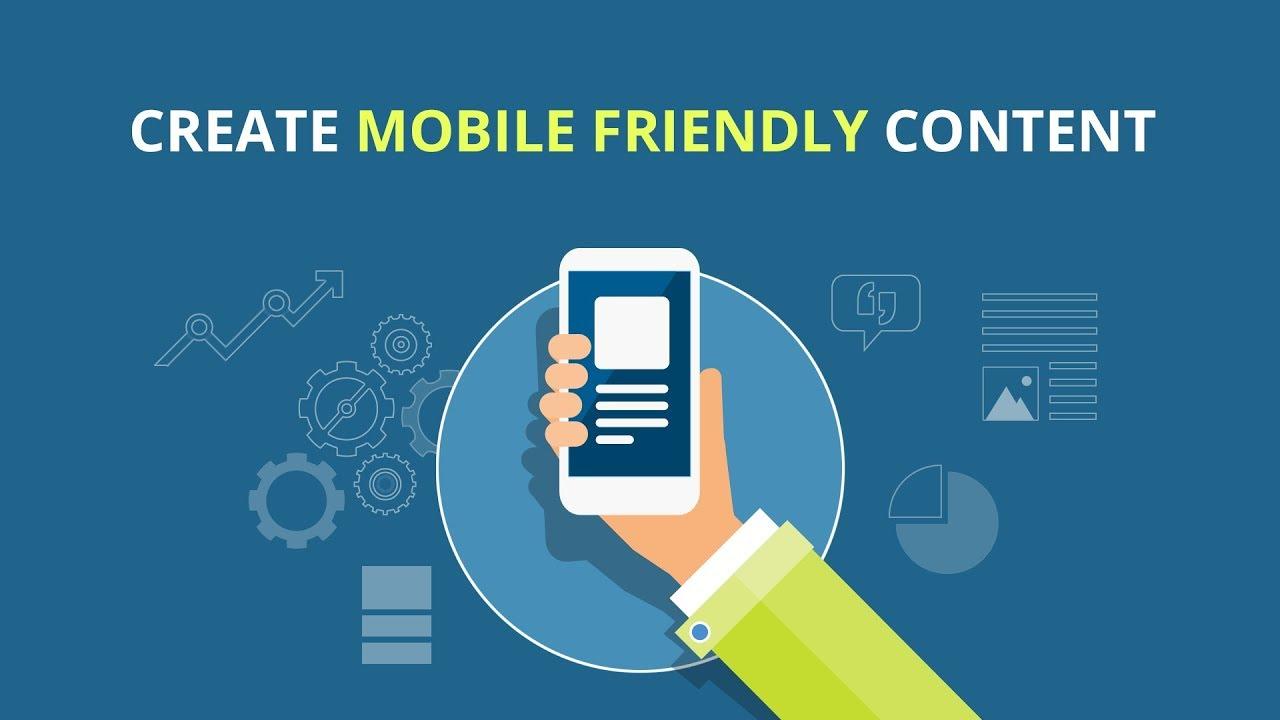
In today’s fast-paced digital landscape, ensuring that your content is mobile-friendly is crucial for engaging your audience effectively. With more users accessing information via smartphones and tablets than ever before, optimizing for mobile can make or break your marketing strategy.
Keep it Concise: Attention spans are shorter on mobile devices. Aim for clear, succinct messages. Use short paragraphs and bullet points to make your content easily scannable. This helps users quickly grasp the main ideas without feeling overwhelmed.
Prioritize Readability: Choose fonts that are easy to read on small screens. A general guideline is to use a font size of at least 16px. Also, ensure there’s adequate contrast between text and background colors to enhance legibility.
Use Responsive Design: Your website should adapt seamlessly to different screen sizes. Responsive design ensures that images, videos, and text automatically adjust to fit the device, providing a consistent user experience across all platforms.
Optimize Images and Videos: Heavy media files can slow down load times, leading to higher bounce rates. Compress images and use modern formats like WebP for faster loading. For videos, consider embedding them from platforms like YouTube or Vimeo rather than hosting them directly on your site.
Embrace Touch-Friendly Navigation: Since mobile users navigate with their fingers, make sure buttons and links are easily tappable. Aim for a minimum target size of 44×44 pixels for interactive elements to accommodate finger taps without frustration.
Leverage Local SEO: Many mobile users are searching for businesses and services nearby. Optimize your content for local search by including geographical keywords, and ensure that your business information is updated and accurate on platforms like Google My Business.
Implement Fast Load Times: Page speed is a significant factor in user experience and SEO. Tools like Google PageSpeed Insights can help you identify areas for improvement. Aim for a load time of under three seconds to keep users engaged.
Best Practice
Description
Concise Content
Short paragraphs and bullet points for easy scanning.
Readability
Use legible fonts and adequate contrast.
Responsive Design
Adapts to various screen sizes for a consistent experience.
Optimized Media
Compress images and embed videos for faster loading.
Touch-Friendly Navigation
Ensure buttons are large enough for easy tapping.
Local SEO
Incorporate local keywords for nearby searches.
Fast Load Times
Aim for a load time under three seconds.
By following these best practices, you can create mobile-friendly content that not only attracts but also retains your audience’s attention. Remember, a seamless mobile experience is pivotal to your overall marketing success.
Embracing Emerging Technologies: AR, VR, and Beyond in Mobile Marketing
As mobile marketing continues to evolve, the integration of emerging technologies like Augmented Reality (AR) and Virtual Reality (VR) is revolutionizing the way brands engage with consumers. These immersive experiences not only capture attention but also enhance user interaction, making marketing campaigns more memorable and effective.
Consider the potential of AR in retail; imagine customers being able to visualize how a piece of furniture would look in their living room before making a purchase. This technology bridges the gap between the physical and digital worlds, allowing users to interact with products in a meaningful way. Here are some key benefits of incorporating AR in mobile marketing:
Enhanced Engagement: AR captures user attention and encourages active participation, leading to a deeper emotional connection with the brand.
Increased Conversion Rates: By allowing customers to see products in their own environment, AR can significantly reduce the hesitation that often leads to abandoned carts.
Shareability: Unique AR experiences are often shared on social media, extending brand reach organically.
On the other hand, VR offers brands the opportunity to create fully immersive experiences. For instance, a travel company could use VR to transport potential customers to exotic destinations, showcasing the beauty and allure of their offerings. This not only captivates prospective clients but also allows them to ”experience” before they buy, making the decision-making process easier. Here’s how VR can transform mobile marketing:
Storytelling: VR allows brands to tell their stories in an engaging and immersive manner, creating a lasting impression on consumers.
Customer Loyalty: An unforgettable experience can turn a one-time buyer into a loyal customer who advocates for the brand.
Data Collection: VR interactions can provide valuable insights into customer preferences and behaviors.
As we look to the future, it’s clear that the combination of AR and VR is just the beginning. Technologies like Artificial Intelligence (AI) and Machine Learning (ML) are also shaping mobile marketing strategies. They enable personalized experiences by analyzing consumer data and predicting behaviors, which helps brands tailor their offerings effectively.
To illustrate the impact of these technologies, consider the following table showcasing key statistics about AR and VR in mobile marketing:
Technology
Current Market Size
Projected Growth (2025)
Augmented Reality
$6.1 billion
$61.4 billion
Virtual Reality
$7.9 billion
$44.7 billion
as mobile marketing continues to embrace these innovative technologies, brands that adopt AR, VR, and AI stand to gain a significant competitive advantage. Not only do they enhance the customer experience, but they also pave the way for deeper engagement and loyalty, ultimately driving sales and brand growth. The future of mobile marketing is bright—and it’s time for marketers to harness these tools to stay ahead of the curve.
Frequently Asked Questions (FAQ)
Q&A on Mobile Marketing Statistics: Trends Every Marketer Should Know
Q: Why should marketers pay attention to mobile marketing statistics? A: Great question! With the majority of consumers now accessing the internet through their mobile devices, understanding mobile marketing statistics is crucial. It allows marketers to tailor their strategies effectively. Ignoring this trend could mean missing out on a massive audience. Just think about it—if your target customers are primarily on their phones, shouldn’t you meet them where they are?
Q: What are some of the most compelling statistics that highlight the importance of mobile marketing? A: Absolutely! Here are a few eye-opening stats:
Over 54% of web traffic now comes from mobile devices.
Mobile users are more likely to engage with ads than desktop users.
By 2025, it’s estimated that mobile e-commerce will make up over 44% of total e-commerce sales.
These figures clearly show that mobile isn’t just an option; it’s a necessity for any modern marketing strategy!
Q: How can marketers leverage these statistics in their campaigns? A: Utilizing these statistics can guide your campaign decisions. For example, knowing that a significant percentage of users engage with mobile ads means you should prioritize mobile-friendly content. Consider optimizing your website for mobile, creating targeted ads, or even developing an app if it fits your business model. Tailoring your approach based on these insights can significantly enhance your reach and engagement!
Q: What trends in mobile marketing should marketers keep an eye on? A: There are a few key trends to watch:
Increased use of mobile wallets for payments and promotions.
Augmented Reality (AR) experiences are gaining traction in mobile advertising.
Voice search optimization is becoming crucial as more consumers use voice commands on their devices.
Staying ahead of these trends can help you not only reach your audience but also engage them in innovative ways.
Q: How important is mobile optimization for websites? A: It’s critical! Google prioritizes mobile-friendly websites in search results, so if your site isn’t optimized, you could be missing out on potential traffic. A seamless mobile experience can significantly reduce bounce rates and increase conversion. Think about it—if users struggle to navigate your site on their phones, they’re likely to take their business elsewhere.
Q: What advice do you have for marketers who are just starting to focus on mobile marketing? A: Start by analyzing your audience’s mobile behavior. Use analytics tools to understand how they interact with your content on mobile. Don’t be afraid to experiment with different formats, like videos or interactive content, which tend to perform well on mobile. always prioritize user experience—make it easy for them to navigate and engage with your brand on their devices.
Q: Are there any common pitfalls marketers should avoid in mobile marketing? A: Definitely! One major pitfall is neglecting the user experience; slow-loading pages or complicated navigation can frustrate mobile users. Another is failing to segment your audience. Just because a campaign works on desktop doesn’t mean it will translate to mobile. Always test your strategies and be willing to adapt based on what the data tells you.
Q: What’s the bottom line for marketers regarding mobile marketing? A: The bottom line is that mobile marketing is no longer optional; it’s a pivotal part of your strategy. By staying informed on the latest statistics and trends, you can create more effective campaigns that resonate with your audience. Embrace mobile marketing fully, and you’ll likely see a significant impact on your engagement and sales!
Closing Remarks
As we wrap up our deep dive into mobile marketing statistics, it’s clear that the landscape is continually evolving, and staying ahead of the curve is more important than ever. The numbers don’t lie: mobile is not just an option; it’s a necessity for marketers looking to engage their audience effectively.
Remember, understanding these trends is just the first step. The real magic happens when you put this knowledge into action. Whether you’re a seasoned marketer or just starting out, incorporating mobile strategies into your campaigns can significantly boost your reach and engagement.
So, what are you waiting for? Dive into the mobile marketing world, leverage these insights, and watch your marketing efforts flourish. Your audience is waiting for you on their screens—make sure you’re ready to meet them there! Happy marketing!